
Fr. Juan de Torres and a priest companion opened a mission in Bohol in 1596. They were the first priests there, and to attract the people, they offered gifts: for the women, needles, thread, mirrors; for the men cloth, knives, etc. A suspicious man asked what the priests expected in return. Nothing, Fr. Torres told him, for when he gives something, he gives it definitively and does not ask for anything back. We are “Christians,” he explained.
At about the same time, the Jesuits took over from the Franciscans the mission of Taytay, east of Manila. Still a lush mountain village, locusts were a dreaded plague no one knew whence they came, except that suddenly like dark clouds descending from the sky, they darkened the ripe yellow rice crops and devoured them completely. The missionaries encouraged the people to double their prayers and promise to celebrate the feast of the Immaculate Conception if they were preserved from the locust plague. The people did, and in 1598, the locusts did not appear, and they celebrated Our Lady’s feast with special fervor and solemnity. In gratitude, too, they contributed rice and money for the dowry of an orphan girl. Though still new to the Faith, the people began to experience how Christian charity strengthened their community.
No one doubts that Philippine history is the story of the Christian missions, an epic of the thousands of those heroic, unnamed missionaries who left everything just to tell the Filipinos about Christ’s love. But perhaps only a few know that, initially the royal advisers urged King Philip II of Spain (1556-98) to abandon the Philippines because it was poor and produced nothing in return, despite the thousands of silver pesos expended to colonize it.
But the King cut short all this talk when he announced he was willing to sell some of his crown jewelry and, if that did not suffice, to use the revenue from the American colonies and even dip into the royal coffers, provided a chapel could be built in his farthest colony even if only one Indio was baptized there. This is charity!
DIVINE KINDNESS
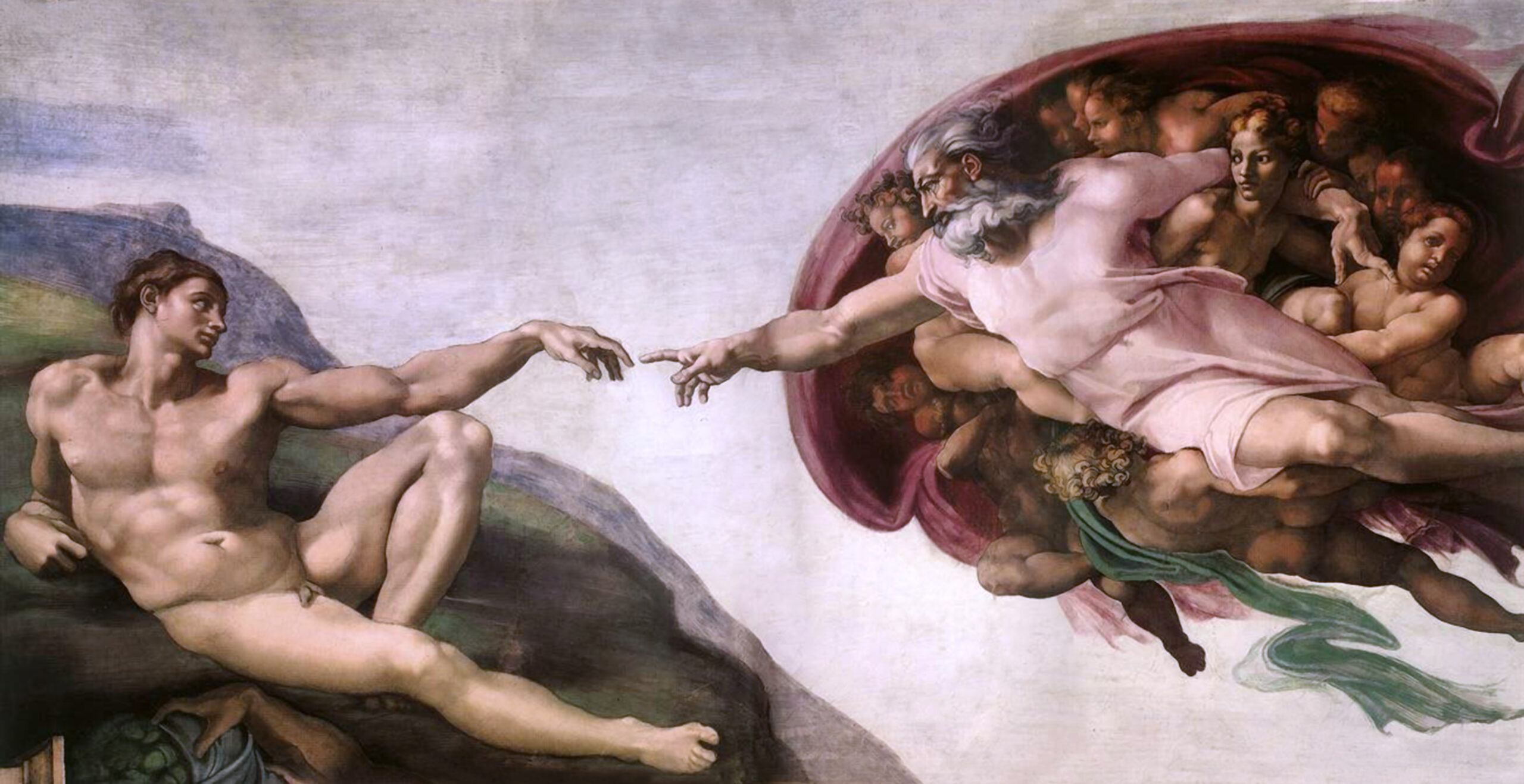
Jesus Christ embodies God’s image in man. A Jew, member of the people God had chosen for His own, not because they deserved it, but only out of divine love, divine kindness, if you will. If we receive something we deserve, it is not a gift of love, but a debt of justice paid. Giving in exchange for something is not love, it is fairness, justice. Christianity and kindness go hand-in-hand. One may even add that the unkind person betrays the Christian faith, which is essentially the practice of the love of God and neighbor.
With modern transportation, we do not realize the hard journeys thousands of unnamed missionaries willingly undertook to bring God’s message of love. Men and women –young and talented – left their country, their family, their career, everything, just to tell others of the story of the Man who died on the Cross. One can easily imagine how the crucifix in a missionary’s hand would arouse curiosity and prompt people to ask why such a man could have died so. Hardly in pre-Hispanic Philippines does one read about crucifixion. For, to atone for wrongdoing or to obtain special favors, the worshippers offered a sacrifice to the deities. But in Christianity, God offers Himself as the sacrificial victim, not for anything, but only out of God’s kindness and love! And God does not ask anything in return, but merely to accept His love and avoid wrongdoing.
The Filipinos had always experienced physical evil. Overeating caused bodily disorders, killing or stealing immediately earned its condign punishments. But here was something new – moral evil, or the refusal to accept divine love. And this changed Philippine society. One can correctly add that the history of the Philippines is the story of the Catholic missions built on true kindness and love.
KIND DEEDS ENDURE
Fr. Juan Fernández de León arrived in 1591, and, as in Mexico, continued as a hermit in Manila. His hermitage was just outside the walls of the city, which he called La Ermita de Nuestra Señora de Guía, from which the entire district is now named as such. People who learned about him went to consult him, and left generous gifts, which he distributed among the poor. So many destitute crowded at his door, that he was forced to go out and beg for them. The work soon overwhelmed him, and he asked a pious Spaniard, Juan de Esquerra, the uncle and father of some Manila-born Jesuits, to help him distribute the money and gifts he had received. Instead of abating, the work increased, and the latter asked other pious Spaniards to help. This was the start of a pious Confraternity of Mercy, the root of the Manila district “Santa Mesa.”
Somewhere in the city, a poor, unlettered Spaniard, Juan Alonso Jerónimo Guerrero, lived in pious retirement, wearing the hermit’s brown robe. He went around and brought to his house abandoned orphans, whom he provided with clothes, food, shelter, and taught them catechism and basic academic skills. Feeling old age creeping in, he asked a Dominican coadjutor brother, Fray Diego de Santa María, who was doing something similar, to take in his orphans. With his superior’s approval, the two groups of poor boys were merged into a formal institution, approved and supported by the government, and named “Colegio de San Juan de Letrán.” Because it is of God, work done in kindness and charity does not end; it endures.
STORIES OF KINDNESS
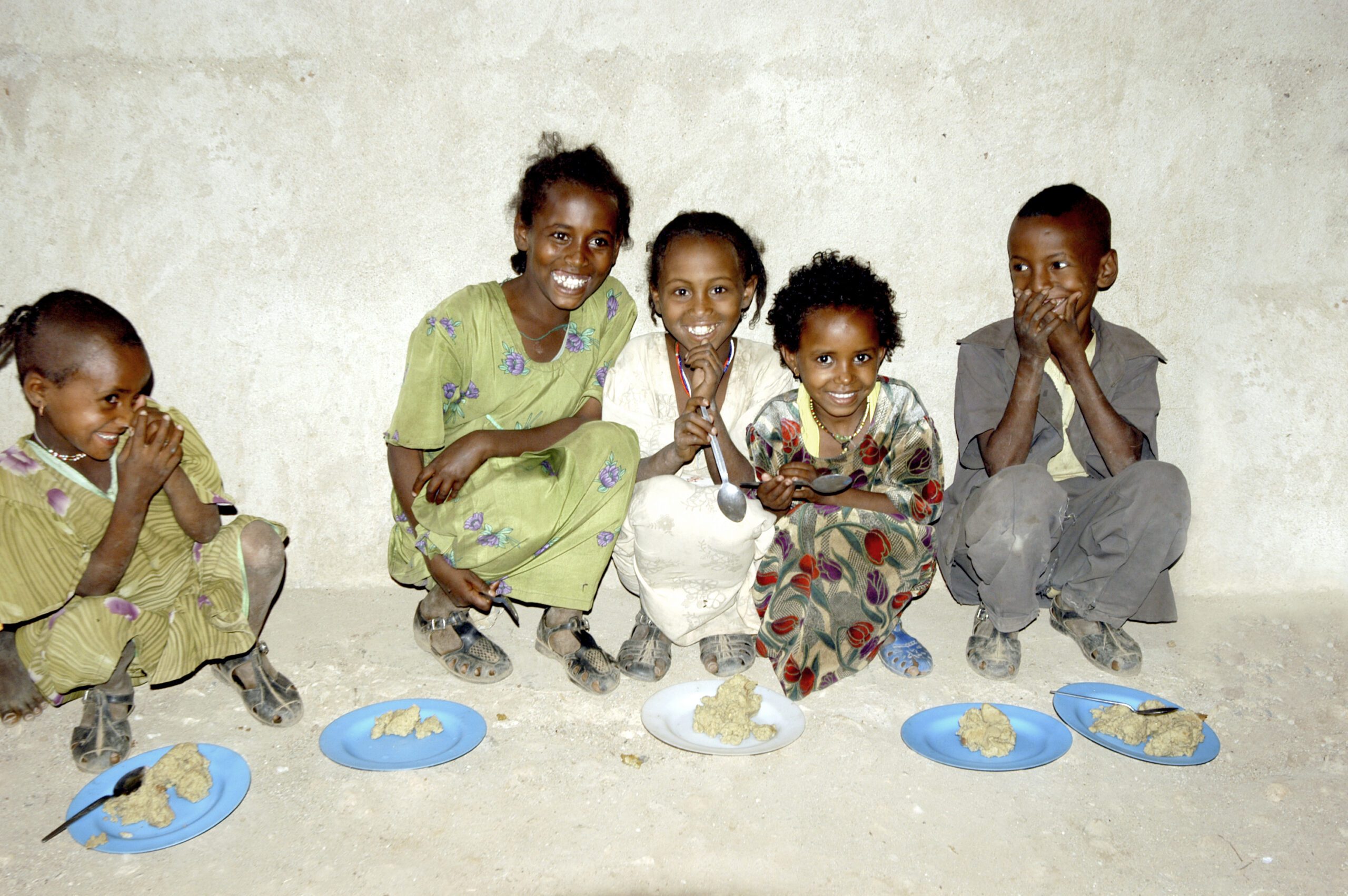
About 1880, a sudden squall along the Pacific Coast of Mindanao marooned a Jesuit missionary, who climbed a hill to wait out the storm. At noon, his crew prepared their noonday meal and sat down to eat. Three Tagacaoloa, or people living by the river mouths in the upland, came down and, without waiting to be invited, sat down before the meal. At the end, without saying a single word, they stood up and walked away as nonchalantly as before. The missionary was surprised. Later, he learned that in that tribal society, one always shared with others what one had. We have, unfortunately, lost this spontaneous concern for others, despite calls for “Christian charity.”
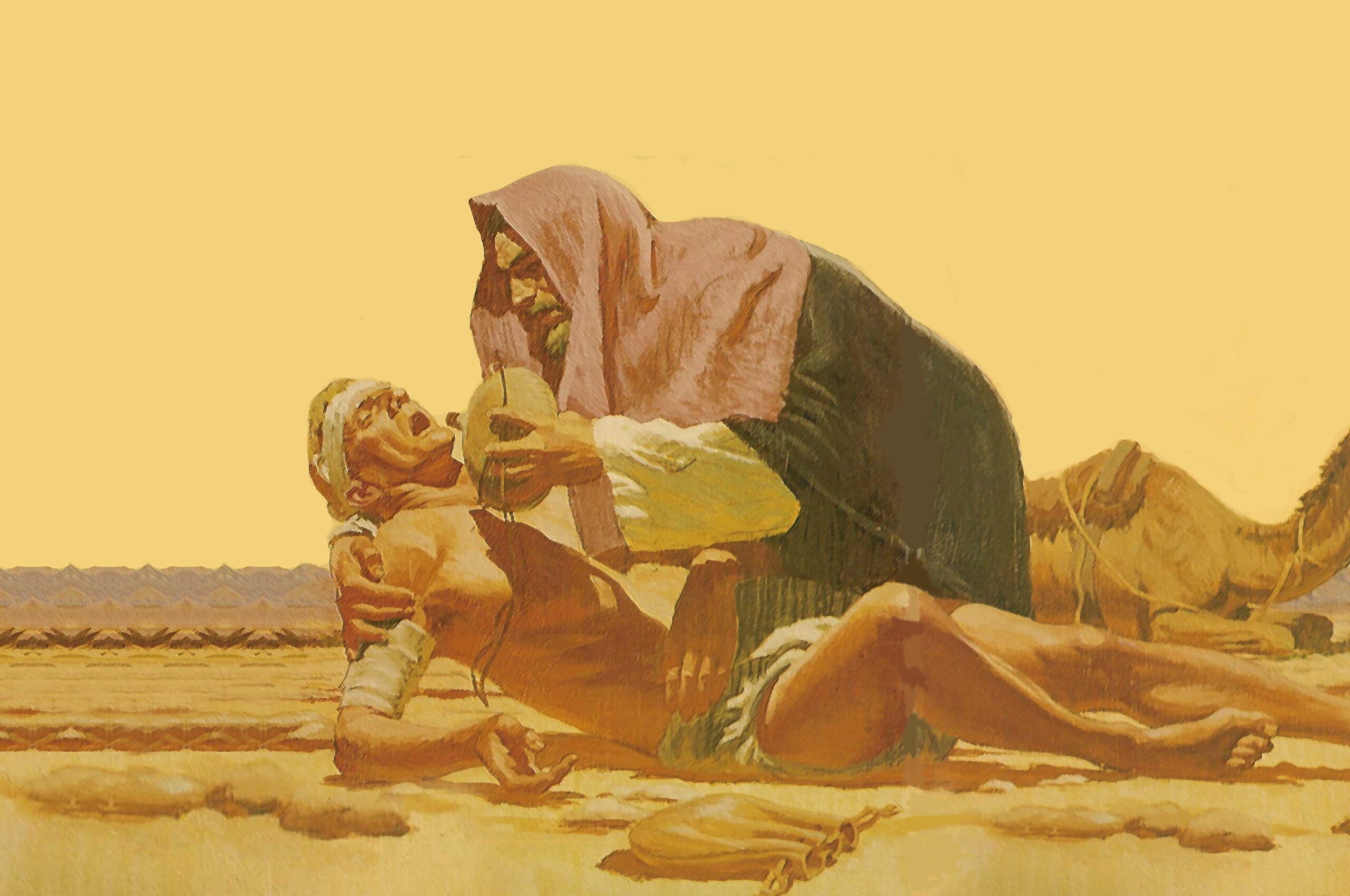
When the Pacific War began, President Quezon disbanded all the ROTC units in Manila’s schools. The Ateneo ROTC boys disregarded the order and volunteered to fight as a unit in Bataan. At sundown, they recited together the Rosary of the Blessed Virgin, and won snickers from some “hardened” soldiers. But, it did not bother them. They soon won everybody’s respect. One day, during a lull in the fighting, one of the Ateneo boys heard a soldier’s desperate cry for water to quench his burning thirst. Without hesitation, the Atenean went over and gave him his last supply of water in his canteen. Heroic kindness?
Japanese cruelty during the war is well documented. The notorious “death march” from Bataan to Tarlac is perhaps the most heart-rending of the painful war stories. But there were also stories of Japanese soldiers who had not lost their humanity. Filipino families were trapped in Manila during the shelling of the city, with the Japanese on the south side of the Pasig River, the Americans on the north. A community of 500 Filipinos was reduced to only 16 fearful, tearful men, women, and children trembling behind flimsy walls of a nipa hut over a hole in the ground. Outside, twisted together like a mat, lay the corpses of their less fortunate neighbors. They had no water, no food, only a jug of vinegar. Intermittently, the shouts and screams of the victims of Japanese butchery pierced their thin walls, and children wailed in terror.
Soon the hideous shadow of a Japanese soldier darkened the entrance of their hole in the ground. He was a captain, under command to kill, and a grenade was poised in his hand. In a frenzy of fear, a mother clutched her baby closer to her bosom. In terror, the child burst out crying. The Japanese paused, lowered his arm, stepped closer to the mother shielding her young one. “Kodomo?” (Baby?) “Hai, tomadachi, kodomo” (Yes, friend, baby).
An expression of hesitation, of pity, of nostalgia, transformed the soldier’s countenance. He continued to gaze at the child in his mother’s arms. Long he looked, then slowly, he shook his head. His grenade slipped back into his pocket. “Juto nai killing” (Killing no good), he said, passing his hand over his brow and his eyes, as if to erase some awful sight or memory. For a long time, he squatted at the entrance.
Outside, the Americans were advancing behind a heavy barrage of gunfire. The Japanese were retreating, leaving behind fire and exploding dynamite. Their companions were all over, digging out the hiding civilians, bayoneting them, slaughtering them. Slowly, the Japanese captain by the hovel opened his shirt collar, drew from around his neck a rosary to which was attached a large crucifix. Gazing intently at it, he murmured half in Nippongo, half in English, “I, Catholic; Christ, my God. Juto nai killing.” And he reverently kissed his crucifix, and held it out for the Filipinos to kiss. All throughout the next day, he remained near the hovel. Two Japanese soldiers advanced with pointed automatic rifles. He ordered them away. Another group threatened to annihilate the shelter. The captain’s voice ordered them away. When the firing ceased, he crept out of the shelter.
American soldiers were closing in, but at the risk of his life, he made one last trip to the concealed shelter. This time, he brought back canned fish and drinking water. “Your friends, Americans, here. I go.” “Christ be with you,” they whispered. “Yes, Christ with me,” and he left never to return. No one knows what happened to the captain. But the story of his kindness will never die.