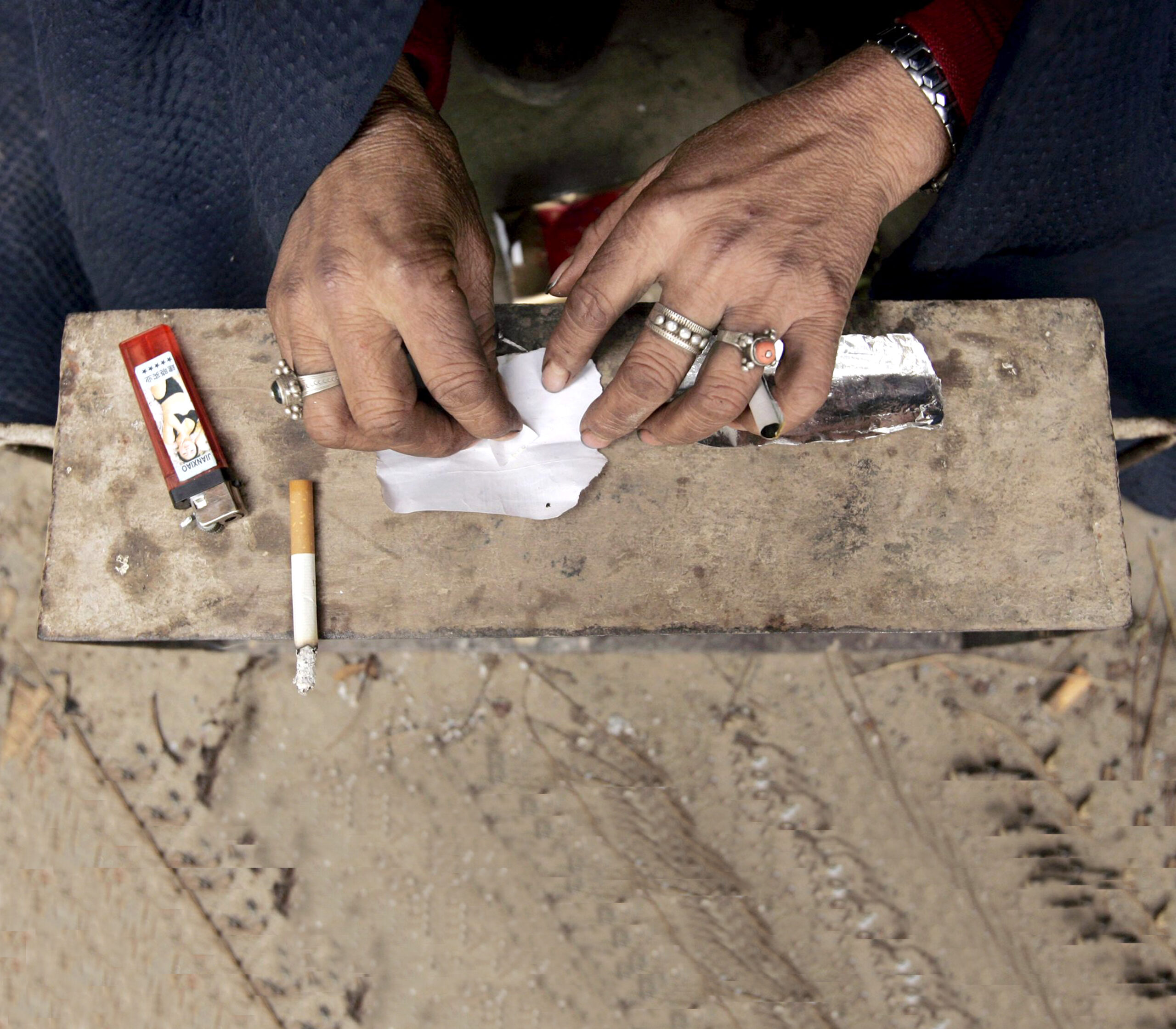
A Country Held Hostage By Drugs

INTRODUCTION

Philippines is the third largest producer of methamphetamine in the world. According to the last survey, there are about 7 million Filipinos who use dangerous drugs. The social and human costs are obviously very heavy. But drug trade is also a threat to national security. And the whole country is being held hostage by powerful drug syndicates.

WRITTEN BY

SHARE THE WORD

PUBLISHED ON

Who hasn’t read or heard news items about rugby boys robbing commuters in Metro Manila, drug traffickers killed in a shooting, or seized kilograms of shabu? Perhaps we read or hear these stories more often than we want to. Unfortunately, these are almost ordinary occurrences in Filipino’s day-to-day life, and it is caused by one menace: illegal drugs.

The drug problem permeates our society and affects people from all classes. There are about 6.7 million Filipinos who use dangerous drugs according to a 2004 survey conducted by the Dangerous Drugs Board (DDB).

Whether the figure has gone up or down in the last four years is only of secondary importance to the fact that the country has yet to see the end of this crisis. The government has aimed that the Philippines be drug-free by 2010. That is only two years from now and, obviously, a lot of work has to be done.

The DDB annual report released in 2005 stated that methamphetamine hydrochloride, or shabu, was the top drug of choice of Filipino drug dependents. At present, there is very little evidence to say otherwise as indicated by many instances of den and laboratory raids and busts reported in the news. Perhaps one of the most memorable was the “shabu tiangge” busted in Pasig City in 2006, which is one of the biggest raids ever. Several packs of shabu worth P2 million was seized in the operation.

SHABU IMPORT-EXPORT
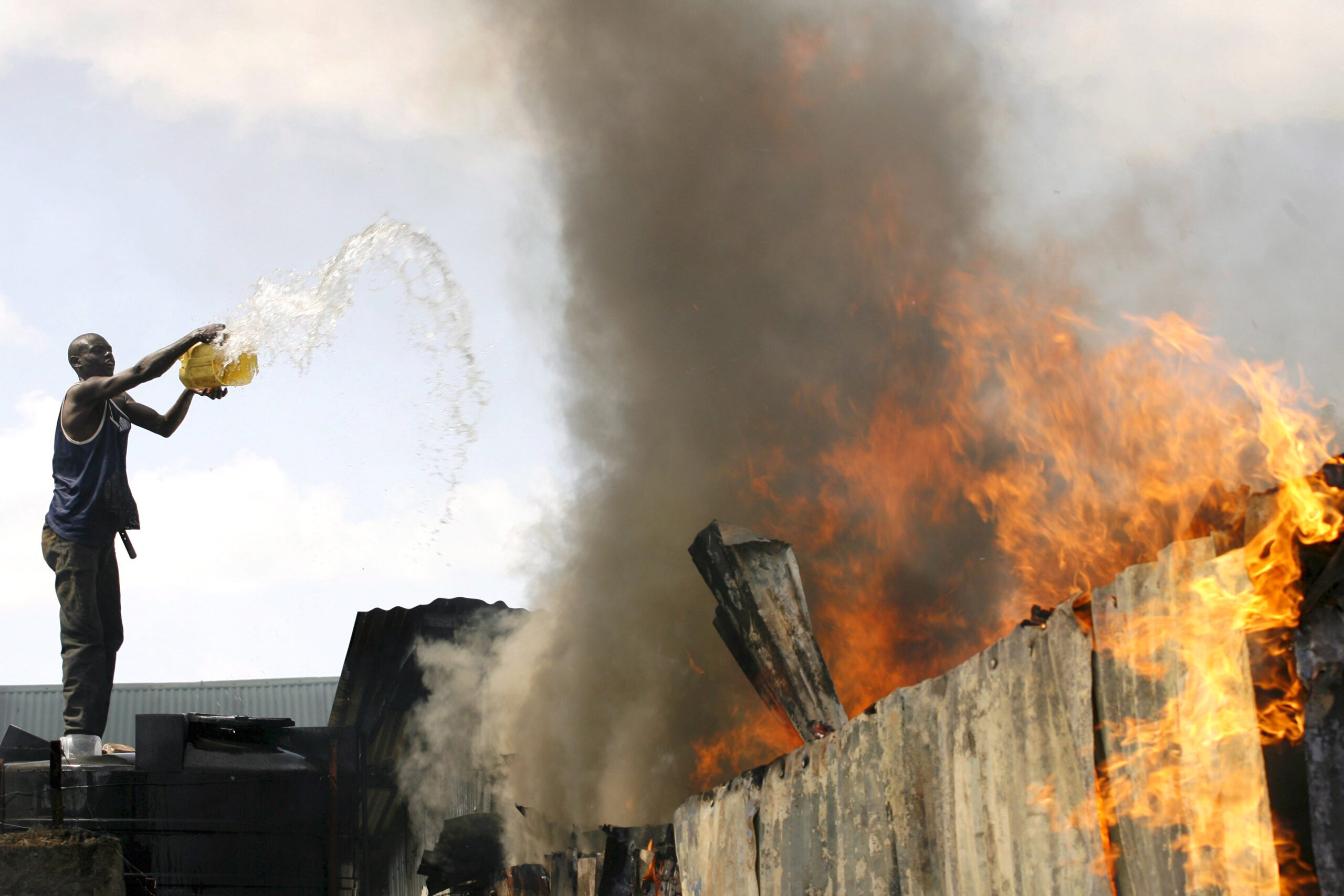
The shabu supply in the country is manufactured by clandestine laboratories, some turning out 1,000 kilograms or more in each production cycle. The outputs of these labs are not only consumed locally but also exported to the US and Australia. The presence of these laboratories have put the Philippines on the map, albeit in a bad light. The World Drug Report 2007 released by the United Nations Office on Drugs and Crime disclosed that the country is the third largest producer of methamphetamine in the world. These laboratories are either owned, operated or funded by Chinese or Taiwanese nationals.

According to the Philippine Drug Enforcement Agency (PDEA), since its inception in 2003, the agency has closed 52 clandestine shabu laboratories. In addition, it has busted over 40 warehouses where chemicals, such as ephedrine, were stored. Ephedrine is a precursor chemical for shabu. The government crackdown on these labs have led operators to flee to far-flung areas such as central Mindanao, according to the International Narcotics Control Strategy Report (INCSR) released by the US Bureau for International Narcotics and Law Enforcement Affairs last March 2007. It has also resulted to an increase in shabu prices.

To offset the decrease in output brought about by these seizures, shabu is being smuggled into the country. According to the DDB report, the four major avenues where the drug is transshipped are the seaports, international airports, mail and parcel services, and the Philippine coastlines. Traffickers mainly import shabu from China and use the routes in Mindanao.

MARIJUANA’S MAJOR PRODUCER
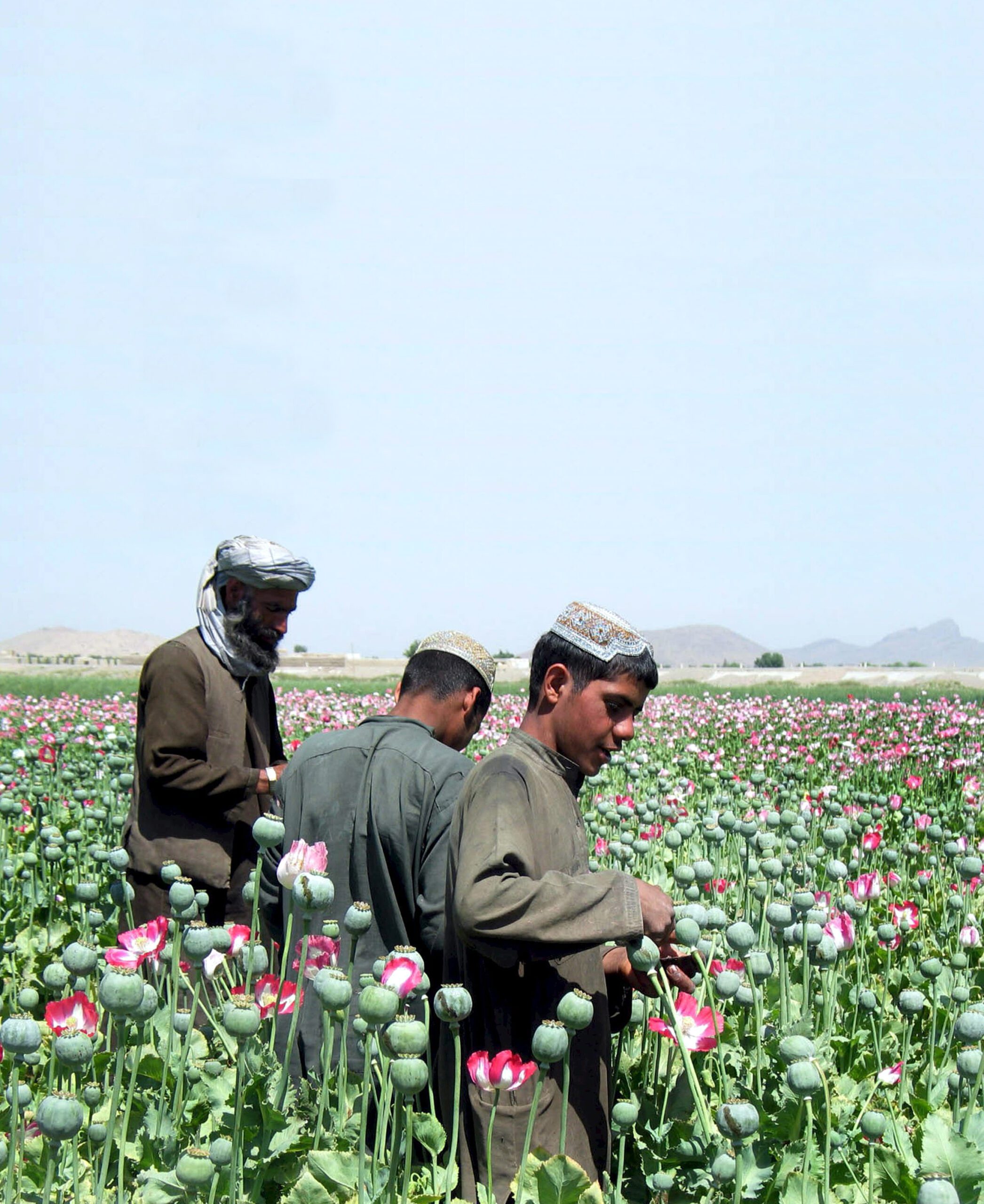
Following shabu in popularity is marijuana. The World Drug Report has pointed out that the country is also a major producer of the cannabis herb. According to the INCSR, marijuana plantations can be found in remote sites in Luzon and Mindanao. The majority of the output is consumed locally while the rest are smuggled to Australia, Japan, Malaysia and Taiwan.

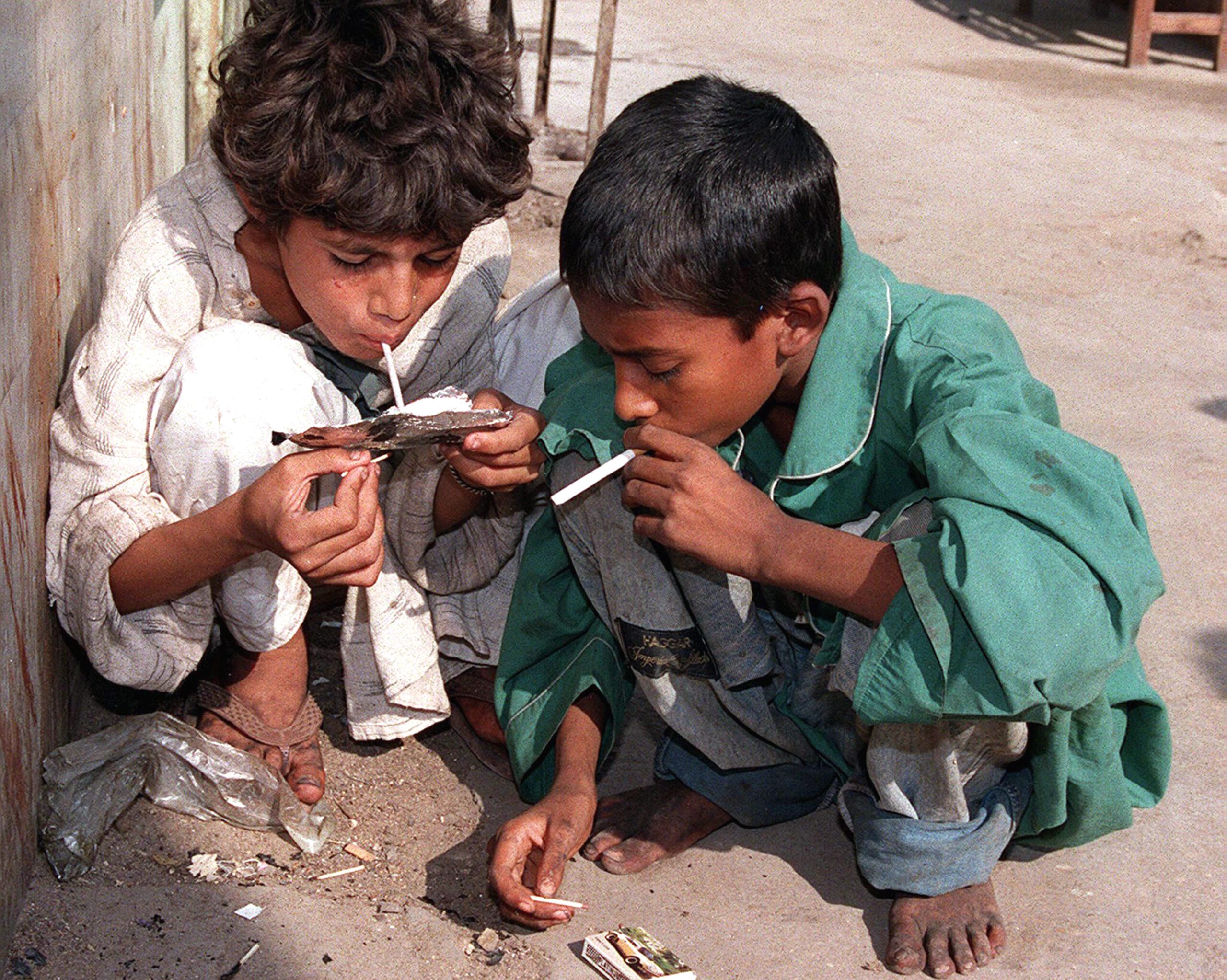
Other drugs commonly used in the Philippines are inhalants and methyldioxymethamphetamine. Inhalants such as rugby and solvent are popular among street children and teenagers since they are cheap and readily available. Methyldioxymethamphetamine, more popularly known as ecstasy, is commonly referred to as a party drug and usually consumed by well-off teenagers and young adults.

In the DDB report, the ratio of male to female users was 10:1. This was based on reported cases submitted to the DDB by 55 residential and three outpatient rehabilitation facilities. This ratio, however, might have changed since its release in 2005. According to some of the boys in a rehabilitation farm World Mission visited recently, there are as much girls using dangerous drugs as boys. The report also indicated that of the 5,873 cases known, 38.2% of the clients were unemployed while 27.6% only reached high school. The majority of the cases were from the National Capital Region.

A PRODUCT OF POVERTY
Despite the Philippines’ stringent anti-drug laws and enforcement efforts exerted by the government and agencies such as PDEA and DDB, the drug trade continues to haunt us. There are several reasons for this. Poverty is one of them. The International Food Policy Research Institute said that there are about 11 million Filipinos live on less than $1 a day. There are 2.2 million unemployed Filipinos, according to the October 2007 Labor Force Survey conducted by the National Statistics Office. These people sometimes turn to illegal drugs such as shabu and rugby so that they will not feel hungry. Selling drugs, meanwhile, is an alternative source of income for those without jobs.

Corruption is another factor. There are indications of drug money being used to fund unlawful activities related to elections, such as “vote buying, bribery of election officials, ballot theft and voter intimidation,” according to the INCSR. In exchange for these, politicians, once elected, return the favor by protecting the drug lords.

The Pasig City drug den mentioned earlier was about 250 meters away from the City Hall and police precinct. How could it be possible to have hundreds of drug users gather there without attracting the attention of the authorities? A day after the raid, several policemen and PDEA officers were fired for protecting the tiangge and its operators in exchange for bribe money worth millions of pesos. There were 300 people arrested from the 2006 raid but, as of January this year, two of the peddlers from the shabu market received life imprisonment while 63 will face jail terms of up to 20 years. This exhibits another problem: low conviction rates. Seeing that it is quite easy to get around the technicalities of the law and not be convicted emboldens traffickers. Aside from this, it also lowers the morale of law enforcers, which may decrease their efficiency in carrying out their duties. The government’s lack of resources, such as equipment and trained personnel, also hinders it from effectively combating the drug trade.

The Philippines’ strategic location, meanwhile, makes it a favorable transshipment point for drug smugglers. In addition, the country’s geography makes it more challenging for authorities to track down these peddlers.

CRIME AND INSECURITY
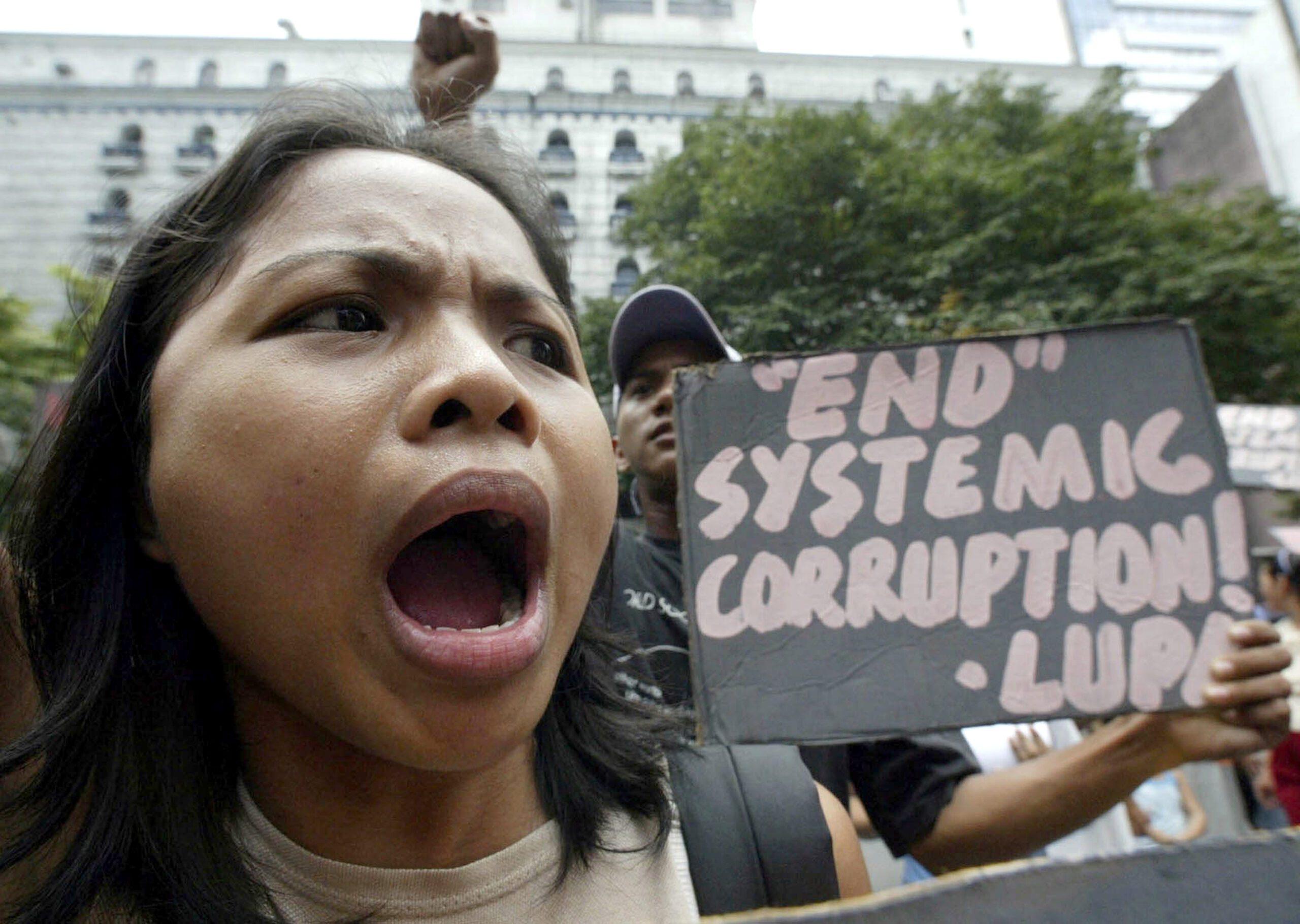
The Philippine National Police (PNP) declared, in 2007, that illegal drugs are still the most prevalent type of street crime in the Philippines. However, the drug menace not only makes our streets more dangerous. It threatens our national security. There have been reports that aside from politicians, money from the drug trade funds the activities of insurgents and terrorists. According to the INCSR, the New People’s Army allegedly charges marijuana traffickers a revolutionary tax in exchange for protection of cannabis plantations. Reports from the PNP indicate the NPA’s involvement in marijuana trade in North Luzon and Southern Mindanao. The terrorist Abu Sayyaf Group is also connected to the drug trade. According to the PNP, they also provide security for marijuana farming and protect traffickers. Their involvement is mainly concentrated in Mindanao. These instances just prove that the whole country is being held hostage by powerful drug syndicates. Powerful officials in the government are under their control. Criminals are under their control. And we, the people, are their victims.

Agencies such as PDEA, the DDB and the PNP have declared war against drug lords and syndicates. They have been implementing anti-drug programs for so long, but the threat still besets us. The fight against the illegal drug problem is not just for a few. It is for each one of us. We all have a role to play. Each one of us matters in this battle. If we hold on to our values, if we contribute to helping people in need, it would definitely make a difference. After all, one man saved from drugs, is one man closer to a drug-free Philippines. n

Share Your Thoughts

All comments are moderated

From The Same Issue

The articles and content about this issue

From The Same Issue

The articles and content about this issue

WM Special

A Farm of Hope

From This Topic

The articles and content about this topic

From This Topic

The articles and content about this topic

WM Special

Still up in arms

Explore Other Topics

Browse other coverage

Explore Other Topics

Browse other coverage

WM SPECIAL

Presents, discusses and draws readers to reflect on issues of outmost relevance to the world today.


FRONTIERS

Very often, mission is carried out in frontier situations around the world. Those who embrace these situations have much to share.


UNITY IN DIVERSITY

Writer Ilsa Reyes will be exploring the richness of Pope Francis’s latest encyclical Fratelli Tutti with a view of helping our readers to get a grasp of the this beautiful papal document.


FRONTLINE

Puts to the front committed and inspiring people around the world who embrace humanitarian and religious causes with altruism and passion.


IN FOCUS

Focus on a given theme of interest touching upon social, economic and religious issues.


FAITH@50

As the Philippines prepares to celebrate 500 years of the arrival of Christianity. Fr. James Kroeger leads us in this series into a discovery journey of the landmark events in the history of faith in the Philippine archipelago.


INSIGHT

Aims to nurture and inspire our hearts and minds while pondering upon timely themes.


FILIPINO FOCUS

The large archipelago of the Philippines, in its richness of peoples and cultures, offers varied and challenging situations for mission.


FOLLOW ME

Reflections and vocation stories that shape up the lives of young people.


MISSION IS FUN

As humor and goodness of heart are qualities of Christian and missionary life, the new column “Mission is fun” will be publishing some anecdotes and stories that have happened in a missionary context to lighten up the spirits and trigger a smile in our faces.


LIVING COMMUNION

To help readers of World Mission live this year dedicated to Ecumenism, Interreligious Dialogue and Indigenous Peoples, Tita Puangco, writer and lecturer, shares in this section insights on the spirituality of communion.


WINDS OF THE SPIRIT

A historic view of the Catholic movements that emerged from the grassroots as an inspiration by the Holy Spirit.


BRIDGE BUILDERS

On the Year of Ecumenism, Interreligious Dialogue and Indigenous Peoples, radio host and communicator Ilsa Reyes, in her monthly column, encourages Christians and people of good will to be one with their fellow people of other sects, religions and tribes.


INTERVIEW

Questions to a personality of the Church or secular world on matters of interest that touch upon the lives of people.


WORLD TOUCH

News from the Church, the missionary world and environment that inform and form the consciences.


CARE OF THE EARTH

A feature on environmental issues that are affecting the whole world with the view of raising awareness and prompting action.


EDITORIAL

The editor gives his personal take on a given topic related to the life of the Church, the society or the world.


YOUNG HEART

A monthly column on themes touching the lives of young people in the Year of the Youth in the Philippines by radio host and communicator I lsa Reyes.


SCROLL

A missionary living in the Chinese world shares his life-experiences made up of challenges and joyous encounters with common people.


EXTRAORDINARY PEOPLE

Life stories of people who deserve to be known for who they were, what they did and what they stood for in their journey on earth.


ONE BY ONE

Stories of people whom a missionary met in his life and who were touched by Jesus in mysterious ways.


INCREASE OUR FAITH

Critical reflection from a Christian perspective on current issues.


SPECIAL MOMENTS

Comboni missionary Fr. Lorenzo Carraro makes a journey through history pinpointing landmark events that changed the course of humanity.


PROFILE

A biographical sketch of a public person, known for his/her influence in the society and in the Church, showing an exemplary commitment to the service of others.


WM REPORTS

Gives fresh, truthful, and comprehensive information on issues that are of concern to all.


LIFE'S ESSENTIALS

A column aimed at helping the readers live their Christian mission by focusing on what is essential in life and what it entails.


ASIAN FOCUS

Peoples, events, religion, culture and the society of Asia in focus.


THE SEARCHER'S PATH

The human heart always searches for greatness in God’s eyes, treading the path to the fullness of life - no matter what it takes.


INDIAN FOCUS

The subcontinent of India with its richness and variety of cultures and religions is given center stage.


AFRICAN FOCUS

The African continent in focus where Christianity is growing the fastest in the world.


JOURNEY MOMENTS

Well-known writer and public speaker, Fr. Jerry Orbos, accompanies our journey of life and faith with moments of wit and inspiration based on the biblical and human wisdom.


IGNATIUS STEPS

On the year dedicated to St. Ignatius of Loyala, Fr. Lorenzo Carraro walks us through the main themes of the Ignatian spirituality.


THE SEVEN LAST WORDS OF JESUS

Fr. John Taneburgo helps us to meditate every month on each of the Seven Last Words that Jesus uttered from the cross.


INSIDE THE HOLY BOOK

In this section, Fr. Lorenzo delves into the secrets and depths of the Sacred Scriptures opening for us the treasures of the Sacred Book so that the reader may delight in the knowledge of the Word of God.


CONVERSATIONS

Reflections about the synodal journey on a conversational and informal style to trigger reflection and sharing about the synodal path the Church has embarked upon.


VATICAN II

This 'mini-course' series provides a comprehensive exploration of Vatican II, tracing its origins, key moments, and transformative impact on the Catholic Church.


COMBONIS IN ASIA

This series offers an in-depth look at the Comboni Missionaries in Asia, highlighting their communities, apostolates, and the unique priorities guiding their mission. The articles provide insights into the challenges, triumphs, and the enduring values that define the Comboni presence in Asia.


BEYOND THE SYNOD

Following the Synod on Synodality, this series examines how dioceses, parishes, and lay organizations in the Philippines are interpreting and applying the principles of the synod, the challenges encountered, and the diverse voices shaping the synodal journey toward a renewed Church.


A TASTE OF TRADITION

This series introduces the Fathers of the Church, featuring the most prominent figures from the early centuries of Christianity. Each article explores the lives, teachings, and enduring influence of these foundational thinkers, highlighting their contributions the spiritual heritage of the Church.


A YEAR OF PRAYER

In preparation for the 2025 Jubilee Year under the theme “Pilgrims of Hope,” 2024 has been designated a Year of Prayer. World Mission (courtesy of Aleteia) publishes every month a prayer by a saint to help our readers grow in the spirit of prayer in preparation for the Jubilee Year.


OUR WORLD

In Our World, the author explores the main trends shaping contemporary humanity from a critical and ethical perspective. Each article examines pressing issues such as technological advancement, environmental crises, social justice, and shifting cultural values, inviting readers to reflect on the moral implications and challenges of our rapidly changing world.


CATHOLIC SOCIAL DOCTRINE

This series unpacks the principles of Catholic Social Doctrine, offering a deep dive into the Church's teachings on social justice, human dignity, and the common good.


HOPEFUL LIVING

Hopeful Living’ is the new section for 2026, authored by Fr. James Kroeger, who dedicated most of his missionary life to the Philippines. In this monthly contribution, he will explore various aspects of the virtue of hope. His aim is to help readers align their Christian lives more closely with a hopeful outlook.


PHILIPPINE CROSSROADS

Filipino Catholic scholar Jose Bautista writes each month about how the Philippines is at a crossroads, considering the recent flood control issues and other corruption scandals that have engulfed the nation. He incorporates the Church’s response and its moral perspective regarding these social challenges.


BIBLE QUIZ

Test your knowledge and deepen your understanding with our Bible Quiz! Each quiz offers fun and challenging questions that explore key stories, themes, and figures from both the Old and New Testaments.


Shopping Cart