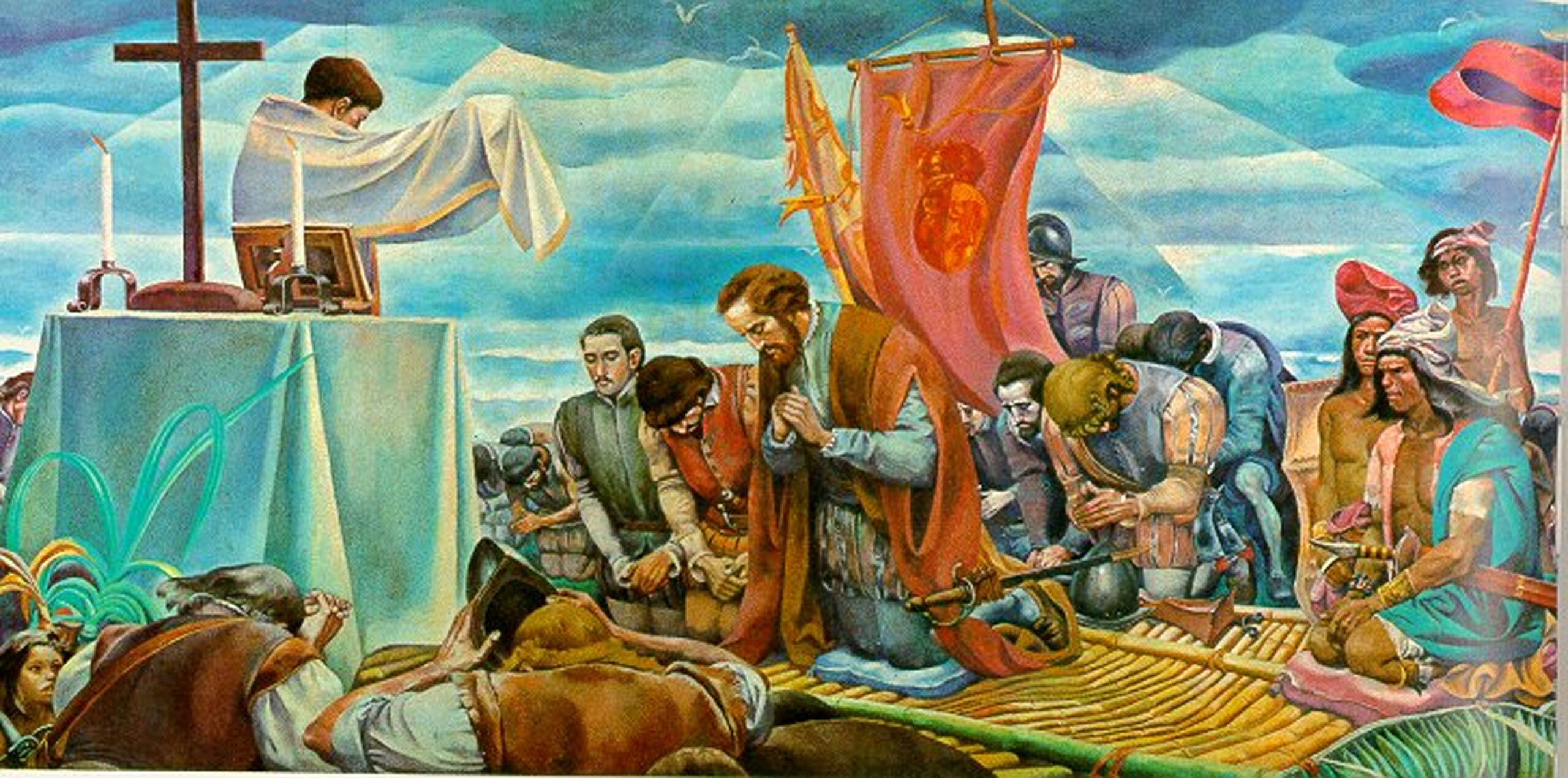
Discussions are being undertaken this early for the 500th anniversary, in 2021, of the Magellan Expedition in the Philippines. Half a millennium has passed and one would think that we should know all there is on the subject but, till this day, there are a number of controversial points in the story, most enduring being the debate on where the First Mass was held − is it Limasawa as has been maintained for decades, or is it Masao, Butuan?
Both sides present convincing evidence and while a resolution on this should be forthcoming, there are other claimants to this honor aside from the two above − the most amazing being a claim from Pangasinan that argues that the First Mass was celebrated there long before Magellan even imagined what was to him the Archipelago de San Lazaro in 1521. One could say that each generation writes its own history, each generation interprets history differently as it is based on their worldview, their needs, their aspirations. This explains why history is both confused and confusing, why it is slippery as an academic discipline is always open to new information, new views.
When I started teaching over two decades ago, I thought History was an informative subject; the challenge simply was to present dates, names, places, and events in the most engaging manner possible. As I matured as a teacher, I realized that History is actually formative. History is the story of how the nation came to be, and more often than not, history illustrates how people fail to be the nation they want to be. History is not the only way to learn love of country, but it has a unique way of showing the different ways we see and deal with the past. These different ways of seeing is also a lesson in being Filipino.
DIFFERENT POINTS OF VIEW
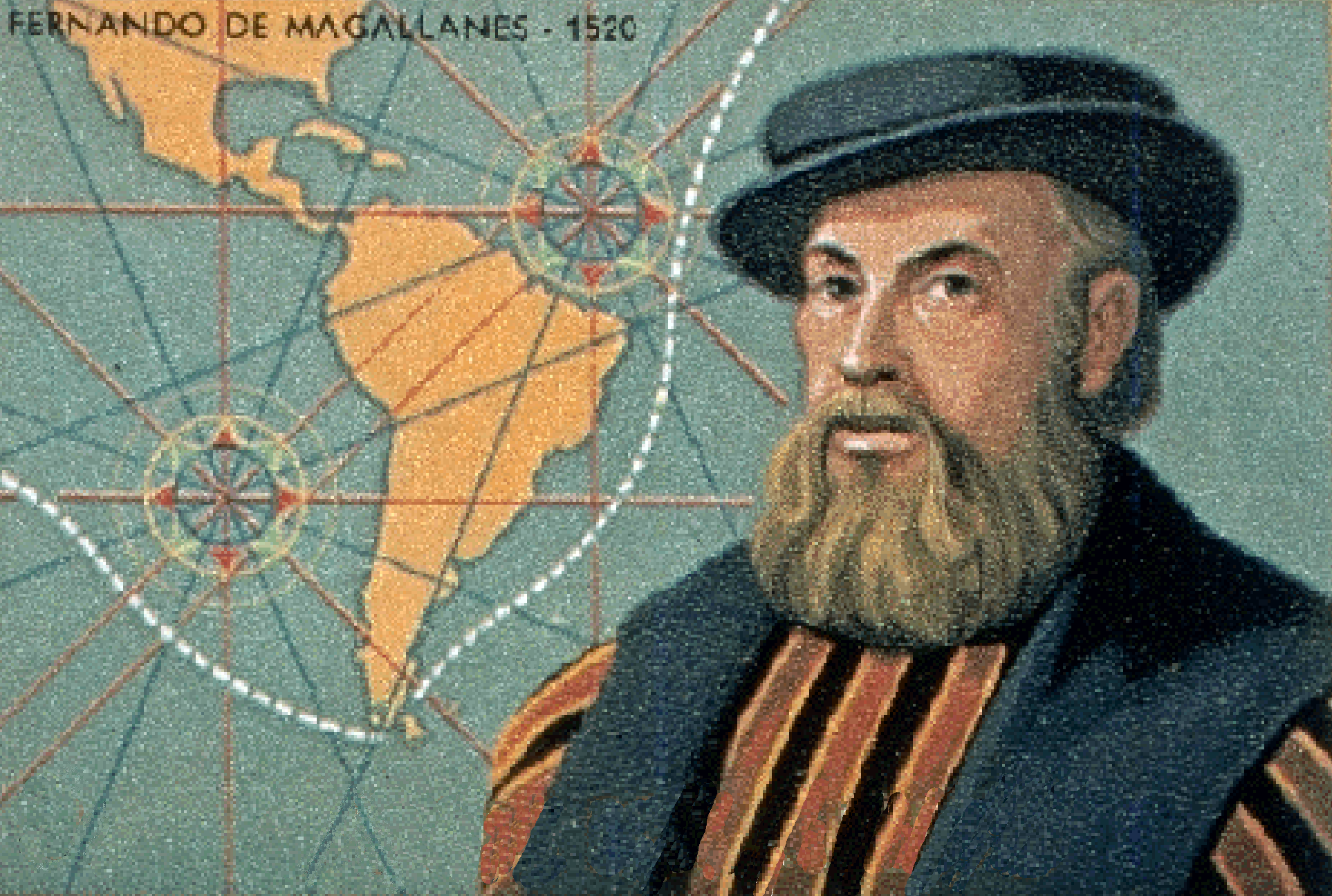
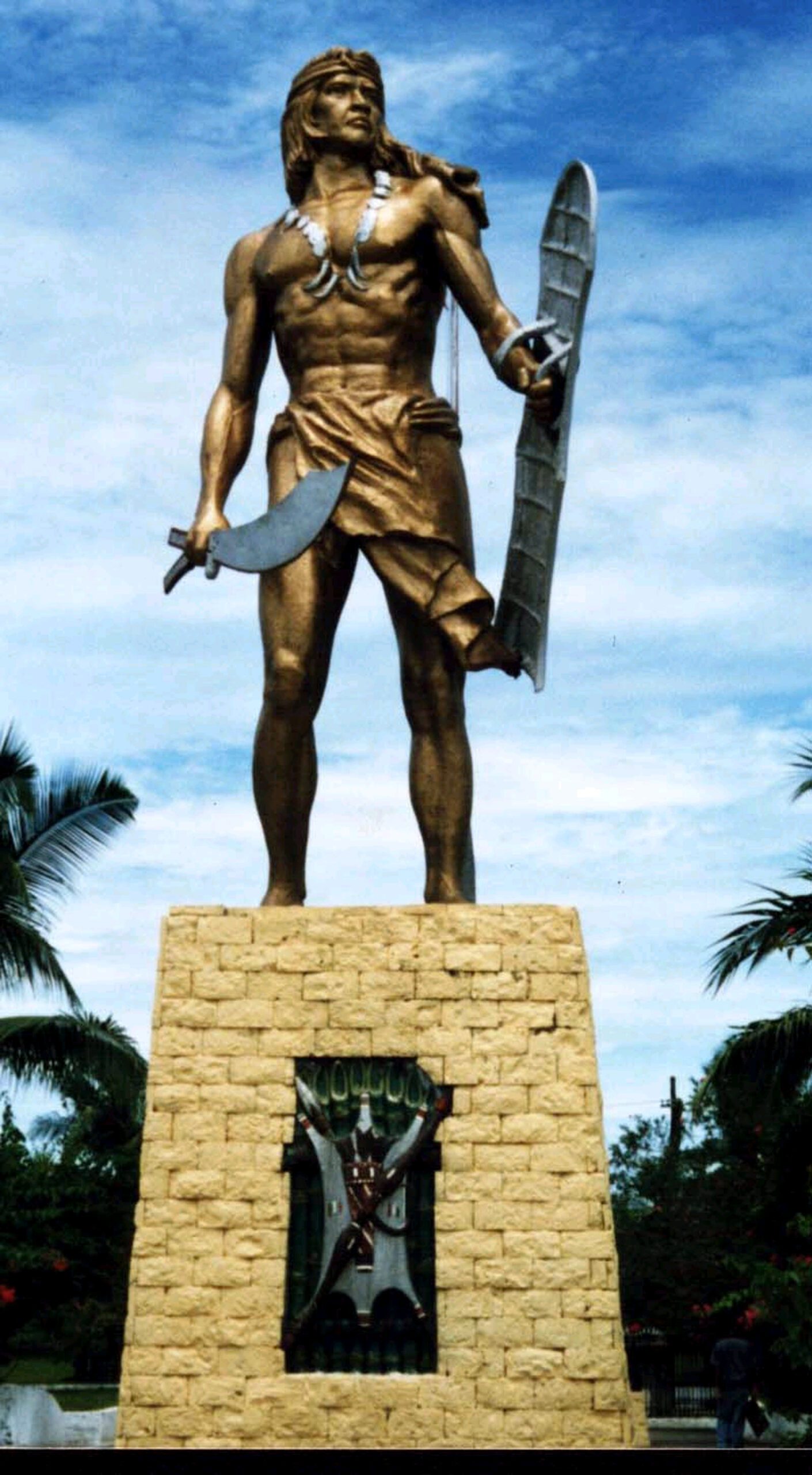
As a boy, I was taught that Ferdinand Magellan “discovered” the Philippines. I even thought that the villains in the story were the half-naked savages led by Lapu-lapu who killed the first tourist to our shores. To me, the white-skinned Magellan coming to the yet unnamed archipelago carrying Christianity and civilization was the martyr, the bida (playing the lead role) while Lapu-lapu, the barbarian, was the contrabida (villain). Fortunately, I read a children’s book by Gemma Cruz Araneta entitled, Makisig, Little Hero of Mactan that challenged my worldview, but it was much later in life that I saw and understood interpretations in history. I heard about Gregorio Zaide, the smiling historian with Mickey Mouse ears, who proposed that we should see history from our distinctly Philippine viewpoint. Hence, Magellan did not discover the Philippines, he merely ”re-discovered” it. How can he discover a place that already had people in it? I bought this idea only to be smashed by the eminent acid-tongued historian Teodoro A. Agoncillo who disagreed and maintained that Zaide was peddling baloney. When I explained that this was in line with his own views on nationalist history, Agoncillo snapped, “Gago ka rin pala eh! (You are a fool, too!) Do you know what you are saying?” Did the Philippines disappear under the sea and come up again for Magellan to rediscover it? How can you re-discover what is not lost?” I was not in a position to argue and left things unresolved at that.
Two decades since Zaide and Agoncillo passed away, I have become a historian of sorts and now threaten to write my own version of Philippine history. When I write my history, I will not say that Magellan discovered the Philippines, that is the Spanish viewpoint. I will not say Magellan re-discovered the Philippines, for that is the rabid nationalist Filipino viewpoint. All I will say is that Magellan arrived in the Philippines in 1521. The dates, names, and facts have not changed, but one can readily see how the change of one simple word − from discovered, to re-discovered to arrived − can change the whole way in which we see ourselves in relation to our past, our present, and our future.
A SIMPLE LESSON
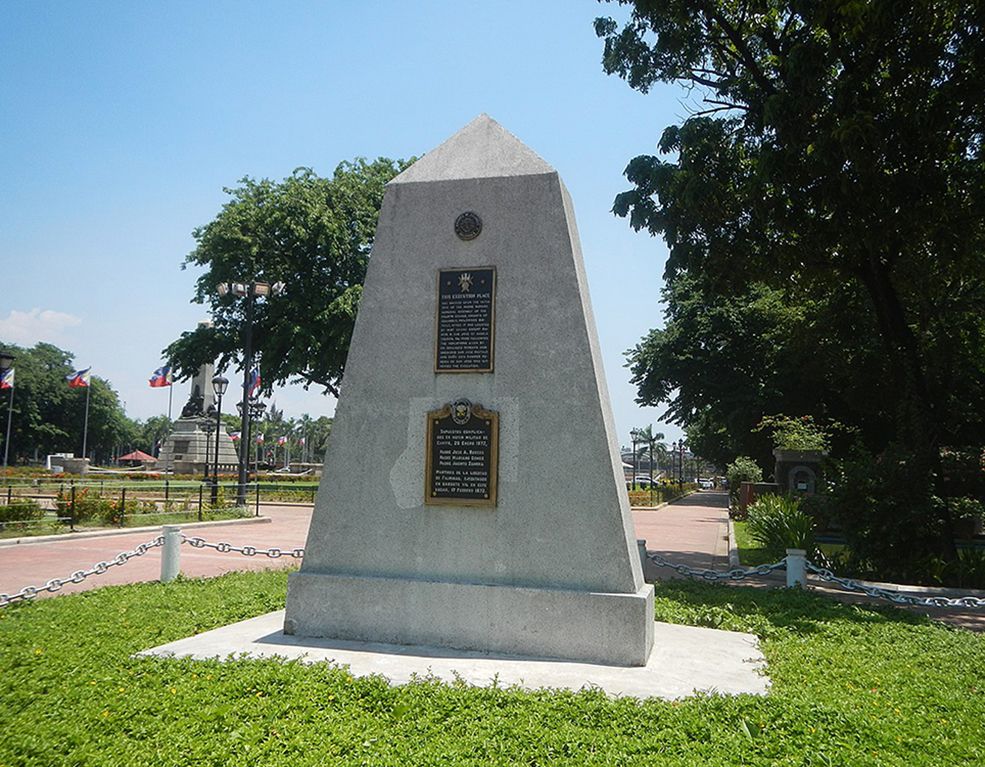
The story of Magellan and Lapu-lapu is but a simple lesson, and may explain why there are two shrines and two historical markers in Mactan today. Somewhere along the shores of Mactan, a battle was fought in 1521 between Magellan and Lapu-lapu. A spot was designated to memorialize the event and so we have a handsome monument of coral, an obelisk that commemorates the glories of Spain, and a modern bungalow-like structure adorned by a mural showing the battle of Mactan, and in the center of the structure is what looks like a tombstone with jagged rocks and at its base is a marker that reads: “Here, on 27 April 1521, Lapu-lapu and his men repulsed the Spanish invaders killing their leader Ferdinand Magellan and thus Lapu-lapu became the first Filipino to have repelled European aggression.” The said marker was installed in 1958.
Behind this “tombstone” is another older marker installed in 1941 that reads: “On this spot, Ferdinand Magellan died on April 21 1521, wounded in an encounter with the soldiers of Lapu-lapu, chief of Mactan Island. One of Magellan’s ships, the Victoria, under the command of Juan Sebastian El Cano sailed from Cebu on May 1, 1521 and anchored at San Lucar de Barrameda on September 6, 1522, thus completing the first circumnavigation of the world.”
One event, different interpretations. So where was the First Mass held? Does it really matter? Wouldn’t it be safe to assume that daily mass was celebrated on the ships, and wouldn’t that also count as the First Mass in the Philippines? But where? When? History may be confused and confusing, but if people learn to see how, for whom, and why that history is written, then maybe they will not only see themselves in a mirror but also see a nation making sense of its past.