In April 1997, three years after the Rwanda genocide and the celebration of the First African Synod, at Nairobi, the African Church held a “consultation on the crisis in the Great Lakes region.” It was a happening at the highest level, financed by the Vatican and organized by the Symposium of the Episcopal Conferences of Africa and Madagascar (SECAM). It saw the presence of around ten cardinals (some Africans, others representing the Roman congregations) and sixty bishops and archbishops from all over the continent. The press, however, was not allowed, given the reserved nature and importance of the topics dealt with.
The meeting should have been the occasion for a serious examination of conscience on the responsibilities that the Church itself − in the person of some bishops, priests and sisters- had had in the Rwanda events. Everybody was expecting that such a high consultation would produce a strong document and give concrete indications of how the Church should position itself and should act in front of ethnic wars.
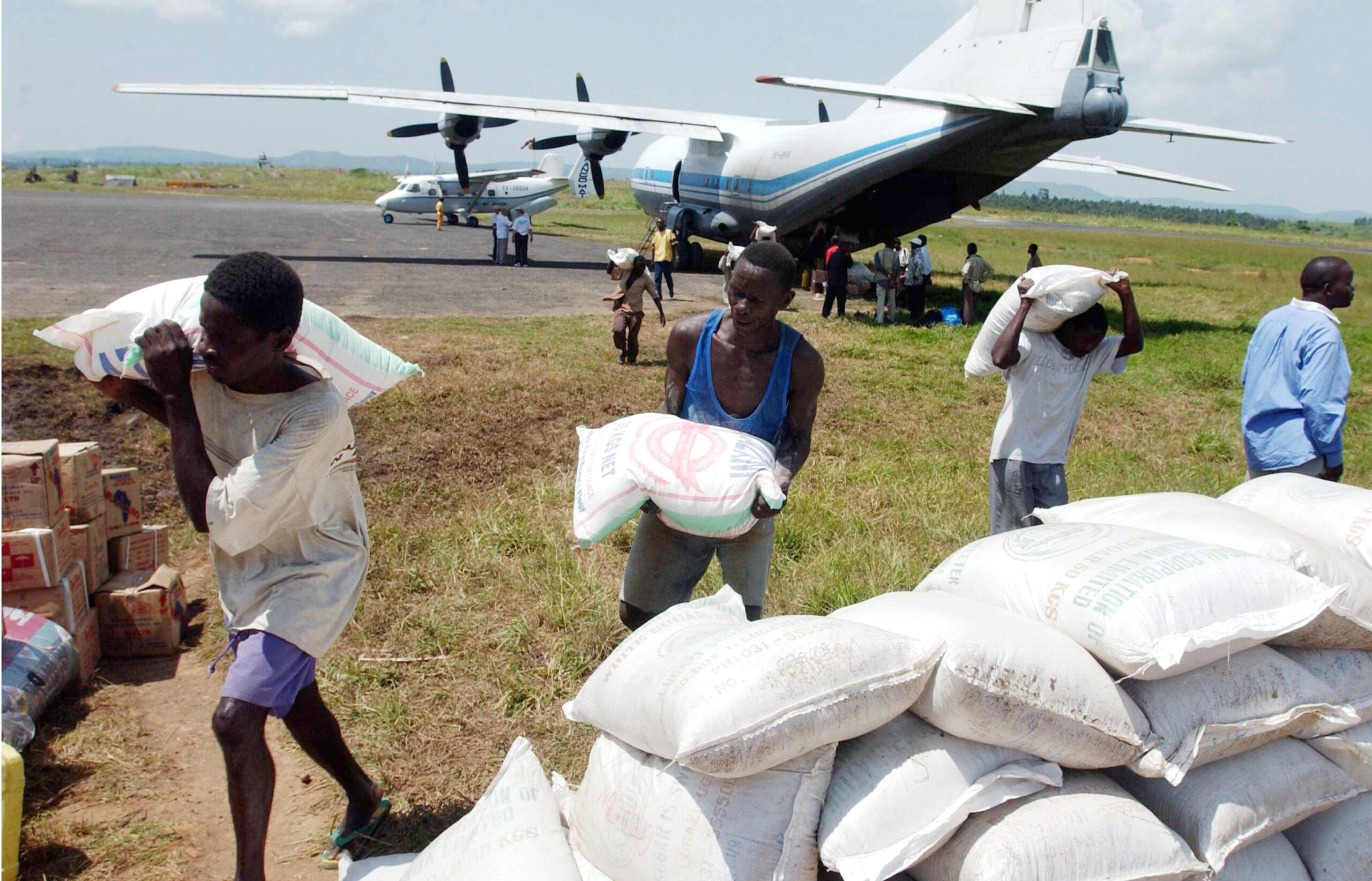
Instead, the final document − about ten pages − turned out to be disconcerting: a string of platitudes, pious exhortations and predictable recommendations mostly expressed in a timid and vapid language. The first recommendation, incredibly, asked “the Congregation for the Evangelization of Peoples to continue to support the bishops of this region with special help and foster in the sister Churches all over the world the awareness of the necessity of a generous solidarity with these Churches that are victimized.” To have put, on top of the list of recommendations, the request for financial help, put in evidence, once more, the unhealthy mentality of dependence: more than to think about the formation of people and the use of the local human resources, a begging appeal was made. Those who read the document did not perceive the urgency of starting concrete programs for training the people to reconciliation, to living together and in peace.
Only at the end, as the last recommendation, there was the invitation to the “episcopal conferences of the continent to prepare a competent structure (think-tank) that could help them with the analysis of problems and situations, so as to be able to alert in time the people of God and intervene in an adequate manner especially in times of crisis.” As of now, I am not aware of the existence, in the whole continent, of any such structure that could be considered the practical answer to that recommendation.
As a matter of fact, the 1997 consultation soon fell into oblivion. In order to find any news about it and a copy of the final document − I remembered this event because I was denied access to the hall where the work was going on − I had to look through heaps of papers in several libraries of Nairobi.
THE VOICE OF THE VICTIMS
I wanted to give account of this “failure” because the Second African Synod that is now imminent (it will be celebrated in October 2009), will have as theme: “The Church in Africa at the service of reconciliation, justice and peace.” It is an urgent topic in today’s African Church. In order to deepen it, however, we must face the question of ethnicity and ethnic conflicts and then suggest precise pastoral guidelines that will be useful to open up concrete avenues along which to advance in the future. Ethnicity is the unavoidable theme, lest we are irrelevant.
In order to avoid falling into the usual platitudes, the Synod could value the contribution of two particular groups of people.
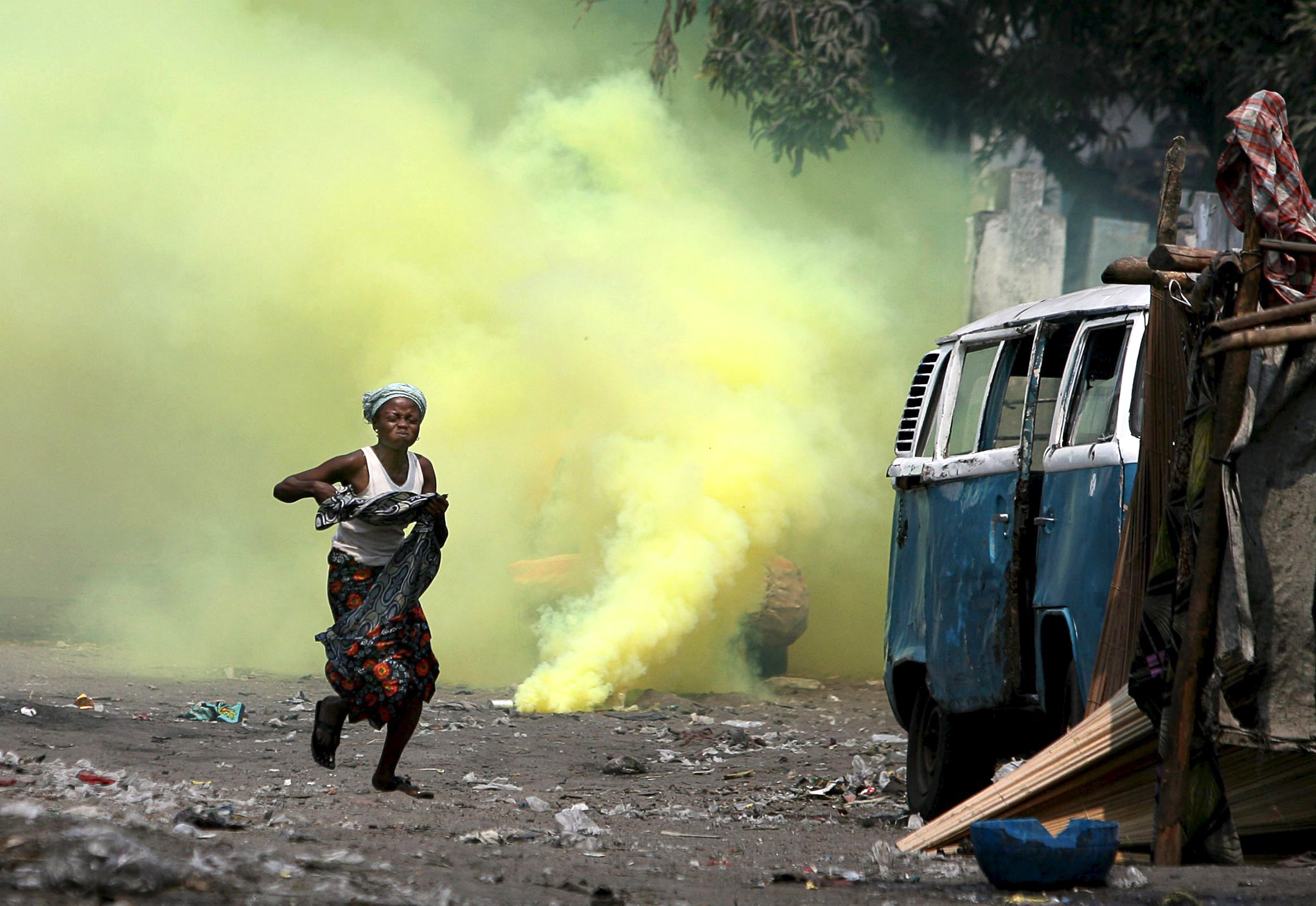
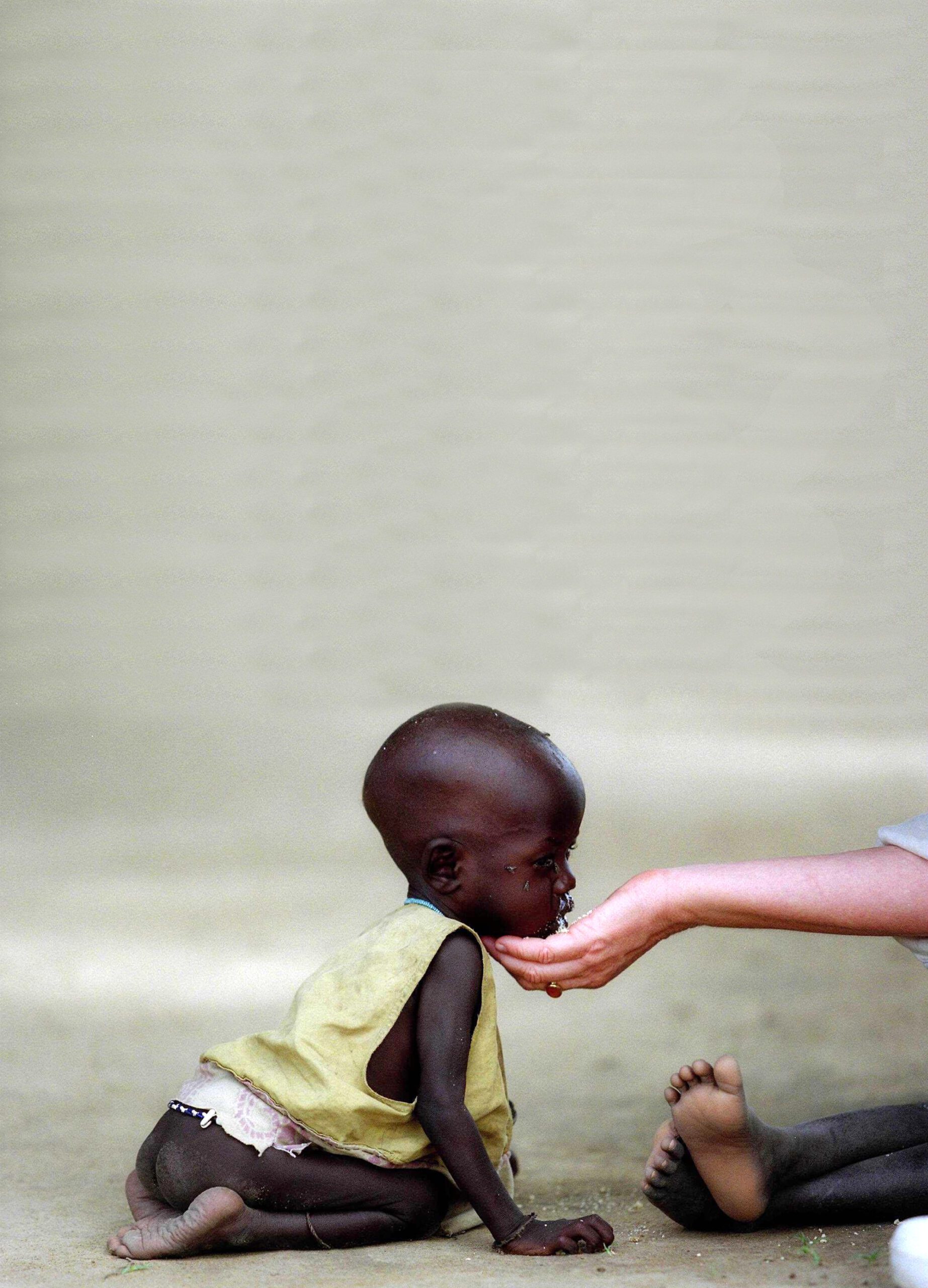
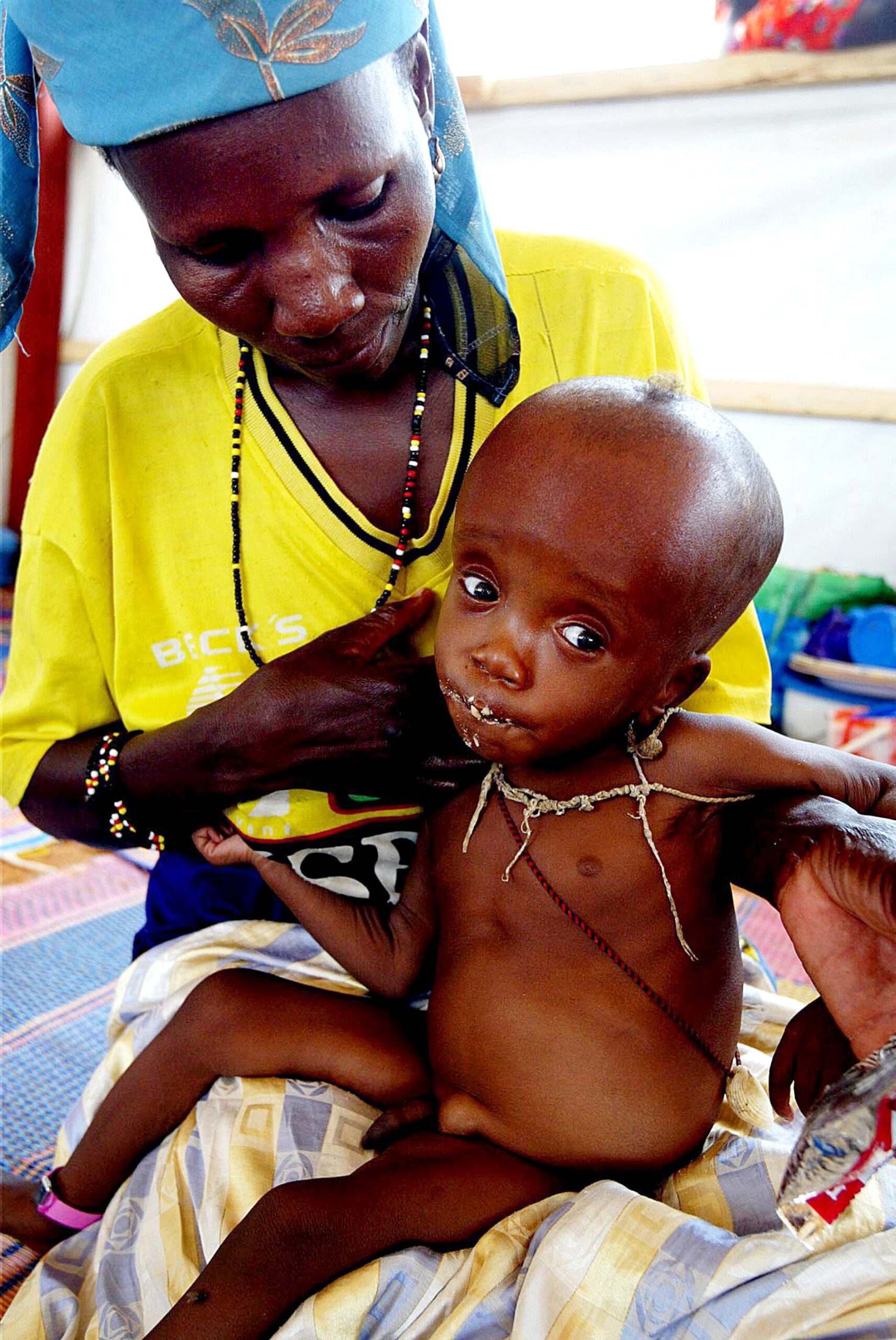
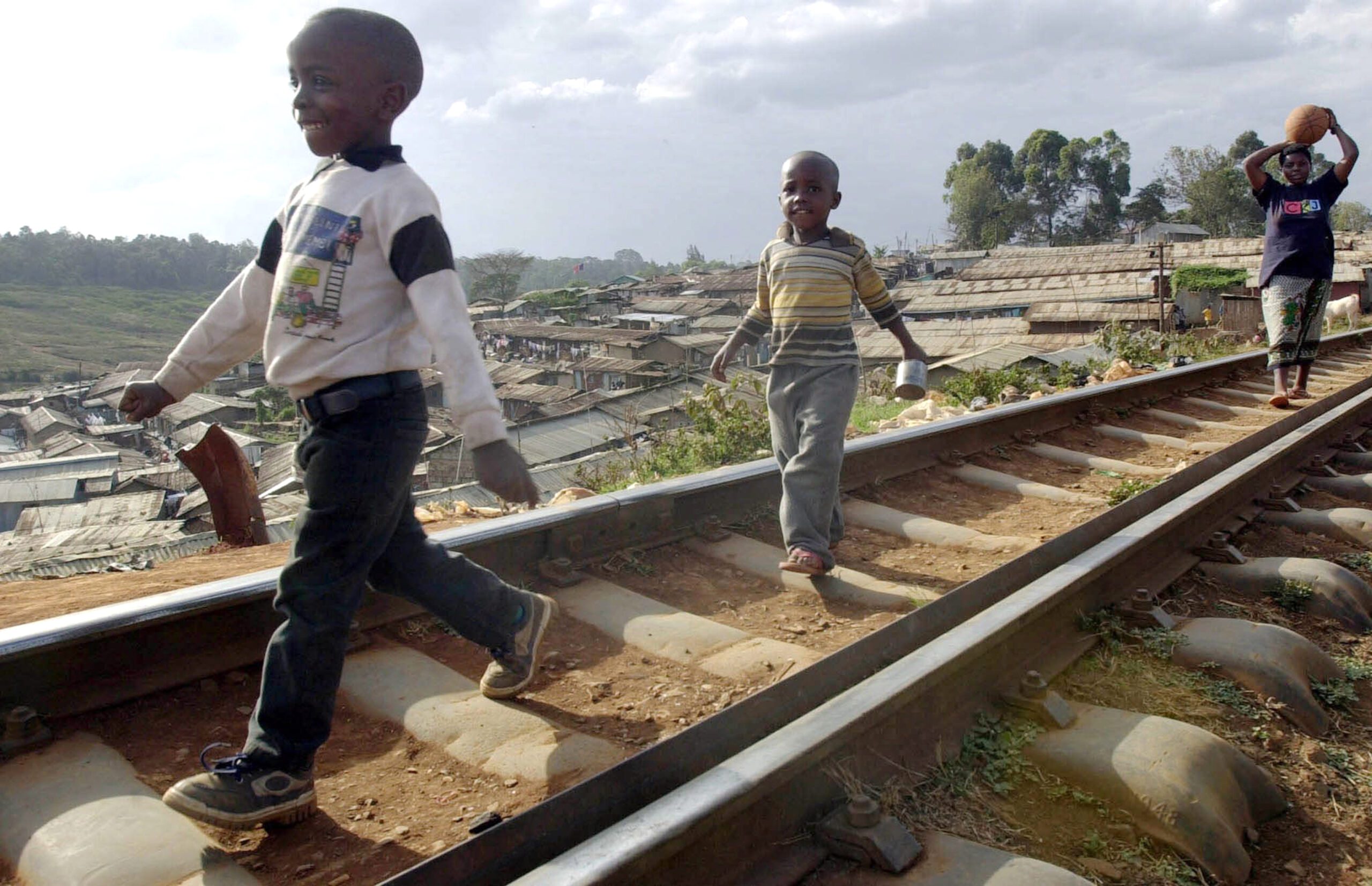
First of all, the victims. While I was visiting a group of displaced persons because of the recent post-electoral violence in the slums of Kibera (Nairobi), a Kenyan friend told me: “Why is it that our bishops imitate the politicians, and limit themselves to making declarations on television, instead of being here with us? Yes, just here, without cars, without secretaries or journalists following them. Here, in working clothes, like these volunteers, to distribute bread and milk, spoon-feed the hungry children, wash their clothes and, above all, listen to the stories of the people. They would see their tears and hear their sobs. Only after this, their words would have a truer ring.”
Maybe Kamau was exaggerating. But his utterance reminds us that the sufferings of the victims of wars, racial discrimination and ethnic conflicts should be present “in strength” in a Church synod that wants to acquire credibility. It should be made possible for representatives of human groups who are torn apart by exasperated ethnicity to speak to the bishops. Africa, then, would make its entrance into the synod.
The synod preparatory document (Lineamenta) instead gives a vision of Africa that is, at its best, meticulously balanced but totally sterile; it doesn’t help the Christian communities to put love for the victims at the center of its attention. This “detachment” (it is the others who speak about Africa not Africa telling about itself) becomes disturbing when the Lineamenta overlook the very responsibility of the Church (exactly as it was done in the 1997 consultation). In the first draft of a document that the Kenya religious are preparing as their contribution to the Synod, it is exactly this preoccupation that is expressed and the necessity to speak honestly of the Church’s sins is underlined. There, the role and the practice of authority, the centralization of power, the presence of tribalism in the Church itself, the Church’s surrenders and compromises in front of politics, are pointed out. To give voice to the victims would help in being more concrete and in overcoming the mistakes of the past and of the present.
THE PEACE EXPERTS
I am not fanatic about “experts” or those who define themselves as such. I know, having seen them in action in the Sudan and in other parts of Africa, how much these peace-making or peace-keeping experts (both those armed with machine guns or only with good intentions) are often painfully impotent in front of the challenges put forward by ethnic conflicts. At any rate, as in the past, the Church has accepted and assumed the competence of experts in the most diverse human sciences; today, it should start making use of the experience and reflections of the “peace experts.” The studies about peace have made enormous progress.
The very nature of the Synod (a meeting of bishops) allows these experts to participate only marginally. This doesn’t mean that the knowledge and techniques they have developed shouldn’t be present. There are Catholic institutions (the Jesuit Refugee Service, Pax Christi…) that have world dimensions and experience, together with relevant structures in Africa. Their participation at the Synod could be valued. Above all, they could help the bishops to give not only general guidelines, but also to prepare pastoral programs aiming at overcoming tribalism both within and outside the Church.
In matter of ethnicity, a question that the synod could help clarify is that of terminology. It happens that a problem is not tackled for want of an adequate vocabulary, or because some words scare people. “Tribe” and “tribalism” are terms disqualified by now because of the negative (sometimes derogatory) usage made in the West (“ethnic units” and “ethnicity” are more “neuter” terms; whereas “community” is the word commonly used in Kenya to indicate one’s ethnic group, even if it becomes clear only in a given context). Of each one’s ethnic belonging, however, it will be necessary to speak − even if only to understand its positive dimensions.