
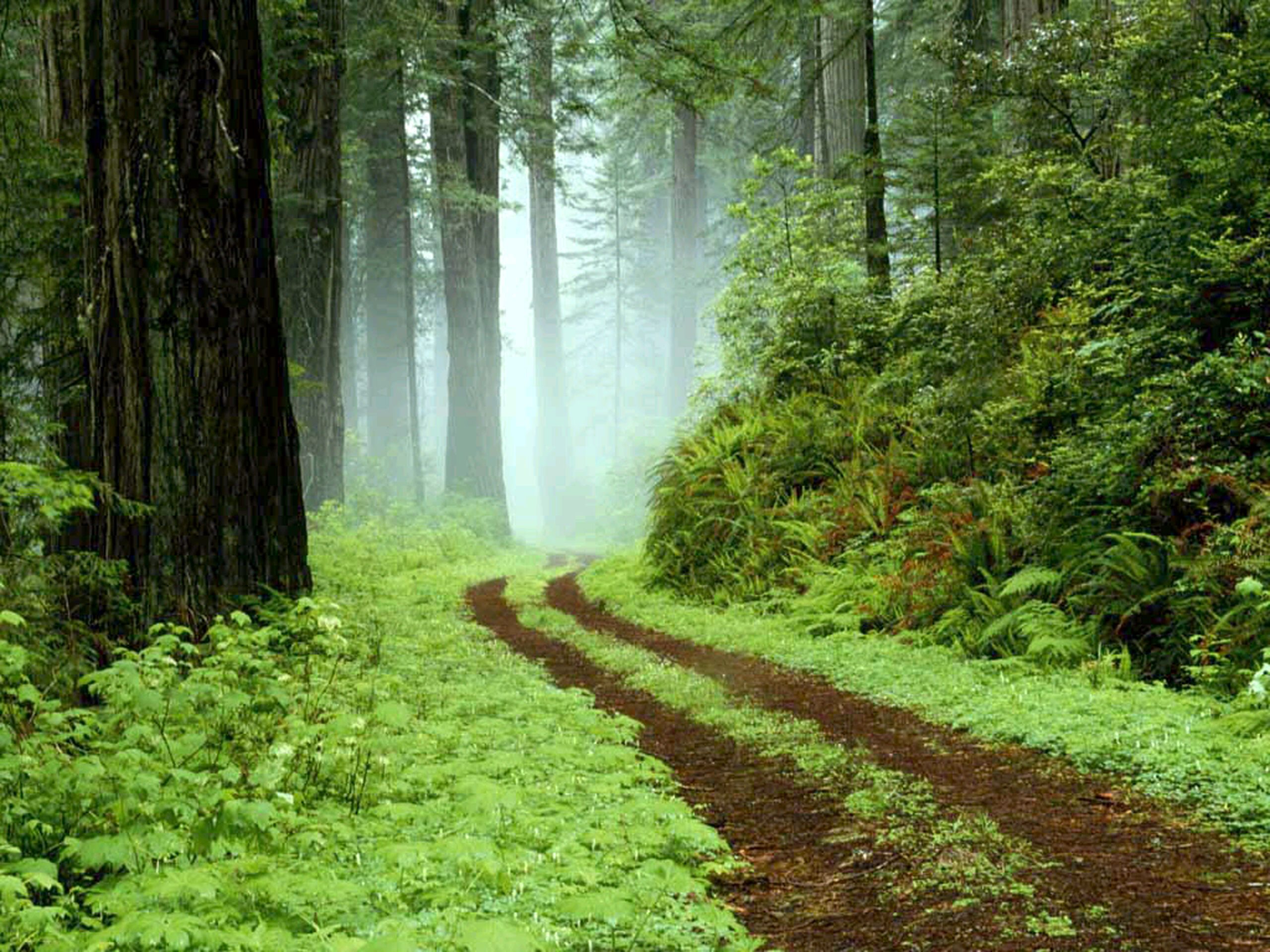
The New7Wonders Foundation has launched one of the largest internet voting campaigns in order to select the seven wonders of nature. There are 277 sites chosen from all over the world to take part in this campaign. An internet voting that will go on till the end of 2008 will decide the 77 sites that will remain for the selection. A panel of international experts will then select 21 out of the 77. An internet voting will be opened again to select the top seven natural wonders of the world in Fall, 2010. The “cedars of Lebanon” is one of the contenders.
The cedar tree (Cedrus Libani) has a big role in the Bible, and a deep relation with Christianity. We can all join our prayers and actions to give the cedars of Lebanon the chance to become one of the seven wonders of nature.
In the Bible, the references are many: The cedar tree is a miracle of God; It is the tree planted by God (Psalm 104: 16, Isaiah 41: 19); it is considered to be the first of trees (1 Kings 4: 33); is described as strong and durable (Isaiah 9: 10), graceful and beautiful (Psalm 80:10, Ezekiel 17: 23), high and tall (Amos 2: 9, Ezekiel 17: 22), fragrant (Song of Solomon 4: 11) and spreading (Psalm 80, 10-11); the eagle makes its nest and perches on the high branches of the cedar trees (Jeremiah 22: 23, Ezekiel 17: 3-5).
SINCE ANCIENT EGYPT
Cedar wood was imported largely by King Solomon (1 Kings 10: 27, 1 Kings 5: 10-11). It was widely used in building temples (1 Kings 5: 5, 1 Kings 6: 9-10), palaces (2 Samuel 5: 11, 1 Kings 7: 2-3) and ships (Ezekiel 27: 5). Phoenicians have sailed across the world spreading the first alphabet using ships built from cedar wood. King Solomon made himself a chariot of the wood of Lebanon (Song of Solomon 3: 9). The cedar wood that was used to prepare the water of separation and to purify leprosy (Leviticus 14: 4-7, Leviticus 14: 49-52) is illustrative of powerful nations (Ezekiel 31: 3, Amos 2: 9), the flourishing of saints (Psalm 92: 12) and the majesty, strength and glory of Christ (Song of Solomon 5: 15, Ezekiel 17: 22-23).
The cedar tree that was mentioned 72 times in the Bible, the tree that was planted by God to glorify God (Psalm 148: 9), has now a chance of becoming one of the seven wonders of nature, oddly as decided by people and internet voters this time. What has been described as “the most renowned natural monuments in the universe” (Lamartine) might not make the cut unless people from all over the world vote for it.
IN THE HEART OF LEBANON
The litanies of the Virgin Mary in Lebanon add the invocation “Cedar of Lebanon, pray for us.” It is known that cedar trees grow best in deep soil where their roots have access to water. Banks of rivers are favorable to their growth (Numbers 24: 6). Such is the case with the millenary forest of the cedars of God in Besharry, which stands above the sources of the river of Kadisha, a Syriac word that means holy. It is no surprise then to call the Virgin Mary as “the Cedar of Lebanon.” Her roots are deep into the earth of Lebanon, which has been considered by Pope John Paul II to be much more than a country, to be a message.
The cedar of Lebanon has been the national emblem of Lebanon taking its place in the center of the Lebanese flag and thus placing the Virgin Mary in the heart of Lebanon, which is known for its diversity and non-Christian environment. The branches of the cedars withstand the changes of the seasons just as the beauty and grace of the Virgin remain unchanged.
The evergreen cedar tree is a symbol of endurance, eternal life and immortality. One wouldn’t be surprised to find out that ancient civilizations, most particularly Egyptians, used cedar resin to mummify their dead. Cedar sawdust was discovered in pharaohs’ tombs.
On the 6th of August of every year, Christians celebrate the feast day of Christ’s transfiguration and the cedars of Lebanon have always been the place to celebrate this occasion. It is not known whether Christ’s transfiguration occurred among the cedars of Lebanon but, through tradition and due to the majesty and pure silence of the mountain peaks where they stand, one cannot but link Christ’s transfiguration with the cedars of Lebanon. The age of many of the cedar trees in Lebanon, most particularly in Besharry, goes back hundreds of years prior to Christ’s incarnation. The country that was blessed by Christ’s presence on its soil in various occasions has now a valuable chance of being recognized internationally.
FEW FORESTS REMAIN
Historically, extensive deforestation has occurred and few small disjoint forests remain. Probably this gives the cedars of Lebanon a more majestic presence because it makes of them national, if not universal, monuments.
The Bible considers the destruction of cedar trees as a punishment (Jeremiah 22: 7) and as a symbol of God’s power (Psalm 29: 5), which gives even more importance to the remaining cedar forests of Lebanon. Today, the cedars of God in Besharry and the cedars of Barouk are nature conservancy parks. Extensive reforestation is being carried out in Lebanon. Succeeding in this voting campaign will encourage more reforestation and will provide more protection to the millenary trees.
Nearby the cedars of God in Besharry is the valley of Kadisha, also known as the valley of Kannoubine, the holy valley or the valley of saints. The Kadisha valley is on the list of UNESCO’s World Heritage Sites since 1998 because it is a sanctuary for the earliest Christian monastic settlements and it continues to be an example of early Christian faith. The caves (often inaccessible) and monasteries of the valley contain the relics of thousands of monks, hermits and saints. The cedars of God and the valley of Kadisha have always been Christian pilgrimage locations. Giving the cedars of Lebanon the chance of becoming one of the Seven Wonders of Nature will give Christians from all over the world a chance to know about and visit this holy land. Moreover, this will cut down the flow of immigration from one of the few entirely Christian regions of Lebanon due to the provision for much more labor opportunities.