The best thing about the next African Synod is the aptness of the theme chosen by Pope Benedict XVI, “The Church in Africa in Service to Reconciliation, Justice and Peace.” The theme hits the nail on the head. Issues of reconciliation, justice and peace are of extreme importance in the present African society, and the Catholic Church has both the right and moral authority to address them. There are few African institutions, if any, that can compare their record with that of the Church on these matters.
The Church’s record is not merely composed of official declarations, theological books, seminars and symposia. It is also made up of the sweat and blood of hundreds and thousands of people and communities that have given their energies, their love and, in some cases, their lives at the grassroots level in order to build a just, reconciled and peaceful society despite the enormous difficulties they have had to fight against.
NOTABLE EFFORTS
Even at the level of the hierarchy, the efforts were notable. It is enough to think of the actions and positions taken in Mozambique, Sudan, in the Democratic Republic of Congo and in Northern Uganda.
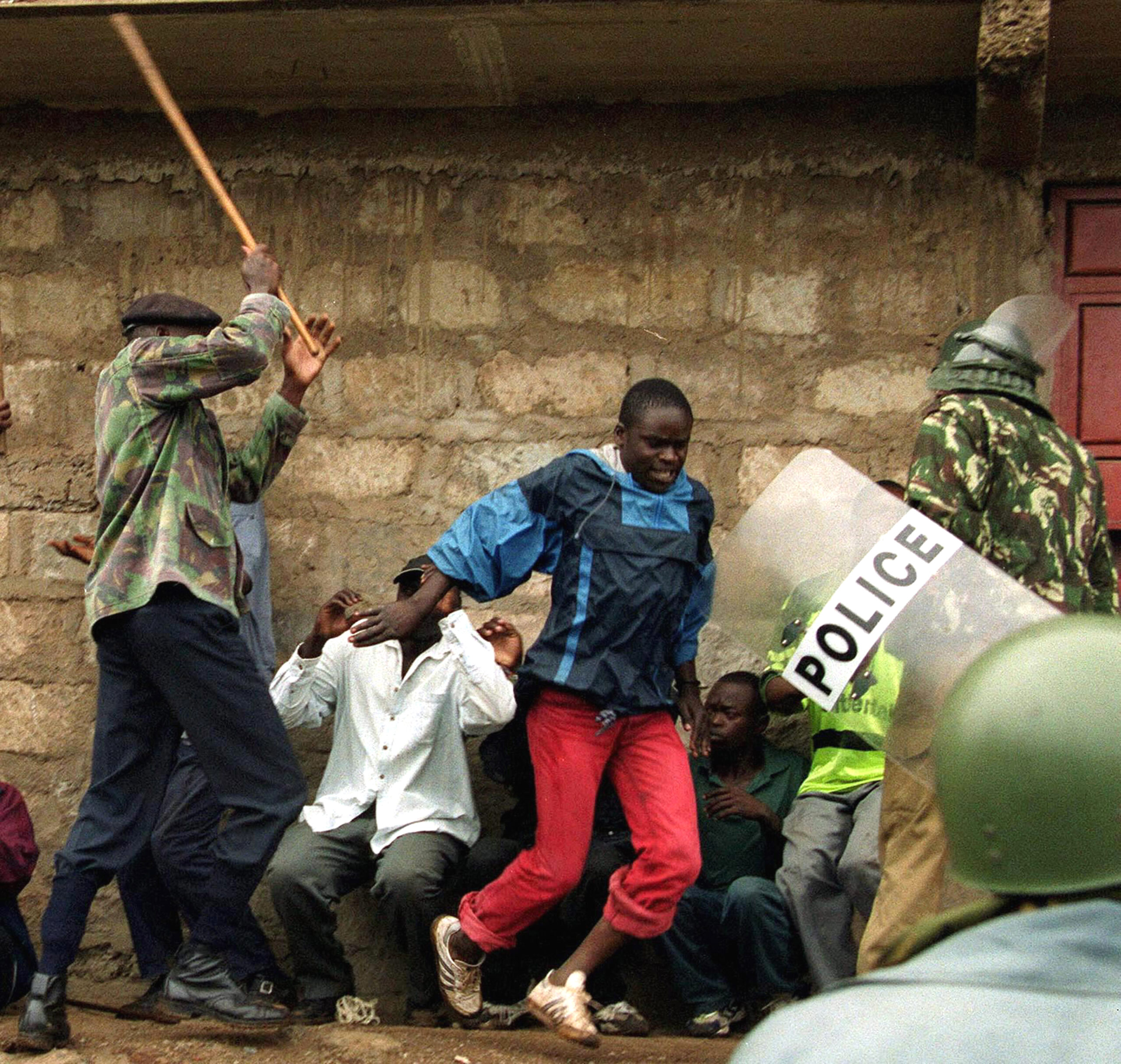
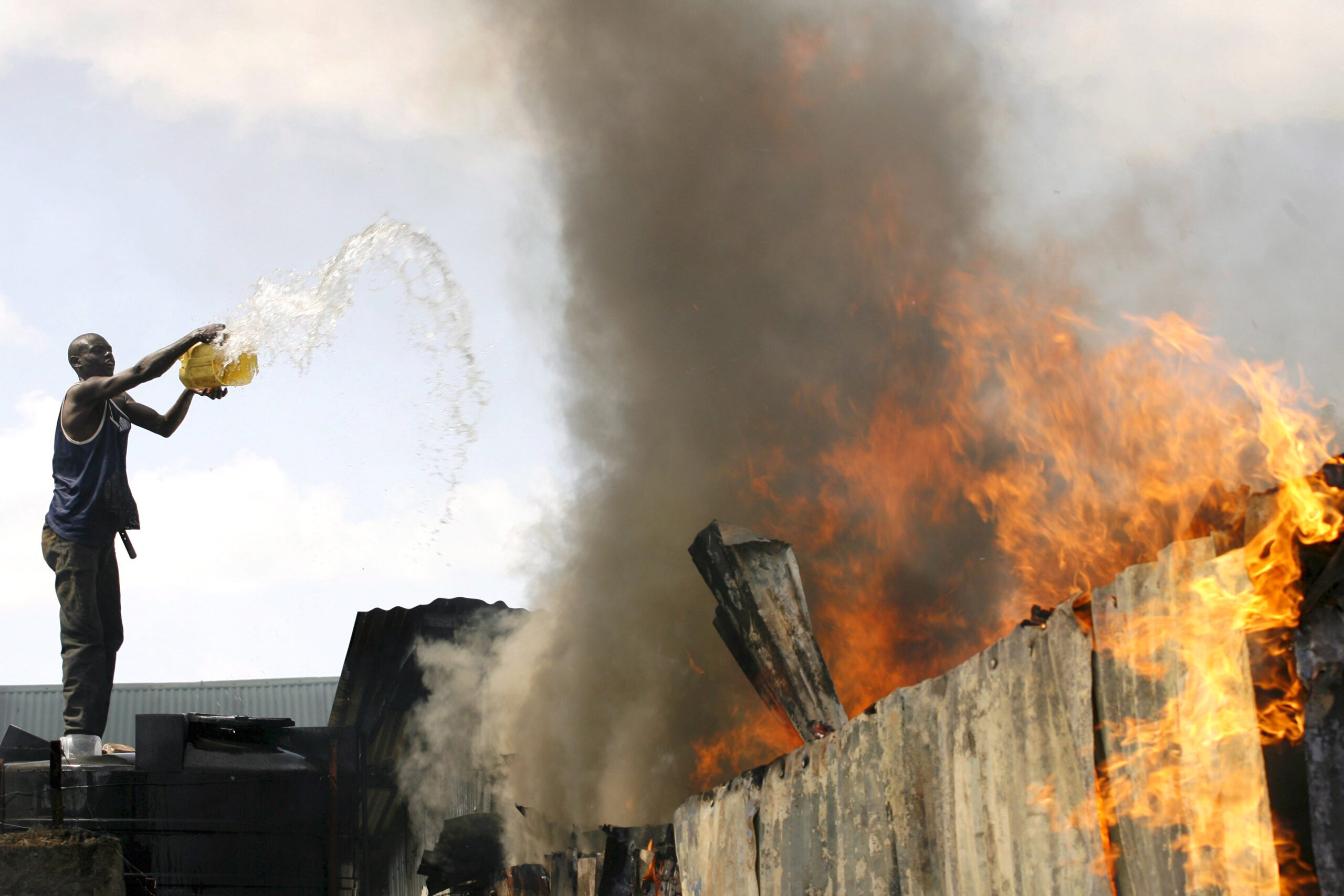
Particularly enlightening is the case of the post-election violence in Kenya. When the rioting began, the Catholic Church, as with most Christian Churches, was kind of taken by surprise and was unable to deliver positive leadership. But even in that moment of confusion, hundreds of grassroots faithful did the right thing: they preached peace, encouraged reconciliation, sheltered those rendered homeless and opened their homes to the wounded. For a few weeks, it was a case of the sheep knowing what to do while the shepherds were confused.
FORGOTTEN PEOPLE
Now, six months after Kenya’s post election violence was halted, tens of thousands remain huddled in displacement camps, relegated to an undesirable identity as refugees in their own country. As the new coalition government busies itself with routine governance and the dissipation of sporadic political mini-storms, the country’s Internally Displaced Persons (IDPs) are increasingly becoming a forgotten, sidelined group.
The IDP issue was relegated to the sidelines, almost as soon as the dust from the ethnic skirmishes that killed an estimated 1,500 Kenyans and drove another 350,000 from their homes settled, and a power-sharing agreement created a coalition government headed by President Mwai Kibaki and Opposition Leader Raila Odinga.
When the two leaders unveiled a 42-member coalition Cabinet, the local media denounced it as “bloated” and many civil society organizations chided them for being insensitive to the economic implications of such a large Cabinet.Eager to get their new administration up and running, the two leaders hurriedly implemented a slapdash plan to have the IDPs immediately returned to their homes and farms.
Some legislators implored the executive to shelve the resettlement plan until all the factors that had precipitated the unprecedented bloodshed had been examined and resolved to prevent any future resurgence of such deadly turmoil.
Kibaki and Odinga ignored these pleas and sent army trucks to ferry the IDPs from the camps to their homes. Television images showed IDPs crowding around tarpaulin-covered trucks with deserted Red Cross tents in the background. Images of teenagers hoisting themselves to the backs of the trucks and women handing their crying babies to armed paramilitary officers before being helped to climb onto the trucks by good natured men with outstretched hands signaled hope. For a moment, it appeared as though the resettlement program had been a success.
DEATH THREATS
Yet, murmurs that IDPs in some camps were being intimidated to leave surfaced almost immediately. These allegations remained unsubstantiated until Medicines Sans Frontiers (MSF) reported that it had witnessed government officials and armed police forcing people to vacate a camp in Western Kenya.
The Kenya Red Cross Society estimated, in mid-July, that nearly 70,000 IDPs remain stuck in refugee camps across the country. A chunk of these IDPs were frightened into returning after being welcomed with death threats by their ethnocentric neighbors.
A meaningful compensation for the IDPs is not forthcoming and meanwhile, Prime Minister Odinga, supported by legislators from the Rift Valley province, stoked controversy when he called for a general amnesty for suspects detained over the post election violence “in the name of reconciliation.” This proposal was roundly rejected by President Kibaki.
Pundits argue that the amnesty debate is informed by the fact that most of the detained suspects were from the Rift Valley, while most of the victims and IDPs were from Kibaki’s Kikuyu community. This implies that each side of the debate is tied by an obligation to “agitate” for “their people.”
On the whole, the plight of the IDPs has slowly faded away from public consciousness and it is now used for political purposes.
The Church has, however, remained consistent in its pursuit of the issue, offering concrete assistance to the victims and reviving efforts for reconciliation and peace education.
PROMOTING TOLERANCE
In fact, the Church has been active in promoting ethnic tolerance at the grassroots level long before, during and after the post-election violence. The Catholic Religious Superior’s Council has, for instance, worked to identify the roots of Kenya’s historical ethnic clashes, and has suggested measures to rescue the country from this circle. Its key proposals include poverty alleviation, the writing of a new Constitution, the decentralization of political power, the formation of a truth and justice tribunal and the nurturing of responsible media practice.
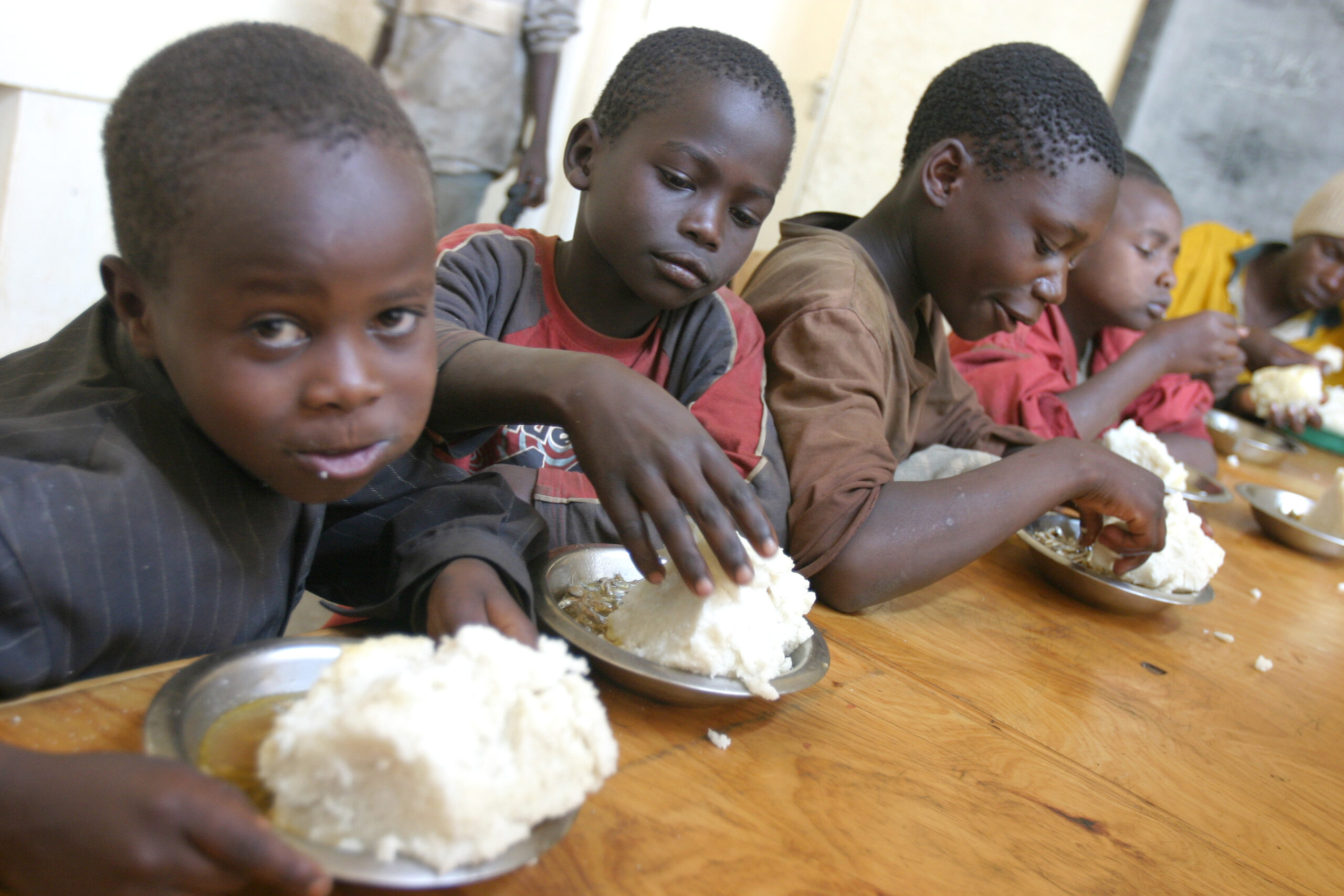
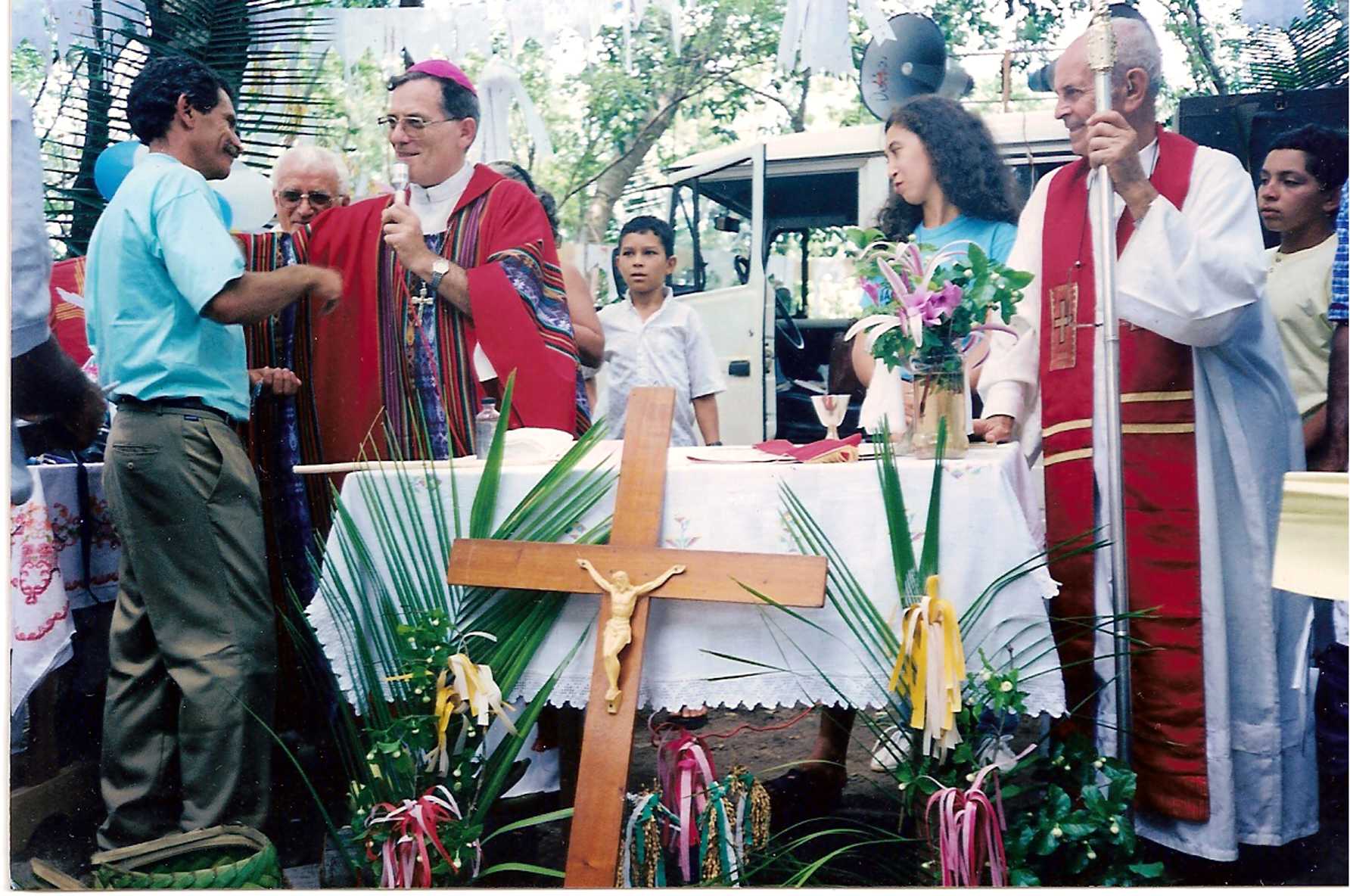
Moreover, parishes, small Christian communities and religious communities, were among the few institutions that took active action in the course of the post-election violence, providing shelter and all manners of support to the victims. The Catholic Diocese of Eldoret especially made a great effort to provide accommodation, food and clothing to thousands of IDPs camping at its Sacred Heart Cathedral, and currently, Bishop Cornelius Korir and the Diocese are engaged in serious peace and reconciliation campaigns to mobilize the public against “tribalism” as a wrong perception of ethnicity.
Cardinal John Njue, as chairman of the Kenya Episcopal Conference, on June 16, rejected the call by some politicians for the extension of a general amnesty to all perpetrators of the killings and internal displacement that followed the 2007 election dispute, and rightly so, since impunity is a longstanding problem from the past that must be overcome.
HEALING AND RECONCILIATION
A national faith-based peace building initiative to promote healing and reconciliation was also inaugurated on April 18 – a collaboration among a number of Catholic institutions coordinated by the Kenya Episcopal Conference. The initiative seeks to work with national leaders towards peace, healing and reconciliation amongst Kenya’s diverse ethnic communities, with particular emphasis being placed in the worst-hit areas of Nairobi, Nakuru, Kericho, Kitale, Eldoret, Kisumu and Kisii.
For certain, the Church and its leader have made some mistakes, the greatest being a failure to perceive how ethnically charged last year’s election campaign had become. Yet all the Christian churches, including the Catholic Church, have – since calm resumed in the country – asked the Kenyan people to forgive them for their lack of discernment and leadership, unlike the politicians who incited their supporters to violence yet now sit in Parliament and hold ministerial positions after consigning the IDP issue to gather dust on the shelves.
The statement issued at the end of the AMECEA Bishops’ Plenary Assembly also seems to have benefited from the Kenyan lesson. It is remarkably clear and concrete, with a serious political – in the best sense of the word – slant. It asks for the establishment of parliamentary liaisons offices and for an observer status at the African Union and regional bodies. The statement further commits Catholic institutions to get involved in the formation of leaders, and goes as far as asking Catholic lay professionals “to provide competent analytical data in order to help the Church make informed and timely interventions.” It also calls on Catholic institutions, “to develop workable strategies and mechanisms for monitoring and evaluating the effectiveness of our pastoral programs.”
Because of this fundamental consistency, long-term focus, grassroots commitment and strong charitable activities that do not discriminate between ethnic and religious affiliations, Christian churches – and it is important to underline churches, that is to say the major historical Christian churches, with their lay members – in spite of shortcomings, have kept a high reputation in most African countries. They remain the best placed institutions to compel African governments to redraw policies for the protection of the poorest and most vulnerable groups, and it is hoped that the Synod will help to sharpen their understanding and to increase their effectiveness.