Michael Warren, from the early 1980s, provides a possible clue. Warren suggests that the most basic question we can ask of anyone’s spirituality is ‘what do you attend to?’ What occupies you, what captures your attention, your imagination, what excites your enthusiasm, your passions? Answering this question reveals your ‘spirit’, your life force, the thing that energizes you. This is your spirituality. It might not be religious in the classic sense; the term itself is neutral. It follows too that having a spirituality is not optional – all human beings have one by simple virtue of being alive and sentient. The content and texture of your spirituality is the open question. This is not how believers normally use the term but it is helpful as it draws into the mix all people including those who might describe themselves as atheist or hostile to formal religion.
Warren’s perspective provides a useful way into the Beatitudes. In both Gospels, Matthew and Luke, the Beatitudes are models for life. Jesus affirms certain qualities as guides for right living. They function in the New Testament in a similar way to how the commandments function in the first. They are summary statements outlining how a disciple should live, to what a disciple should ‘attend’.
In both Gospels the first and last Beatitude are rewarded with ‘for theirs is the Kingdom of Heaven.’ The other Beatitudes are blessed by rewards such as inheriting the earth, being filled with mercy, being declared sons of God and so forth. All these gifts follow from possessing the Kingdom. So the first Beatitude, focused on the poor, and the last Beatitude, striving for justice, bookend the rest and together form the heart of the entire sermon.
What then to make of ‘poor in spirit’? It is generally understood that Matthew’s community was somewhat better off than the Lucan community, perhaps even wealthy. When Luke’s Beatitude declares blessed are the poor, his audience had no difficulty identifying with what he meant. The poor were likely to be his immediate audience. Luke was declaring that God was on their side. To make the Beatitude work in this context, Matthew needs to adjust it a little. Remember how Warren understands spirituality. Matthew declares ‘blessed are the poor in spirit’; that is blessed are those of you who make the poor the centre of your concern, blessed are you who stand with the poor, blessed are you who make the concerns of the poor your own. Matthew is affirming those within his own community who, although not materially poor, stand in solidarity with those who are. ‘Poor in spirit’ is the act of aligning oneself with the poor and fighting for their interests. This is for Jesus the rule for right living.
This interpretation has several advantages, not least it removes the tension between Luke’s and Matthew’s version of the Beatitude. Also, it is more consistent with the broader point of Matthew’s Gospel. In Chapter 25, Matthew describes the Last Days. He talks about a profoundly practical faith grounded in acts of justice. For Matthew, it is not piety that saves.
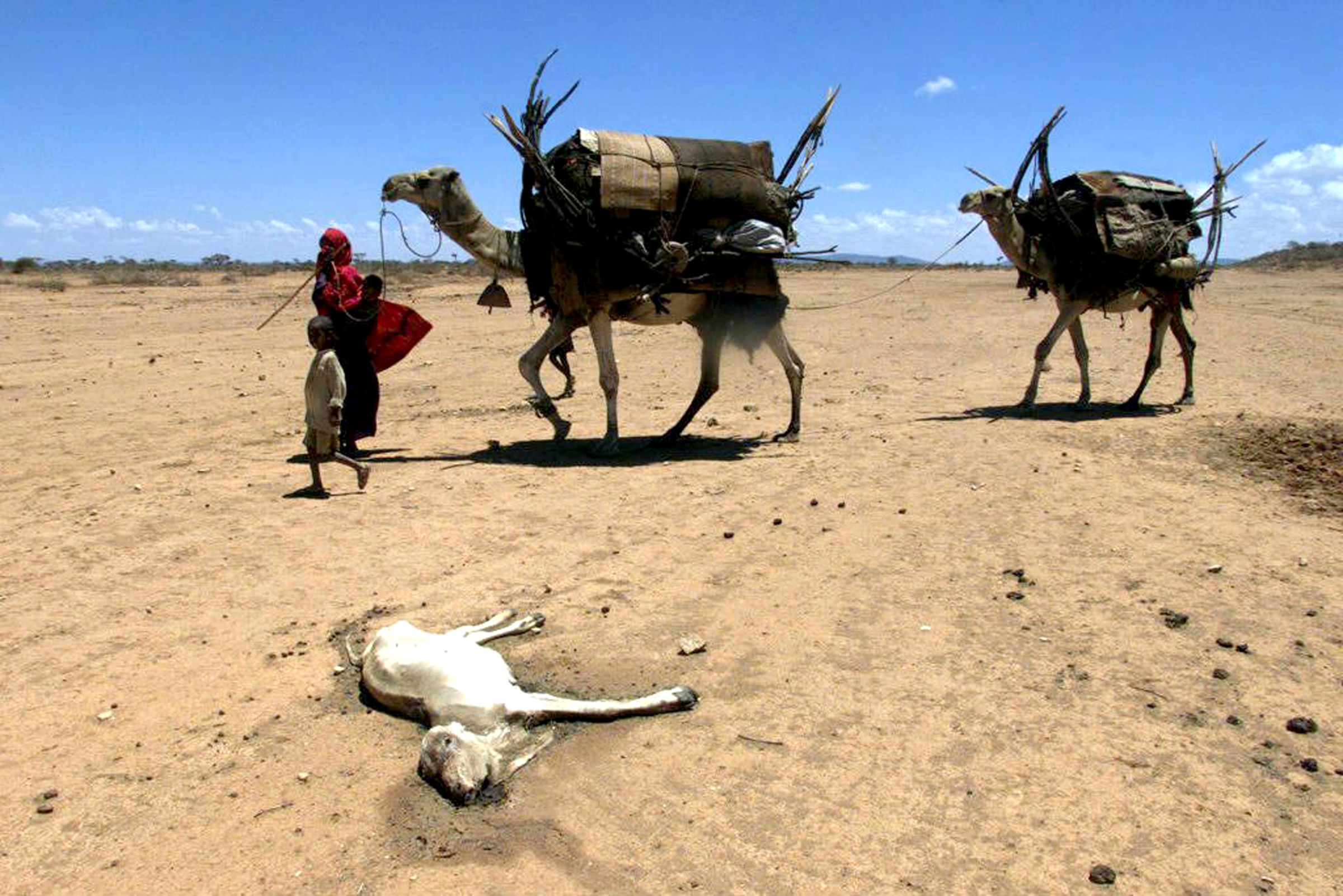
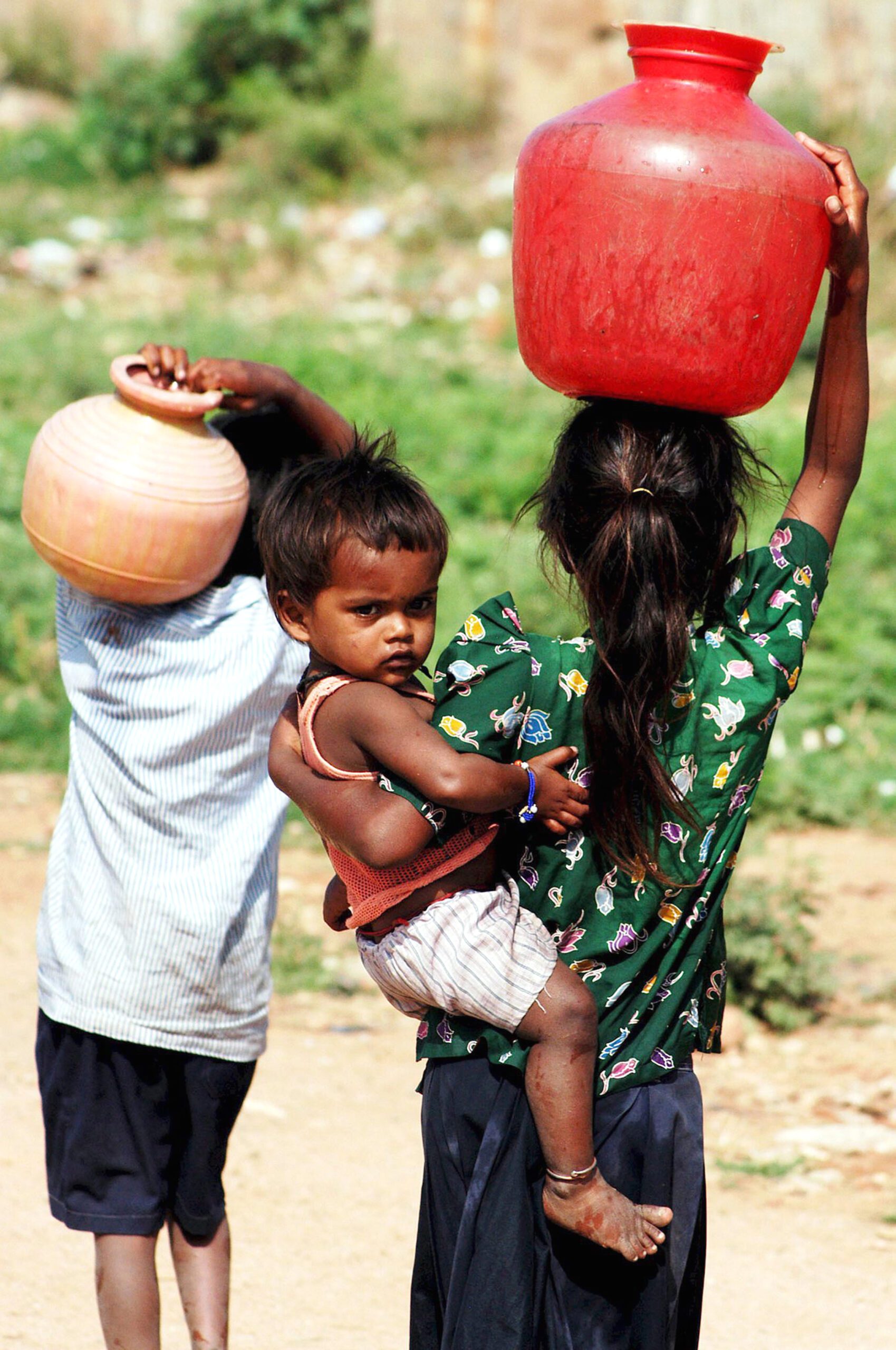
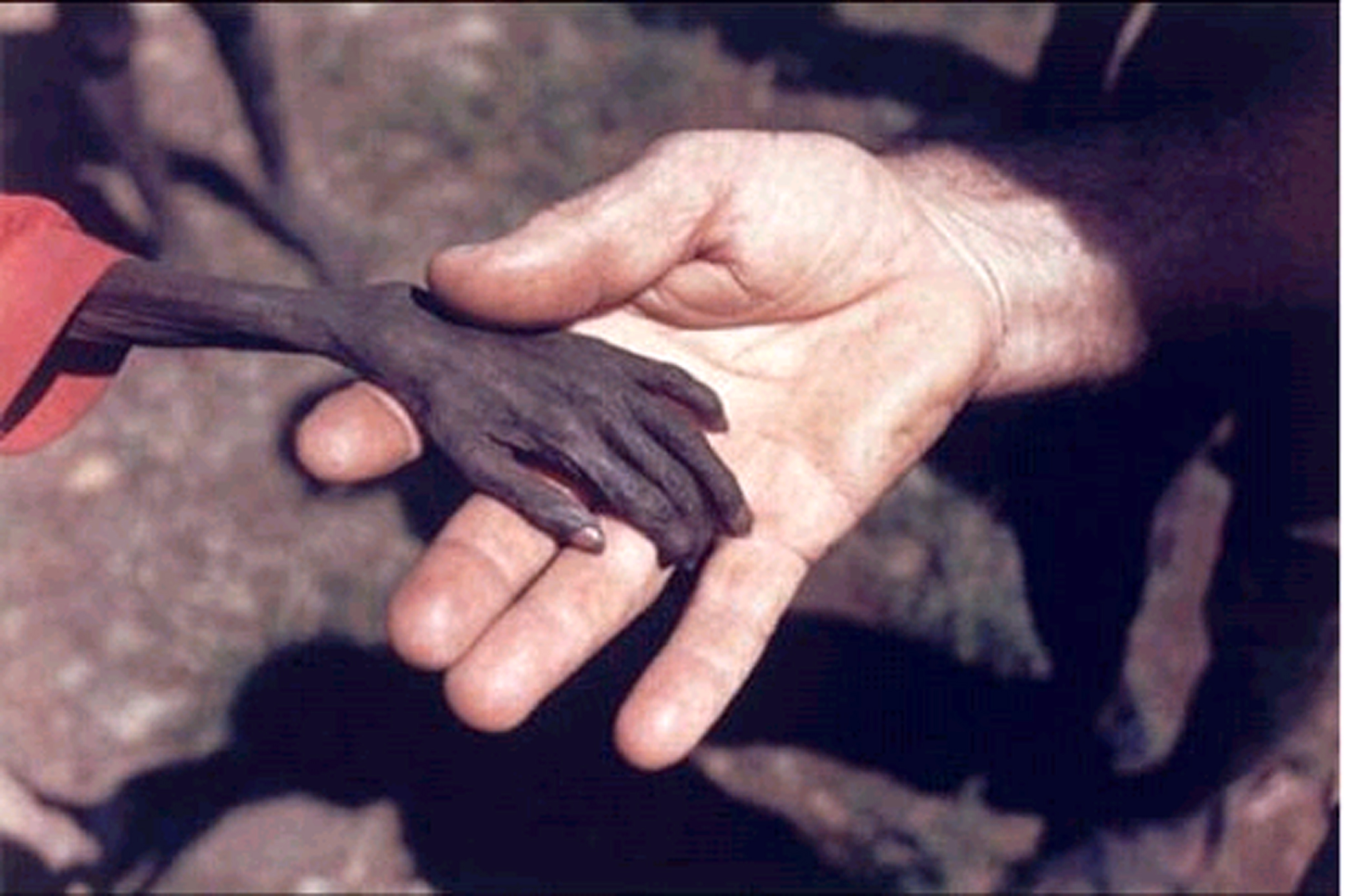
There are myriad forms of poverty. The poor are those shut out, the alienated and excluded. Alienation has many causes; gender, caste, sexual preference, divorce, loneliness, mental illness, economics, race. In the developed world, an individual’s wealth can blunt the worst impacts of such alienation, but for the bulk of humanity, social exclusion will carry profound material consequences. Rarely are excluded groups wealthy. Biblical poverty, the referent point of both the prophets and the Gospel writers, describes a lack of material goods and powerlessness. In the modern world, the major form of poverty, the most obvious and dehumanizing poverty, comes in the form of chronic economic disadvantage.
An Indian friend shared a conversation with a priest working among the communities affected by the tsunami. An elderly man approached to say that he had lost his home. Could Father help him rebuild? The priest asked how much he would need, ‘Five rupees’ the man replied. He simply needed to purchase some twine to bind the sacks and cardboard that had been his home. This is poverty. Against this background, we are not at all poor.
Attempts will always be made to read the Gospel in ways that diminish our responsibility towards the poor. Among the wealthy, this is understandable. Wealth is seductive. But the Christian God is a God who plays favorites; the Christian God favors the poor. For those of us who are not poor, this is an uncomfortable realization. www.mn.catholic.org.au/newsroom/auroraissues/aurora72_story4.htm