
When we get beyond Church tradition and scriptural exegesis, and look honestly and openly at the message of Jesus, then we will always be challenged by His teachings and deeds. The Gospels present us with a new message and a new messenger. That message is refreshing, challenging and provocative. Someone once said that Jesus comforted the afflicted and afflicted the comfortable. Yes, for those who needed comfort and consolation, He was there. But for those who lived a life of comfort, of indolence, of greed and indifference to their neighbors, then He disturbed and challenged them in every possible manner. The beauty of His teaching is its truth, even when that truth hurts, disturbs and unsettles us. When we are presented with the truth we are forced to make choices. We can ignore the truth and live a lie, or we can adjust our lives to live according to the new truth we have been exposed to. Put it in another way, Jesus was in the business of change. We may dress it up in theological language calling it conversion, repentance or metanoia. In the end, it provokes and challenges us more when we use the simple word change. Jesus called people to personal and community change, but He also called us to change the world. He was not only concerned with individual salvation, but He wanted a change of structures, or organizations of laws and systems that impoverish, enslave and punish the poor. Regrettably, many Churches all over the world just focus on the individual aspect of our salvation. They endlessly preach of the urgency to get personal salvation to the disregard of the liberation message of Jesus.
THE BEST-KEPT SECRET
The Catholic Church, too, has a certain unease about dismantling the structures, economic and legal systems that enslave our neighbors. We have the most radical and challenging social teaching in the world, but we do not share it. We prefer to keep it as an academic topic in our theological institutes and then refer to it as the Church’s “best-kept secret.” Why should it be kept as a secret? Who is hiding it from the masses and why? Do we not trust our Church members with the truth? Are we afraid of revolts, especially those within the confines of our own Churches? In other words, we need to be honest and admit that teaching without praxis is useless. Or as James said, faith without good deeds is dead. Yet, just about everyone has heard that Paul VI stated loudly and clearly over 30 years ago that action for and on behalf of justice is a constitutive dimension of the Gospel. In other words, justice is not an extra, a bonus issue or one far down in the scale of priorities in our mission.
When we talk of action for justice we are also acknowledging that there are injustices. That is strong language that the world is not so comfortable with anymore. We prefer to use the modern general, tame and non-confrontational language like empowerment, democracy, civic education, reform processes. All of that sounds a little easier on our ears. Yet, when we use the word injustice, institutions get uneasy. Why? Perhaps because mentioning injustice is seen as confrontational. There is some person, some institution, some system or some legislation that is wrong and we want to change it. We are also saying that we want to correct that wrong as a matter of urgency and preferably now. That I believe is where the problem lies: those who want change now and those who want it later. The former call it justice and the latter call it reform. Of course, there are times when injustices can be corrected simply and immediately. There are other times when it takes a long process of dialogue, position papers, consultation, brokering deals − more of that subdued language that I have mentioned earlier! The latter is usually the case when we are dealing with large institutions, systems or governments who have control over resources, ideas and power and who will use any means to resist change.
JUSTICE AND COMMITMENT
Our Church may, at times, fall into this category. We believe that it was founded by Christ and is guided by the Holy Spirit. Yet, for all of that, it is a global, human institution with its own secretariat, its own modus operandi and its own hierarchy. We have developed systems and laws that will guide our governance and everyday affairs and we trust that these are fair and just. However, as history has shown, our Church has also been responsible for injustices and abuses over the years. Guided by the Holy Spirit is no guarantee of sanctity. Even today, the Church is far behind the secular world in its accountability structures as regards financial probity, participative decision-making and child protection policies, for example. It is not acceptable anymore to let individual leaders in the Church just rule on the basis of trust. Besides, because we are a worldwide Church found in every corner of the earth, we link and work with every kind of imaginable institution on the ground. We need the cooperation of government at every level, and the particular administrative ministries under which we serve. However, the danger is that our cooperation may lead us to be viewed as part and parcel of the elites, powerful, influential and privileged who run our countries.
Indeed, many enjoy the privileges and perks that go with hobnobbing with the elites in our (African) continent. Cooperation, mutual respect and complementarity are essential and noble. Yet, what happens when we need to speak out, correct, challenge and distance ourselves from the systems that govern? That is where the challenge lies and where we often fail. We often resort to dialogue, visits to State Houses, private meetings far away from the media. In other words, the Church has a long and distinguished history at attempting to persuade in diplomatic ways the rulers to bring reform. That has worked many times and in ways that even posterity may neglect to record. Yet, there are times when justice demands that we commit ourselves to issues of advocacy even if that means confrontation. Justice and service to the Gospel are more important than maintaining good relations with the powerful.
In other words, the prophetic message of Christ must always be heard and presented in new, relevant and appealing manners. Despite some progress in reform in our continent, there are enormous injustices that are not being properly addressed. These, in general, revolve around the distribution of wealth, natural resources and land, and historical and cultural injustices against women. The inequalities that prevail in these areas must make any committed Christian cry out with rage.
READING THE SIGNS
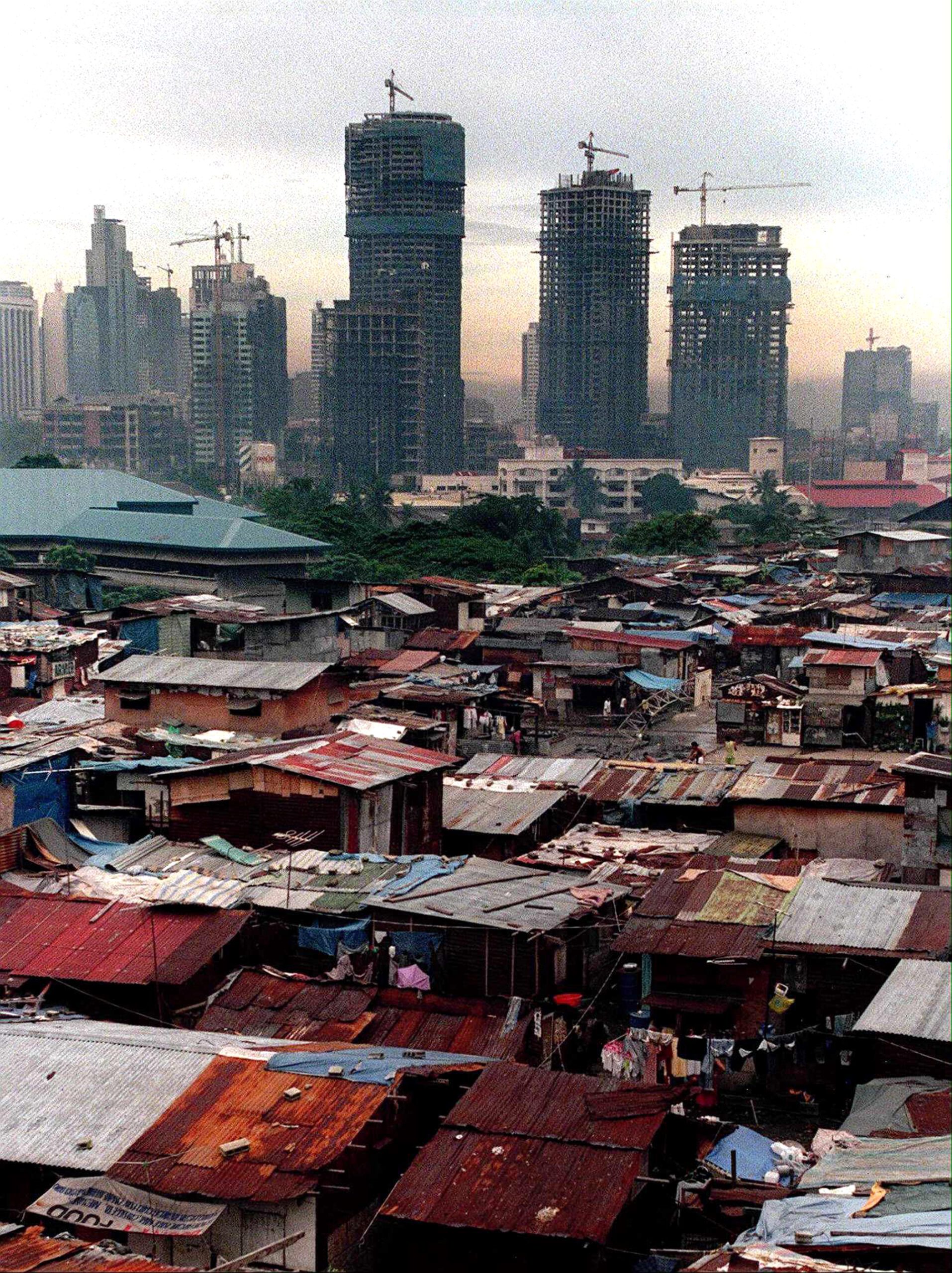
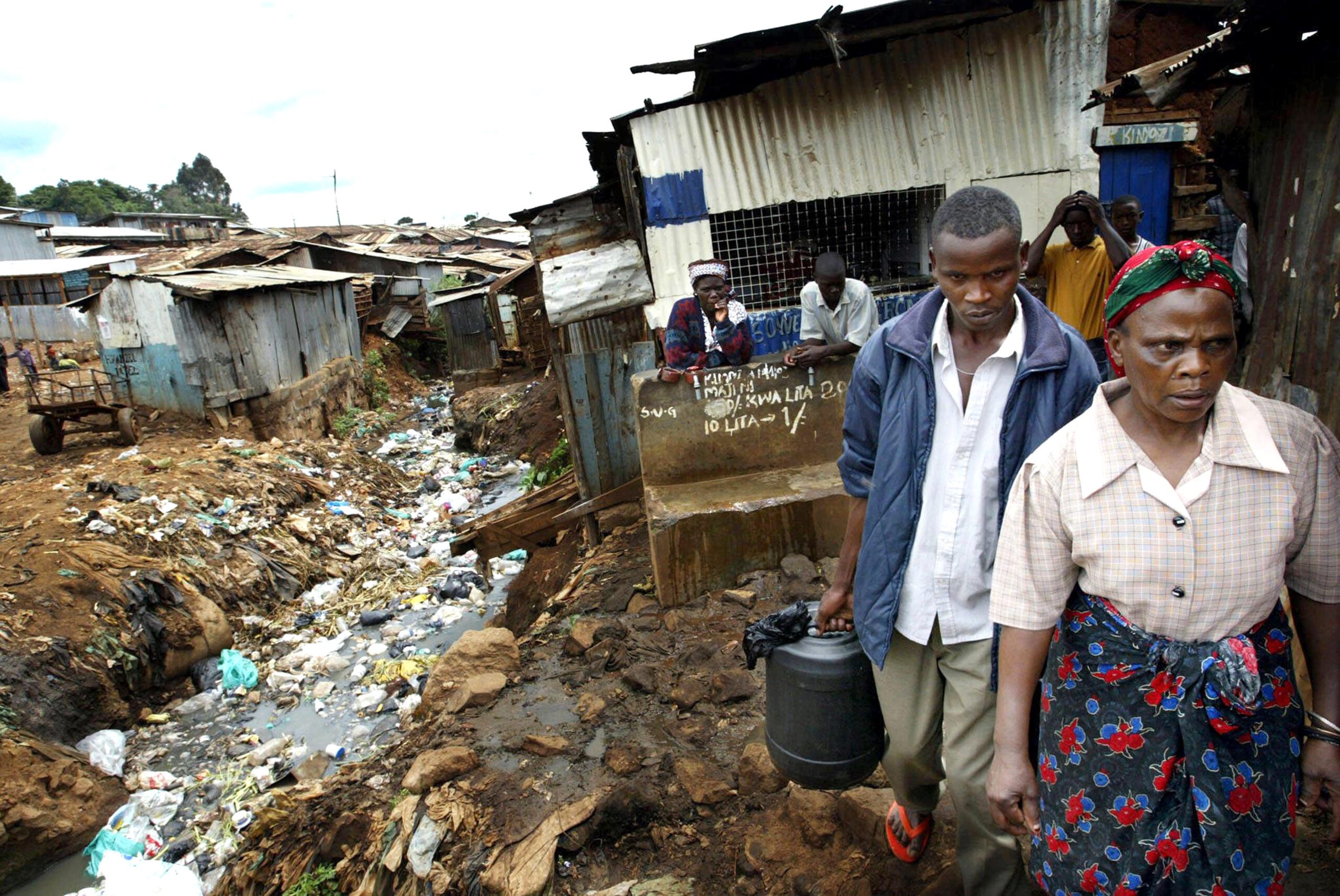
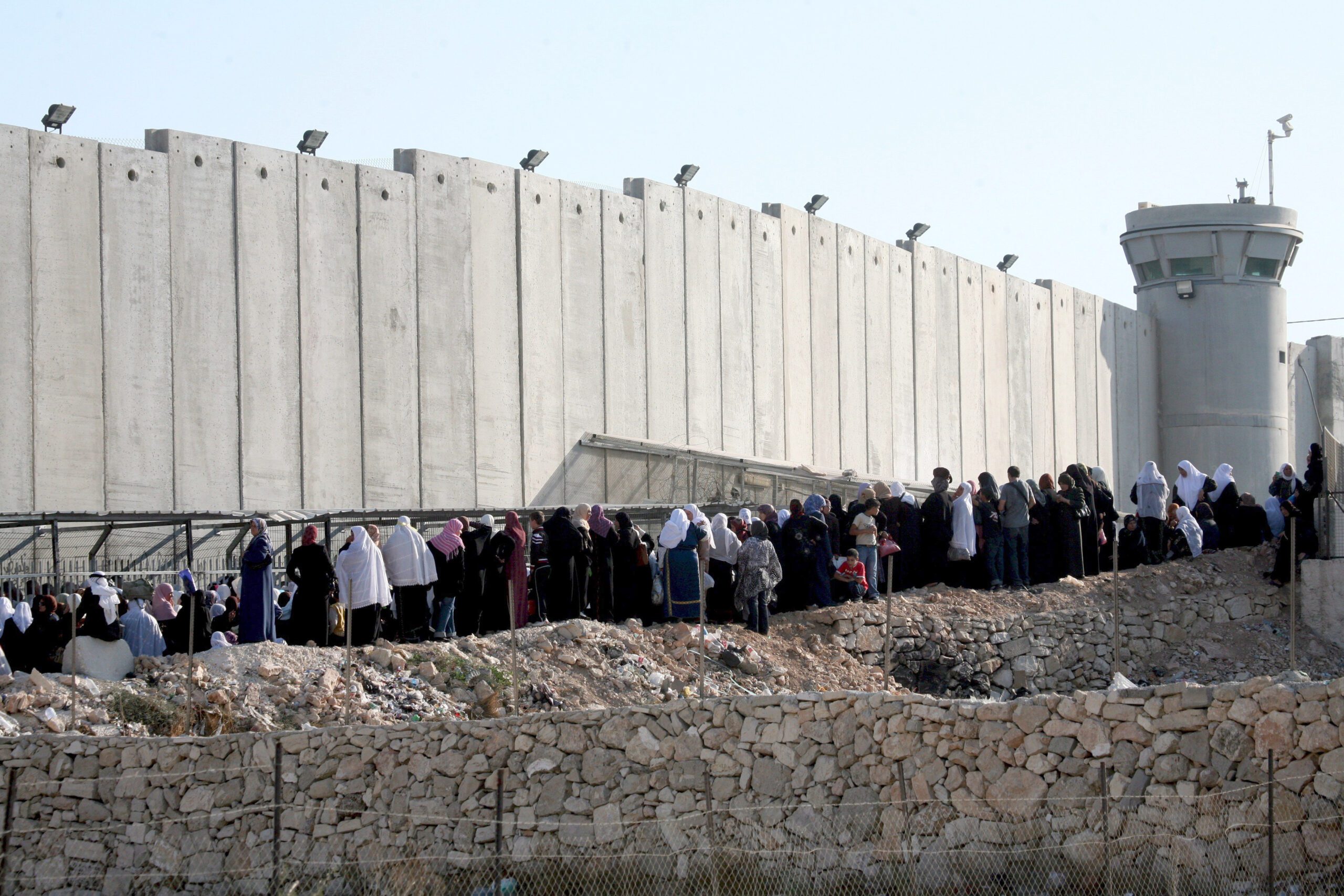
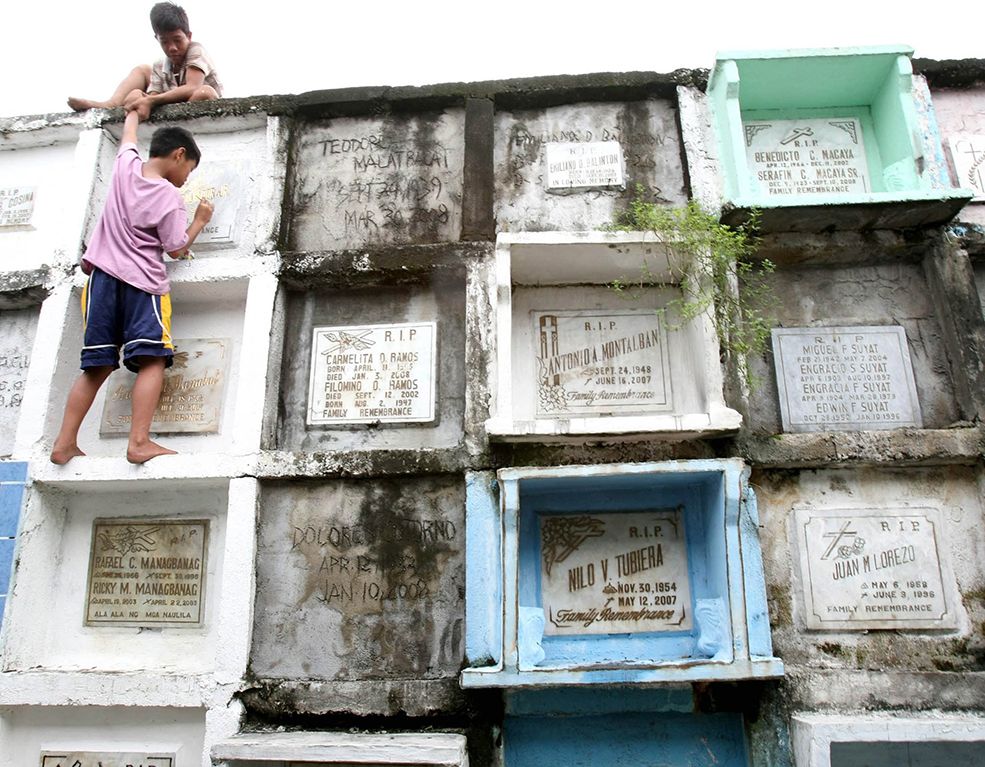
The land issue has not been adequately addressed in most countries. The continent is home to millions of landless, squatters and internally displaced people. The growth of informal settlements in urban areas has given us tens of millions of slum dwellers that live in the most deplorable of conditions. The failure to share the profits of oil and minerals is deplorable. The greed, wastage and lack of accountability of many of our nascent democracies are causes for worry. Politicians remain the greatest threat and obstacle to the democratization of the continent. The whole debt burden that is killing our people must draw a creative response from our leaders too. And finally, it is women who carry the heaviest burdens emanating from these injustices.
Advocacy around these issues is vital, and must go beyond the overused, once-off pastoral letter. It is essential that the Church’s teaching on issues be disseminated among the faithful. However, that is not enough anymore.
It educates and provokes but is quickly forgotten or ignored with the next print of our local newspaper. New methods in promoting justice are essential. There are notable projects coming up that are both inclusive and influential. One that comes to mind is the Jesuit Centre in Lusaka that monitors inflation, the standard of living, and the cost to the poor in Zambia. The program is well known and that is because it is impacting on government economic policy. Christ continuously reminded His followers to read the signs of the times. Our reading is often dull, predictable and not very imaginative. But a prophetic reading of our times will result in an awakening and shock that will demand a response.
THE BURDEN OF REALITY
Let me give an example. For years, concern over the environment was considered an elitist justice issue, primarily for the First World who were, in any case, the greatest polluters and spoilers of our beautiful planet. Environmental issues were mainly concerned with the quality of our lives. However, with climatic change, a depletion of our natural resources and the industrialization of China and India, the issue is of greater concern. With the way we are living now, the environmental issue has become a matter of life and death for our planet and its people. That is no exaggeration. But where is the voice of our Church? There are again some outstanding exceptions, but the vast majority of the world neither know nor care that our planet and its future are at great risk. Do we not have a responsibility to safeguard and protect the beauty that our Creator has endowed us with?
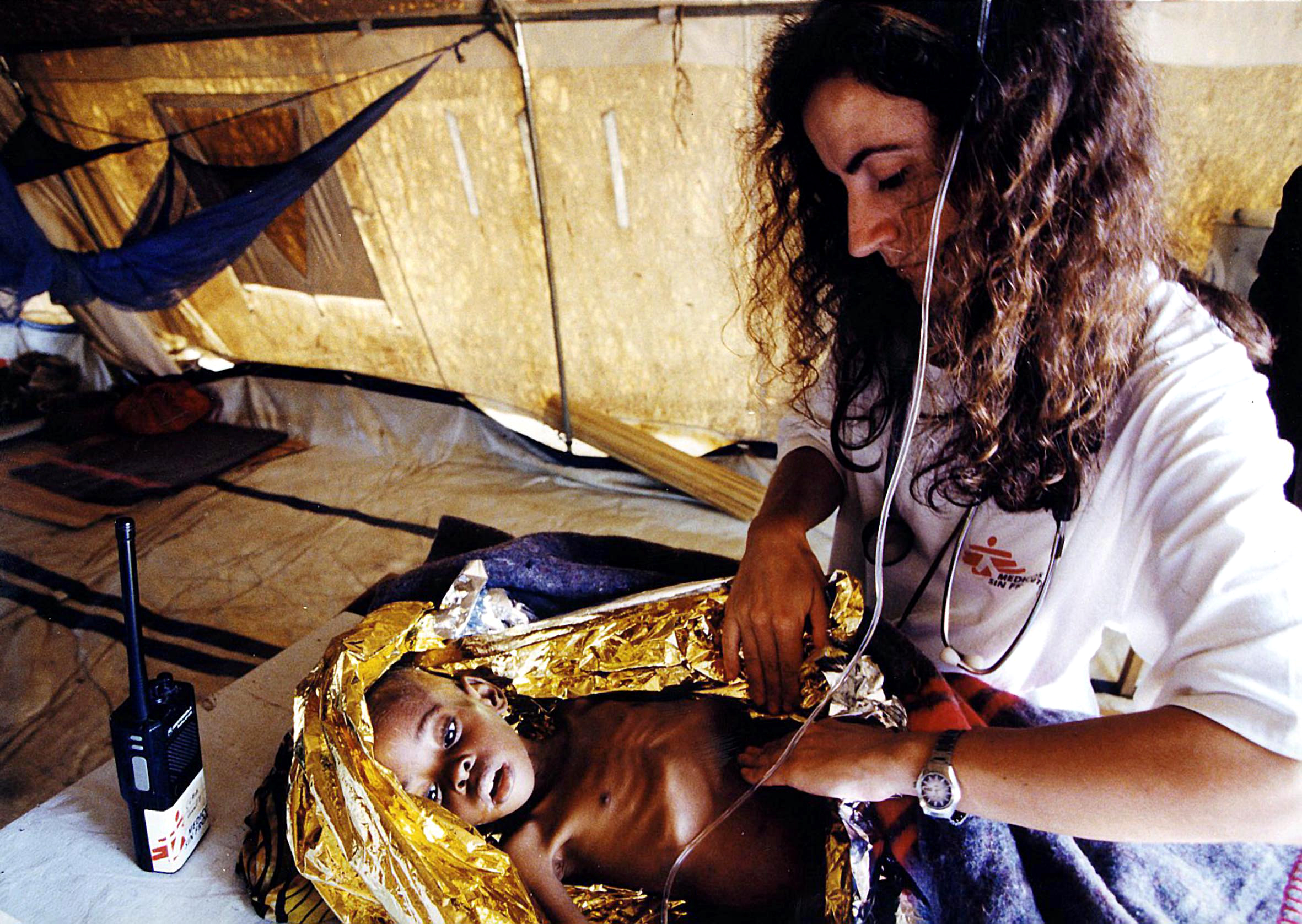
Being Christians, I believe, means that we take on in the words of theologian Jon Sobrino, “the burden of reality” and aspire to transform it. We are neither observers nor recorders of the injustices of our world. Rather, as followers of Christ, we take on the whole burden of reality, carry it, listen to it and then transform it. That I believe is a great risk, a great pain and a great opportunity. In other words, we leave ourselves so open, vulnerable and generous that we allow the reality of the world to affect us. That, after all, is what Jesus did through His Incarnation. That is where we get the energy and inspiration to be outraged over injustice, repression and dehumanizing poverty. When we are passionate about justice, we say we are willing to suffer with the poor for that, in any case, is the origin of the word “passion.” We also quickly realize the limitations of our world systems that put democracy, law and order before the poor. Commitment to justice means that we put the poor, the slum dwellers, the AIDS sufferers at the centre. In simple language, we put the poor first, and insert ourselves into their reality. That was the mission of Christ and that is the mission of all of us today. May we be granted the strength, grace and health to be fully committed to that calling.
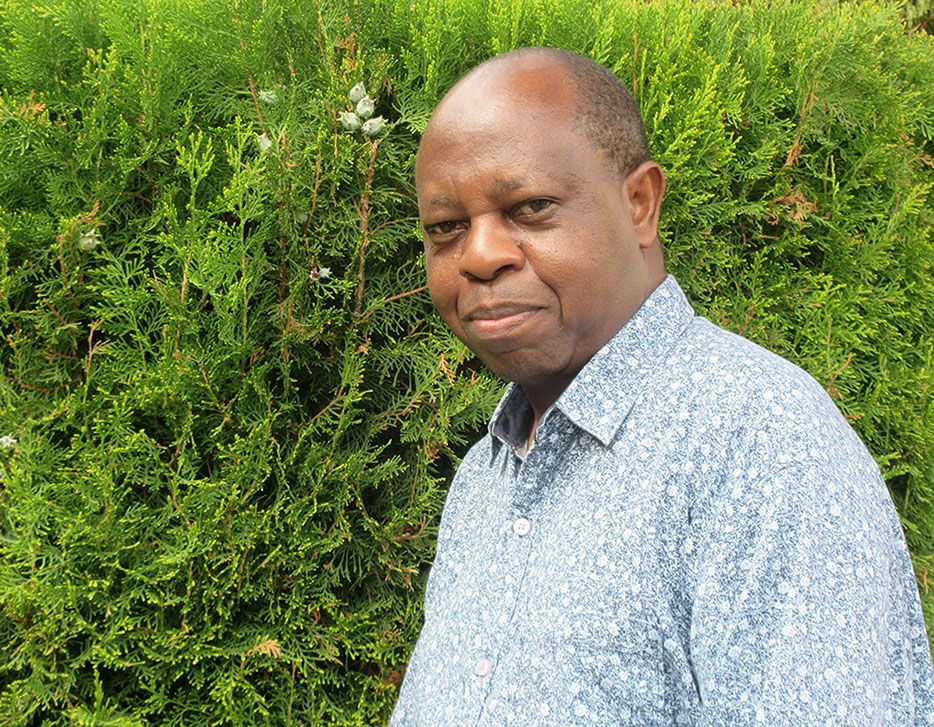
*Fr Gabriel Dolan is the Director of the Catholic Justice and Peace Commission of Kitale Diocese, Kenya