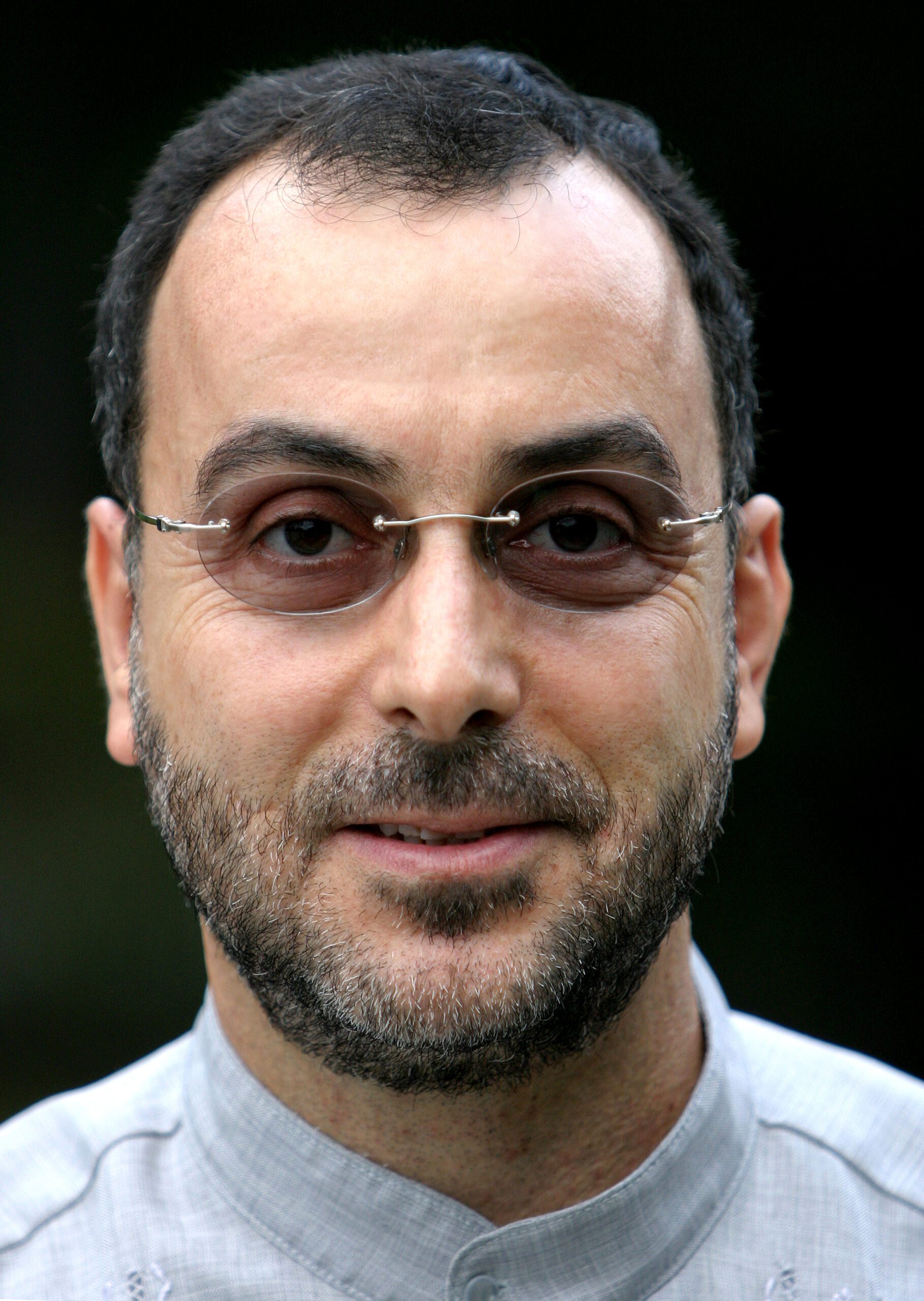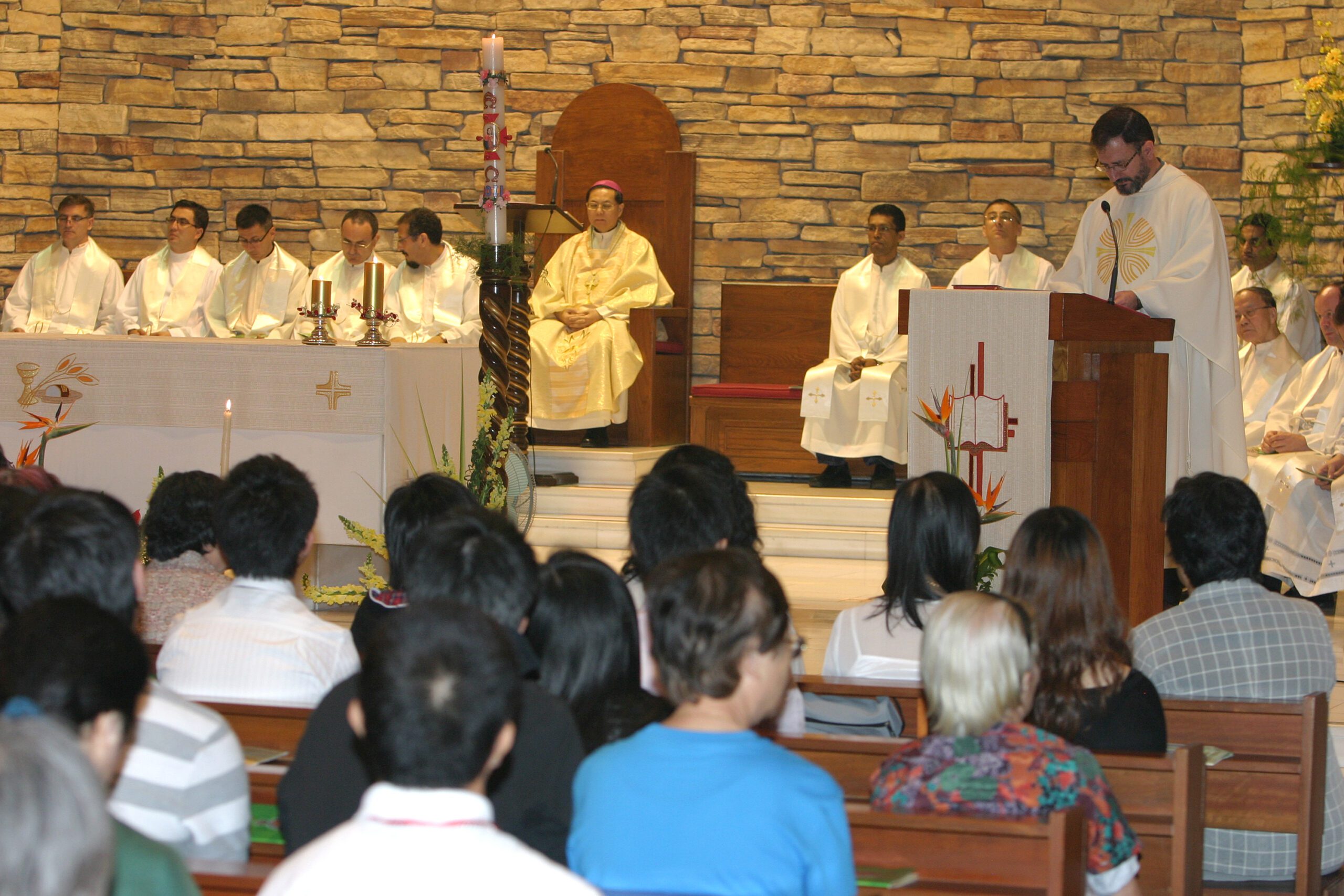
Father Selvaratnam, who heads the Jaffna Province of the Oblates of Mary Immaculate, was addressing more than 75 clergy, religious and laypeople who gathered to commemorate the death of Father Nicholapillai Packiaranjith. The late priest, who belonged to the Mannar diocese clergy and was also known as Father Ranjith, was killed on Sept. 26 while he was taking relief supplies to refugees in camps and orphanages. A Claymore mine explosion destroyed his vehicle and killed him on the spot in Kalvilan, a Tamil rebel-controlled village 50 kilometers east of Mannar, 230 kilometers north of Colombo. CSR, Christian Alliance for Social Action and the Law and Society Trust of Sri Lanka organized the commemoration in the capital.
Ruki Fernando, from the Law and Society Trust, pointed out that Father Packiaranjith is the fourth religious leader who was killed or has gone missing since August 2006, and the 58th humanitarian worker who has been killed or disappeared in that same period. Father Noel Dias, vice judicial vicar of Colombo archdiocese, told the gathering: “Let all priests, religious and parishioners from the parish level write to our bishops, calling for objective action and an end to big celebrations for Christmas.” He pointed out that the bishops’ conference “is silent at this time.”
Franciscan Sister Placida Lihinikaduwe said Catholics must “campaign differently” and “some stern action must be taken by the Church.” Oblate Father Rohan Silva, CSR director, shared firsthand experience of life in the embattled north when told the gathering how he and some priests from the south visited Jaffna peninsula, the island’s northern tip. “I waited for three hours to cross the road into Jaffna. It was a criminal waste of time due to roadblocks. I witnessed the sufferings of the people in the north, where a night curfew has been in place for a year. Abduction and killings are daily occurrences,” Father Silva said. “I saw the military rule. Guns were turned against the priests. Religious leaders and places of worship are under constant attack.”
Ethnic Tamil rebels fighting since 1983 for a Tamil homeland in the north and east of the island made Jaffna city, 390 kilometers by road from Colombo, their home base until government troops took control of it in late 1995. It is an embattled outpost, however, and heavy fighting has resumed around it with the de facto collapse of a 2002 cease-fire. Government forces have closed the only land route linking the peninsula with the mainland, and essential supplies are scarce or nonexistent.
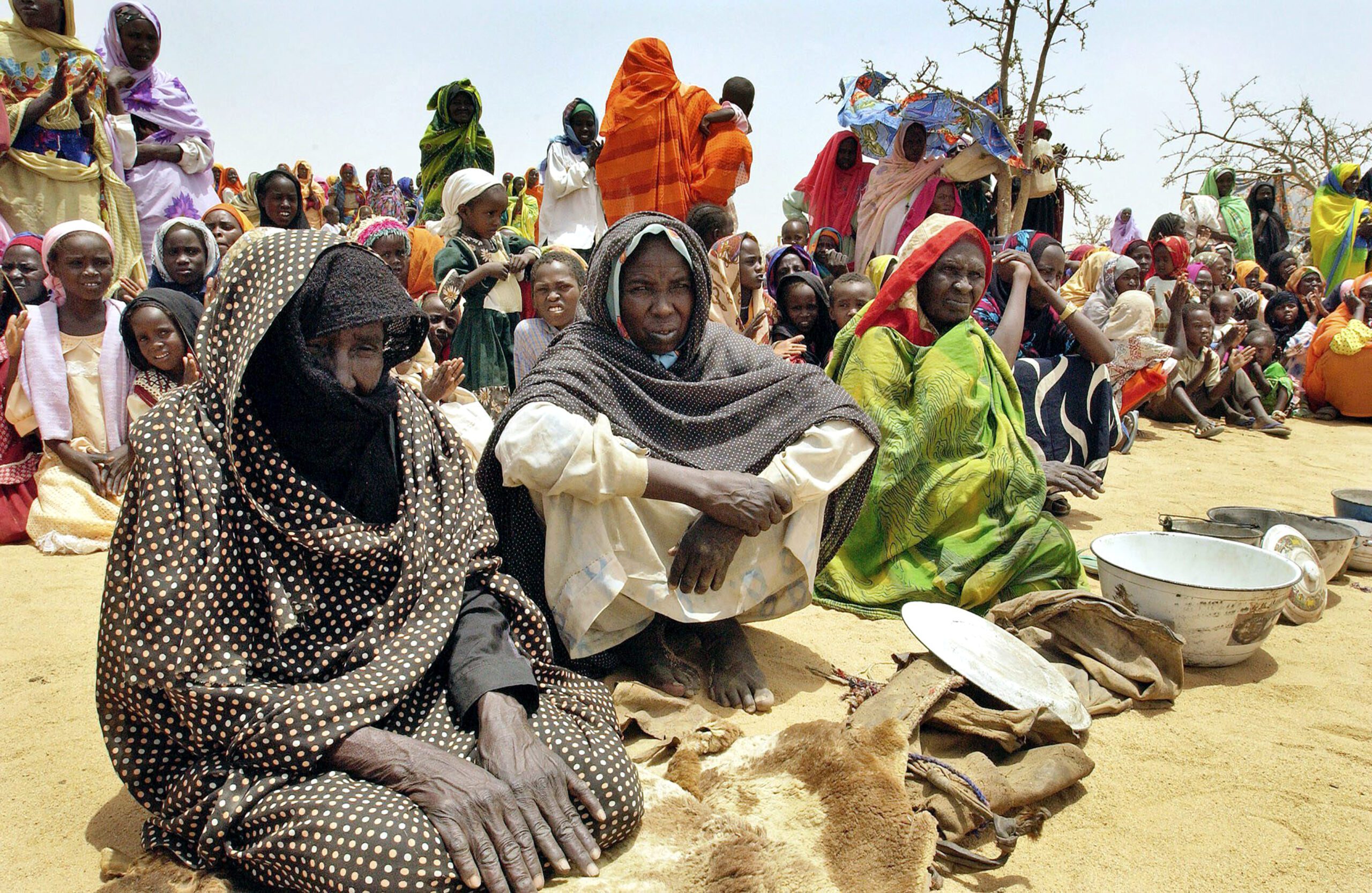
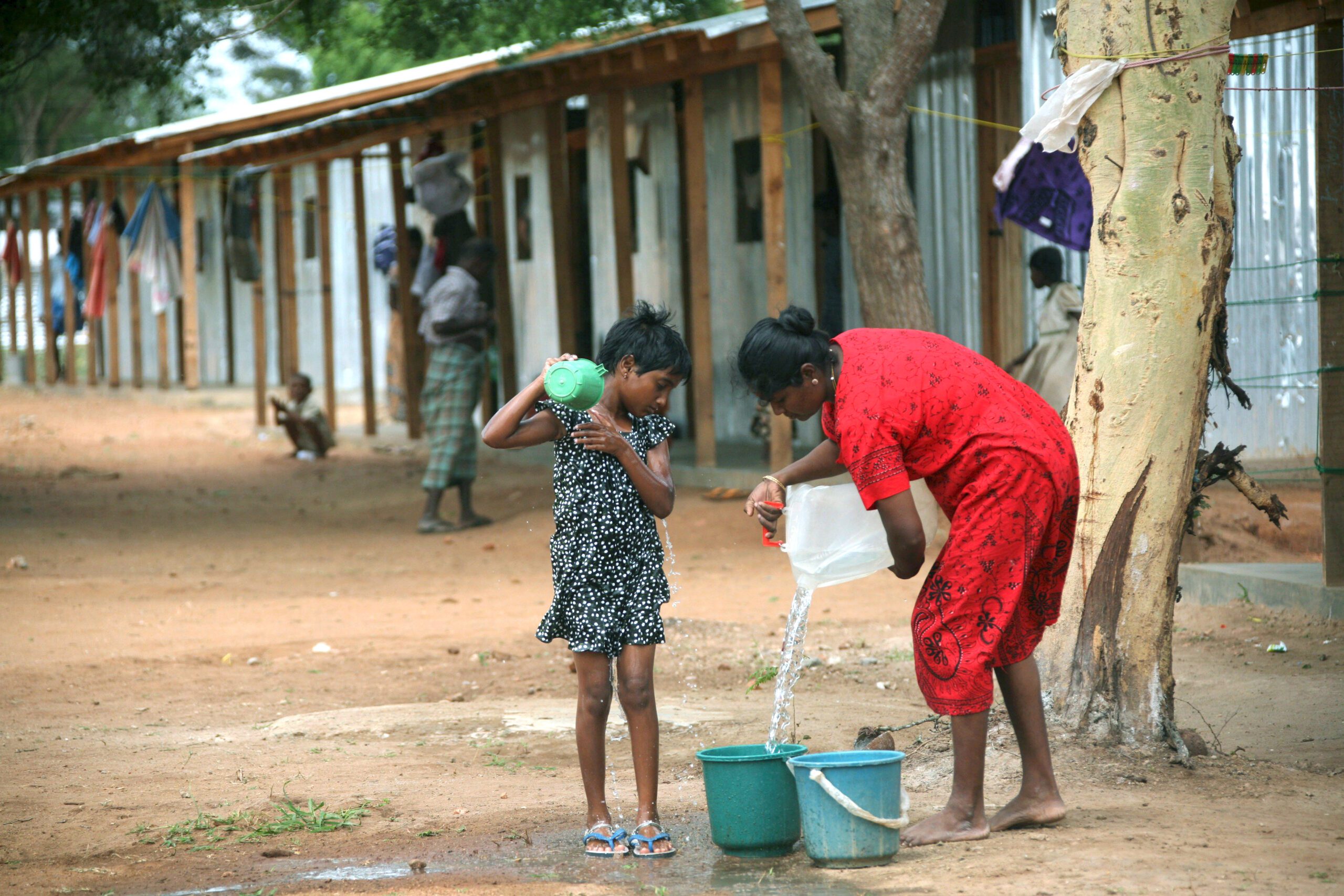
More than 65,000 people have been killed and more than 1 million displaced due to the war between the Liberation Tigers of Tamil Elam Tamil and the Sinhalese-led government, which Tamils have long claimed discriminates against them. In addition to military clashes, killings, abductions and disappearances are reported almost daily.
“Twenty-five years! Enough is enough. Please stop this war,” pleaded Father Selvaratnam, an ethnic Tamil. “We want nothing. We are not asking for rights or anything. We just want to be left alone.” Weeks after his plea, in November, the situation got worst. Tamil Tiger political wing leader S.P. Thamilselvan, was killed in a Sri Lankan air force raid, in what analysts warned was a body-blow to any hope of ending the conflict soon. Thamilselvan was the rebels’ main interlocutor at the last round of peace talks with the Sri Lankan Government in October 2006 and was the international face of the separatist group. The air raid came amid near daily land and sea clashes, ambushes and air strikes that have killed an estimated 5,000 people since early last year alone.
Analysts said Thamilselvan’s death had further darkened an already bleak situation in Sri Lanka, where human rights abuses and extrajudicial killings have mushroomed as the fighting intensifies. Sri Lanka is considered one of the most dangerous places in the world for aid workers and journalists given the numbers of each killed.
“The loss of Thamilselvan in this way would be a very big setback to any hope of peace talks in the near future – which in any case were not apparent either,” Jehan Perera said, of the non-partisan advocacy group, the National Peace Council. “It just makes it an even bleaker scenario. It is a very bad situation.” UCANews and Reuters