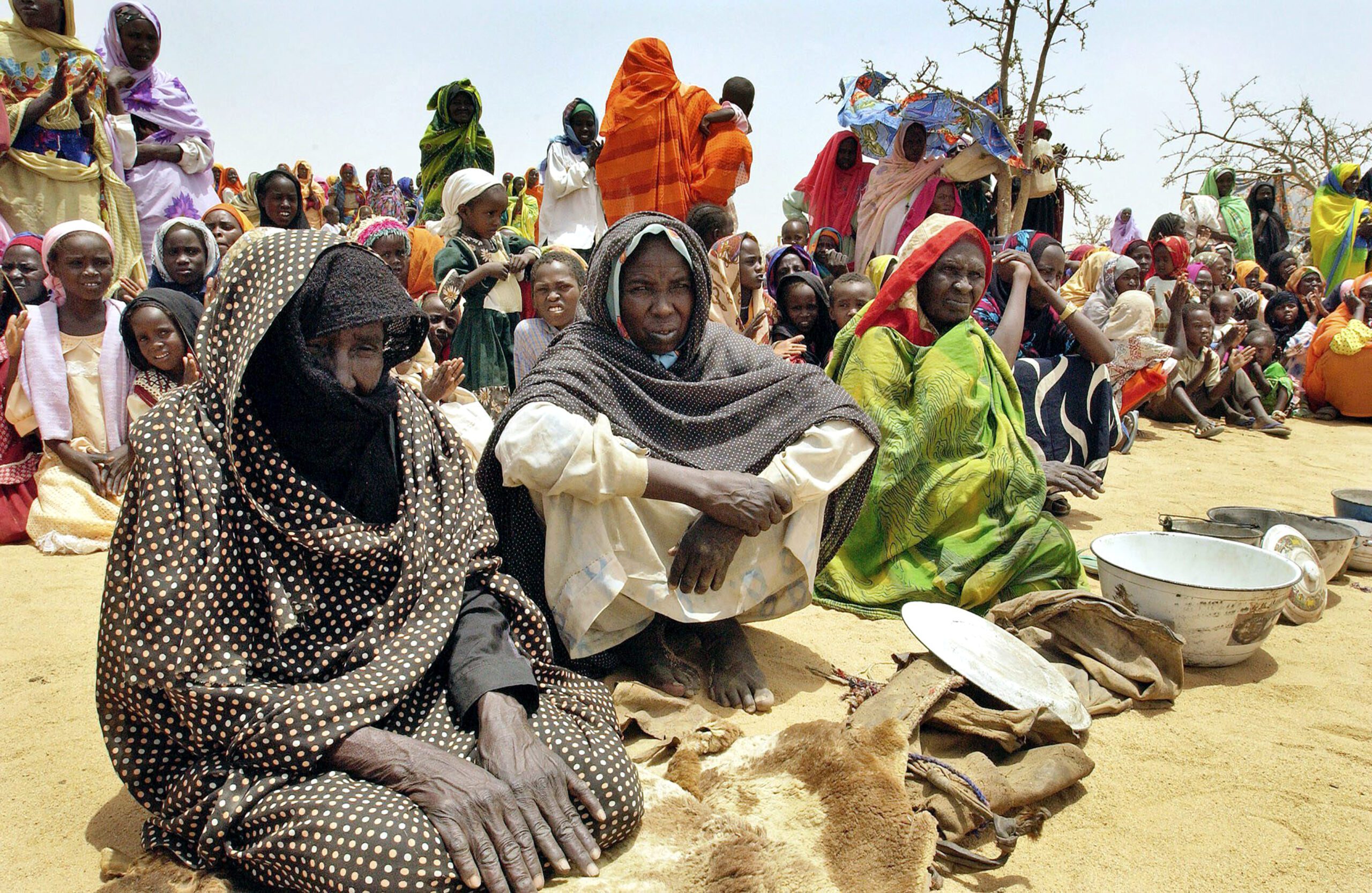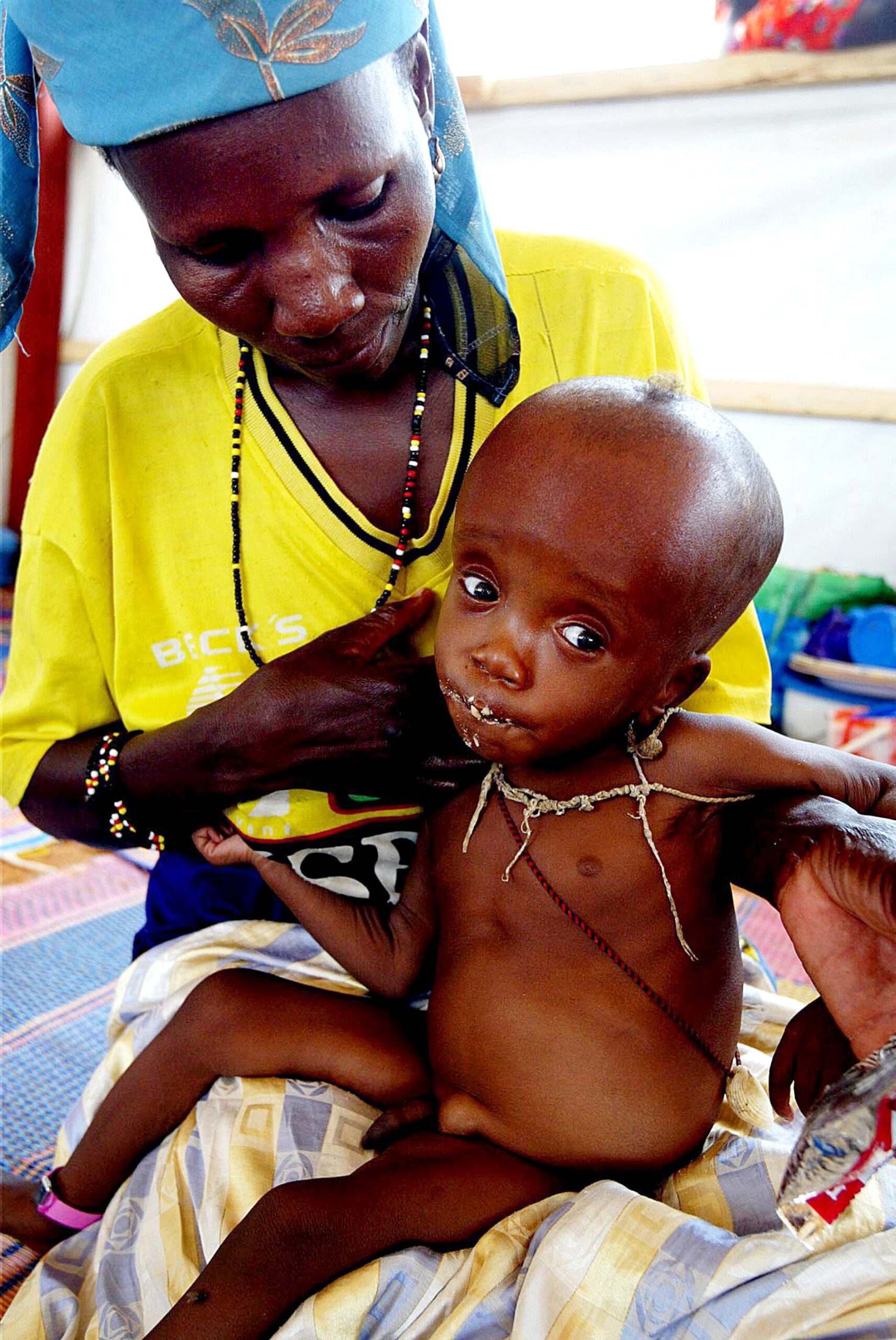

“How will the poor children of Africa celebrate Christmas?” a European little girl asked me after seeing a documentary about Darfur. It is a curiosity that comes not only from the vision of extreme sufferings that the video has shown, but also from the growing consciousness that, in the world, there are many different ways of expressing joy; that the most profound feelings such as joy and sorrow, are conditioned by the environment in which we live, our traditions, our very language.
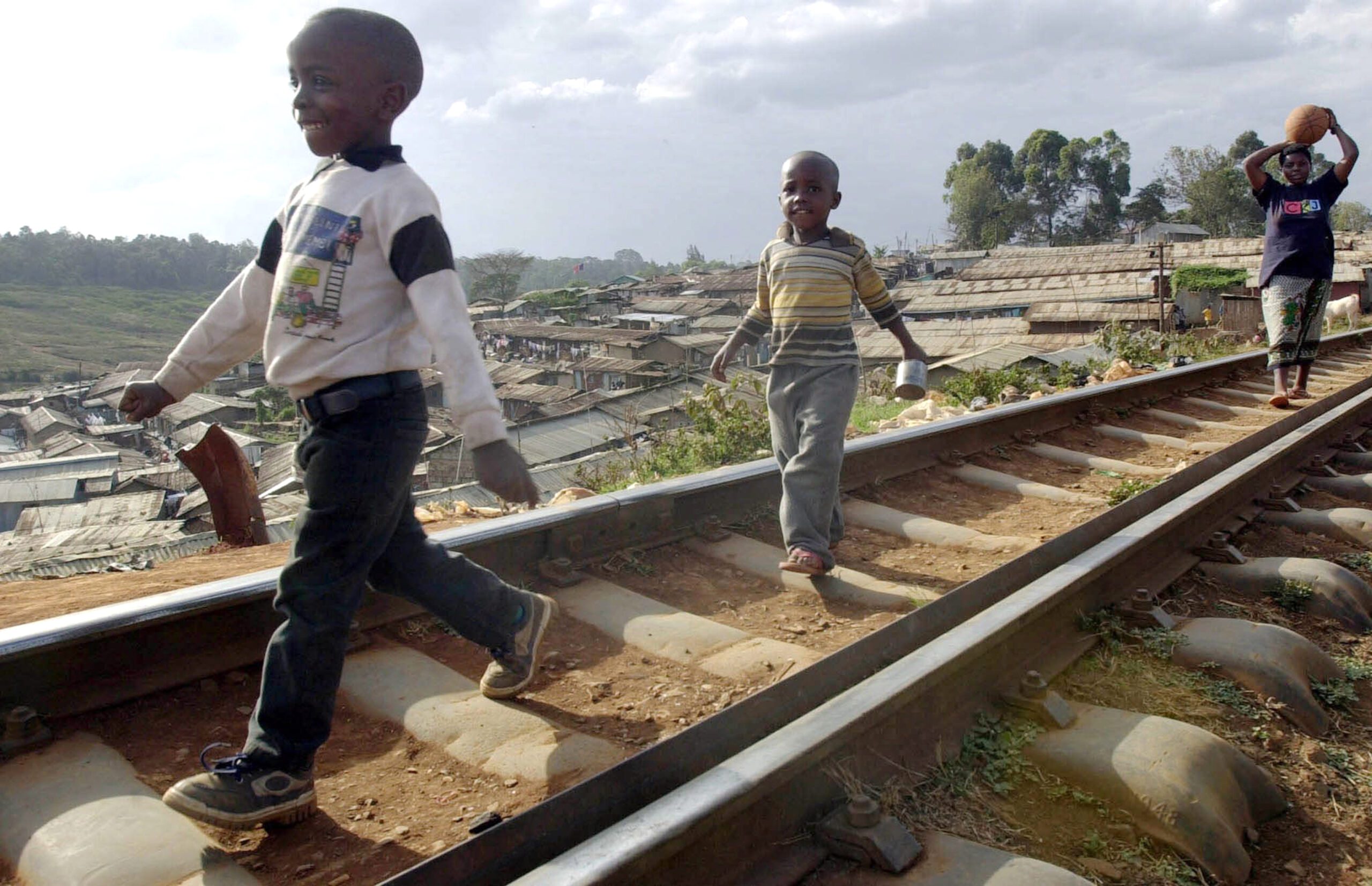
The question of the little girl came back to me today while I was walking along the streets of Kibera, Nairobi’s largest slum. I am together with Okada, a 25-year-old young man who, for four years, has lived along these streets and, because of a series of lucky circumstances, was able to go back to his studies. He is already close to his university degree, and the topic of his dissertation is violence against street children. Okada is at home here. Almost all the children we come across with know him, and he has a word for everyone. With him, they feel at ease, respected and understood.
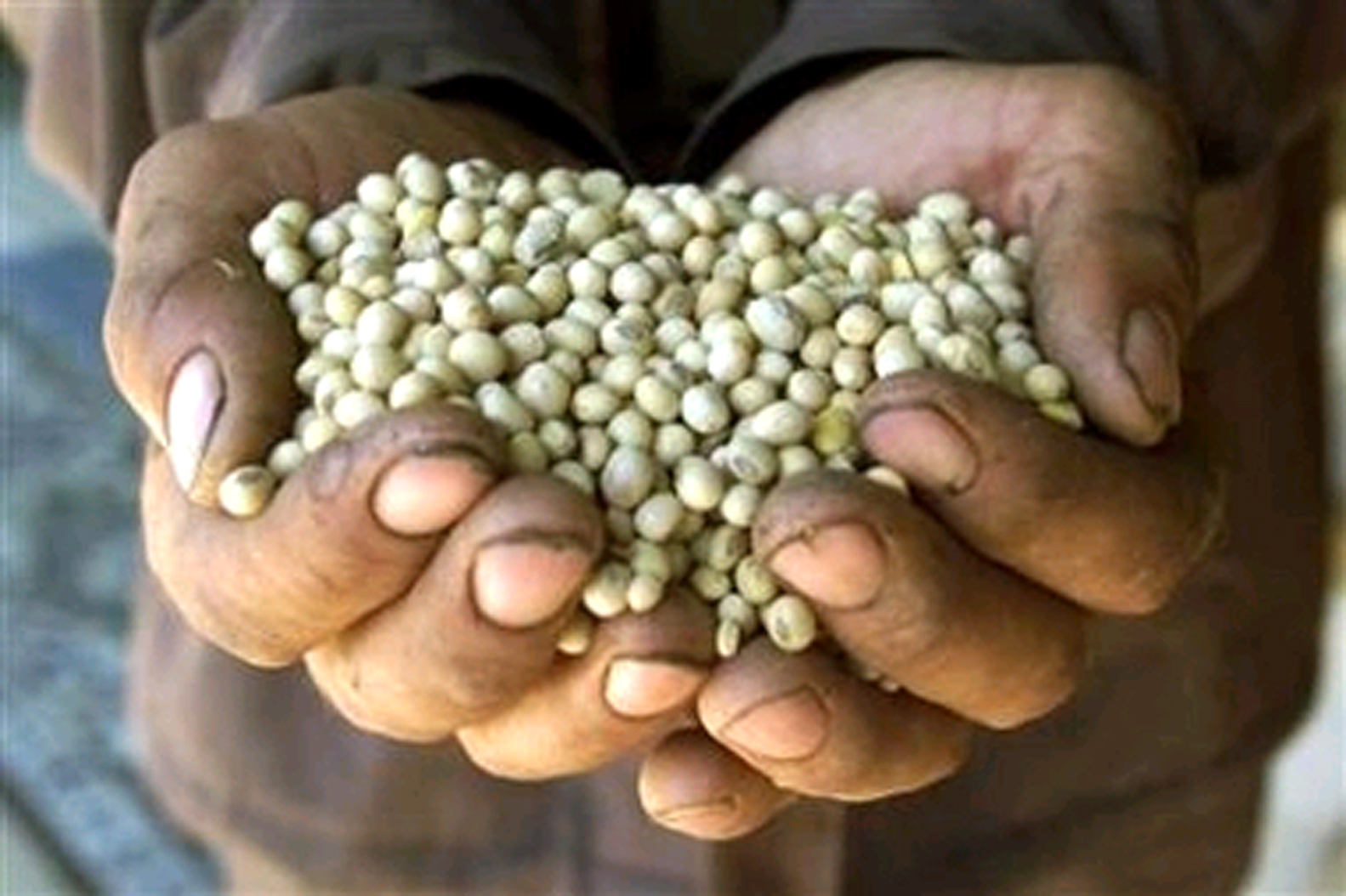
“What are you planning for Christmas?” he asks point-blank, at my request, to a little boy who looks nine and is handling the implements of a shoeshine. It is an improbable job in a place where to simply have a pair of shoes, even old and far from shining, is already a sign of prosperity. A startled look is what he gets at first as an answer: it is clear that the boy has made no plan. Then the boy puts down the little bottle of shoe polish and the worn-out brush and, slowly but surely, said: “I’d like to be able to put aside a little money so that, at Christmas, with mom and my younger brothers, we may go to my grandmother at the village. She is poor, too, but all around the hut there is so much green grass. The air is sweet and clean. She owns a field of beans and something to eat is never lacking. Last year, I discovered that even the tenderest leaves of the bean plant are edible if cooked in a little oil, do you know that? Then I wish we would have much time to stay together because granny has so many things to narrate.” Okada insists: “But do you know what Christmas is?” The answer is even surer: “Certainly, it is the feast for Jesus’ birth. My youngest sister was born two years ago, exactly on Christmas Day and we called her Emmanuela, like Jesus.”
LUCY’S DREAM
Only those who know the air of Kibera, so full of miasma and repugnant stenches, can think that there is a “sweet” air. But perhaps it is not only a question of material air. Many of the children to whom Okada has directed the question have associated Christmas with the quest for family affections, peace and staying together. The sweetness of family life seems to be the dream of many of these street children, the longing for simple, tasty food, too − sweet and tasty because it is shared.
But for many others to whom we put the question, almost all of them non-Christians, Christmas will only be an occasion to hope for material improvement. “I do not know what Christmas is,” says a child who represents many, “but I know that, on that day, people spend more and are more generous. Even if I have never understood the meaning of Father Christmas whom they always represent in the midst of that something white they call snow, to me, he looks like a crazy old man who should be locked up in Mathare Mental Hospital.” But an eight-year-old girl strongly protests in favor of Father Christmas: “Don’t speak like that! There are people who do good things in his name. Imagine, last year for Christmas, while I was begging outside a supermarket, a lady bought a new dress for me, she made me put it on and then she made me sit at table where I had tea and ate a cake!”
AFRAID OF CHRISTMAS
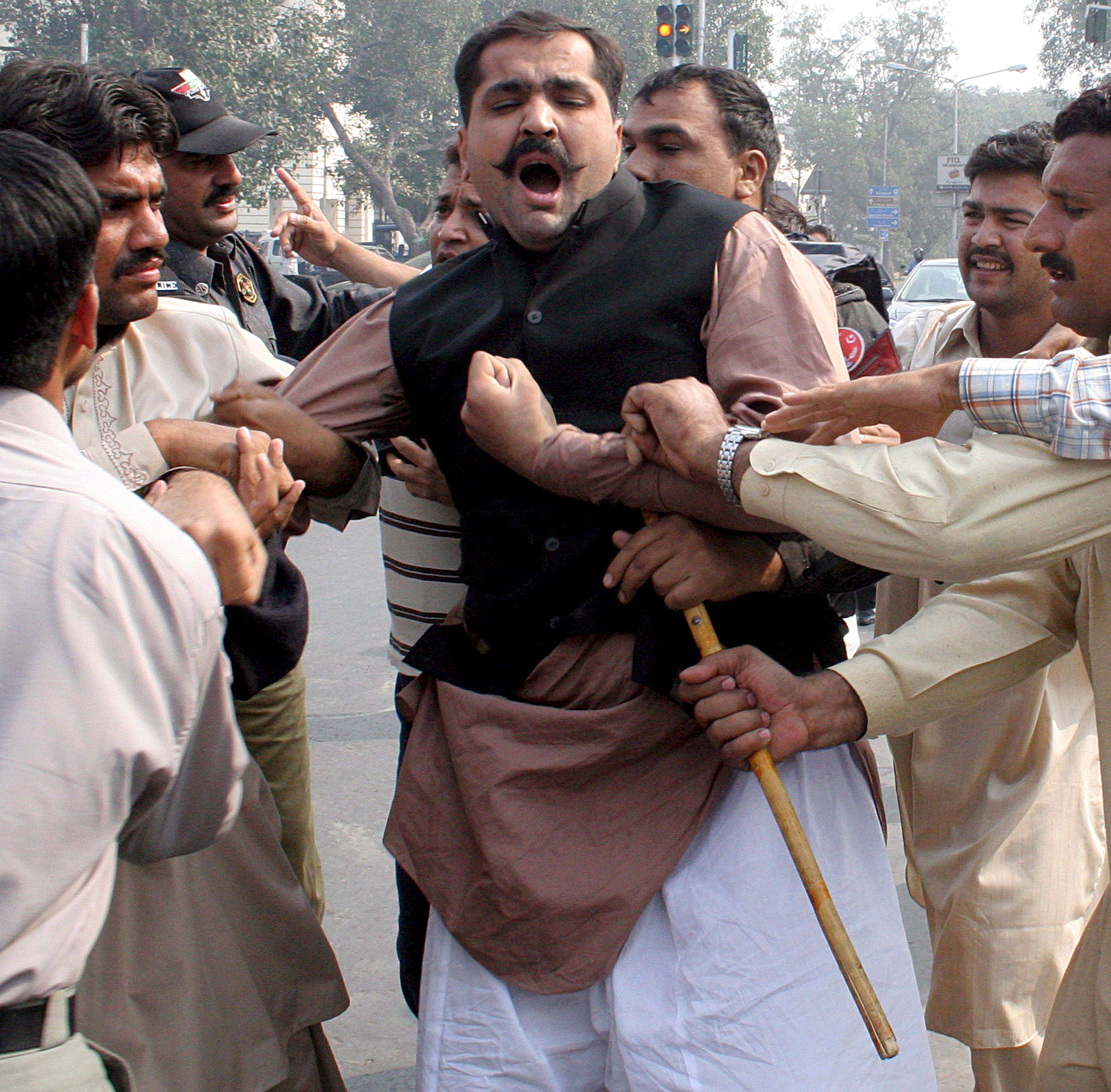
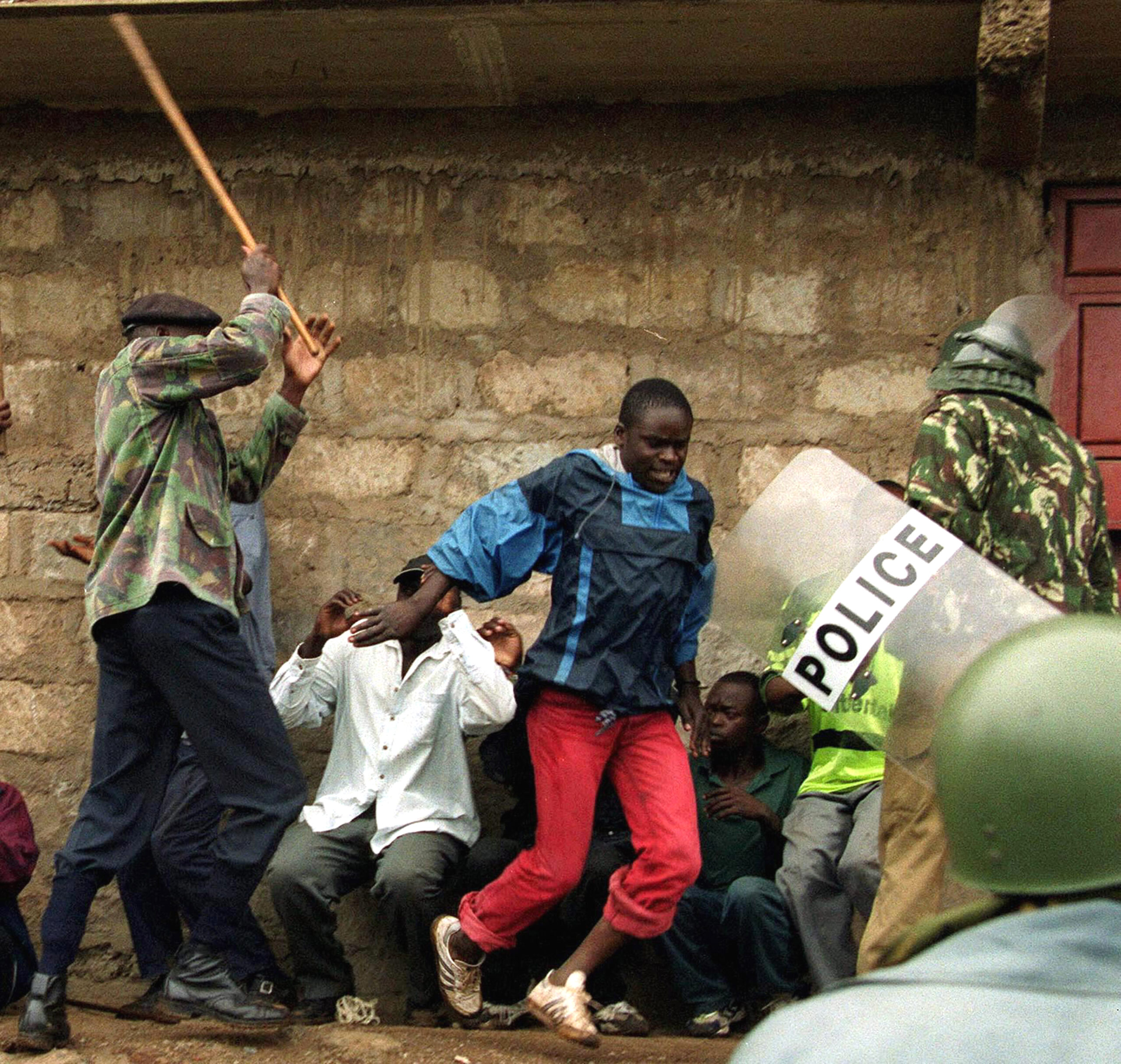
Even if Lucy keeps dreaming that, this year, the same thing will happen to her, Okada thinks that, unfortunately, for many of these children, Christmas will bring the same street life: hunger and violence as usual. Seby, 12 years old, confirms: “On a cold night last July, I was sleeping with my gang under a fruit and vegetable stall. We were all huddled together to protect ourselves from the cold. At 3 o’clock in the morning, some policemen came. They beat us up brutally. Why? Just to have fun! They were completely drunk! And if we had reacted, it would have been much worst for us. The luckiest were those who managed to escape. This is our survival technique when the police come: to run away in all directions so that each policeman can catch only one of us and the others can get away. I fear feast days because, on those days, policemen usually get drunk. Let us hope that it will not be like this on Christmas.”
And you, Okada, what is it you hope this Christmas? I hope that the streets will become what they used to be traditionally: not a place of neglect and despair, but a place where we journey along and grow. Especially, that they will be a place where we warmly meet others, a place of fraternity. I have met Jesus on the street, a refugee from Egypt and others. Okada smiles at me and repeats his refrain: “Let us all go down to the streets, let us not allow evil to make them its home. Let us do like Jesus: let us walk along the streets with open eyes, attentive hearts and hands ready to shake our neighbors and help the needy.”