Environmentalists and many others are delighted that the Nobel Peace Prize for 2007 is to be shared equally between former Vice-President Al Gore and the Intergovernmental Panel on Climate Change (IPCC). The award is a recognition of the efforts by both Al Gore and the IPCC to highlight the reality of climate change, point to the scientific consensus that it is being caused by human activity, and call for serious action to curb greenhouse gas emission before it is too late.
Right from his days as a congressman, through his time in the UN Senate and as Bill Clinton’s vice president, Gore has pushed for climate measures. He was an enthusiastic supporter of the Kyoto Protocol on limiting greenhouse gas emissions. Unfortunately, the man who became president, George W. Bush, refused to implement the Kyoto cuts and, in the intervening 6 years, has done everything in his power to subvert any action by the US Federal Government to tackle climate change.
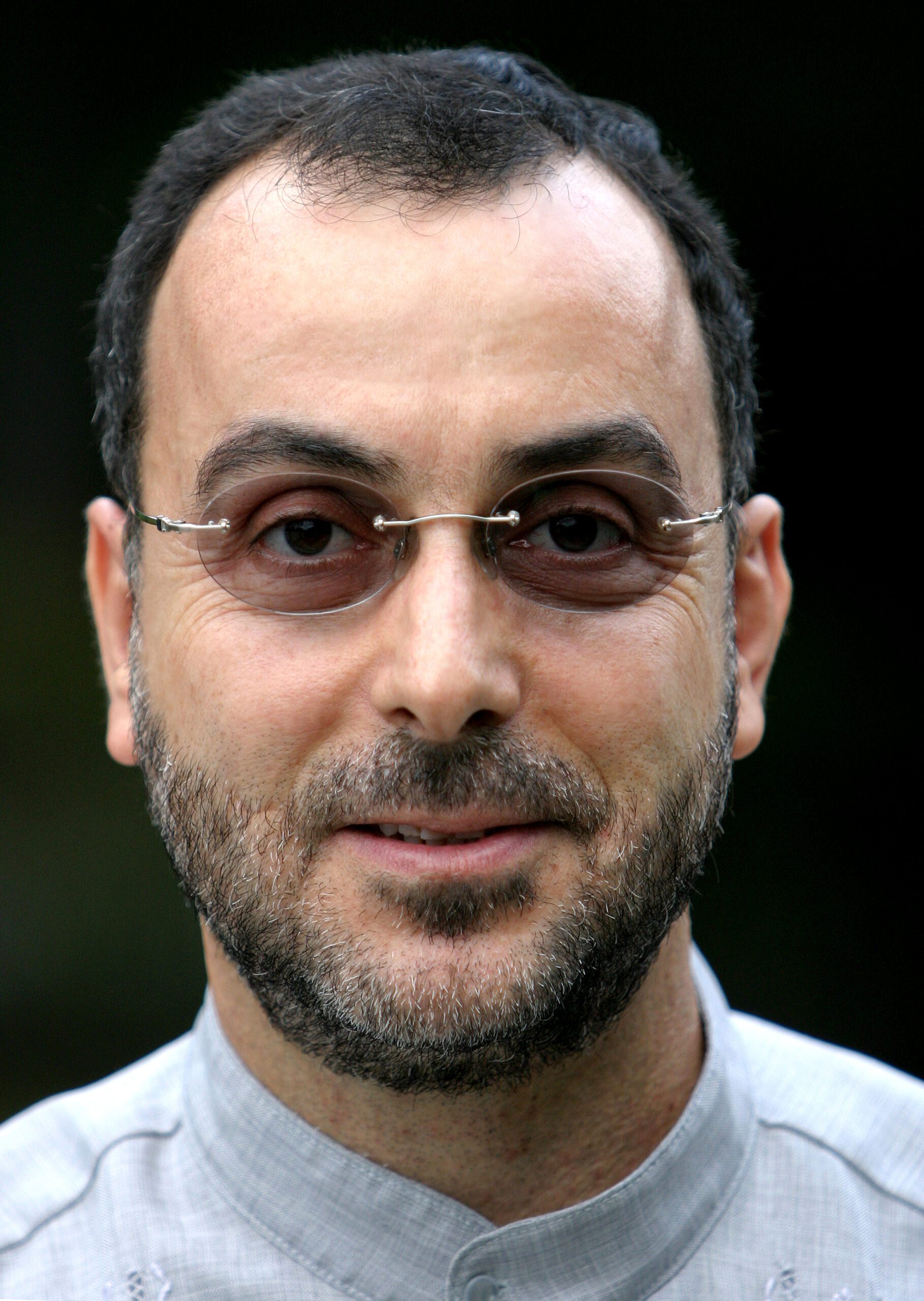
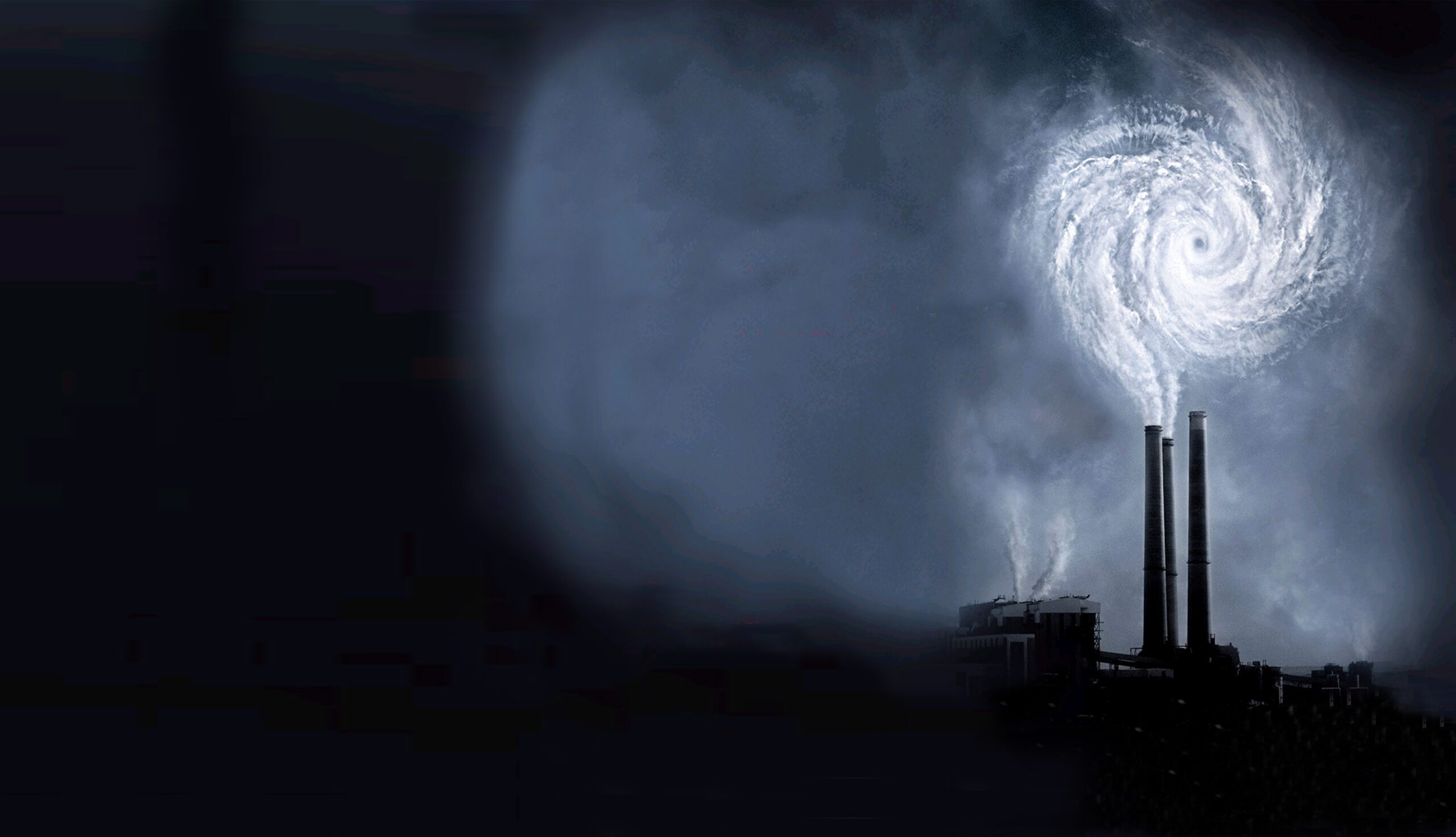
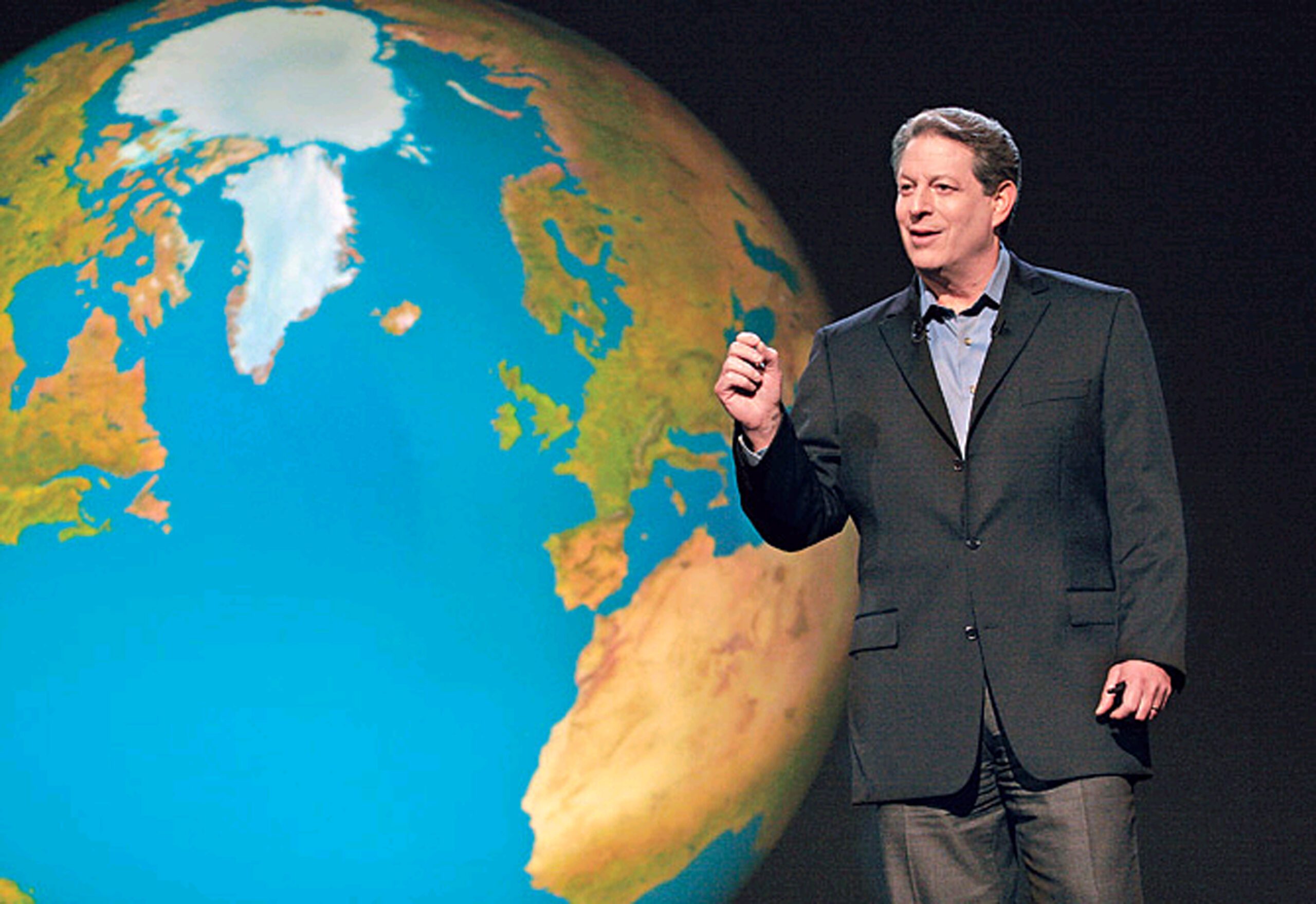
Since leaving office in 2001, Gore has taken his campaign to educate people about climate change to almost every country on Earth. His PowerPoint presentation culminated in the documentary called “An Inconvenient Truth,” that has been seen by millions of people. In April 2007, I took part in a climate change seminar with Al Gore in Cambridge University and was hugely impressed by his knowledge of the subject and commitment to this issue. I also marveled at his metamorphous from a fairly stilted, boring, uncharismatic politician who won the popular vote in the 2001 election, but failed to be elected president, to a passionate, convincing and witty speaker.
The IPCC, on the other hand, was set up in 1988 by the United Nations Environment Programme (UNEP) and the World Meteorological Organization (WMO). Its task is to provide independent scientific advice on the complex and crucially important issue of climate change.
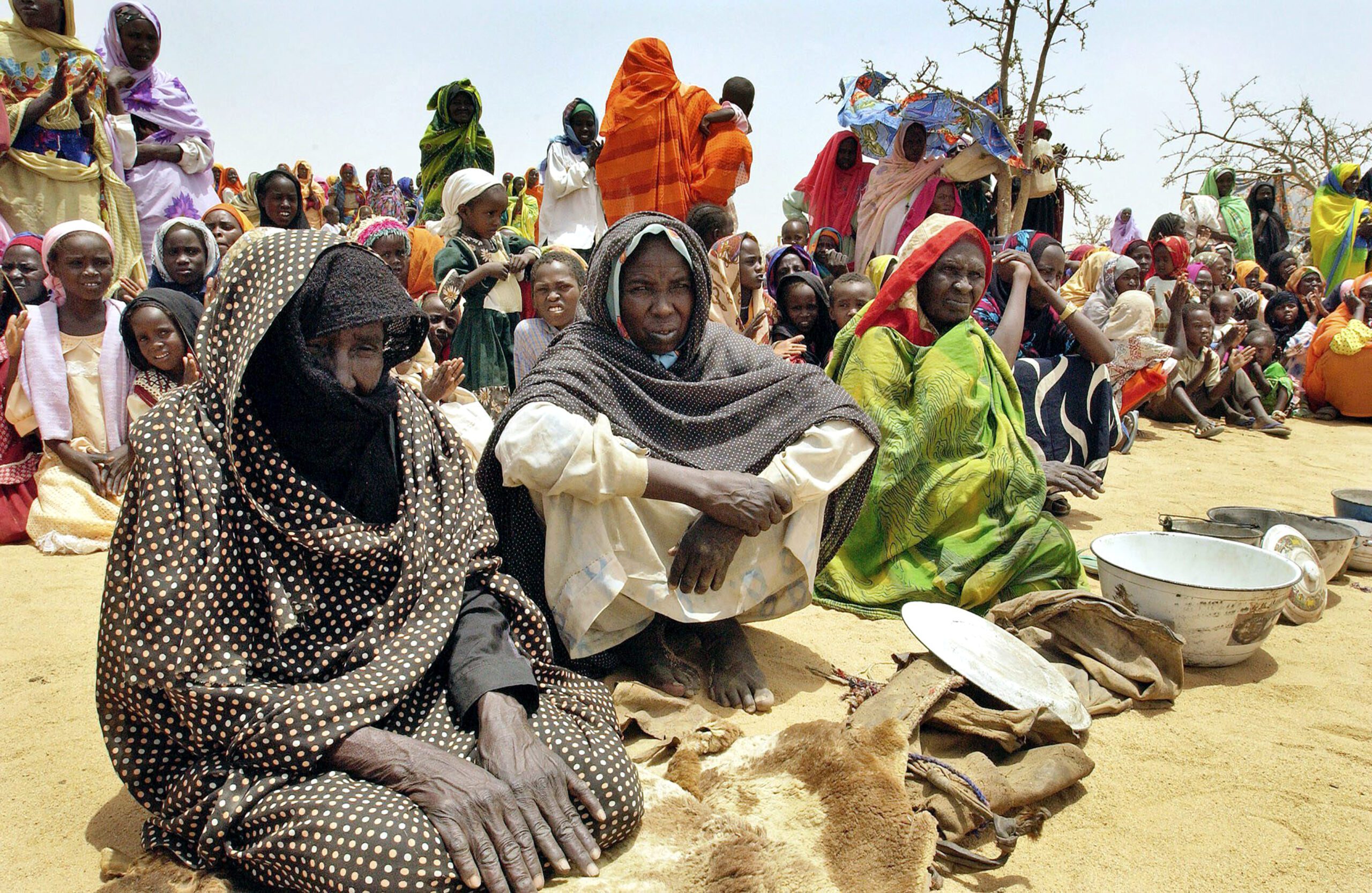
The 2,500 scientists who are associated with the IPCC are drawn from universities, climate change institutes and government departments across the globe. The Panel has been asked to prepare reports on all aspects of climate change, using the best available scientific data on hand. To date, they have issued four assessment reports. The most recent was delivered in February 2007. The second report this year was published on Good Friday. It struck a Calvary note. Based on current data, it predicted that increased heat waves, storms, floods, fires and droughts could cause death and displacement for hundreds of millions of people, unless drastic action was taken soon. Before the end of the 21st century, between 200 and 600 million people could be experiencing extreme hunger. By 2080, between 1.1 and 3.2 billion people could be facing severe water shortages.
But like Calvary, there is a hopeful message. The 3rd report in June made it clear that the climate change could be halted if governments, businesses and individuals acted decisively to move away from a carbon-based economy. With current and future technology and new global policies, we can beat climate change. The consequences of not acting could be horrible. It could lead, by the end of the century, to a rise in average global temperature of 6 degrees Celsius which would be catastrophic for humans and the rest of creation.
By awarding the Nobel Peace Prize for 2007 to the IPCC and Al Gore, the Norwegian Nobel Committee is seeking to educate people about the reality of climate change. The award could not have come at a better time. Between December 3 and 14, 2007, countries which signed the UN Treaty on Climate Change and the Kyoto Protocol will meet in Bali, Indonesia to hammer out an agreement about drastically reducing the emission of greenhouse gases during the period between 2012 and 2020. Last year, at the UN Climate Change Conference in Nairobi, Kenya, the US, Canada and Australia frustrated efforts by the EU and others to promote more drastic measures to limit greenhouse gases. These climate skeptics claimed that it was necessary to wait for the 4th assessment of the IPCC before deciding on an effective course of action. That excuse is now no longer valid. Serious decisions must be made in Bali. A failure to grasp this nettle will condemn successive generations of humans and other species to live in an inhospitable planet.