
Acornhoek in Mpumalanga Province is Father Chico’s new home. It is located in a wildlife haven. The semi-tropical climate is favorable to fruit production and animal breeding. The parish-mission area, of more than 64 sq km, is within the confines of the world-famous Kruger National Park, whose nearest entrance, Orpen Gate, is only 50 km away from the mission area. The Park is some 350 km in length, and 54 km in width − in size, it is like Israel. But in the region, there are many other game reserves and safari parks, the main source of employment for its inhabitants.
The area, of unquestionable beauty, is one of the biggest tourist attractions of South Africa, despite the fact that the criminality rate − the country’s plague − is also on the rise there. For instance, in the past years, the mission house had been broken in several times. It used to be completely open − no door locks even. But recently, security measures taken to keep the thieves away − doors locked and reinforced, iron grills on windows, higher fences with barbed wires and watchdogs − have not been enough to protect the mission during the absence of the missionaries, especially during mornings and early afternoons, when they are away taking pastoral care of the communities. For Fr. Chico though, having lived in several other risky environments, lack of security is no longer a big problem.
“I WILL KILL YOU!”
Fr. Chico’s previous assignment was in the township of Mamelodi − a one-milion shanty town, spreading over the hills a few kilometers from Pretoria − a very scary place for foreigners. He says that there were only two white people living there − an elderly woman and himself. Few whites go there. When they do, people suspect they are up to either “getting women or drugs.” It is not difficult to understand why Fr. Chico was oftentimes stopped by the police, especially in the evening: to enquire if he was lost and to warn him about the danger of entering such a place… Aware of the risks, he always tried to be as cautious as possible, especially after 8.00 p.m. But insecurity affects everybody so even funeral vigils were made shorter to allow mourners to return home early.
Even being a resident, Fr. Chico has been attacked twice. The first time was on the road. He had just officiated a church wedding for an elderly couple living in customary union. As night drew near, he offered them a “honeymoon trip” − to bring them home to the Lusaka barrio. On a four-way stop, he noticed a youth getting close to them with a plastic bag which he supposed was full of stones. Realizing the danger, Fr. Chico moved quickly, but without avoiding having the rear window on the bride’s side smashed. “The aim is to make the driver get off the car and pursue the attacker, while the other gang members hijack the vehicle,” Fr. Chico explained. When he reported the incident to the local police station, he learned that the same modus operandi was used to steal a police van the previous week.
The second frightening episode was inside a hall Fr. Chico had just built. After his home leave, he went to Mahube Valley, an extension of St. Peter Claver Parish where he was the pastor, to celebrate Mass. He was informed that the hall had no electricity. It was agreed that he and an electrician would go there the following day. The electrician did not show up so Fr. Chico went alone. He asked the old custodian from Mozambique to open the door. While he was trying to find out what was the problem in the hall, he realized that the old man was already on the floor and two men were close by, one of them threatening him: “I will kill you, I will kill you!” He raised his arms and kept calm. The men grabbed the car keys from his hands. One of them put the gun barrel to his head and asked for his pistol, convinced that, as a white man, he must be armed. Fr. Chico recalls: “They searched me, took my wallet with all my documents, mobile phone, watch and golden ring (a remembrance of my mother). One ordered me to lie down on my belly while the other started the car.”
TO OVERCOME FEAR
He confessed that, during the theft, he was taken aback, but he was not afraid. Fear came to him when he thought that “there were people killed even without reacting.” The cases are many: “The previous week, near the church, a white physician was killed by someone who wanted to hijack her car. The lady physician, 35, was a mother of two children and worked as a volunteer at a miserable hospital in the neighborhood. Four days later, a Protestant pastor was murdered by thieves in his own house. Soon after, another pastor’s wife was stabbed while getting into her car parked in the garage.”
After the theft, the police was contacted immediately, but it took them more than one hour to arrive… and only to tell him to go to the squad to report the case! Fr. Chico knew very well that his was a narrow escape from death. “In spite of everything, I am still lucky. I was not one of the more than 21,000 people murdered last year, nor was I in the list of the more than 8,000 mortal victims of robberies.”
The account’s conclusion showed Fr. Chico’s courage: “That time I was lucky. Let us see what the future holds for me. Fear did not stop me from returning the following day to Mahube Valley to meet with a group that was preparing for St. Daniel Comboni’s feast.”
AFRICAN BABEL
At the beginning, Mamelodi was a dormitory compound for workers that the apartheid regime, in need of human labor, recruited from the rural areas and brought to the metropolis. Away from home, men were able to visit their families only once or twice a year, mainly at Christmas and Easter. They had little entertainment opportunities. So, they spent their spare time (Sundays and non-working days) drinking and singing. It is not surprising, therefore, that the music developed and the place was named Mamelodi − Mother of Melodies − honored by a number of high-quality choral groups.
In the sixties, black people were moved from North Pretoria to Mamelodi. To take pastoral care of these displaced people, the Parish of St. Peter Claver was established. In the nineties, there was a rural exodus. Many people went to town, to live in “informal settlements,” an euphemistic name for “squatter camps.” With the end of apartheid and the increasing instability in war-ravaged African countries, numerous refugees from Mozambique, Zimbabwe, Malawi, Zambia and DR of Congo as well as from farther countries like Somalia, Nigeria, Ethiopia and Ghana, made their way there. The names the settlements adopted − Mandela or Lusaka − show the origin of their inhabitants.
The Combonis assumed the Parish of St. Peter Claver in 1971. They cared for it for 36 years, until last January. With a population estimated at more than 300,000 people, the Parish is self-reliable and self-supporting. According to the Comboni Missionaries charism, it was time to turn it over to the diocesan clergy, and move on to a more needy area − that is, to Mahube Valley, about 10 km eastwards where, meanwhile, they had prepared the birth of the St. Daniel Comboni Parish.
ROSARY OF PROBLEMS
It is not easy to find one’s way in such an African melting pot. Although the youth have started to speak more and more English, all the languages, national and foreign (the country has 11 official languages), are mixed up and are confusing. The liturgical celebrations are done in English, Tswana, Sepedi, Zulu and Tsonga, in an attempt not to exclude anyone. Father Chico, not knowing well these languages, tried his best to be understood.
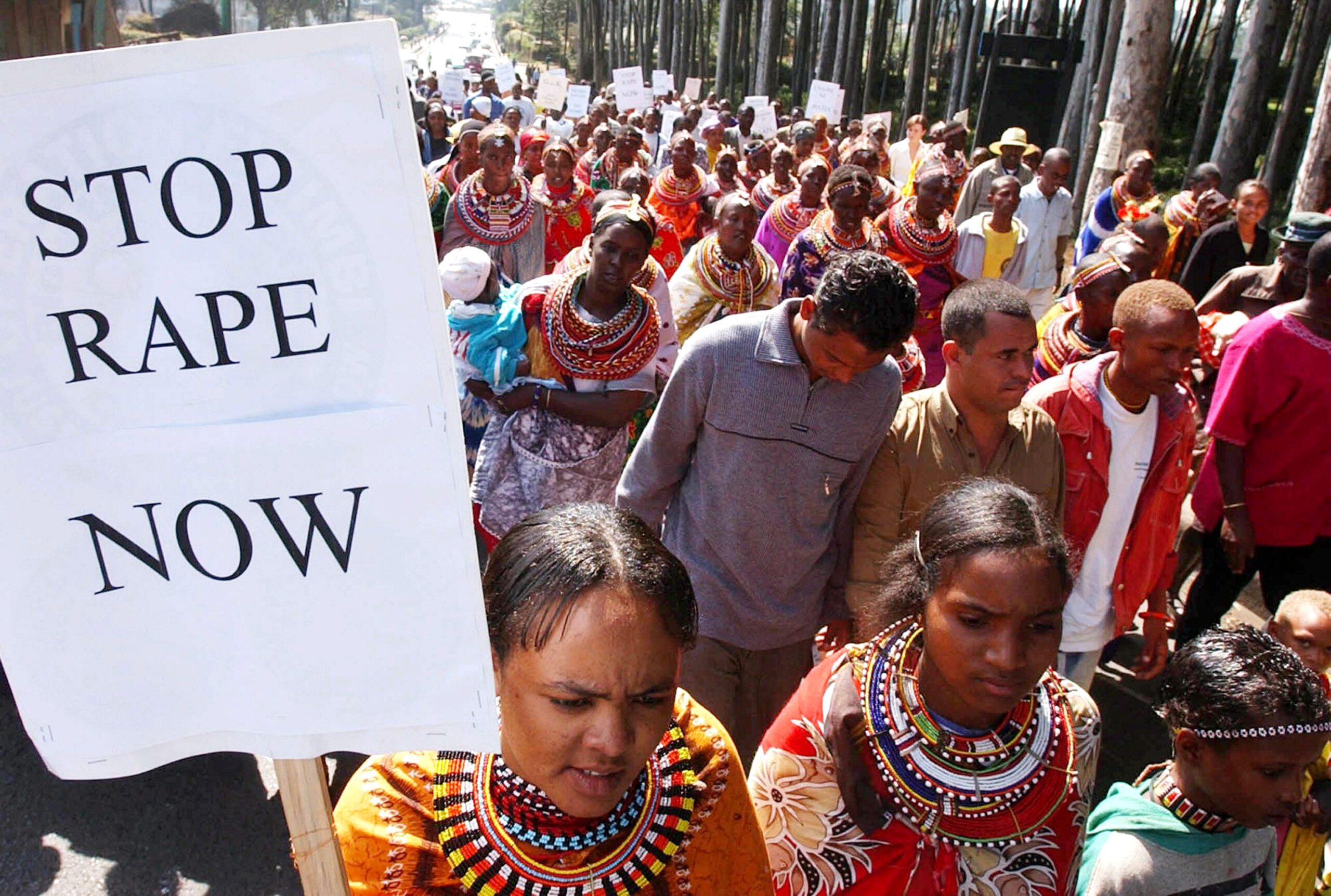
“Unemployment, violence, crime, insecurity, broken families, the spread of AIDS and teen pregnancies, in spite of the massive distribution campaigns of condoms in hospitals, clinics and post offices are the main problems. Many immigrants are illegal and discriminated upon by South Africans, accused of coming to steal their jobs and even their wives,” Fr. Chico narrates.
A recent scandal was the discovery that many women were already legally married without their knowing it. The Nigerian and Pakistani mafias, with the collaboration of someone in the Home Affairs Ministry, were using marriage tricks to bring in immigrants. In many cases, in exchange for 50 Rands (more or less 320 pesos), girls were asked to show their ID cards with the aim of getting their names and numbers. In 2005 alone, 4,700 fake marriages were detected in Pretoria. The Home Affairs Ministry was obliged to create a special department to address the issue. Father Chico, being a Marriage Officer, frequented the department and heard the dramatic stories of thousands of women queueing there to clarify their civil status.
MASTER BUILDER
New settlements and squatter camps are sprouting overnight like mushrooms. The Combonis felt the need to give constant attention to people flocking there. Gradually, they developed a plan to build a multipurpose hall in Mahube Valley, about 10 km from the Parish centre. When the decision was final, it was up to Fr. Chico to realize the project. A true headache as Mamelodi exuded fear. In fact, the architect used to repeatedly say he was risking his life going there.
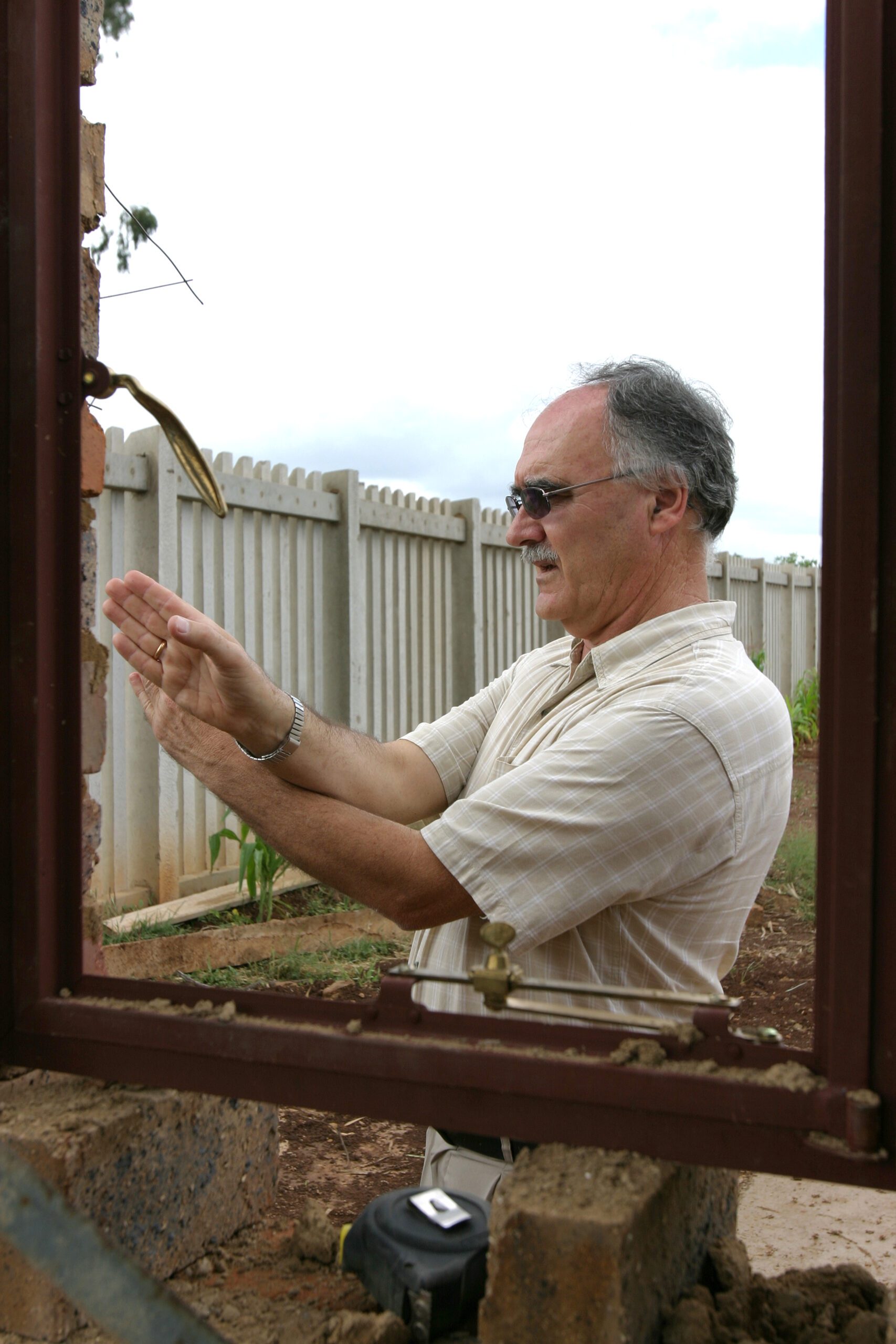
A contract was drawn with a building company. Even then, Fr. Chico had to be vigilant to avoid having a crooked building! In Africa, as in other parts of the world, masons have difficulty in keeping symmetries and lines straight in spite of their instruments. Ever watchful, he also had to intervene, at least twice, to demand for significant corrections: both sides of the windows were blatantly out of place (by a few meters); and a part of the pavement had to be removed and redone. In spite of all the efforts and the extra expenditure, Fr. Chico did not lose his sense of humor. “There is nothing straight in that hall,” he would say.
Fr. Chico’s life got even more complicated when the builder was attacked at gunpoint and then decided to leave the construction. From that time on, he had to care for every single aspect and his rythm of work became more frantic. After the hall, he had to build the toilets. In order to save money, he became the master builder: buying all the materials and ensuring their correct installation.
Birth of a new parish
Finally, the hall was ready. The first Mass there was celebrated on March 19, 2006, and the blessing of the hall took place the following Sunday which was done by the Archbishop of Pretoria, George Daniel. Between 300 and 400 people attended the Sunday celebrations. Father Chico was very satisfied: “There’s a lot of enthusiasm and participation.”
But the challenges were not yet over. Father Chico cited a few: organizing parish groups and ministries – altar servers, catechists, ministers of the Eucharist, funeral rite leaders; relaunching small Christian communities; building a true community spirit and helping people feel responsible for their own church.”
A fund-raising committee was planned for the various expenses of the parish. But, out of their own initiative, people had already started buying chairs. Fr. Chico predicts: “It will take between three and five years to have a financially self-supporting community.” His prognosis seemed too optimistic since only half of the people were employed and a good number lived in the nearby squatter camp.
Mamelodi is not well served by medical services (though the Government is building a huge hospital); the construction of schools and clinics is too slow; and the supply of water and eletricity lagged behind the rapid growth of this precarious megacity.
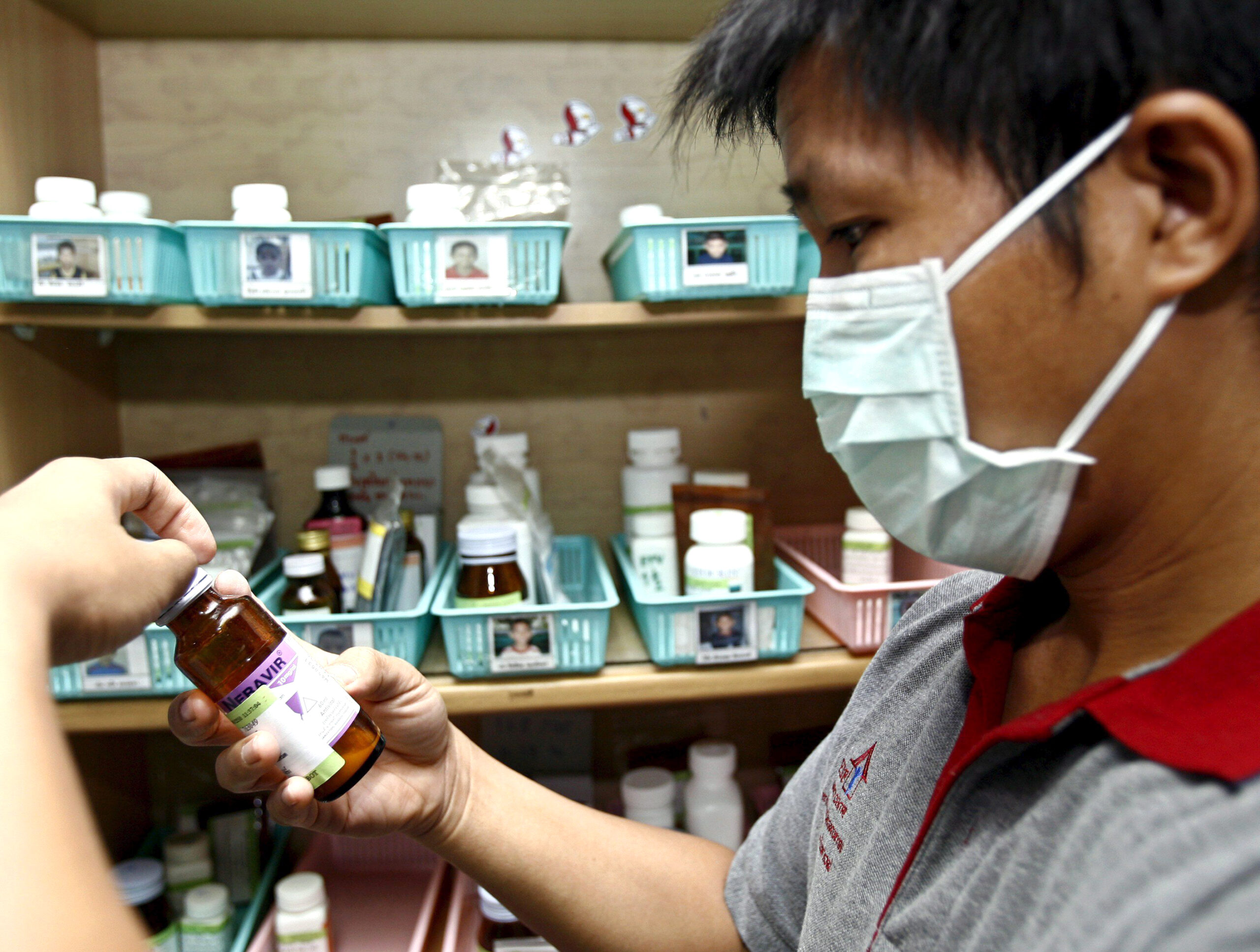
Due to the localization of the new parish, there is a great need for the creation of social services. St. Peter Claver Parish has a clinic, recently amplified. It has been serving mainly pregnant women and HIV-infected people. According to the data of the World Wealth Organization, the virus incidence among the South African pregnant women has increased from 22.4% in 1999 to 30.2% in 2005.
According to the report, young women have four times more probabilities of getting HIV-infection than their male peer group.
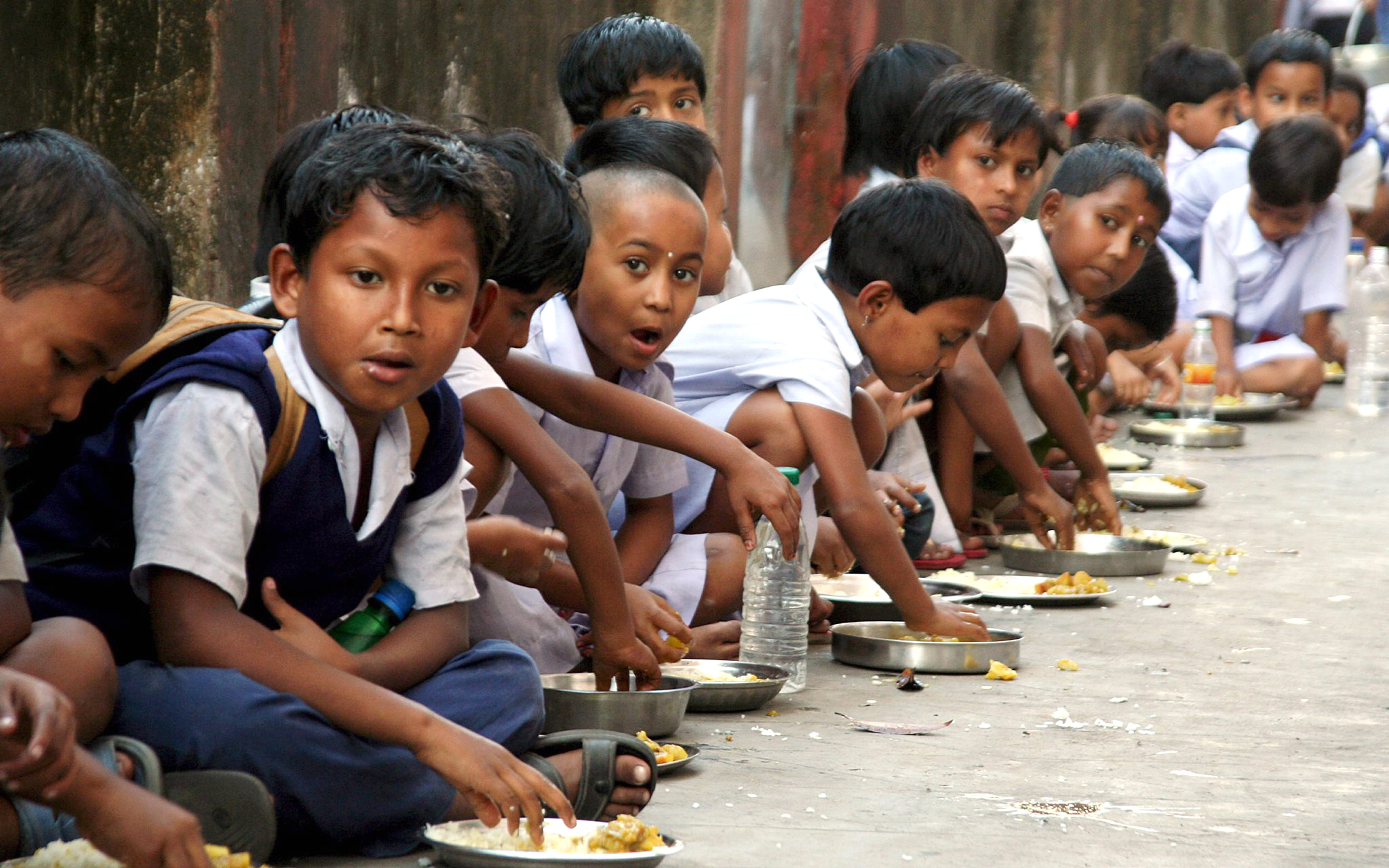
The population of the area is young. Father Chico had 80 children in catechism. He affirms with sadness: “There, the majority of the funerals are of young people killed by the AIDS pandemic.” No different from the rest of the country, where 30% of the population is less than 14 years of age!
EVANGELIZATION AND DEVELOPMENT
Fr. Chico is back in the bush. In the ’90s he already worked in Bushbuckridge, the nearest parish of Acornhoek, some 70 km away. But the conditions have changed and he is once more alone to face all the challenges, starting from the languages he knows not well enough to communicate freely.
Founded by the Comboni Missionaries in October 1954, the Acornhoek mission serves about 40 Christian communities of Shangaan and Sepedi-speaking people. First evangelization work and development promotion have been the missionaries’ priority where less than 8% are Roman Catholics and the great majority of people are poverty-stricken. n