How do you feel about the past 10 years?
Time has flown very fast. God has been very good to us. He is continuing His kindness and blessings. Now, we have our Mother in heaven. Her powerful intercession is with us. God has been using us to help others receive the love of God, and experience the touch of God.
How much has your congregation’s service grown in the past decade?
In the past 10 years, we have entered 14 countries − Afghanistan, Algeria, Azerbaijan, Bosnia, Chad, Djibouti, Finland, Israel, Kazakhstan, Mali, New Zealand, Norway, Thailand and Togo.
BUT STILL NOT CHINA!
Not yet. But we received an invitation, even though it was in 2005. The invitation was to come to Qingdao [in Shandong province, eastern China] to start a house for orphans and the elderly. They invited us as a step toward the normalization of relations with the Holy See. The invitation came through the bishop, but it was absolutely approved by the central government. They said the invitation was in honor of the election of the new pope [April 19, 2005].
Everybody knew they wanted to normalize relations. So I went to see the Holy Father and got his blessings in 2005. We entered China on July 16, 2005. They want us but since it is connected with the normalization of relations, we have to wait. So we are waiting and praying. This, we believe, happened because of Mother’s prayer and Mother’s dream.
THE NEED FOR RELIGIOUS FREEDOM
Are you saying you would go there only after China normalizes relations with the Vatican?
You see, I do not know. It is in connection with the normalization of relations. But also they have told us they would call us. But they have not yet called. Normalization of relations has to be there. Freedom of religion must be there. So we wait. We are not in a hurry, and we pray.
Since 2005, you have been waiting for the invitation of the Chinese government?
No. They have invited us already. They have taken names and other details. They have to issue visas and tell us: “Come.”
Is it not a long wait?
Yes. Yes. But anyway, that is China. We are not surprised. It takes time. The interesting aspect is that we did not ask for it. We did not pray for it. Mother must have done it from heaven. Before her death, there was so much prayer to go to China. She tried so much. After Mother’s death, we even made the prayer for China optional, and then forgot it.
We are in Hong Kong and Macau, which are now part of China. But Mother is not satisfied with that. She wanted to enter the mainland. Hong Kong went back to China before Mother’s death and Macau after. But that was not her point. Her point was mainland China. Anyway, it will come, in its own time.
WE NEED MORE VOCATIONS
Do you have sufficient personnel to enter new countries? How is the vocation situation?
Yes, we have vocations, but we need more. At this time, we are 4,823 professed sisters. We also have around 265 novices and 425 pre-novices. We need more vocations. Ten years ago, at the end of 1997, we were 3,914 sisters, 441 novices and 471 pre-novices.
So the number of novices is coming down now?
Yes, but 265 is not few either. Also, we have to take into account that fewer children are born today. Also, there are different options available today, even in the consecrated life. Families have become too small. The world and its riches also influence the young. We are from 94 nationalities.
Globalization seems to have had an impact on your vocations. How else does it affect you?
As the world is affected, we are also affected. But our life is the same; we continue in the same way. We still do not have [electric] fans for our sisters, except for the sick sisters.
ELECTRIC MOTORS AND COMPUTERS
Don’t you still use an electric motor to pump water?
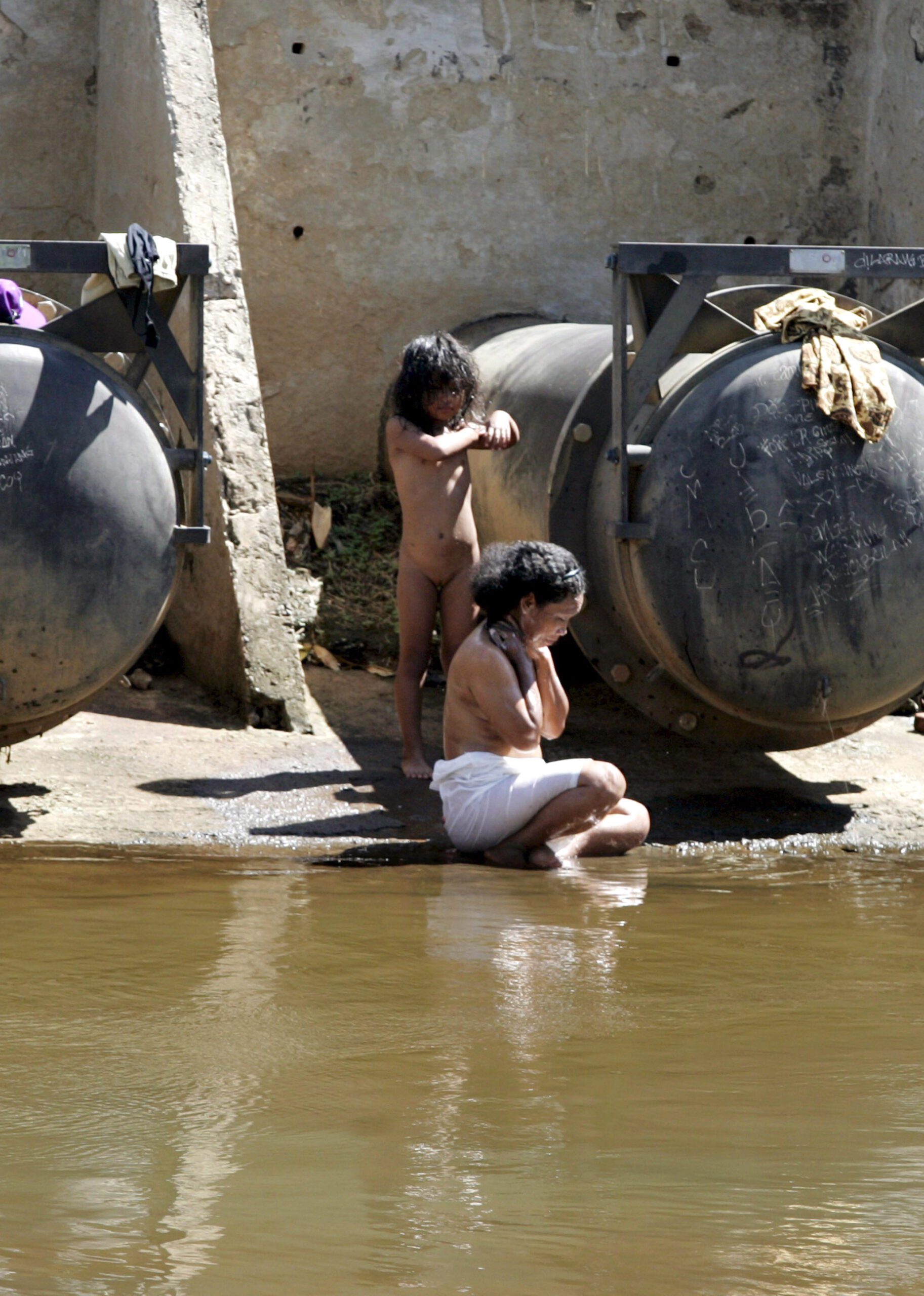
Yes, we do use. Earlier, sisters carried water in buckets. Now we have so many old sisters. The time has changed and people are getting old. Earlier, our people were young. Even during Mother’s time, people were getting old and weaker. We began to use a motor many years ago, even while Mother was alive. Naturally, not all we did earlier can be continued. Still quite a number of sisters carry their own water.
Do you see anything special happening after Mother’s death?
The cause of sainthood of Mother is the change. The tomb and people coming there to pray everyday are new to us. Now, we have to use computers for Mother’s cause. We never used the computer earlier. We need to use it now to prepare our papers for the cause of Mother.
Do you use the Internet for communication?
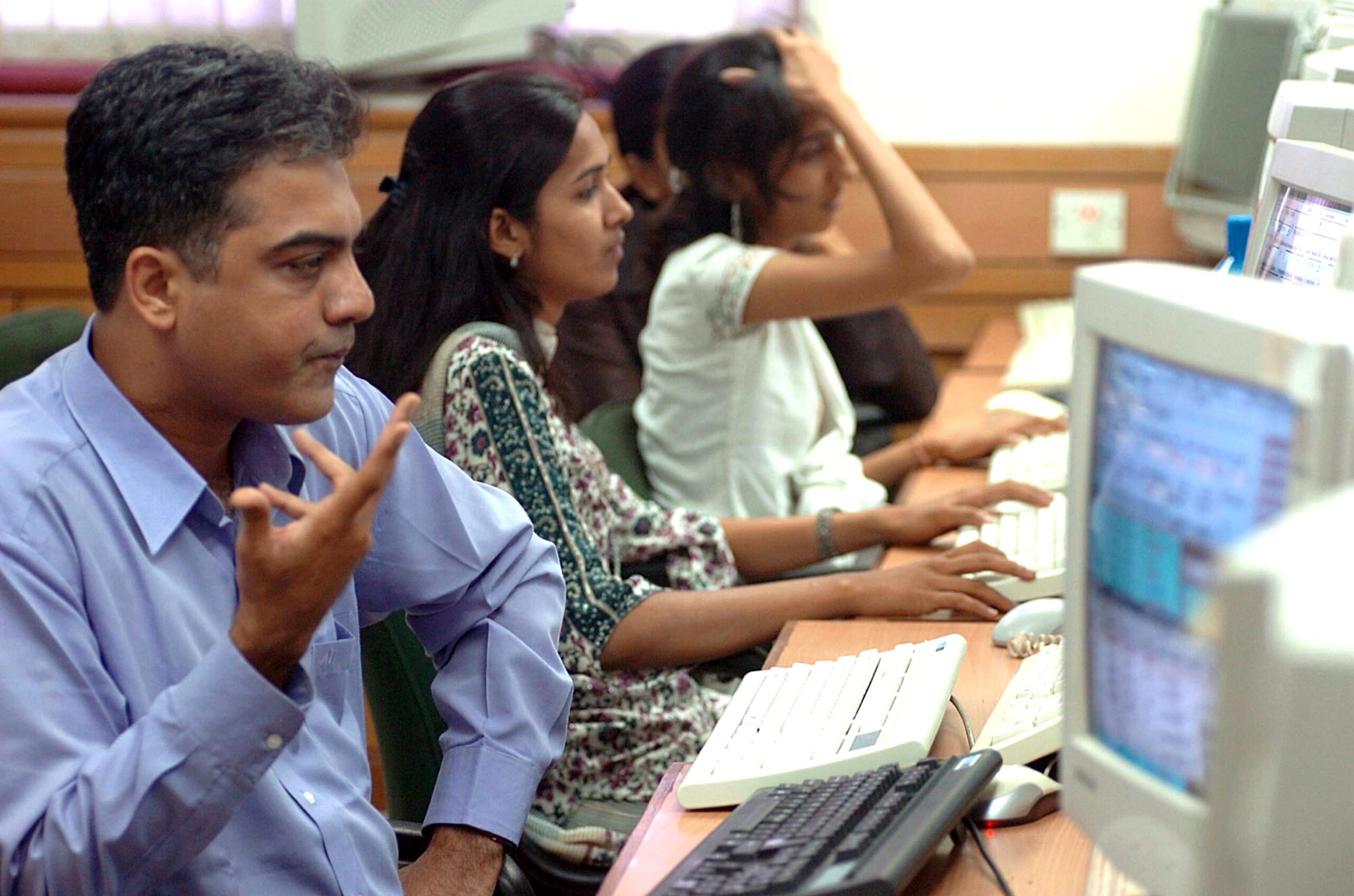
We use fax. We use e-mail and computer for the cause. But now the government is demanding that we use the computer to prepare and file accounts. So we are doing accounts on computer, otherwise they will not accept it. We use computers for things absolutely necessary. We write letters to the [congregation’s] houses and also use fax.
You were appreciated the world over for your tough life. Do you continue to receive the same appreciation after Mother’s death?
You see, appreciation is for God’s work. People always appreciate good and dedicated work. They appreciated us when Mother was alive and they appreciate us now. This is a work that everybody appreciates.
ONLY HOMES FOR THE POOR
Does this appreciation prompt you to start new houses? Or new ministries, such as in education?
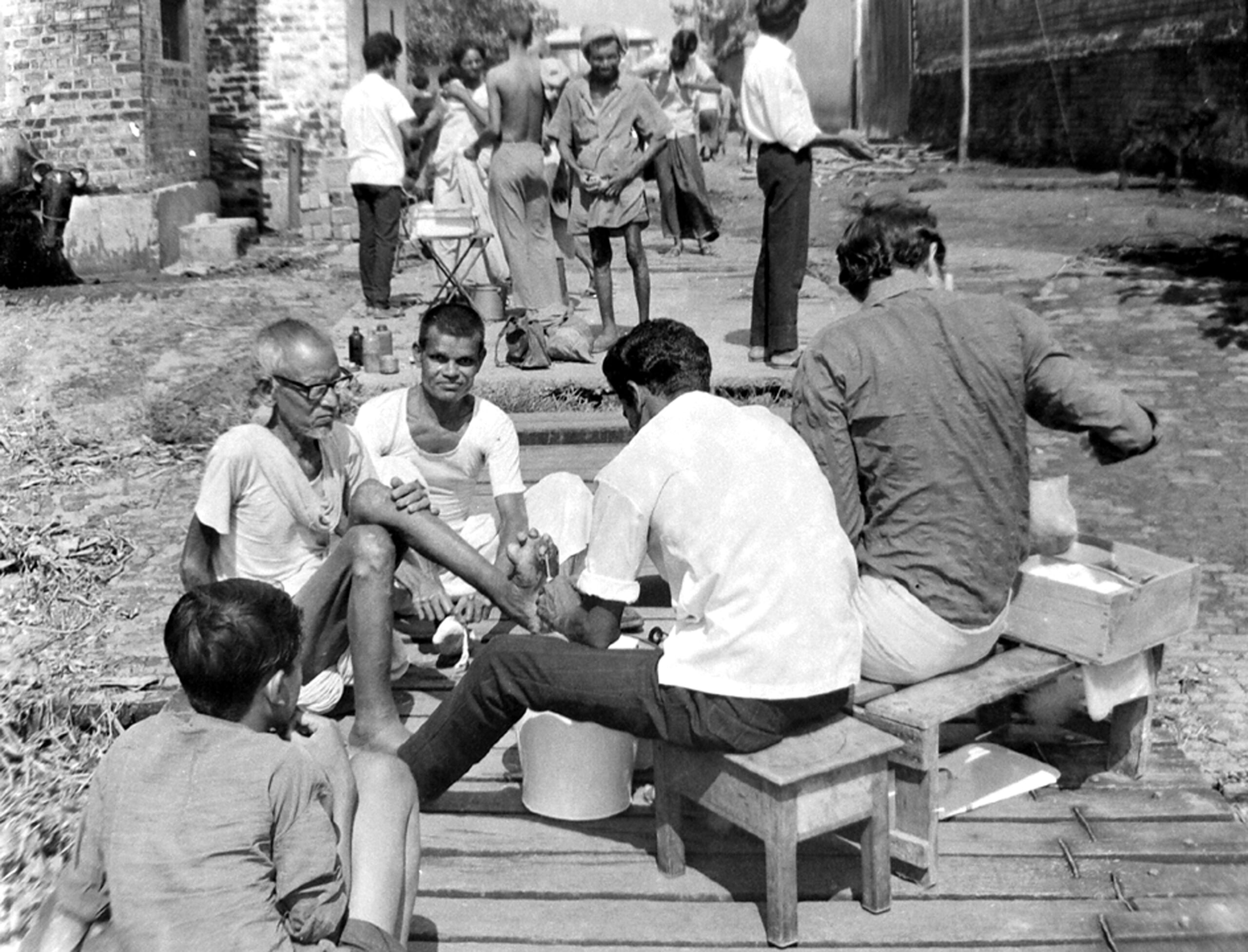
The new houses come not because of the appreciation but because of the need of people. When we get invitations from the bishops, we send our sisters. But we are not planning any new ministry. We cannot do anything that is not our work. Our work is to take care of the poorest of the poor. Our constitution is very clear on what we can do and what we cannot. Our charism must remain. We will not even start hospitals for the poor; we will only have homes for the poor. We will not charge any kind of fees for our service. Ours is wholehearted and free service to the poorest of the poor.
Are you planning any new houses this year?
Now we are having [our meeting] session. We have to find out how many sisters are available and, according to that, we will plan. But one house we have planned for is in East Timor. Sisters have gone to see the place. We are now waiting for the bishop’s invitation.
Your sisters are working in troubled areas such as Iraq and Afghanistan. How do you ensure their safety?
God. God is the highest security we have. The sisters desire to be with people in those dangerous situations. They don’t want to leave the people and run away. Four sisters are in Iraq, four in Kosovo and four in Kabul. Everywhere people appreciate the work of love. Three sisters were killed in Yemen. Their killer was not a native of that country, though he had a Yemeni passport. He came from somewhere else and was hired by anti-Christians.
OUR WORK IS THE BRIDGE
How do you respond to people who say your work is a facade to convert people to Christianity?
Let them see the work. The man who killed our sisters never saw our work. People who hired him also have not seen our work; they were not from that area. But people can say what they want to say. It has nothing to do with our work. We continue our work. We are not bothered. If they want to kill us, that is part of our being Christians. Of course, it pains when we are attacked. But, at the same time, we should know that to suffer with Christ is part of being Christians. We have to accept. It is the price of our faith.
How do you see the value of consecrated life?
Without consecrated life, our Church would be very poor. It is a very important part of life. Every religion has consecrated life. It should remain because every human heart has the desire to do something great. People called by Jesus find fulfillment in answering that call. God calls whom He wants, no matter where one is or what background one belongs to. I come from a Hindu background. God touched me. God touches the souls of people, He knows people. What we should do is to live the life God wants us (to live).
Ten years ago, media reports said your Hindu background could help bridge the gap between Hinduism and Christianity. Is it happening?
No, not me. Our work is the bridge. My background does not mean anything. Our work with the poor should bring peace and harmony. It is God’s work, and it should bring all together, even those who do not believe in God.
Does your Hindu background help or hinder your work?
I’m enriched by my background. The Hindu [Brahmin or priestly-caste] family in which I grew up [in Nepal] enriched my own life [later] as a Christian. The spiritual life my parents led has helped me. It was a preparation for Christ. The fulfillment of my life is in Christianity. My background in that sense is very important. Siva (Hindu god) brought me to Christ.
But there was opposition in the family when you joined Christianity?
That is natural, isn’t it? I was the eldest daughter in the family. Leaving that religion and joining this was not easy for them to take. But slowly, slowly they saw my joy. One sister also joined the Church and became an Apostolic Carmel sister. They saw our happiness. We were eight girls and two boys. My sister and I have become Christians. So God chooses whomever He wants, from wherever He wants.
OUR BANKER IS GOD
Does your family talk to you?
Oh yes. Everybody is happy; my nation also is happy. You know, last time when I visited Nepal, it was beautiful. They all appreciate the work for the poorest of the poor. We also have a house in Nepal [a Hindu nation until May 2006, when it was declared a secular state]. Now everybody is reconciled. Jesus reconciles everybody.
How is the congregation’s financial situation?
God’s gift has never failed. It comes always. Charity is coming in plenty. More than we need.
But more and more benefactors are finding less and less money?
Maybe. But God is not finding less and less money. Our banker is God, no? We trust in the Lord. Seek the kingdom of God, everything else shall be added unto thee. God is like that.
Last question. There are still people abandoned on the streets of Kolkata.
So what do you want? You want to finish them all off? We are taking in more and more people. But, I mean, we cannot do everything. Everybody should do their part − the rich, the poor, the government − everybody should do their part. If everybody shares from their heart with those who do not have, something can be achieved. Yet the poor will remain. Remember what Jesus said: I will not be here but the poor will always be with you. www.ucanews.com