
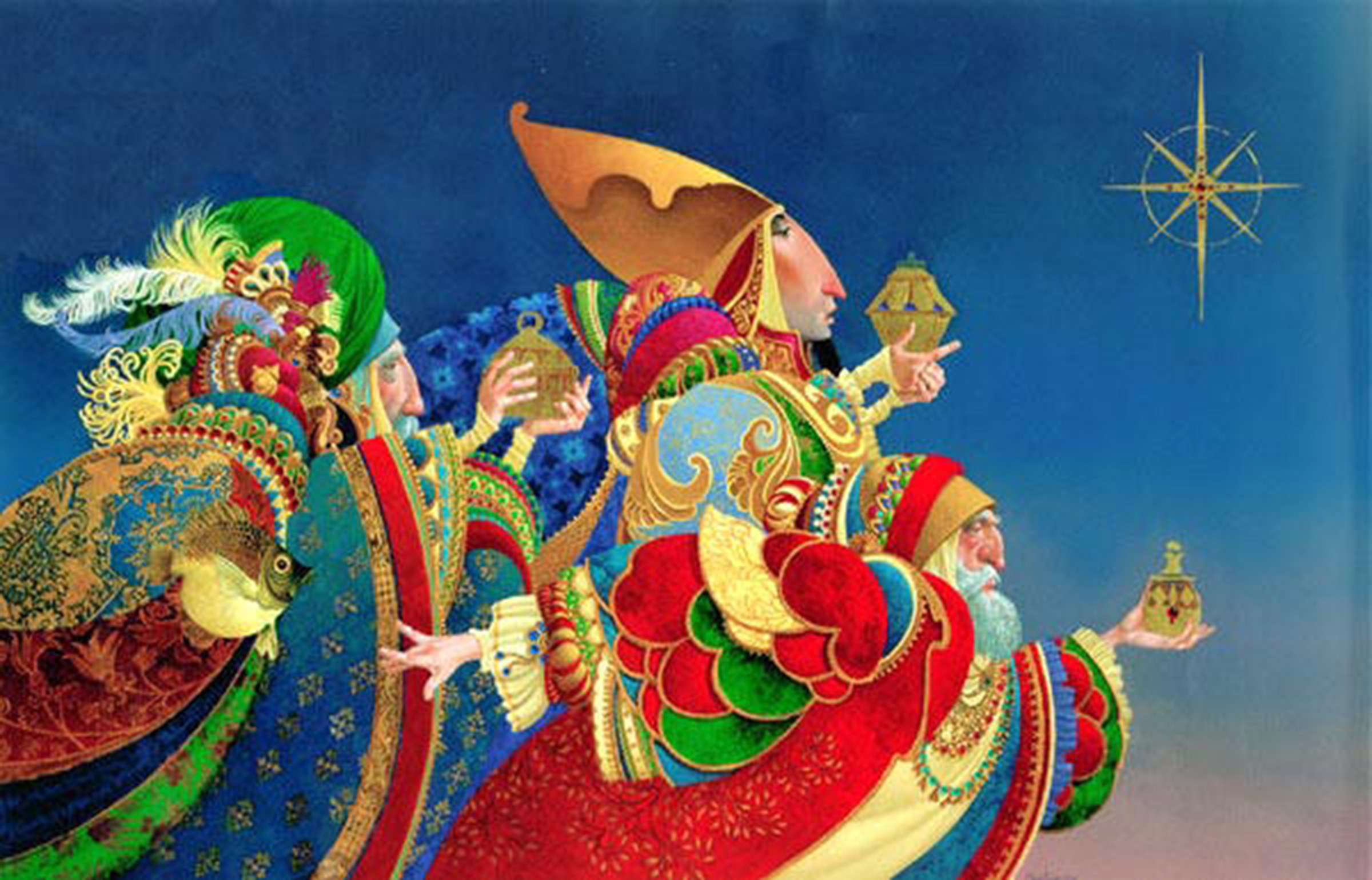
It is commonly accepted by scholars that the date of Christmas was established on the “Day of the Undefeated Sun,” a pagan feast which was “christened” at a given moment in history. The fact that important celebrations took place on that particular date (like the crowning of Charlemagne in year 800) made it a religious holiday for Christian believers. In our days, it is a cultural holiday for many, even in non-Christian environments. So close the relationship between the dates that Cyprian wrote: “O, how wonderfully acted Providence that on that day on which that Sun was born… Christ should be born.” As a matter of fact, on December 21, the solstice of winter takes place; it is the day the Sun proves itself to be “unconquered” and begins its movement toward the north on the horizon making days longer, showing the victory of light over darkness. It could also be derived from the tradition that Jesus was born during the Jewish Festival of Lights that falls on December 25.
Many of the Christian celebrations come from “pagan” traditions which means from the local traditions all over the world. The date of Christmas, as mentioned before, was set transforming the festivities of the Sun (“Saturnalia”) into the main celebration in Christian faith – the birth of Our Lord Jesus Christ. The same could be said for many other elements in our faith which had its origins in Jewish or European cultures.
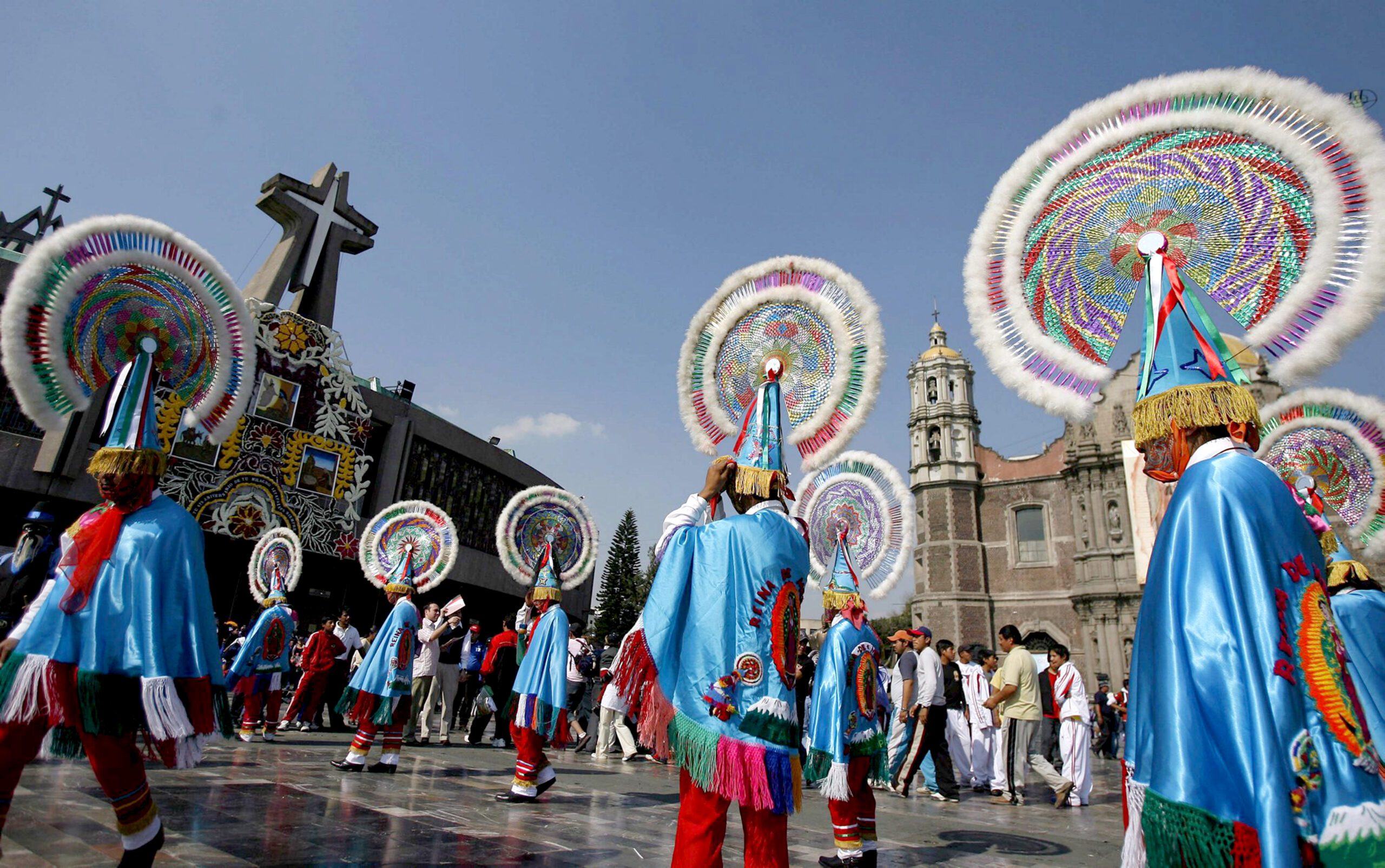
Christian faith arrived in Mexico in the first half of the 16th century through the process of colonization done by the Spaniards. Missionaries introduced many traditions from Europe and took also some local elements in order to make the celebration of the birth of Jesus Christ closer to people and livelier. As we observe the celebration of Christmas in Mexico and try to go inside the meaning of the celebrations with all the folklores, flavors and colors, we notice a clear interaction between faith and culture, between secular and Christian traditions, between the sacred and the profane.
INDIGENOUS CELEBRATIONS
Some of the Mexican traditions came from indigenous celebrations which originally had nothing to do with the Christian faith. They were assumed by the missionaries in order to give a particular meaning to these celebrations, by integrating local elements, like the piñatas and the Rama, ancient “pagan traditions” which have been “baptized” or Christianized.
This is what missionaries all over the world, and along the centuries, have been trying to do when they find local traditions that may help them to communicate or express the contents of the truths of our Creed or the way people celebrate their faith. On one hand, in many local liturgies, approved by the Vatican or not, some concrete elements like dancing, singing, sharing; colors and decorations… and some expressions of culture like local hierarchies or the way people relate, among others… have been included in the liturgical celebrations or in the local expressions of faith.
On the other hand, not only in Mexico, but all over the world, we can observe that specific occasions to celebrate our Christian faith (Christmas Day included) have become just a secular celebration. For many people, Christmas Day is just a holiday in the calendar, not anymore a holy day! Sometimes we cannot find a single element of “faith” in the parties organized around Christmas time. This brings one to ask: Are we losing ground?
NEW FRONTIERS
If we take a look at the calendar, we will notice that the number of “secular celebrations” in a year is increasing. Just to mention some of them, we have Valentine’s Day in February, Mother’s Day in May and Father’s Day in June and even a day dedicated to each profession! To these, we can add special moments in the life of people which have not been assumed in the list of “celebrations of faith” like graduations in schools, debuts of young ladies, birthday celebrations, engagements of couples… They originated in a secular context and have not been assumed as something related to our faith.
A series of questions may come to our mind: Would it not be suitable and meaningful to make a birthday party, a celebration of faith, as we rejoice in the gift of life? Could an engagement of a couple or a debut party of a young lady not be an opportunity to make the beginning of a new chapter in life done in the name of God?
In other words, if many of the festivities in ancient times were related to the cycles of nature, and around them people celebrated their faith, would it not be highly beneficial for our spiritual journey to include in our calendar of faith all the significant moments of our life, including those which so far have been considered as secular, or even profane? If in ancient times the celebrations of faith were organized around nature cycles, probably today we should integrate or assume “social cycles” to celebrate our faith.
THE IMPORTANCE OF INCULTURATION
For us living in the dawn of the Third Millennium of Christianity, there are at least two tasks that may become determinant in our faith, the order of which could be interchangeable:
• Give a meaning to, or probably explain in a new way, the elements through which we express our faith. For instance, colors or symbols used in the liturgy. While some of them are essential and cannot be changed (like the use of water for baptism, for instance), some others are strictly linked to a specific culture and are just circumstantial. This leads to the need of a catechesis in order to explain those symbols that are essential in our faith; concrete signs and words that guarantee unity in the Christian or Catholic community of believers and, at a certain point, distinguish the essential ones from the circumstantial and let the accidental go…
• The second task could be named as the convenience (probably the need) to assume local elements in order to make the liturgical celebrations and special moments in the life of people more inculturated and integrate them, both in the liturgy and in people’s journey of faith. Just to cite an example: without any doubt, there are elements in all cultures that could help us celebrate the Eucharist as a moment of joyful and lively gathering of the community; or to celebrate Baptism as a real moment of “initiation” of new members of the Church to the Christian community.
THE FILIPINO EXAMPLE
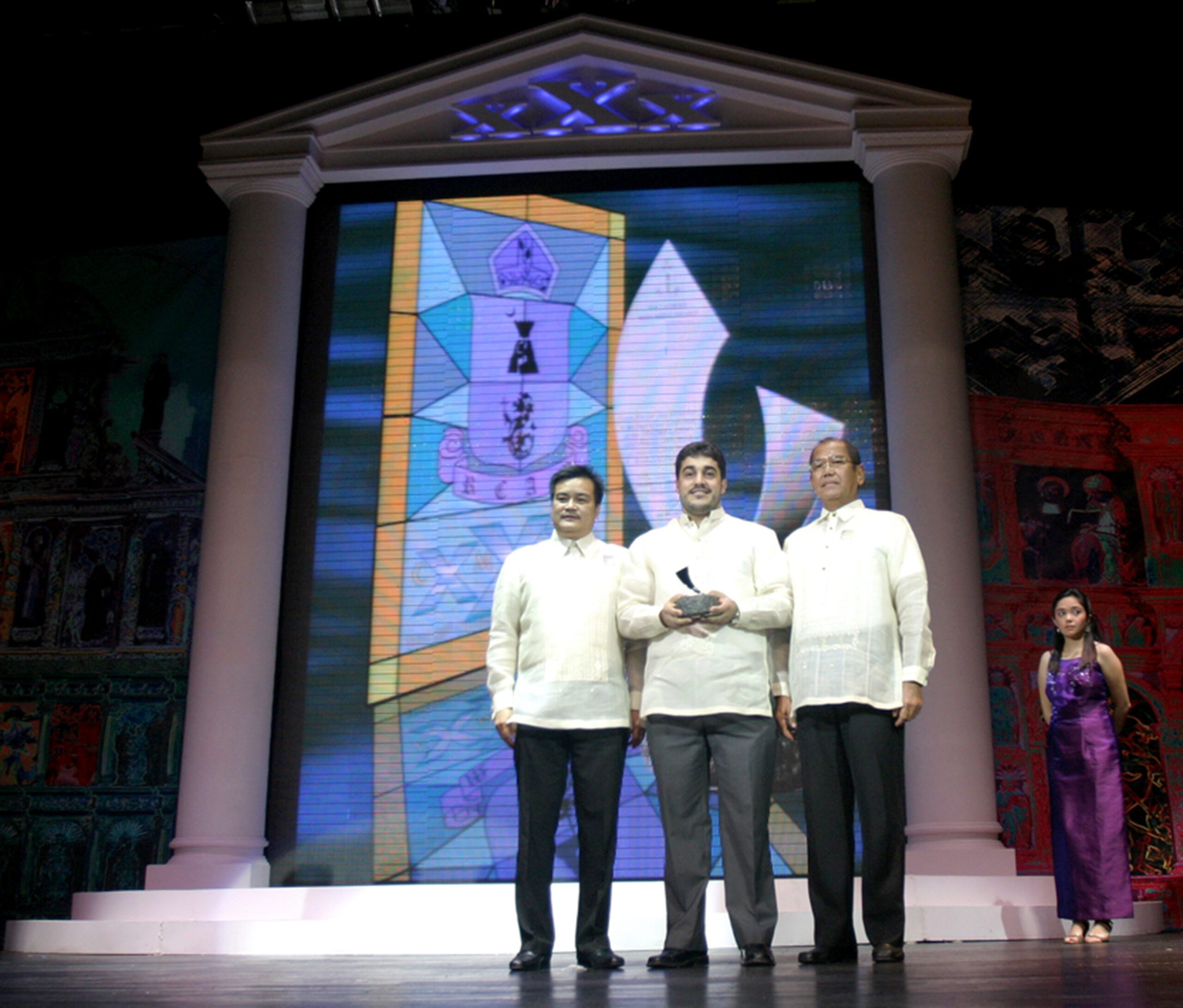
In the Philippines, there is a beautiful example of how a “local” tradition takes its place in the life of society and in the life of faith. On the Novena preceding Christmas, everyday at dawn, a Mass is celebrated. Most probably, this tradition came from the posadas celebrated in Mexico (evening celebration in the nine days preceding Christmas Day) but since the weather in the Philippines is hot, it became more convenient to celebrate the Mass at dawn. Nowadays, these dawn celebrations or “Simbang Gabi” Masses constitute a rite officially acknowledged and regulated by the authorities in the Vatican and a real celebration of faith for every Filipino Catholic. In the end, that means a blending of faith and culture in a particular place.
With all the means we have at our disposal in our time, should we not continue the process of integrating faith and culture in order to give new vitality to our communities? The tasks ahead of us are for all – the religious authorities and the faithful. Respect for venerable traditions is not at odds with the imagination and creativity of the new generations.
THE RISKS OF GLOBALIZATION
We all want to live in a world in which Christian values are not only taught at “catechesis class” but lived everyday in our families, in our society, in the Church. In our times, we might end up swallowed by the external, physical, commercialized side of this particular period of the year but, in every heart, there is a supernatural feeling and our faith ends up nourished.
As a matter of fact, it is nice and enlightening to have a look at the way people prepare for and live the Yuletide season in a different place. We might see the similarities and differences as a source of life for our faith and be enriched in our own way of celebrating Christmas.
In our globalized world, sometimes we are strongly influenced by the way people behave and celebrate occasions elsewhere, particularly Christmas. It is normal practice to have Christmas trees (probably originated from the Northern Hemisphere), scenes of the Nativity (begun by St. Francis of Assisi in the 12th century) and many more representations of art and culture like theatre reenactments, Advent wreaths, Santa Claus and many more traditions all over the world.
Probably, in some places, the kind of mixture they have adopted in celebrating Christmas has even lost the local touch altogether!