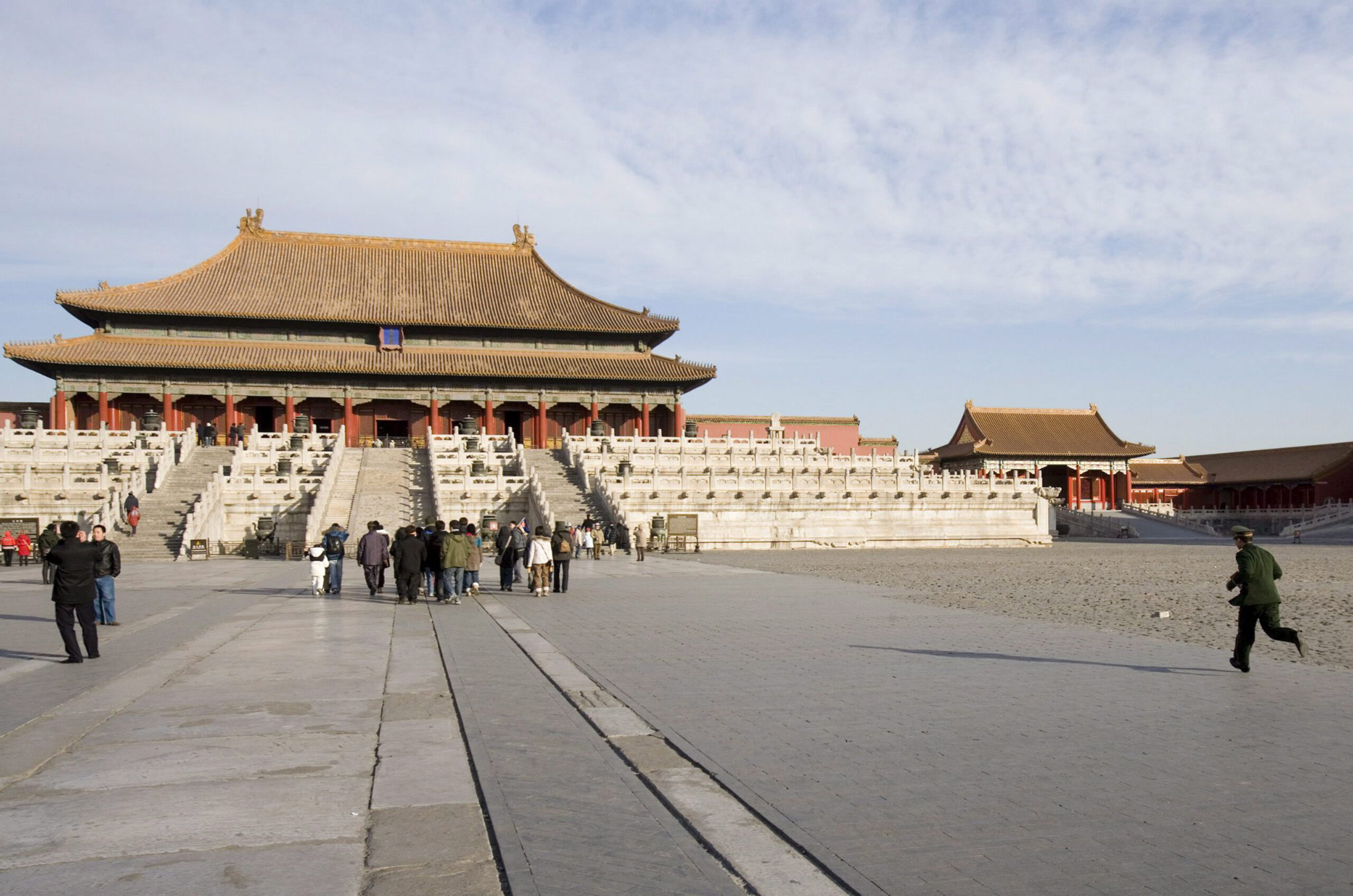
A group of young Portuguese friends, all of them with a recent degree in Economics, were planning, for months, a trip to celebrate their graduation. The destination, not only because of the Olympic Games but mainly due to a common fascination, was easily chosen: China. As cultured people, they used to have weekly meetings to study and trace the best itinerary, the most interesting places to visit. As economists, they estimated carefully all the costs, and reached the conclusion that, combining their savings, it was a viable adventure. The most expensive item was the plane ticket. But even this problem was easily solved. After searching the net, they found a low-cost air company that offered the lowest price and bought airtickets immediately. All seemed perfect except for a later incident. After some time, they learned the company went bankrupt and the money for the fare was lost. With youthful determination, they rescheduled their plans. They cut the holidays and the itinerary in half. And now, they are somewhere in China.
The leader of the group commented, with a little bit of self-criticism: “I should have guessed; it was too cheap.” He was being harsh with himself. With the recent skyrocketing oil prices, even the bigger air travel companies are facing troubled waters. And, at the time – the plans started almost a year ago – he could not have imagined that the tourism industry would be facing a turning point. That the relation between the price of oil and the cost of traveling, which is now affecting reaching more distant havens, would cause much bigger worries – the entire economy of many developing countries!
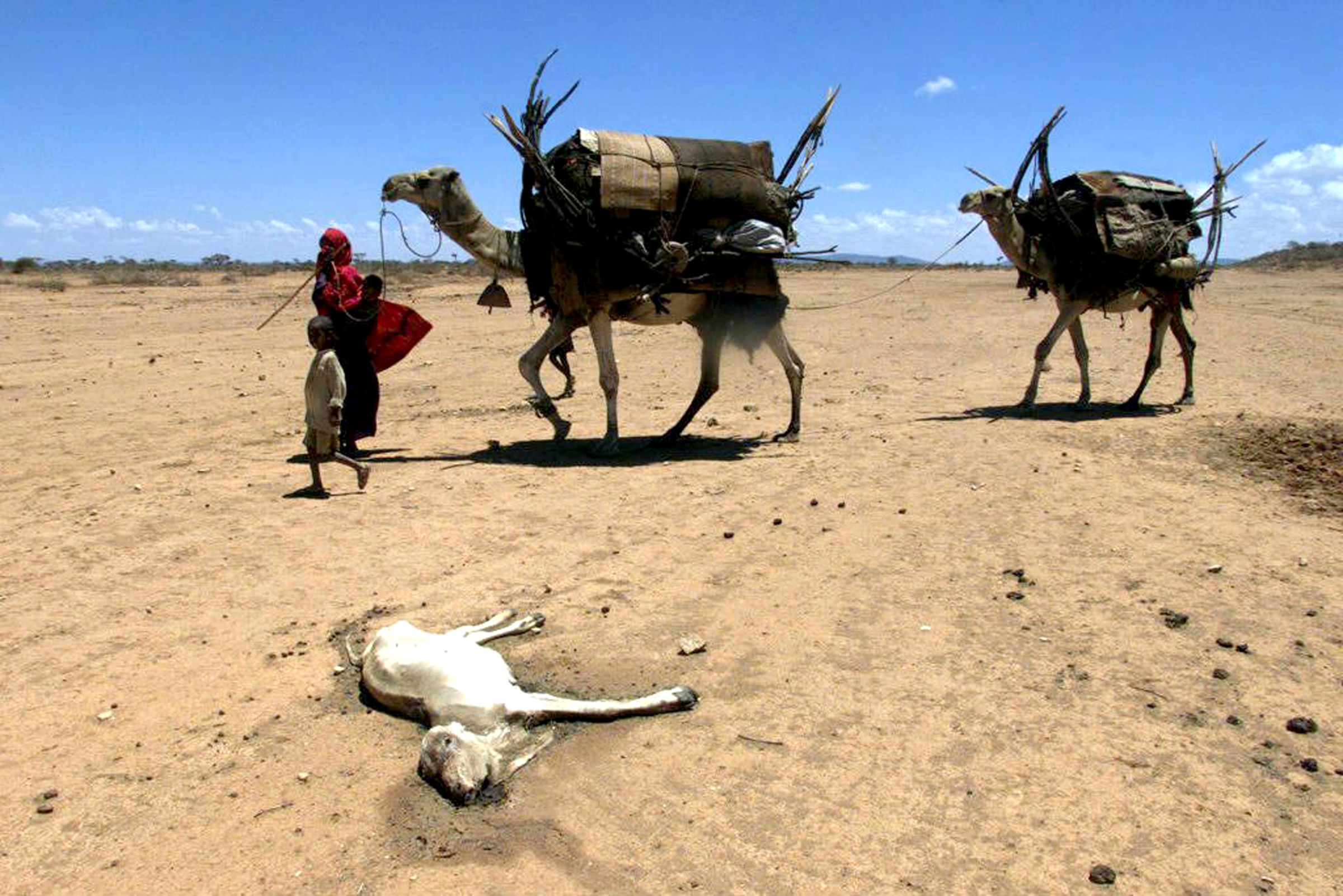
For the poor nations in the south of the world, many of them highly dependent on tourism revenues, the future doesn’t look bright at all. The reason is also related to oil, but in a biased way: the climatic change induced by the CO2 emissions caused by the burning of fossil fuels that, since the Industrial Revolution, the rich countries of the North have been using to boost their development. Ironically, the most part of them will be favored by global warming as tourist destinations because they will be least affected by the anticipated storms, droughts or rising seas. And because they have the means and the technology to face the worst scenarios.
NINE HUNDRED MILLION IN 2007
The tourism industry has, till now, resisted the biggest challenges. From the terrorist attacks of 11 September 2001, which disturbed air travel, to those that followed and affected several major tourist destinations around the world; from the fright caused by the Severe Acute Respiratory Syndrome (SARS) to the war in the Middle East. Even the tsunami didn’t stop tourists to return to places of interest in spite the feeling that they could be highly insecure.
In fact, the industry kept growing. According to the World Tourism Organization (UNWTO), a United Nations agency, between 2000 and 2007, the number of international tourist arrivals increased by an annual average of about 4%, that was to almost 900 million. But UNWTO, last October, also launched an alarm about a coming crisis in the sector, not caused by terrorism, disease, natural disasters or war.
In an international conference held in Davos (Switzerland), the agency, while asking for the contribution of several prestigious organizations, including the United Nations Environment Program and the World Meteorological Organization, concluded: “Climate is a key resource for tourism and the sector is highly sensitive to the impacts of climate change and global warming, many elements of which are already being felt.” The sector is not only the “victim,” but also part of the problem: “It is estimated to contribute some 5% to global CO2 emissions.” Travel and lodging are the main “culprits.” One of the several problems that are interrelated and very difficult to solve are the airplanes, the likes of the group of Portuguese friends had to pay for the second time to reach China, which are responsible for a big part of the emissions. And, if there are some solutions being tested to replace fossil fuels in car tanks, no alternative for air travel fuel is yet in the offing.
A WEAPON AGAINST POVERTY
The meeting’s conclusions were worrisome enough to lead the UN agency to organize, at the end of this month, in Peru, an international meeting only dedicated to debate the effects of climate change in the tourist industry. One of the main reasons, as was underlined in Davos: “Tourism – business and leisure – will continue to be a vital component of the global economy, an important contributor to the Millennium Development Goals and an integral, positive element in our society. Given tourism’s importance in the global challenges of climate change and poverty reduction, there is a need to urgently adopt a range of policies which encourages truly sustainable tourism that reflects a “quadruple bottom line” of environmental, social, economic and climate responsiveness.”
In the Mediterranean basin, where the Western civilization was born, several countries are already affected because of heat waves, lack of water, forest fires, and desertification. Last year, popular tourist Greek destinations were surrounded by uncontrollable flames. Some months ago, during a winter season without rain, one of the richest cities in Spain, Barcelona, remained without tap water for weeks and had to be served by tanks of desalinized sea water brought from an already semi-desertified area. Fortunately, both countries have sufficient monumental attractions and economic resources to try to find solutions.
A THREAT TO NATURE TOURISM
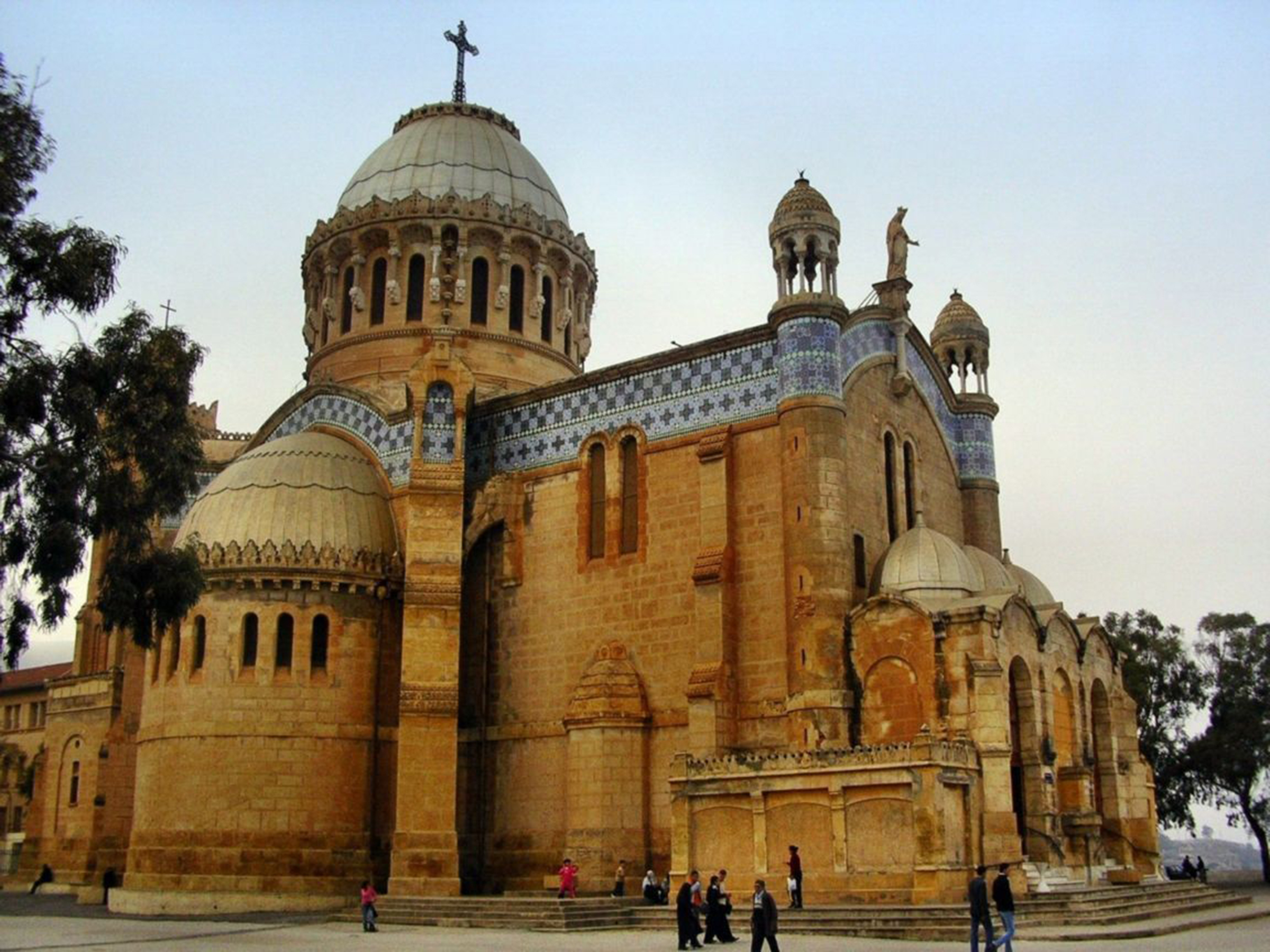
This is not the case, however, with Mediterranean North African countries, like Morocco and Tunisia, which are heavily dependant on tourism revenues. Or with other African poor nations, like Tanzania or Kenya, that rely on this sector to develop the economy. Something is certain though: tourism dependant on sun and beach or observing nature – sea life or wildlife – will be heavily imperiled because global warming promises, sooner or later, to rise temperatures to unbearable highs and to drastically reduce biodiversity.
Just to give an idea of the global warming impact and complexity, let us take the melting of polar ice that could raise the water level and the warming of oceans. These will destroy the richest sea ecosystem, the coral reefs. Both factors will affect the most popular resort in Mexico, the Cancun. Rising sea level could jeopardize big tourist structures; at the same time, the famous white sand beaches could disappear because they are formed by the small “grains” of the surrounding coral reefs.
THE CORALS’ ROLE
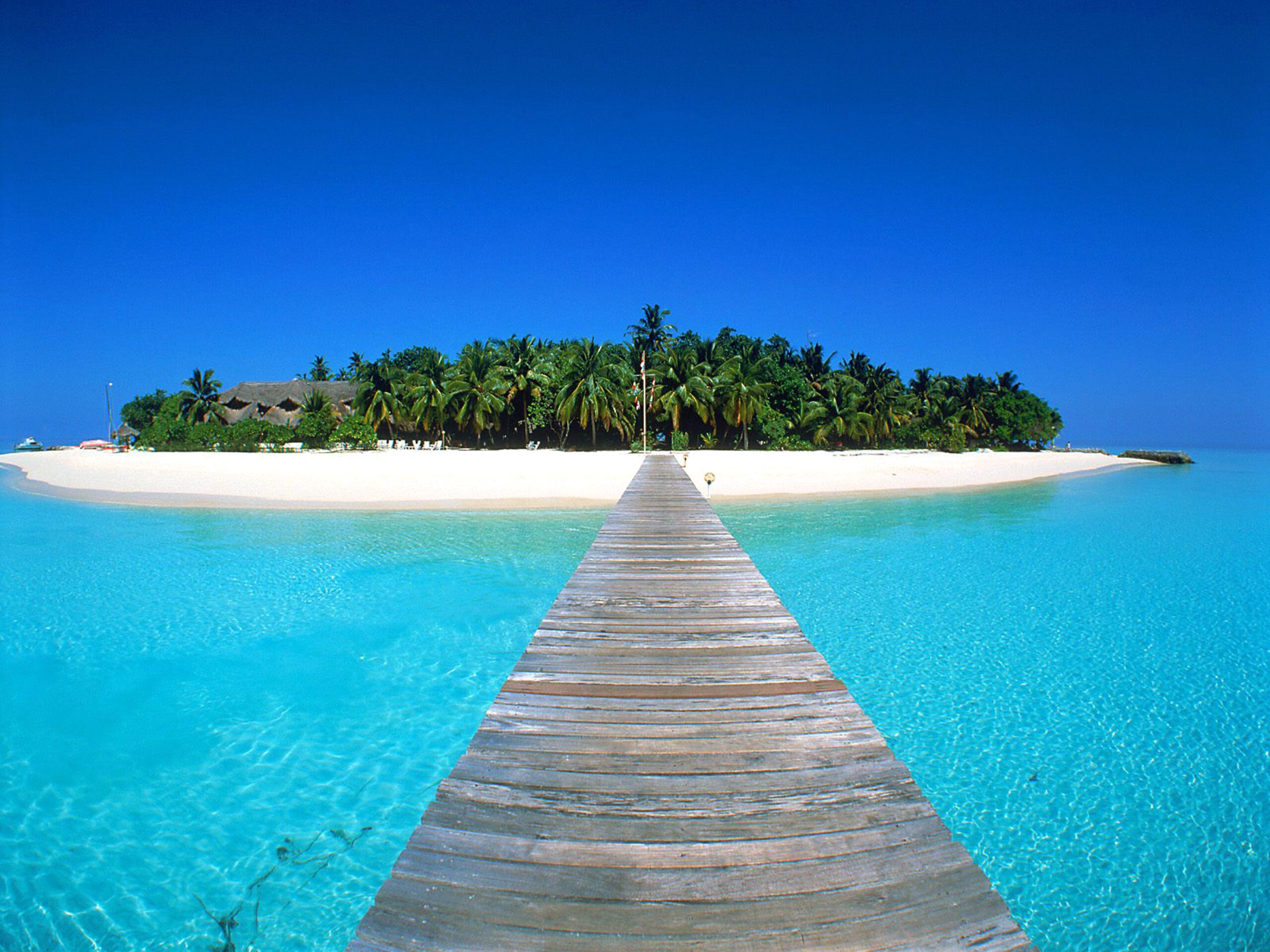
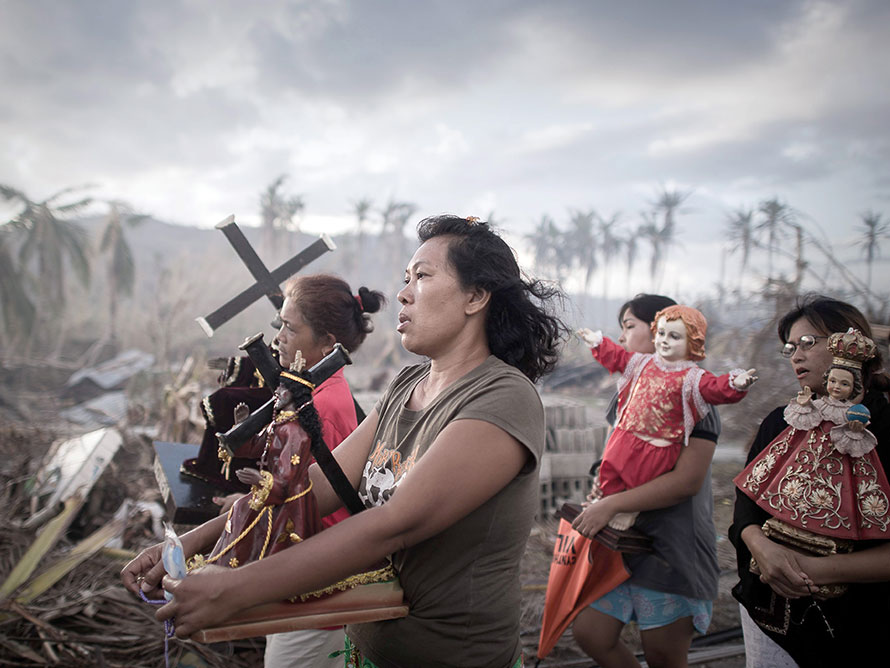
Climate change will affect specially Africa, Asia and Latin America. Ocean warming, as is clearly stated in a recent Deutsche Bank* study, will castigate particular regions where diving plays an important part in tourism: “the Red Sea, the Great Barrier Reef, the Maldives will lose attractiveness as a result of the bleaching and death of the corals.” That applies also, obviously, to the Philippines.
Asia will be particularly affected. The authors of the study, Philipp Ehmer and Eric Heymann, warn: “The Asian monsoon may strengthen, while the dryness in the remaining seasons will worsen. These phenomena will already be remarkable before 2030, although they will become more marked in the following decades. In the longer term, an appreciable rise in sea level is expected. Even in the short term, increased damage from storm surges is probable for many of the earth’s coastal regions (e.g. as a result of flooding or coastal erosion).”
But some countries will be more affected than others. The authors give the example of Thailand and Malaysia and the island states in the South Pacific and the Indian Ocean (see box), that “are particularly reliant on tourism.” And leave the warning: “If tourists stay away from them, the economic setbacks will be extremely serious.”
A RICH PRIVILEGE?
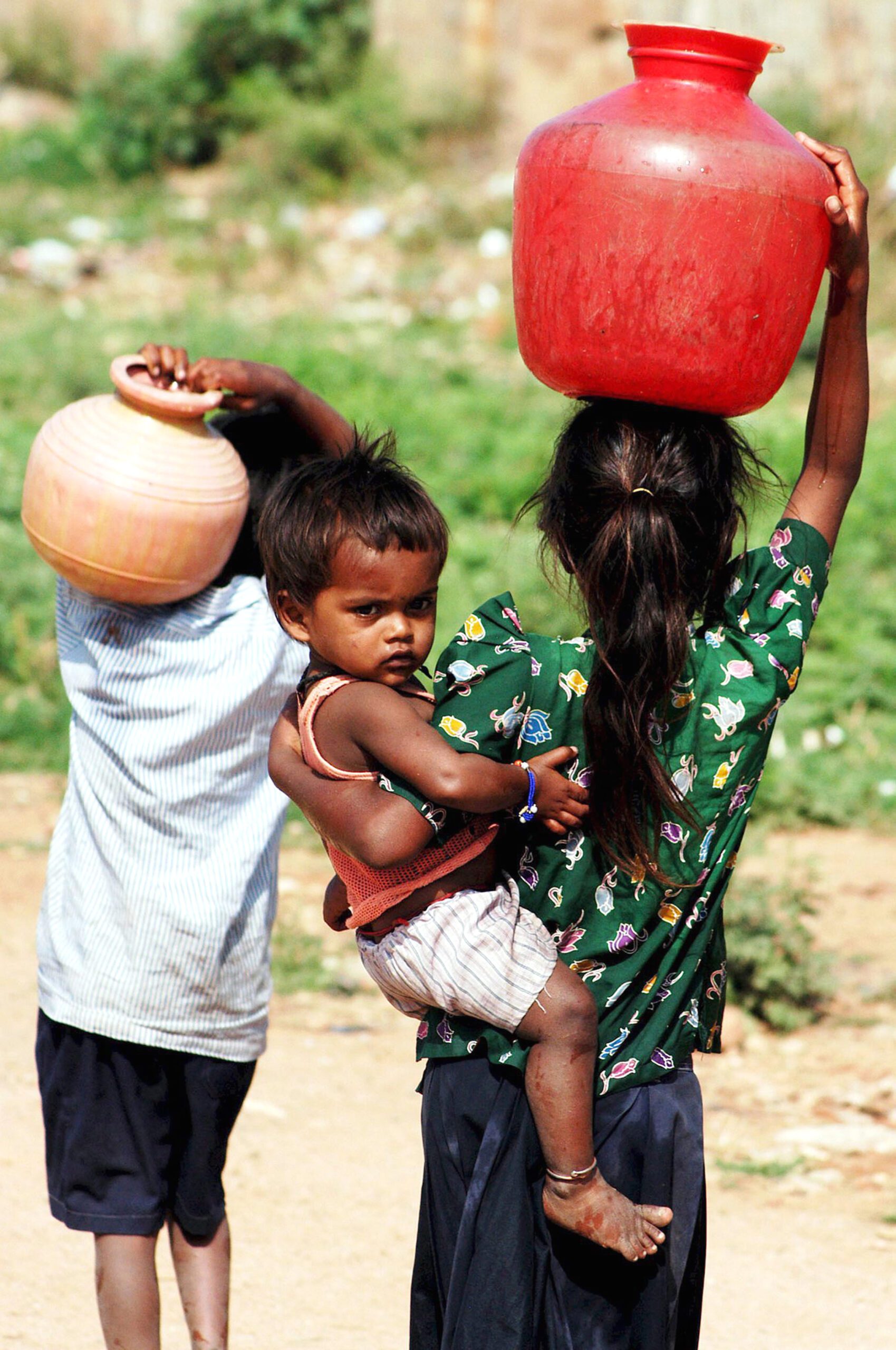
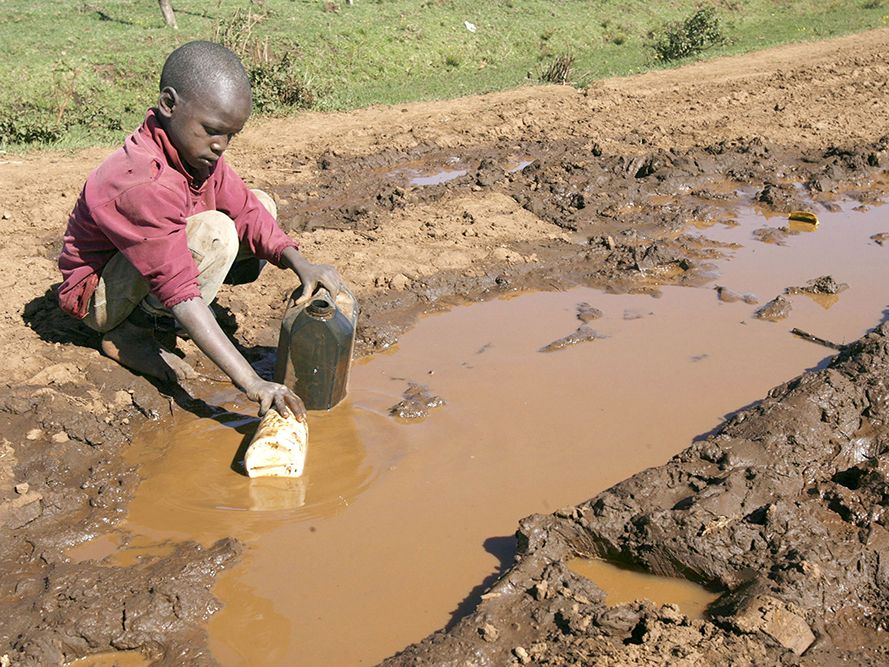
Tourism is a major source of revenue and employment, particularly for the developing nations of the world. It is really unfortunate that, mainly, the poorest countries will suffer more from the industry crisis. The wealthiest nations, which are responsible for the biggest part of the emissions that cause climate change, should help them face this new challenge, otherwise, this will result in more poverty and famine.
Let’s return to the group of Portuguese friends mentioned at the beginning. Even if they come from relatively wealthy families, perhaps, some years from now, they would not be able to fulfill their dream to see and know China. Why? Because some predict that the price of long distance fares will eventually be affordable only to the very rich. This would mean returning to the past. About one century ago, only the rich European could travel and see the world. Even if, at that time, that meant only crossing the sea and going to not very faraway destinations like Greece, Italy or Egypt.
*To know more, read “Climate Change and Tourism: Where Will the Journey Lead?” by Philipp Ehmer and Eric Heymann; Deutsche Bank Research. (philipp.ehmer@db.com; eric.heymann@db.com).