
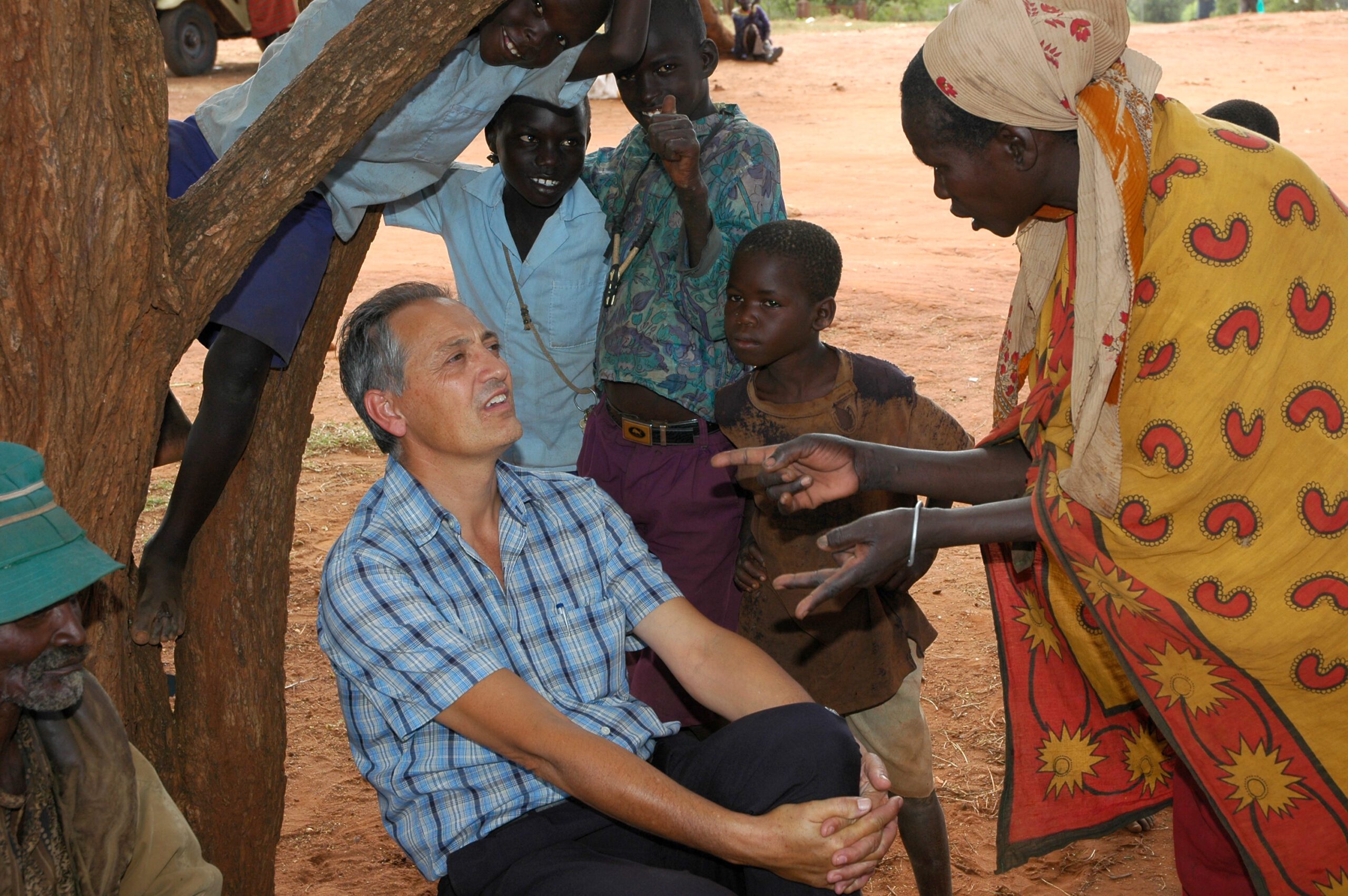
When I was a primary school pupil, one of the highlights of the year was the traditional visit to the local African museum. There, I could look in wonder at the stuffed animals, feel the sting of the arrows and listen to the drums of the Zande from the Sudan. The museum was attached to the mother house of the Comboni Missionaries. Our visit was not complete until we had met one of the old men who worked in Africa for ages. He would tell us his adventures, filled with suspense.
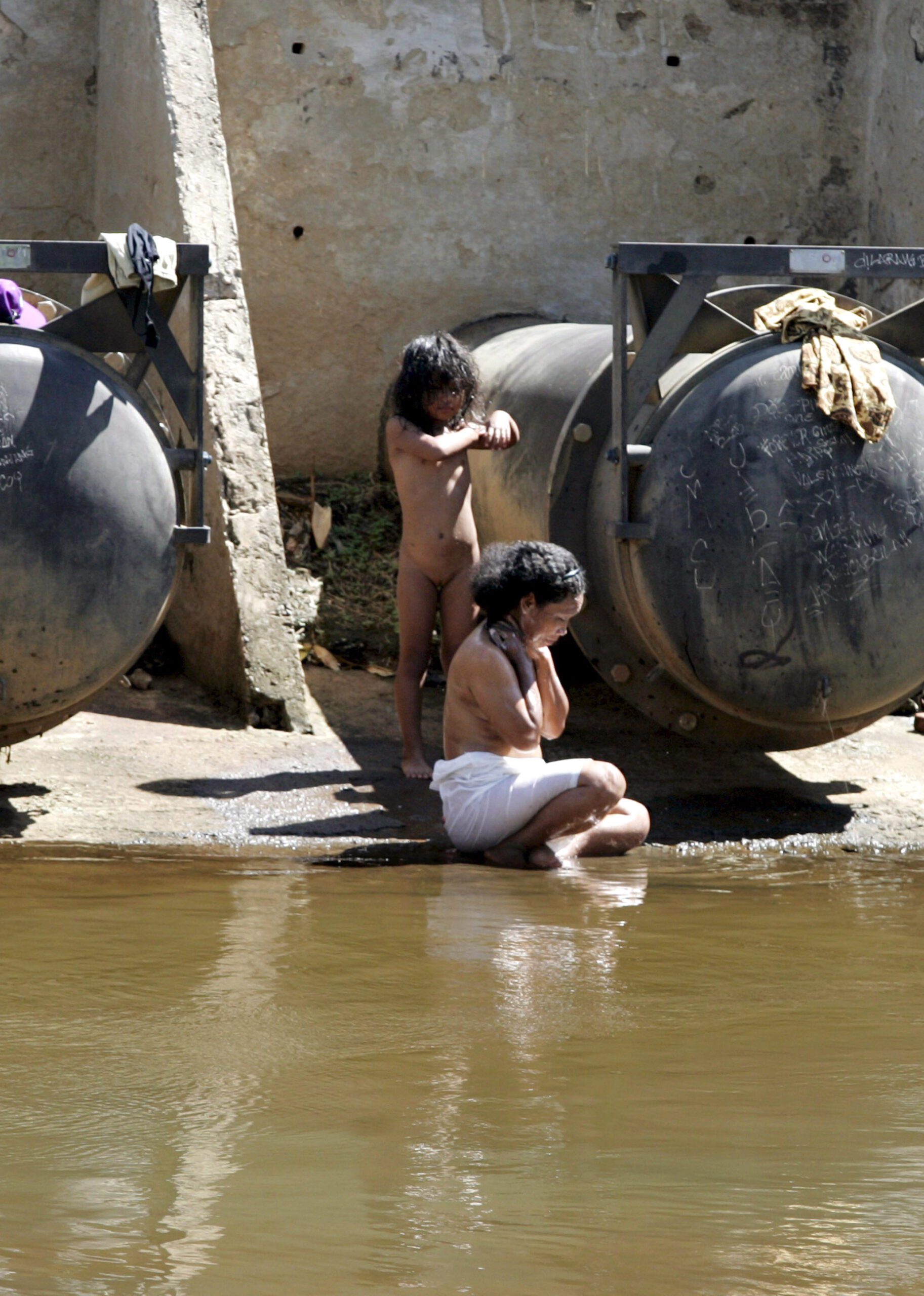
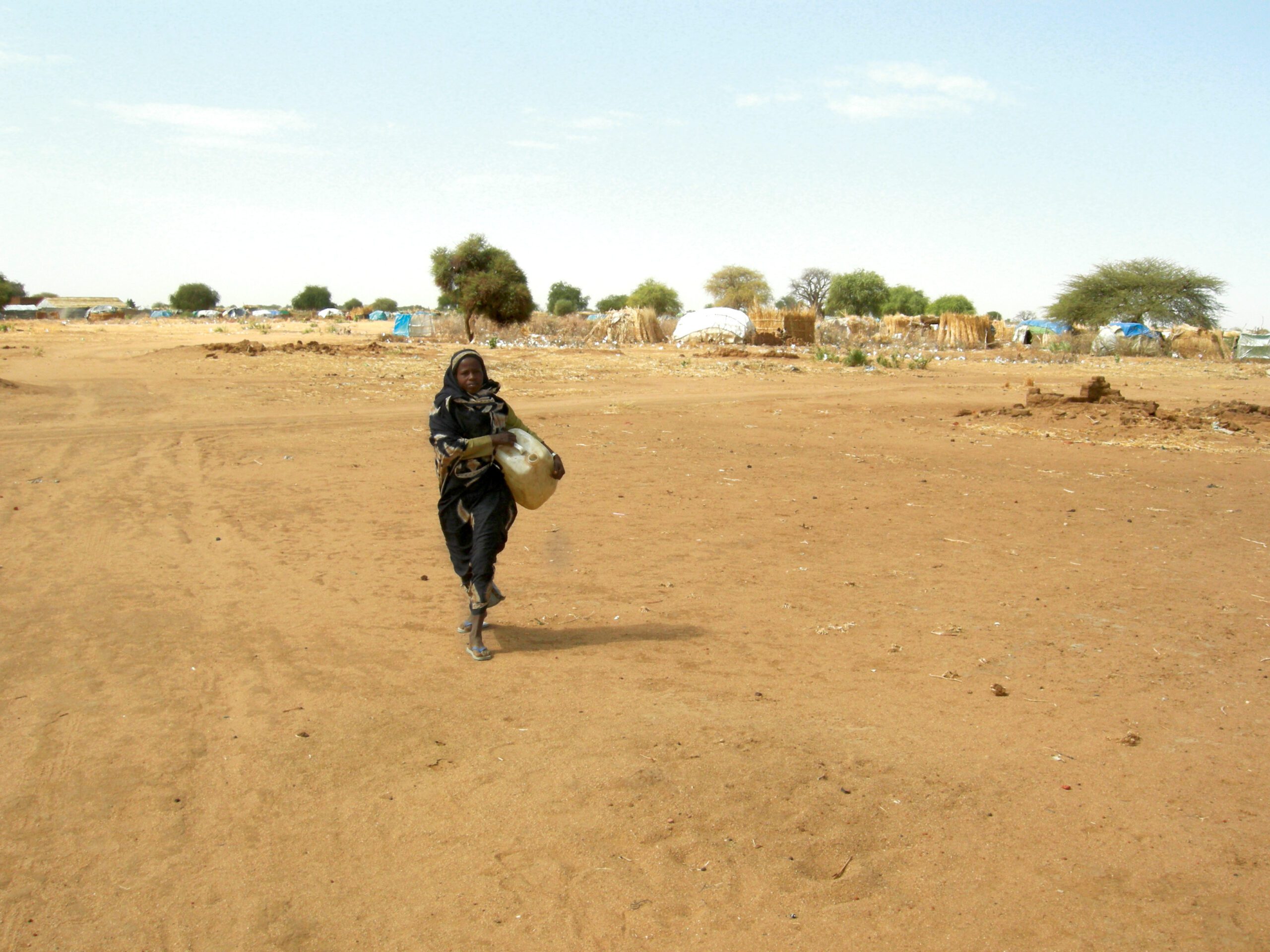
oday, an experience like that would be impossible. The adults would simply smile; the younger one would be bored. Yet, many people outside Africa still hold on to the myth of a romantic missionary. Many still consider the real mission the one which places the missionary in an African village, complete with a river where women go to fetch water, and a bonfire, around which the elders pass on the wisdom of the tribe during the long evening hours. The missionary is there, evangelizing those people who have little or no contact with the modern world. This vision is a leftover from the past. It certainly does not refer to the reality of Africa.
AFRICA IS MOVING FAST
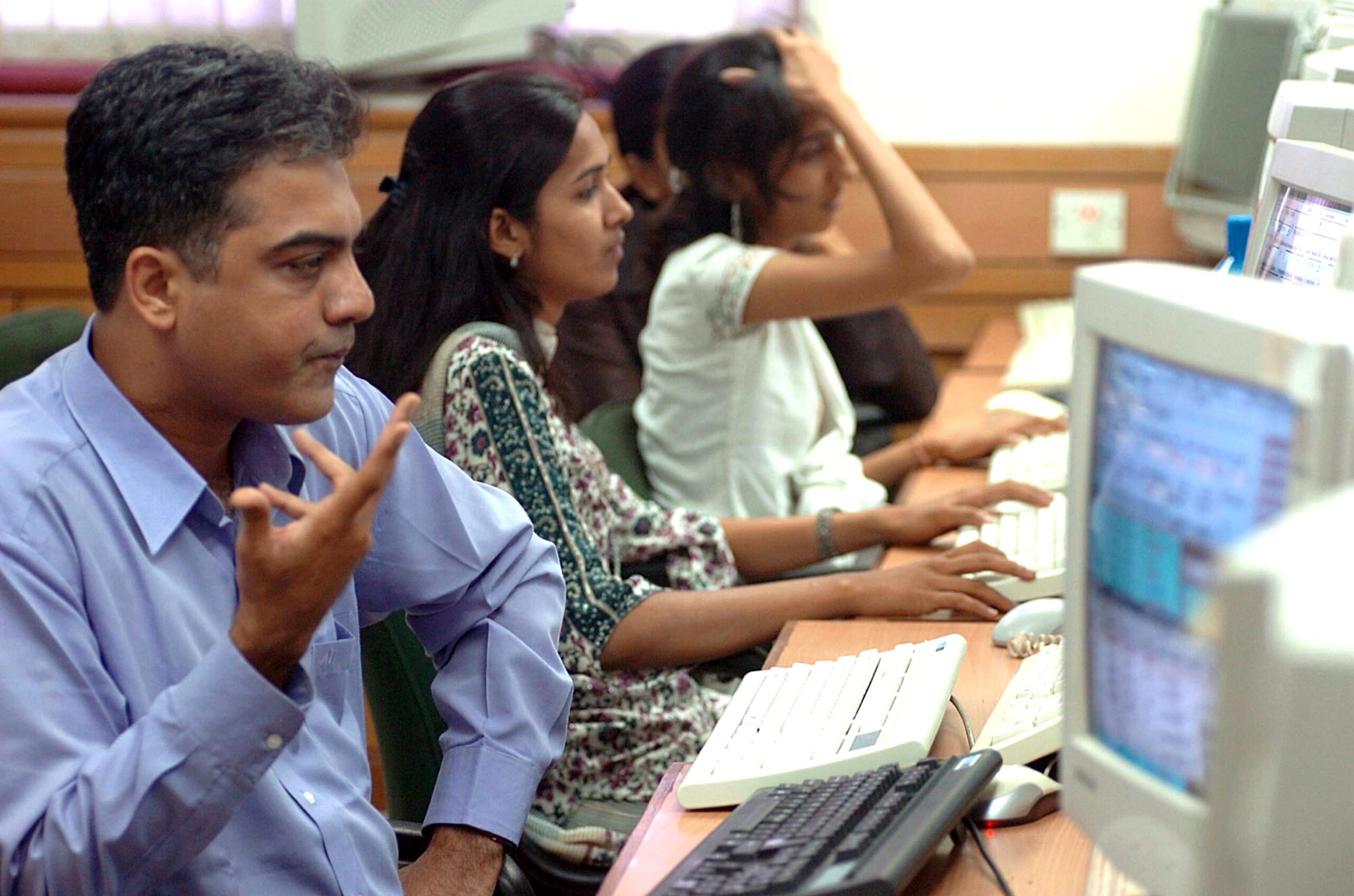
In today’s Africa, there are few remote villages. Certainly, there are plenty of people who live far from the cities and the technological advances they afford. Yet, Africa has come a long way and it is moving fast in new directions. In a few years, the majority of Africans will live in urban areas. Already today, the cities are the place where new ideas are forged and the future of the continent is taking shape. A practical example comes from the world of communication. Just ten years ago, the number of fixed telephone lines in sub-Saharan Africa was less than that of Manhattan, New York. Today, the number of fixed lines has gone even lower, but millions of Africans use mobile phones to communicate. One of the most common scenes in Africa today is a person fidgeting with a mobile phone, receiving or making calls, even in remote rural areas. This new ease in communication has opened the way to a revolution in the way people think and in their perception of the future. The Church cannot afford to be left out of these changes. Like all social and cultural developments, these are events that challenge its evangelization methodology.
The mission to the peoples of Africa is changing. All the documents of the universal Church of the past two decades state the need to find the new ‘spaces’ of mission. The local Churches need to explore new areas where evangelization is needed. In my opinion, these are culture, economy and politics.
FAITH MEANS A DEEP CHANGE
The Church is actively present in all sub-Saharan countries where its social impact is undeniable. This is not true of cultural life. It is enough to follow the local media to realize that the Church is often absent, the faith being represented superficially or even in negative terms. This happens while the Churches − to include the Protestant denominations − have done much to provide education, even in the farthest corners of Africa, and to support local literature and media. In reality, evangelization has, up to now, made only a little dent in the way people evaluate reality. The Church has asked the people to look up to Jesus as a religious Savior. More is needed to underline that faith in Jesus means enacting a social revolution, a deep change in our attitudes towards the world and the way we value life.
Many Christians are confused by the insistence on inculturation. They understood inculturation as liturgical adaptation. Little effort has been exerted to push the local Churches to find local ways to express their faith, i.e. how to transform the way Christians live within society. As long as inculturation remains stuck to translating liturgical texts and acquiring signs and behavior from a faded past, there will be no true inculturation, but only the illusion of Africanizing the faith.
The financial world needs evangelization. We live in a more and more globalized world. Decisions taken by a multinational company can, and indeed do, have a strong influence on millions of people. How many resolutions are taken everyday without taking in due consideration ethical issues? There is the tangible risk of creating and supporting real structures of sin. Even at local level, the Gospel needs to challenge the economy. Yet, it is not enough to ask Christians to show their faith in their financial dealings. It is important to help the financial world, the institutions and the people involved in them, to recognize human rights, to appreciate the service due to the poor, the attention to just profit and just sharing of common goods. These are areas where little is being done today.
A PASTORAL APPROACH TO POLITICS
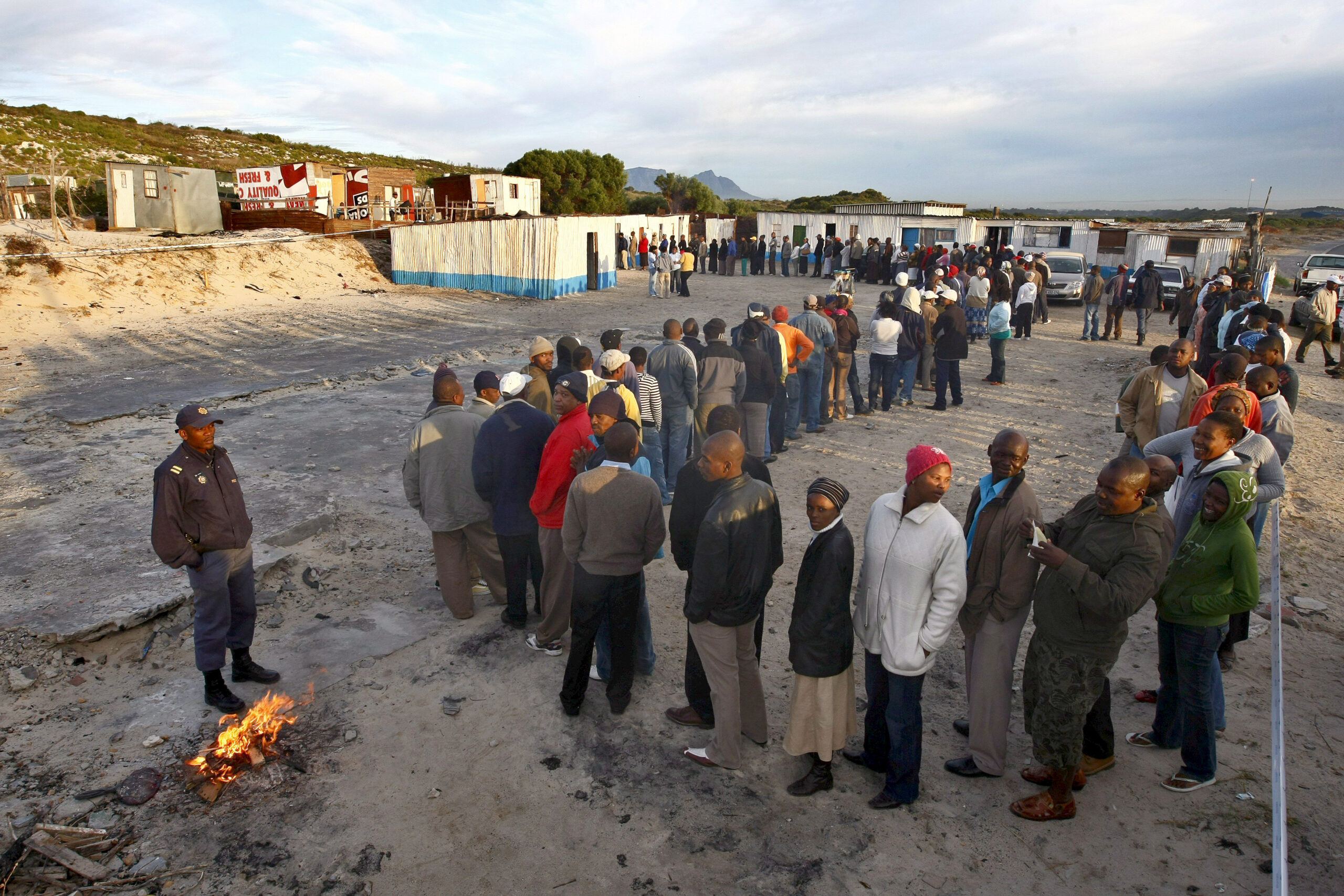
The African political arena is as far from the Gospel as one can think. It is enough to realize that most political parties do not refer to any specific ideology. They do not have a code to comprehend and analyze society. They do not offer new solutions to a nation’s problems for they do not have a vision to propose. Most politicians do not understand their role as a service to the nation; they work only to reach personal goals. Of course, there are good principled people who sincerely want to build up their country. They are often inadequately guided by their lacking human and intellectual formation. A pastoral approach to politics would do a mountain of good. Starting a school of politics would help countless politicians and government officials to develop a new way to approach their work. It would certainly help the insertion of Gospel values in the political world, in the structures of power and in the decisions that shape a nation. There are already positive examples to show that politicians are not opposed to the Gospel. What we miss are evangelizers that would proclaim the Word in the corridors of power.
Some may be scandalized to think that Church personnel should mingle with corrupt politicians. However, the Gospel of John (18:15) tells us about one apostle able to enter the chambers of power and speak to the highest political representatives of the nation at the height of the crisis that would lead to Jesus’ death. This is an example worth following.
The evangelization of society, of the people that make up a nation, needs instruments. We have already spoken of human and professional formation. There is another instrument which is often talked about, and as often poorly used: the mass media. The African Church owns many media. Some of these are important and have a considerably high impact on Church and society. It is enough to mention that Radio Pacis − the Catholic radio station of the diocese of Arua, Uganda − has been acknowledged as the best new radio in Africa in 2006 by the BBC, a British media powerhouse never too tender to Catholics. Think of New People, a monthly magazine edited in Nairobi, which is amongst the most distributed in the continent. Few publishing houses can boast more than fifty new titles a year. Yet the Pauline Publications based in Nairobi, Kenya, do just that. Yet, Catholic media do not seem to have a great impact on society. Why? There is a simple answer. Much too often, our media speak to the Church, forgetting to evangelize society. We have many radio stations that talk to the faithful, and forget to offer a space to those who do not know the Gospel. The same can be said of books, magazines and other mass media. This being the reality, there is much to do to reach people where it counts: in their mentality, in their social attitudes, in offering possible alternatives enlightened by the Gospel.
A CHANGING EVANGELIZATION
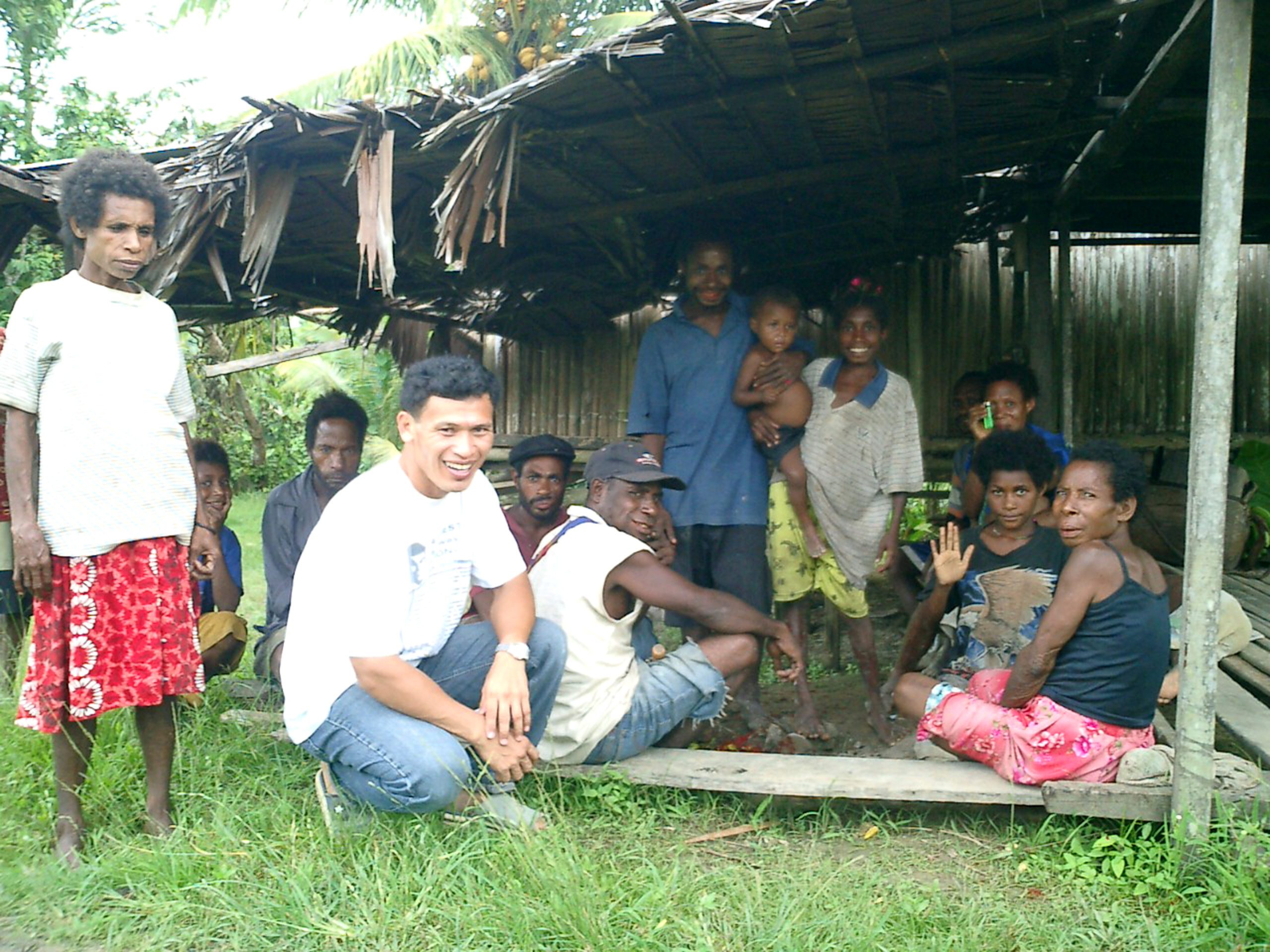
The mission to the peoples who have not yet heard the Gospel is still needed. These are people who often live at the fringe of their own societies. It is mandatory to continue the work of proclamation and human promotion among them. It is also important to work among them with a sense of realism that is recurrently forgotten by many missionaries. The Church must be an agent of human progress. To regard these populations as remnants of a past that must be kept alive means to relegate them to a ‘conservancy’ role that they do not wish to take. The British colonial power in Kenya carved out some enclaves − the reserves − where ‘natives’ could carry on their traditional life-style. Anyone wishing to visit these areas − true human zoos − needed a passport. This is one of the reasons why missionaries reached pastoralist communities only in the 1960s. They simply did not have permission to live and work among the Maasai, Pokot, Turkana and others. The Church should not perpetuate this situation. The evangelization among peoples not sufficiently evangelized is a must. Yet, this ought to be a stepping stone towards the growth of these people. The Church needs to open the way to allow these marginal populations to take their right role within the nations where they live.
The mission is changing. The older Churches of the West are now sending only a few missionaries, while the number of missionaries from the South is increasing. This cultural and geographical shift influences the way the mission shapes itself. The older group is suspicious of the new influx. The new agents of the Gospel feel uncomfortable with the methodology of the older group. Mission is in transition. Like all transitions, this is also riddled with tensions, mistakes, geniality. The agents of evangelization are changing, evangelization itself will change. We should not be afraid of this process. We should, instead, be open to the Gospel which will continue to inspire the Church. The Word of God clearly tells us not to prepare our own apology. When the time comes, the Spirit will inspire us what to do and what to say to witness Christ.