It is difficult to write about Africa. It is always becoming more difficult. Specially so, if one loves this continent and its people and has spent almost all his adult life here, as it is in my case. I started writing about Africa in 1970 and, since then, I have seen so many genuine hopes shatter due to bad governance and outside interferences. Peace treaties are signed but immediately new wars break out. Treaties become shredded paper in a very short time, and armed struggles drag on for years like festering wounds. How can we continue to speak words of hope when we speak of Africa?
The recent happenings in Kenya are paradigmatic. In 2002, the Kenyan people succeeded in snatching the power from Daniel Arap Moi, after 22 years, and the first steps of the new government were encouraging. Very soon, however, favoritism and corruption prevailed again, the governing group broke up, the opposition organized itself in what appeared to be a popular movement.
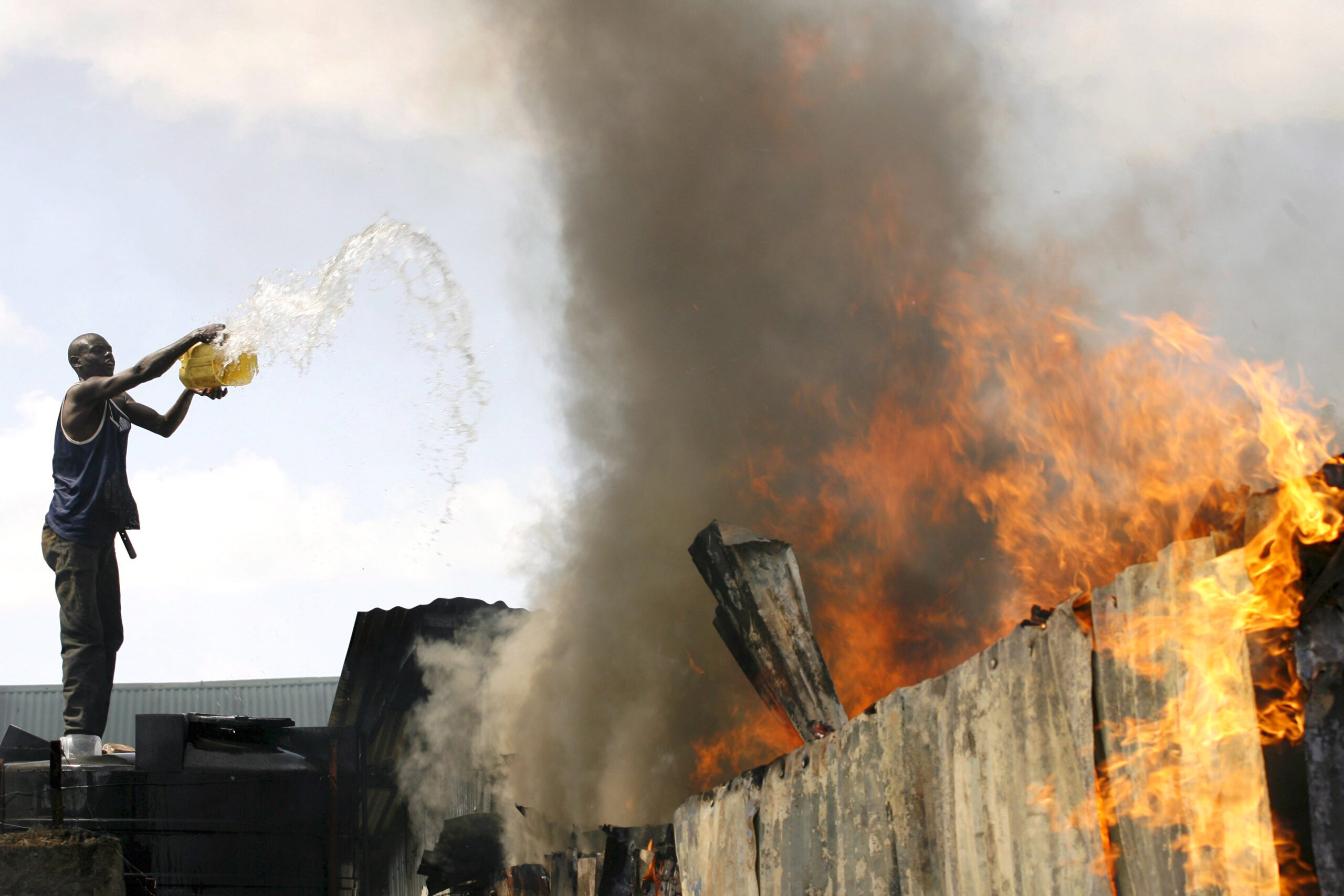
Towards the end of 2007, the electoral campaign divided the country along ethnic lines, and after the elections that were ferociously contested, a violence of previously unseen brutality broke out, especially in the Rift Valley. In a few weeks, what was a country considered a model of economic development and political stability, the hub around which revolved the survival of several other Eastern and Central African countries, risked to plunge headlong into chaos.
ECONOMIC REASONS
Those who speak of a new Rwanda are wrong. The context is too different. Certainly, there are historical injustices, an ill distribution or even a non-distribution of the country’s wealth, that have created a more justifiable urge to share the welfare − as well as an unexpressed but deep resentment in the masses − of desperate people piled up in slums like Kibera. Notwithstanding this, Kenya could have overcome all these problems in due course and according to its internal dynamics, i.e. without violence. It has been the heavy outside interference that has made the explosion of violence possible.
Thus, what has happened in Kenya must be seen in the wider context of a new scramble for Africa − for its wealth. In a nutshell, up to few years ago, the competition had been between USA and France and played on the sly, with tones befitting faked gentlemen. Now, France has been left behind and China is emerging as a competitor who can keep the pace in the long run.
The evident logistic and mass-media support that USA and Great Britain have given to the opposition − exalting its positive aspects and not mentioning its grave faults − has been motivated also by the fact that Kibaki started looking eastward: for purely economical, not ideological, reasons. The loss of extremely profitable contracts on the part of western companies, like the one dealing with the supplying of vehicles for the Kenyan government and police, is one of the reasons of this volte-face.
Americans and British had bet all on a clean victory of the opposition. When this did not happen, they realized too late that they had also supported characters who planned − win or lose − a violent reaction against their political opponents. They found themselves with an extremely grave crisis in their hands that they didn’t know how to control. They occasionally resorted, especially during the first week of violence, to interventions of shameless arrogance. “Not even if we were still a colony,” a Kenyan journalist was telling me who was a supporter of the opposition but, all the same, was infuriated by the threatening words that were heard from the American and British embassies.
ENORMOUS DAMAGES
Since the beginning of the nineties, we have seen a whole series of such meaningless western interventions, under the pretext of supporting democracy, that have caused enormous damages: the military intervention in Somalia, the support given first to Mobutu then to Kabila in the Congo, the smuggling of the Ugandan Museveni, the Sudanese John Garang and the Ethiopian Meles Zenawi as the solution to the problems of their countries, only to understand, later on, that they had open the way to new dictators.
The responsibility however for these disasters that have happened or are on the point of happening, according to the majority of the international mass media, is always and solely of Africa and the Africans who are immature, violent and tribalistic.
Father Raphael, a Congolese missionary confrere of mine in Kenya, has witnessed these events with incredulity and comments: “We all Africans come from a difficult history. We are laboriously building up our sense of national identity and we have made great progress towards an always more mature participation in the political life of our countries. We have our big responsibilities and we carry our limitations within us. Certainly, the last things we need are false friends who are only interested in our economic resources.”
LUCY’S HOPE
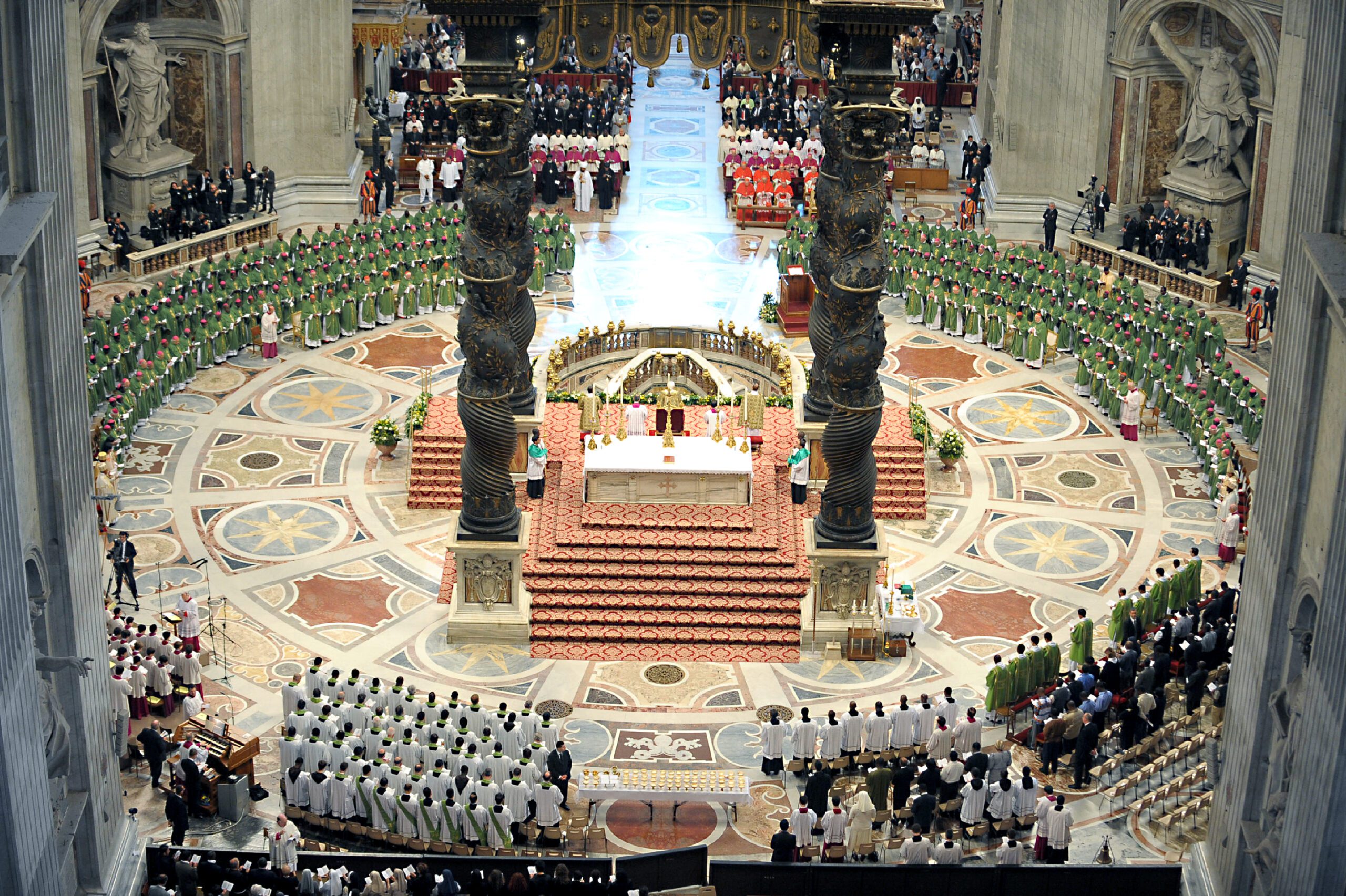
The African Church in this troubled context finds difficult to find its own identity and its own way. The voices that refer to the Gospel demands are still too timid. The Second African Synod is foreseen for next year and has received from the Pope the task of reflecting on “the Church in Africa at the service of reconciliation, justice and peace.” In truth, there is nothing more urgent and relevant than this.
Even Mama Lucy could bring her witness to the Synod. A widow with three children, her body ravaged by AIDS, she works 12 to 14 hours a day, washing clothes for those who are a little less desperately poor than herself, in order to survive and send her children to school. This morning, she told me that her landlord has evicted her from her dreary 3×4-meter shack because of her ethnic belonging. She sighs: “Life is hard and we make it even harder for one another… I only hope that my children will have a better life than mine. I keep on working and God will help us.” For Mama Lucy, it is unthinkable not to have hope.