Why is it that despite the extent of poverty in the Philippines, the suicide rate is low compared to that of very progressive countries? How could a tragic event, such as Ninoy Aquino’s assassination, unleash so many jokes and so much laughter from grieving millions (directed at his supposed tormentors)? Why do we spend a lot for fiestas even if this would mean fasting the rest of the year? How do we make do with so little? Why do Filipinos do very well in foreign countries? Why are we always smiling? And what are we always smiling about?
But why are our Asian neighbors getting very much ahead of us in terms of economic progress? Why do we seem to be ever in a rut? What seems to be the problem? Is it cultural? Structural? Is it correct to say that the national situation is a reflection of the sum total of what we are as individuals?
Why is it that where it says, “Don’t urinate here” it stinks? And where it says “Don’t’ throw garbage here” a garbage pile forms? Are Filipino drivers color blind that while the traffic light remains red, many zoom past it like it were green? Why do commuters wait for their ride on the middle of the road and not on the sidewalk or bus stop? Is it coincidental that many employees in a given government office come from the same family tree, town or barrio?
Some years ago, Philippine senators passed a resolution and directed the Committee on Social Justice, Welfare and Development and the Committee on Education, Arts and Culture to conduct a joint inquiry into the strengths and weaknesses of the Filipino character “with a view to solving the social ills and strengthening the nation’s moral fiber.” The inquiry was part of the government’s Moral Recovery Program (MRP).
“Get the experts in the fields of psychiatry, psychology, sociology and other social sciences” – the shrinks and the behavior modifiers – said the senators, “to identify the Filipino’s strengths and weaknesses so that measures could be taken.”
It took eight months for the experts to come up with empirical results. The study was conducted from the Human Resources Center, Psychology Department of the Ateneo University. Nine task forces, composed of big names from different disciplines, were created to help in the study. Results of the study were based on interviews and a nationwide survey covering 2,000 respondents.
The results were nothing new and did not baffle anyone. But then, there’s nothing like being presented with something based on scientific data, or being reminded of what we are so that we again behold ourselves – warts and all – as in a mirror. But one thing worth noting about the study results was that they were presented not in the manner of scholarly papers, but in a language understandable to the common folk. Efforts were made to do away with scientific jargon so that the study did not gather dust in the libraries of experts but will be passed around for many to read. But of course, the study has its share of criticisms.
OUR BEST QUALITIES
According to the study, “A Moral Recovery Program: Building a People, Building a Nation,” the strengths of the Filipino could be classified under these categories:
• Pakikipagkapwa-tao (Getting along with others). This trait is manifested in a basic sense of justice and fairness and in concern for others. The Filipino has a great capacity to empathize with others (wakes are significant social happenings), is helpful and generous in times of need (pakikiramay). Many other traits can be classified under pakikipagkapwa-tao: bayanihan (free labor-sharing), Filipino hospitality, utang na loob (indebtedness for favor received). These could all very well be the foundation for unity and social justice, especially if, as the beer ad says, may pinagsamahan (there is togetherness).
• Family orientation. To the Filipino, one’s family is the source of personal identity, emotional and material support. It is one’s object of commitment and responsibility. The Filipino family includes not only the next of kin but also relatives. Love for the family is manifested in the honor and respect given to parents and elders, in the care given to children, the generosity towards relatives in need and the sacrifices endured for the family’s sake.
• Joy and humor. Why are we always laughing? Foreigners are sometimes flabbergasted. Filipinos have a cheerful and fun-loving approach to life’s ups and downs. Laughing at ourselves and the mess we are in is an important coping mechanism. We laugh at those we love and at those we hate. We make jokes about our good fortunes and bad. The result is a certain emotional balance, optimism, a healthy disrespect of power and office and the capacity to survive.
Indeed, during the waning years of the Marcos dictatorship, the unwritten law of survival was: If you can’t lick them, laugh at them. Filipinos could be so pleasantly cruel this way. Long after the dictator and his wife had gone into exile, Filipinos were still laughing at them. If laughter could kill…
• Flexibility, adaptability and creativity. Filipinos have a great capacity to adapt to both physical and social circumstances. We possess tolerance for ambiguity, are unfazed by uncertainty or lack of information. (“Where is Kangkong Street?” you ask, and you get an answer from a helpful stranger who points with his snout, “Just there. ‘’Kangkong Street, you find out, is four blocks away.) We are creative (in how to be a successful illegal immigrant in the U.S.), resourceful, quick learners. We improvise and make use of whatever is on hand. We can adapt to life in any part of the world (say, in the deserts of Saudi Arabia), we make new things from scraps (the jeepney, for example). We can accept change.
• Hard work and industry. Given the proper conditions, Filipinos will work hard. Abroad, Filipinos take on two to three jobs so that they may raise their families’ standard of living. So, whoever made us believe that we are a nation of lazybones?
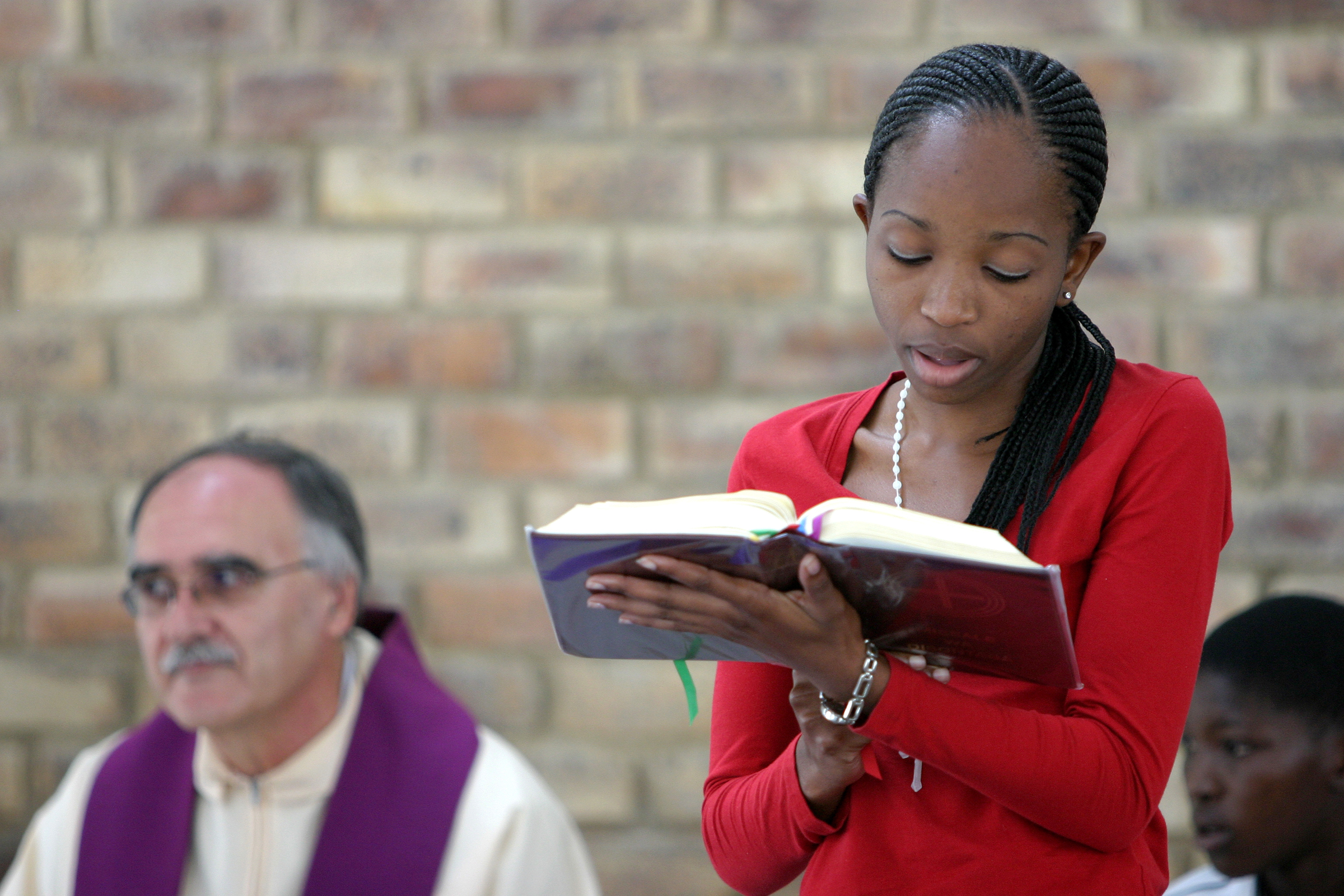
• Faith and religiosity. Prayer is an important part of our lives. Our innate religiosity enables us to comprehend and accept reality in the context of God’s will. Tragedy and bad fortune are accepted, optimism characterizes even the poorest of lives. We ascribe human traits to a supernatural God whom we alternately threaten and thank, call upon for forgiveness and appease by pledges. The bahala na (whatever will be) attitude could very well be related to this religiosity. But bahala na should not be simply viewed as defeatist resignation but as a psychological prop for hard times.
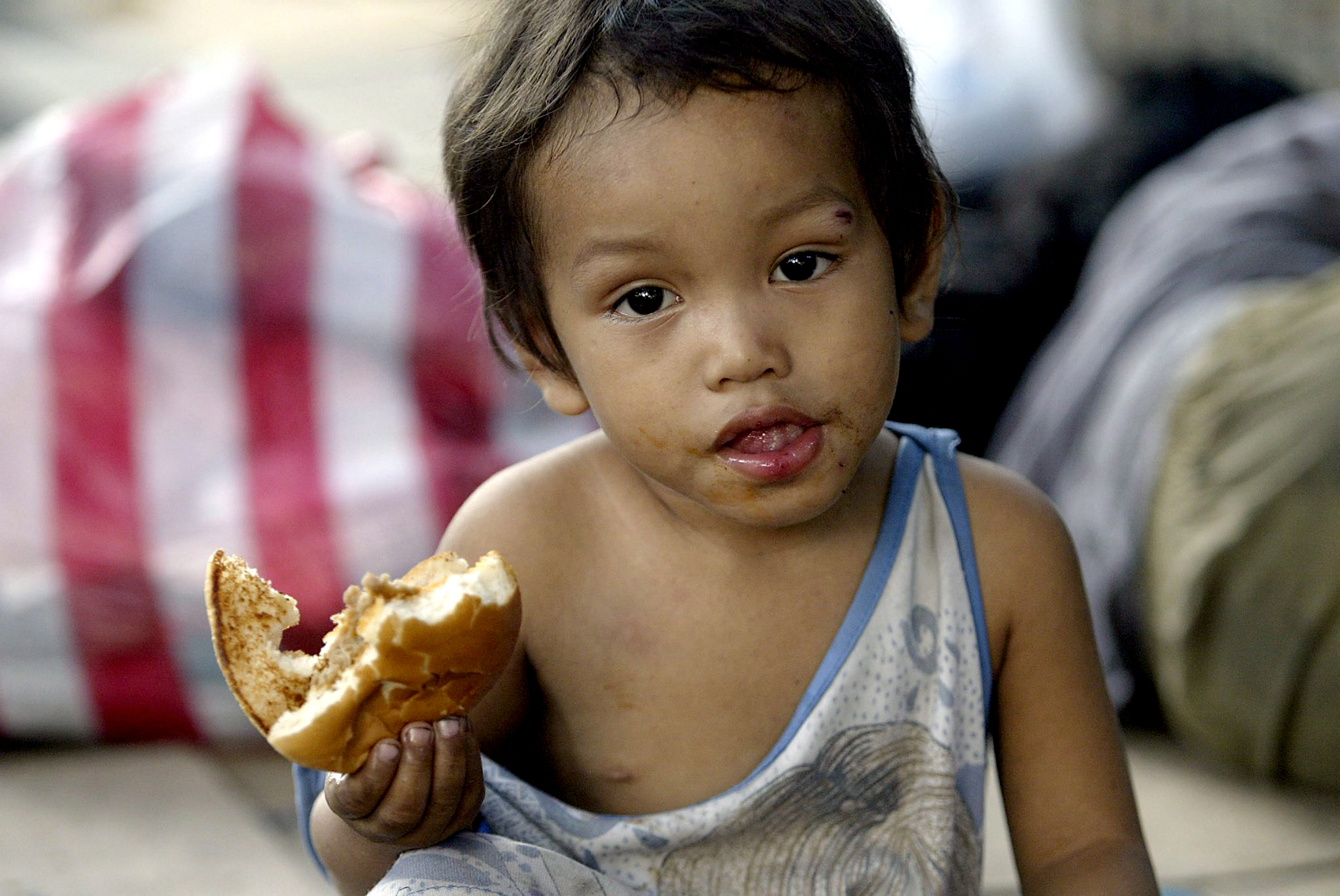
• Ability to survive. We can get by on so very little. We can even eke out a living from a garbage dump. This survival instinct is related to the Filipino’s other strengths, namely, basic optimism, flexibility and adaptability, hard work and a deep faith in God. One wonders what Filipinos might be able to do under better circumstances.
SHADOWS IN THE PORTRAIT
The Filipino’s weaknesses are a drama in themselves:
• Extreme personalism. Filipinos tend to “take things personally.” We could be onion-skinned. Personal relationship are important even in work situations. Because of this personalistic world view, Filipinos have difficulty dealing with impersonal stimuli; we are uncomfortable with the bureaucracy, with rules and regulations. We ignore them and ask for exceptions. We prefer to hire and vote for friends and relatives.
• Extreme family centeredness. This could be a serious flaw, say the experts. Filipinos could be so fiercely loyal to their families (e.g., an entire family could descend with bolos on a hapless driver who accidentally runs over a wayward toddler on the street), they forget the rights of others and the larger community. This could block the development of a national consciousness.
• Lack of discipline. Here we quote verbatim what the behavioral scientists have to say. “The Filipinos’ lack of discipline encompasses several related characteristics. We have a casual and relaxed attitude towards time and space which manifests itself in lack of precision and compulsiveness, in poor time management and in procrastination. We have an aversion for following strictly a set of procedures (like falling in line!) and this results in lack of standardization and quality control. We are impatient and unable to delay gratification and reward, resulting in the use of short cuts, in skirting the rules and in foolhardiness. We are guilty of ningas cogon (grass fires or surge of enthusiasm), starting out projects with full vigor and interest which abruptly die down leaving things unfinished.
“Our lack of discipline often results in inefficient and wasteful work systems, violation of rules leading to more serious transgressions and a casual work ethic leading to carelessness and lack of follow through.”
• Passivity and lack of initiative. We need to be told what to do. So much reliance is placed on others, especially leaders, to do things for us. We need (or want?) a strong authority figure to whom we are generally submissive. We have little sense of urgency (complacency) and we have a high tolerance for inefficiency, poor service, even violation of our rights. We are matiisin (patient and long-suffering).
• Colonial mentality. This has two dimensions. The first is the lack of patriotism or active awareness, appreciation and love of the Philippines. The second is preference for things foreign. We have such openness to the outside so that we easily adapt and incorporate foreign elements into our image of ourselves. But since this image is not built around a deep core of history and language, we experience a cultural vagueness and weakness that make us prone to accept wholesale, Western culture. Note our preferences in fashion, entertainment, lifestyle and the like. And yet while this mentality alienates us from our roots, it also gives us a feeling of inferiority when we relate to Westerners.
• Kanya-kanya (to each his/her own) syndrome. We have a selfish, self-serving attitude that generates envy in our peers. Another’s gain is our loss. The “crab mentality” is a symptom of this. (It is said that when crabs are put together and climb out of a container, they tend to pull each other down.) Is this really so? There is a self-deprecating answer: only when the crabs are Filipino. We use the “crabby” instruments of tsismis (gossip) and intriga (intrigue) to bring others down. Personal and in-group interests reign supreme to the detriment of the common good.
• Lack of self-analysis and self-reflection. We tend to be superficial and flighty. We joke about the most serious problems instead of reflecting deeply on them. We are satisfied with superficial explanations and solutions to problems. We are maporma (with a penchant for form rather than for substance). Empty rhetoric we mistake for reality. This trait is reinforced by an educational system that is more form than substance and by a legal system that tends to substitute law for reality.
THE ROOTS OF OUR PROBLEMS
But critics had reason to harp that the study dwelt mainly on cultural factors rather than on the structural. They pointed out that encompassing oppressive structures long in place were mainly to blame for our negative traits and that as long as they are there, remolding of the Filipino character cannot take place.
But the researchers explained. “We were not denying structural factors. We started on the premise that we have structural defects. But we cannot wait for that comprehensive revolution to happen before we do anything about ourselves. We have to start now.”
The roots of the Filipino character, as identified and classified, may trigger much debate but they are also basis for reflection and analysis. The MRP study has identified these roots as:
• Family and environment. The Filipino grows up in an atmosphere of affection and over protection where one learns security and trust on the one hand and dependence on the other. In indulgent homes, discipline comes in the form of don’ts. Comparison of siblings could lead to the “crab mentality.” But it is also in the family where we learn pakikipagkapwa-tao (getting along with others) and respect for authority.
• Social environment. Ours is a feudal structure where a great gap between the few rich and the majority poor exists. This gap is not only economic but cultural as well, with the rich highly westernized and alienated from the masses.
• Culture and language. While we are so open to outside influence, we have no basic consciousness of our cultural core. At a very early age, we find that our self-esteem depends on our mastery of something foreign. The use of a foreign language (English) in schools and official functions may explain the Filipino’s unreflectiveness and mental laziness. Thinking in our native language and expressing ourselves in English results in lack of confidence and expressiveness, imprecision and stunted development of one’s intellectual powers.
• Colonial history. This has developed in us a mind-set that makes us think that our colonizers (the Americans, the Spaniards) are superior beings. We feel inferior to the White Man. We depend on foreign powers to determine our fate.
• Educational system. Critical thinking is not always learned in our schools. Many school materials are irrelevant to the Philippine setting.
• Religion. While it is the root of Filipino optimism and capacity to weather life’s hardships, religion and the way it is mainly taught, instill attitudes of resignation and preoccupation with the after-life. It has made us vulnerable to opportunism, oppression, exploitation and superstition. But religion, in many instances, has also become a liberating factor as when Christian teachings are invoked in the fight for justice.
• Economic environment. Our poverty and difficulties drive us to take risks and work hard. It has, however, sometimes become an excuse for graft and corruption particularly among the lower rungs in the bureaucracy (those in the higher rungs are driven by greed).
• Political environment. Power and authority are so centralized in the hands of the elite that participation of many in political affairs is limited to voting during elections. Government remains unreachable or absent for many Filipinos so that we find it difficult to identify with a nation-family. The inefficiency of the government structure leads to lack of integrity and accountability among public servants.
• Mass media. Caucasian models still lord it over in advertising. Escapist films, soap operas and komiks stories reinforce the Filipino’s passivity and fantasies. Mass media’s flashy presentation of consumer goods and celebrities reinforce our being flashy and showy.
• Leadership and role models. Leaders violating the law, who are self-serving and lacking in accountability dampen the morale of those below. So bereft are we of role models that when graft-buster Commissioner Miriam D. Santiago burst into the scene with the ferocity of a lioness, we lionize her, even urging her to run for president.
So what are we to do about the experts’ findings? Proponents of the MRP have proposed strategies for change, among them the development of “a national ideology that can summon all our resources into the task of lifting national morale, pride and productivity.” Other strategies are specifically trained on the above-mentioned roots of the Filipino character.
The MRP study is definitely not a study to end all studies.