
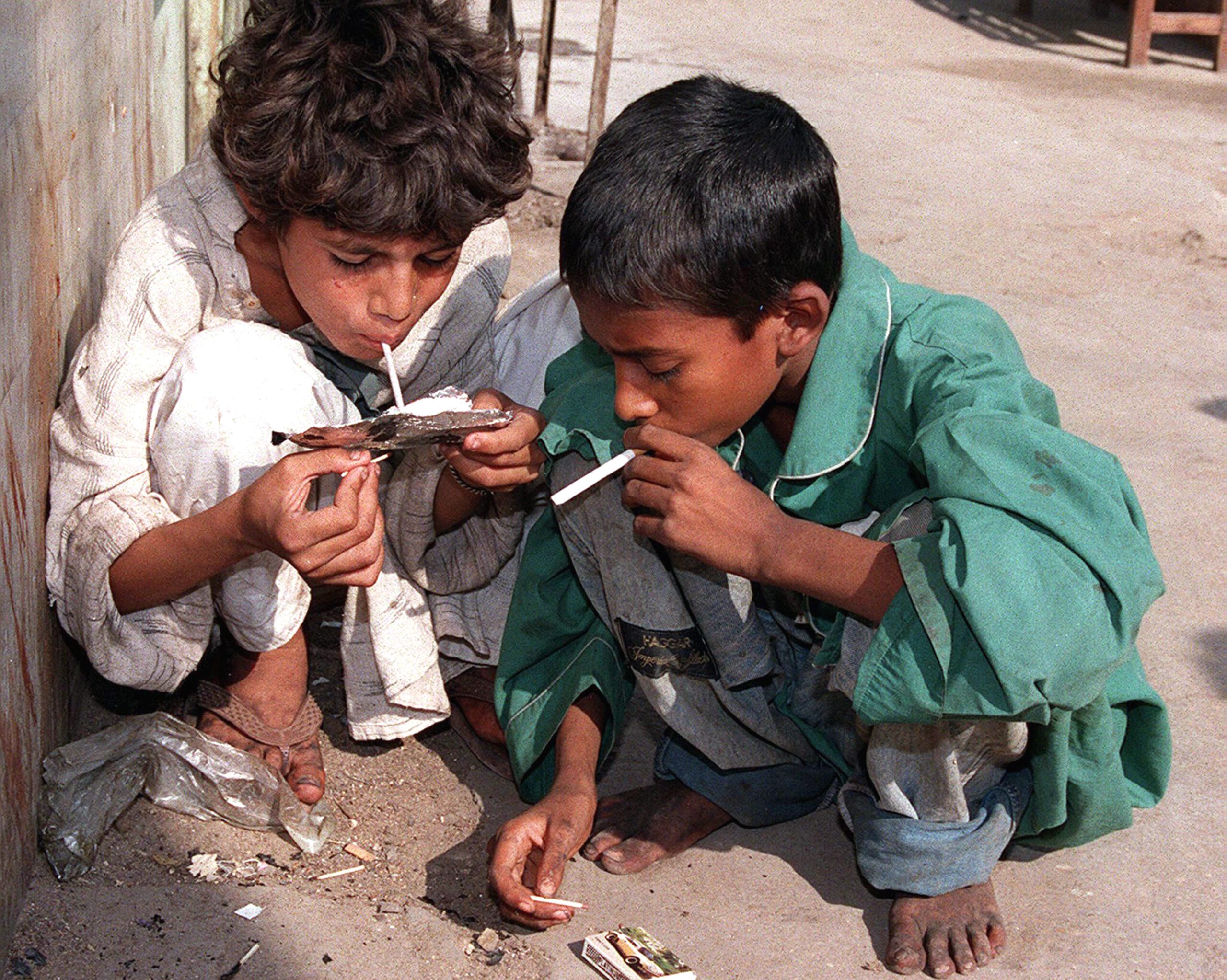
A Transit Region for Drugs

INTRODUCTION

Central Asia has, since ancient times, been a region blessed with open borders and trade with people from all corners of the world. This blessing has turned into a double-edged sword in the 21st century. The lack of effective border controls and weak infrastructure has created borders that are very easy to penetrate for goods that need to avoid official routes, such as drugs, weapons and human trafficking.

WRITTEN BY

SHARE THE WORD

PUBLISHED ON

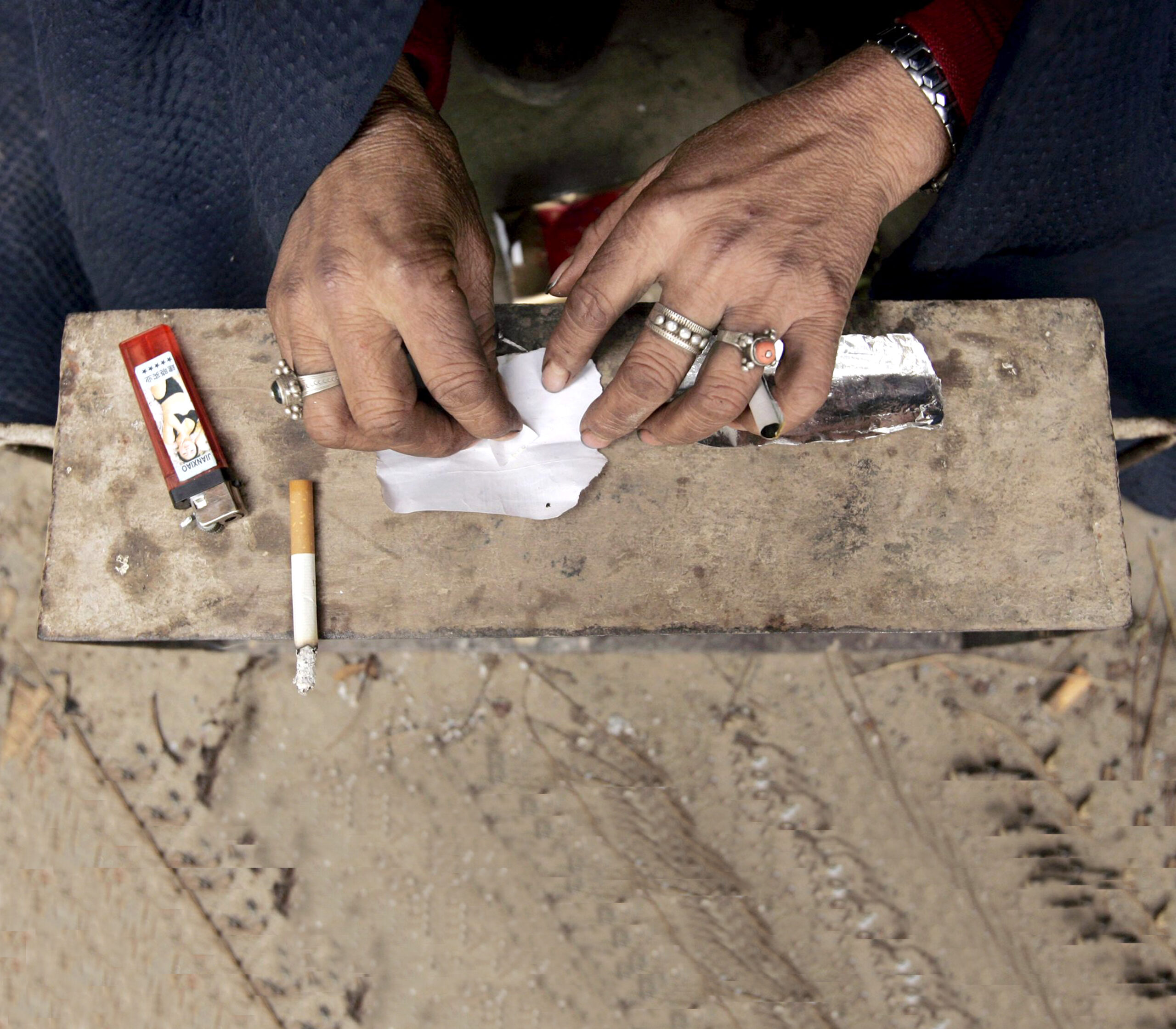
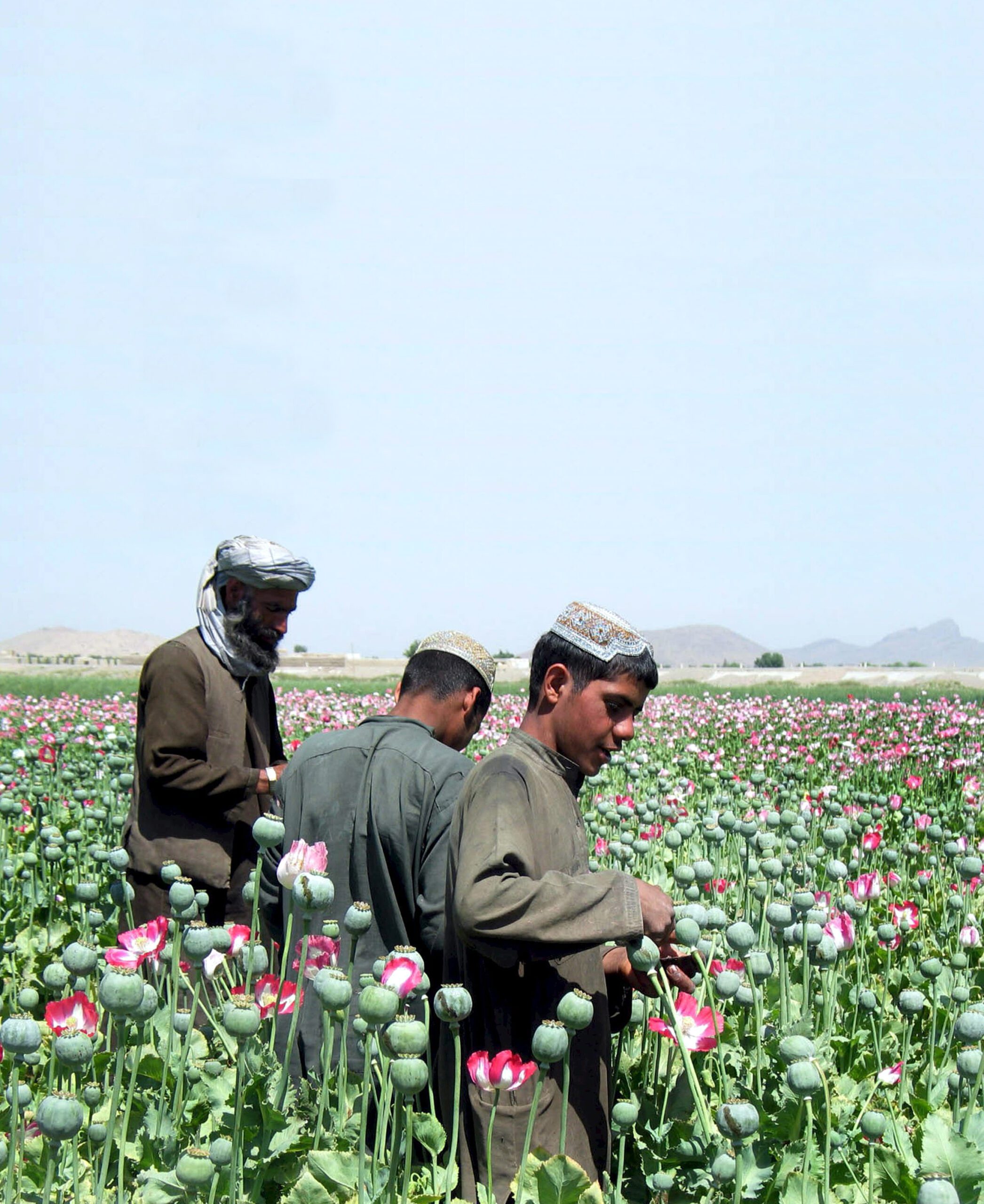
Central Asia is positioned between the world’s largest drug producing regions and has become the springboard to the European market. Afghanistan and Southeast Asia produce the bulk of the drugs that are smuggled to Europe, but China and North Korea are increasingly positioning themselves as producers of narcotics. China is, however, more interesting as a transit region for Southeast Asian producers towards the European market.

This is seen in that, currently, China intercepts 20% of all heroin and morphine in the world, and a large proportion of the drugs originating from Southeast Asia are destined for the European markets, even if the markets in Northeast Asia have grown in importance.

The Central Asian states have increased their heroin interceptions by 50% in the past few years. The high increase in the number of seizures only exemplifies that the actual trade has increased, as have the number of conflicts between competing drug lords who tend to turn each other over to the police. The increase in the drug trade can be seen in that the price of heroin and other drugs has been relatively constant in Central Asia and China, but demand in consumption countries has increased. This indicates that production has increased, and more drugs are smuggled across the region.

The role of Central Asia has increased as Iran, which has traditionally been an important smuggling route, has been relatively successful in its war against narcotics and made the Iranian route more difficult to use. In simple economic terms, the transaction costs are relatively low in Central Asia, especially since it can use the Russian network to smuggle drugs to consumer markets.

Central Asia has, moreover, the weakest political structures, with little determination to combat the drug trade, which makes it the most reliable link to the consumer markets in Europe. This makes it more profitable for the Southeast Asian and Northeast Asian drug traders to direct their trade through Central Asia rather than the more insecure water or airways to Europe.

The increased pressure on the Central Asian region as a transit region for drugs from China and Southeast Asia has created several grave problems for the socio-political and economic survival of the Central Asia states. The increased drug trade currently affects more than Tajikistan and Turkmenistan (that have traditionally been the primary drug link) since the trade that is done through China is also directed through Kyrgyzstan and Kazakhstan to minimize the possibility of seizures. A direct implication of this is that the trade is increasingly difficult to control as it spreads over a larger area and is increasingly diversified. Competition between criminal networks from Afghanistan, Russia and other parts of Asia has affected the trade negatively, with a higher density of traders and a greater part of the economy that is drug related. There is, moreover, an increase in violence in these states that is related to the narcotics business.

Central Asia has undoubtedly been affected negatively by the increased usage of the region as a transit point, and since the international drug networks proliferate in unstable societies with a high degree of corruption, it is not surprising that we can see a high increase in destabilization of the regional states and an increased level of corruption and criminalization of their societies.

There is not only a greater proportion of employment that is drug related in the region, capital from the narco-business is invested in legitimate business and used to take control of the regional business structure. Societies are, therefore, increasingly dependent on drug-related revenue, both formally and informally. As the transit business is partly paid in narcotics, rather than capital, this has impacted the number of drug users in the region negatively, on top of the increase in drug users that can be attributed to the diminishing economic situation in many of the countries in the region. The increased amount of drugs from Southeast Asia and China that transits Central Asia has further strengthened the illegal economies at the cost of the open economies.

At a health level, the situation is deteriorating as the narcotics trade has increased. In the footsteps of the drug trade, there is a ravaging level of AIDS and Hepatitis C that threatens to paralyze medical care in the region. Figures from the United Nations and other international organizations have been able to establish a direct correlation between the drugs trade and the number of HIV positive cases in the region, and the increase of registered HIV positive cases has risen rapidly the last few years. The deteriorating health situation could potentially be one of the greatest threats to the region.

The negative effects of the narcotics trade have strengthened the criminal networks and destabilized the states in the region. Traders and producers tend to work in heavily corrupt states or states in disarray as these states do not have the capability or willingness to deal with smugglers and producers. Central Asia has been at risk at becoming controlled by criminal networks and drug-related capital and with the increased attention from China and Southeast Asia, this risk is accentuated.

The situation in Central Asia has been more acute as drugs from other parts of Asia have been routed through the region. The political, social and economic effects will be devastating, especially in the long run, if nothing is done. To meet the current situation, there is a need for increased international and regional cooperation, especially to improve the capability of drug enforcement agencies in Central Asia. It will not be enough to simply assist the Central Asian states to reduce the negative effects, but rather it is needed to assist the Central Asian states in strengthening their political structures and economic situation. To do this, there is an increased need to understand the regional dynamics and the networks that are involved in the narcotics trade in a Eurasian context.

*Associate Professor/Director, Program for Contemporary Silk Road Studies, Department of Peace and Conflict Research, Uppsala, Sweden. This text was published in Asia Times Online.

Share Your Thoughts

All comments are moderated

From The Same Issue

The articles and content about this issue

From The Same Issue

The articles and content about this issue

WM Special

A Farm of Hope

From This Topic

The articles and content about this topic

From This Topic

The articles and content about this topic

Explore Other Topics

Browse other coverage

Explore Other Topics

Browse other coverage

WM SPECIAL

Presents, discusses and draws readers to reflect on issues of outmost relevance to the world today.


FRONTIERS

Very often, mission is carried out in frontier situations around the world. Those who embrace these situations have much to share.


UNITY IN DIVERSITY

Writer Ilsa Reyes will be exploring the richness of Pope Francis’s latest encyclical Fratelli Tutti with a view of helping our readers to get a grasp of the this beautiful papal document.


FRONTLINE

Puts to the front committed and inspiring people around the world who embrace humanitarian and religious causes with altruism and passion.


IN FOCUS

Focus on a given theme of interest touching upon social, economic and religious issues.


FAITH@50

As the Philippines prepares to celebrate 500 years of the arrival of Christianity. Fr. James Kroeger leads us in this series into a discovery journey of the landmark events in the history of faith in the Philippine archipelago.


INSIGHT

Aims to nurture and inspire our hearts and minds while pondering upon timely themes.


FILIPINO FOCUS

The large archipelago of the Philippines, in its richness of peoples and cultures, offers varied and challenging situations for mission.


FOLLOW ME

Reflections and vocation stories that shape up the lives of young people.


MISSION IS FUN

As humor and goodness of heart are qualities of Christian and missionary life, the new column “Mission is fun” will be publishing some anecdotes and stories that have happened in a missionary context to lighten up the spirits and trigger a smile in our faces.


LIVING COMMUNION

To help readers of World Mission live this year dedicated to Ecumenism, Interreligious Dialogue and Indigenous Peoples, Tita Puangco, writer and lecturer, shares in this section insights on the spirituality of communion.


WINDS OF THE SPIRIT

A historic view of the Catholic movements that emerged from the grassroots as an inspiration by the Holy Spirit.


BRIDGE BUILDERS

On the Year of Ecumenism, Interreligious Dialogue and Indigenous Peoples, radio host and communicator Ilsa Reyes, in her monthly column, encourages Christians and people of good will to be one with their fellow people of other sects, religions and tribes.


INTERVIEW

Questions to a personality of the Church or secular world on matters of interest that touch upon the lives of people.


WORLD TOUCH

News from the Church, the missionary world and environment that inform and form the consciences.


CARE OF THE EARTH

A feature on environmental issues that are affecting the whole world with the view of raising awareness and prompting action.


EDITORIAL

The editor gives his personal take on a given topic related to the life of the Church, the society or the world.


YOUNG HEART

A monthly column on themes touching the lives of young people in the Year of the Youth in the Philippines by radio host and communicator I lsa Reyes.


SCROLL

A missionary living in the Chinese world shares his life-experiences made up of challenges and joyous encounters with common people.


EXTRAORDINARY PEOPLE

Life stories of people who deserve to be known for who they were, what they did and what they stood for in their journey on earth.


ONE BY ONE

Stories of people whom a missionary met in his life and who were touched by Jesus in mysterious ways.


INCREASE OUR FAITH

Critical reflection from a Christian perspective on current issues.


SPECIAL MOMENTS

Comboni missionary Fr. Lorenzo Carraro makes a journey through history pinpointing landmark events that changed the course of humanity.


PROFILE

A biographical sketch of a public person, known for his/her influence in the society and in the Church, showing an exemplary commitment to the service of others.


WM REPORTS

Gives fresh, truthful, and comprehensive information on issues that are of concern to all.


LIFE'S ESSENTIALS

A column aimed at helping the readers live their Christian mission by focusing on what is essential in life and what it entails.


ASIAN FOCUS

Peoples, events, religion, culture and the society of Asia in focus.


THE SEARCHER'S PATH

The human heart always searches for greatness in God’s eyes, treading the path to the fullness of life - no matter what it takes.


INDIAN FOCUS

The subcontinent of India with its richness and variety of cultures and religions is given center stage.


AFRICAN FOCUS

The African continent in focus where Christianity is growing the fastest in the world.


JOURNEY MOMENTS

Well-known writer and public speaker, Fr. Jerry Orbos, accompanies our journey of life and faith with moments of wit and inspiration based on the biblical and human wisdom.


IGNATIUS STEPS

On the year dedicated to St. Ignatius of Loyala, Fr. Lorenzo Carraro walks us through the main themes of the Ignatian spirituality.


THE SEVEN LAST WORDS OF JESUS

Fr. John Taneburgo helps us to meditate every month on each of the Seven Last Words that Jesus uttered from the cross.


INSIDE THE HOLY BOOK

In this section, Fr. Lorenzo delves into the secrets and depths of the Sacred Scriptures opening for us the treasures of the Sacred Book so that the reader may delight in the knowledge of the Word of God.


CONVERSATIONS

Reflections about the synodal journey on a conversational and informal style to trigger reflection and sharing about the synodal path the Church has embarked upon.


VATICAN II

This 'mini-course' series provides a comprehensive exploration of Vatican II, tracing its origins, key moments, and transformative impact on the Catholic Church.


COMBONIS IN ASIA

This series offers an in-depth look at the Comboni Missionaries in Asia, highlighting their communities, apostolates, and the unique priorities guiding their mission. The articles provide insights into the challenges, triumphs, and the enduring values that define the Comboni presence in Asia.


BEYOND THE SYNOD

Following the Synod on Synodality, this series examines how dioceses, parishes, and lay organizations in the Philippines are interpreting and applying the principles of the synod, the challenges encountered, and the diverse voices shaping the synodal journey toward a renewed Church.


A TASTE OF TRADITION

This series introduces the Fathers of the Church, featuring the most prominent figures from the early centuries of Christianity. Each article explores the lives, teachings, and enduring influence of these foundational thinkers, highlighting their contributions the spiritual heritage of the Church.


A YEAR OF PRAYER

In preparation for the 2025 Jubilee Year under the theme “Pilgrims of Hope,” 2024 has been designated a Year of Prayer. World Mission (courtesy of Aleteia) publishes every month a prayer by a saint to help our readers grow in the spirit of prayer in preparation for the Jubilee Year.


OUR WORLD

In Our World, the author explores the main trends shaping contemporary humanity from a critical and ethical perspective. Each article examines pressing issues such as technological advancement, environmental crises, social justice, and shifting cultural values, inviting readers to reflect on the moral implications and challenges of our rapidly changing world.


CATHOLIC SOCIAL DOCTRINE

This series unpacks the principles of Catholic Social Doctrine, offering a deep dive into the Church's teachings on social justice, human dignity, and the common good.


HOPEFUL LIVING

Hopeful Living’ is the new section for 2026, authored by Fr. James Kroeger, who dedicated most of his missionary life to the Philippines. In this monthly contribution, he will explore various aspects of the virtue of hope. His aim is to help readers align their Christian lives more closely with a hopeful outlook.


PHILIPPINE CROSSROADS

Filipino Catholic scholar Jose Bautista writes each month about how the Philippines is at a crossroads, considering the recent flood control issues and other corruption scandals that have engulfed the nation. He incorporates the Church’s response and its moral perspective regarding these social challenges.


BIBLE QUIZ

Test your knowledge and deepen your understanding with our Bible Quiz! Each quiz offers fun and challenging questions that explore key stories, themes, and figures from both the Old and New Testaments.


Shopping Cart