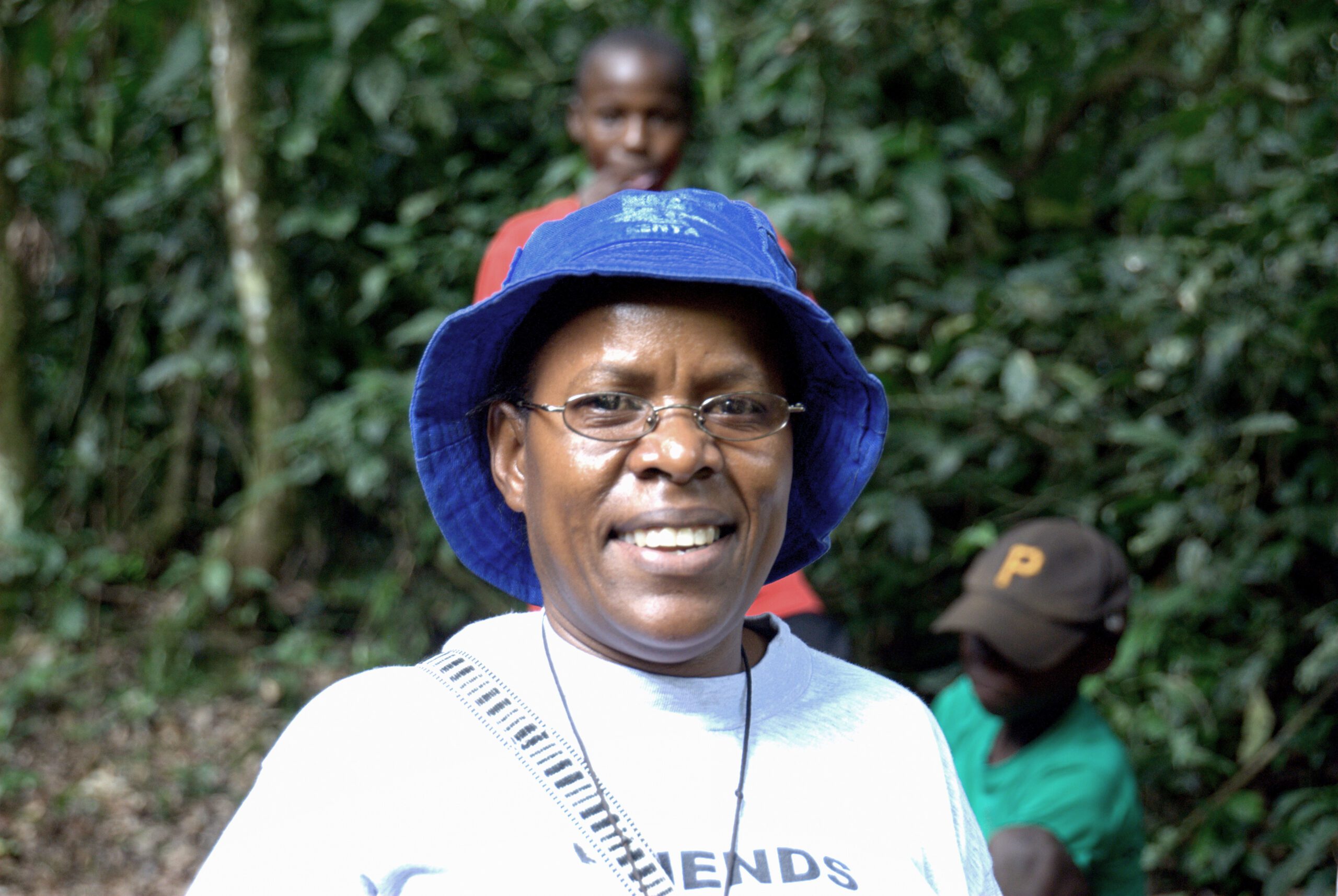

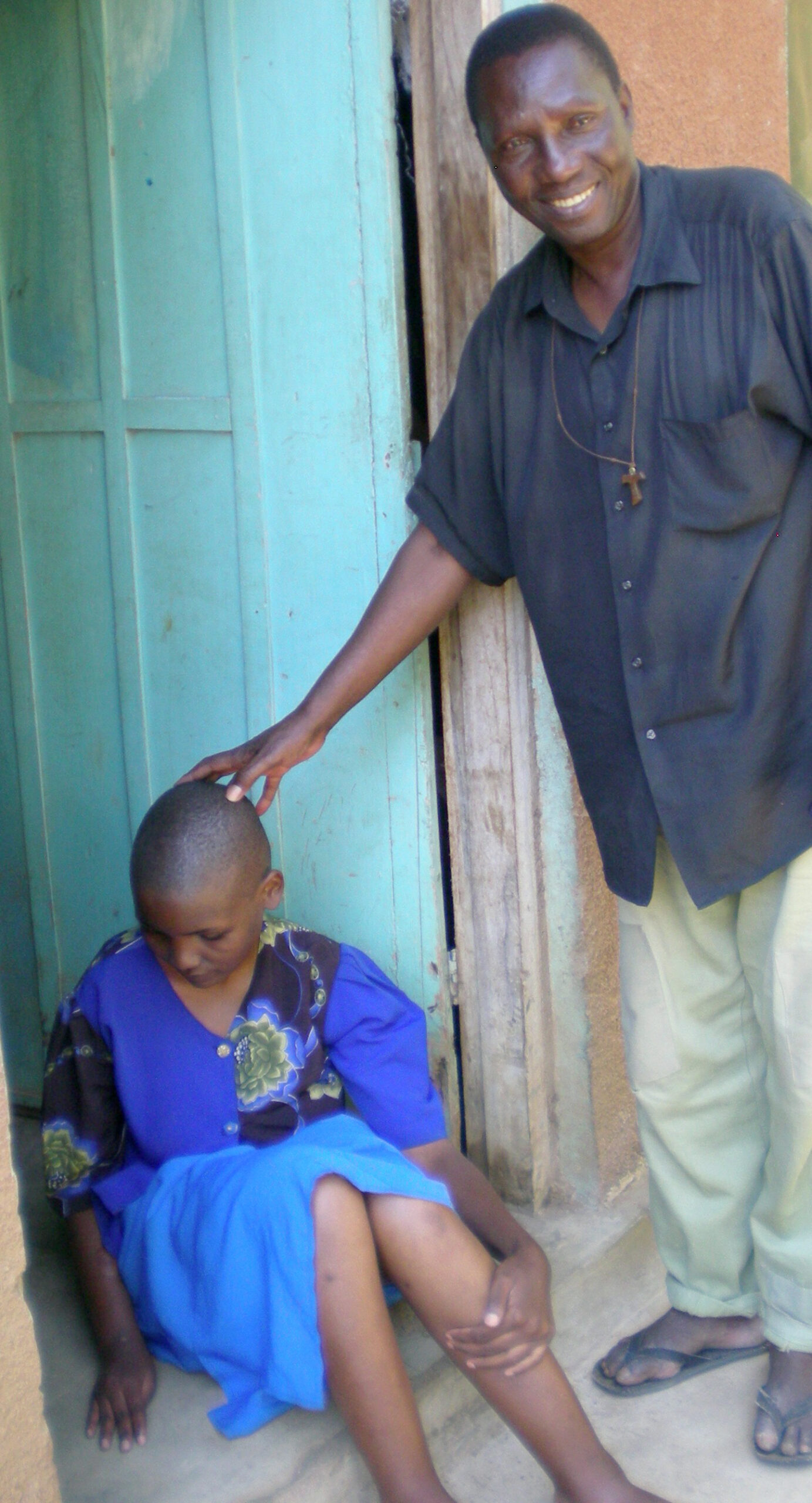
Bernadette is blind. Thirty years ago, when she was a young nurse, she could not get rid of the malaria that downed her and was ravaging her small town on the Tanzanian side of Lake Victoria, Musoma. Thus, she took ever greater doses of quinine which, as a side effect, irreparably damaged her optical nerves. Now, she is grey-haired and sits patiently, with a serene smile on her face, on the step of what was her house, a plain room with walls made of baked bricks and a roof of iron sheets. Around what used to be a vegetable garden, are other rooms and an inner courtyard with a small chapel in one of the corners; there is a kitchen and, farther along, are showers and a bathroom.
Everything is spick and span; one only finds the essentials, constructed in African, or better still, Franciscan style. The only sign of modernity, on the side of the dusty road that crosses the village, is a corn mill operated by a small electric motor; there is a constant influx of customers who come to grind corn for their daily maize gruel. The other open doors reveal people with different disabilities, some of them very grave, as well as a handful of school-age children. On the whole, there are not more than twenty people. The soul of this small community is Fr. Geoffrey Biseko, a Tanzanian diocesan priest who has dedicated his life to the task of giving a “family” to the outcasts.
SERVANTS OF LOVE
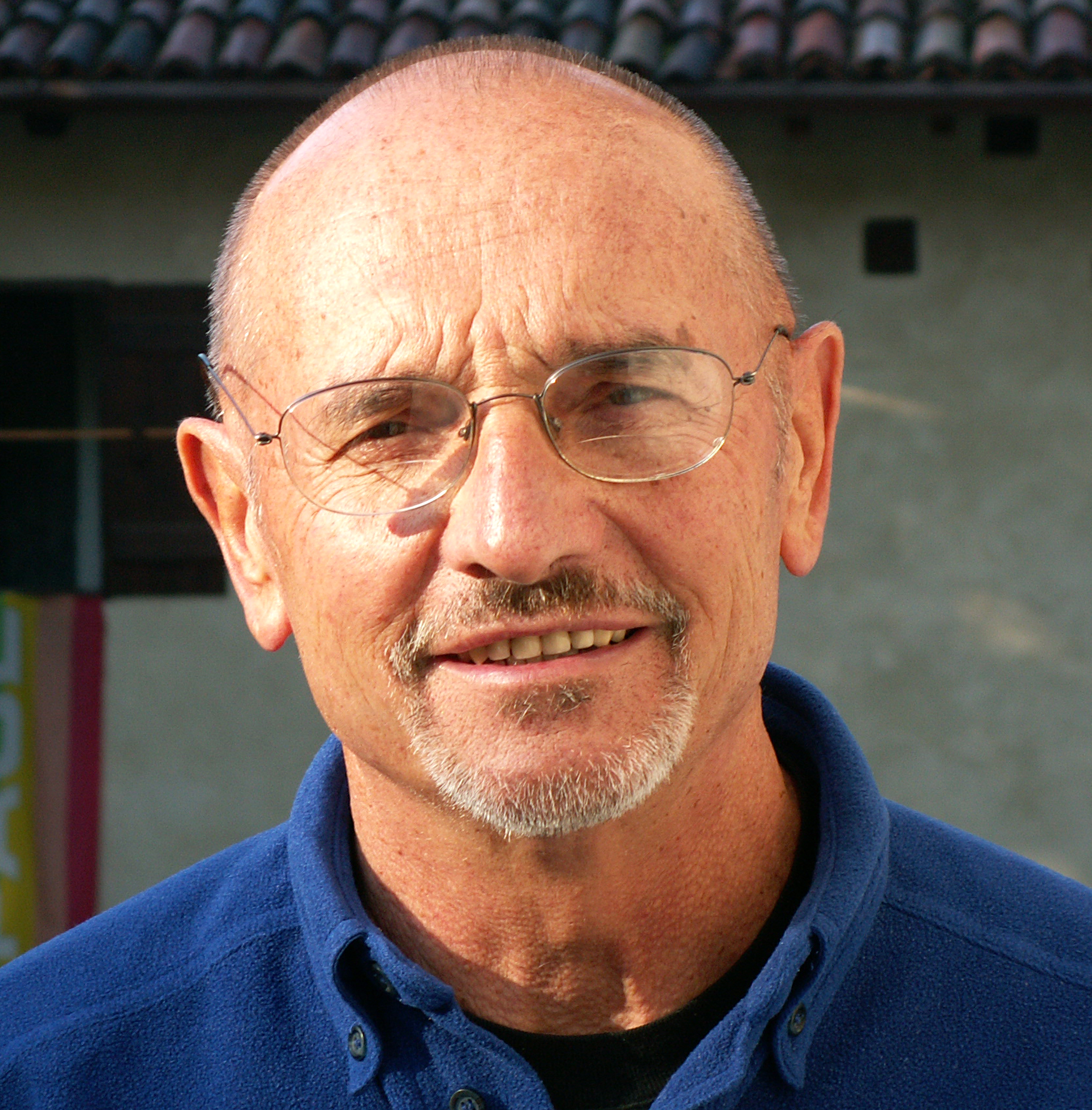
“In January 1988,” narrates Fr. Biseko, “I was a young priest. The bishop had asked me to be his secretary and vocation promoter for our diocese. On Sundays I would celebrate Mass where a missionary or another priest was absent because of illness or overseas vacation. One Saturday I met with a leper who used to beg for a living and I read in his eyes a desperate plea. I was unable to sleep. I felt being called to do something, but I didn’t know what.
“At the morning Mass, I told the faithful that we should allow the words of the Gospel to challenge us since the Gospel had to enter into our life. I was talking to them, but especially to myself. At the end of the Mass, I invited whoever felt inspired to do something for the poorest and most abandoned to a meeting the following Saturday. Twelve people came. It was the first of a series of signs that slowly made me understand that service to the poorest and most abandoned was my vocation. We started by visiting the poor who were living in the streets; then Bernadette put this house and land at our disposal. Others started giving us secondhand clothes and donating a little food.
“In 1994, the bishop freed me from all other commitments and so, now, here I am with four other people to help me. We have added some little rooms according to the donations we received. We have learned to live by sharing our little means with others, especially the gifts that the Christians in our neighborhood share with us. There is nobody who is really rich here in our neighborhood but, all the same, we receive enough to live by.
There are some occasional offerings from abroad, like the amount we used to buy the corn mill. Now, we also have a bigger house, twenty kilometers from here, with about one hundred guests and fifteen women who look after them. There are also some small rooms there without water and electricity. There is a chapel and a common kitchen. The refectory is lighted because of a solar panel. Being together does good both to them and to us. We call ourselves Watumishi wa Upendi or “Servants of Love.”
A NEW FAMILY
Father Biseko makes this “summary” of his twenty years of service in his “office,” a room with two old sofas, covered with dust coming through the door and the cracks between the walls and the iron sheets of the roof. Then, he makes a round of the courtyard, greeting everybody. There are those who are frightfully crippled, others are deaf-mutes (since birth), others have lost their reason because of family misfortunes and they now stare blankly while repeating the same litany of incomprehensible words. Surprisingly, one doesn’t feel overwhelmed by despair, but rather touched by the simplicity and spontaneity of relationships. Truly, here is a new family.
Father Biseko exchanges some words and a handshake with everyone. He has a happy, contagious smile that captivates. In the meantime, he tells of his sadness in seeing how people are losing their traditional values. He wonders how they can just dump, on the street or outside the entrance of their house, those, they consider, have become a burden. “Up to now, we have managed not to refuse anybody even if, in the last years, we have had an average of two or three new persons every month,” he says.
Father has only one regret: his failure with street children. There are only a few of them in Musoma. Despite putting all his efforts in helping them, they would not stay in the house longer than a few weeks. Today, there are only six or seven of them and they occupy themselves by doing some drawings. One is putting colors on what appears to be, notwithstanding the artist’s poor skill, a scene where Saint Francis is talking to the birds. Here, Francis is at home.
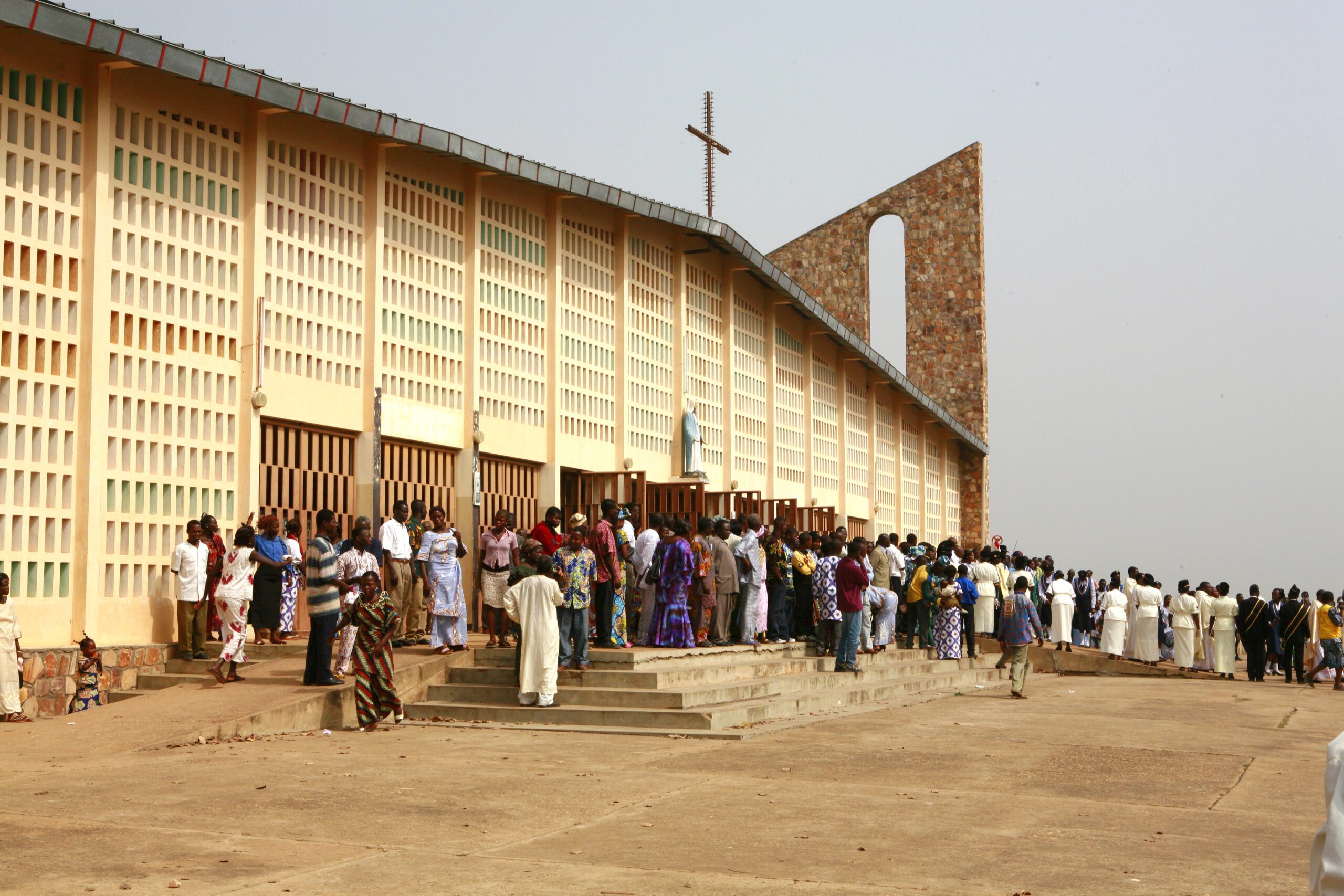
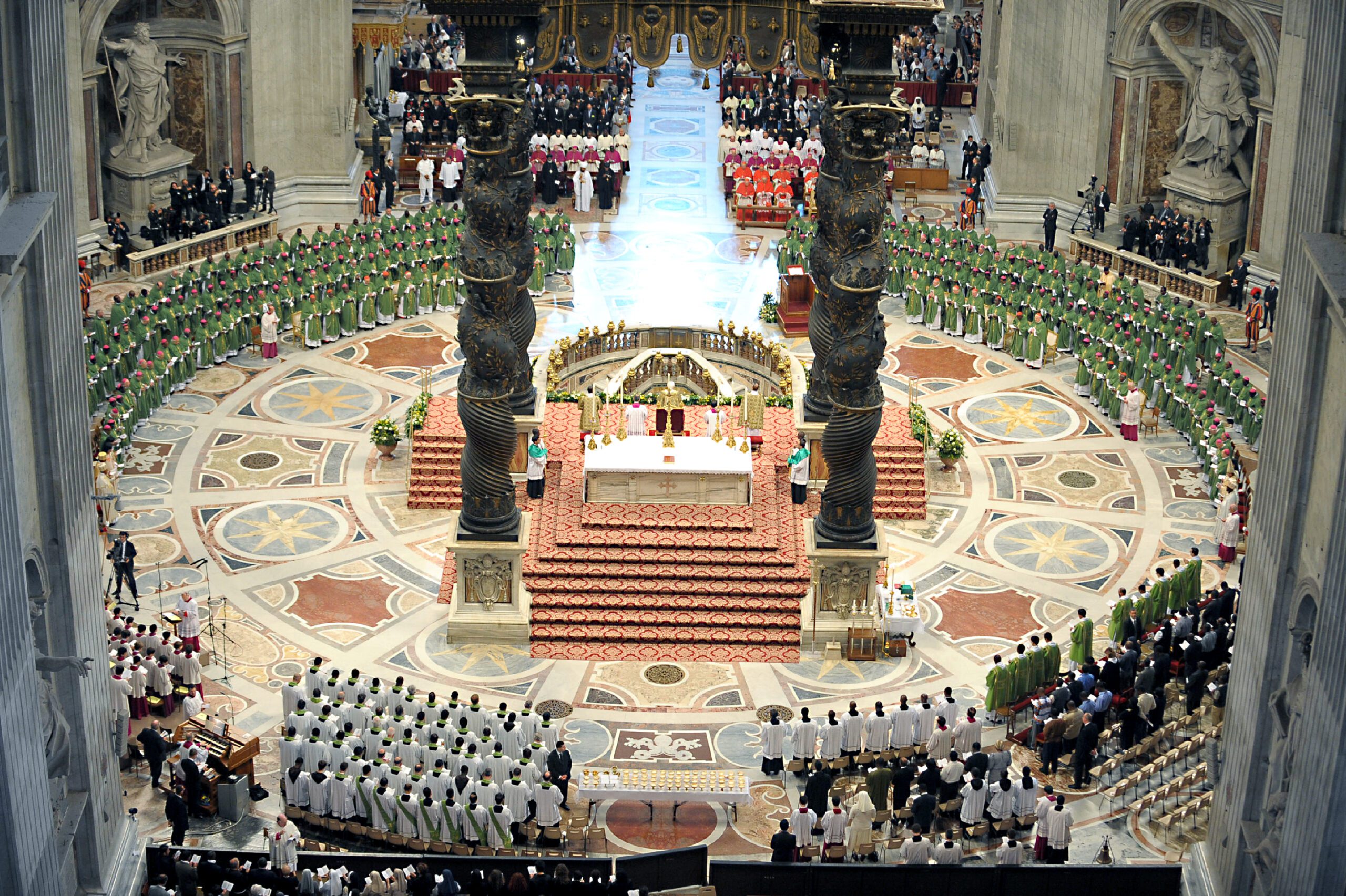
We left the little courtyard with a warm sensation of having met a living and genuine cell of the African Church. A little Church that loves, walks with the poor, works quietly at the grassroots level without making propaganda. How many in the African Church have experiences like those of Father Biseko’s? I know a few of them, but even if there was only one, it would still outshine and overshadow the many other weaknesses. Will they speak of these experiences in the coming African Synod that will take place in Rome this month under the title: “The Church in Africa at the Service of Reconciliation, Justice and Peace”?
We hope they will because justice and peace are not built by great speeches and Church documents, international meetings and the partially successful peace negotiations alone but, rather, by the active love of people like Father Biseko.