
After the sending out of the disciples, Herod kills John the Baptist. He foreshadows the destiny of Jesus and every Jesus’ witness: Martyrdom. Those who speak the truth suffer an “occupational hazard”: being beheaded! It is the only way to silence their voice, but not the word. The beheaded head of the martyr is more eloquent than all voices: it testifies even beyond death that for which the martyr lived. The seed brings fruit if it is placed underground and dies. (Cf. John 12:24).
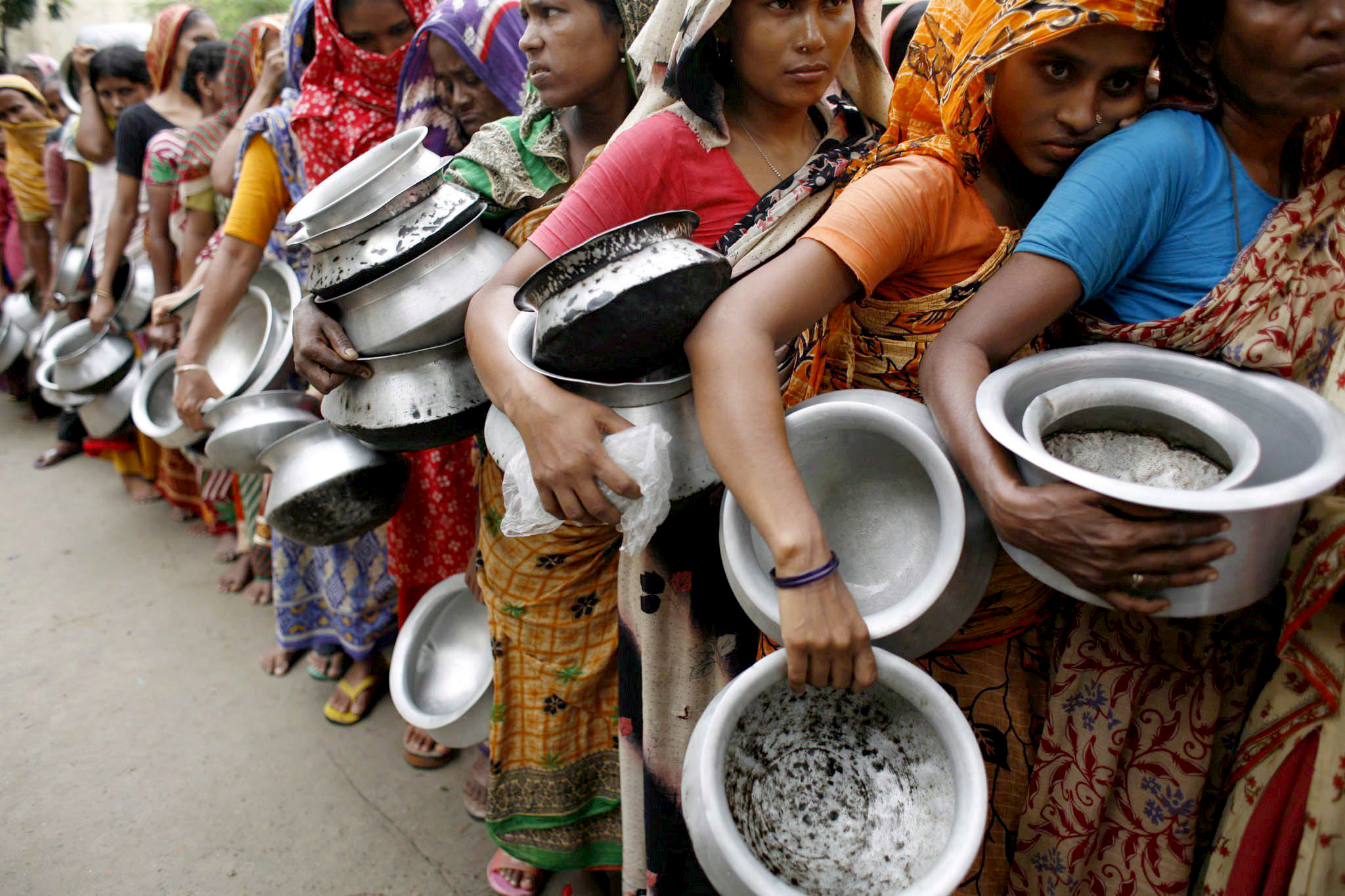
To Herod’s banquet follows in counterpoint that of Jesus and his group. Not in the palace but in the desert; it is not reserved to big people, generals and aggressive customers, but to crowds of hungry people; it doesn’t kill but fulfills the word; it doesn’t have as last dish a cut-off head, but satisfaction for everybody; it isn’t a crazy and macabre death dance but the banquet of Wisdom, overflowing with life for everybody. They are two opposite ways of life. One looks good, nice and desirable, but it is poisoned; the other is much better, more beautiful and desirable: it makes us similar to God (Gen 3:5ff). This banquet is an anticipation of the heavenly one and a pre-figuration of the Eucharist. It shows us the new life of the children who live like brothers and sisters. It is the fruit of mission.
The banquet of life has “compassion” as its beginning: to feel for the other as you do for yourself is the deep root of love. This is manifested first with the word (“He started teaching”) that gives meaning to reality, then with facts. The word, whether good or bad, always becomes bread, concrete life: one feels, thinks and lives according to the word that he has in his heart. At the decisive moment, the disciples want to dismiss the people. The beautiful words have been spoken. Enough! Let each one do as he is able to.
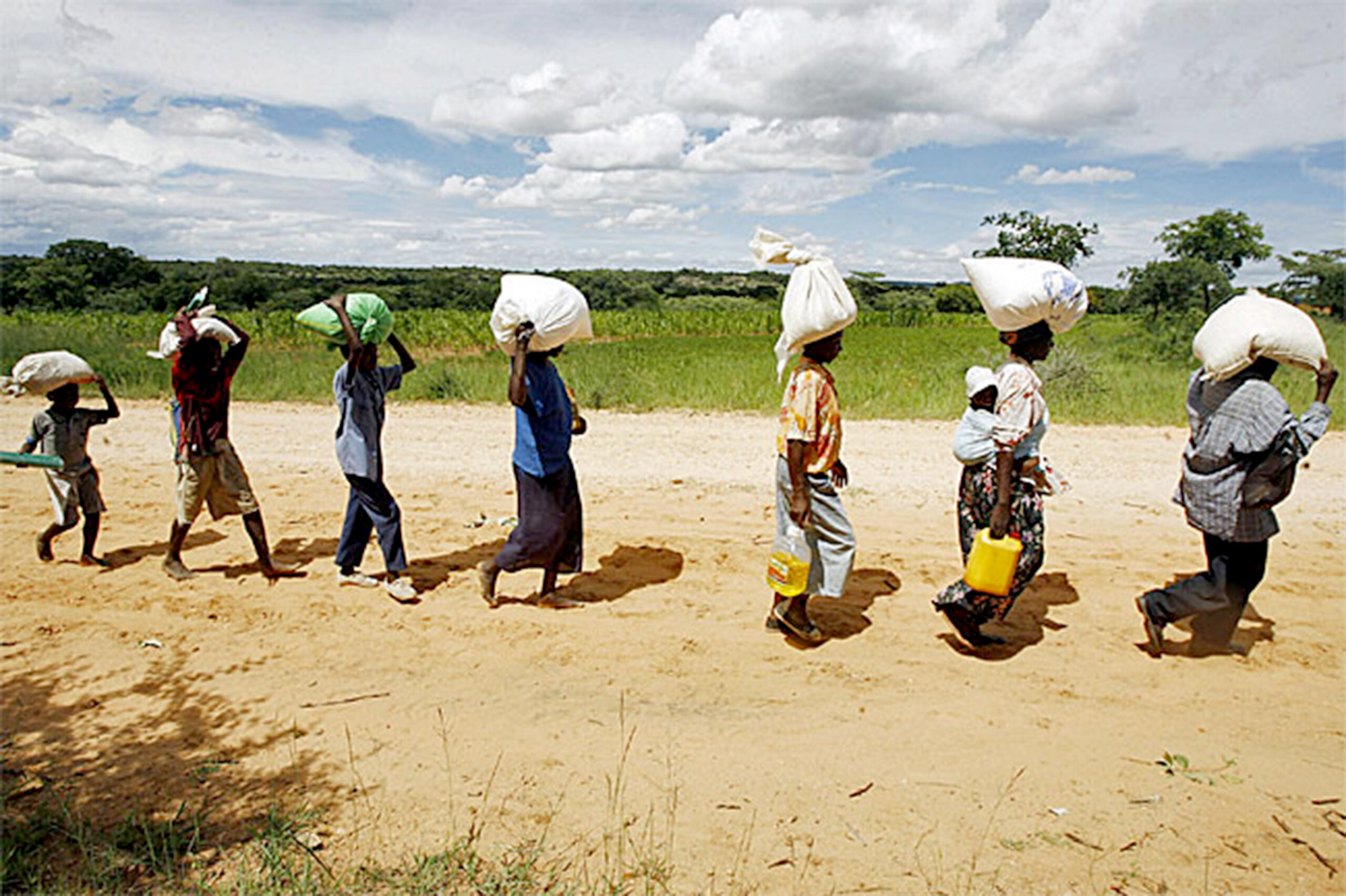
They think that “eating” (=living) is linked to the market logic: to buy/sell in order to possess and hoard, like in Herod’s banquet. But there is another way of “eating,” linked to the gift logic: “Give them some food yourselves!” They don’t know that they have a kind of bread that the more you give of it, the more you have: it multiplies when shared. “How many loaves do you have? Go and see!” If we go to see, we have that little bread that is our life which is never enough! Truly, if we start to share what we have and what we are (this is compassion!), the desert will blossom and the world will again become the garden we always dreamed about. Fraternal life is born: we welcome one another with mutual love the way we are welcomed and loved by the Father. This new way of life is described by the same terms of the Institution of the Eucharist (Cf. Mark 14:22), a synthesis of the Son’s life, the beginning of a new creation. Jesus takes the bread, symbol of life. But one can take it in two ways: like a robbery, screaming: “It is mine!” and snarling to the others like a dog, or as a gift, lifting the eyes to the Father and sharing with the brethren.
Everything, both God Himself and myself, as well as other people and things both small and big, all I can take with a tight fist or an open hand, like a possession or a gift. The first mode of taking locks me in loneliness: it divides me from the others as brothers and sisters, from God as my Father and from myself as His son/daughter. It is death for me, for the others and for creation. As well as of the Creator who is not accepted! The second mode makes every reality come alive for me as a sign of His infinite love: it is acceptance of the Creator and salvation for creation. I become son/daughter who receives everything from the Father who gives everything; and like Him, I know at last how to break, give and offer. The way I am loved, given and forgiven of everything, I know how to love in everything, to give and forgive like God Himself.
This a is blessing and eternal life. Otherwise, life is a curse and death. This is the bread that satisfies everybody. And the leftovers can fill twelve baskets, like the twelve tribes of Israel and the twelve months: it means that, of this bread, there is enough for all and for ever. A different bread is never enough and doesn’t satisfy anybody: it is flavored with death and not with life, with egoism and not with love. ©Popoli – www.popoli.info