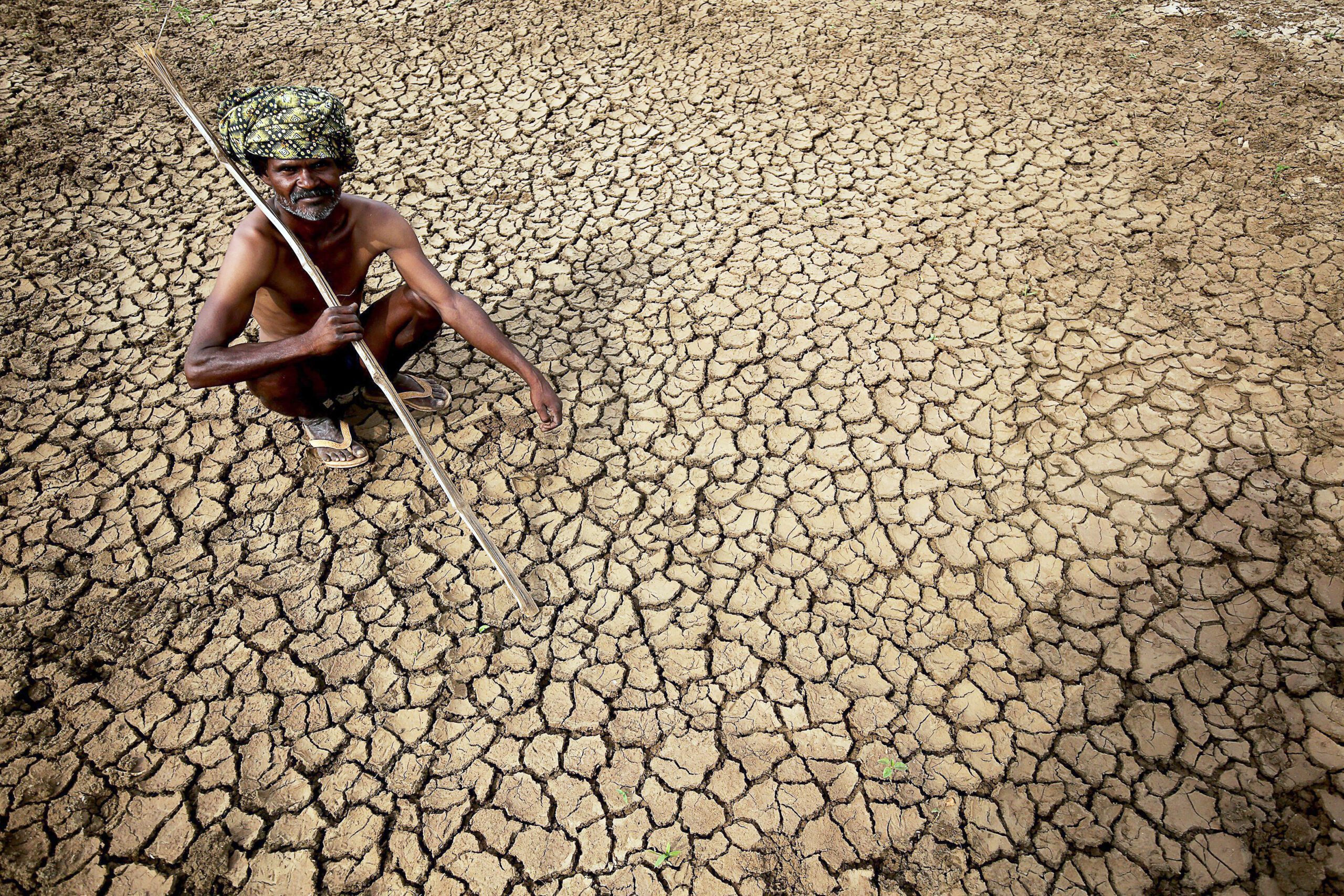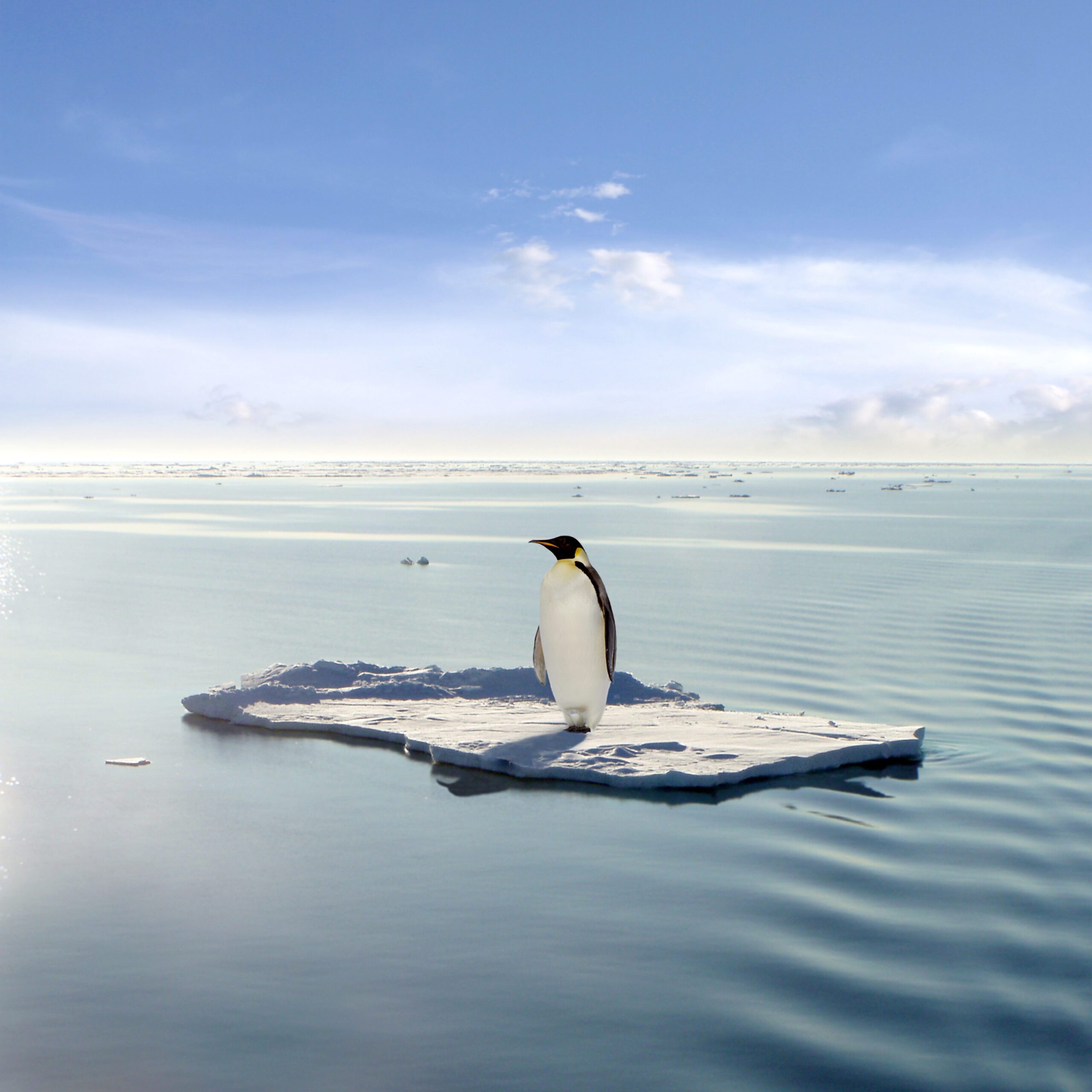
Some doubt that climate change is actually happening. Others do not but find it too complicated to understand. To demonstrate the need to act urgently, perhaps it is best to explain climate change plainly. Here’s one way:
“The moon has no atmosphere so it is scorching hot (+100C) during the day and bitterly cold (-150C) at night. The Earth has an atmosphere made up of oxygen, nitrogen, carbon dioxide (CO2) and other gases. Over 150 years ago, scientists proved that CO2 traps heat from the sun. We also know, without any doubt, that burning fossil fuels like oil, gas, and coal emit CO2.
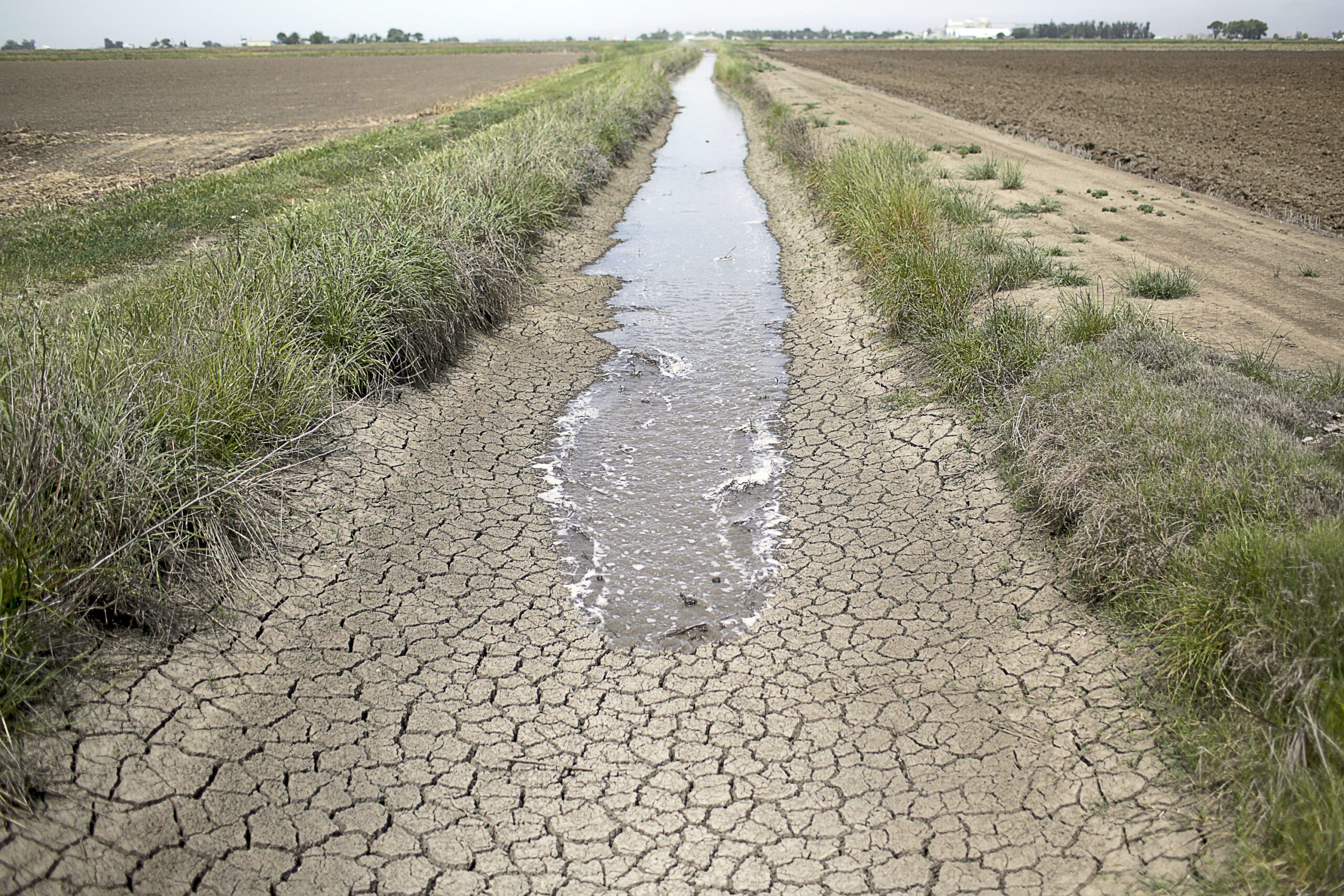
Measurements, not computer models or theories, show that there is now 42% more CO2 in the atmosphere than 150 years ago before the massive use of fossil fuels. That extra CO2 is like putting another blanket on at night even though you are already nice and warm. The Earth is now 0.85C hotter on average according to the latest measurements. Heat is a form of energy and, with so much more energy in our atmosphere, our weather system is becoming supercharged resulting in stronger storms, worse heat waves, major changes in when and where rain falls, and more.”
One additional thing to know is that CO2 is forever. Every little CO2 molecule we add to the atmosphere traps the sun’s heat for hundreds and thousands of years.
CARBON BUDGET
In 2009, I did a phone interview in a house in Anchorage, Alaska with Malte Meinshausen, a climate scientist in Germany. It was Spring and unreasonably warm for Alaska as Meinshausen patiently explained a new concept: our climate has a ‘carbon budget.’ We now know how much CO2 can be added to the atmosphere before the entire planet becomes 2C hotter.
No scientist I’ve talked to thinks 2C is the safe limit of climate change even though that is the target for international climate treaty negotiations. This human-caused heating of the planet will be quite uneven. Alaska and many other northern regions are already heating up faster and will likely be 6 to 8C hotter if the Earth’s average temperature is 2C warmer. That will melt most of the ice in the Arctic and Greenland and thaw the huge permafrost zone of the northern hemisphere releasing enormous amounts of CO2 and methane, another gas that will speed the heating of the planet.
Global carbon emissions have been rising year after year but must peak and decline before 2020 to have a decent chance of staying below 2C at a reasonable cost, various studies have shown. Many countries in the global south, including the small island states and African countries, want the global target to be less than 1.5C to reduce the potentially devastating impacts on their regions.
U.N. CLIMATE TALKS
Although the First World Climate Conference was held 30 years ago, 2009 was the year the public and political leaders finally discovered the danger posed by climate change. I travelled to Copenhagen to report on a huge U.N. climate change meeting involving the heads of government from 195 nations, including the U.S., China, Russia, India, and Brazil. This historic meeting of world leaders was to “seal the deal” and sign a new binding treaty to reduce CO2 emissions. These U.N. climate talks are known as the Conference of the Parties (COP) to the U.N. Framework Convention on Climate Change (UNFCCC). COP15 in Copenhagen was the 16th year the world’s nations had met to reduce CO2 emissions. While emissions had continued to increase 2-3% year by year, many thought Copenhagen would be the turning point.
The Conference revolved around negotiation, with lots of government lawyers and negotiators arguing over words and phrases. Wealthy countries and major economies, like China, India and Brazil, seem entirely focused on protecting the short-term interests of their national economies. The few civil society organizations allowed in can only speak at special sessions for just two or three minutes each.
One evening, a leading scientist who’d been advising U.S. President Obama’s delegation had been told his scientific advice was politically unrealistic. The laws of physics don’t negotiate or compromise he tried to tell them.
The main issue in Copenhagen was determining each country’s fair share of CO2 emission reductions cuts and by when. If a flag could be attached to every CO2 molecule humanity has put into the atmosphere over the last 150 years, about 70 percent would be the flags of wealthy countries: the U.S., United Kingdom, Germany and so on.
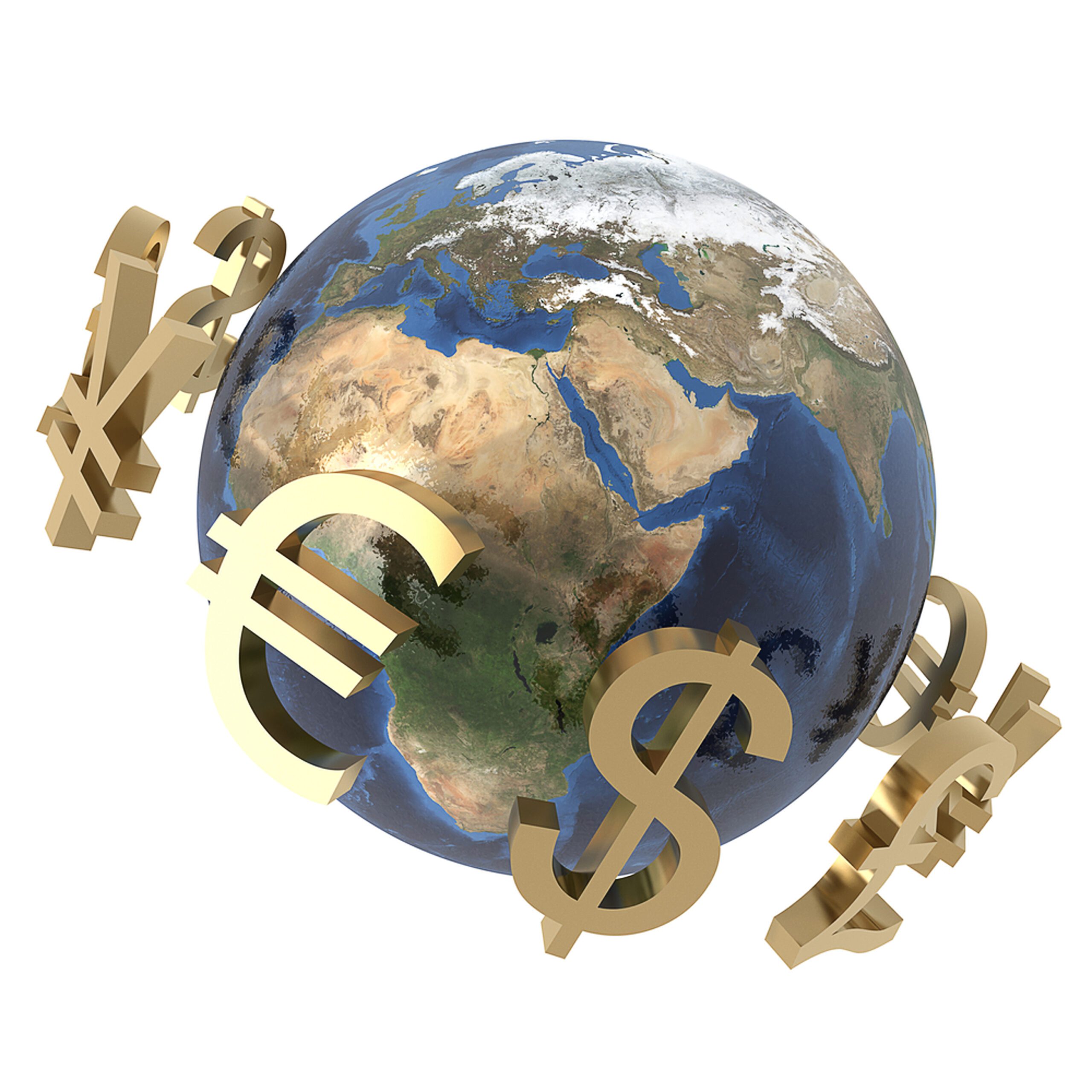
In the end, a climate treaty is really all about money. Reducing emissions will cost money and may hurt economies although this turns out not to be true so far. And rich countries will need to help out poor countries like Bangladesh and the Philippines that are not responsible for climate change but will be severely impacted.
“That inequity can’t be ignored,” Bernarditas de Castro-Muller, a Filipino COP15 negotiator, told me during the meeting.
“We, in the Philippines, are scrounging up to find rice to feed our people after a series of devastating cyclones this year,” Castro-Muller said.
In the final hours of the meeting, US President Obama announced that India, South Africa, China and Brazil had agreed to a back room deal called the “Copenhagen Accord.” Many countries were upset by the undemocratic process, and the fact that developed nations’ emissions cuts, to be made by 2020, were voluntary and not nearly large enough.
In the end, nearly all countries agreed to the “Copenhagen Accord” largely because the rich countries offered a lot of money to developing countries. They said in effect: “We’ll give you billions of dollars every year to cope with the impacts of climate change in exchange for our making smaller CO2 cuts instead of the big cuts that we should do.”
The “Accord” was not the climate treaty many were hoping for — it wasn’t even a treaty. Given the political situation in the U.S. in 2009, the U.S. Senate and Congress would have refused to ratify any climate treaty. The “Accord” represents a “major concession to climate polluting industries, especially in the fossil fuel sector,” said Greenpeace’s International executive director, Kumi Naidoo.
“Averting climate chaos has just gotten a whole lot harder,” said Naidoo at the final COP15 press conference.
And this hard work was pushed on to the many climate meetings following Copenhagen in 2009 until the Paris COP21 in 2015.
TECHNOLOGY AND THE ABILITY TO REDUCE CO2 EMISSIONS
Governments give the fossil fuel industry subsidies amounting to $285 dollars a year for every child, woman and man. That’s about $2 trillion a year according to the International Monetary Fund (IMF). Burning fossil fuels are crucial sources of energy for electricity production, transportation, heating, and cooking. Because they are so important, and economic development has long been directly linked to energy, governments subsidize both the costs of energy production and their use.
The global energy system is also the source of 80% of all CO2 emissions.
Oil, gas and coal are not the only energy sources. Electricity is generated by hydroelectric dams and nuclear power. Increasingly, electricity is generated by renewable sources like solar and wind that do not emit CO2. In 2014, the world added enough solar and wind generating capacity to equal the energy produced by all existing 158 nuclear power plant reactors in the U.S.A. In total, about 9% of the world’s electricity came from solar, wind, biomass, geothermal and others.
The U.N. Sustainable Energy for All (SE4ALL) initiative was launched in 2009 to bring electricity to the 1.6 billion who don’t have it by using green, decentralized energy sources like solar, wind, etc. More than 50 developing countries are working on national plans to achieve SE4ALL’s three goals of universal access, increasing renewable energy, and doubling the rate of improvement in energy efficiency.
Costs for the SE4All plan are relatively modest at between 30 and 40 billion dollars a year – far less than the annual fossil fuel subsidies. Moreover, those costs would be recovered over time through savings in health costs and elimination of fuel costs by not having to buy any coal, oil or gas.
Energy experts say 100% of the world’s energy needs could be met using green energy sources. Iceland has 81 percent renewable energy. Costa Rica generated 100% of its electricity without fossil fuels for 75 days in a row in 2015. Scotland has a mandate to achieve 100% renewable power supply by 2020. Denmark passed laws requiring that the whole energy supply – electricity, heating/cooling, and transportation – be met by renewable resources. In Germany, over 80 towns and regions have already done that.
LACK OF POLITICAL WILL TO ACT IN TIME
The Copenhagen COP15 meeting did not put the world onto a path to 2C. It did establish two agreed pillars of a future climate deal. First, every country has to reduce their emissions, some more than others. Second, poor countries would need significant financial support ramping up to $100 billion a year by 2020.
What was lost in Copenhagen was trust because of the back room deal.
“In Copenhagen, the open, transparent and democratic process that had been key to earlier negotiations vanished,” said Sivan Kartha, a climate scientist at the Stockholm Environment Institute, an independent international policy research institute.
“What works for China and the U.S., for example, may be very bad for those countries most impacted by climate change,” Kartha told me at the next meeting, COP16 in Cancun Mexico in December of 2010.
“The urgency we face should not justify a bad deal for some,” he said.
The exclusion of the interests of small countries and civil society in Copenhagen prompted 35,000 members of the public and global civil society to meet in Bolivia earlier in 2010 for a parallel ‘people’s summit.’ They signed the “Cochabamba People’s Accord” calling for recognition of a Universal Declaration of the Rights of Mother Earth and the creation of an International Climate and Environmental Justice Tribunal.
By 2014, five years after Copenhagen, the prospect of staying below 2C was bleak. CO2 emissions continued to increase and wealthy nations, like Canada, Australia and Japan, backed away from their “Copenhagen Accord” reduction targets. Canada’s emissions had increased since 2009 and with continued expansion of its highly-polluting oil sands – the world’s largest industrial project – they would increase 38% by 2030.
Remember the science is clear: if global emissions peak after 2020, it will require emergency-level reductions at far higher high costs to have any hope of staying below 2C.
With little time left, U.N. Secretary General Ban Ki-moon held a special summit with 125 heads of state on September 24, 2014 in New York City to push for greater emission reductions before 2020. Despite the largest climate march in history with 400,000 people in New York and many tens of thousands marching in other cities around the world, the special summit failed.
“Only a global social movement will force nations to act,” said Hans Joachim Schellnhuber, a climate scientist and former advisor to the German government who attended the Summit and the New York City march.
A few months later at COP20 in Lima, no progress was made on pre-2020 emission cuts. However, countries, including the U.S. and China, were willing to commit to additional reductions between 2020 and 2030. The fact that the U.S. and China – responsible for about half of annual global emissions – worked together to mutually agree on reduction targets was a significant development. However, their new cuts aren’t large enough.
A GLOBAL SOCIAL MOVEMENT
The new climate agreement to be signed in Paris in 2015 will likely have a new set of emission reduction targets for the post-2020 period. This year, all countries are submitting their targets and plans to achieve them to the U.N.. Those will be assessed to see how much deeper the post-2020 cuts will need to be negotiated in Paris. Even the European Union’s promise to reduce emissions by 40% by 2030 – far more than the U.S. – is not deep enough unless global emissions peak before 2020. Negotiations around this will be very difficult and unlikely to produce the needed results.
Even less certain are new pre-2020 reductions. This issue has been deadlocked since Copenhagen. Rich countries want new major economies, like China, Brazil, and India, to promise to reduce their emissions before 2020 before they’ll commit to bigger cuts. Meanwhile, the new major economies and developing countries want to see more of the billions of dollars rich countries promised in Copenhagen to help countries adapt to climate impacts and reduce their own emissions. So far about $30 billion has been transferred from north to south since 2010.
The Green Climate Fund is a new mechanism to receive and dole out this cash but it was practically empty in 2014. One of the breakthroughs in Lima last year was a commitment by rich countries to put the bare minimum, $10 billion, into the fund for 2015. It has been an annual struggle to get the money that’s supposed to become at least $100 billion annually by 2020. It is even harder to determine if this is new and additional money – not re-directed foreign assistance – as promised.
In Paris, finance will be a major issue. It is hard to see developing countries signing a new climate agreement without clear commitments and details about how the Fund will be replenished and reach $100 billion a year.
That said, momentum is building towards a new climate agreement. It is unlikely to be a treaty because that would require ratification which would not happen in some countries such as the U.S. And the major economies of the world won’t agree to a legally-binding treaty no matter how important it is for the global south to get some guarantee that powerful countries will act on their promises.
The odds favor a Paris climate agreement because no one wants a repeat of Copenhagen and France, the host country, will do everything to make it happen.
Far more important than any agreement is for countries to actually cut their emissions. Those who don’t should be censured. For example, refusing to trade with countries like Canada or imposing a carbon tariff. An international agreement is not needed to do that.
Finally, only public pressure can make climate action an urgent, must-do-now issue for governments. Only people care about the welfare of their grandchildren and future generations. Sink or swim, we’re all in this together.