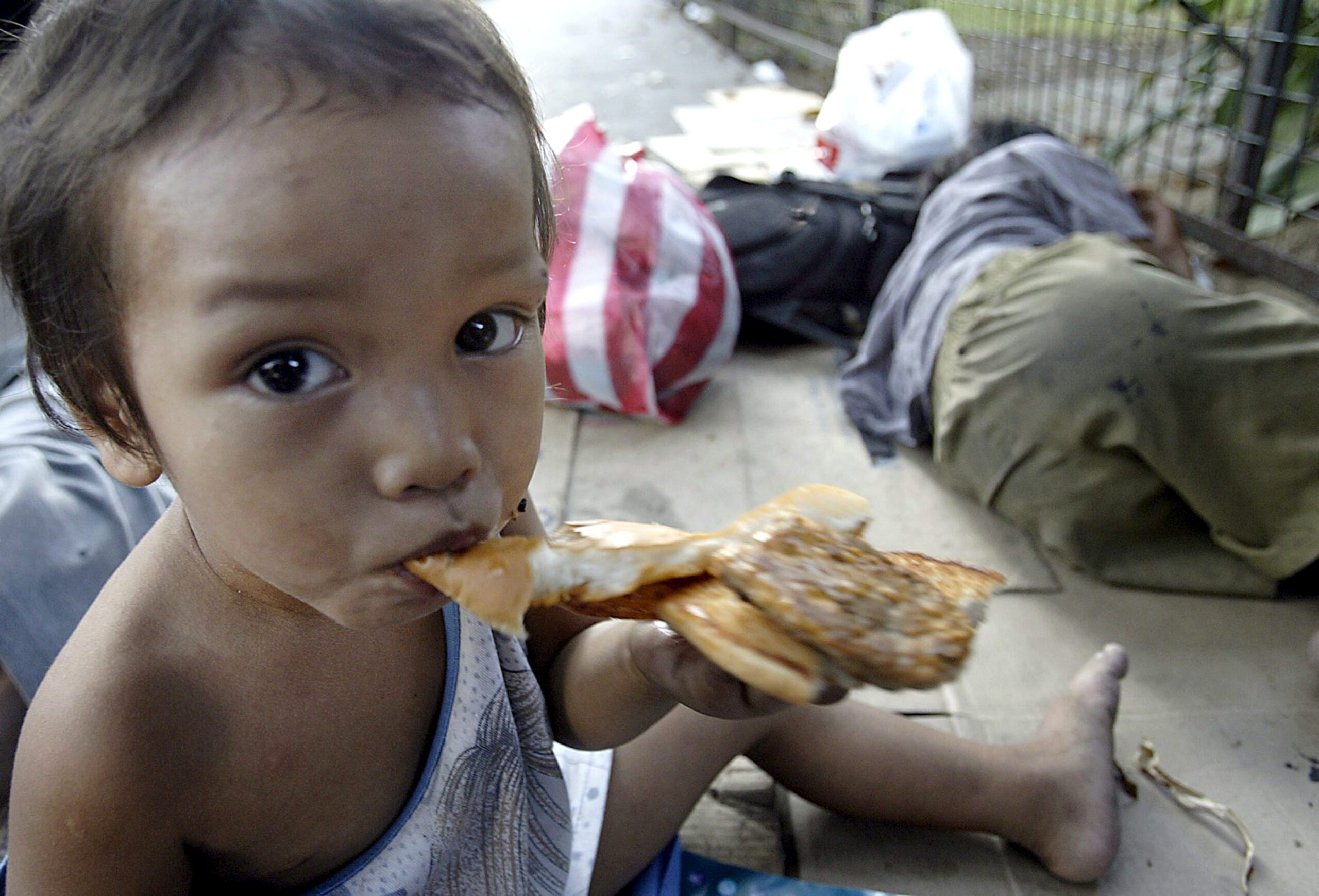

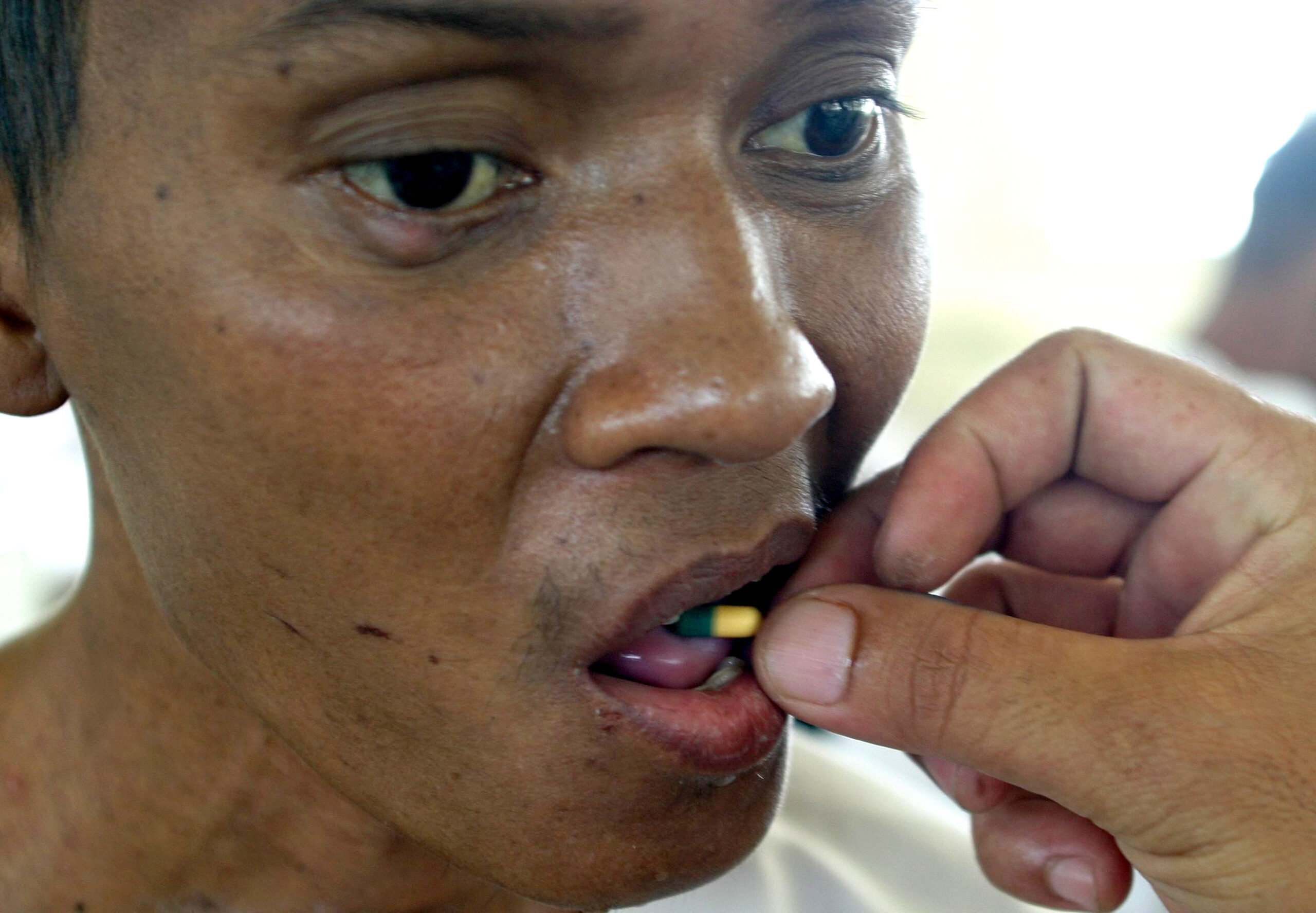
There are 1.7 billion people in the world, the majority of whom are in developing countries, who do not have regular access to essential medicines. In the poorest regions of Africa and Asia, more than half of the population cannot get indispensable medicines. The majority of the common illnesses in those areas are preventable and curable but the lack of medicines contributes, to a large extent, to unnecessary deaths of millions of children and adults.
This reality could be remedied with the development of new and efficacious medicines for common ailments in developing countries, better management of adequate stocks of medicines, improved distribution procedures, and affordable pricing. According to Paula Munderi of the Medical Research Council Program of the Uganda Virus Research Center, “the problem of impaired drug access can be solved, and the world has the needed resources to solve it.”
In the report “Prescription for Healthy Development,” a doctor of the World Health Organization (WHO) and coordinator of the Working Group on Access to Essential Medicines advocates the creation of flexible prices for basic medicines so that they will be accessible to everyone. She also recommends that, in developing countries, vital medicines should be made available at manufacturing cost − without gain and without loss. This is possible through the price differentiation system wherein developed countries assume the majority of expenses and risks of investment in research and development of new medicines, while poor countries pay only for the production costs of the medicines they use. According to Patricia M. Danzon, Professor of Health Care Systems at Whortan, University of Pennsylvania, and consultant in matters of pharmaceutical pricing and regulations, “a price differentiation, from the economic point of view, can be the magic tool that will help put political issues on the right track. She warns, however, of the importance of assuring pharmaceutical firms that there will be no return of low-cost products to the markets developed through parallel importation.
MEDICINES FOR THE RICH
The Drugs for Neglected Diseases Initiative (DNDI) is asking governments to assume greater leadership in research and development of appropriate medicines for diseases in developing countries. According to the British medical magazine, The Lancet, only 1.3% (21 out of a total of 1,556) of new medicines developed in the last 30 years are intended for the treatment of tropical diseases which represent 12% of global ailments killing 35,000 people per day in the world. Big pharmaceutical companies are concentrated in developed countries which are also their biggest market.
The major producers of medicines are: the USA (50%), Europe (24%) and Japan (13%). The whole of Latin America is responsible for only 5% of the produced medicines. The pharmaceutical market has 90% of its total sales in developed countries. It is apparent that medicines will hardly be manufactured for developing countries unless they have an initial market in rich countries. Dengue fever, for example, does not affect developed countries, therefore, no real effort to obtain a medicine or vaccine to fight this sickness has been made. There is no pediatric medication sufficient to treat hundreds of thousands of African children with AIDS, simply because there are no children with AIDS in rich countries.
To belong to the World Trade Organization, developing countries were obliged to be signatories of the TRIPS agreement, one on intellectual property rights. This agreement binds countries to respect, for a minimum period of 20 years, both the trademarks of pharmaceutical products, as well as the rights of concerned companies to produce them exclusively. Trademarks prevent national production at more affordable prices and competition with generic medicines.
RIGHT TO HEALTH AND LIFE
These rigid trademark systems should be replaced by government-purchased medicines. The standard practice of pharmaceutical firms to market less appropriate medicines to countries of Africa, Asia and Latin America, reserving new and perfected medicines to countries that can pay more, is considered unacceptable. WHO warns that 74% of medicines for AIDS, particularly the expensive ones, are still under the exclusive control of the pharmaceutical industry. With current prices, access to new drugs will financially drain the treatment programs of poor countries.
In 2000, generic medicines were introduced to provide a more affordable alternative. However, the price of most recent and efficacious drugs continues to be high due to barriers imposed on the production of generics, as what happens in India. “In spite of important changes, the situation of sick people has not changed and the future is disheartening. Today, we need new diagnosis and new medicines.
But, up to now, there is no international commitment that responds to this health crisis and if concrete means are not adopted soon, this terrible situation will become worse,” warns Rowan Gilles, International President of Doctors without Borders.
The pharmaceutical industry is accused of getting benefits from a public investigation and of spending twice as much money in marketing rather than in researching for new medicines. The multinationals of the sector justify their high investment in research. However, much of the research done caters to the markets of rich countries, with less than 10% of their investments for medical investigations directed to epidemics that affect 90% of the world population. Only 1% of new medicines out in the market are intended to treat epidemics in developing countries.
Poverty can be a factor in contracting and in the spread of diseases. Frequently, diseases keep people in poverty. To invest in health is an efficient way to reduce destitution. Moreover, better public health means less infant mortality and greater life expectancy. Access to essential medicines is considered a fundamental right of all human beings since, at the end, what is at stake is the right to life.
EPIDEMICS OF FALSIFICATIONS
The World Health Organization has named the proliferation of falsified medicines coming from all continents, and is taking place in African and Asian markets since the 1980s, “silent epidemics.” These markets represent more than 10% of the world market. In developing countries, where fake medicines represent from 25 to 60% of the market, commercialization is normally done ignoring the therapeutic indications of the products and their potential harmful consequences. This situation has already caused millions of intoxications.
Eight thousand Nigerian children were immunized against meningitis, only to be later discovered that the vaccines were fake. The same thing happened in India; this time the vaccine was against poliomyelitis. In Bangladesh, a cough syrup caused the death of hundreds of children. Fake medicines may have active substances, use ingredients different from those mentioned, may have insufficient dosages and may even contain toxic components. Their packaging is replicated, too. Various health risks include ineffectivity of vaccinations or treatments, growing resistance of bacteria to antibiotics, possible intoxications, and the lack of trust in genuine medicines.
Recent findings of the European Commission show that counterfeiting of medicines ranks fourth, after that of fake alcoholic drinks, cigarettes and luxury items. The checking system of legal laboratories does not even have the capability to detect the bad effects of medicines they produce. The high cost of medicines makes them so attractive to organized crime groups that even existing sanctions are not enough deterrent to their lucrative activity.
The increasing sale of medicines through the internet is part of the problem. With such a wide range of choices, it is essential that those who want to buy medicines have enough information before making a decision. The actual control systems do not work because health professionals and other concerned authorities (police and custom officers) are not adequately equipped to detect fake medicines. They need to be further educated along this line.
Among the 12 primary anti-malaria medicines, eight were found to be counterfeit. A case in point is the Halfan syrup for children, manufactured by GlaxoSmithKline − a fundamental anti-malaria medicine in Africa, where the parasite coming from the female Anopheles mosquito kills a million people each year, 90% of whom are children. In Kumasi, the second biggest city of Ghana, packages of the syrup, 40% diluted, which means it was good for nothing, were discovered.
The fraud was denounced by the scientist, Emmanuel Agyarko, but he only faced resistance from the multinational medicine company that kept mum about this fact. The pharmaceutical industry believes that to make cases like this public, especially in richer countries, will frighten consumers and gravely affect the sale of medicines.
CHEAPER DEATH
The Pharmaceutical Security Institute (PSI), a non-profit organization, whose objective is to control medicines and protect public health, has kept many of its cases of counterfeit medicines from the public because they involve secret information relating to pharmaceutical trademarks. The silence of multinational pharmaceutical companies about untrustworthy medicines favors the increase of crime organizations that control the worldwide trafficking of false medicines which particularly affects the sick in developing countries. In Africa and South Asia, many families spend a great part of their income buying medicines to save their sick. They even try the black market, where medicines are sold at a lower price. But, sadly, low-priced medicines can result to loss of dear lives.
The business of falsified medicines works in the same way as unlawful medicines. The producers sell the products to dealers who, in turn, resell these. The lower the production cost, the higher the income. Expired medicines get a new package, stamped with new expiration dates, and are sent back to the market. The greater part of falsified medicines is produced in China, Southeast Asia, India, Russia and Middle East. Health workers are often induced to corruption or threatened so that falsified medicines can enter the legal market. As this problem is alarmingly increasing, the WHO organized, in February 2006 in Rome, the first international conference that had delegates from governments, customs, pharmaceutical companies, lawyers’ associations, patients, doctors, nurses and medicine manufacturers. A group of specialists was formed − the International Medical Products Anti-Counterfeiting Taskforce (IMPACT) − to find efficient ways to detect falsifications. The control group acts at the legislative, judicial and technological levels, and is expected to formulate strategies of action when cases of counterfeiting are detected.
Peoples of developing countries, already burdened by their lack of food, potable water, and sanitary conditions, among others, need not suffer more from diseases that could be avoided. All must have access to essential vaccines and medicines as it has been proven that diseases and their debilitating effects are factors for perpetuation of poverty. On the other hand, pharmaceutical investigation needs capital to continue looking for new and more efficient medicines, both for diseases already known, as well as for those that may appear in the future. Virtue, as always, lies in the middle. To end deaths caused by counterfeit medicines and exaggerated income policies which govern commercial practices of many multinationals, it is necessary to begin with a frank and responsible dialogue with the international community to address the above-mentioned concerns.