
Not only do most forms of biofuel production do little to reduce greenhouse gas emissions, growing biofuel crops uses up precious water resources, increasing the size and extent of dead zones in the oceans, boosting use of toxic pesticides and deforestation in tropical countries, studies say.
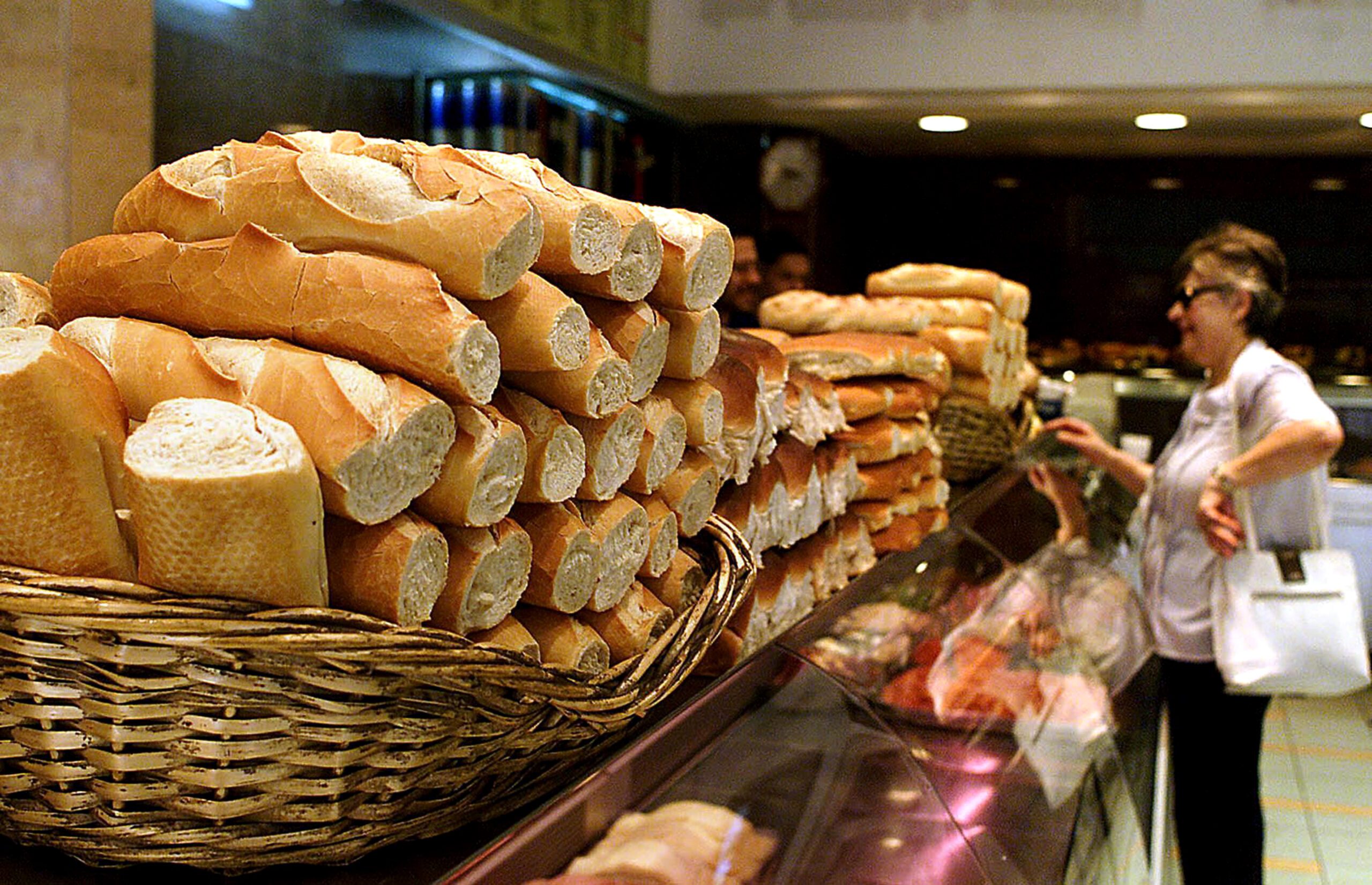
And biofuel, powered by billions of dollars in government subsidies, will drive food prices 20-40% higher between now and 2020, predicts the Washington-based International Food Policy Research Institute.
“Fuel made from food is a dumb idea, to put it succinctly,” says Ronald Steenblik, research director at the International Institute for Sustainable Development’s Global Subsidies Initiative (GSI) in Geneva, Switzerland. Biofuel production in the U.S. and Europe is just another way of subsidizing big agribusiness corporations, Steenblik added. “It’s also a distraction from dealing with the real problem of reducing greenhouse gas emissions.”
AT WHAT COST?
Making fuel out of corn, soy, oilseeds and sugar crops is also incredibly expensive, Steenblik and his co-authors document in two new reports on the U.S. and the European Union that are part of a series entitled “Biofuels at What Cost? Government Support for Ethanol and Biodiesel.”
Their analysis shows that, by 2006, government support for biofuels had reached 11 billion dollars a year for Organization of Economic Development and Cooperation (OECD) countries. More than 90% of those subsidies came from the European Union and the U.S. These subsidies were predicted to climb to 13-15 by the end of 2007, the report estimates.
“More subsidies are coming as the biofuel industry expands,” says Steenblik. In fact, countries will have to spend more than 100 billion dollars a year to get biofuel production levels high enough to supply 25 or 30% of transport fuel demands. And those levels of annual subsidies will have to continue because the industry is dependent on them, he says.
WORSE THAN OIL
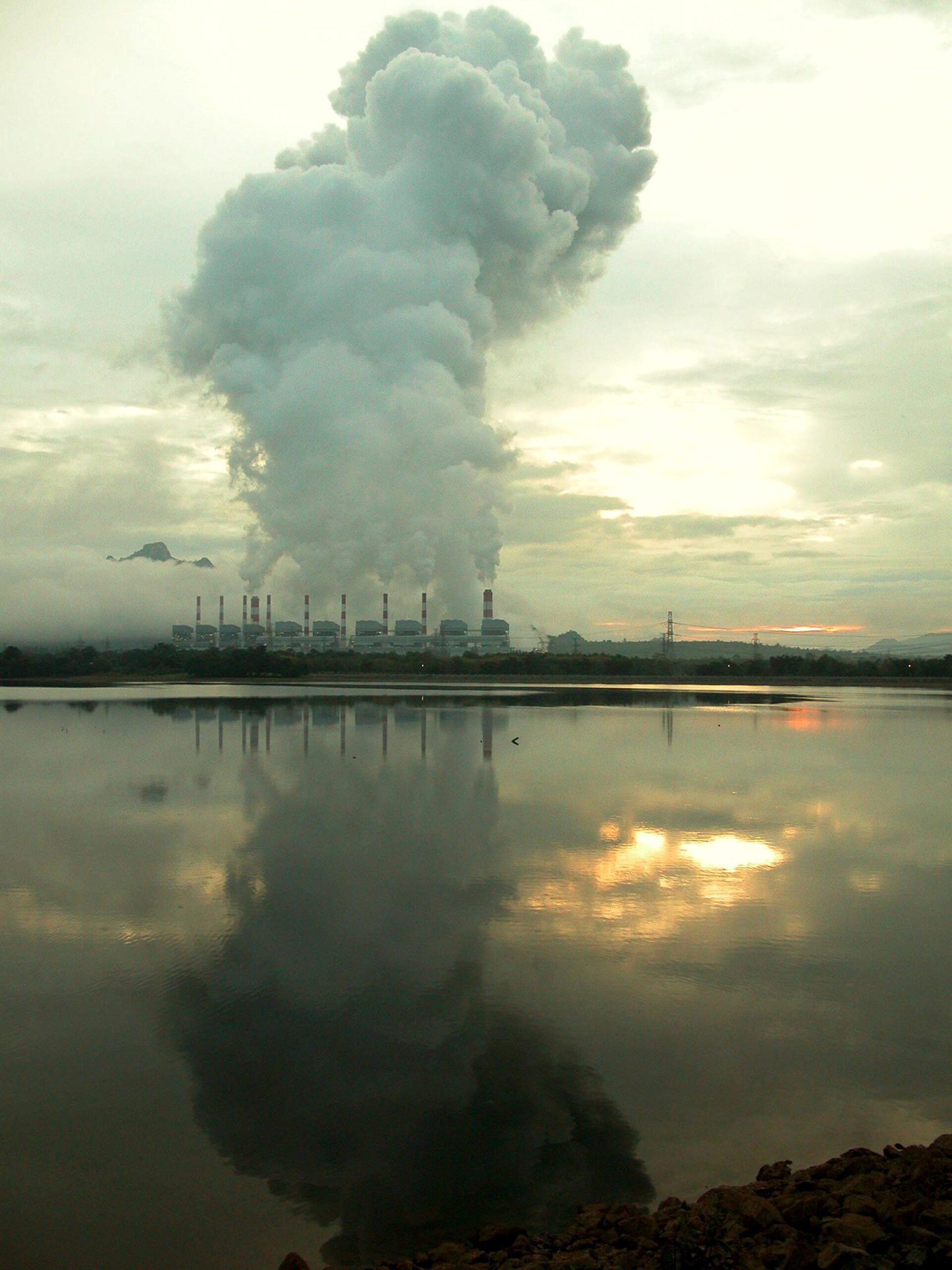
It might be worth it if biofuels resulted in significant reductions in greenhouse gas emissions (GHGs) but Steenblik calculates the amount of subsidies that goes into making enough ethanol to reduce emissions equivalent to a ton of carbon dioxide (CO2) is between 2,980 to 6,240 dollars depending on the support programs. However, the European carbon trading markets sell a similar saved or sequestered ton of CO2 for less than 35 dollars through various projects like planting trees or installing solar panels.
Various analysis that take the full environmental costs of growing, shipping and processing maize into ethanol show there is only a small reduction in GHG emissions over burning fossil fuels. Newer research shows some biofuels could even be far worse. Rapeseed biodiesel and maize ethanol may produce up to 70% and 50% more GHG emissions, respectively, than fossil fuels, according to work published in September (last year) by Nobel prize-winning chemist Paul Crutzen and University of Edinburgh colleague Keith Smith.
They found that growing biofuel crops releases around twice the amount of the potent greenhouse gas nitrous oxide (N2O) than previously thought. The N2O results from using nitrogen fertilizers. About 80% of Europe’s biodiesel comes from rapeseed and, in America, the vast majority is maize ethanol. “What we are saying is that growing biofuels is probably of no benefit and, in fact, is actually making the climate issue worse,” Smith has said in media reports.
POLLUTION AND LACK OF WATER
In January 2007, U.S. President George W. Bush set a biofuel target of 35 billion gallons per year by 2017, more than five times the current production of less than 7 billion gallons. However, that target would leave some U.S. waterways polluted and some regions with severe water shortages, the National Research Council (NRC) said in a report. The NRC is the research arm of the US National Academy of Sciences.
The additional fertilizers used to grow all that maize will contribute to the overgrowth of aquatic plant life that produces “dead zones” like those in the Gulf of Mexico, Chesapeake Bay and elsewhere, the report said. Similar water warnings were issued by the International Water Management Institute (IWMI) in Sri Lanka regarding India and China’s growing interest in biofuels. IWMI, part of the Consultative Group on International Agricultural Research, recommends in its report that the two countries invest in cellulosic biofuel the so-called second generation biofuel technology that is still a number of years from commercialization.
A POLITICAL CHOICE
“Subsidies for ethanol are more about securing votes from the powerful agricultural lobby than bringing environmental benefits,” says Walter Hook, executive director of the Institute for Transportation and Development Policy, an environmental NGO based in New York City. Simple and cheap programs like a congestion charge − an extra fee for driving in city centers − and the widely successful Paris, France, free-bike program reduce air pollution and GNG emissions immediately at very low cost, Hook said in an interview.
Launched in July, Paris put thousands of low-cost rental bikes − the first 30 minutes of use are free − at hundreds of high-tech bicycle stations. A million trips were taken in just 17 days. “Absolutely amazing, every city should be thinking of doing this,” he said. In Paris, an advertising company provides the bikes for free, runs the system, gives all the revenue to the city and pays 4.3 million dollars a year in exchange for exclusive control of the city’s advertising billboards.
THE DUMBEST WAY
Mobility − getting from A to B − with the minimum of GHG emissions is the core problem we should be addressing and not finding greener fuels, says Steenblik. Indeed, Canadian transportation analyst, Todd Alexander Litman, has demonstrated that greener fuels and improvements in fuel efficiency result in people driving more because they can afford to. And that just makes “traffic congestion, accidents, road and parking facility costs, and the lack of options for non-drivers worse,” said Litman, director of the Victoria Transport Policy Institute, in British Columbia, Canada.
In his “Win-Win Transportation Solutions” report, Litman documents a variety of cost-effective transportation strategies that could reduce motor vehicle travel by 30-50 percent, produce substantial reductions in GHGs and bring a range of economic developments. His simple solutions include making urban areas more walkable, creating bike lanes, improving the quality of mass transit and a dozen more ideas. None involved producing more biofuels. “Subsidizing biofuels is just about the dumbest way to go,” Litman commented. www.ipsnewsasia.net and www.ipsnews.net