
A report by the body’s Global Humanitarian Assistance (GHA) program shows that humanitarian assistance rose to $24.5B last year, an increase of 19% from 2013. Middle Eastern donors contributed nearly $1.7B, a 120% increase from the previous year.
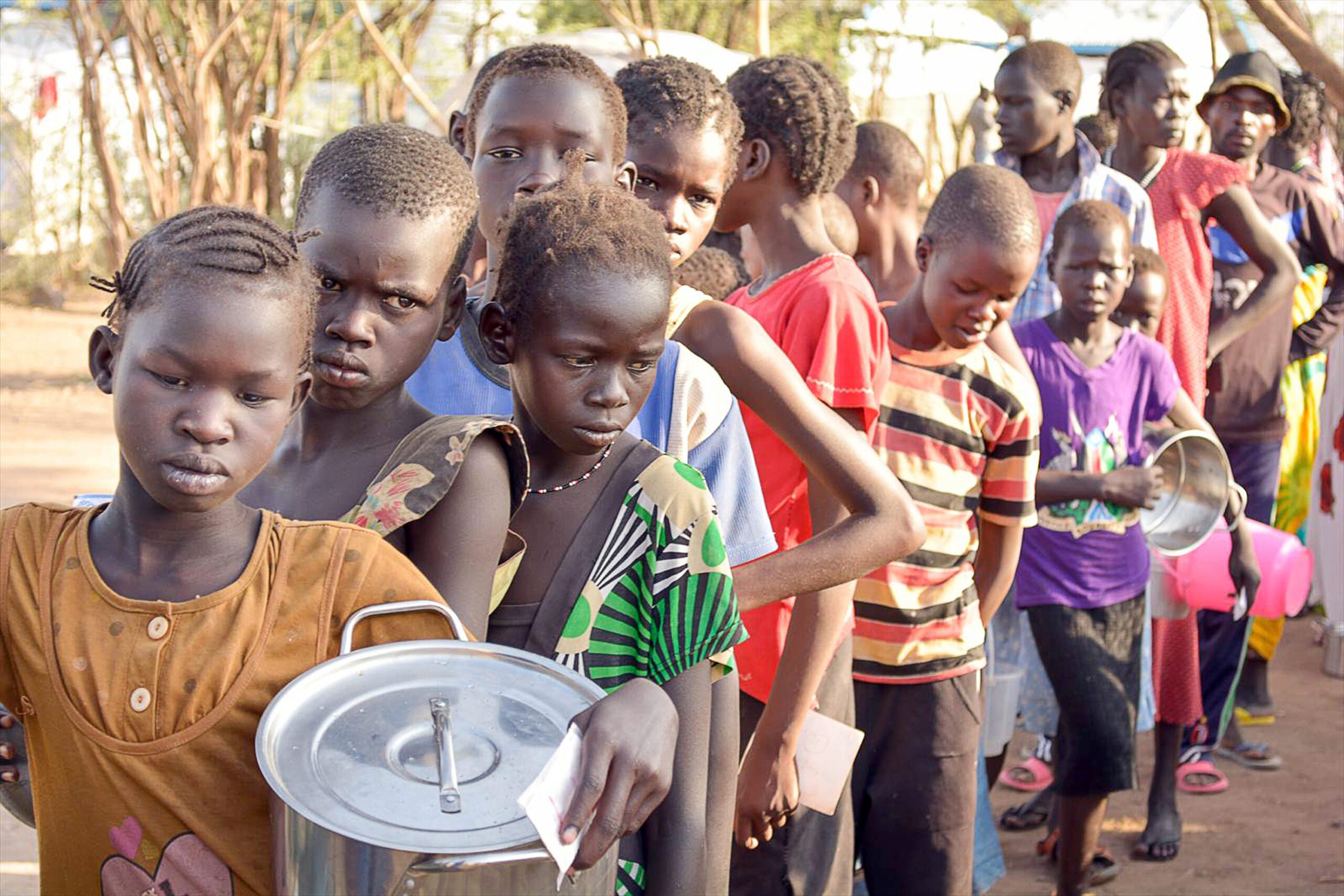
Needs continue to outstrip contributions, however. In its coordinated appeals, the U.N. fell $7.5B short of the record $19.5B it requested to help 87.5M people. This meant 38% of requirements were not met, even though all the world’s leading donors gave more.
“In a year of global discussions on development and climate change, these unprecedented levels of need and continued shortfalls in funding highlight the need to sustainably address the underlying causes and long-term impacts of crisis,” says Sophia Swithern, head of the GHA program.
Last year, 10.7M more people worldwide were affected by natural disasters compared with 2013, while conflict and persecution created a record number of displaced people. The report notes that the Ebola crisis received significant support that was not categorized as humanitarian assistance, so the total amount for the year might be higher than the headline figure.
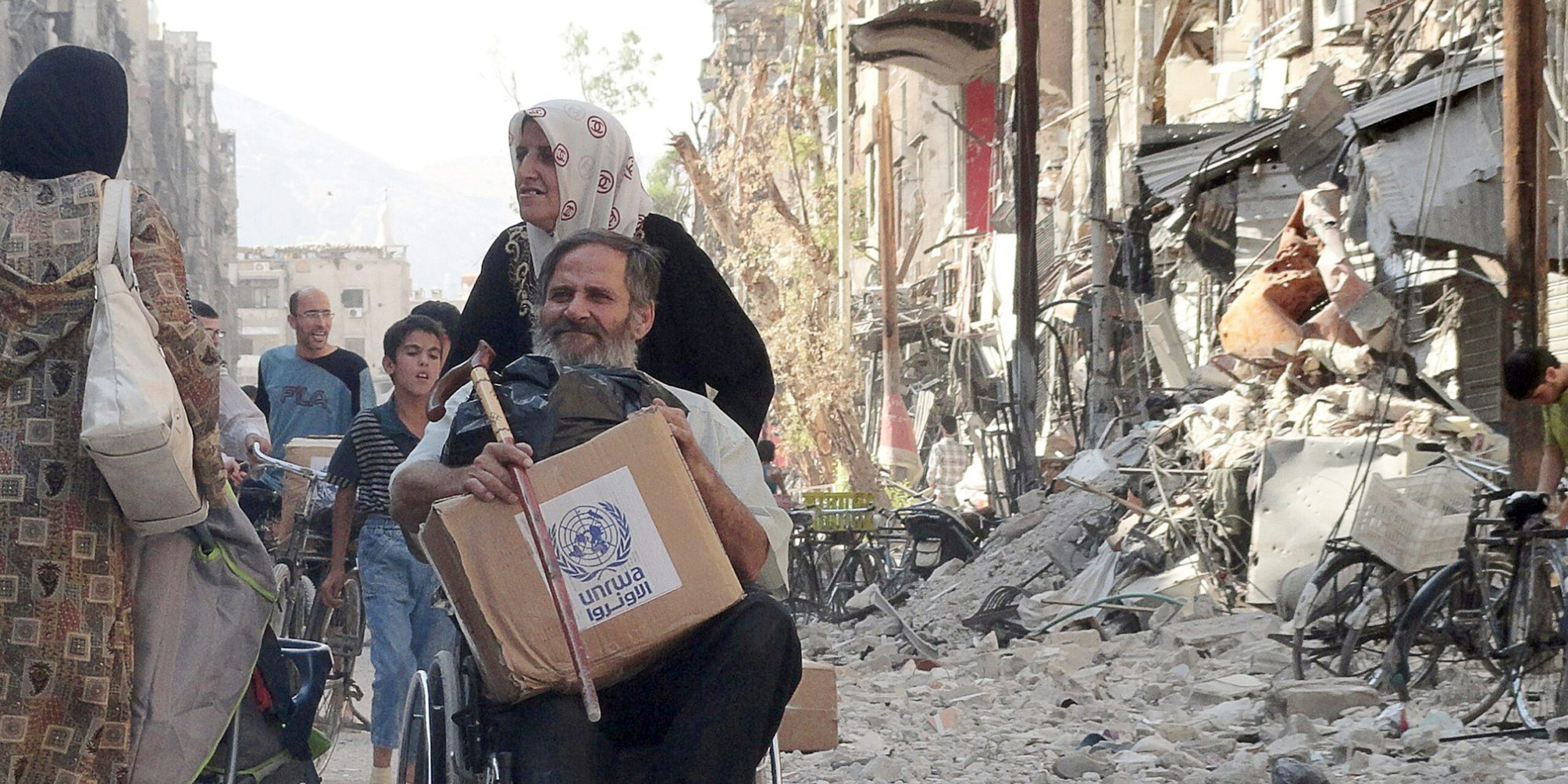
The rise in overall humanitarian funding reflected the fact that there were now more people displaced in the Middle East than in Africa. The Syria crisis drew the largest appeals; along with the ongoing conflict in Iraq and the situation in South Sudan, it became a significant mover in last year’s $4B rise in humanitarian funding. “The domestic contributions of countries hosting Syrian and Iraqi refugees, most notably Turkey, also continue to be vital,” the report says. In 2013, Turkey spent $1.6B helping Syrian refugees.
Saudi Arabia joined the list of the top 10 donors after it increased its humanitarian funding from $518M to $755M. This was the second highest volume increase of all donors, amounting to a trebling of the country’s 2013 commitment.
The United Arab Emirates became one of the 20 largest contributors after raising its contribution by 317%, from $90M in 2013 to $375M in 2014. “Middle Eastern donors have been key players for a long time, but with the rise of conflict in the region … we are seeing these donors rising in prominence,” states Swithern. She adds that this was partly down to more standardized reporting by these donors, with whom the world should engage to ensure the quality and quantity of the funding stream.
Contributions from private donors rose by an estimated 8%, and accounted for a quarter of international humanitarian assistance. As a group, private donors were the largest international contributor to the typhoon ‘Haiyan’s’ campaign for help in 2013, and the third largest supporter of the fight against Ebola last year.
The report notes that two-thirds of international humanitarian assistance still went to long-term recipients such as Somalia and Pakistan. Despite widespread acknowledgement of the importance of local NGOs in delivering relief, initial data from 2014 found that their direct share of total humanitarian funding had halved, from 0.4% in 2012 to 0.2% in 2014.
However, data gaps meant it was very hard to trace money all the way from donors to recipients, making it difficult to measure funding to local and national NGOs. “There is a real groundswell at the moment talking about localizing the response in recognition of the role of local and national actors as the first and, in many cases, the best responders,” Swithern says. She continues that more analysis was required to determine how to improve these organizations’ access to direct funds.
New sources of funding were needed from more diverse donors as well as more efficient methods of delivering the money to those in need, the report says. These issues will be discussed at the World Humanitarian Summit in Istanbul next year, and Swithern says private funding would be a particular focus.
“This resource that we call international humanitarian assistance is just one piece of the picture,” she stresses. “What we need is a comprehensive solution that involves different mixes of resources for different contexts.” www.theguardian.com