Inculturation And The Word

INTRODUCTION

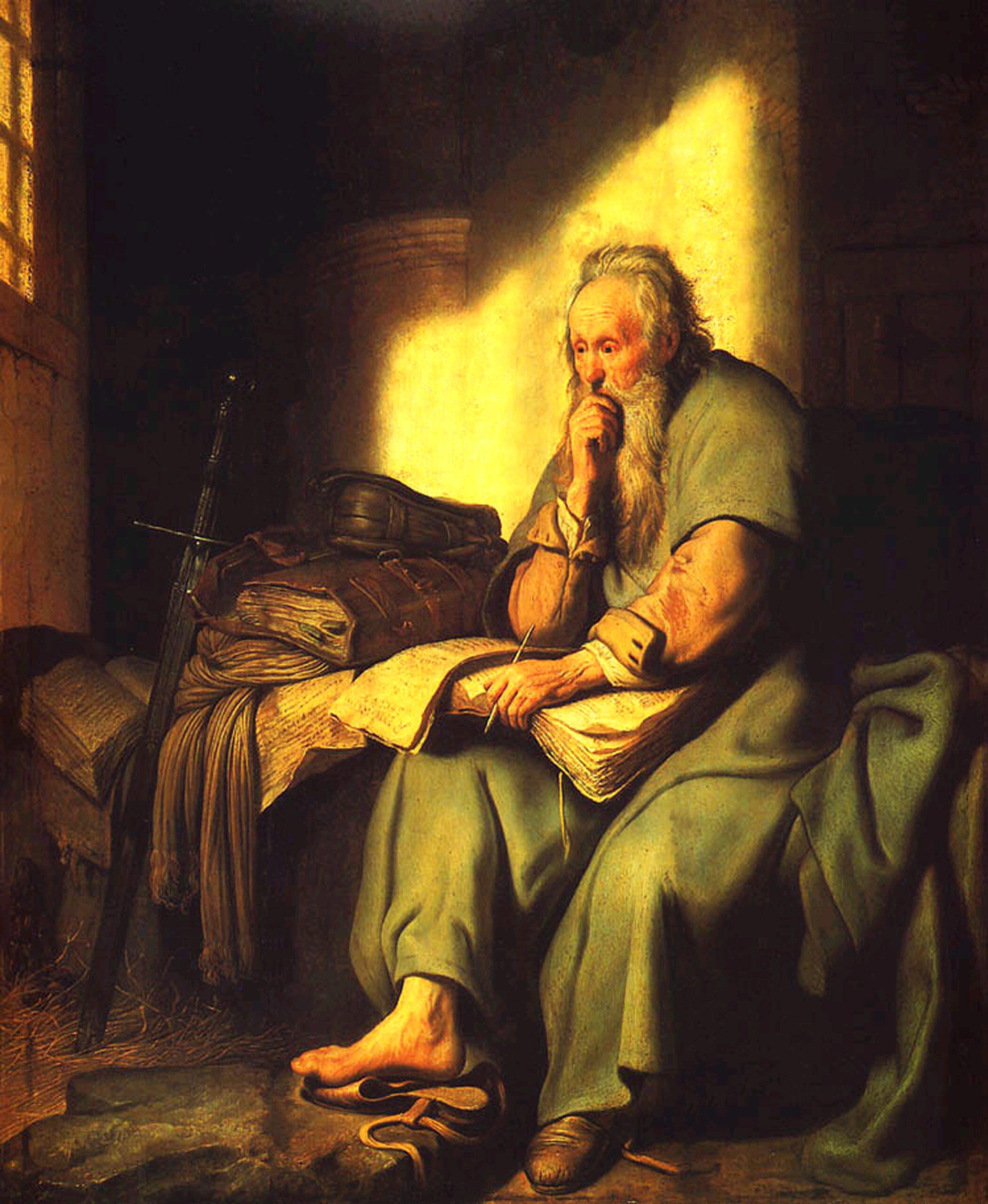
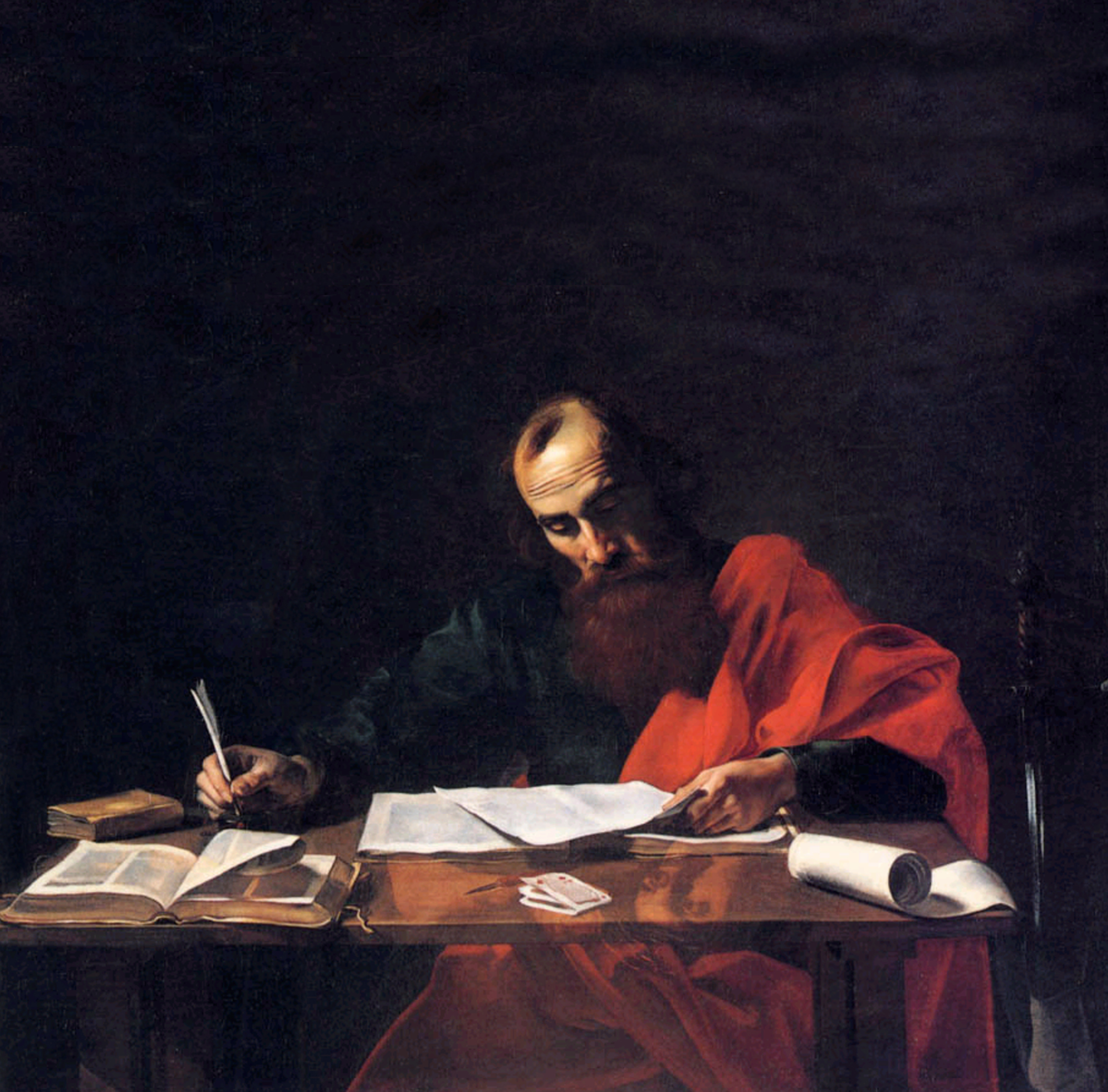
Paul had detractors in his lifetime and even until now. But it is beyond question that Pauline Christianity greatly shaped the history of Christianity from its early period. His inculturation of the gospel of Christ helped turn the Jesus movement into a universal religion.

WRITTEN BY

SHARE THE WORD

PUBLISHED ON

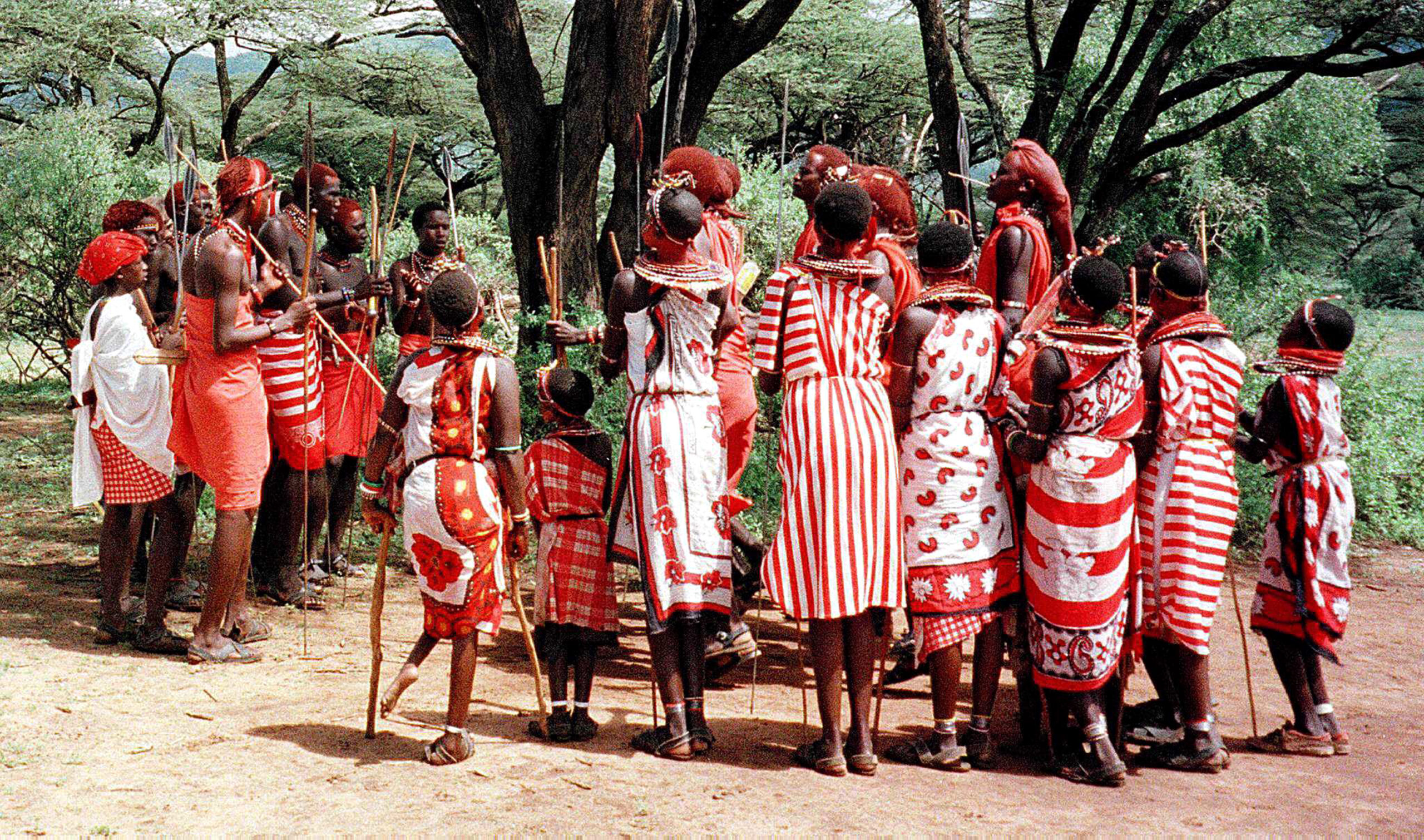
Culture can be defined in many ways. A celebrated definition, given by Edward Taylor, is “that complex whole which includes knowledge, belief, art, morals, law, custom and other capabilities and habits acquired by man as a member of society.” Culture is not only about behavior but also about ideas which a group subscribes to, communicates, perpetuates and develops. Moreover, human societies not only possess a culture but are distinguished by it from other human societies.

Inculturation, on the other hand, is the insertion of a set of beliefs into a culture. In a narrower sense and as often used by theologians, it is the integration of the Christian faith into a culture where Christians were not previously present. A necessary condition of inculturation is acculturation, an encounter between one culture and another. The intercommunication of ideas and forms of behavior eventually results in a change of ideas and the reception of new ideas. In the primal sense, God’s act of revelation is inculturation or acculturation. In speaking to men and women, God makes His word “short.” God uses human language and conforms Himself to the limitedness of the human mind.

CULTURAL INTERACTION
God revealed Himself within the culture of Israel at different moments of its history, as the Israelites reflected on the meaning of the events in their history and life. But Israelite culture is not the only component of this inculturation. The “fertile crescent” of the Middle East was a veritable crossroads of cultures, and the Israelite culture was the product of varied cultural interaction as well as a contributor to the ongoing intercultural process.

Abraham entered Canaan from Mesopotamia, and later the patriarchs and their descendants settled in Egypt. Undoubtedly, the ancestors of the Israelites were part of the cultural ebb and flow of these regions, and the stories told about them were often the common patrimony of several ancient cultures. The book of Genesis is not comprehensible without reference to the ancient creation myths, epic legends, family stories, and covenant codes of Mesopotamia. When Israel settled in the promised land, it had to contend with the various forms of the Canaanite culture. While the worship of the Canaanite gods and goddesses was condemned, themes of Canaanite myths were inculturated and applied to Yahweh. Psalm 29 which celebrates the royalty of God seems to have been patterned from a Canaanite hymn to Baal.

THE GREEK BIBLE
In much later history, biblical faith had to confront the inroads of Hellenistic culture, with its language, ideas, religious values, sports, and theatres. Part of the Jewish people adopted Greek customs, while others rejected them. But flight from Hellenistic culture was impossible, and inculturation was a strict necessity. Inculturation had at least two major effects: the rise of Wisdom literature (some written in Greek), and the translation of the Hebrew Bible into Greek − the Septuagint (LXX). The Greek Bible greatly assisted the Jews of the Diaspora (those living outside of Palestine) in their fidelity to the faith.

The coming of Jesus is not just a prolongation of inculturation/acculturation. It is God’s final and devastating “intrusion” into the Jewish culture and into humanity as a whole. It has a distinct name for itself: incarnation. It is God incarnated and inculturated into the ways of men and women. Vatican II puts it succinctly: “By His incarnation the Son of God united Himself in some sense with every man. He labored with human hands, thought with a human mind, acted with a human will, and loved with a human heart. Born of Mary the Virgin, he truly became one of us and, sin apart, was like us in every way” (Gaudium et Spes, 22).

UNIVERSAL KINGSHIP
“The Word became flesh” (Jn 1:14). This may as well be translated as, “And the Word became a Jew.” In His appearance, ways, and ideas, Jesus was a Jew. He was inculturated in the culturally heterogeneous Galilee, which was also “Galilee of the Gentiles” (Mt 4:15).

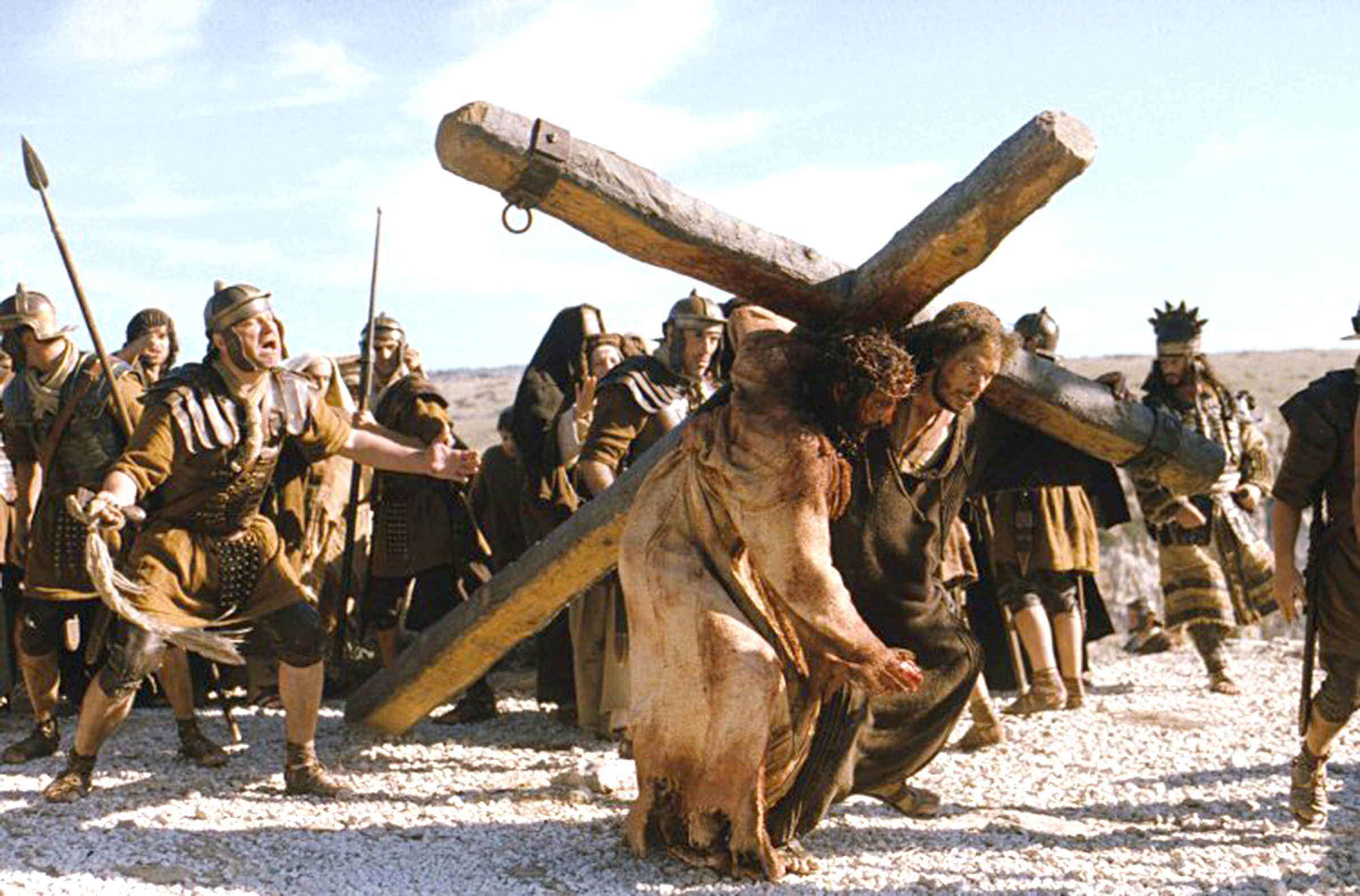
As an adult, Jesus challenged certain aspects of the culture He had inherited. He inveighed against the establishment order, defied the law on several occasions, mingled with outcasts and sinners, and “purified” the Temple by driving out the merchants and money-lenders. He also claimed to have a very special relationship with God, claiming to be “God’s Son.” In the process, He earned the hatred and hostility of the religious authorities which inevitably led to His passion and death.

The story of Jesus did not end at Calvary. His disciples claimed that He rose from the dead. His resurrection was His vindication by God. His followers claimed and preached that He was the Messiah, the one appointed as the Savior of the world. He is Lord of the whole world; His kingship is universal. It follows that faith in Him should be proclaimed to the ends of the world.

The Apostles preached first to the Jews and slowly opened the faith to the Gentiles. Stories of Jesus and about Jesus were told, translated, and embellished to suit the audience from among Jews and Gentiles. Years later, these were arranged in an orderly way and committed to writing. The result was the four canonical Gospels.

FROM EAST TO WEST
The spread of the faith from the narrow confines of Palestine to the vast expanse of the Roman Empire is mostly attributed to the Apostle Paul, the former persecutor of the faith. He actively sought the Gentiles and preached a law-free Gospel. He brought the faith from East to West: Syria, Cilicia, Galatia, Asia, Macedonia, Achaia, and up to Illyricum. He planned to go to Spain.

Paul also journeyed culturally. Brought up in the Diaspora (Tarsus), he was exposed to the intellectual milieu of the Greek and Roman culture. Preaching to the Gentiles, he had to interpret the Gospel message to them, in ways they could understand and accept. His message was centered on the saving cross of Jesus. Some would accuse Paul of preaching his own “gospel” rather than that of Jesus, the rabbi of Nazareth. He “theologized” Jesus and began the process of Christology. Paul inculturated not only the Gospel but also himself: “Although I am free in regard to all, I have made myself a slave to all so as to win over as many as possible. To the Jews, I became like a Jew to win over Jews; to those under the law I became like one under the law − though I myself am not under the law − to win over those under the law. To those outside the law, I became like one outside the law – though I am not outside God’s law but within the law of Christ − to win over those outside the law. To the weak, I became weak, to win over the weak. I have become all things to all, to save at least some. All this I do for the sake of the gospel so that I, too, may have a share in it” (1 Cor 9:19-23).

Paul had detractors in his lifetime and even until now. But it is beyond question that Pauline Christianity greatly shaped the history of Christianity from its early period. His inculturation of the gospel of Christ helped turn the Jesus movement into a universal religion.
Share Your Thoughts

All comments are moderated

From The Same Issue

The articles and content about this issue

From The Same Issue

The articles and content about this issue

From This Topic

The articles and content about this topic

From This Topic

The articles and content about this topic

Explore Other Topics

Browse other coverage

Explore Other Topics

Browse other coverage

WM SPECIAL

Presents, discusses and draws readers to reflect on issues of outmost relevance to the world today.


FRONTIERS

Very often, mission is carried out in frontier situations around the world. Those who embrace these situations have much to share.


UNITY IN DIVERSITY

Writer Ilsa Reyes will be exploring the richness of Pope Francis’s latest encyclical Fratelli Tutti with a view of helping our readers to get a grasp of the this beautiful papal document.


FRONTLINE

Puts to the front committed and inspiring people around the world who embrace humanitarian and religious causes with altruism and passion.


IN FOCUS

Focus on a given theme of interest touching upon social, economic and religious issues.


FAITH@50

As the Philippines prepares to celebrate 500 years of the arrival of Christianity. Fr. James Kroeger leads us in this series into a discovery journey of the landmark events in the history of faith in the Philippine archipelago.


INSIGHT

Aims to nurture and inspire our hearts and minds while pondering upon timely themes.


FILIPINO FOCUS

The large archipelago of the Philippines, in its richness of peoples and cultures, offers varied and challenging situations for mission.


FOLLOW ME

Reflections and vocation stories that shape up the lives of young people.


MISSION IS FUN

As humor and goodness of heart are qualities of Christian and missionary life, the new column “Mission is fun” will be publishing some anecdotes and stories that have happened in a missionary context to lighten up the spirits and trigger a smile in our faces.


LIVING COMMUNION

To help readers of World Mission live this year dedicated to Ecumenism, Interreligious Dialogue and Indigenous Peoples, Tita Puangco, writer and lecturer, shares in this section insights on the spirituality of communion.


WINDS OF THE SPIRIT

A historic view of the Catholic movements that emerged from the grassroots as an inspiration by the Holy Spirit.


BRIDGE BUILDERS

On the Year of Ecumenism, Interreligious Dialogue and Indigenous Peoples, radio host and communicator Ilsa Reyes, in her monthly column, encourages Christians and people of good will to be one with their fellow people of other sects, religions and tribes.


INTERVIEW

Questions to a personality of the Church or secular world on matters of interest that touch upon the lives of people.


WORLD TOUCH

News from the Church, the missionary world and environment that inform and form the consciences.


CARE OF THE EARTH

A feature on environmental issues that are affecting the whole world with the view of raising awareness and prompting action.


EDITORIAL

The editor gives his personal take on a given topic related to the life of the Church, the society or the world.


YOUNG HEART

A monthly column on themes touching the lives of young people in the Year of the Youth in the Philippines by radio host and communicator I lsa Reyes.


SCROLL

A missionary living in the Chinese world shares his life-experiences made up of challenges and joyous encounters with common people.


EXTRAORDINARY PEOPLE

Life stories of people who deserve to be known for who they were, what they did and what they stood for in their journey on earth.


ONE BY ONE

Stories of people whom a missionary met in his life and who were touched by Jesus in mysterious ways.


INCREASE OUR FAITH

Critical reflection from a Christian perspective on current issues.


SPECIAL MOMENTS

Comboni missionary Fr. Lorenzo Carraro makes a journey through history pinpointing landmark events that changed the course of humanity.


PROFILE

A biographical sketch of a public person, known for his/her influence in the society and in the Church, showing an exemplary commitment to the service of others.


WM REPORTS

Gives fresh, truthful, and comprehensive information on issues that are of concern to all.


LIFE'S ESSENTIALS

A column aimed at helping the readers live their Christian mission by focusing on what is essential in life and what it entails.


ASIAN FOCUS

Peoples, events, religion, culture and the society of Asia in focus.


THE SEARCHER'S PATH

The human heart always searches for greatness in God’s eyes, treading the path to the fullness of life - no matter what it takes.


INDIAN FOCUS

The subcontinent of India with its richness and variety of cultures and religions is given center stage.


AFRICAN FOCUS

The African continent in focus where Christianity is growing the fastest in the world.


JOURNEY MOMENTS

Well-known writer and public speaker, Fr. Jerry Orbos, accompanies our journey of life and faith with moments of wit and inspiration based on the biblical and human wisdom.


IGNATIUS STEPS

On the year dedicated to St. Ignatius of Loyala, Fr. Lorenzo Carraro walks us through the main themes of the Ignatian spirituality.


THE SEVEN LAST WORDS OF JESUS

Fr. John Taneburgo helps us to meditate every month on each of the Seven Last Words that Jesus uttered from the cross.


INSIDE THE HOLY BOOK

In this section, Fr. Lorenzo delves into the secrets and depths of the Sacred Scriptures opening for us the treasures of the Sacred Book so that the reader may delight in the knowledge of the Word of God.


CONVERSATIONS

Reflections about the synodal journey on a conversational and informal style to trigger reflection and sharing about the synodal path the Church has embarked upon.


VATICAN II

This 'mini-course' series provides a comprehensive exploration of Vatican II, tracing its origins, key moments, and transformative impact on the Catholic Church.


COMBONIS IN ASIA

This series offers an in-depth look at the Comboni Missionaries in Asia, highlighting their communities, apostolates, and the unique priorities guiding their mission. The articles provide insights into the challenges, triumphs, and the enduring values that define the Comboni presence in Asia.


BEYOND THE SYNOD

Following the Synod on Synodality, this series examines how dioceses, parishes, and lay organizations in the Philippines are interpreting and applying the principles of the synod, the challenges encountered, and the diverse voices shaping the synodal journey toward a renewed Church.


A TASTE OF TRADITION

This series introduces the Fathers of the Church, featuring the most prominent figures from the early centuries of Christianity. Each article explores the lives, teachings, and enduring influence of these foundational thinkers, highlighting their contributions the spiritual heritage of the Church.


A YEAR OF PRAYER

In preparation for the 2025 Jubilee Year under the theme “Pilgrims of Hope,” 2024 has been designated a Year of Prayer. World Mission (courtesy of Aleteia) publishes every month a prayer by a saint to help our readers grow in the spirit of prayer in preparation for the Jubilee Year.


OUR WORLD

In Our World, the author explores the main trends shaping contemporary humanity from a critical and ethical perspective. Each article examines pressing issues such as technological advancement, environmental crises, social justice, and shifting cultural values, inviting readers to reflect on the moral implications and challenges of our rapidly changing world.


CATHOLIC SOCIAL DOCTRINE

This series unpacks the principles of Catholic Social Doctrine, offering a deep dive into the Church's teachings on social justice, human dignity, and the common good.


HOPEFUL LIVING

Hopeful Living’ is the new section for 2026, authored by Fr. James Kroeger, who dedicated most of his missionary life to the Philippines. In this monthly contribution, he will explore various aspects of the virtue of hope. His aim is to help readers align their Christian lives more closely with a hopeful outlook.


PHILIPPINE CROSSROADS

Filipino Catholic scholar Jose Bautista writes each month about how the Philippines is at a crossroads, considering the recent flood control issues and other corruption scandals that have engulfed the nation. He incorporates the Church’s response and its moral perspective regarding these social challenges.


BIBLE QUIZ

Test your knowledge and deepen your understanding with our Bible Quiz! Each quiz offers fun and challenging questions that explore key stories, themes, and figures from both the Old and New Testaments.


Shopping Cart