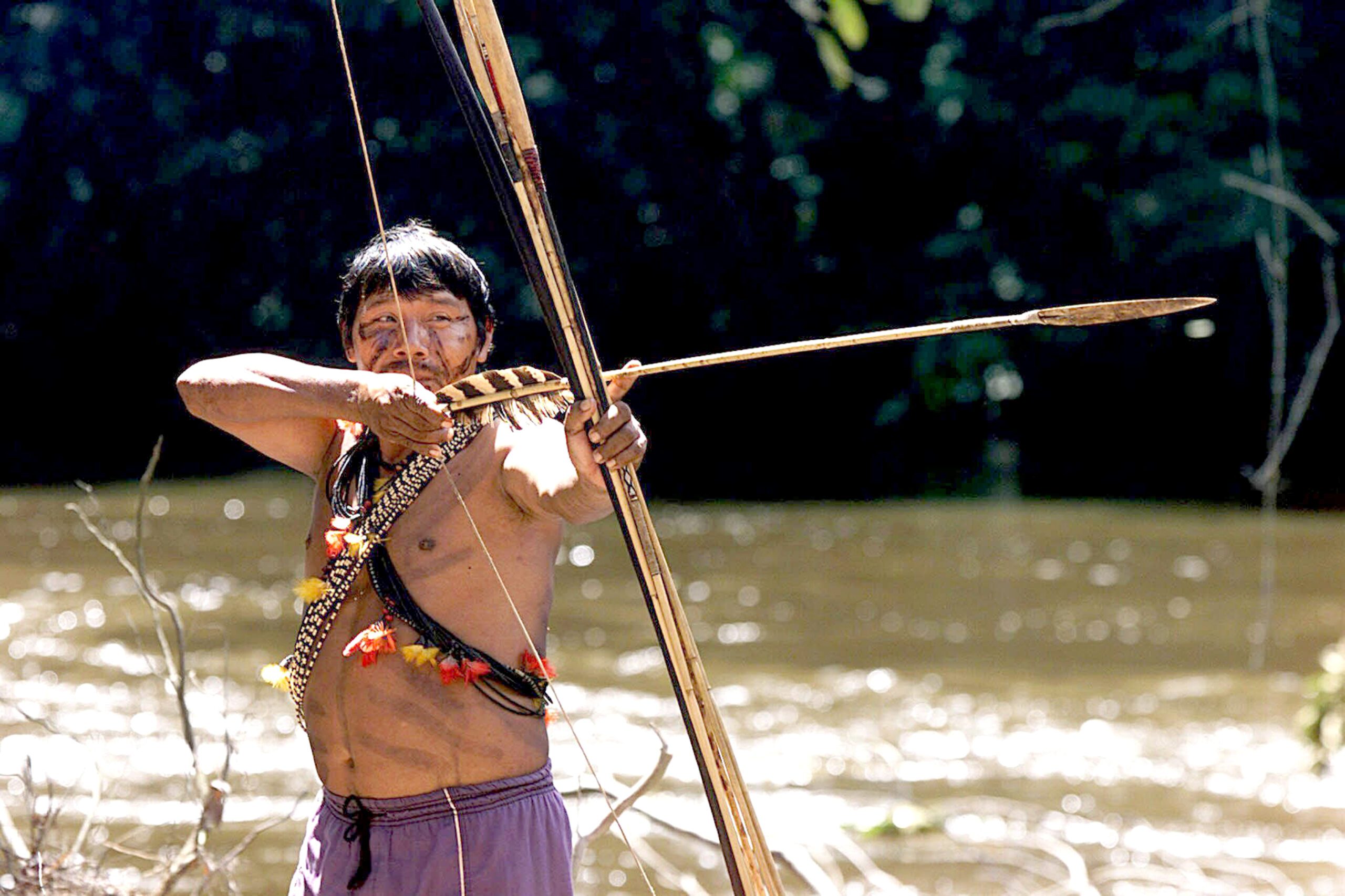
Indigenous peoples are a significant and important portion of humanity. Their rich heritage, ways of life, stewardship of the planet, spirituality and cosmological insights are invaluable treasures which may enrich us all. In spite of their plurality and diversity, indigenous peoples share common principles and values. First and foremost is the affirmation of the land as sacred. It embraces them and encompasses their identity and sense of belonging. It’s the place of their origin and destiny, of memory and survival, communion among them, with ancestors and God. Indigenous peoples believe their lives are nurtured by the land – Mother Earth – whose bounty is for all the peoples of the world. Ancestral domains are owned by all and are not to be bought or sold.
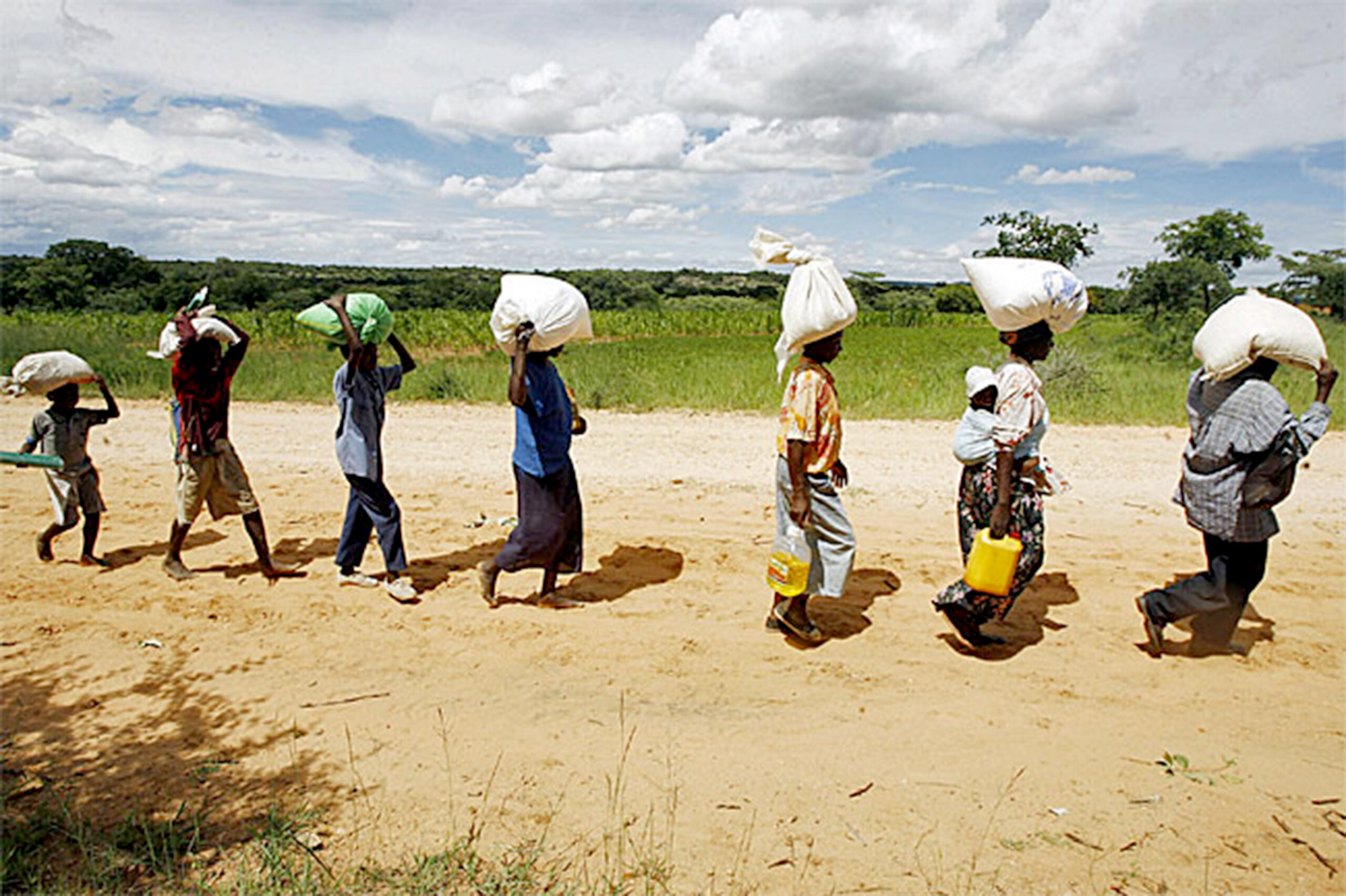
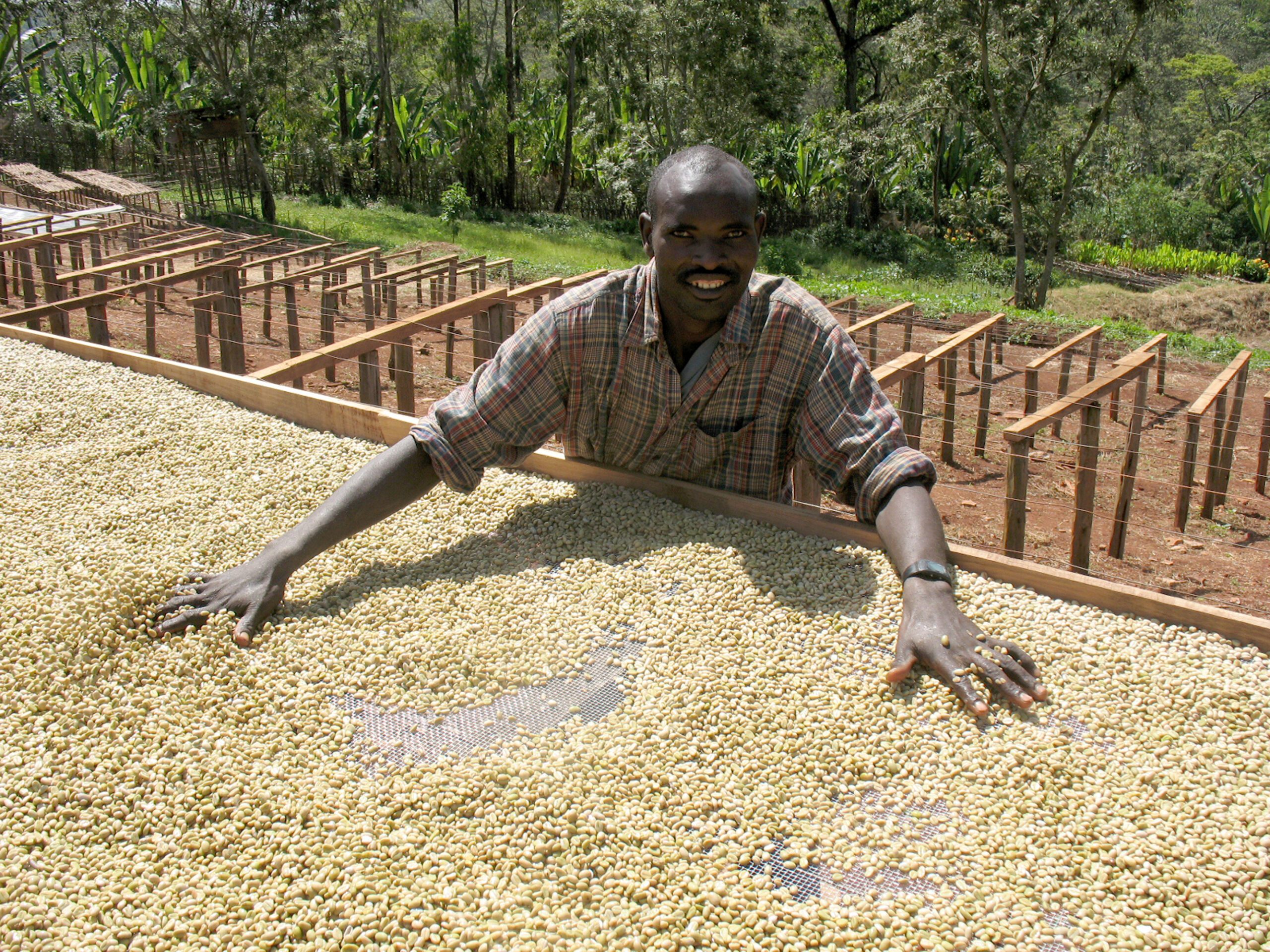
The indigenous have a communal life and practice an economy of sharing. Life and community develops on the basis of solidarity. No one exists in the world alone, solitary life is the death of life. They till the fields and hunt together. Harvest fruits or game are shared among all members of the village. Since they do not save or accumulate, they do not collect from nature more than what they need. Nature communicates with them, giving them signs of danger, and they talk to them. A religious respect for life-giving nature made them the great caretakers of the earth and stewards of its biodiversity.
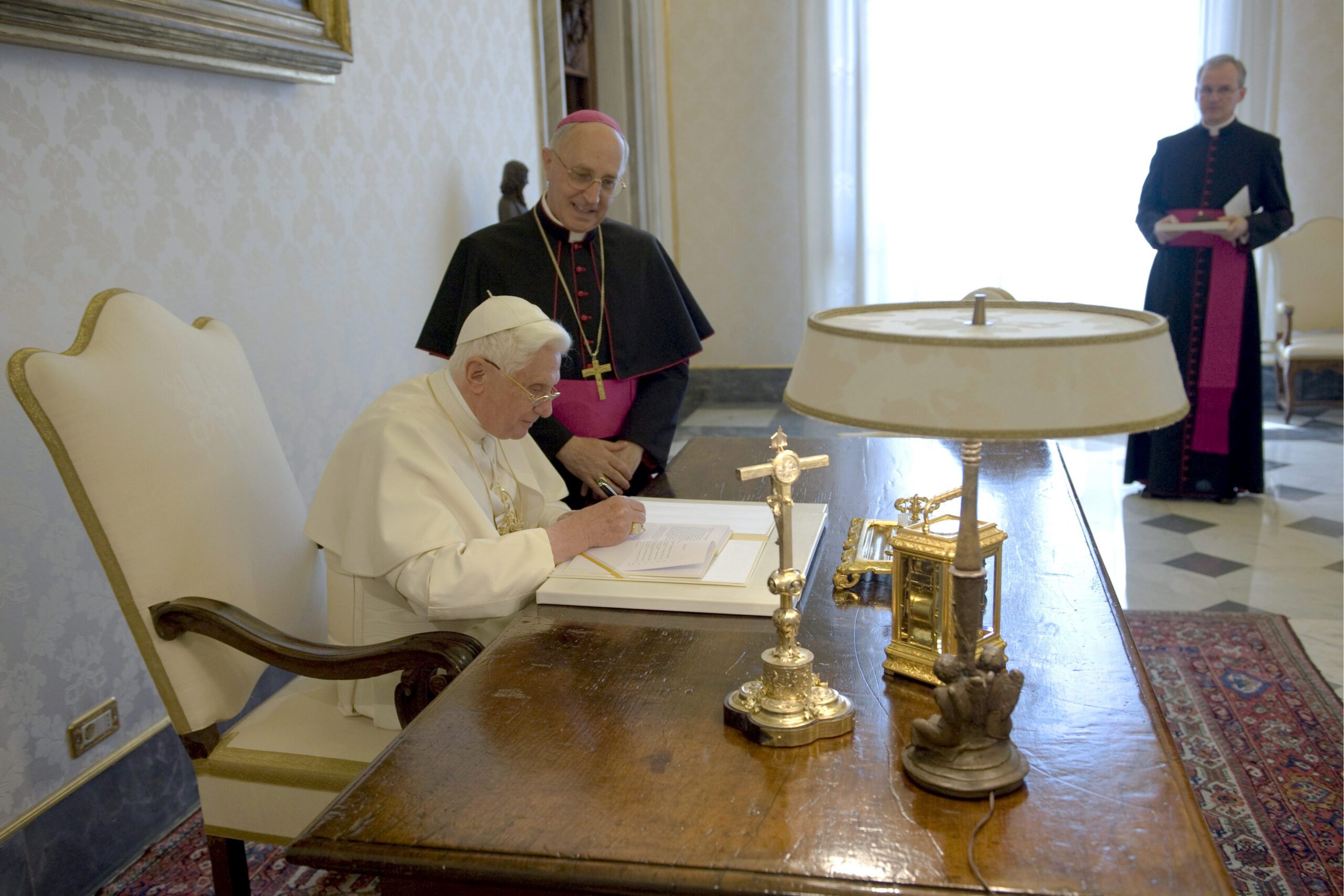
Indigenous peoples are profoundly religious. God is the Supreme Creator. He reveals Himself in all that exists. Natural phenomena which destroy life are understood as coming from God, as a warning or revelation to make them stop and think or to correct errors. Spirituality refers to the whole of life. There’s no dichotomy between the sacred (the religious) and the profane (the ordinary). Spirituality is communion with the whole creation and the very life of the people. Penitence and forgiveness are not just a personal affair, they concern the whole community. Some ethnic groups, like the Latin American Aymara, have public celebrations of forgiveness. They ask God’s forgiveness for wrong actions and thoughts, then they ask forgiveness from all the members of the community – from the oldest to the youngest – and even for actions that harmed animals, plants and the natural world which God has given them to care for and live in.
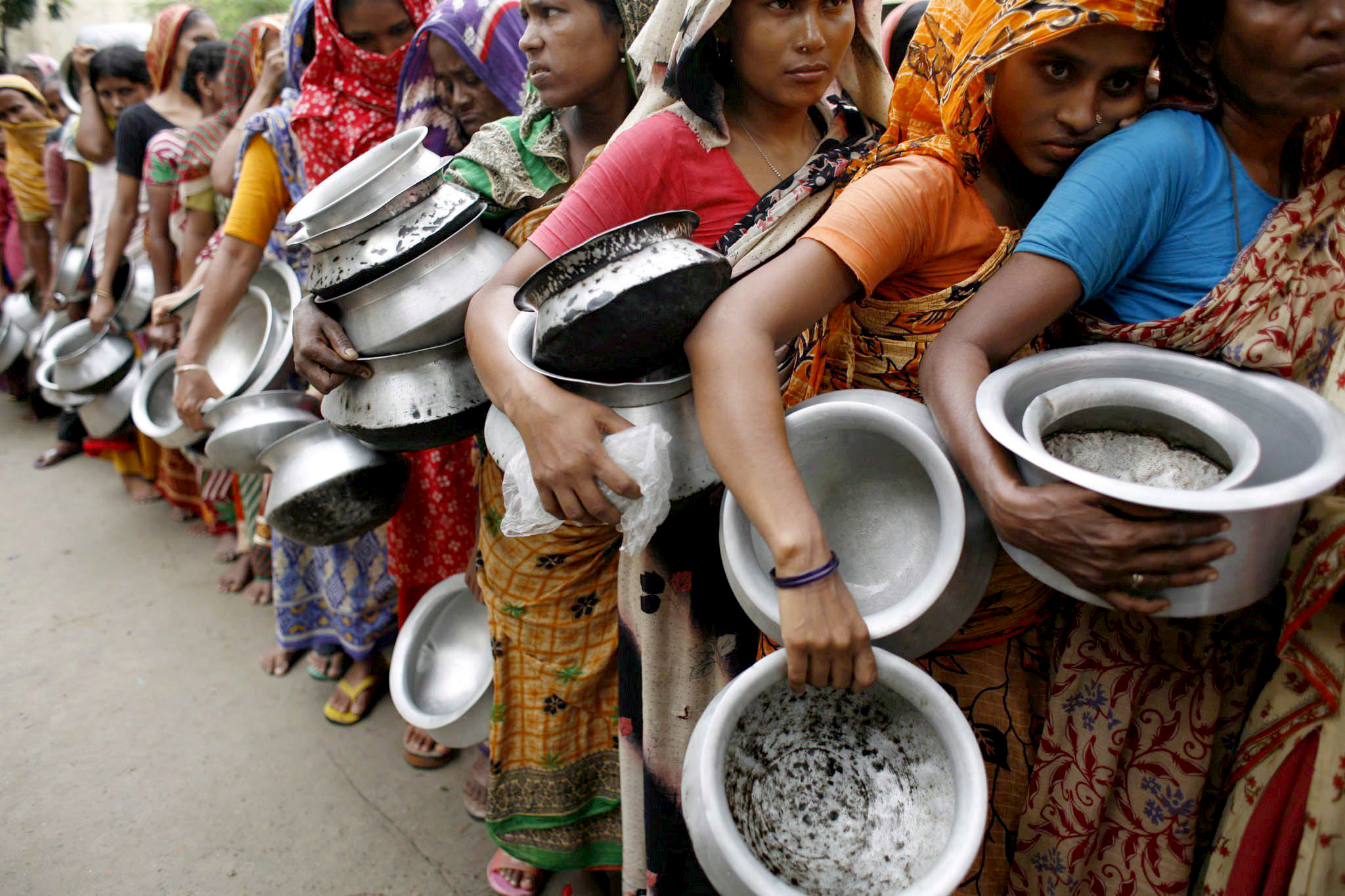
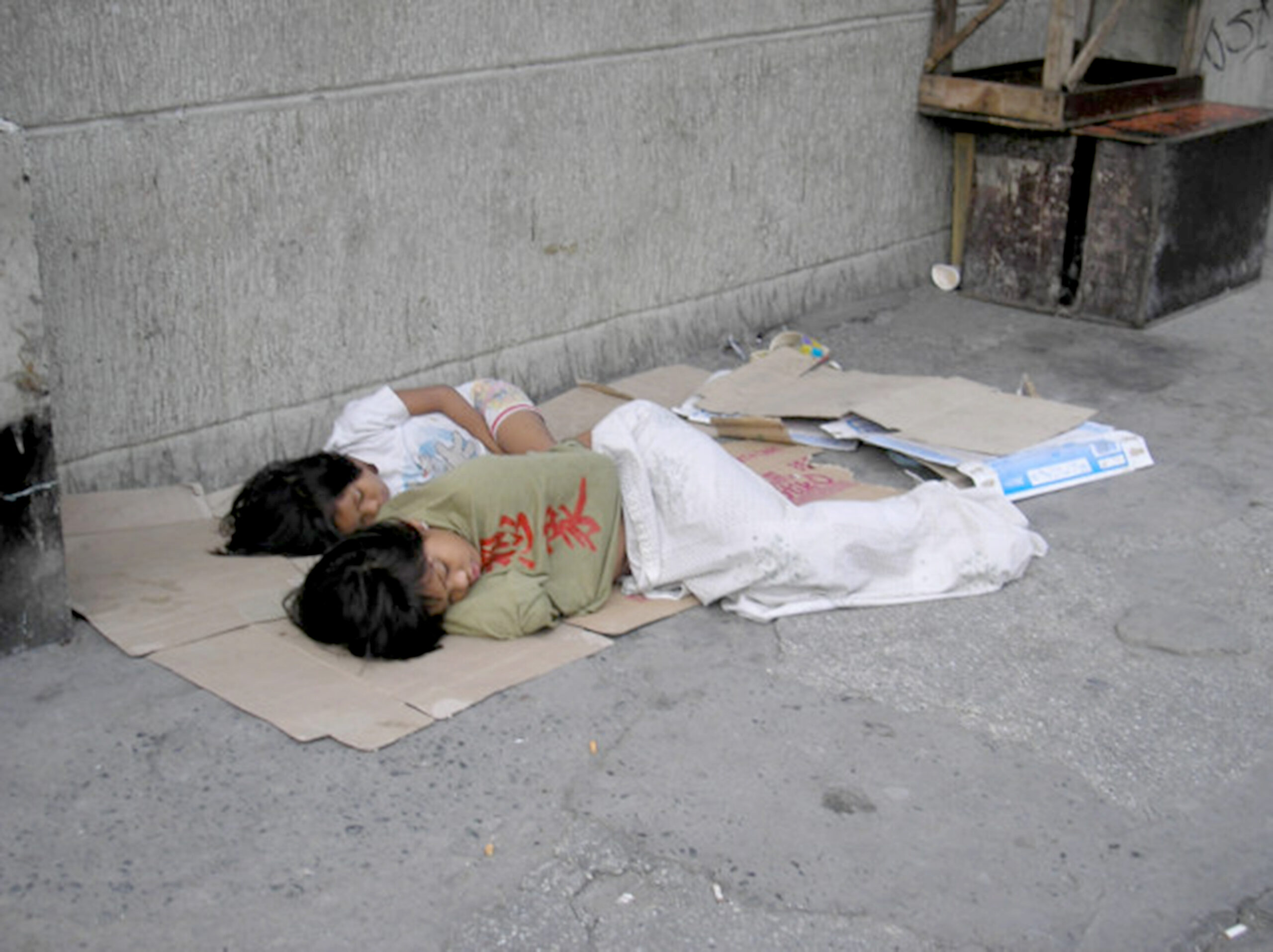
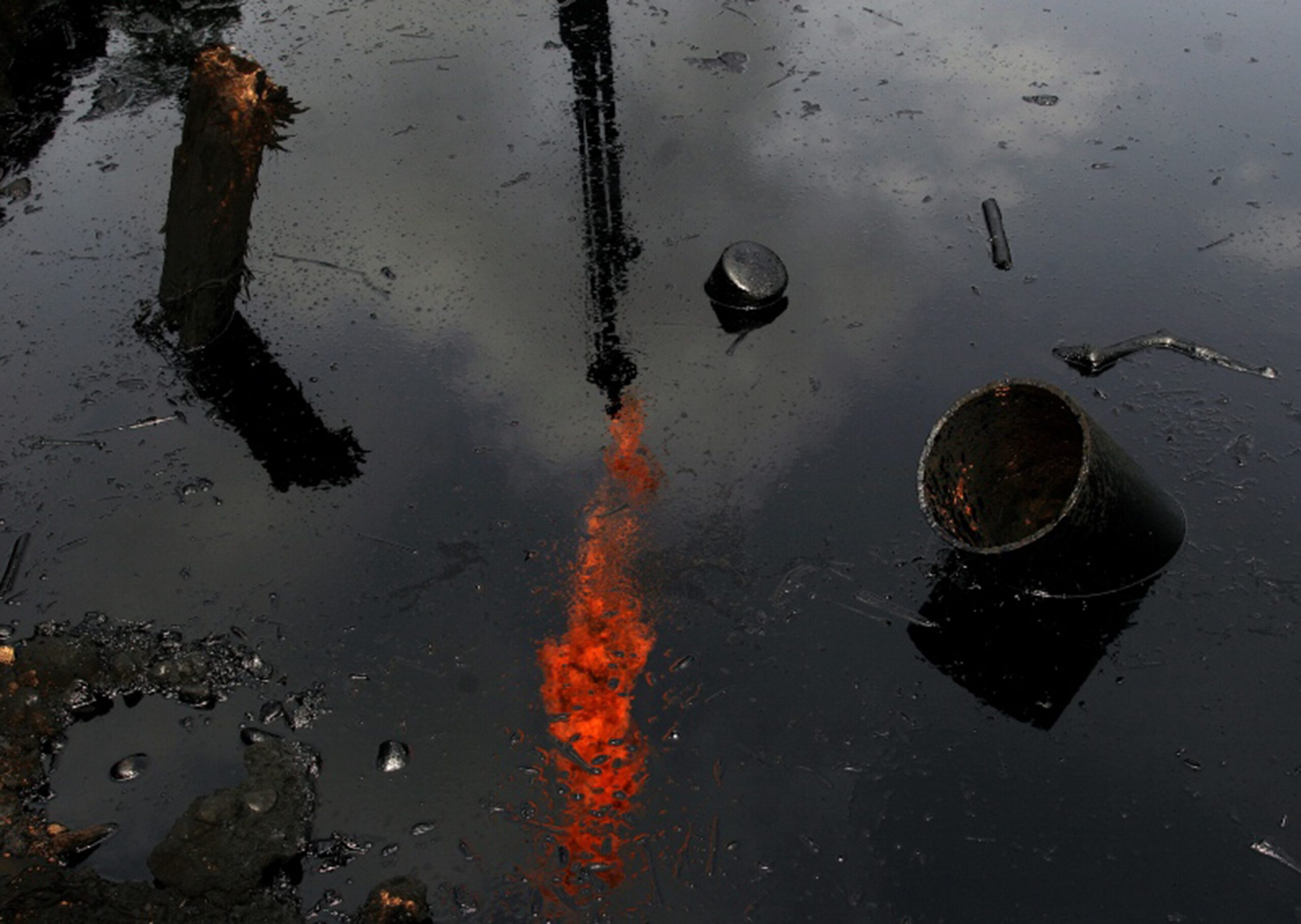
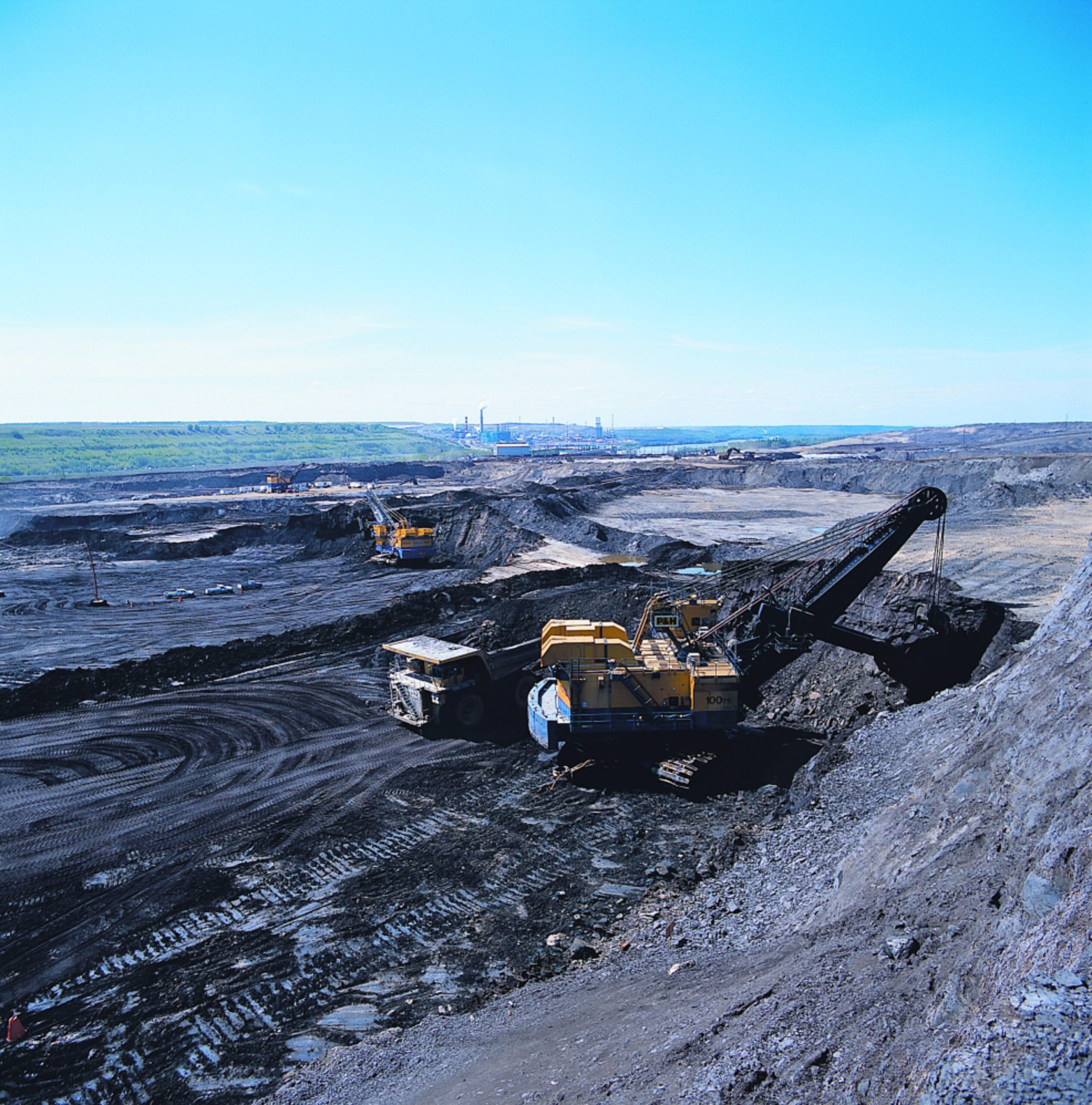
Throughout history, indigenous nations and communities around the world have been victims of plunder, assimilation and discrimination, domination and marginalization, oppression and exploitation. The attack to their cultures and spirituality started with colonialism. But, since then, autonomous governments have also failed in protecting indigenous peoples’ rights. Their ancestral homelands are still being predated and native communities are still being sacrificed in the altar of governments’ interests and profit. Illegal logging, large-scale mining, militarization of their lands and land grabbing are some of the major threats to indigenous survival.
Indigenous nations continue to exist in the margins of the nation-state. Their traditional and communal governance systems are ignored. Marginalization deprives them of creative and effective participation in the national decision-making processes. But they are increasingly within the reach of globalization. Its trend to homogenize cultures and traditions is threatening the mosaic of indigenous peoples and cultures. And as it succeeds in integrating the world’s economies into one single market, their subsistence economies and their ecologically sustainable means of agriculture and trading are gradually destroyed. It is a pity, because we have a lot to learn from them. Their holistic cosmology is a great challenge to a world made up more and more of fragmenting lives and atomizing societies.