
Our vocation is given to us by God, and the birth of John the Baptist is a clear example of God’s love for each one of us. Indeed, by the grace of God, Zechariah and Elizabeth, despite their old age, had a son whom they named John (cf. Luke, 1:13-14).
As Comboni priest Manuel João Pereira Correia points out, “we are all conceived, first and foremost, in the heart of God. From there comes life, election, consecration, and the mission of the called: “Before I formed you in the womb I knew you, before you were born I consecrated you, I appointed you a prophet to the nations” (Jeremiah, 1:5). So it was with the vocation of John, called by God to prepare and announce the coming of the Messiah Savior.
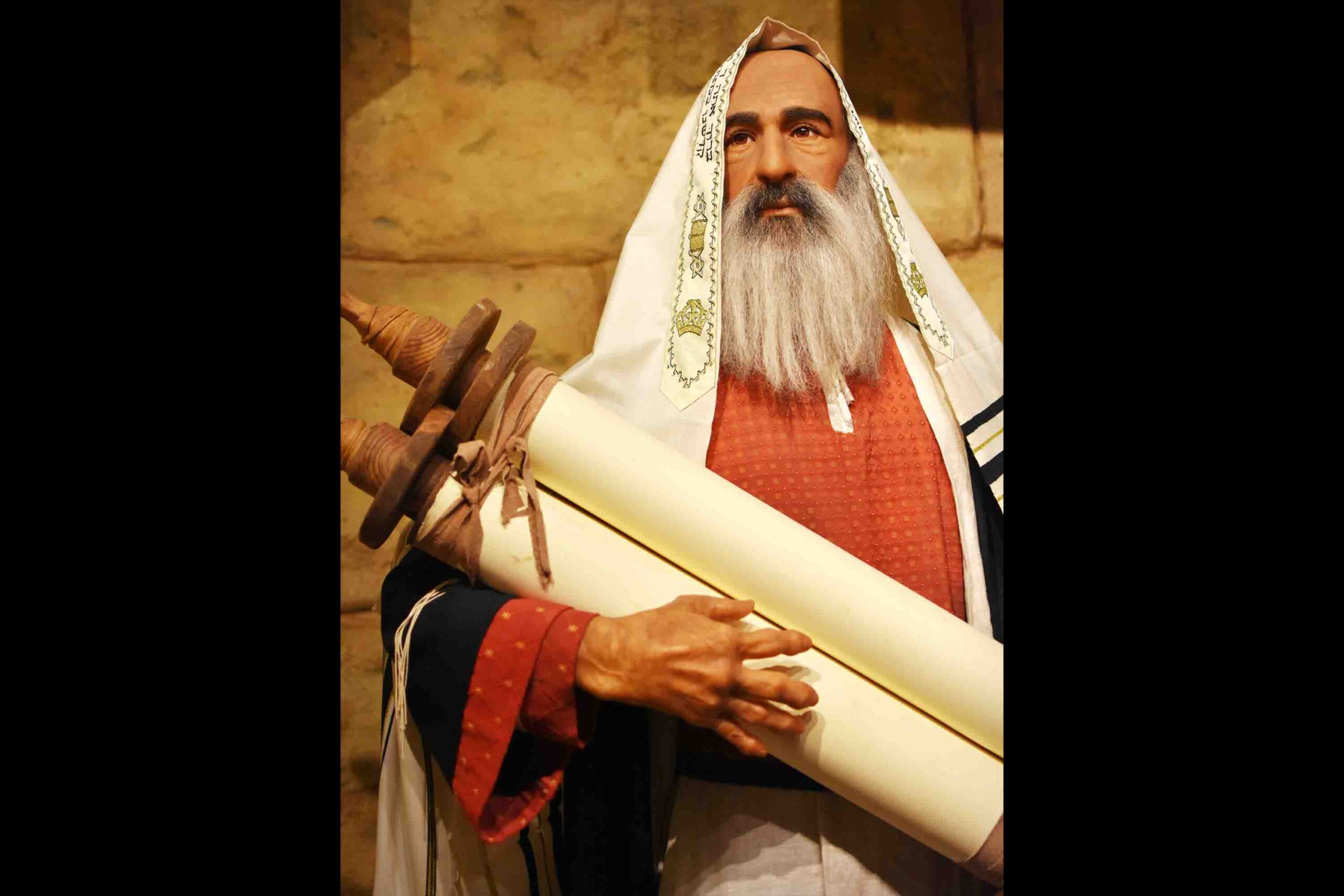
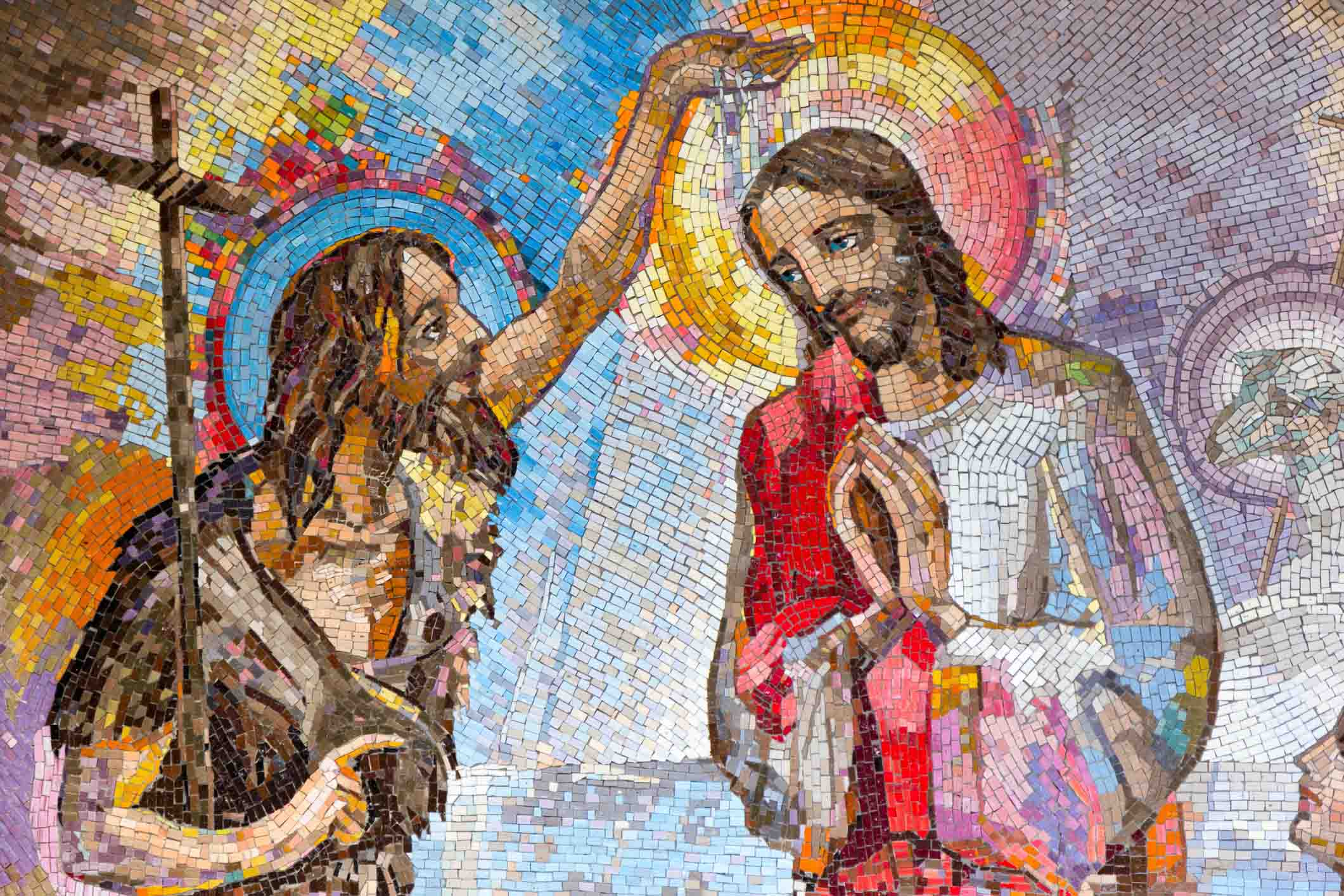
John the Baptist was an ascetic, consecrated to God, who lived a simple life. He called for conversion and, for this reason, baptized people in the River Jordan. In the face of violence, power and injustice, John invited everyone to live a new life, to live according to God’s teachings: “Whoever has two tunics should share with the person who has none, and whoever has food should do likewise” (Luke, 3:11); “do not exact more than what has been laid down for you” (Luke, 3:13). His strong denunciation of the corrupt way in which people governed and lived provoked the wrath of Herod and the court, and John ended up being killed.
John baptized with water, as a sign of inner conversion; Jesus baptizes in the Holy Spirit, and through Baptism we receive new life. To receive Jesus, we need to prepare our hearts and our lives; we need to convert to love, as St Paul writes: “Love is patient; love is kind; it is not jealous or boastful; it is not arrogant or rude. It is not irritable, it keeps no record of wrongs; it is not glad of wrongdoing, but rejoices with the truth; it bears all things, believes all things, hopes all things, endures all things” (1 Cor, 13:4-7). To receive God’s love in our hearts, we too need to prepare ourselves, to have a free heart so that the Lord can dwell in it.
MESSENGER OF LIGHT
The prophet John, chosen and loved by God, was faithful to God’s will throughout his life. He did not seek to be the central figure, so much so that he withdrew when Jesus appeared, knowing that he was only the messenger of the Messiah. In this sense, he always pointed to Jesus, proclaiming him as the Messiah: “John said to all: I baptize you with water, but someone stronger than me is coming, whom I am not worthy to untie the straps of his sandals” (Luke, 3:16) and again, “for this is my joy! And it has been fulfilled! He must increase, but I must decrease” (John, 3:29-30).
John the Baptist is the voice that announces Jesus, the Light of all peoples. That is his mission. His existence, marked by prayer, penance, and humility, is defined in relation to Jesus: the important thing is that Jesus be announced, (re)cognized, and loved.
We too, as disciples of Jesus, always giving primacy to Jesus in our lives, cannot fail to announce Him with joy, without fear, both with our words and with our actions. Knowing that, as Pope Francis said, “a Christian does not proclaim himself, but the Lord.”
FOLLOWING JESUS
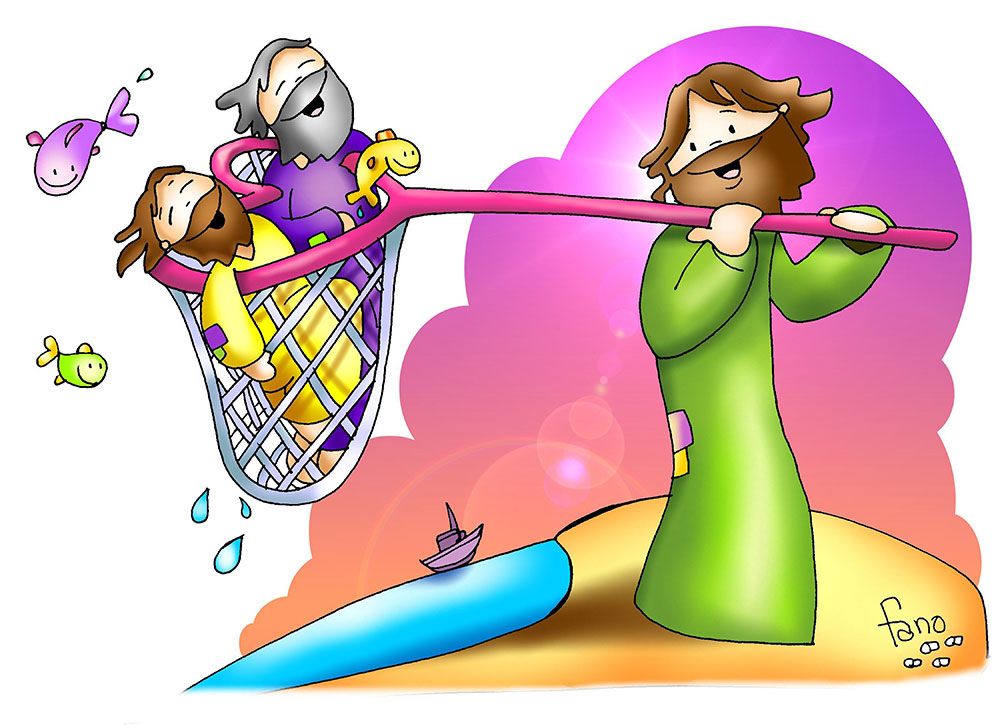
One day, John the Baptist was with two of his disciples. When he saw Jesus walking by, he said, “Behold, the Lamb of God!” (John, 1:29, 35). John’s words awakened in the hearts of the two men, Andrew, Simon’s brother, and the other disciple (whose name is not mentioned, but exegetes say it was John), the desire to follow Jesus (cf. John, 1:35-37-39). Jesus, seeing that they were following him, asked them, “What are you looking for?” They replied with another question: “Rabbi, where are you staying?” And Jesus challenged them: “Come and see.”
They went and stayed with him that afternoon. The conversation between Jesus and his new disciples lasted all day and continued into the night. It was a time, adds St. Augustine, lived in intimate conversation, sensing the mystery of the Kingdom of God. This is the way to discover our vocation: to go with Jesus, to see where He lives, and to stay with Him. Only in this way can we know Him, welcome Him into our hearts, and bear witness to Him without fear. As John Paul II said in 1978, in his homily at the inauguration of his pontificate: “Brothers and sisters: do not be afraid to welcome Christ and accept his power! […] No, do not be afraid! Rather, seek to open, indeed to throw open the doors to Christ! […] Do not be afraid! Christ knows well what is inside man. Only He knows it!”
The mission of each one of us, following the example of John the Baptist, is to prepare the way for Jesus. We are missionaries through baptism and we are called to follow Jesus with joy, being witnesses of the Lord to the ends of the earth.