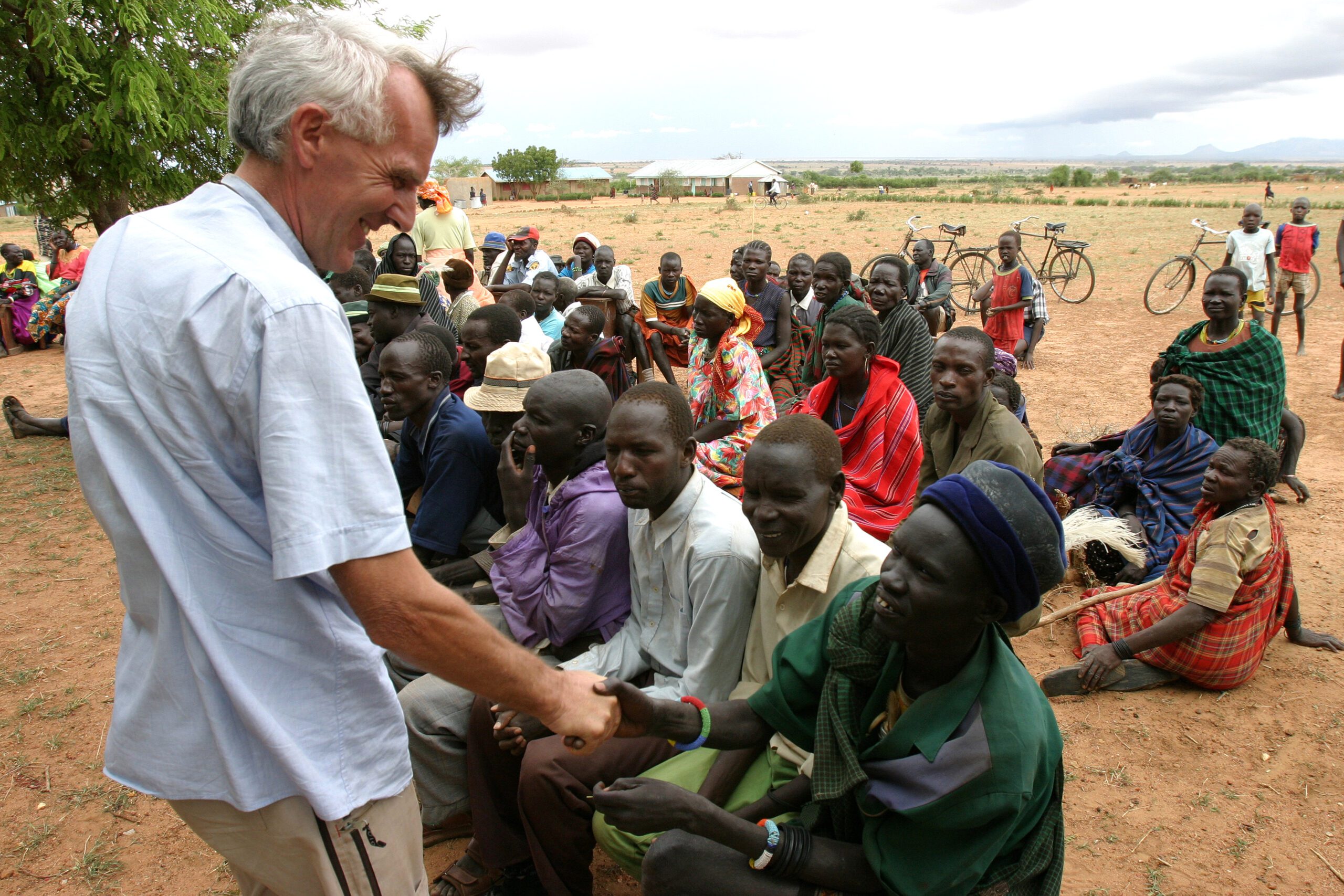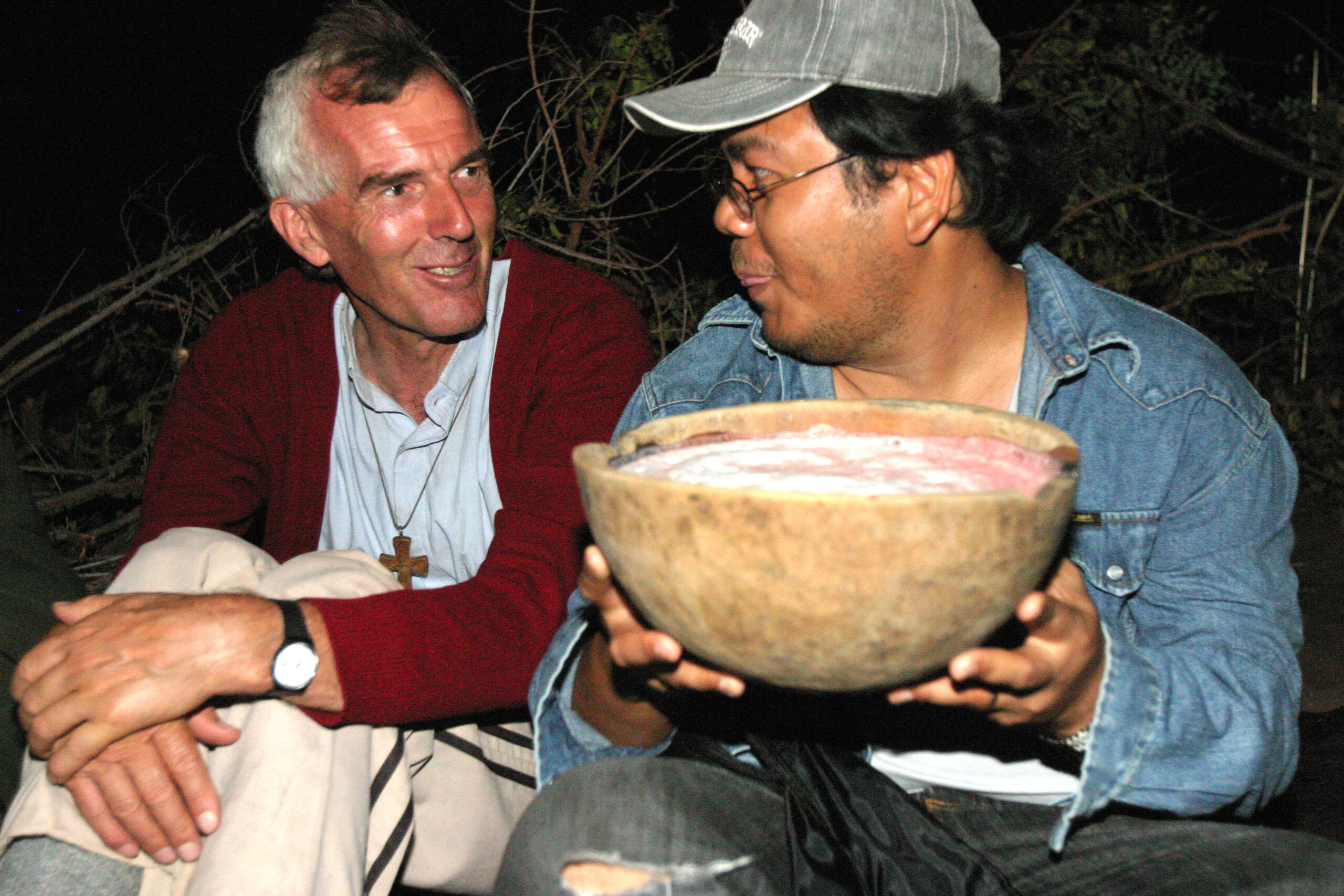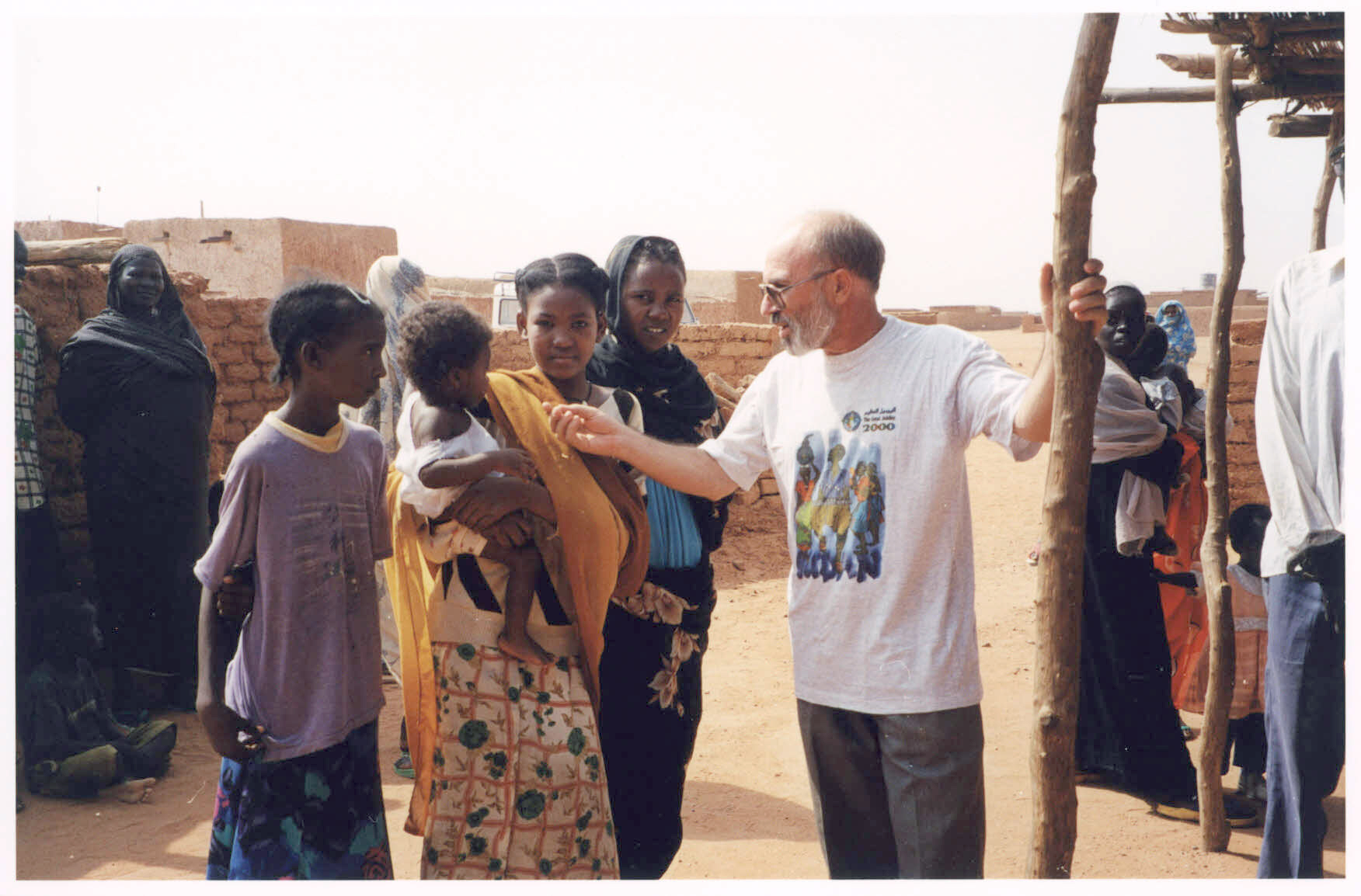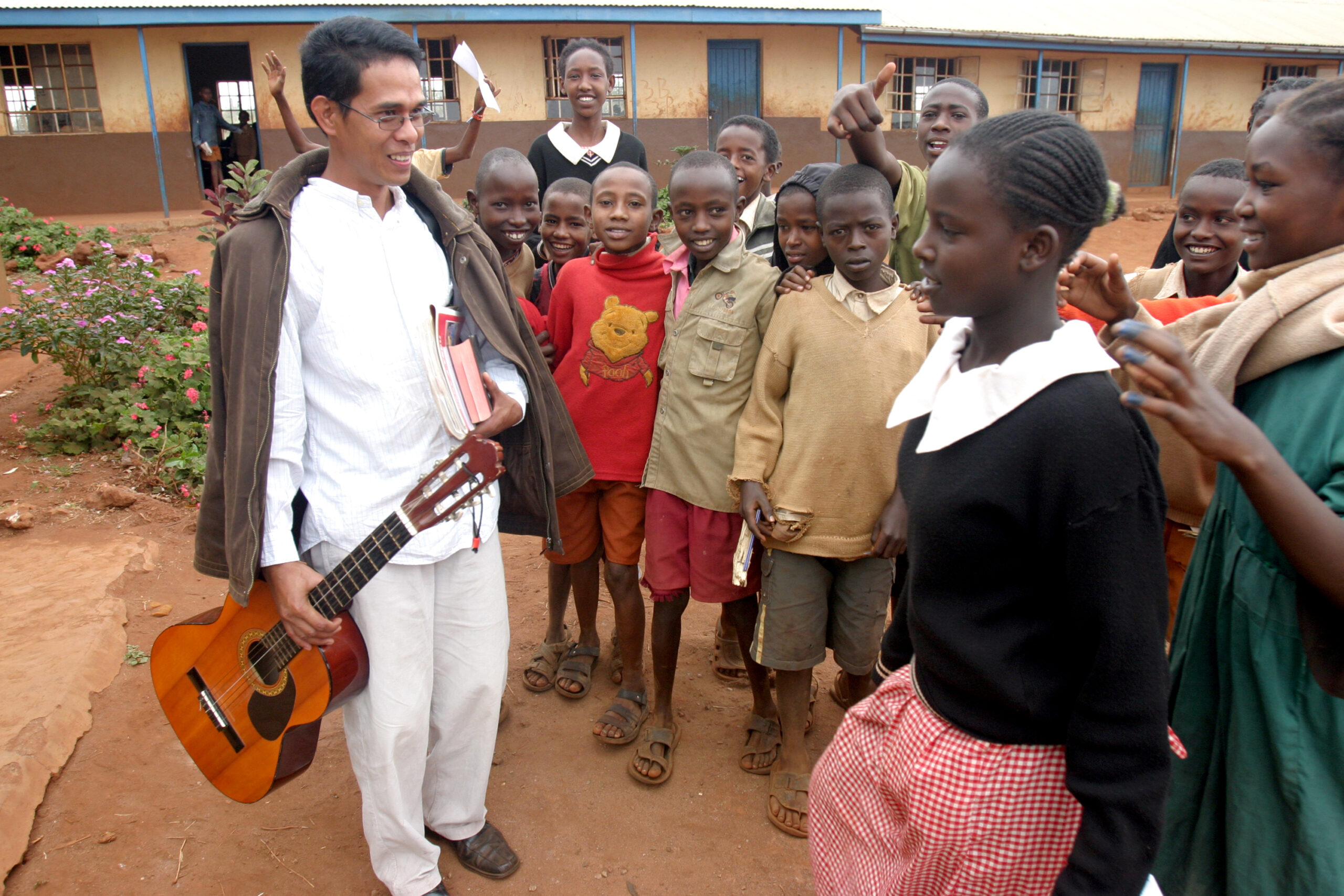

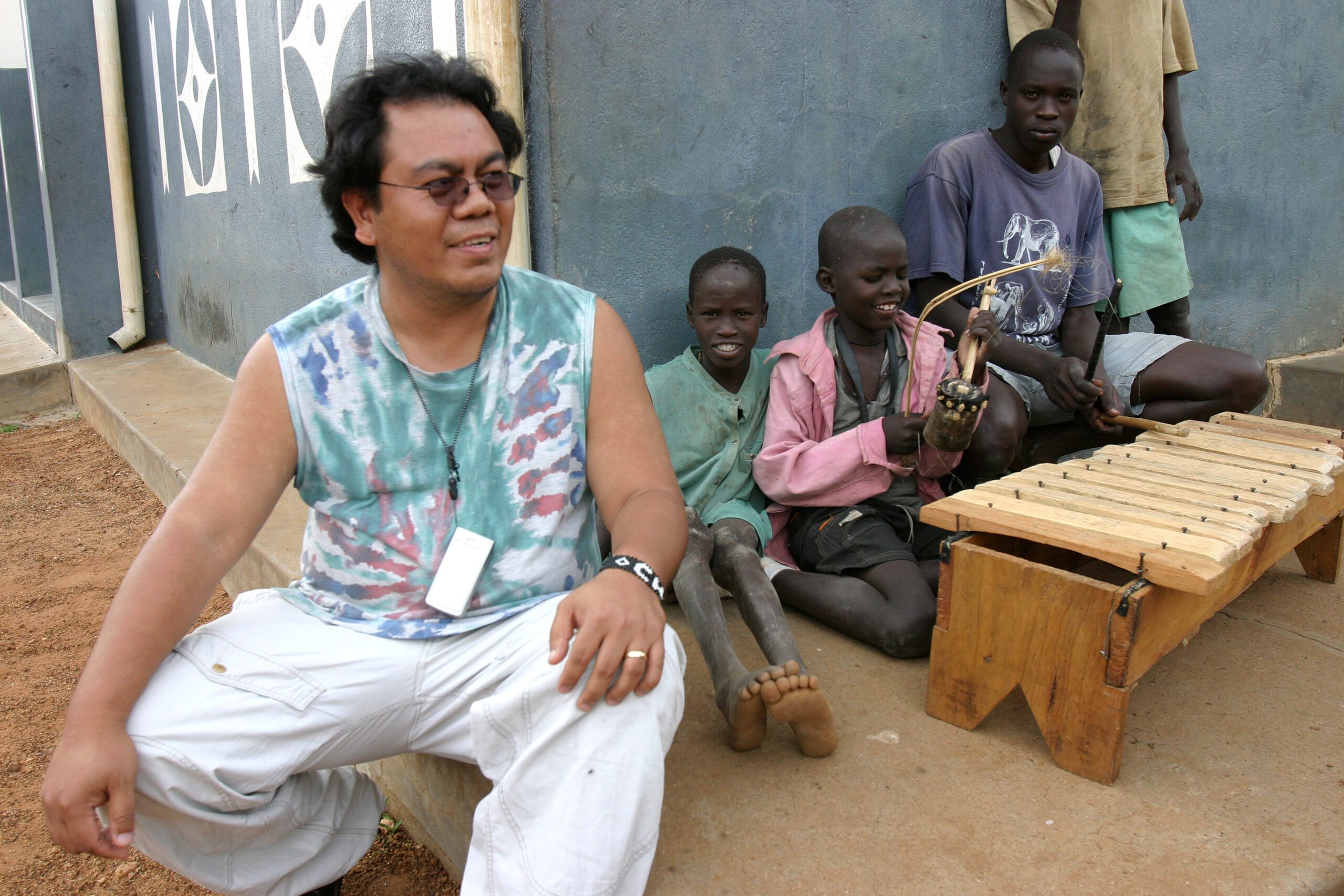
Father Nolie, 30, a native of Majayjay (Laguna) is already at home among the Karimojong. He made many friends and feels that people like him: “They are very friendly. The Jies (the cluster who inhabits Kotido area — Ed.) are wonderful people. They are open and straightforward: If they like you, they really like you; if they don’t, they really don’t. I feel that they like me and they appreciate my presence here.”
Father Nolie was told by the superiors that after learning the language, he might be transferred to another mission in Karamoja where he is more needed. But people don’t want him to go. “This is a sign of their appreciation and friendship with me.”
Even though he will certainly suffer, he is prepared for the move: “In life we have to say ‘hello’ and, another time, ‘good-bye.’ Certainly it will be difficult to leave Kanawati because I have established good relations with the people and somehow I have settled in here quite well. But it is our life: as missionaries we have to go, to move wherever we are asked to go.”
FEAR VANISHED
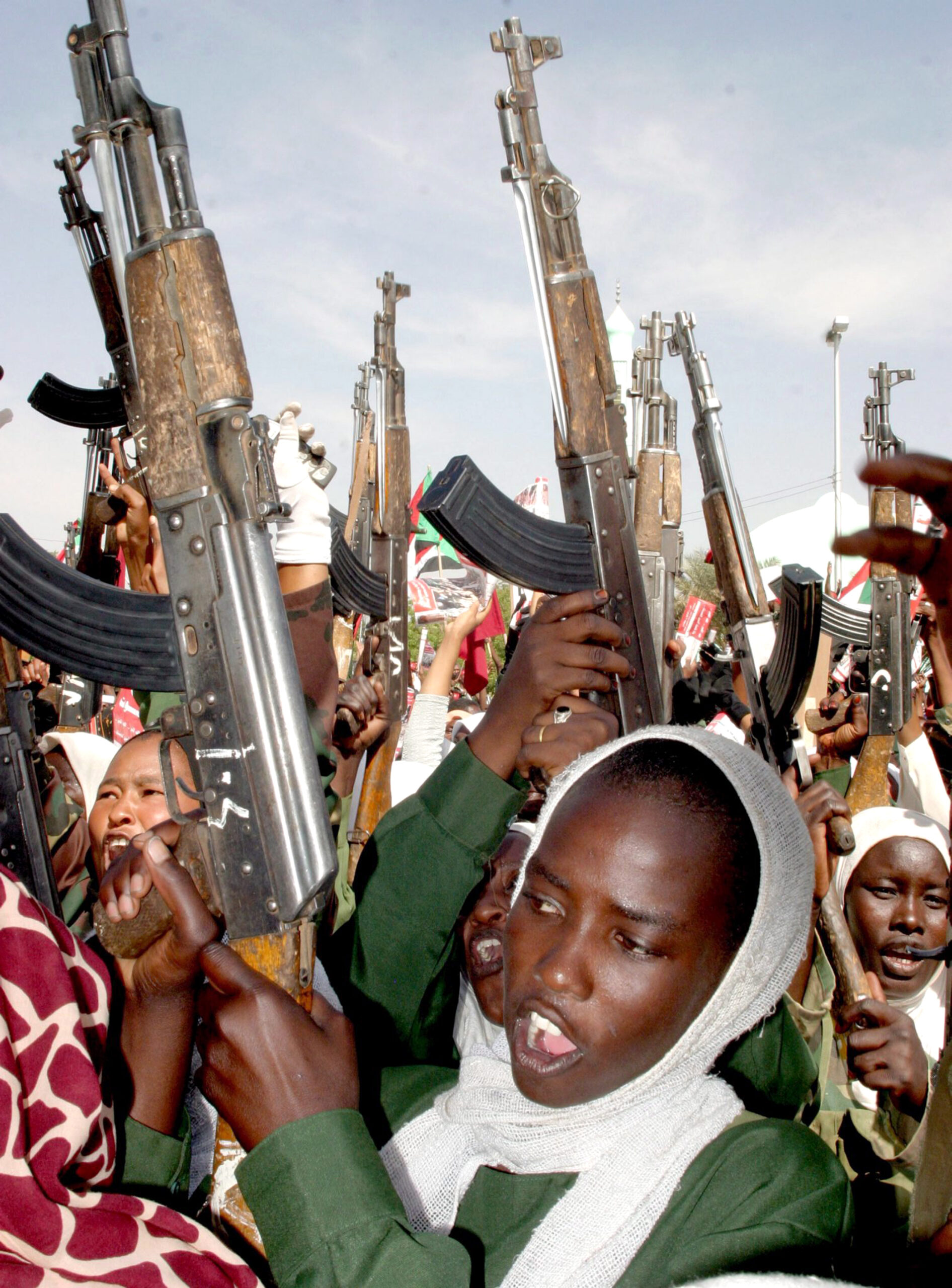
At the beginning, things were not so pleasant. Karamoja is a very insecure area. Beside the parish church, the tombs of two Comboni missionaries — Fr. Mario Mantovani and Bro. Godfrey Kiryowa, killed three years ago during an ambush some 20 km away from Kanawati — are a permanent reminder. Nolie was obviously afraid. “The first months,” he recalls, “we were hearing of a lot of ambushes on the road and gun shots during the night. Sometimes they were so near that I had the impression that the mission was being attacked.” As he came to know people, part of the fear has vanished and now he is even able to spend the night in the nearby villages.
Three months after his arrival, he was stricken by malaria. It was a kind of “African baptism.” He couldn’t forget the uneasiness he felt during those days: “It was a terrible experience – three days of diahrrea and vomiting. I could not sleep and I had a splitting headache. Then I spent four more days feeling weak and avoiding eating anything which could upset my stomach.”
LIFE IS TOUGH
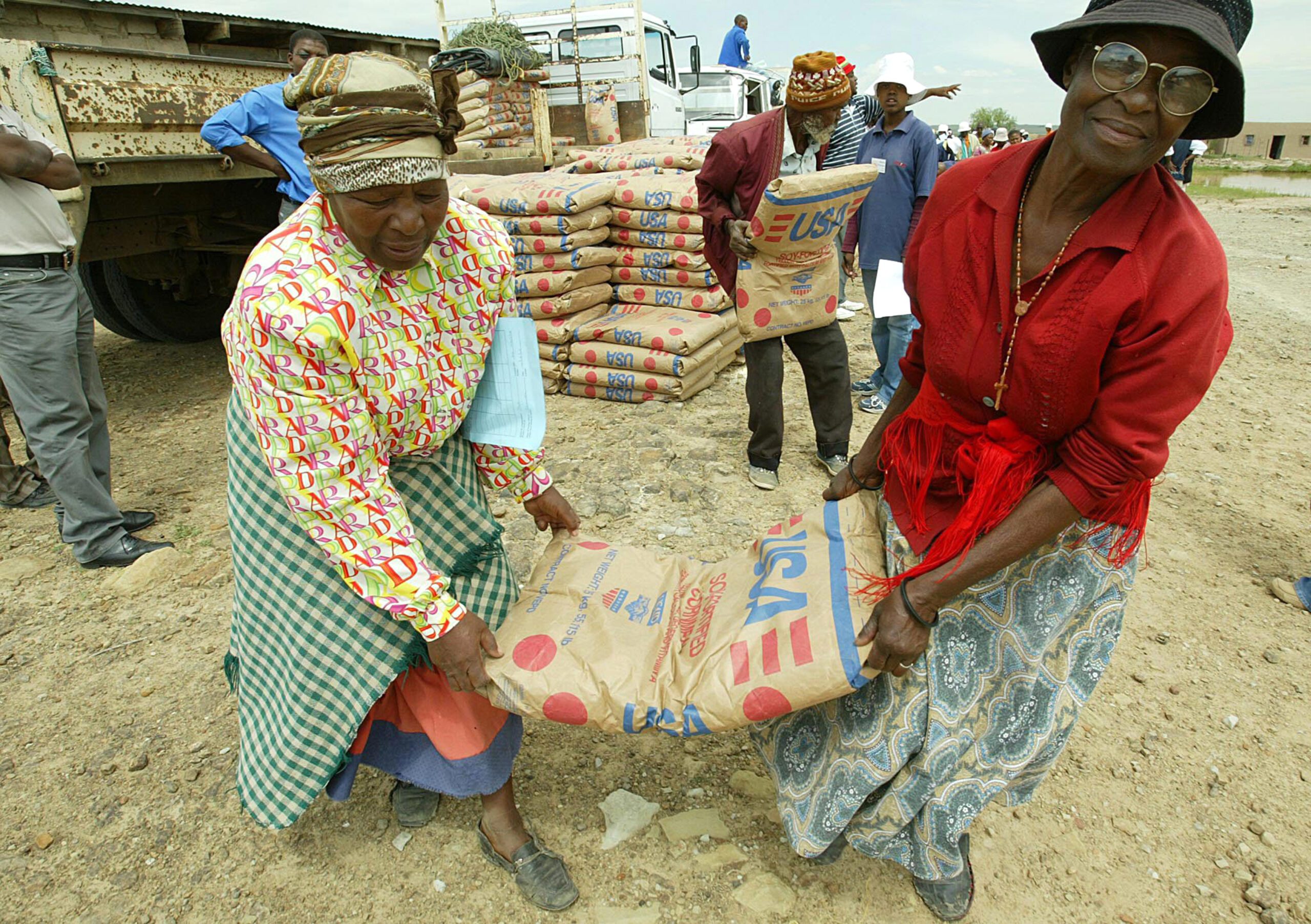
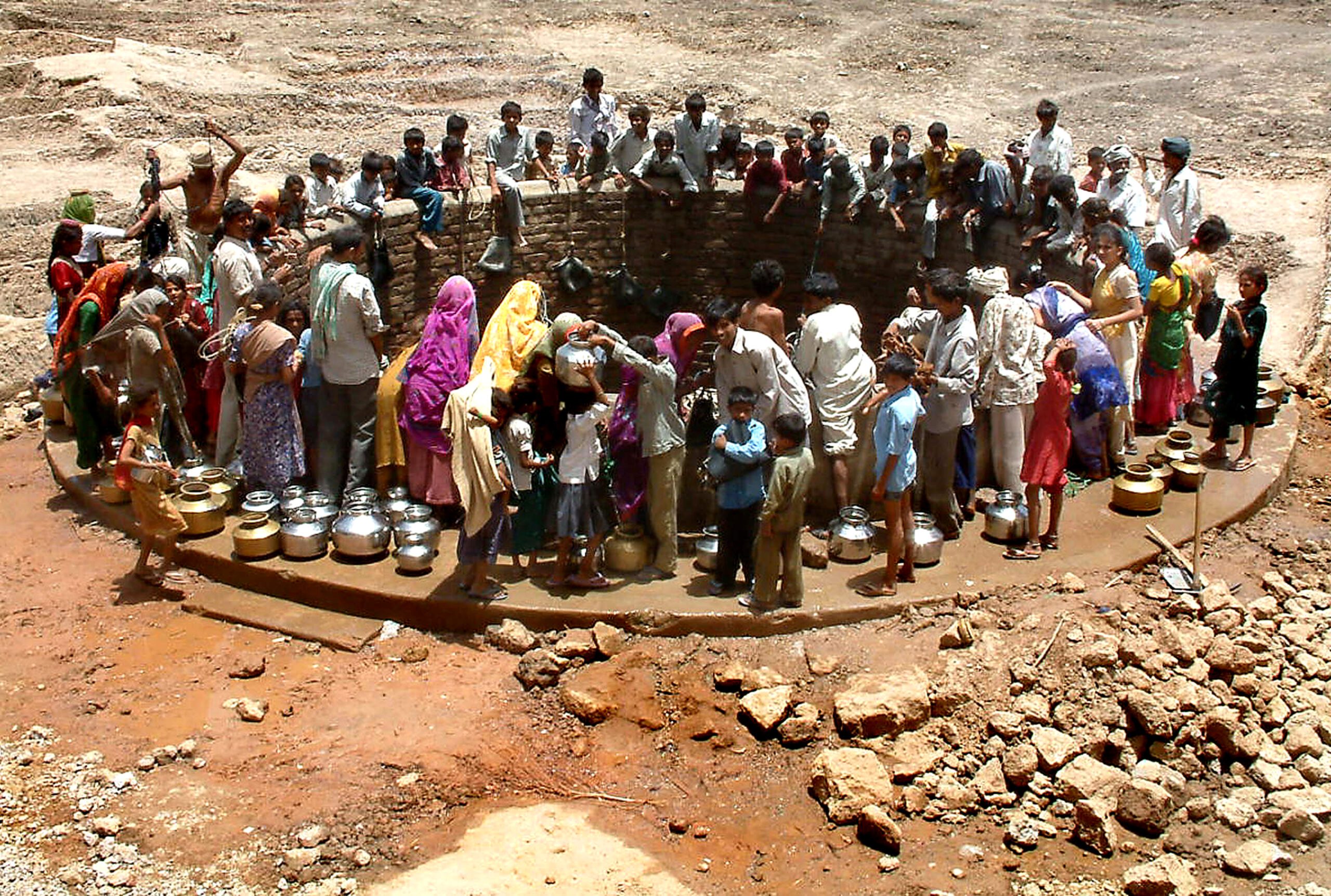
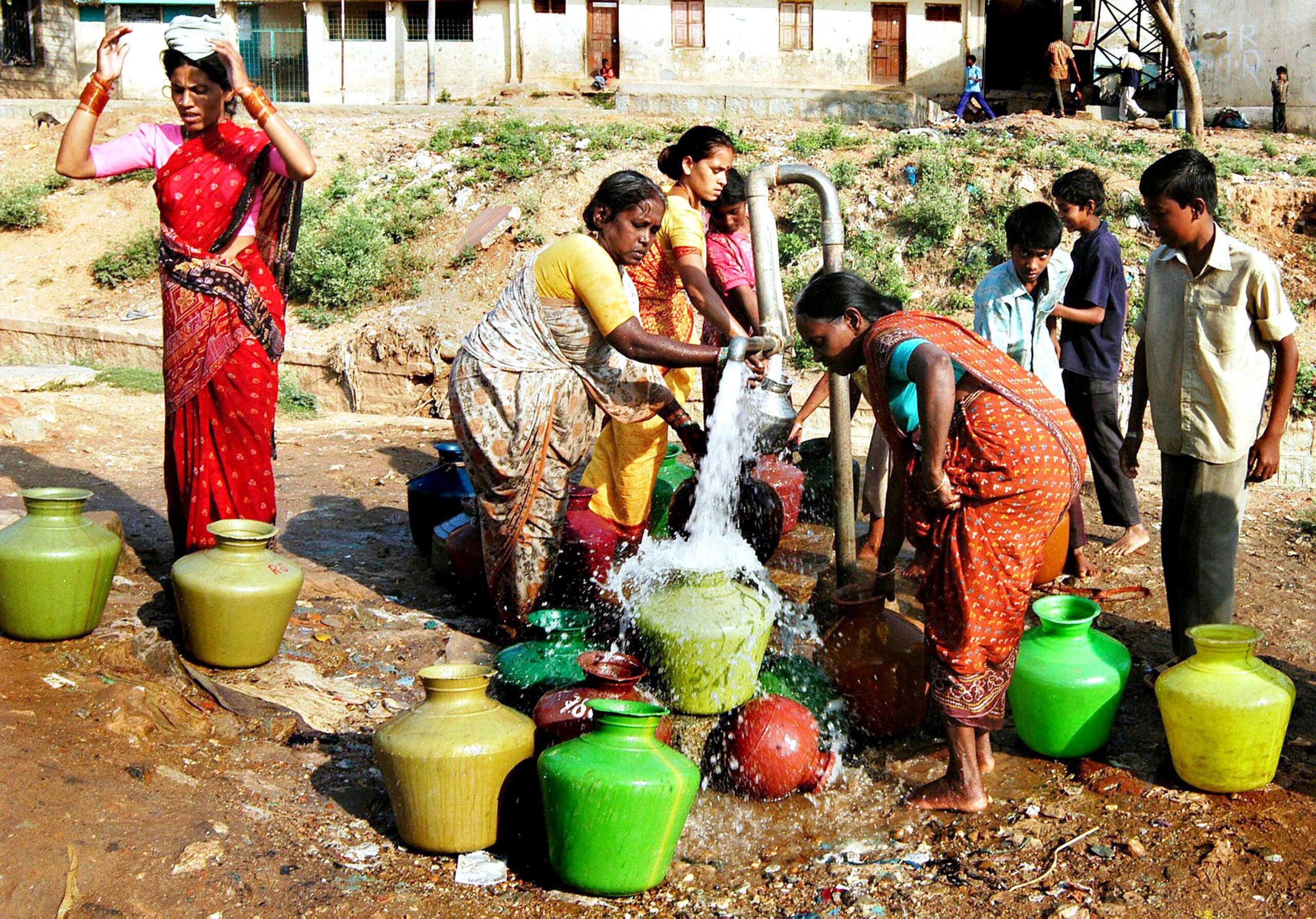
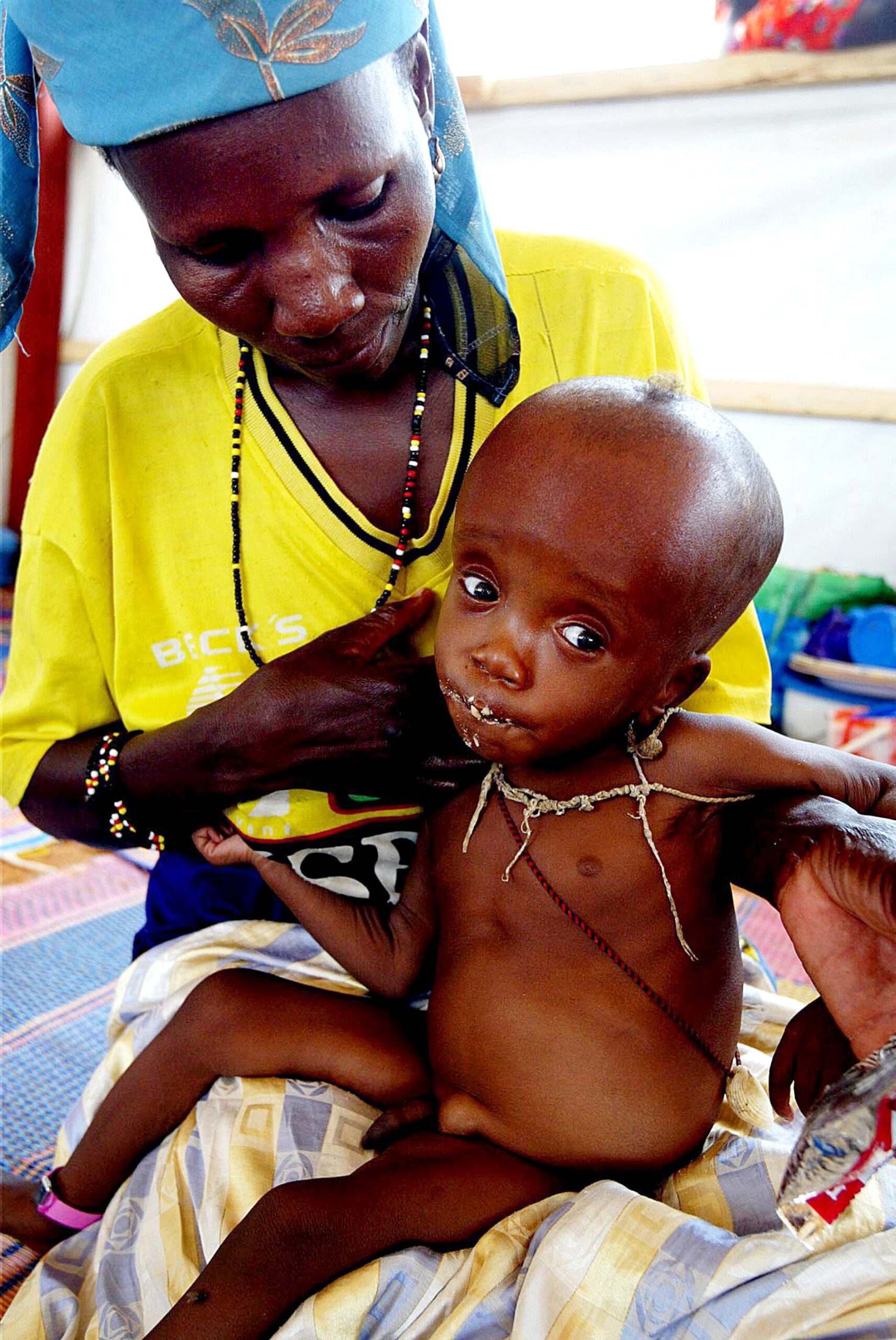
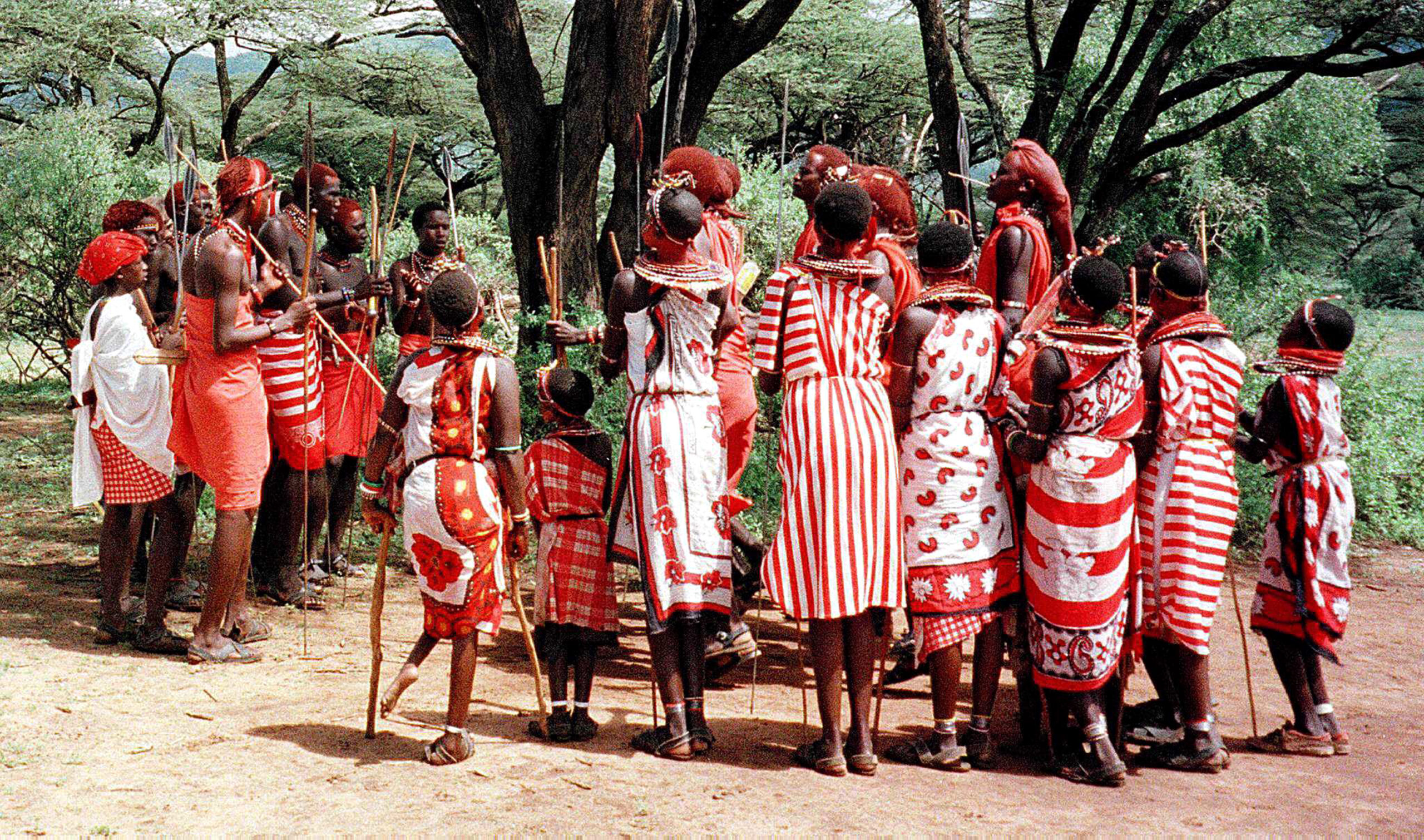
Poverty is rampant. Life is tough as Nolie describes: “I haven’t seen so much poverty as here. In the houses, people have nothing. There’s no electricity and the water is scarce because of drought. They have only one meal per day, that is dinner, which is taken from a big common plate. Normally they eat sorghum or ground maize with beans (they eat meat only on special occasions, for instance, when they have guests). Sometimes, they pass days without eating, just drinking the local beer made of sorghum. Students are better off: in primary school, they are given breakfast and lunch. But the majority cannot afford secondary education due to high tuition fees.” In spite of all the vicissitudes of life, “people are content.”
GOATS COME FIRST
For foreigners, cultural aspects are rather difficult to understand, like the importance attributed to animals in such context. Nolie confesses: “It is something I cannot yet understand. In the villages, we can find animals — cows, goats, chicken — but people hardly kill them. They prefer to be hungry or they come to the mission to beg.” Why do they beg? According to Nolie, “they are not born beggars, but they got used to beg during the war and famine.”
He gives a puzzling example of the Karimojong ‘respect’ for animals: “I have a friend who got very sick. In order to be admitted in the dispensary, he needed 15000 shillings, which is not so much. But his father wouldn’t sell one of their goats. He told me that his father was more ready to see him die than to sell a goat. It is something I cannot understand. They still need to learn that human life is more important than the wealth of animals.”
THE MOST NEGLECTED
Nolie believes that there’s hope for Karamoja, especially through education and evangelization, and aims to insert the Gospel values into the culture: “I see changes in the new generations, particularly, the students. They can perceive the weaknesses of their culture. Just an example: women work really hard while men sleep under the tree. But many students are already washing their clothes and cooking for themselves. It is a big change.”
Missionaries have been working there for many years, but Karamoja is still a place for first evangelization. There’s great resistance to Christianity, especially among warriors. But even in this aspect, things are changing: “For example, in a culture where polygamy is very common, my friends are saying that they will get married in church and they will stick to one wife.”
Father Nolie concludes: “Karimojong are the most neglected people of Uganda. The Government is doing very little or nothing for them. We need to help them as the least of Christ’s brothers. As missionaries, we need to share with them God’s love, that is the most important thing we can give them. Even if we are unable to help them materially, they appreciate our presence.”