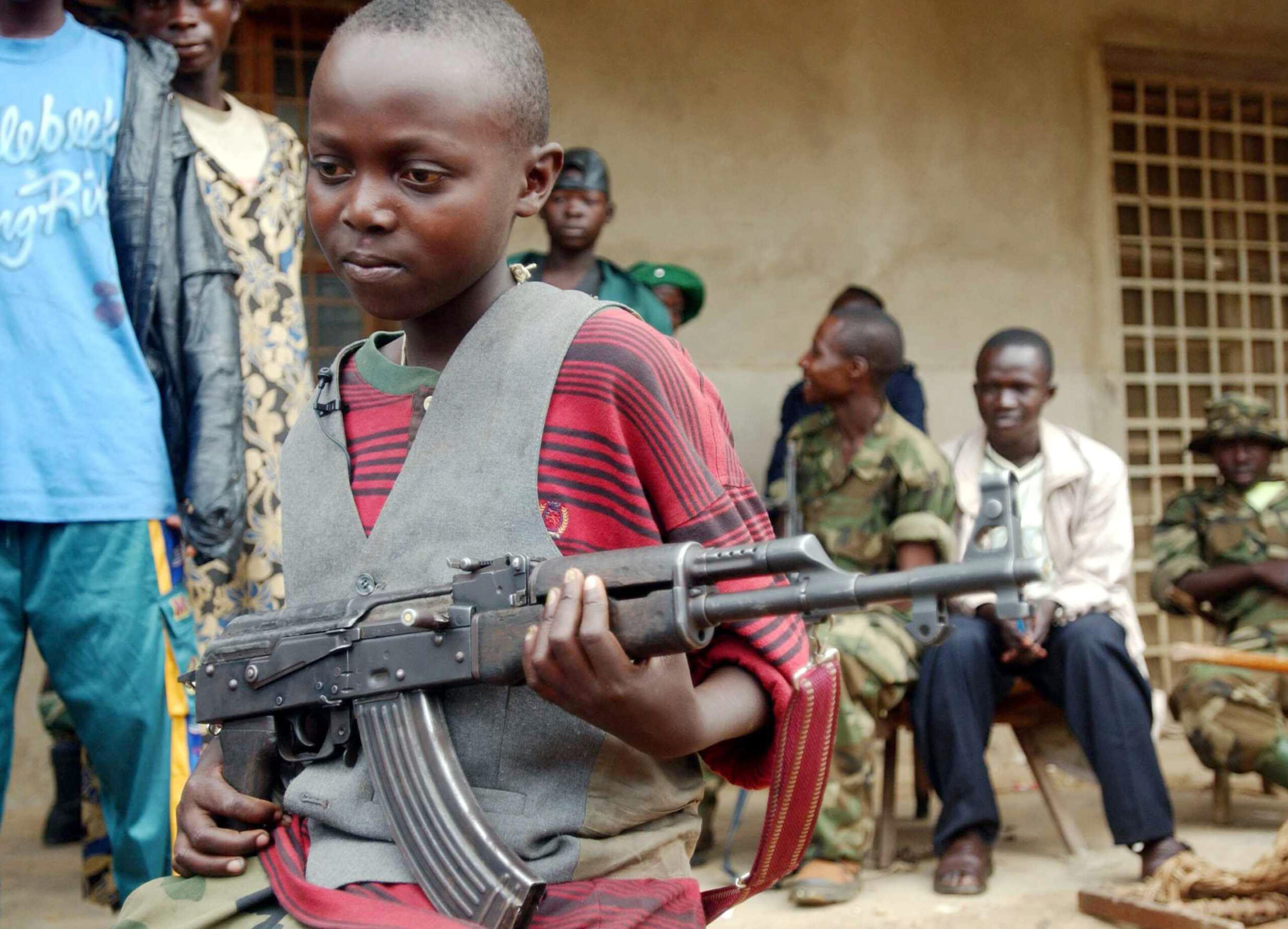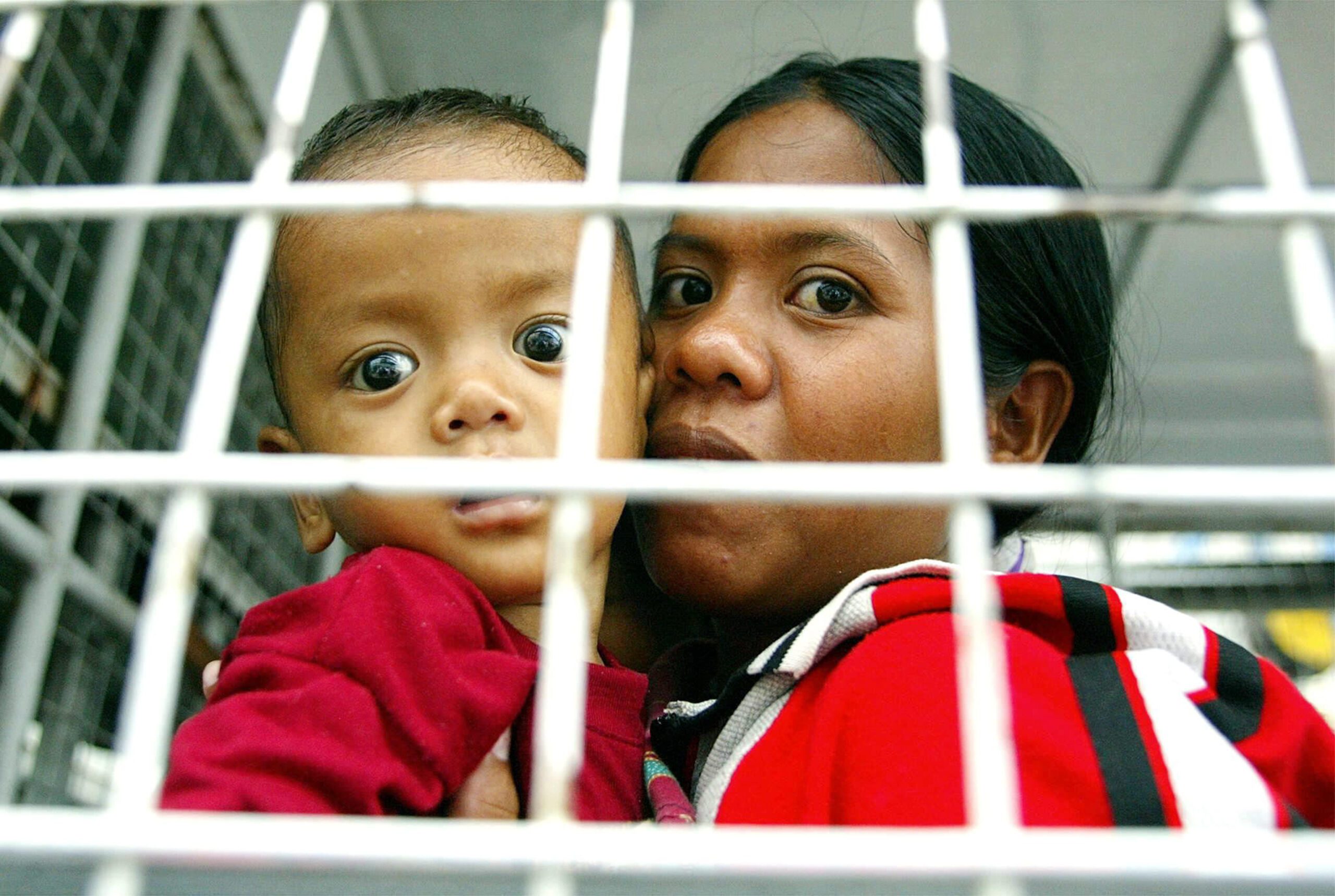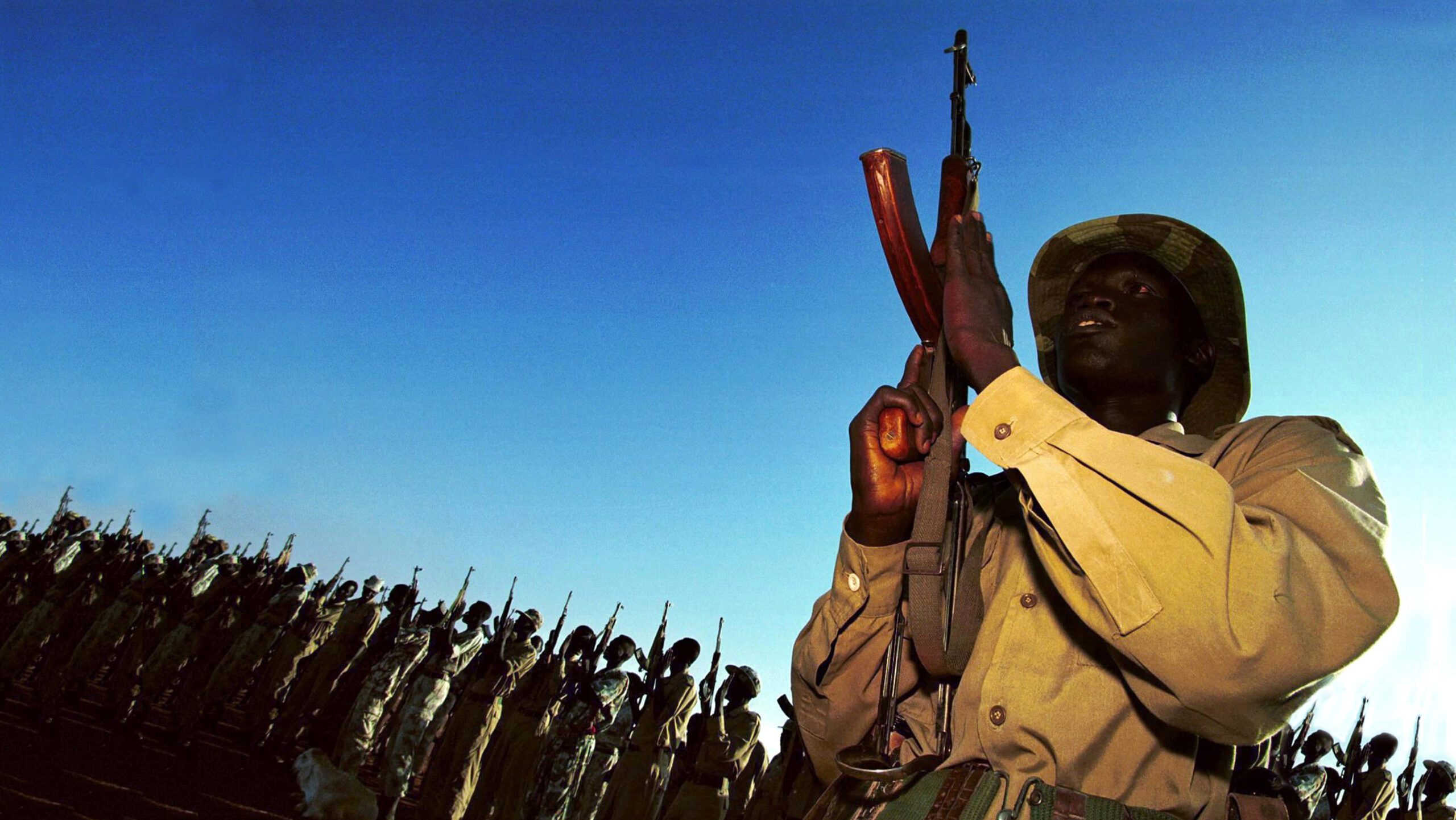
Two years have passed since the realization of the first free elections and one year since the Goma Peace Conference. And, again, there are more than 250,000 new displaced Congolese – raising the number to between 1.3 and 2 million only in North Kivu, according to the United Nations – in camps or fleeing terrified throughout the region. Chasing them, once more, are the Tutsi rebels of the National Congress for the Defense of the People (CNDP), led by dissident General Laurent Nkunda, who claim to be victims of the Hutu Rwandese genocide but, in turn, have been massacring thousands of defenseless civilians.
If anybody had still doubts about the support rebels were getting from next-door Rwanda, experts of the international organization Group Crisis have declared to the American newspaper Wall Street Journal that the country is giving “medical support and military supply” to Nkunda and his cohorts.
Following the directives of its international sponsors, led by Kigali and Washington, the CNDP seems resolved to continue killing until they ensure permanent control of the resource-rich Kivu region against China, which is strengthening its commercial ties with the Democratic Republic of the Congo (RDC).
It is not by chance that the rebels have chosen these last months to intensify their offensive. They know that the world is pending from the global financial crisis and it has been very entertained with the result of the North American presidential elections. Above all, they know that, with a new government in the United States, under Barak Obama, changes might happen. So, they have decided to make themselves heard and to appear as a force to be reckoned with.
IMPOTENCE
What worries most is that the combats in the north of Goma have been terrible, and the United Nations Mission in Congo (MONUC) has not been able to stop them. Destined to protect civilians, the blue helmets have only denounced the “war crimes” committed by the Laurent Nkunda rebels and the pro-government Mai-Mai militia, which usually act near their outposts. Up to now, they have only opened an investigation to clarify the atrocities committed in the locality of Kiwanja, 80 kilometers north of Goma, where they have discovered 11 common graves and at least 70 corpses.
The government forces are not beyond criticism either. On November 11, in panic, “after a reorganization of their troops and rumors of attack” of the CNDP rebels, they committed “atrocities and lootings” in several parts of the east of the RDC. “The military looted and committed other atrocities against the civil population in the zone of Kanyabayonga,” denounced the MONUC’s military spokesman Jean-Paul Dietrich, quoted by France Press.
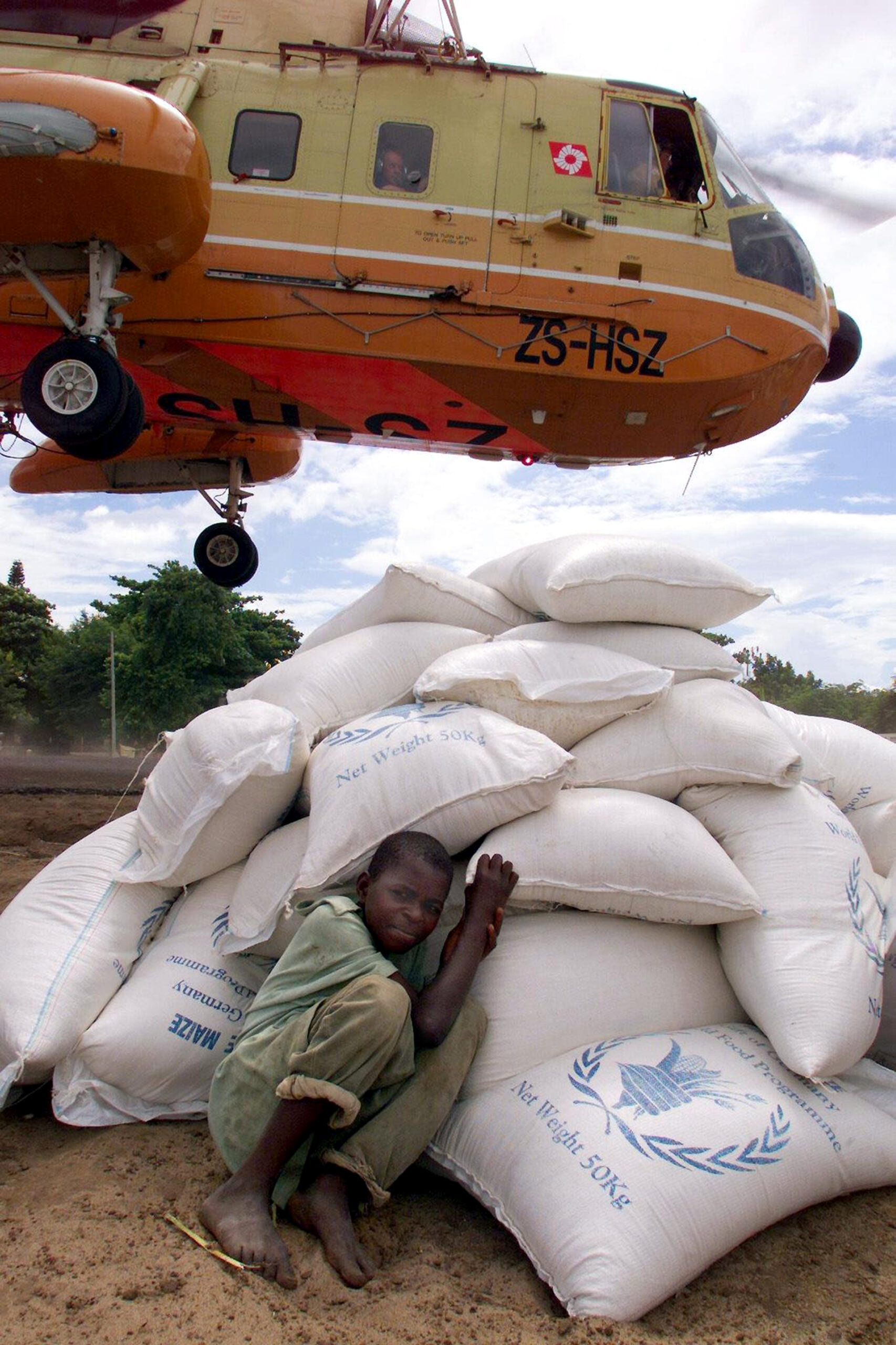
With the news reporting that the population does not have enough food to eat and place to sleep, two mixed feelings have emerged: of impotence and of apprehension. There’s no wonder that the MONUC’s Force Commander, Spanish General Vicente Diaz de Villegas, resigned due to “personal reasons,” last October 27, less than three months after his appointment. Certainly, because intelligent and honest people cannot remain too long in the middle of such a great farce!
“It seems that none of the actors with interests in the conflict wants, in fact, to commit itself firmly to maintain peace, since the interests at stake are considered more important than the human, social and political cost that the hostilities can inflict,” said the archbishop of Bukavu, Msgr. François-Xavier Maroy Rusengo, to Prime Minister Adolphe Muzito while visiting the area on November 5. “In a climate of great confusion, the population is being decimated, while great passivity reigns. Why?” the prelate questioned.
HUMANITARIAN CHAOS
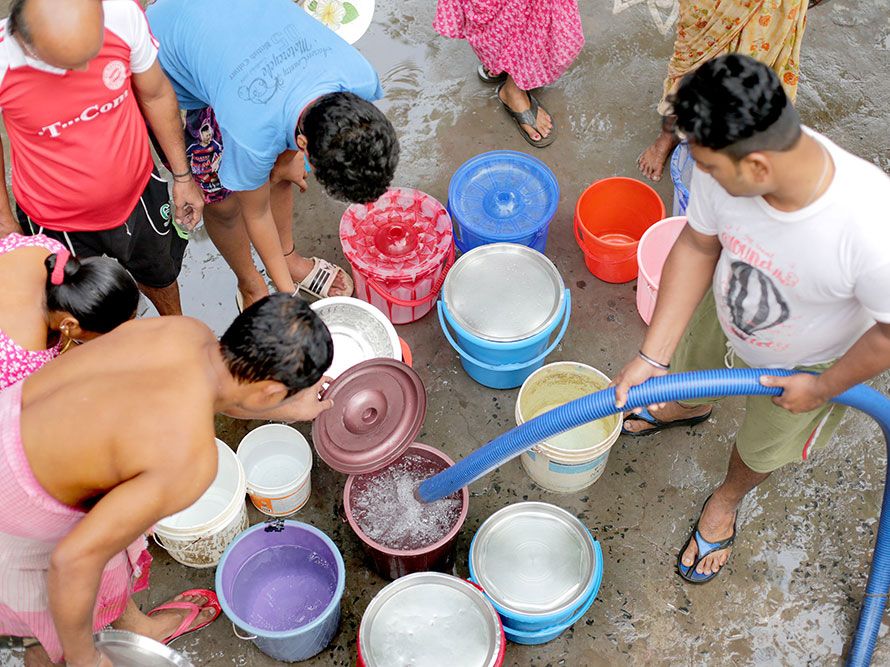
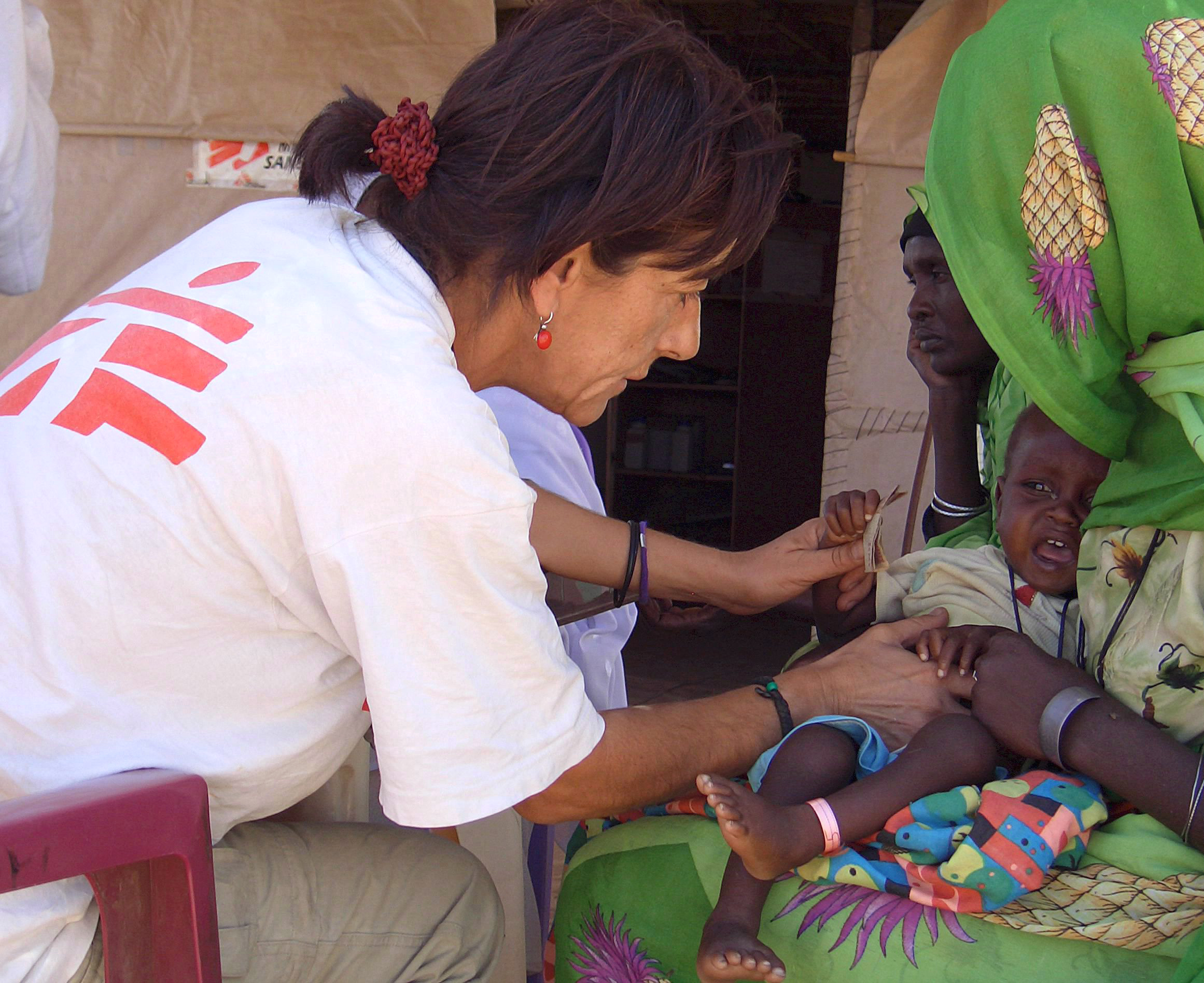
Within the human chaos caused by the last fights between government forces and the rebels, Red Cross has denounced cases of sexual violence against women. The humanitarian organizations denounce that they have restricted access to take care of the population. In addition, the cases of cholera have much increased in the last weeks, reaching a thousand, according to the World Health Organization, an epidemic outbreak that is being addressed with great effectiveness by organizations like Doctors Without Borders.
In order to alleviate the suffering of the population, the UN named in November – in the meeting called by UN Secretary-General Ban Ki-moon in Nairobi (Kenya), to sit at table, the Rwandese president, Paul Kagame, and the Congolese, Joseph Kabila) – Olusegun Obasanjo, ex-President of Nigeria, as mediator between Rwanda and RDC.
The Southern Africa Development Community (SADC) has also decided to send “peace troops” to the area “if necessary.” Such a deployment, not being under a UN mandate, could extend the conflict to the neighboring countries as what happened between 1998 and 2003, when the Congo was devastated by a regional war: Rwanda, Uganda and Burundi fought in Congolese soil, directly or through rebellious groups, against a pro-Kinshasa coalition supported by Angola, Zimbabwe, Namibia and Chad.
Faithful ally of the RDC, Angola could have already sent troops to the region. Should this be confirmed, it could provoke Rwanda to respond openly. From Brussels, the NGO Oxfam International has denounced that “the international community is not fulfilling its responsibility to protect civilians in the east of the Congo” and asked again the ministers of external affairs of the European Union, gathered in November, for the shipment of peacekeeping troops. The UN peacekeeping chief, Alain Le Roy, asked the Security Council for a reinforcement of 3,000 soldiers. (The request has been granted – Ed).
NEGOTIATIONS
Meanwhile, the rebels continue advancing towards Goma in spite of the promise made, on November 16 in the city of Jomba, by their leader to the mediator, Obasanjo, that he would keep the cease-fire. This situation led President Joseph Kabila to name a new Army chief of staff. Laurent Nkunda, who demands direct conversations with Kabila, now requests the integration of his troops into the Congolese Army and the renegotiation of contracts signed by Kinshasa with Chinese companies.
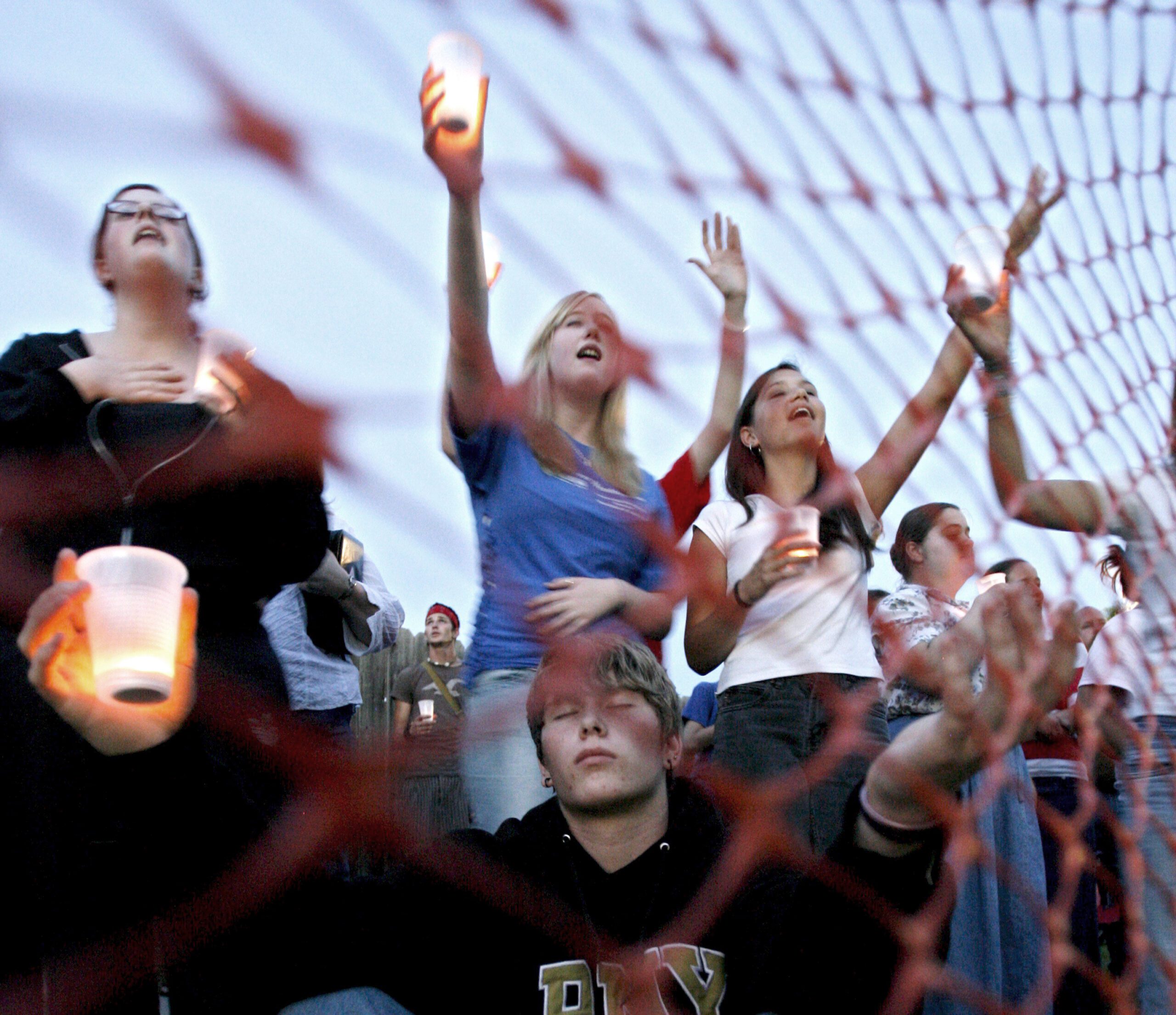
Violence, however, no matter how irrational and indiscriminate and how cruel its manifestations are, cannot be the last word. Keeping hope alive in this castigated region has been the mission of the NGOs and, especially, of numerous religious congregations that work in the area in favor of the defenseless population, often risking their own lives.