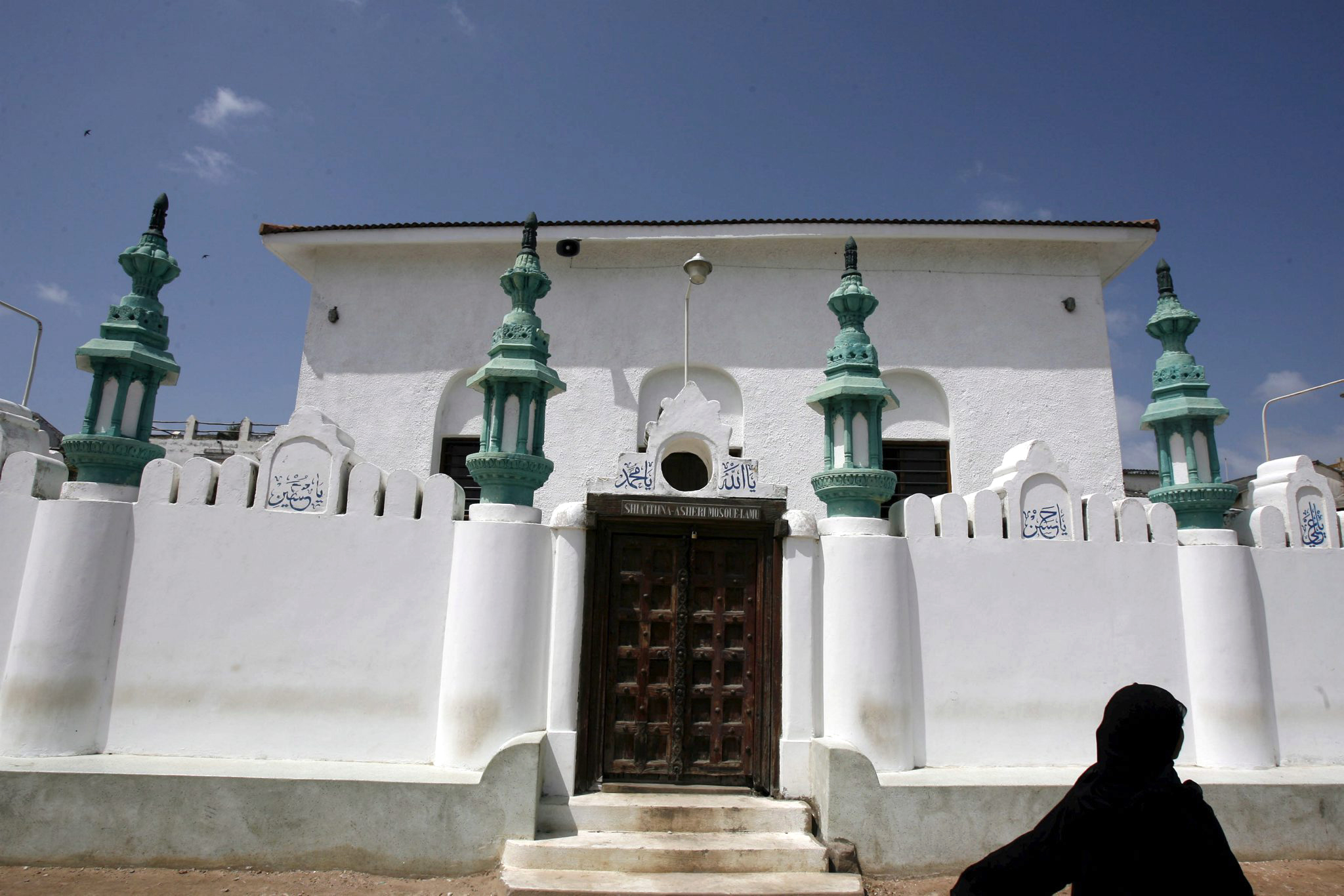
Land of Christian-Islamic Encounter

INTRODUCTION

Is Christian-Muslim dialogue still not considered a priority more than 40 years after the promulgation of the Vatican Council II document, Nostra Aetate? The Christian-Islamic encounter is potentially easier and more fruitful right in Africa, where the Islamic community often has absorbed a spirit of tolerance and the capacity to live in harmony with neighbors, which is typical of traditional African cultures.

WRITTEN BY

SHARE THE WORD

PUBLISHED ON

Due to lack of students, the yearlong full-time academic course in Islamic Studies at Tangaza College of Nairobi has been suspended. The course started in Rome in 1989 at the prestigious Pontifical Institute of Arab and Islamic Studies (PISAI) founded by the Missionaries of Africa (White Fathers). The course’s objective was to give a basic formation for pastoral agents of the church working in Islamic regions. In one year, participants learned a substantial knowledge regarding Islam and were prepared for encounter and dialogue.

After noting that the majority of students were from Africa, and after a prolonged evaluation, it was decided in 2000 to transfer the Islamic Studies course to Tangaza College of Nairobi. In the first three years in Nairobi, there were only two or three full-time students and for the past few years, there were none. The teachers − all highly qualified − now offer only elective courses in the School of Theology. Though these elective courses are well attended and appreciated, it is evident that they are unable to prepare individuals for a specific responsibility.

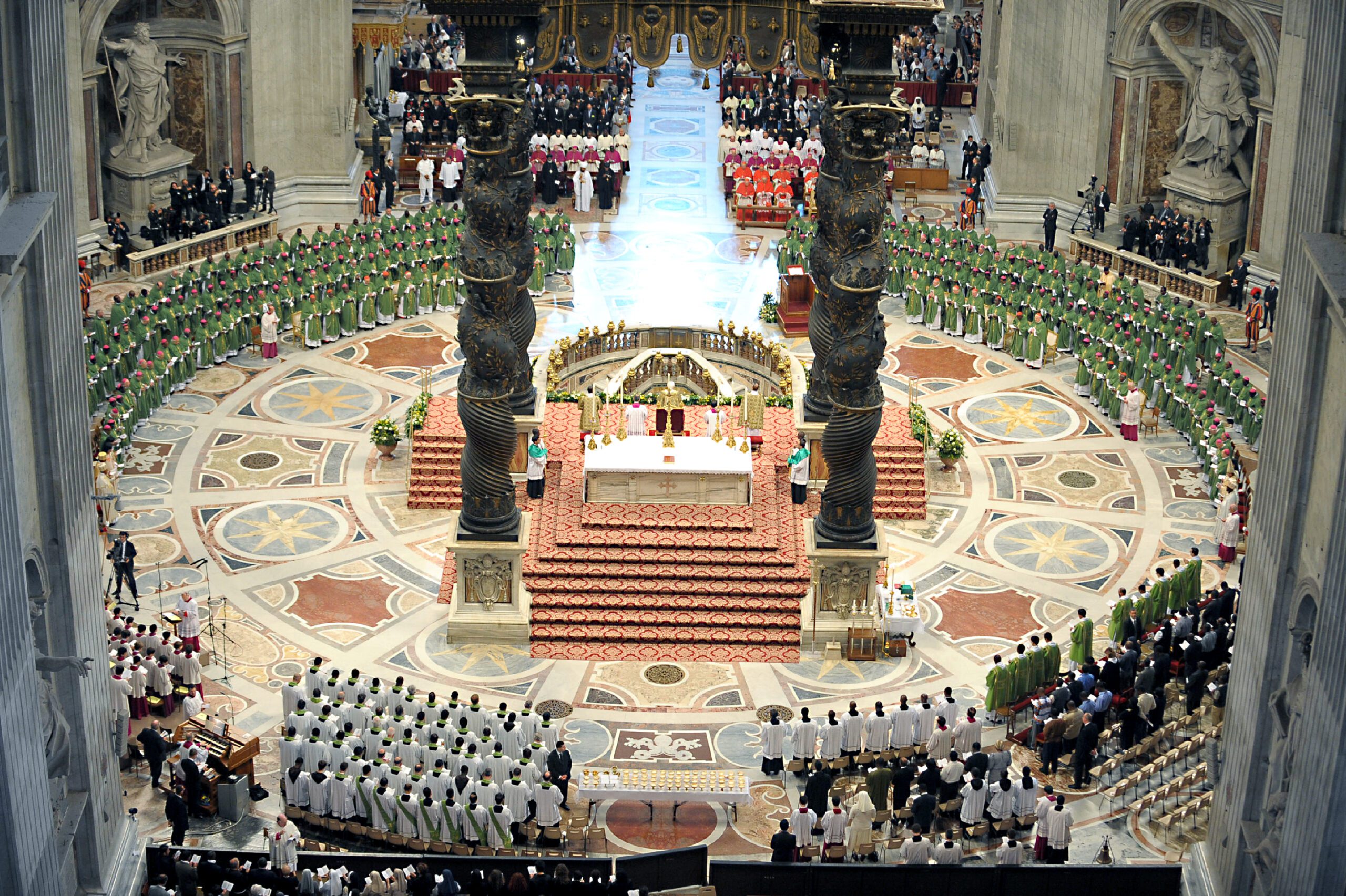
Is this a sign that Christian-Muslim dialogue is still not considered a priority more than 40 years after the promulgation of the Vatican Council II document, Nostra Aetate? This distressing question seems justified when reading the Lineamenta for the next African Synod. In the printed version circulating in Kenya, there is a single page of text dedicated to Islam and only one question in the final questionnaire. This, out of 66 pages! A really paltry preparation for a synod in a continent where Islam has a considerable presence in many countries and has an enormous majority in countries such as Algeria, Chad, Egypt, Gambia, Libya, Mali, Morocco, Niger, Tunisia, Senegal, Somalia, and Sudan.

NOT A PRIORITY
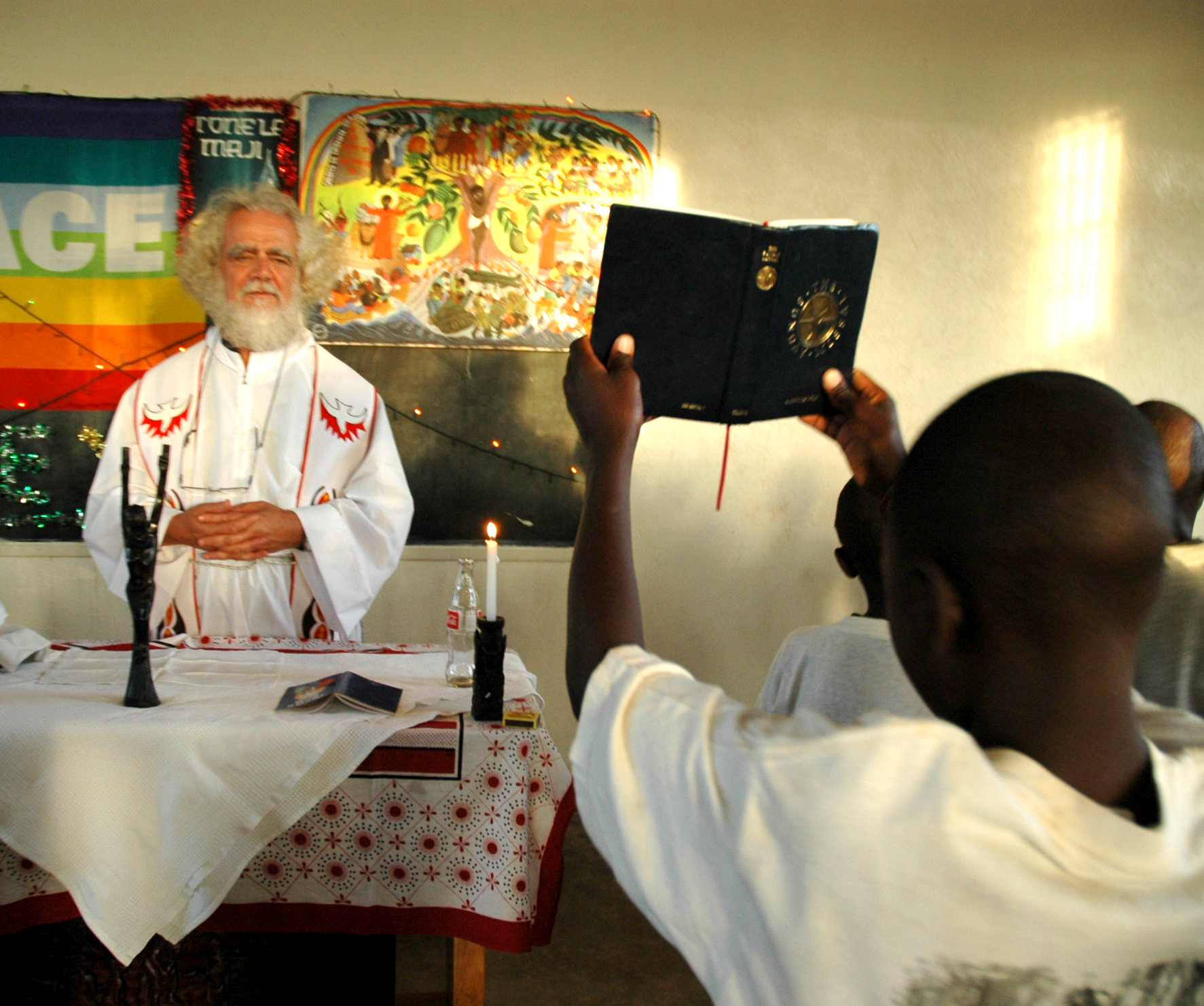
I spoke with Missionary of Africa Father Paul Hannon concerning this issue. Father Hannon has dedicated his entire life to the encounter with Islam, and, until a few weeks ago, was the Coordinator of the Department of Islamic Studies at Tangaza College. Currently, he is preparing to return to a large parish on the outskirts of Khartoum, where he believes he may be able to exercise a ministry more useful to the Christian community and to his Islamic friends.

Why wasn’t the course in Islamic Studies successful at Tangaza? “One reason might be the high cost of living in Nairobi,” said Father Hannon, but, he added immediately: “We need to say, however, that the principal reason is that the encounter with the Islamic world is not a priority for the bishop and religious congregations, especially in places like Kenya where Muslims are a minority. While there are some Muslims, they are not the menacing kind − there is no urgent need to confront ourselves with them. And thus, we lose a great opportunity to develop relationships. In countries like Sudan, where the Church has suffered marginalization and persecution at the hands of the Islamic majority, the Christian community prefers to maintain a certain distance. I understand this reaction, and I certainly don’t judge those who have endured tremendous sufferings, but it seems to me that we must go beyond these incidents. Notwithstanding all this, we need to increase opportunities for encounters and showcase agreements which already exist.”

A CIVIL DIALOGUE
And yet some dialogue with the Islamic world seems to have started, even if the atmosphere is not very relaxed. After the provocation of Pope Benedict XVI at Ratisbon, there followed the October, 2006 open letter of 28 professors at the Academy of Amman, and then, there were several high-level meetings squeezed into the calendar; the last one was held in Rome. Eight delegates of the Islamic Culture and Relations Organization of Teheran met and discussed with the leadership of the Pontifical Council for Interreligious Dialogue on the topic: “Faith and Reason in Christianity and in Islam.” A real “civil dialogue” is slowly emerging, which is quite different from the “clash of ignorance” fed by those on both sides who rely on stereotypes and stock arguments.

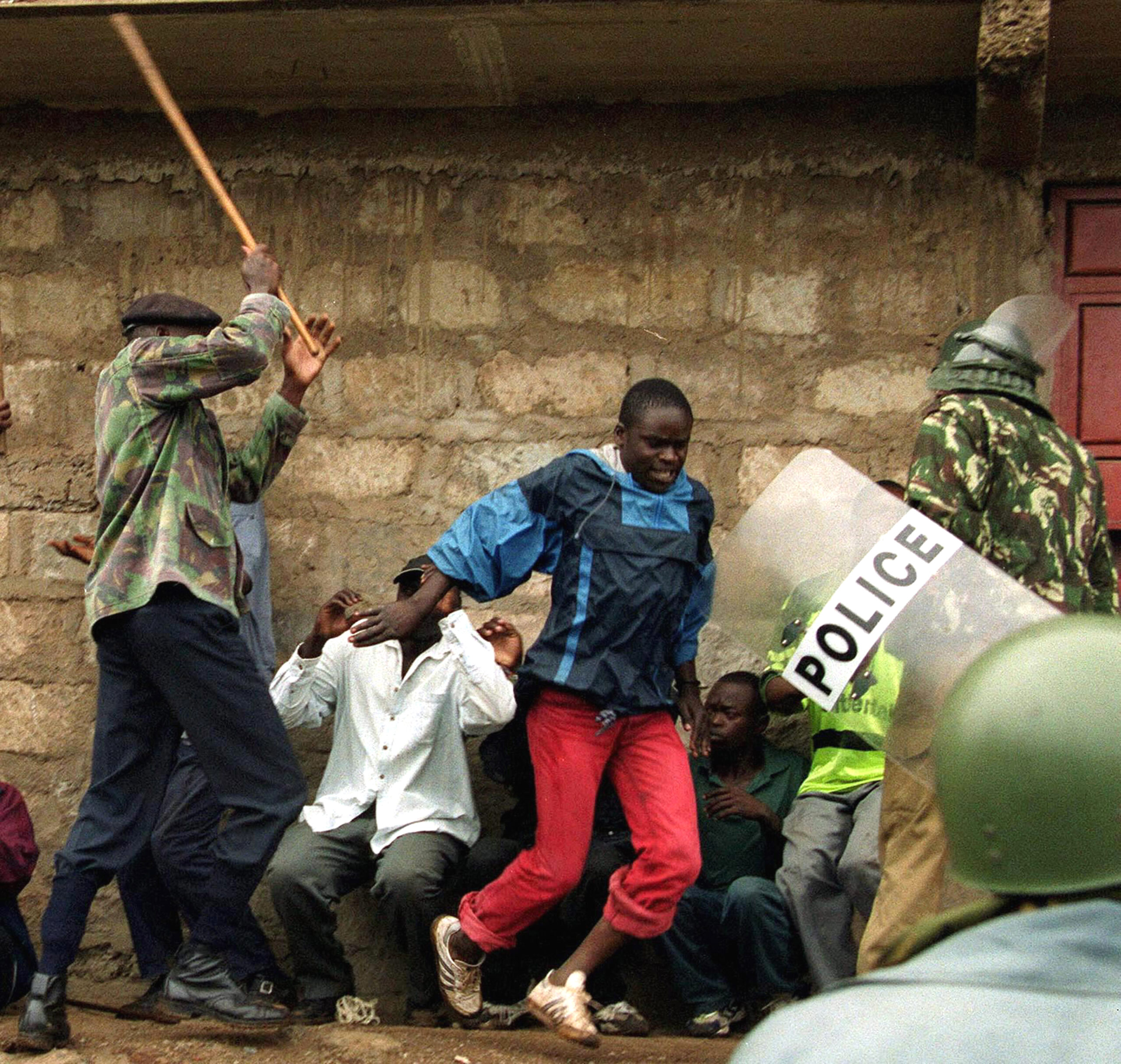
According to Father Hannon, we shouldn’t overlook the possibilities of Islamic-Christian collaboration that emerge in daily life. “At a very basic level, before we begin to speak of dialogue,” he sustains, “we need to speak of encounter. First of all, we need to become aware that, throughout Africa, there are Muslims all around us. We need to ‘see’ their presence, recognize it and promote opportunities for encounters, not necessarily on religious themes, but on topics of common interests, such as, justice and peace, human rights, economic development and social equality. For example, the serious problems in Kenya recently could have become an occasion for common reflection and action. In Kenya, there are some open and illuminated Muslims with whom it is possible to meet and begin a fraternal assessment on these themes.”

The Christian-Islamic encounter is potentially easier and more fruitful right here in Africa, where the Islamic community has absorbed often a spirit of tolerance and the capacity to live in harmony with neighbors, which is typical of traditional African cultures. It is enough to bring to mind the Islamic community of Senegal, in particular, and the Sahel region, in general.

THE FIRST CHURCH
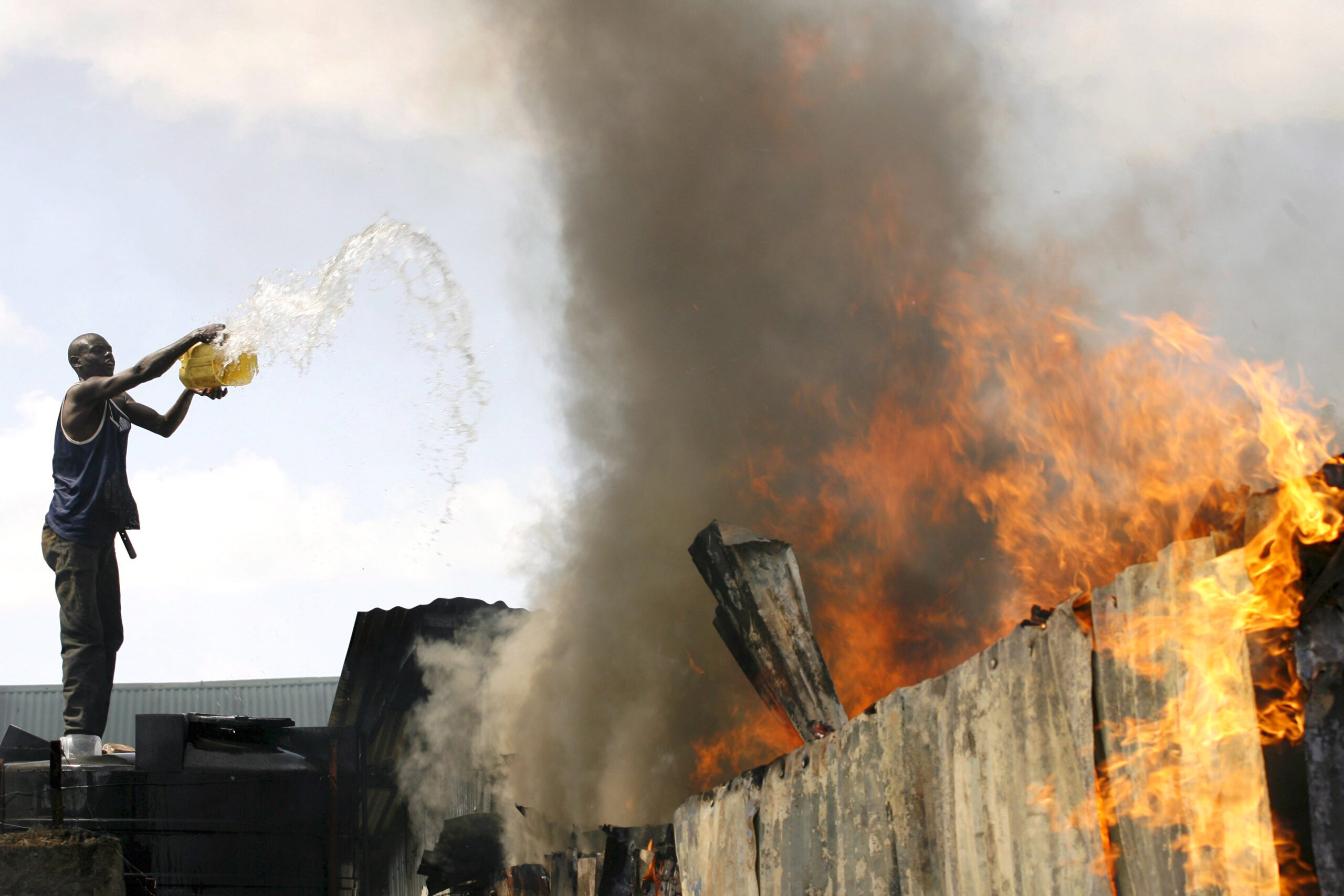
Father Hannon speaks enthusiastically about the efforts of his confreres in Tandale, a suburb of Dar es Salaam, Tanzania, and about the Interdenominational Association of Kenya organized just a few years ago. Also, in Uganda, despite the resistance and misunderstanding of some Muslim leaders, the editorial board of the Ugandan interdenominational magazine, Together, was finally able to convince the members of the Supreme Council of Uganda that dialogue is not a secret strategy of the Catholic Church to convert Muslims. Of even greater consequence is the experience of dialogue at Hajj Yousif on the periphery of Khartoum along the road to Kassala. It was here in August, 2005, following the death of John Garang in a helicopter crash, that there were lootings, violence and homicides. Garang was the leader of the fight for the liberation of South Sudan and many believed that Garang’s death was organized by the most intransigent Muslim forces. Nevertheless, though difficult, it was in this parish where authorization was given in 2006, for the first time in Sudan for decades, to construct a church.

The theme of the next synod is “The Church at the Service of Reconciliation, Justice and Peace.” A first elemental reflection on these great themes reveals immediately two possible “movements” as regards Christian-Islamic relations in Africa. First of all, reconciliation between the believers of these two religions must start from acknowledging one another to looking each other in the eye, to actively discussing divisions, conflicts and past massacres (where these have taken place, like the one on the coast of Kenya) in order to learn how to look at our common origins and at the one God. The diocesan initiative in Mombasa, Kenya for street children did just that. The street children project had the inspired name of “Sons of Abraham.”

SERVING JUSTICE AND PEACE
The other movement would be an activity which would bring the faithful of these two great religions together in service of justice and peace for all people. This is not a dream. An understanding in this field is achievable, if there is reciprocal resolve. As Father Hannon stresses, when he speaks of the progress in the last few years: “It is important to say that where we see abundant fruit, it is because individual Christians [and Muslims] with courageous efforts leapt into action, allowing the Spirit to guide them.”

Returning to the Lineamenta for the Synod, we can hope that this painfully inadequate text, even if it is only an initial reflection on the possible encounter and collaboration between Christians and Muslims, will be substantially improved by the contributions of the African episcopate. Maybe the Instrumentum Laboris, the text which will serve as the basis for the Synod’s discussion and whose publication is expected within the next few weeks, will offer a vision better articulated and, at the same time, may it be more prophetic.

Share Your Thoughts

All comments are moderated

From The Same Issue

The articles and content about this issue

From The Same Issue

The articles and content about this issue

From This Topic

The articles and content about this topic

From This Topic

The articles and content about this topic

African Insight

Active Love

Explore Other Topics

Browse other coverage

Explore Other Topics

Browse other coverage

WM SPECIAL

Presents, discusses and draws readers to reflect on issues of outmost relevance to the world today.


FRONTIERS

Very often, mission is carried out in frontier situations around the world. Those who embrace these situations have much to share.


UNITY IN DIVERSITY

Writer Ilsa Reyes will be exploring the richness of Pope Francis’s latest encyclical Fratelli Tutti with a view of helping our readers to get a grasp of the this beautiful papal document.


FRONTLINE

Puts to the front committed and inspiring people around the world who embrace humanitarian and religious causes with altruism and passion.


IN FOCUS

Focus on a given theme of interest touching upon social, economic and religious issues.


FAITH@50

As the Philippines prepares to celebrate 500 years of the arrival of Christianity. Fr. James Kroeger leads us in this series into a discovery journey of the landmark events in the history of faith in the Philippine archipelago.


INSIGHT

Aims to nurture and inspire our hearts and minds while pondering upon timely themes.


FILIPINO FOCUS

The large archipelago of the Philippines, in its richness of peoples and cultures, offers varied and challenging situations for mission.


FOLLOW ME

Reflections and vocation stories that shape up the lives of young people.


MISSION IS FUN

As humor and goodness of heart are qualities of Christian and missionary life, the new column “Mission is fun” will be publishing some anecdotes and stories that have happened in a missionary context to lighten up the spirits and trigger a smile in our faces.


LIVING COMMUNION

To help readers of World Mission live this year dedicated to Ecumenism, Interreligious Dialogue and Indigenous Peoples, Tita Puangco, writer and lecturer, shares in this section insights on the spirituality of communion.


WINDS OF THE SPIRIT

A historic view of the Catholic movements that emerged from the grassroots as an inspiration by the Holy Spirit.


BRIDGE BUILDERS

On the Year of Ecumenism, Interreligious Dialogue and Indigenous Peoples, radio host and communicator Ilsa Reyes, in her monthly column, encourages Christians and people of good will to be one with their fellow people of other sects, religions and tribes.


INTERVIEW

Questions to a personality of the Church or secular world on matters of interest that touch upon the lives of people.


WORLD TOUCH

News from the Church, the missionary world and environment that inform and form the consciences.


CARE OF THE EARTH

A feature on environmental issues that are affecting the whole world with the view of raising awareness and prompting action.


EDITORIAL

The editor gives his personal take on a given topic related to the life of the Church, the society or the world.


YOUNG HEART

A monthly column on themes touching the lives of young people in the Year of the Youth in the Philippines by radio host and communicator I lsa Reyes.


SCROLL

A missionary living in the Chinese world shares his life-experiences made up of challenges and joyous encounters with common people.


EXTRAORDINARY PEOPLE

Life stories of people who deserve to be known for who they were, what they did and what they stood for in their journey on earth.


ONE BY ONE

Stories of people whom a missionary met in his life and who were touched by Jesus in mysterious ways.


INCREASE OUR FAITH

Critical reflection from a Christian perspective on current issues.


SPECIAL MOMENTS

Comboni missionary Fr. Lorenzo Carraro makes a journey through history pinpointing landmark events that changed the course of humanity.


PROFILE

A biographical sketch of a public person, known for his/her influence in the society and in the Church, showing an exemplary commitment to the service of others.


WM REPORTS

Gives fresh, truthful, and comprehensive information on issues that are of concern to all.


LIFE'S ESSENTIALS

A column aimed at helping the readers live their Christian mission by focusing on what is essential in life and what it entails.


ASIAN FOCUS

Peoples, events, religion, culture and the society of Asia in focus.


THE SEARCHER'S PATH

The human heart always searches for greatness in God’s eyes, treading the path to the fullness of life - no matter what it takes.


INDIAN FOCUS

The subcontinent of India with its richness and variety of cultures and religions is given center stage.


AFRICAN FOCUS

The African continent in focus where Christianity is growing the fastest in the world.


JOURNEY MOMENTS

Well-known writer and public speaker, Fr. Jerry Orbos, accompanies our journey of life and faith with moments of wit and inspiration based on the biblical and human wisdom.


IGNATIUS STEPS

On the year dedicated to St. Ignatius of Loyala, Fr. Lorenzo Carraro walks us through the main themes of the Ignatian spirituality.


THE SEVEN LAST WORDS OF JESUS

Fr. John Taneburgo helps us to meditate every month on each of the Seven Last Words that Jesus uttered from the cross.


INSIDE THE HOLY BOOK

In this section, Fr. Lorenzo delves into the secrets and depths of the Sacred Scriptures opening for us the treasures of the Sacred Book so that the reader may delight in the knowledge of the Word of God.


CONVERSATIONS

Reflections about the synodal journey on a conversational and informal style to trigger reflection and sharing about the synodal path the Church has embarked upon.


VATICAN II

This 'mini-course' series provides a comprehensive exploration of Vatican II, tracing its origins, key moments, and transformative impact on the Catholic Church.


COMBONIS IN ASIA

This series offers an in-depth look at the Comboni Missionaries in Asia, highlighting their communities, apostolates, and the unique priorities guiding their mission. The articles provide insights into the challenges, triumphs, and the enduring values that define the Comboni presence in Asia.


BEYOND THE SYNOD

Following the Synod on Synodality, this series examines how dioceses, parishes, and lay organizations in the Philippines are interpreting and applying the principles of the synod, the challenges encountered, and the diverse voices shaping the synodal journey toward a renewed Church.


A TASTE OF TRADITION

This series introduces the Fathers of the Church, featuring the most prominent figures from the early centuries of Christianity. Each article explores the lives, teachings, and enduring influence of these foundational thinkers, highlighting their contributions the spiritual heritage of the Church.


A YEAR OF PRAYER

In preparation for the 2025 Jubilee Year under the theme “Pilgrims of Hope,” 2024 has been designated a Year of Prayer. World Mission (courtesy of Aleteia) publishes every month a prayer by a saint to help our readers grow in the spirit of prayer in preparation for the Jubilee Year.


OUR WORLD

In Our World, the author explores the main trends shaping contemporary humanity from a critical and ethical perspective. Each article examines pressing issues such as technological advancement, environmental crises, social justice, and shifting cultural values, inviting readers to reflect on the moral implications and challenges of our rapidly changing world.


CATHOLIC SOCIAL DOCTRINE

This series unpacks the principles of Catholic Social Doctrine, offering a deep dive into the Church's teachings on social justice, human dignity, and the common good.


HOPEFUL LIVING

Hopeful Living’ is the new section for 2026, authored by Fr. James Kroeger, who dedicated most of his missionary life to the Philippines. In this monthly contribution, he will explore various aspects of the virtue of hope. His aim is to help readers align their Christian lives more closely with a hopeful outlook.


PHILIPPINE CROSSROADS

Filipino Catholic scholar Jose Bautista writes each month about how the Philippines is at a crossroads, considering the recent flood control issues and other corruption scandals that have engulfed the nation. He incorporates the Church’s response and its moral perspective regarding these social challenges.


BIBLE QUIZ

Test your knowledge and deepen your understanding with our Bible Quiz! Each quiz offers fun and challenging questions that explore key stories, themes, and figures from both the Old and New Testaments.


Shopping Cart