Blind fanaticism is reaching unprecedented heights in Baghdad, the capital city of Iraq, and for the Christians who live here and throughout the country it is turning into a nightmare.
Persecution against Christians is being unleashed in many cities and neighborhoods where Christians and Muslims coexisted peacefully, if somewhat coldly, some years ago. In fact, the patriarch of the Chaldean Church in Iraq, Archbishop Emmanuel III Delly, called it “open persecution, as in the early centuries of the Church.”
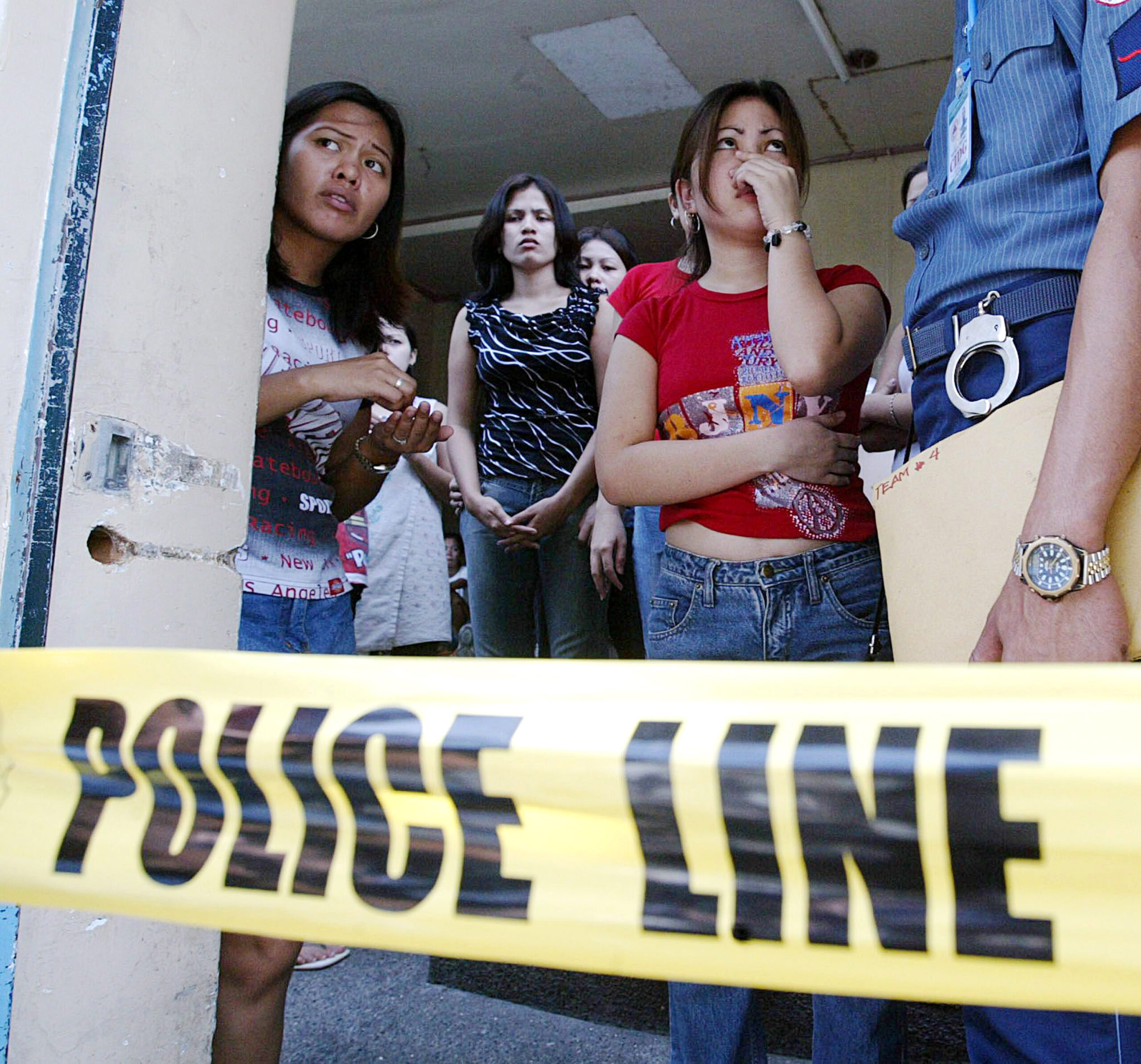
In Baghdad, especially in the neighborhood where Christians have their main church buildings, the structures are being bombed, desecrated and looted, crosses torn down or broken and hosts trampled. Priests and deacons are being abducted, often ransomed, and sometimes killed. Families are being thrown out of their homes without notice or forced to abjure Christianity and embrace Islam. Businesses are being robbed, men abducted and killed − or released in exchange for a huge ransom that leaves families without any resource.
There are also threats and intimidation designed to have young Christian women married off to Muslims, and extortion occurs in the form of forcing payment of the jizya (Islamic tax for non-Muslims). Four Chaldean Christians in Kirkuk kidnapped July 4 were released a week later through the mediation of the Chaldean Church and the sheiks of Kirkuk, according to AsiaNews.
Outside Iraq, the refugee population is growing, especially among Christians. “We fled Iraq, my wife and I, two months ago,” said Nouri, who entered Lebanon illegally and insists on keeping his family name anonymous. Living in a small room in a Beirut suburb, the 50-year-old is still in shock. He lived in a cottage in Kut, south of Baghdad, and ran a liquor shop. After the collapse of Saddam Hussein’s regime in 2003, his shop was burned down. Holding on, Nouri decided to sell liquor from his house. But one day, two grenades were thrown at the house at an hour when the whole family was gathered. Nobody was hurt, and Nouri stayed in the neighborhood.
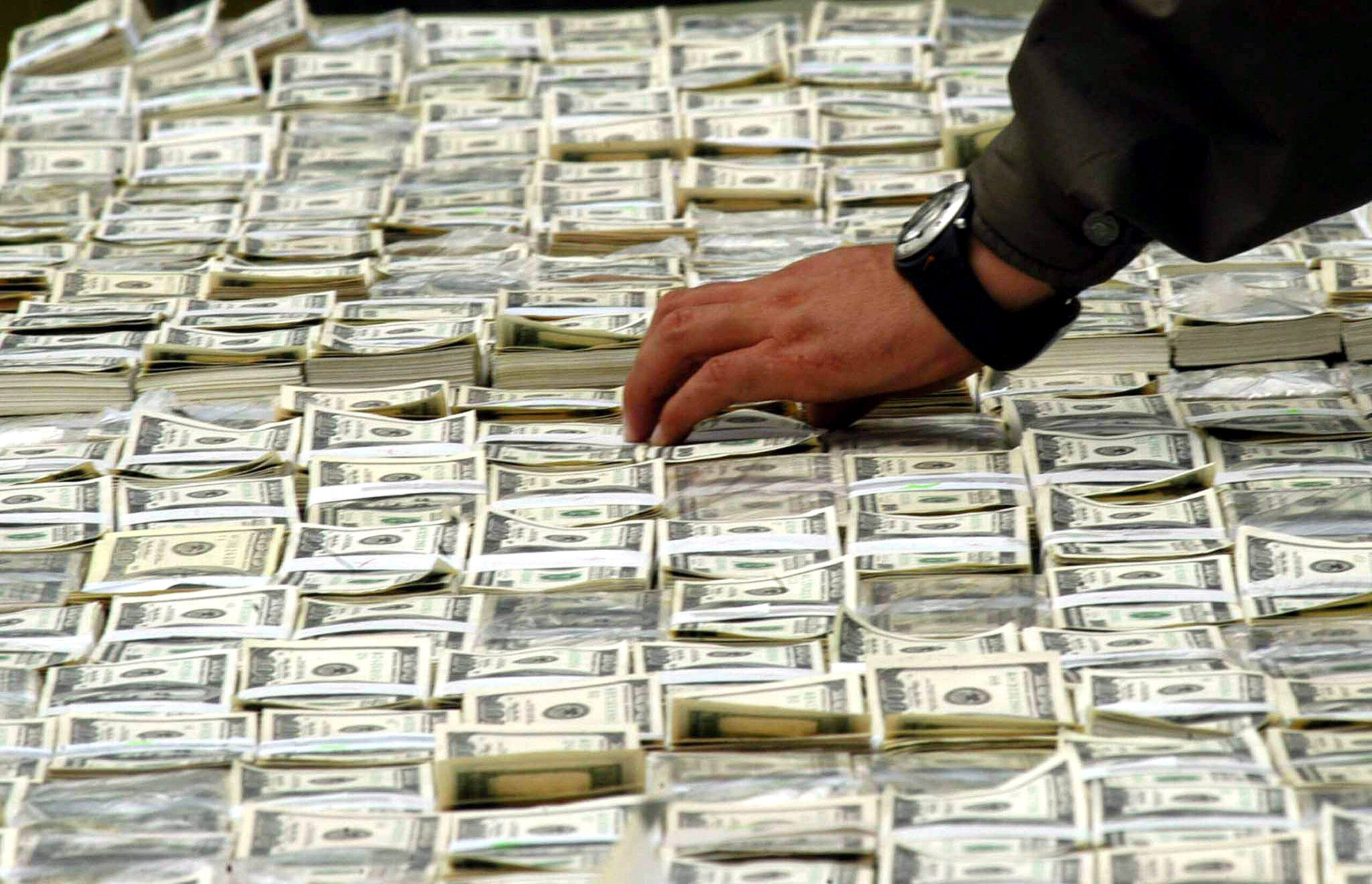
Then, one night, masked men broke into the house and abducted his brother. Using his cell phone, they asked for a $40,000 ransom. Nouri sold some property and paid the ransom. But, mercilessly, the abductors managed to extort another $30,000 from his father. At last Nouri decided to quit, leaving behind his father and mother who still hope they will see their abducted son alive.
AUTHENTIC MARTYRDOM
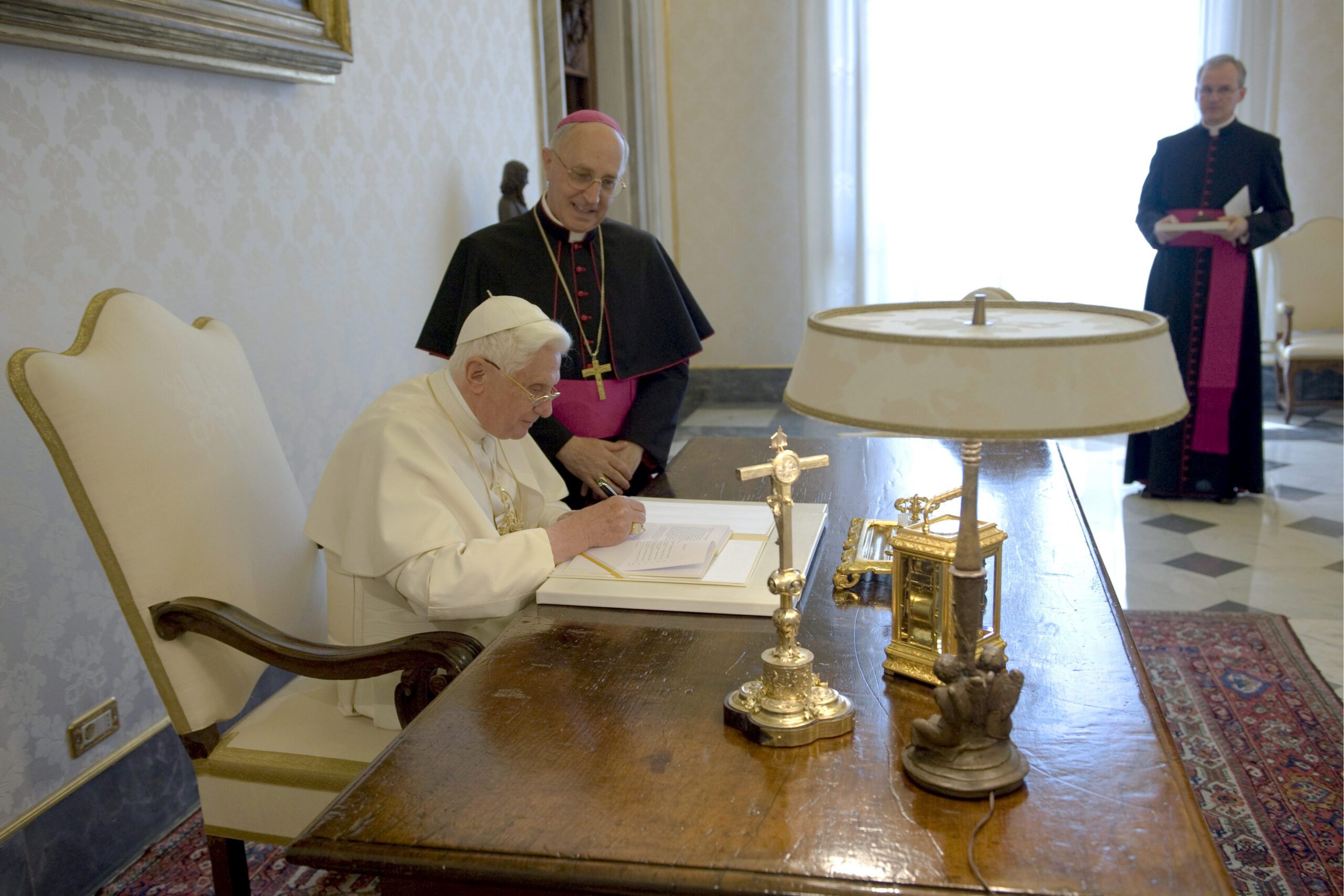
The Christians of Iraq are experiencing an “authentic martyrdom” and must be supported materially and spiritually by the entire Church, Pope Benedict XVI said last June in a speech to representatives of the Catholic communities in the Middle East and to Catholic aid agencies that assist them. “Peace, so long implored and awaited, unfortunately is still largely being offended,” the Holy Father said, speaking just weeks after the murder of Chaldean Father Raghid Ganni, along with three sub-deacons.
Those murders made the news, but similar stories do not. “A Syrian Orthodox priest was ‘returned’ in pieces to his family, head and limbs cut off, because the payment of the ransom had been delayed,” said Bishop Michael Kassarji, head of the Chaldean Diocese of Beirut, Lebanon. Behind every story of a priest released, there is an untold story of a ransom paid, said an ecclesiastical source who wishes to remain anonymous.
For Bishop Gergis Kass of the Syrian Orthodox Church, the ransom went up to $200,000. Some of the abducted men have even been sold to other abductors. Efforts to bring reason to the situation, by negotiating with authoritative Sunni and Shiite religious figures, have been in vain, said Auxiliary Bishop Shlemon Warduni, an assistant to Archbishop Delly. Prime Minister Nuri al-Maliki and Parliament have been solicited, to no avail, he added. As a matter of fact, the Archbishop asked al-Maliki to launch the new security plan in Baghdad in the Christian neighborhoods first, “where terror walks the streets.” But the government and allied forces had a different agenda.
“We even planned to negotiate with the gangs and groups that control the neighborhoods, but we were deterred from doing so,” said Bishop Warduni. “We were told they are not Iraqis, rivals to each other and impossible to reason with.”
He also deplores the “absence of courage” in many priests who have fled the terror, abandoning their flock, thus triggering new waves of departures among a population already reduced in number, disarrayed and frightened. Only three Chaldean priests are left in Baghdad, from the original 25 that were there.
A HUMAN TSUNAMI
The hard times are not due solely to hard-line Islamists, though. Chaldean Bishop Michael Kassarji of Beirut has just returned from Iraq, where he attended a synod of his Church. He recounts how Archbishop Delly protested against the unauthorized occupation by the U.S. Army of the seminary of the Chaldean Church. Requests to the armed forces to leave the building were in vain.
The issue here is not only a decision taken without consultation by the U.S. Army and an aggression against a cultural property, but also a behavior that endangers Christians by letting Muslim groups conclude that the Chaldean Church is siding with the enemy by giving over the buildings, said Bishop Kassarji.
“We had to wear helmets to come in and carry the boxes out,” recounted Bishop Warduni, who added he “took the risk, more than once, to go to the green zone” to talk with civil and military authorities about the problem. The American military command, he said, pointed out that if they leave after what had happened, they would not be held responsible for the looting that could follow.
To this day, around two-thirds of the 2 million Christians of Iraq have fled their homes. Some found refuge in the northern province of Kurdistan where life conditions are precarious, but where at least they are distant from “Islamic” blackmail, threats and terror.
The finance minister of Kurdistan, Sarkis Agajan, an Assyrian Christian, is earnestly trying to relocate and help refugees coming from Baghdad and southern Iraq. Whether one admits it or not, a massive shift in population − a “religious cleansing” − is taking place which will profoundly change Iraq’s demographics and ultimately its identity. “It’s nothing less than a human tsunami,” said Bishop Kassarji, who lives just outside Beirut.
ALIENS IN FLIGHT
At a rate of two or three families a week, Chaldean Catholics are sneaking into Lebanon illegally, fueling a profitable underground business. “They are discreetly dropped around five in the morning, in front of our building,” said Bishop Kassarji. Iraqi Christians have already flooded Jordan and Syria. Around 9,000 have illegally entered Lebanon since 2003. These are generally poor and desperate and do not wish to return home at all. They hope for the United Nations’ help in getting into the United States, Canada or Scandinavia, but in the meantime, they do small jobs in Lebanon. They are threatened by abuse, though, and risk three months of prison if they are caught without papers.
To get an Iraqi released, Bishop Kassarji’s contacts include the Lebanese president, ministers, security officers and Church figures as well as influential and wealthy figures close to the Iraqi government. He also has to take great care to check whether some criminal fleeing Iraq may be lurking behind an apparently meek refugee. He also struggles to house, feed and clothe these families and provide medical assistance, schooling and legal aid.
Ultimately, in Lebanon, Iraqi refugees are victims of a “no-see” policy that keeps their problems hidden and managed through under-the-table interventions and contacts, since open acknowledgement would have political as well as legal consequences that the government cannot face. Some Lebanese Christians have advocated giving these refugees Lebanese nationality, since their numbers are so limited. Contacts have even been made with the Sant’Egidio Community in Rome to buy a piece of land for settlement purposes. But things are not that simple, not in Lebanon at least, an Arab exception where the question of the balance between Christians and Muslims is sensitive.
Any way you look at it, the problem is complex.
Sitting at his office in East Beirut, where the telephone is almost constantly ringing, Habib Efrem, president of the Syriac Orthodox League, an association aimed at promoting the legal rights of his community, does not hide his alarm.
In a country like Iraq, where Christians numbered around 2 million a few years ago, there are only 600,000 left. At the beginning of the 20th century, he said, there were around 1.5 million Christians in Aleppo, Syria. They are now 100,000. He is afraid the same process is eroding the Christian presence in the whole Middle East, the cradle of Christianity.
* National Catholic Register correspondent based in Beirut, Lebanon.