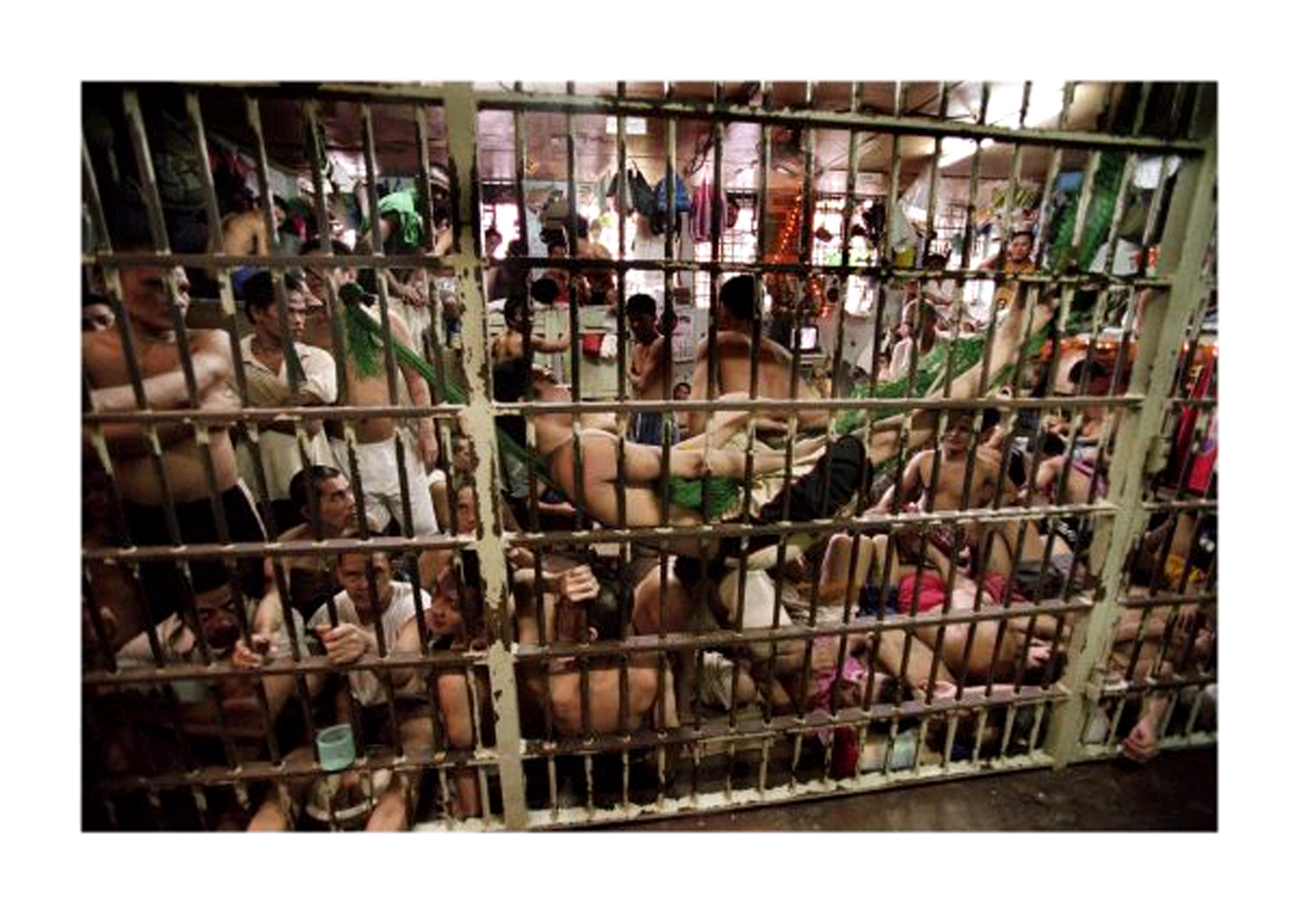
In 2001, the first time I stepped into the prison in the Philippines, my heart was full of apprehension. Despite the assurance of my confreres, who had done their ministry before me, that it was quite safe and a very rewarding experience, I could not bring myself to believe them. My mind was full of images, fed by the media, of prison violence, of notorious criminals lurking around prison facilities and unimaginable sinfulness in the system itself. Reluctantly, I accepted this ministry and entrusted my safety to God.
The second experience here in South Africa began quite differently. When I heard that I was going to start prison ministry in Pietermaritzburg Correctional Center (PCC), my heart was filled of memories from my previous ministry in the Philippines. My confreres were right! I concluded my local ministry safely and it was truly a rewarding and challenging experience. Then, as the PCC experience started to unfold, I saw and felt that my prison mission also deepened.
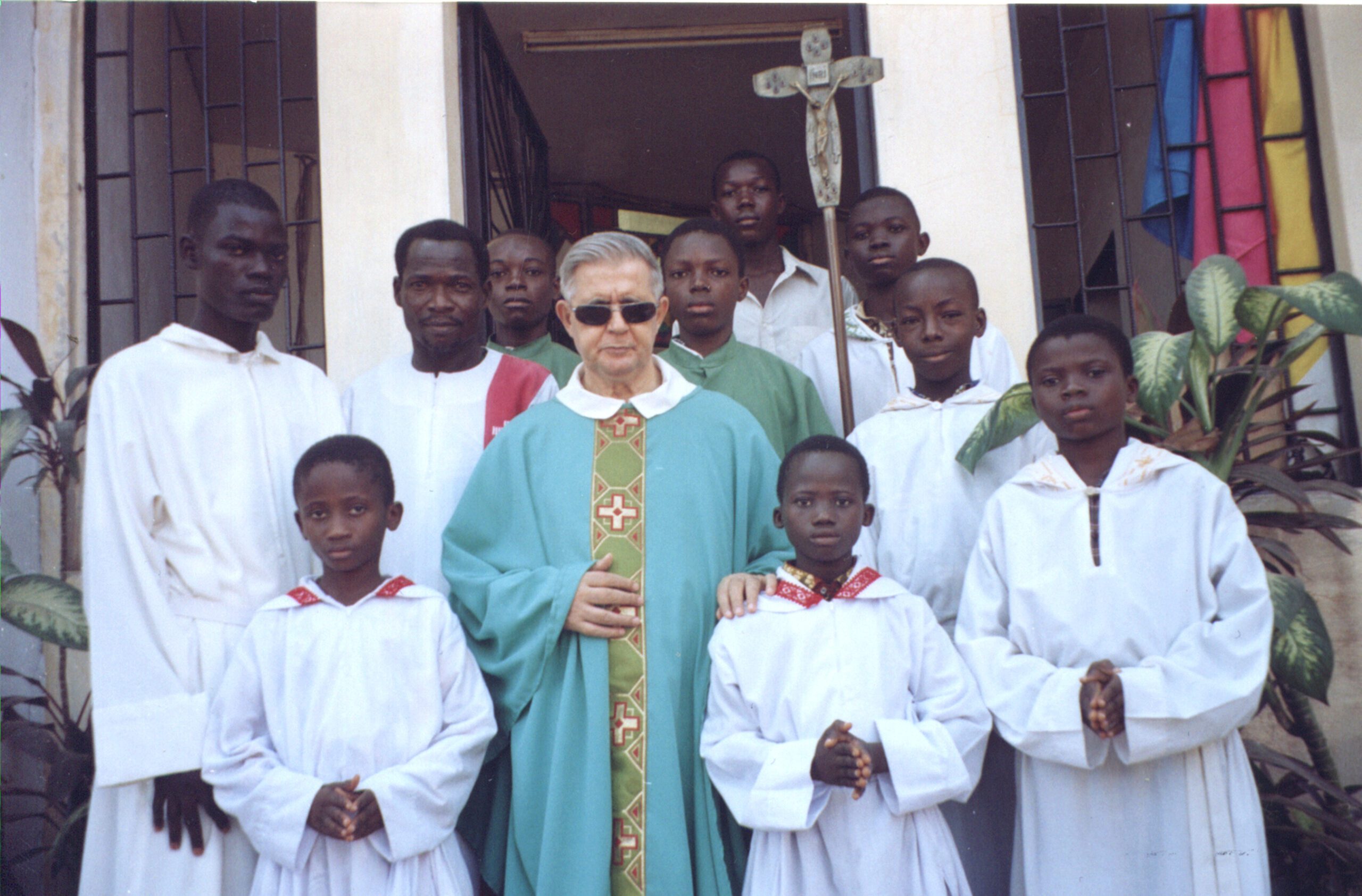
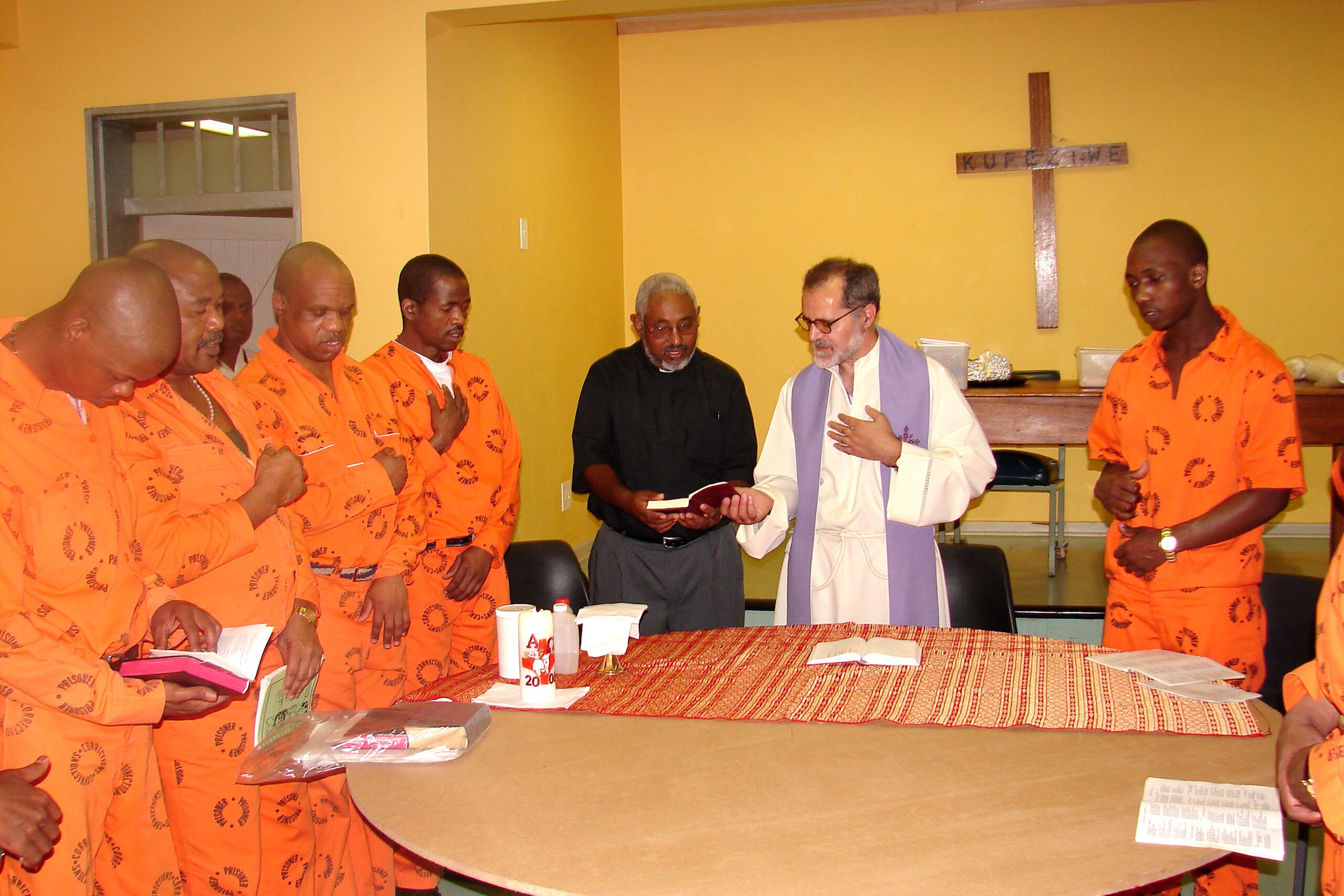
Our team was composed of Fr. Jeremias (the formator), Ghislain (a scholastic from Benin) and myself. We contacted Rev. Ronnie (a permanent deacon who is responsible for the Catholic prisoners), who enthusiastically allowed us to share in his ministry. He had been inviting various priests to celebrate the Eucharist with the prisoners every Sunday. When we asked to join him, he had Fr. Jeremias regularly, for at least a full year, plus two scholastics.
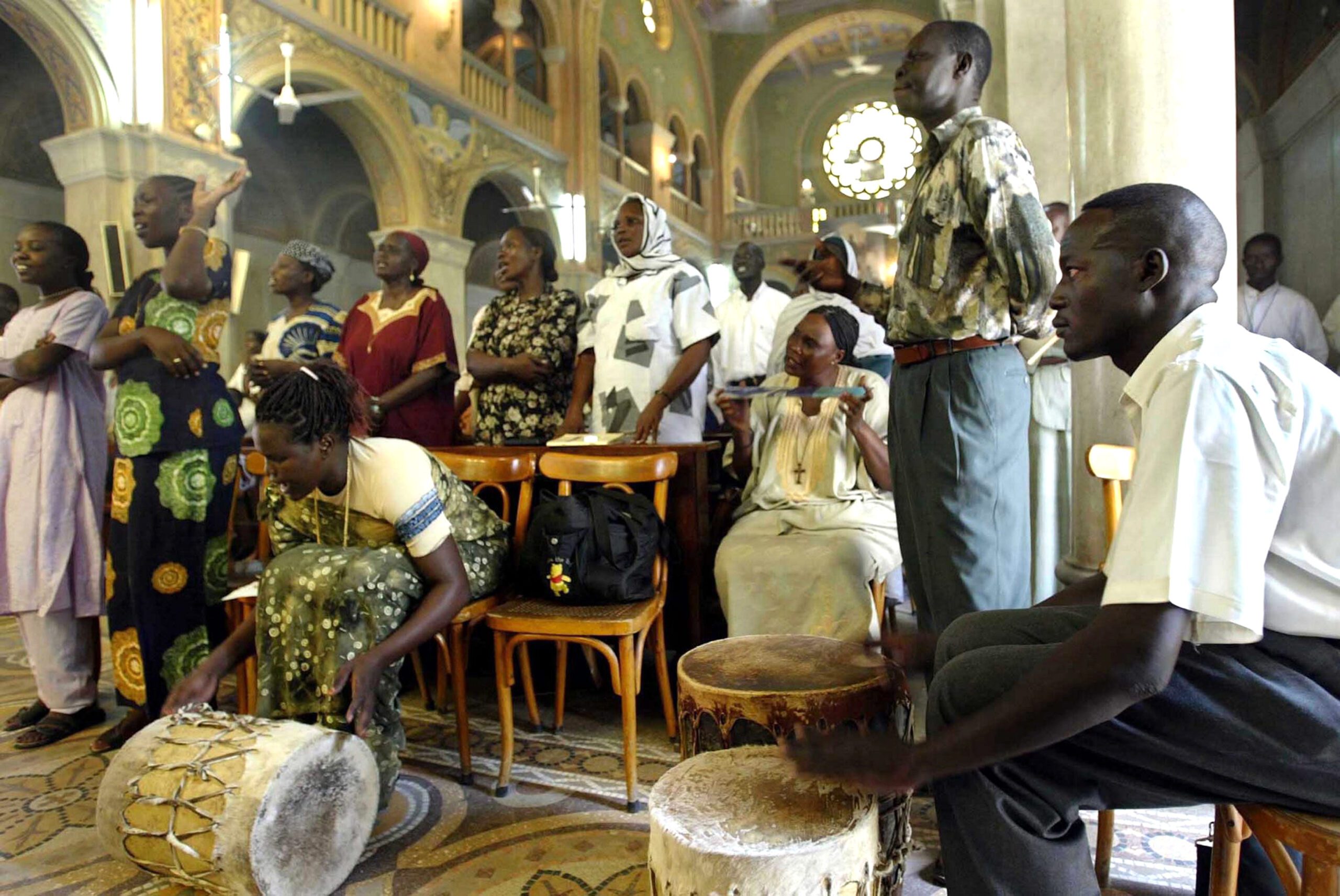
Ghislain and I assisted in animating the celebration. Ghislain is a good singer, drummer and keyboardist. At the middle of the year, Fr. Jeremias started a Bible study for those who wanted to be baptized and/or confirmed, or for whoever wanted to know more about the faith. The study was held every Tuesday morning. Despite our willingness, Ghislain and I were unable to join because of school.
Looking at the complexity of the life in prison, I was tempted to think that I was doing so little… something like “just” celebrating the Eucharist with the prisoners was not enough… The 2 ½ hours on Sundays allowed us time only to celebrate a Mass. Some had expressed the wish to talk with us on more personal matters but we could not simply do that on Sundays. I kept on trying to schedule the Tuesday Bible study on a different hour or day so I could have more time with them but the prisoners had other programs, as well. Because of our limited time with the prisoners, I even doubted whether our ministry was beneficial for them and for us. Yet, looking back at my experiences in South Africa, as well as in the Philippines, there are several realizations that I treasure.
THE MIRACLE OF REPENTANCE
My experience brought me to the realization that God is at work. He is at work round the clock. He is at work even in the most desolate and hopeless situations. Sometimes, he works in the most wonderful display of his magnificence. That’s what we call miracles. A notorious criminal would suddenly be converted. I remember two brothers who were convicted of murdering a number of people and cannibalizing a priest who opposed their terrorist activities. In the prison, they were counseled and given guidance. They admitted their guilt and sought reconciliation with the families they offended and changed their ways. I remember seeing them in prison but they were no longer the notorious characters I saw on television and in the newspapers during their nefarious activities. Instead, I saw two repentant men who envisioned forgiveness, hope and freedom.
Most of the time, God works in subtle ways. Only through retrospection, can we see the hand of God gently touching our life or the lives of the people around us. Among the prisoners, the most difficult to talk with are the juveniles. They are completely confused and lost in this environment. In prison, they are robbed of their youthfulness and idealism. Fortunately, they are usually receptive to rehabilitation programs and counseling. Yet, there are also times when they would just withdraw themselves from everyone. Then they would also suddenly reappear and pursue the programs with amazing enthusiasm. Every time this happens, I give glory to God who works behind the scenes.
A PLACE FOR RECONCILIATION
During my brief apostolate in the Philippines, I was also the privileged witness of reconciliations between victims and offenders. Understandably, reconciliation does not happen easily. Usually, the offended parties refuse even to see the offenders. On the other hand, prisoners escape or deny the responsibilities for his/her actions. But authentic reconciliations do happen.
It was a moving experience to see the aggrieved parties embracing the offenders. We are talking here of murderers and the families of the victims, and rapists and the sexually abused. This is a proof that human forgiveness is possible even in most grievous crimes. And it is a moment of grace for both the prisoners and their victims; both feel healed and liberated when reconciliation occurs. It is a liberating moment for the prisoner, for he/she is freed from the guilt of the sin and is empowered to take responsibility for the wrong action; it is a grace-filled moment for the aggrieved party, for he/she is freed from hatred and resentment. I also find this kind of reconciliation an example to emulate and a reproach for all Christians who refuse to forgive the slightest offence.
THIRST FOR THE WORD OF GOD
Another characteristic noticeable in prison ministry is the prisoners’ thirst for the Word of God. You will always find a sizable number of prisoners willing to listen, to study and to share the Word of God. One may say that they are “forced” because there is nothing else to do in prison or they come only because religious groups bring packages of food and other forms of help. I admit that this may be true to some extent. However, I cannot also dismiss people in prison who truly love, meditate and reflect on the Word of God, or deny that the Word of God somehow affects their lives. There were even some moments when I felt embarrassed because some prisoners constantly showed genuine enthusiasm for the Word of God… They truly love the Word of God and has made it their guide to self-transformation.
The memories I treasure the most in this ministry are the sharings of life experiences of the prisoners. They shared not only why they are in prison but also shared personal and important matters: the fights they had, their happiness upon receiving the news of their children’s birth, their loneliness, their difficulties, and funny episodes that happen almost daily inside the prison. In this little sharing, I became a friend to them, ready to lend an ear to their stories. Most professional counselors advise that one should not be involved emotionally with his/her counselee. Yet, prisoners need more friends than counselors. It is friendship that opens them to share their most intimate experiences, their struggles, their hopes and despairs. I treasure these sharings more than the big happenings in prison because I know I have won their elusive trust.
“AMBASSADOR” OF THE PRISONS
The sad side of this ministry is that few people believe and support it. Society still holds retributive justice: “An eye for an eye, a tooth for a tooth.” People who have offended the society must be punished and must suffer. Yet, this attitude will only bring much harm to the society. For it is unlikely that prisoners who experience inhumane treatment and are shunned away will be able to change their ways. Furthermore, retributive justice was proven ineffective in lowering crime rates. It only produces more notorious criminals. It is high time for the society to face and accept that prisoners can be also transformed or rehabilitated.
I know that a considerable amount of antagonism stems from the lack of knowledge about the prisoners. Most of the time, those in the media portray all criminals as heartless and incapable of change, thus conditioning our way of thinking and leading us to see them as people who are beyond redemption and must not be counted. Yet, in reality, most of the prisoners are first time offenders, many are in their youth and a good number of them are convicted unfairly due to faults and ineffectiveness of the judicial system. Given a chance and with good guidance, they can lead a good and useful life.
I realized that a part of my task as prison minister is to be an “ambassador” of the prisons in the society. I must tell people that I have been there and met a lot of prisoners willing to change their lives, if only society is prepared to give them a chance. I hope to, at least, encourage people to visit prisons or think of the prisoners with less prejudice and with more compassion.
A SOURCE OF ENLIGHTENMENT
Prison ministry has been for me an abundant source of emotional and spiritual enlightenment. I can say that it has enriched my understanding of being a Christian. It has provided me an opportunity to live the commandments of Jesus – on forgiveness, on loving the ‘enemy’ and the least, the poorest, the most abandoned. It made me reflect upon the deep meaning of the unconditional dignity of human beings. Moreover, it allowed me to have a glimpse of the meaning of the joyful and mysterious reception the Father reserves for the prodigal son: every prisoner who seeks reconciliation with God, with the aggrieved party, and with society is reenacting this story of unconditional love.
At the end of last year, we had a little closing celebration in PCC. Before we left, one of the prisoners told Fr. Jeremias: “One of the reasons we kept on coming to see the two young guys (Ghislain and I) is because in them we are reminded that there is a better way of life. There is still hope for us.” Whew! Those words keep me thinking: Mission is not only a matter of doing things, or celebrating the sacraments, or organizing activities, or proclaiming the Word of God, or spiritual directing. It is also to be present, to sit side by side — knowing that, in these moments of togetherness, Jesus is in our midst.