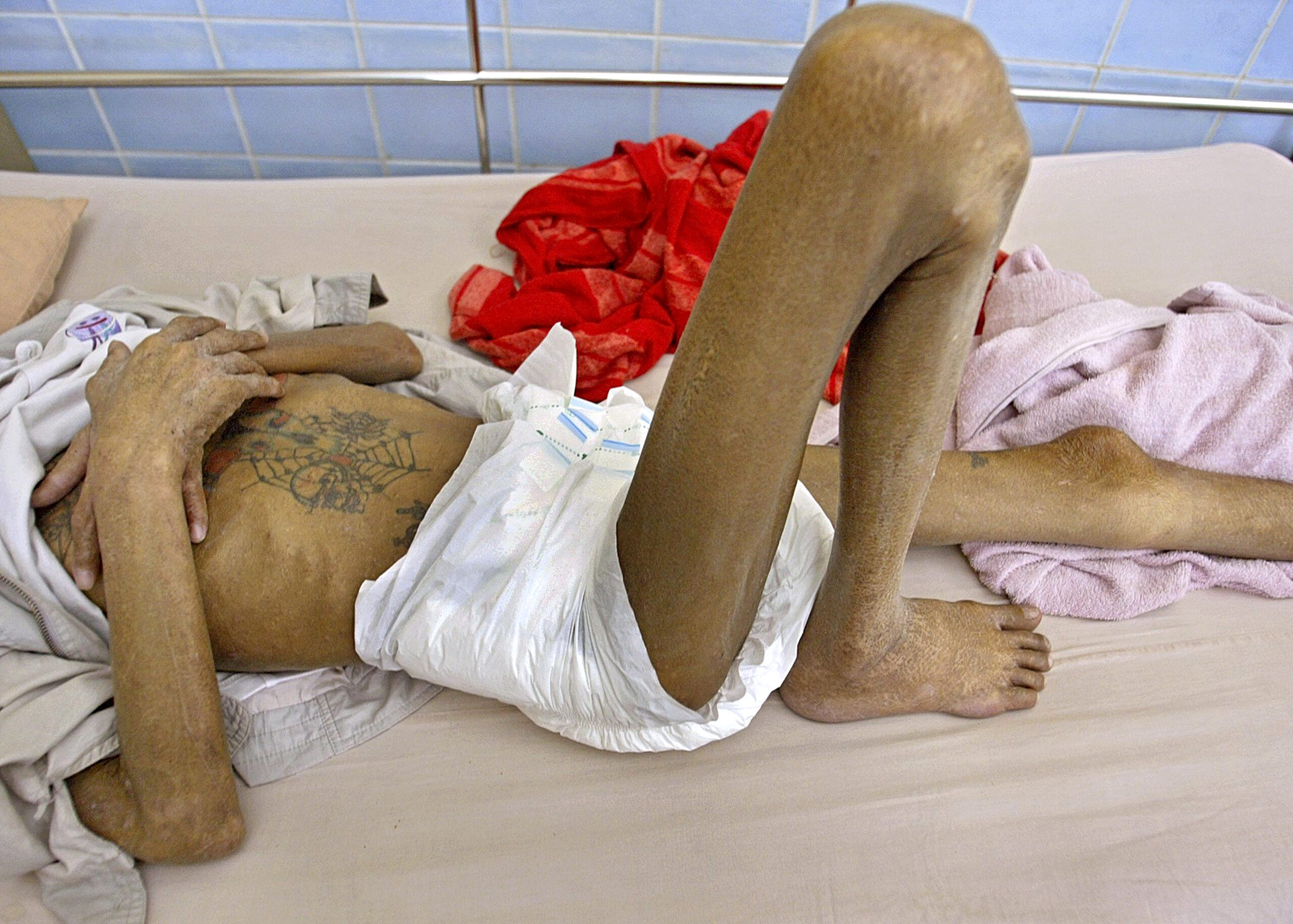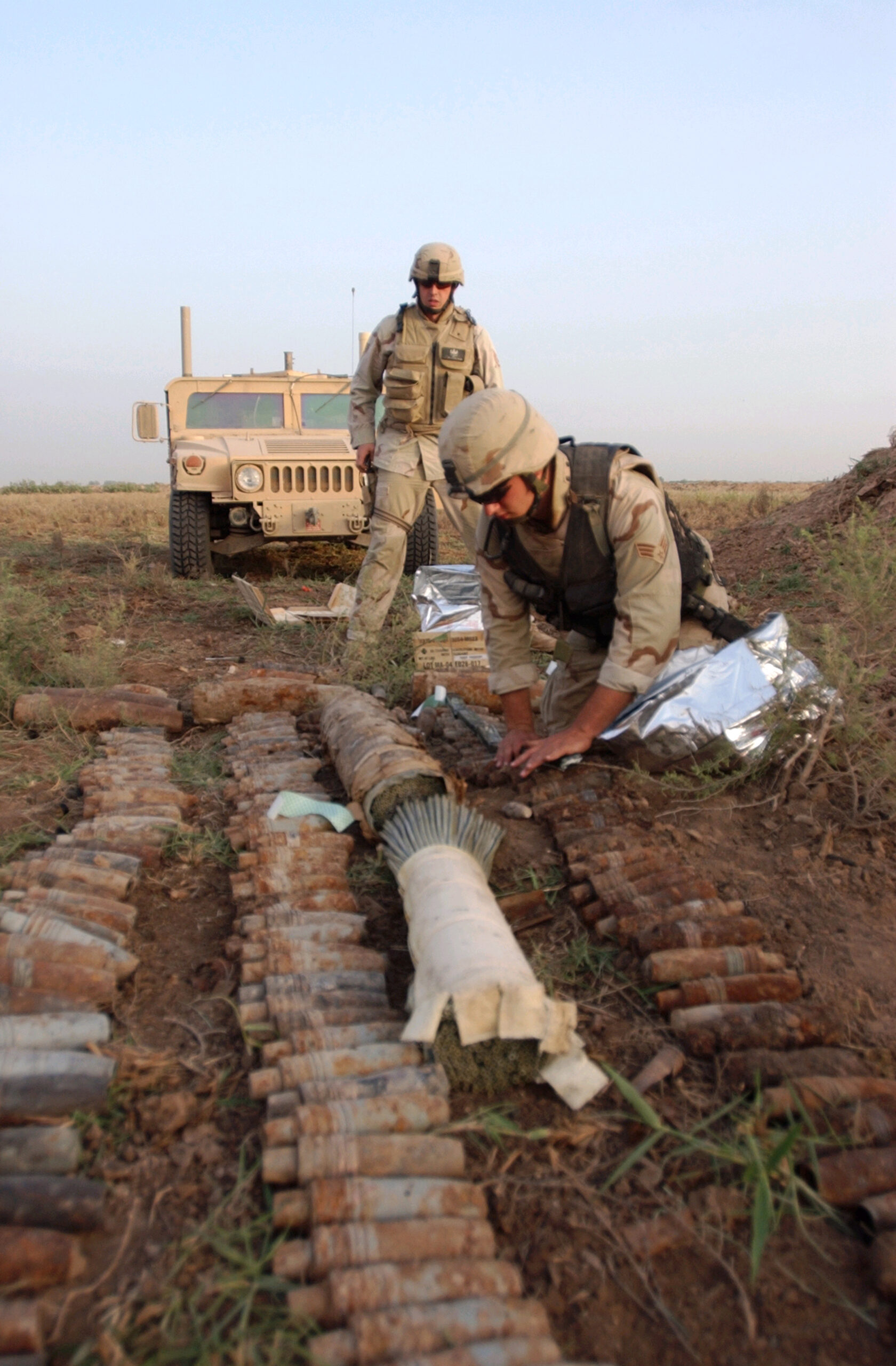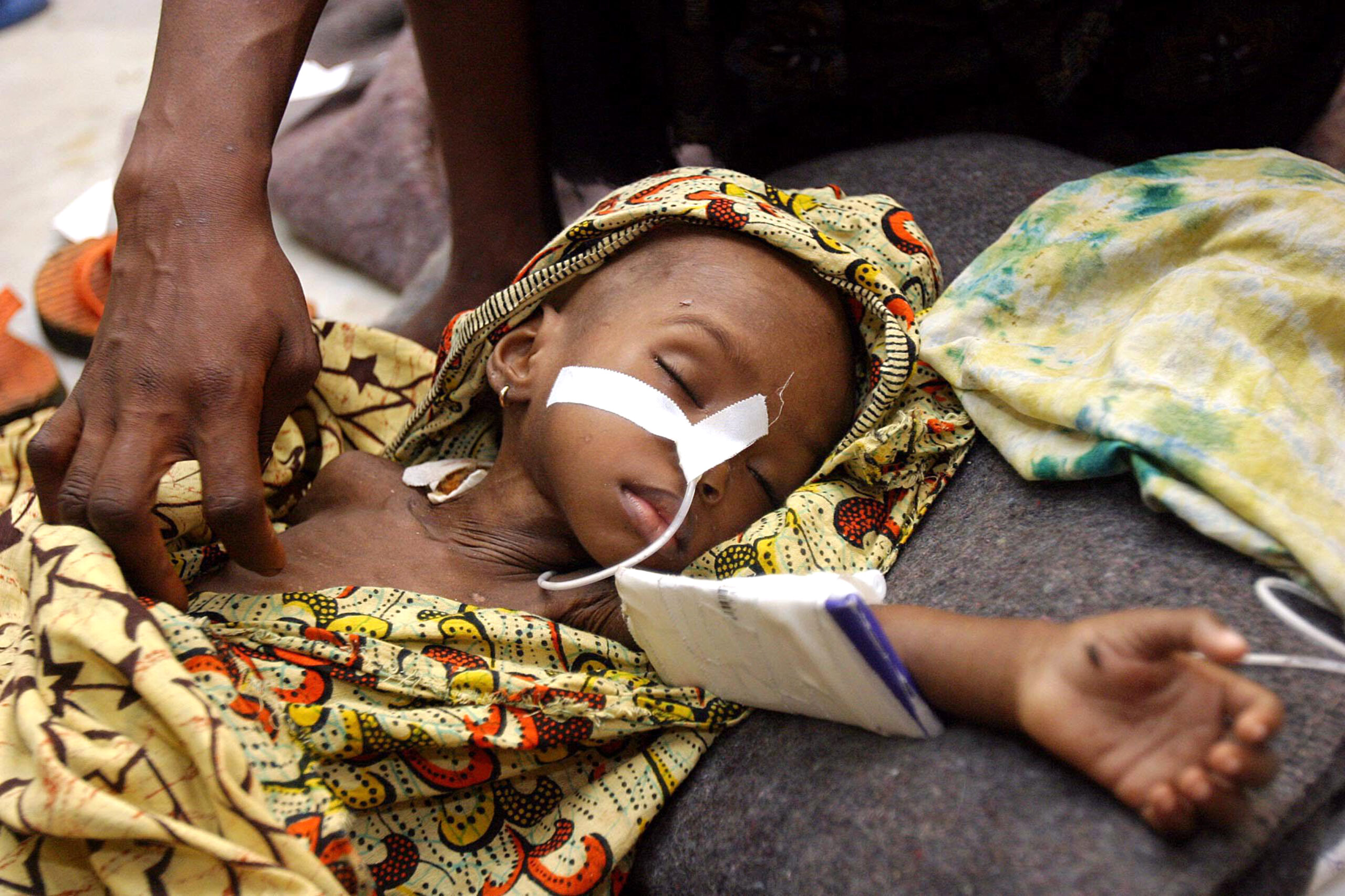
A World Bank’s report, published a little more than a year ago, stated that the African population in a situation of extreme poverty increased from 36% in 1970 to 50% in 2000. The author of the report, the World Bank’s Chief Economist for Africa, John Page, adds that the continent “lags behind East Asian countries in economic growth: the per capita income in Africa and in East Asia was approximately the same in the 60’s while, at the end of the 20th century, the per capita income of sub-Saharan Africa was one-fourth of the one registered in that region of Asia.”
However, the document underlined, that there has been an increase of foreign investment in Africa, which totaled US$31 billion in the year 2005 − partly as a result of the facilities granted by some African States, that have reduced time, costs and bureaucracy required in establishing a company and in fulfilling its legality.
The problem is that the great majority of foreign investors has little, if any, interest in the development of African countries and in the improvement of the life conditions of their populations. These investors seek, above all, raw materials that can sustain their own economic growth. On one hand, they need more of these materials while, on the other, they try to diversify their supplying sources since more often they come from the world’s troubled regions.
Countries such as the United States or China, among others, look greedily at Africa’s natural wealth to enhance their growth in spite of the large sum of money they spend for security measures to guarantee regular access to and flow of such raw materials. And notwithstanding that these raw materials are frequently the source of armed conflicts in the regions where they exist.
THE ASIAN INVESTMENT
China is perhaps the country whose presence in Africa has been increasingly felt lately. This phenomenon is not new, however. Archeological vestiges indicate that there was Chinese presence during the period corresponding to that of the European Middle Age. And, in the 20th century − in the decade of the 60’s − China, due to ideological affinities, had already supported the newly-independent African States by sending technicians, giving them military training and building some of their infrastructures.
This cooperation relented during the 1980’s but was retaken the following decade, with a clear economic drive to get from Africa the indispensable raw materials for Chinese development. In 2000, the China-Africa Cooperation Forum agreed on a common economic and social program. Thereafter, Beijing cancelled the US$10 billion debt of African States.
Since 1978, China has been preparing to become an economic superpower, with reform programs that included creation of private companies, promotion of foreign investments, liberalization of commerce, development of industrial production and labor qualification. As a result, the annual growth of 6% previous to that year increased to an average growth of 9% a year, even rising to 13% in some other years. Some analysts foresee that the Chinese economy will be superior to USA’s in 20 years. But, obviously, this economic growth needs raw materials. China is already the second largest world oil importer, immediately after the United States, the largest world user of copper, tin, zinc, steel, iron ore, aluminum and cement.
Nowadays, 25% of Chinese oil imports come from the Gulf of Guinea. Angola is China’s main oil supplier, with a quota of 13%. Beijing, on its part, is the main partner of the Angolan reconstruction program, especially of infrastructures under the protection of a credit line of US$2 billion, with petroleum as a guarantee.
Sudan, for instance, which used to be an oil importer has become an oil exporter, with annual revenues of about US$2 billion, half of which come from selling this raw material to China. Besides, Beijing has invested US$2.7 billion to acquire the rights to explore a petroleum field and oil reserves of Gabon that had supposedly been drained.
Cooperation between China and Zimbabwe is another interesting case. Beijing supports Robert Mugabe’s regime with injections of capital, machinery and military equipment − namely airplane bombers − in exchange for shares in some of the country’s main companies. At this moment, for instance, China owns 70% of Zimbabwe’s lone electricity production plant and is a stockholder of the railway company. In the retail trade, more and more Chinese faces are seen. And there are even news that Chinese investors are most likely to take over the tobacco industry, replacing the white farmers who are being forced to leave Zimbabwe.
India is the other Asian giant with its eyes set on Africa. Last November, the petrol ministers of 10 African countries participated in an India-Africa Hydrocarbon Conference in New Delhi, where Indian leaders made clear that their strategy to establish partnerships with Africa in the energy field would be similar to that adopted by China.
At the moment, Africa already satisfies 16% of the Indian petrol needs and, within two or three years, this percentage can increase to 20%, that is, 24 million tons of oil. And India is also interested in importing liquefied natural gas from Nigeria, Algeria and Egypt. But, as it was made clear in the New Delhi conference, India does not just intend to buy petroleum; it wants to participate in all the phases of its production, refining, storage and transport.
The Indian presence in the African continent is also a reality now − in the construction of hotels in South Africa for the 2010 Soccer World Cup, in the import of threshing machines for rice in Niger, in motorway projects in Ethiopia, in a project for the production of dairy products in Senegal and even in a project to connect, through the Internet, Indian health and educational institutions with centers of studies and physicians in remote zones of Africa.
In the last four decades, India provided more than US$2 billion in technical assistance to southern countries, the majority of which went to African countries. Besides, it gave professional formation to almost 15,000 people, mainly from Africa.
RAW MATERIALS AND MILITARY PRESENCE
“The North American strategy in Africa could be summarized in two fundamental axis: the unlimited access to key markets, energy sources and other strategic resources, and the guarantee of military security to communication routes, above all, in the transport of raw materials to the United States,” wrote the French journalist Pierre Abramovici in Le Monde Diplomatique in July 2004.
This interest in Africa began, according to the same journalist, in September 2002, with a quick visit of the then North American Secretary of State Colin Powell to Gabon and Angola, followed by President George Bush’s visit to Senegal, Nigeria, Botswana, Uganda and South Africa in July of 2003, and a tour, in March 2004, of General Charles F. Wald, former Deputy Commander of the U.S. Army European Command (EUCOM), to ten African countries.
The same analyst adds that Washington understood “its dependence on raw materials available in the continent: manganese (for the production of steel), cobalt and chromium, indispensable for making joints (especially in aeronautics), gold, antimony, fluorine, germanium − and, of course, industrial diamonds.” Examples: “Zaire and Zambia possess 50% of the world’s cobalt reserves; 98% of the world’s chromium reserves are in Zimbabwe and South Africa; besides, 90% of the reserves of platinum metals are also concentrated in the latter.”
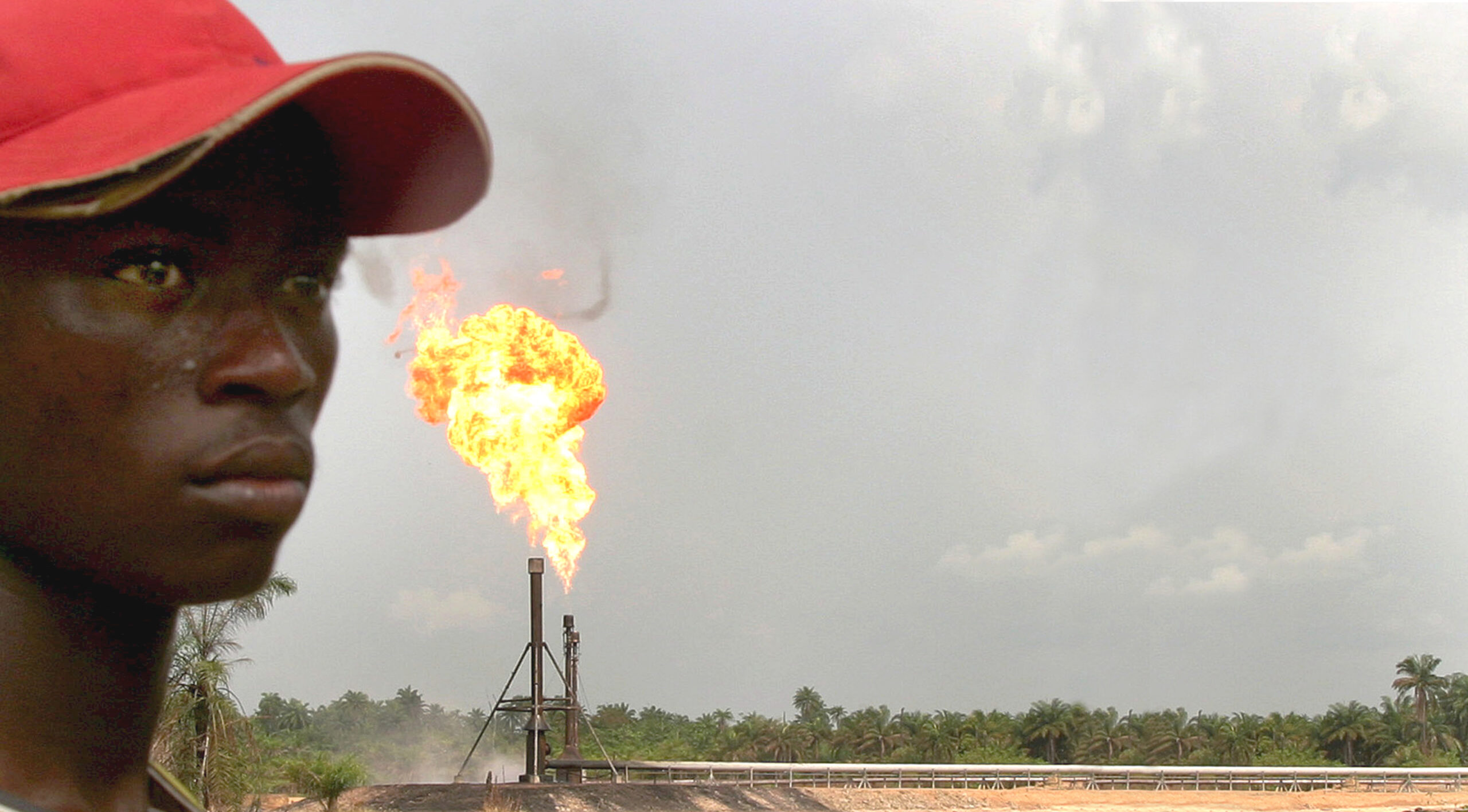
The United States, heavily dependent on Middle East oil, has been trying to diversify their sources of supply of this raw material in the last decades. This means that Angola and Nigeria, besides other smaller countries, have become an important component of the energetic security of the USA. At present, USA imports 15% of its oil from Africa, an amount that should increase to 25% until 2015. Angola is, nowadays, the sixth largest exporter of petroleum to the USA.
This flow of raw materials to the USA, as said earlier, needs security measures to guarantee the regularity of their delivery to North American territory. This explains the creation, in 2007, of the Africa Command (AFRICOM) based in Germany. In the words of President George Bush, it is destined to “strengthen our security cooperation with Africa and create new opportunities to bolster the capabilities of our partners in Africa.”
This Command emerged as a result of Pentagon’s expressed concerns regarding possible terrorist threats in conflict areas, like Somalia. According to North American officials, it does not aim to prepare military personnel for combat operations, but for training operations destined to help the local governments.
Stuttgart, Germany was chosen as a provisional headquarters of AFRICOM due to the reluctance of many African countries to host it in their territory. Nigeria was the latest to refuse (only last November). At the same time, the country made it known that it is against the installation of the Command in any other West African country. Liberia is the only country that has publicly expressed willingness to play host to the Africa Command. Others may have expressed likewise but privately.
Since Nigeria is the main oil-producing African country, it is difficult to deny speculations that Washington wishes to locate AFRICOM in Nigeria to protect its oil interests in the country.