
More promises. And one more delay. The world, though, cannot wait, as proclaimed by the opportune slogan “Make aid work. The world can’t wait.” In 2000, the UN approved the Millennium Development Goals, defining all eight of them, to be achieved within a generation: Eradicate extreme poverty and hunger; achieve universal primary education; promote gender equality and empower women; reduce child mortality; improve maternal health; combat HIV/AIDS, malaria and other diseases; ensure environmental sustainability; and develop a global partnership for development.
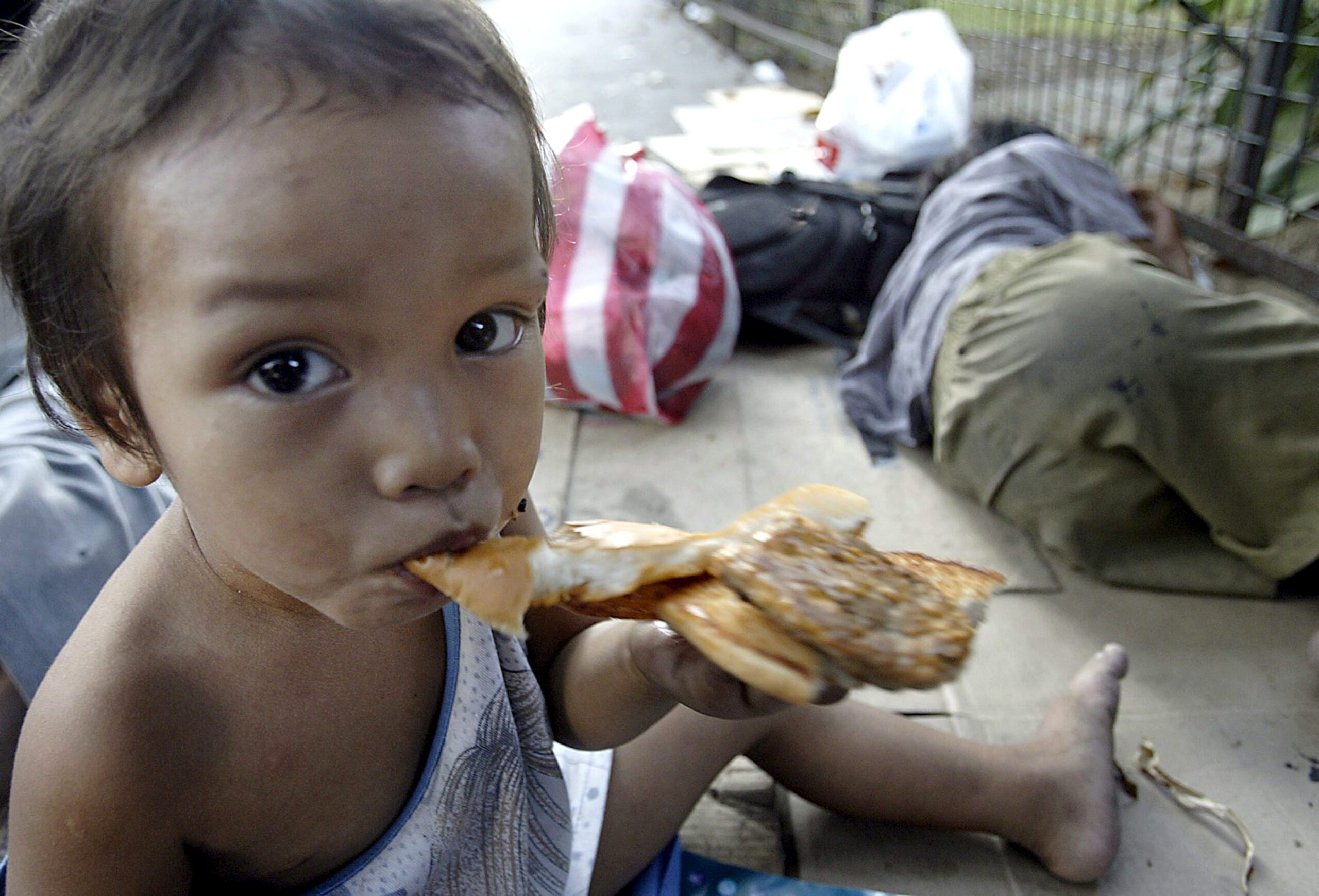
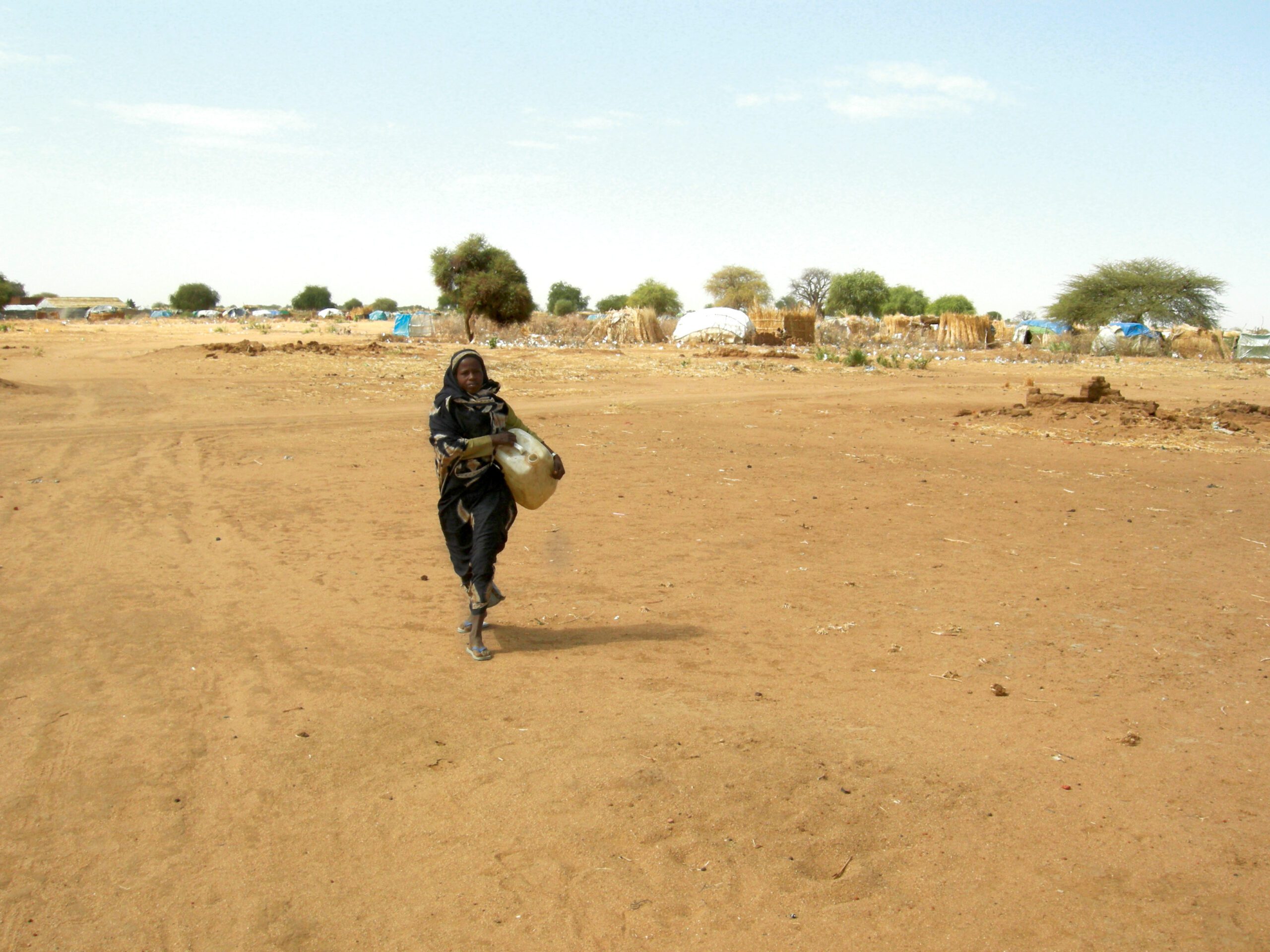
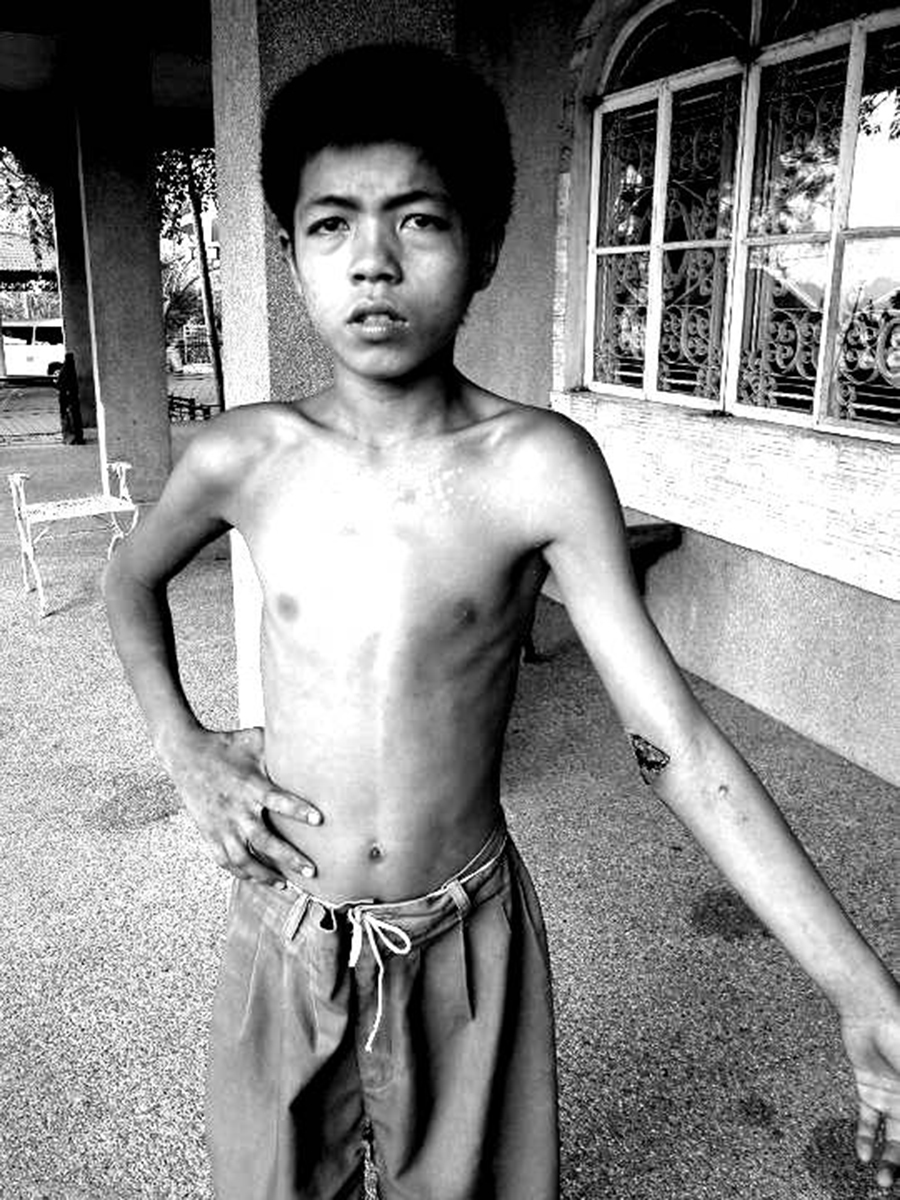
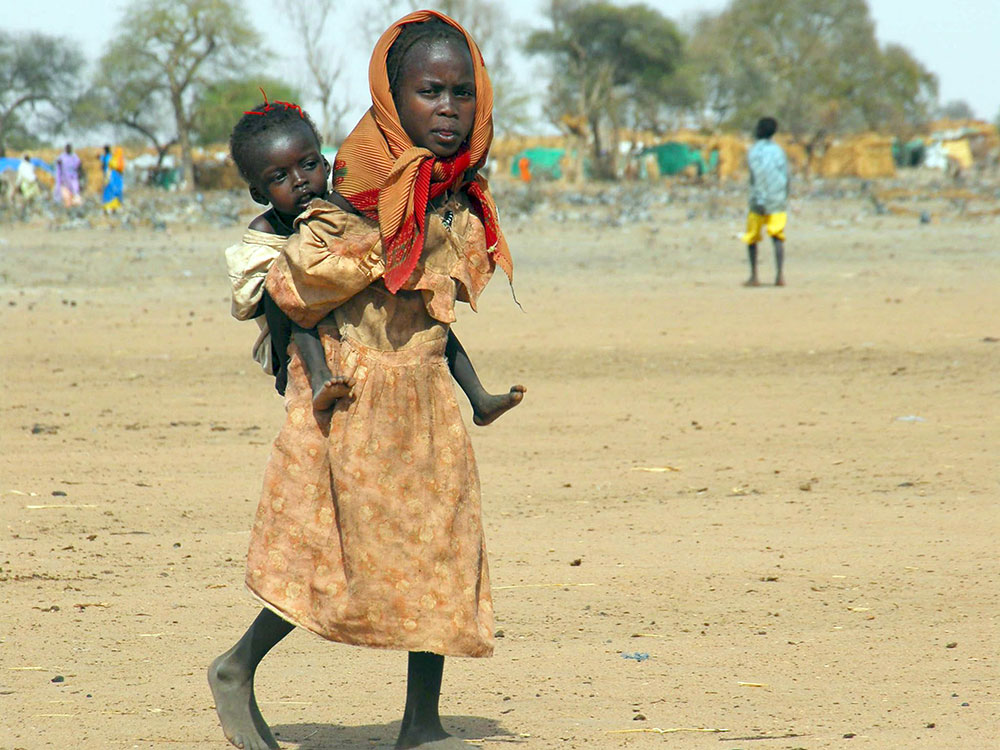
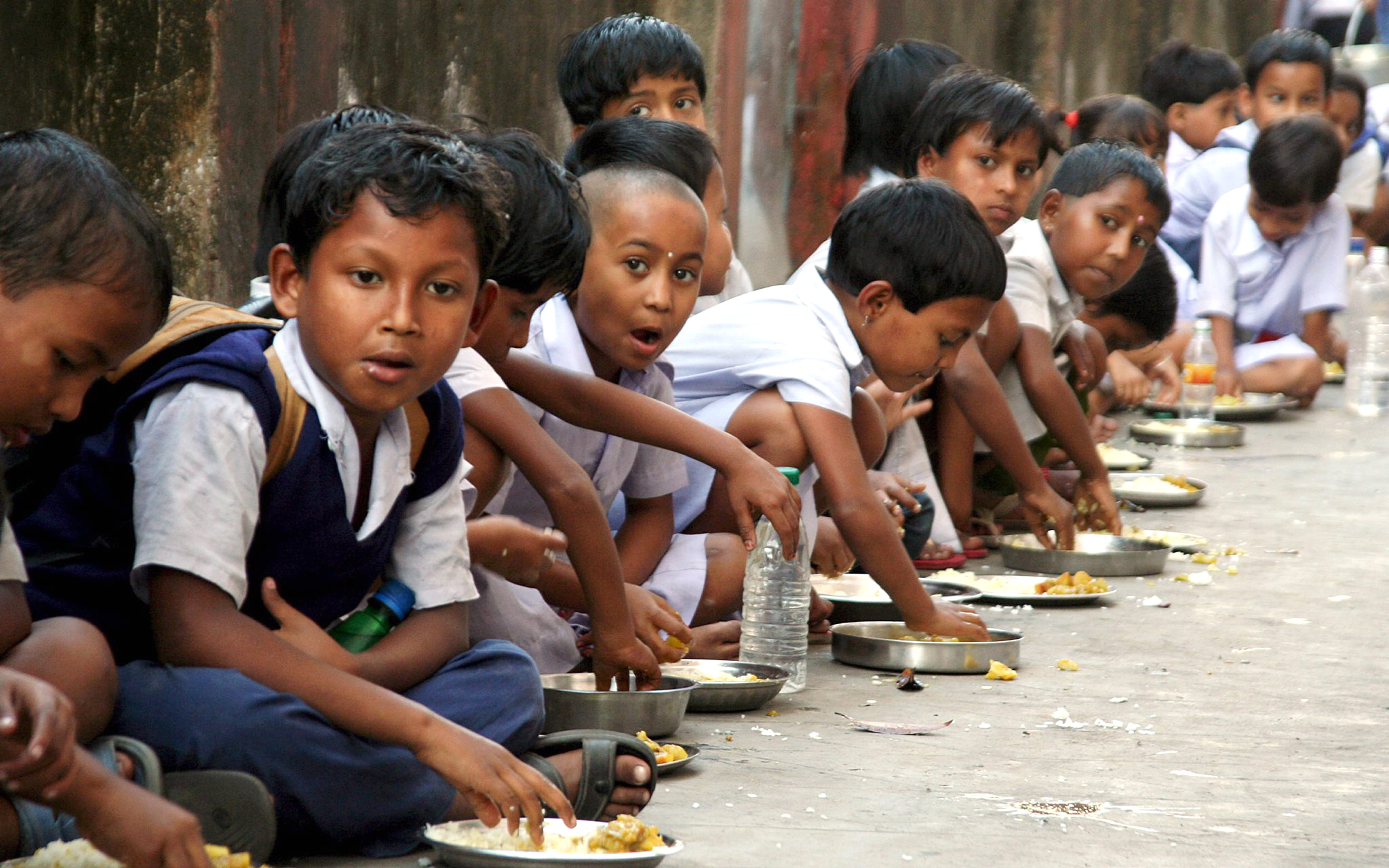
Now it has been proposed that 2010 be designated as the year for the eradication of poverty. Let us help to prepare it. And we have to begin by preparing our consciences and wills. Today, we know it is possible to eradicate extreme poverty: humanity has more than enough means for it. However, the reality is still there, translated in terrifying numbers which go beyond our imagination: more than 50,000 children per day are victims of hunger and avoidable illnesses; dozens of thousands of children are obliged to take up weapons; millions are condemned to slave labor; a billion people live in miserable neighborhoods. These numbers and these situations are known. Their resolutions require international organizations like the UN, G8, IMF, etc,… etc… But they also require citizens with strong public opinion to put pressure on their rulers to, at least, make them fulfill the successive promises they keep on repeating.
HOW TO WAKE UP?
The main problem is how to wake up citizens. How to touch their hearts. How to mobilize them for active solidarity and citizenship. In fact, one of the great challenges of our times is that people do not want to know about such things. They are not interested. They do not consider the problems as theirs. The situation, however, has reached such inhuman proportions and has been so publicized that it is no longer as simple as Pilate’s washing of hands before a dilemma – where it was not easy to make a decision. What people do today is “to pass by on the other side,” pretending they do not see; behaving as if the person on the edge of the road is not wounded but just resting.
They “passed on the other side” – the terrible words used by Jesus to denounce the inhuman behavior of the priest and of the Levite who, giving their service in the temple as an excuse, abandoned the wounded man on the edge of the road (see Lk 10:25-37) can be applied to us nowadays. We are letting millions of people die of hunger “on the edge of our road.” Yes, on our road because new technologies have put those wounded and dying before our eyes – no matter which corner of the world they are losing blood. To let someone die of hunger in a world that wastes so many resources and has so much money to destroy, through weapons, is a grave sin. Unfortunately, we still opt to “pass on the other side.”
SHARE OUR REFLECTION
I have already reflected about this theme several times and quoted those numbers on many occasions. Possibly the effect was insignificant. Perhaps, I have written all this, just to be at ease with my conscience and be able to “pass on the other side,” too, myself. Perhaps all of us have good intentions and are willing to collaborate, but we are faced with the difficult question: “What can I do?” We feel inadequate to deal with such a task. Perhaps we should then change the question to: “What can we (as a community) do?” to make it less overwhelming.
I challenge you, readers, to begin to think on all this and involve your friends. Let us share our reflections, using inclusively this magazine, so that together we may discover new ways to solve an old problem – extreme poverty eradication. Our brothers and sisters who have died and those who are dying are challenges we cannot ignore. Their hardships and sacrifices may not be in vain.
Much more deserving of our attention are the countless others who may end up losing their lives, too, if we do not change this unbearable and inhuman violence and act to alleviate their miseries.