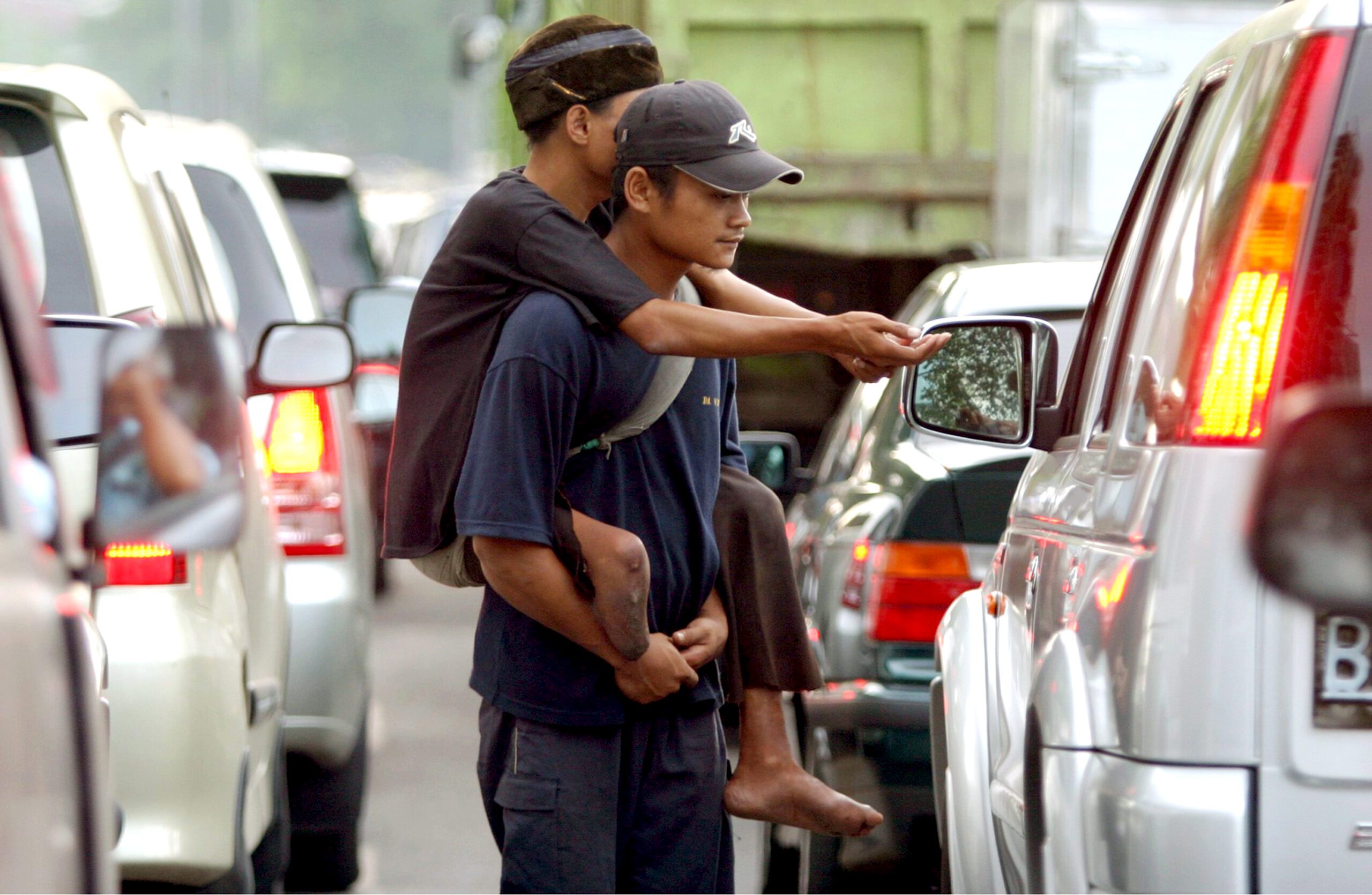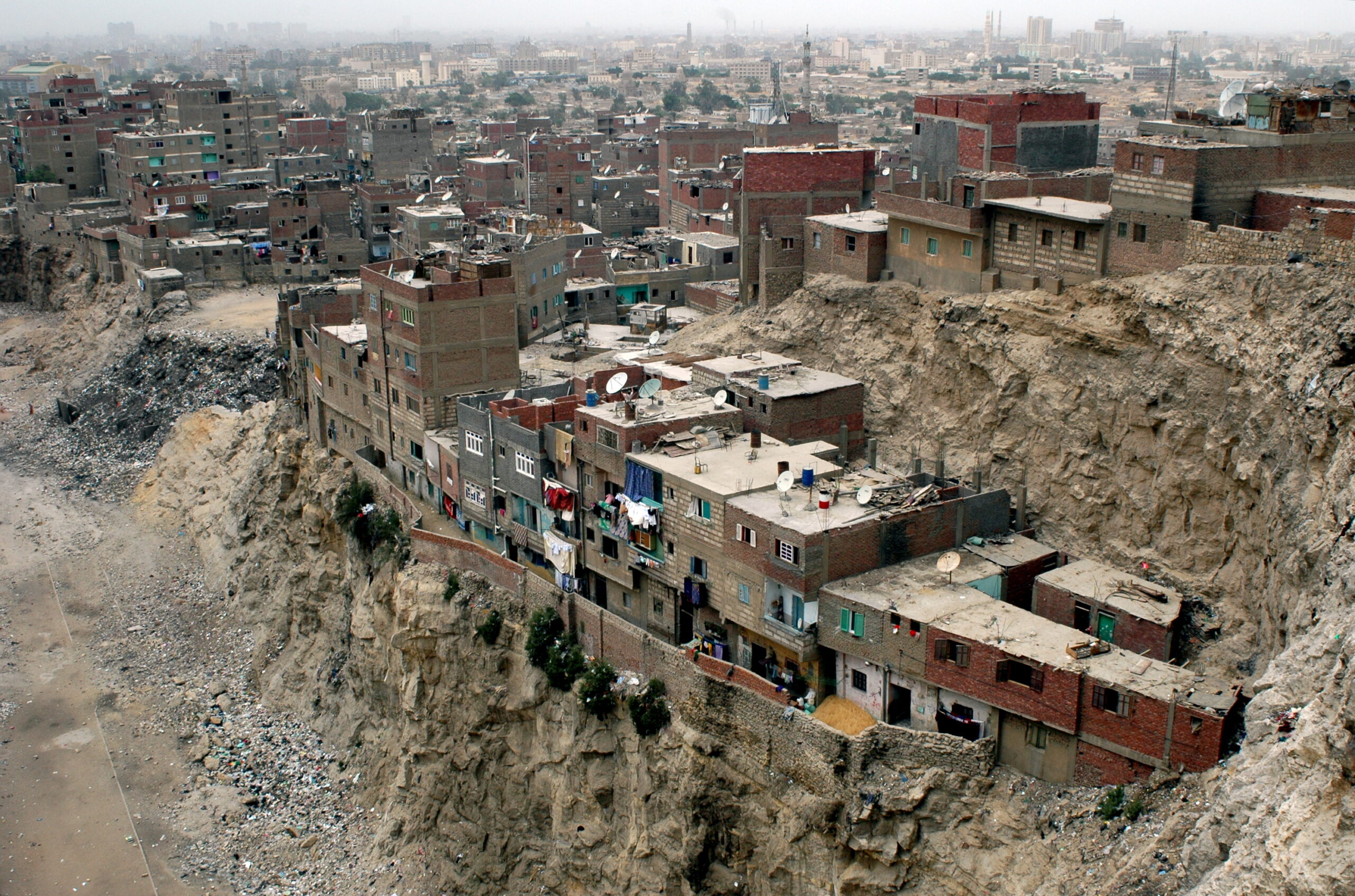
For many developing countries, already battling to contain food shortages and high fuel prices, the spill-over from the financial crisis that started in rich nations will stunt growth and development for perhaps a generation. Yet, very few developing countries can effectively tackle the effects of the financial crisis on their economies because they lack the resources at the disposal of richer nations. But the financial crisis is likely to unleash waves of social instability that will dwarf the ones experienced in the recent food and fuel crises that battered many developing countries.
For one, because rich nations will invariably have to plug the holes the multi-billion rescue packages have left in their treasuries, money that would have gone to development and aid commitments to poorer countries, will now plummet. Such flows from rich to developing countries had already trickled more slowly to developing countries even before the current financial crisis. Furthermore, a credit freeze in Western countries, caused by the fall in confidence because of financial crisis, means that money generally available to finance economic projects in developing countries will now dry up. If rich nations are starting to see the pinch in real economy as a result of the financial crises (factory and company closures and job losses), imagine what will happen in the real economies of poorer developing countries.
It is now beyond doubt that a resolution to the financial crisis demands a global response. Yet, in the international efforts so far, developing countries are again left out of the loop in finding solutions to the problem. Indeed, rich nations can mostly look after themselves, through the G7. This financial crisis, started by rich nations will affect developing countries disproportionally worse.
OUR OWN POLICIES
One of the reasons for the financial crisis is that the financial, trade and political system that underpins the world economy is simply outdated. In fact, this financial crisis offers the opportunity to overhaul the IMF, World Bank, WTO and the UN system, to make them more relevant. The financial crisis has discredited the laissez-faire, unregulated, unsupervised ‘free market’ model of capitalism. International financial institutions such as the World Bank and IMF have forced this model as a one-size-fits-all on vulnerable developing countries. Recipients of such advice are now the worse off.
Furthermore, many developing, especially African countries, desperate for foreign investment, allowed Western banks unfettered control. These banks often bought up all local banks, while developing country governments, abandoned even basic regulation and supervision. In the financial collapse, these banks cut their operations in developing countries first, leaving such countries in a mess.
If there is anything close to a silver lining for developing countries in this crisis, it is this: Many developing countries for some time now have complained they lacked the freedom to come up with economic policies appropriate to their own circumstances – a handicap not restricting richer nations. For example, before this crisis, if the few developing countries with the means to do so had used public money to bail out struggling banks as the U.S. and EU country governments have, they would have faced a market backlash. After this financial crisis, developing countries may now have more freedom to come up with their own economic policies.
A MORAL FAILURE
The short-term solution to the financial crisis is a concerted global effort to restore confidence. This will mean correcting market failures, such as providing public support, as the US, UK and Europe have. But there has to be also an international financial facility to step in and to prop up institutions which, if they failed, would plunge an economy into bankruptcy. This must be made available to developing countries without them having to give up on their ability to set their own economic policies, as has been the case in the past when they turned to the IMF and World Bank for help.
In the long-term, both industrial and developing countries will have to come up with a collective strategy that will transform current outdated global financial, trade and political architecture. Both industrial and developing countries will have to be involved in writing new appropriate rules, regulation and supervision regimes in individual countries, and globally. From now onwards, there will have to be better regulation and supervision regimes to improve the functioning of financial markets, both at national and global levels.
This financial crisis is more than that; it is a moral crisis. So far Western governments have bailed out banks, but not punished those responsible. Hardworking citizens who have lost much and will continue to lose out in pensions, homes and savings, have all been thrown under the proverbial bus. Those individuals who caused this crisis did so simply out of greed. To allow those responsible for this crisis to get away with that greed (for example still receiving huge executive payouts) while millions suffer from their irresponsible behavior, is compounding the moral failure.
*http://newsweek.washingtonpost.com/postglobal/william_gumede/2008/10/crisis_hits_poor_countries_har.html. William M. Gumede is a former deputy editor of The Sowetan, Johannesburg, South Africa. He is the author of the bestselling Thabo Mbeki and the Battle for the Soul of the ANC. His new book, The Democracy Gap: Africa’s Wasted Years, will be released in the U.S. in May, 2009.