
Two years after he was elected pontiff, Pope Francis’ attitude of friendship has been making a very positive impact on people of all creeds and faiths around the world.
The Pope thinks of dialogue with followers of other religions in terms of friendships more than formal meetings. This does not mean that he has little interest in theological exchanges. But interreligious friendships are more the basis for dialogue than its by-product.
Francis believes that the motivation for interreligious dialogue is the mutual commitment to peace and justice. Therefore, peace and justice should become the basic principle of all religious exchanges.
DIALOGUE ROOTED IN FRIENDSHIP
In Evangelii Gaudium, he states that interreligious dialogue is a necessary condition for peace in the world, and so it is the duty of Christians, as well as other religious communities to promote it (N. 250). In this dialogue, ever-friendly and sincere attention must always be paid to the essential bond between dialogue and proclamation, which leads the Church to maintain and intensify her relationship with non-Christians, but we are warned against “facile syncretism” as well (N. 251). True openness involves remaining steadfast in one’s deepest convictions, clear and joyful in one’s own identity, while at the same time being “open to understanding those of the other party” and “knowing that dialogue can enrich each side” (N. 253). Evangelization and interreligious dialogue, far from being opposed, mutually support and nourish one another.
Rooting dialogue in friendship brings with it an important advantage over more theoretical approaches. Friendships provide an environment that allows for the recognition and honoring of religious differences. Speaking to the Pontifical Council for Interreligious Dialogue, Francis advised against any “false fraternity” in our dialogues. Dialogue does not mean compromising the basic affirmations of Christian faith in the hope of arriving at some abstract common denominator. For Francis, the alternative to such pretense is a dialogue that is “friendly and sincere.”
Francis’s turn to friendship as a model for interreligious dialogue is yet another example of what he calls the “culture of encounter.” Francis uses the notion of encounter to emphasize the Church’s need to get over self-absorption and to reach out to the world with humility. The encounter with those who follow other religious paths needs to be “open and fruitful.” In keeping with this view, the Pope warns that “fundamentalism” on either side of interreligious dialogue makes true encounter impossible (N. 250). In his message for World Communications Day 2014, Francis noted that the culture of encounter demands that we be ready to listen.
The Church in Asia is often facing opposition and persecution in differing degrees, be it in Pakistan, China, Bangladesh, India, Sri Lanka, Myanmar, Malaysia, and Indonesia. Pope Francis’ visit to Sri Lanka and the Philippines, and earlier to South Korea, is increasing the self-confidence of those church communities, as the people’s enthusiastic response proved in Manila, where almost six million people attended the Mass or lined the papal route to Rizal Park, on January 18, 2015. The Church in Asia needed this ‘self-confidence’ to perform its mission to help the poor and bring the Gospel to those who know little about Jesus.
GESTURES AS ELOQUENT AS WORDS
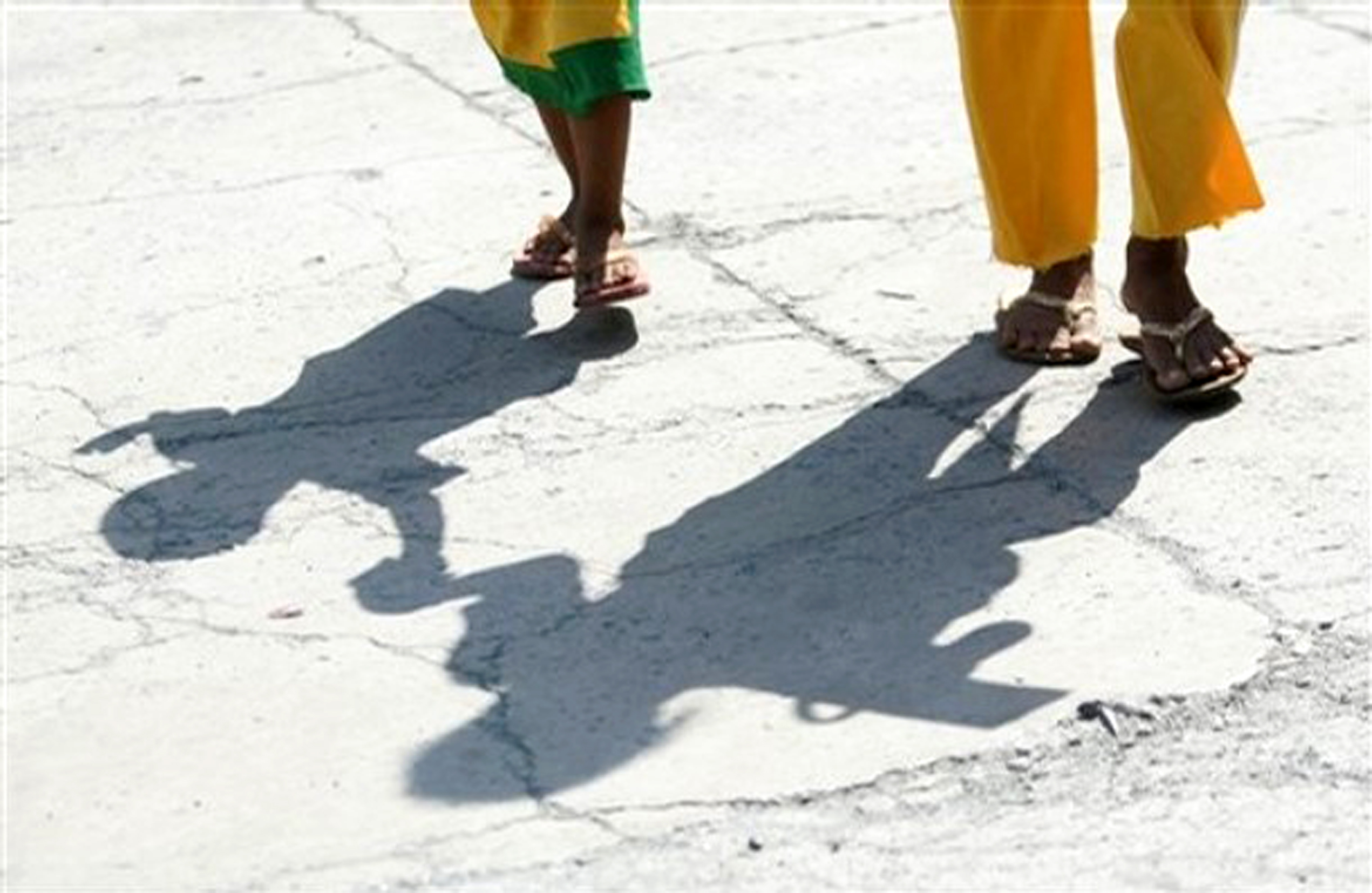
Francis’ gestures towards people of other faith articulate this friendship-based dialogue. Two weeks after his election in March 2013, Pope Francis washed the feet of 12 people at a juvenile detention center in Rome for the annual Holy Thursday ritual. Among those chosen for the rite was a Muslim girl.
He chose Albania, a Muslim-majority country, for his first visit to a European country outside Italy and sent a message of esteem to Muslims to mark the end of Ramadan in 2013. He included an imam, Sheikh Omar Abboud, in his personal entourage during his Middle East trip.
Some days before the Holy Mass in Manila, during his visit to Sri Lanka on 14 January 2015, after meeting political leaders at the Apostolic Nunciature in Colombo, Pope Francis went to Mahabodhi Viharaya, a nearby Buddhist temple to which he had been invited. He saw a statue of the Buddha and two other Buddhist holy men. He was invited by the monks to see the temple’s stupa, a bell containing relics that is normally closed. The monks sang a prayer as it was opened, and Pope Francis was listening with great respect. Francis was only able to stay at the temple for some 20 minutes because he had to go back to meet the bishops. That was a great occasion to foster dialogue with the Buddhists.
On his last day in the Holy Land, on 26 May 2014, Pope Francis prayed at the Western Wall, the holiest site in Judaism. Francis brought Rabbi Skorka and Sheikh Omar Abboud, his long-time friends from Buenos Aires, with him on the trip. The Pope, the Rabbi, and the Sheikh embraced at the Wall, before ascending the Temple Mount to visit the Grand Mufti of Jerusalem together.
RAISING THE VOICE AGAINST RELIGIOUS FUNDAMENTALISM
At the end of his visit to Turkey in November 2014, Francis prayed in Istanbul’s Blue Mosque, alongside the Grand Mufti of Istanbul, Rahmi Yaran. He urged Muslim leaders to do more to denounce Islamic State atrocities against religious minorities and to guarantee religious freedom to Christians.
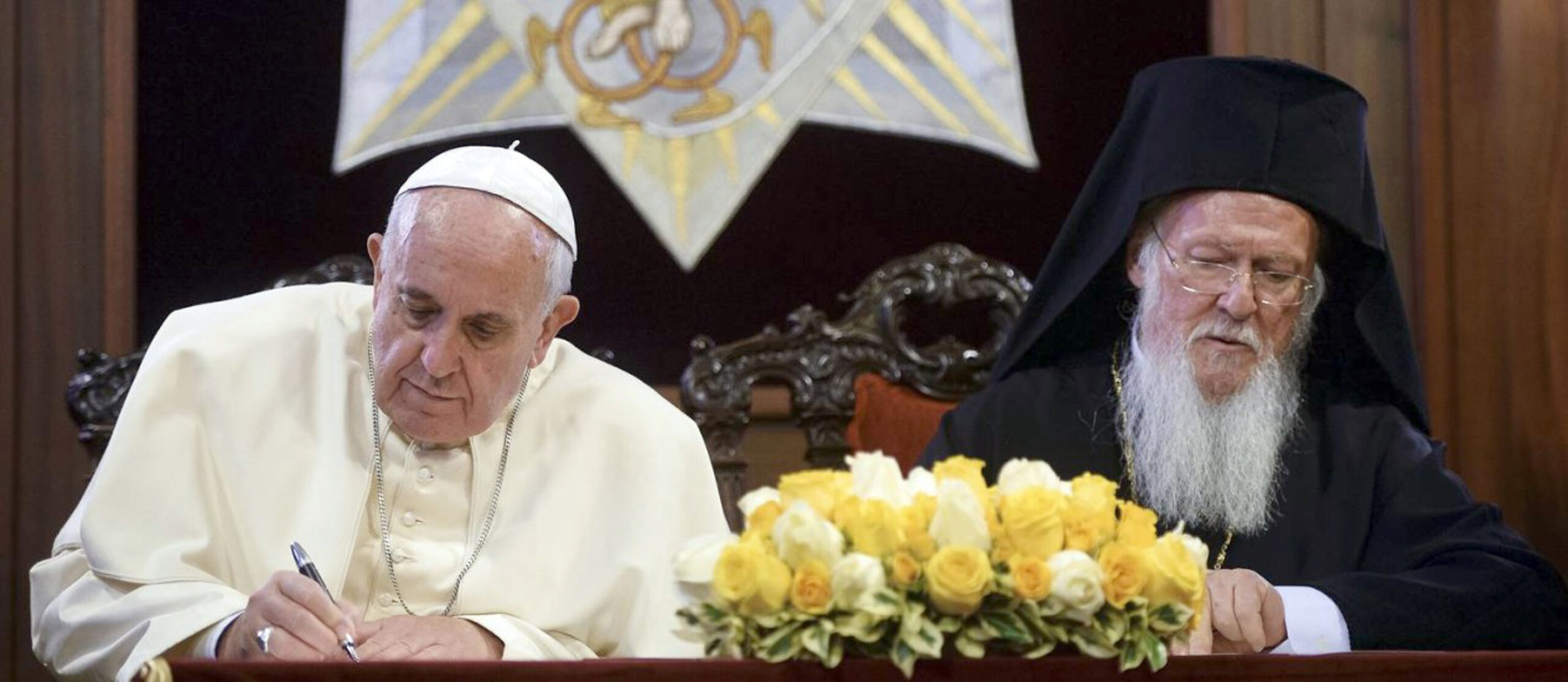
Together with Ecumenical Patriarch Bartholomew, Francis issued a joint declaration urging leaders in the region to intensify help to victims of the so-called “Islamic State of Iraq and Syria” (ISIS), and especially to allow Christians, who have had a presence in the region for 2,000 years, to remain in their native lands. “The terrible situation of Christians and all those who are suffering in the Middle East calls not only for our constant prayer but also for an appropriate response on the part of the international community,” they wrote.
Francis and Bartholomew called for “constructive dialogue” with Islam “based on mutual respect and friendship.”
“Inspired by common values and strengthened by genuine fraternal sentiments, Muslims and Christians are called to work together for the sake of justice, peace and respect for the dignity and rights of every person, especially in those regions where they once lived for centuries in peaceful coexistence and now, tragically, suffer together the horrors of war,” they said.
In a press conference on his flight back to Rome, Francis said he had told the Turkish president that “it would be good if all Islamic leaders – political leaders, religious leaders, and academic leaders” condemned violence as being “against the Koran.” Francis has endorsed military action against ISIS, but insisted it must be accompanied by humanitarian aid. “Poverty,” he said “can give rise to criminal activity and even the recruitment of terrorists.”
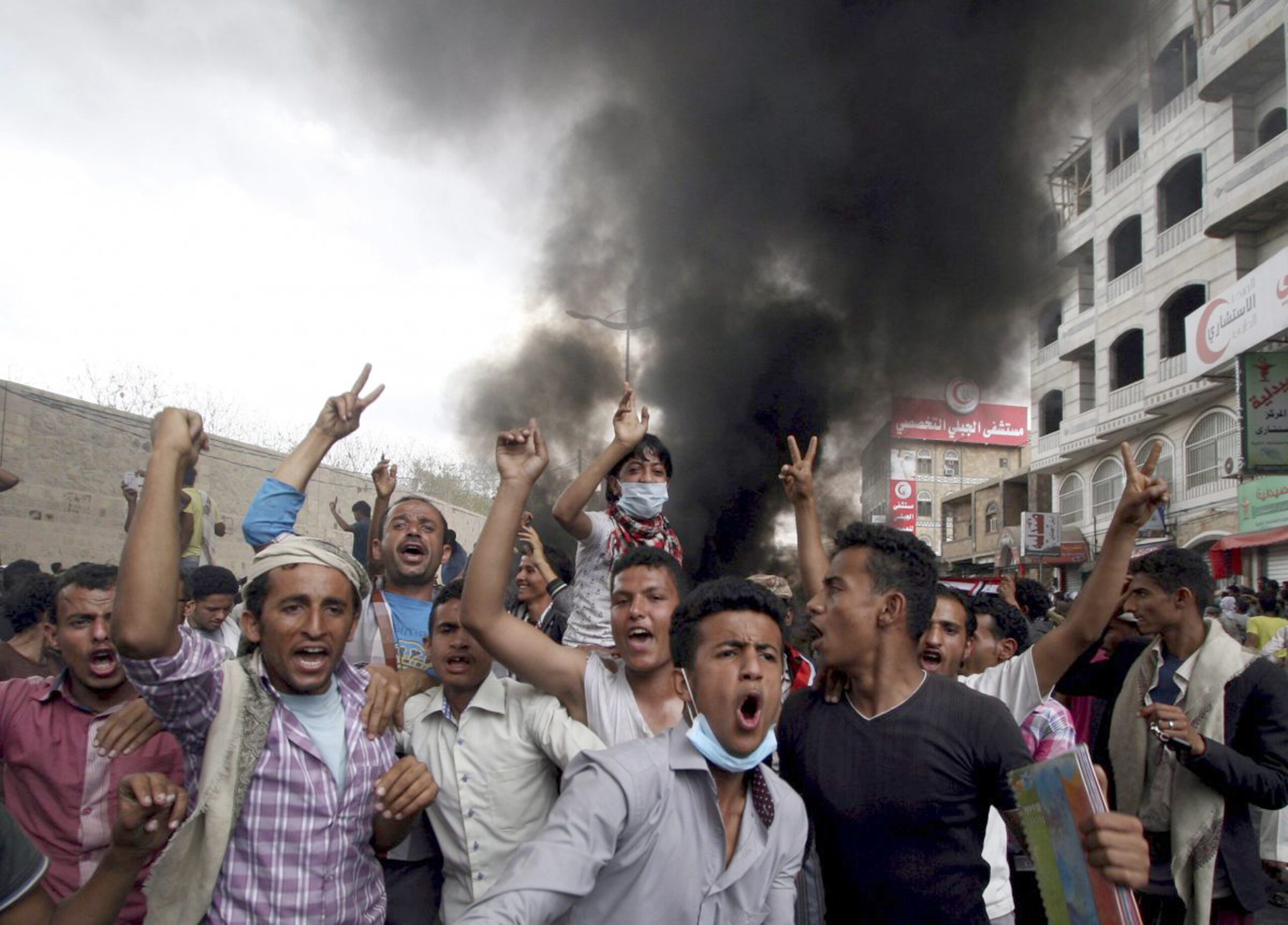
Among the main factors that hamper interreligious and intercultural dialogue are the radical tendencies, which, irrespective of their origin, are one of the most dangerous threats to world peace and security. Religious radical movements, in fact, introduce fundamental and sudden changes by means of uncompromising and violent policies. And they create an environment where mutual acceptance and understanding have ceased to exist. This gives way to all kinds of animosity toward people of different ideologies, races and beliefs.
Consequently, we must build up awareness that radicalism, with its extremist tendencies, is incompatible with true religious ethics and must be defeated through a serious and widespread formation to dialogue and a genuine effort, by religious leaders and opinion makers, to identify people who portray false beliefs and behaviors as part of their religious code.
At the same time, political leaders must support this awareness campaign in order to prevent extremism in society and to prepare the ground for moderation. This has particular relevance for the present situation in the Middle East, where creating room for dialogue is a great opportunity for policymakers, scholars, business and social leaders with the purpose of promoting intercultural and interreligious initiatives that will deal with education, social, economic and political reforms, religious understanding of women’s issues, peace initiatives, and potential areas of conflict.
Treading in the footsteps of St. Francis of Assisi, Pope Francis brought a message of peace to an important part of the Muslim world. Like St. Francis who, in the middle of the devastating Fifth Crusade in 1219, sailed to Egypt to cross battle lines and met with Sultan al-Kamil, Pope Francis’s most recent pilgrimage to Turkey included an encounter with Islam that was both respectful and open-hearted. While there, the Pope issued statements against Islamophobia and for Christian-Muslim partnership.
“We, Muslims and Christians, are the bearers of spiritual treasures of inestimable worth . . . Recognizing and developing our common spiritual heritage – through interreligious dialogue – helps us to promote and to uphold moral values, peace and freedom in society,” he said.
DIPLOMACY OF HARMONY
Meanwhile, in his address to the Diplomatic Corps accredited to the Holy See in January 2015, the Pope seized the opportunity to solicit the assembled ambassadors’ collaboration against fundamentalism.
“Fundamentalist terrorism “eliminates God Himself” and “I express my hope that religious, political and intellectual leaders, especially those of the Muslim community, will condemn all fundamentalist and extremist interpretations of religion which attempt to justify such acts of violence.”
The Pope referred to the Nativity story, pointing out that Jesus was disposed of right from the start and left out in the cold. “If this is how the Son of God was treated, how much more so in the case of so many of our brothers and sisters!” Herod’s attitude is emblematic of this. He had all children in Bethlehem killed. “We think immediately of Pakistan, where not long ago, more than a hundred children were slaughtered with unspeakable brutality,” Francis said assuring victims’ families of his prayers.
Francis linked the “culture of rejection” which spawns “violence and death” to “the events reported daily in the news, not least the tragic slayings which took place in Paris some time ago.” People are seen “as objects” and “losing their freedom; people become enslaved, whether to the latest fads, or to power, money, or even deviant forms of religion.” Speaking about the consequences of this mentality, Francis talked about “a true world war fought piecemeal” in various parts of the world, starting “with nearby Ukraine, which has become a dramatic theatre of combat.” “It is my hope that, through dialogue, the efforts presently being made to end the hostilities will be consolidated, and that the parties involved will embark as quickly as possible, in a renewed spirit of respect for international law, upon the path of mutual trust and fraternal reconciliation.”
Francis then spoke about the Middle East and the intensity of the “Invocation for Peace” meeting with Peres and Abu Mazen in the Vatican. He said that negotiations between the two parties will once more resume, for the sake of ending violence and reaching a solution which can enable Palestinians and Israelis alike to live, at last, in peace within clearly established and internationally-recognized borders, thus implementing the “two-state solution.” He also mentioned the other conflicts in the region which have had “chilling repercussions, due also to the spread of fundamentalist terrorism in Syria and in Iraq.”
THE WORLD AS A KIND OF “FIELD HOSPITAL”
We can understand now how Francis comprehends interreligious dialogue. Dialogue is an integral expression of the ministry of the Church. Interreligious dialogue goes to the heart of the Church’s mission to serve the world as a kind of “field hospital,” as Francis famously observed on several occasions. Peace is not just a gift of God; it is also a personal and social duty that demands commitment and concern from everyone.