The Bible records the growth of humanity through the story of few individuals. This is the technique used by the author of Genesis in exploring the journey of humankind. After the creation of the first couple, Adam and Eve, there is the experience of sin, which is followed by the loss of communion with God and the departure from the Garden of Eden. The second step in human history is described in the relationship between Cain and Abel. They were brothers, but there was little love lost between them. Cain eventually killed Abel. Sin brings more divisions among the people, and violence appears to run their relationship. Cain’s son Enoch becomes a “builder of towns.” From now on, Genesis records how the town – the place of change, of technology, of non-familial relationships − grows both in positive and negative ways. This growth peaks with the building of Babel. The Bible says that Babel was built to challenge God’s power. A Jewish commentary written in Jesus’ time explains that, while building the infamous tower, workers did not mind if a fellow builder fell from the scaffolding and died, but cried bitterly if a brick cracked and broke. A builder could be easily substituted; the loss of a brick meant a waste of time in the process to reach new heights and power. After the demise of Babel, the city remains an important place in the Bible. It is here − in Jerusalem − that God decides to dwell. It is in the cities of the Middle East that the destiny of nations is decided. It is in the palaces of kings that prophets move to bring about change.
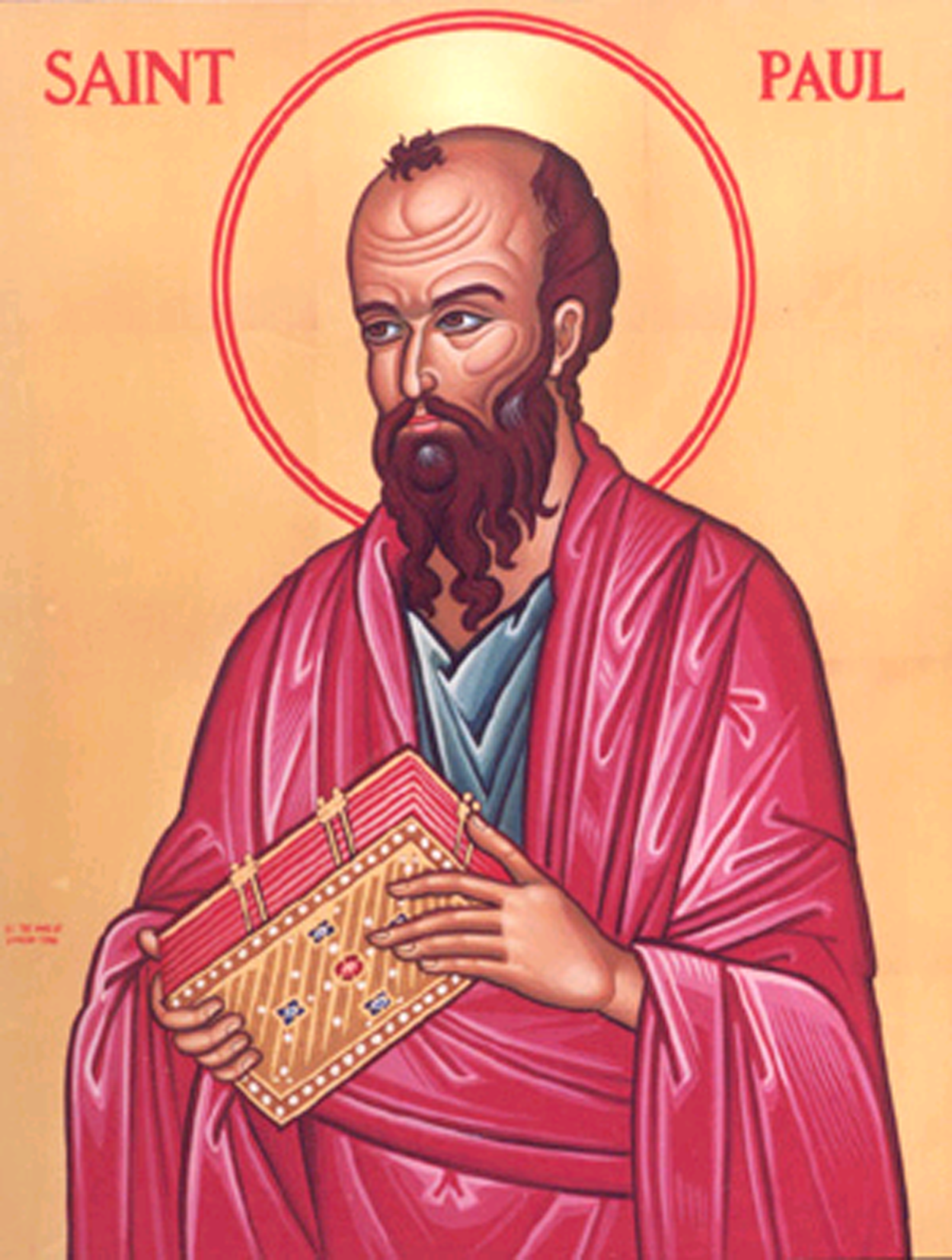
In later times, Paul and Peter had to make a choice. Both opted to evangelize at the heart of the Roman Empire. The Acts of the Apostles and the Pauline letters record how Paul clearly identified the city as the place of ministry. From here, the local community would then expand to the neighboring rural areas. Yet, he saw the need to address the power of the city, proclaiming Jesus as Lord before magistrates, philosophers, and business people. Eventually, both Peter and Paul were to give their final testimony in Rome: the centre of the earthly power of the time and the largest metropolis of its age. Rome had more than one million inhabitants when the two great apostles were martyred there. They had chosen Rome because it was the metaphor of power but also because they knew that only by evangelizing the centre of influence could the Gospel find a foothold in society. Towns, especially the large cities, have always held this double role: centers of power, oppression, but also pivotal places for development and growth.
OPIUM OF THE PEOPLE
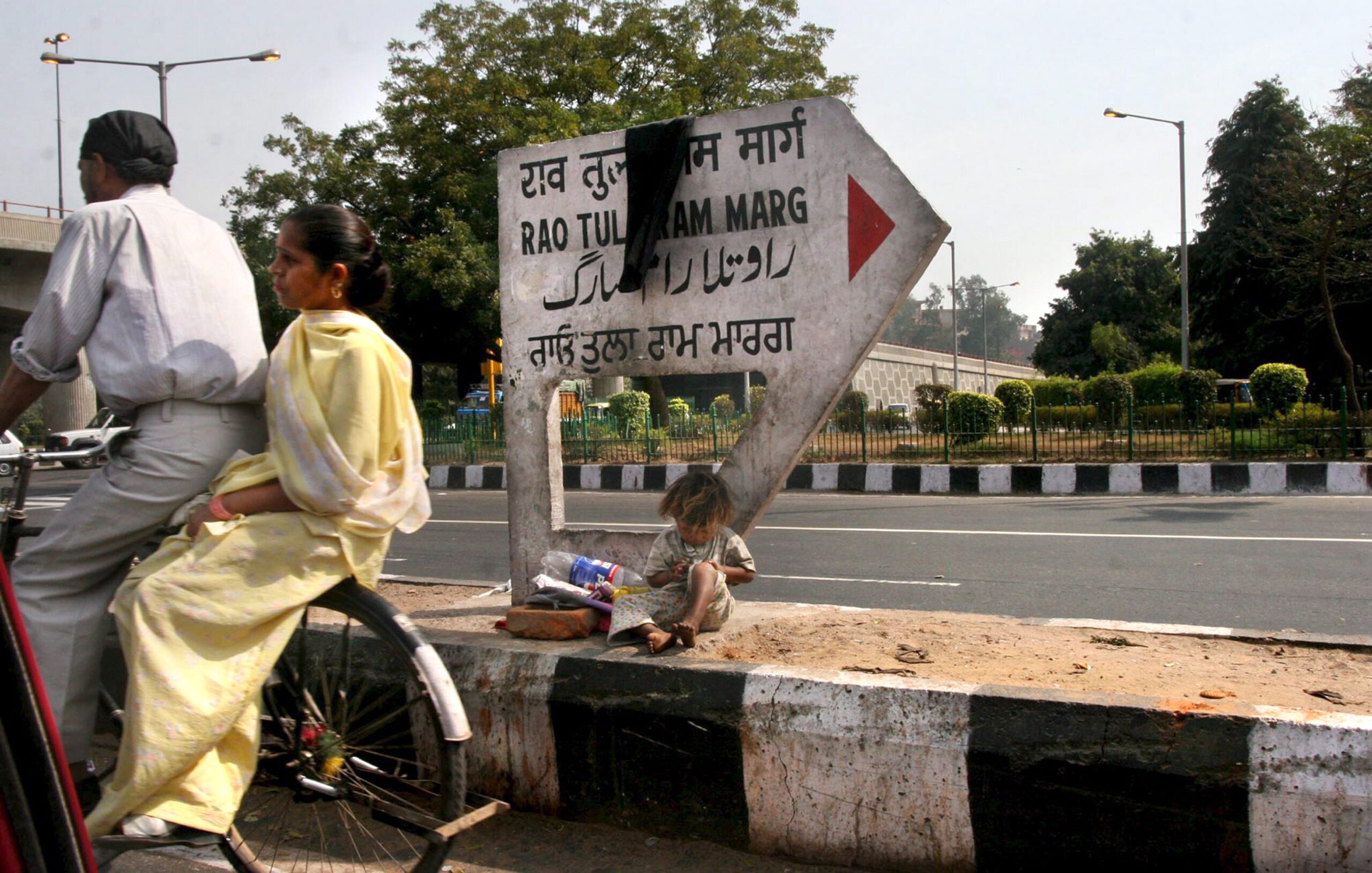
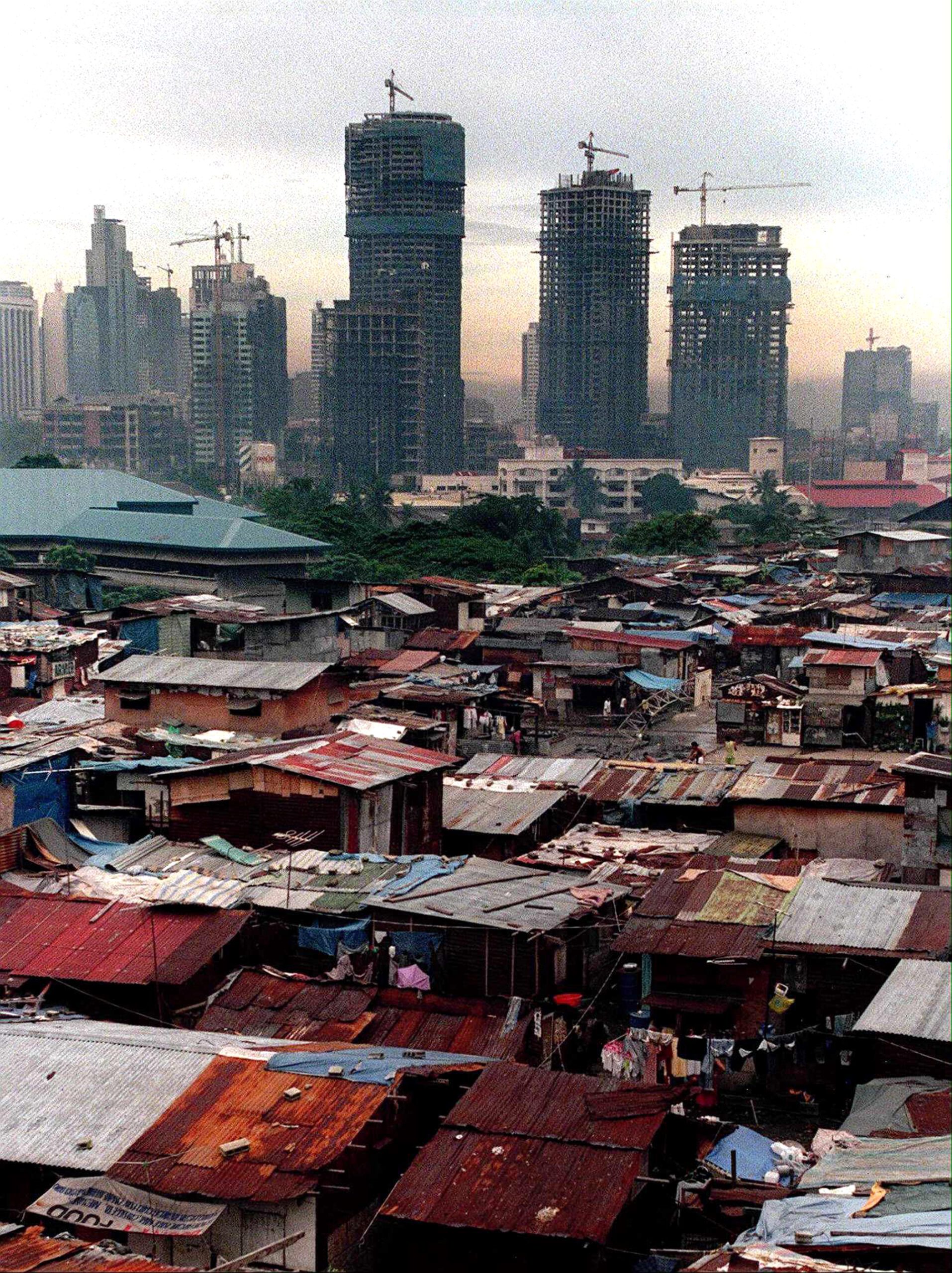
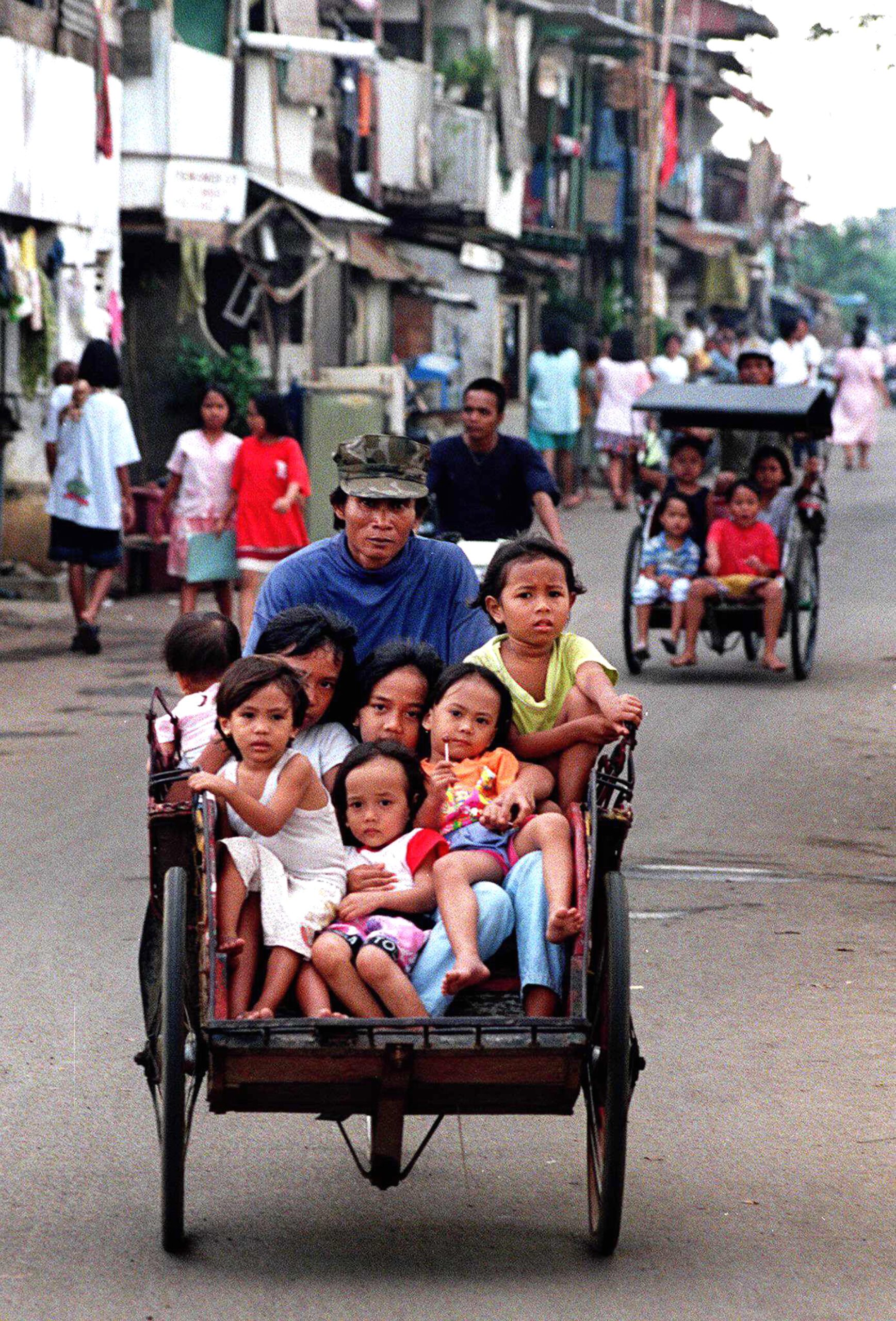
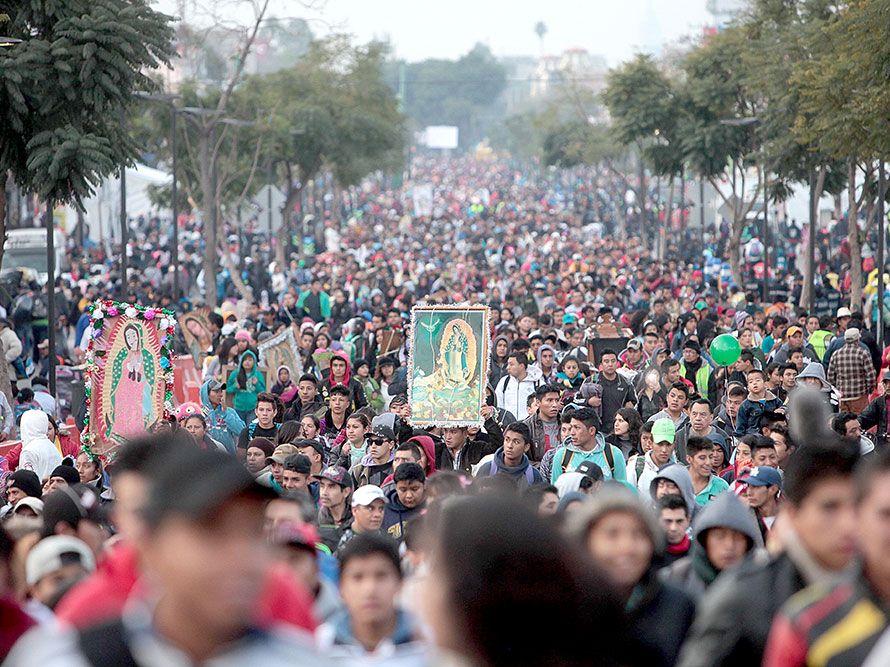
Today, urbanization is imposing itself in the human agenda. For the first time in the history of humankind, the urban population will surpass the rural population next year. In 1950, there were 86 cities with more than one million inhabitants. Today, there are more than 400. UN-HABITAT forecasts that their number will grow to more than 550 within ten years. The present urban population is larger than the world population in 1960. It makes sense to look at the city as the new arena of evangelization. It is also clear that the population of informal settlements that surround all large cities is growing. Today, more than one billion people live in informal settlements. According to UN-HABITAT, 70% of African town dwellers live in slums. Their number is destined to rise.
Yet, one could ask: Why put so much emphasis on the evangelization of towns? After all, these are the places that have the highest concentration of ministries. As an example, in South Africa, besides the historical and Pentecostal Churches, there are more than 4,000 registered African Independent Churches. In the urban complex of Soweto alone (over two million people), there are more than 900 denominations represented. This is true for most metropolises in Africa. However, the number of religious institutions alone does not say much about their real grasp on the realities of the city. Many Churches, indeed sects, are a personal or familiar business. They are a source of revenue and − even when well meant − have little interest beyond gathering people and make a living. Most of these faith groups lack social commitment. They preach a Gospel of personal liberation from sin, of an intimate salvation, in the end, they promote alienation from reality. Those desperate, because of their social situation, find in these Churches the assurance of a better future in God. Those who want to appease their consciences find the guarantee that they are not socially guilty, since they turn themselves to the Lord. Truly, this is a religion that is the opium of people.
INTEGRAL HUMAN GROWTH
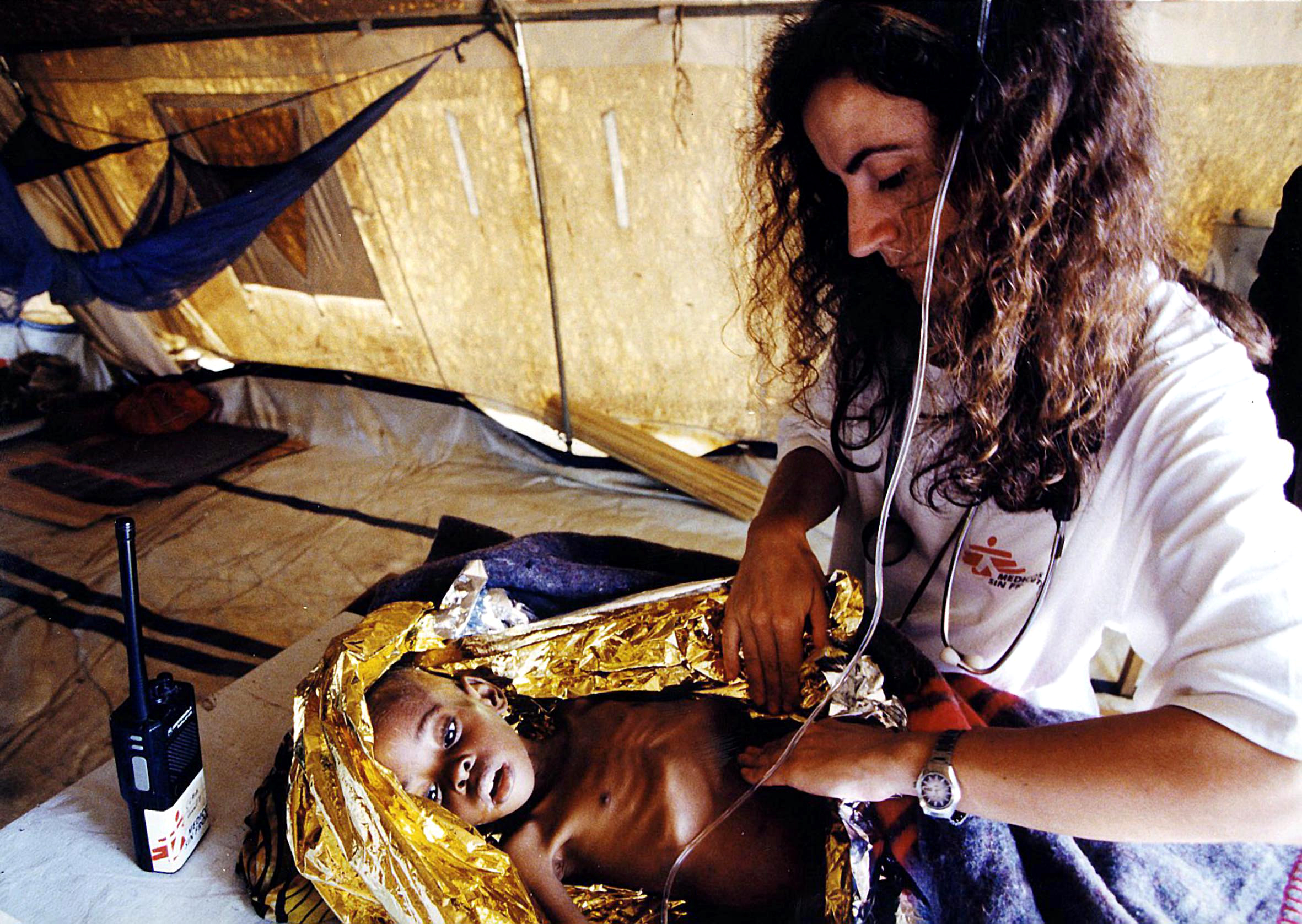
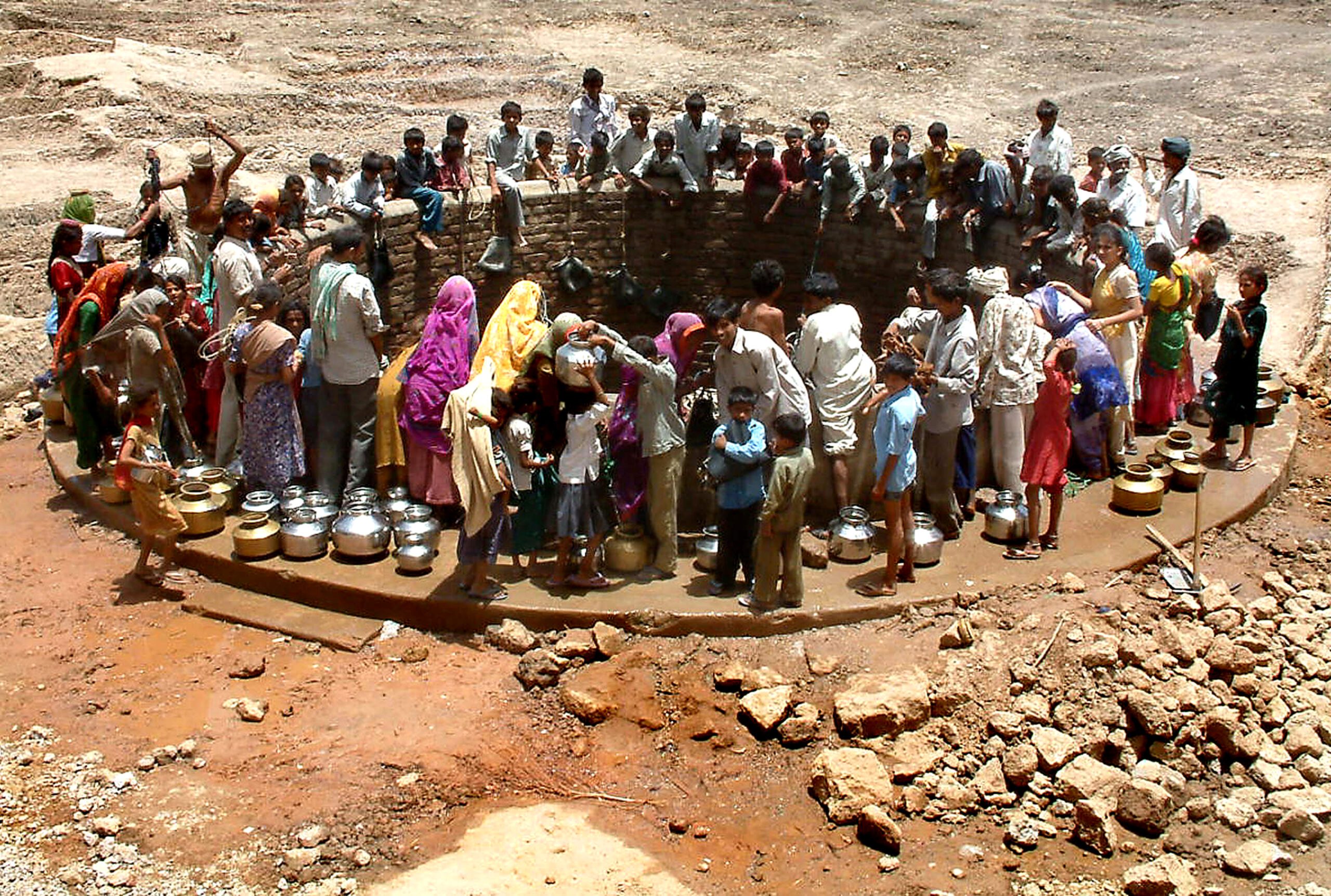
The Church must instead be present in the city, especially in the informal settlements, to promote the integral growth of the person. This means that financial, ethical, social, religious matters must be considered together. The person at the centre of Jesus’ proclamation is not a person torn apart by different needs. All these needs and aspirations are integral constituents of the person, and together they have to be addressed. Salvation must be proclaimed, and action must happen to address all these realities and give back to the people their lost dignity. A short visit to any slum in Nairobi, like in Soweto or Lusaka, gives a sad picture of the inhuman conditions in which millions of people live. The lack of basic services − water, sanitation, health, education − is compounded by the lack of jobs and the high criminality rate. Just a few kilometers away, in the posh suburbs of the same cities, few enjoy a style of life at par with the wealthiest of the world. Nairobi can be taken as an example. The city has a population of 4 million inhabitants, 2.5 million of whom live in over 200 slums − covering less than 5% of the whole urban area. Most of the land used by slum dwellers belongs to the government and local authorities. Yet, with the complicity of government officials, private citizens have taken charge of the land and impose incredibly high rents to live in makeshift houses. Indeed, the towns of the world need to hear the liberating Good News of Jesus Christ, as well as see a committed Christian community taking charge of social change.