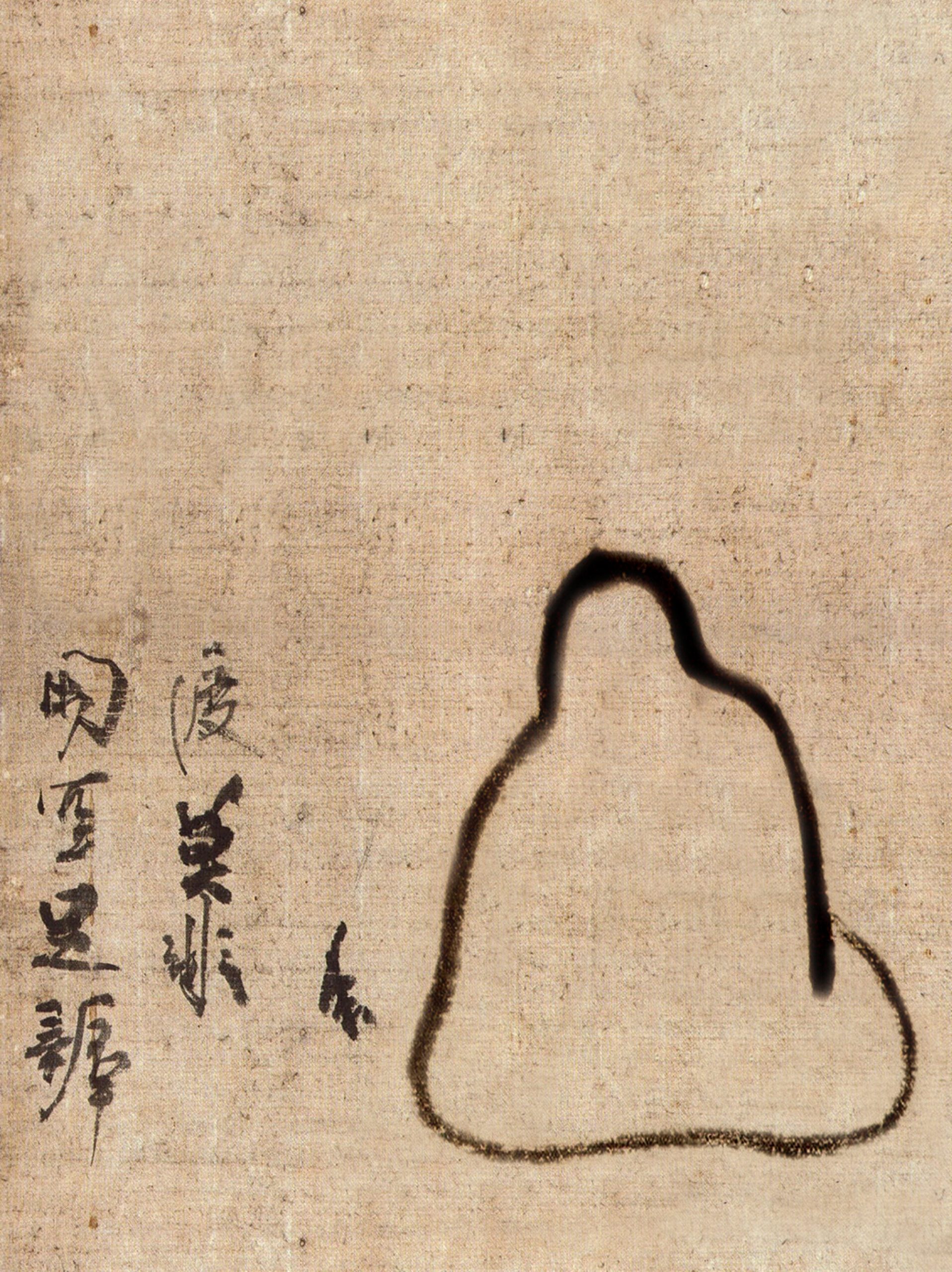
Allow me to explain the word Seon (Korean) or Zen. Generally, people are more familiar with the word Zen, because there are many translations of texts on Zen from Japanese writings. There have been fewer translations from Chinese and Korean on Seon or Chen. Seon is not a religion; it is a way of “praying.” The word is commonly used by Buddhists.
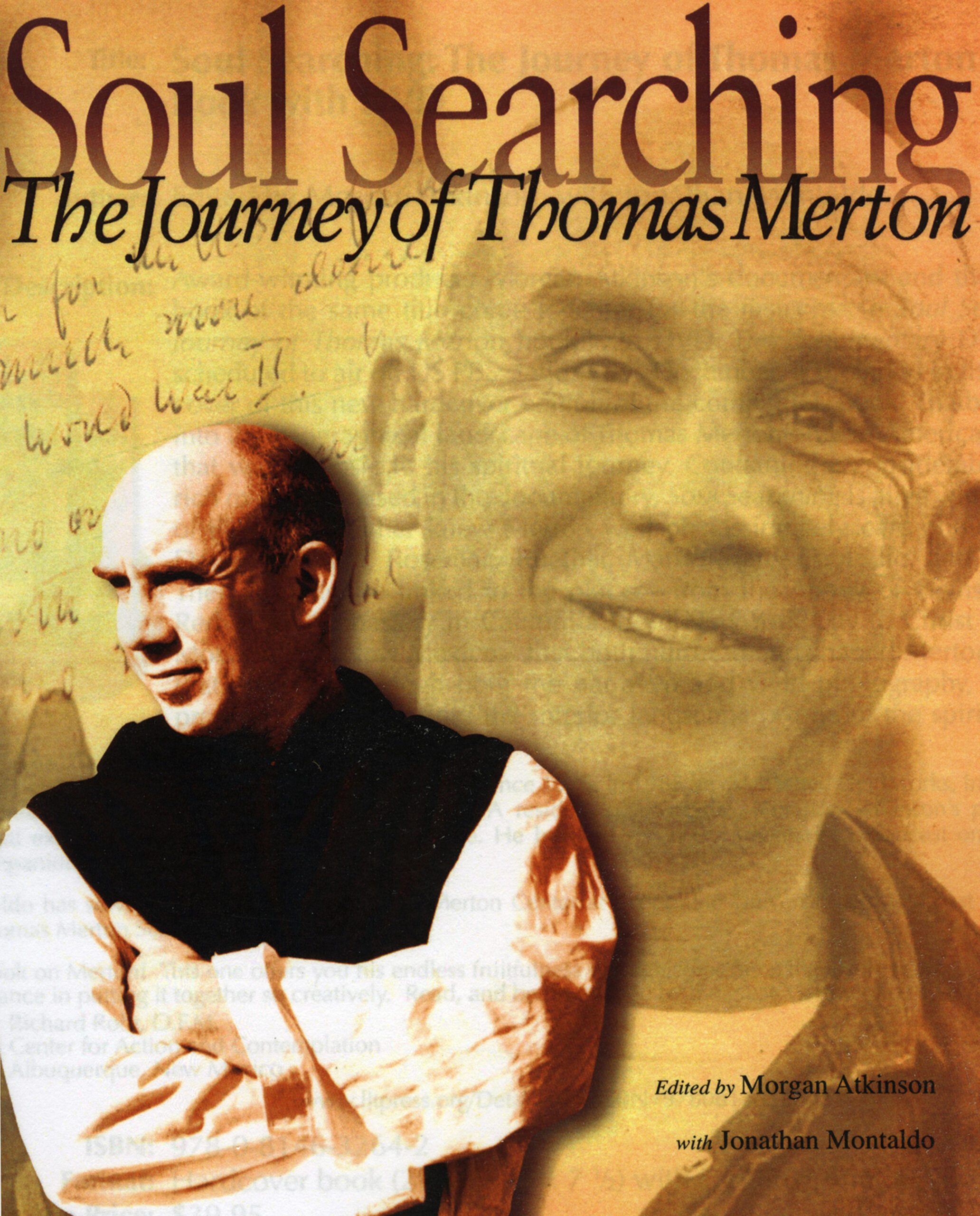
The word Seon or Zen comes from the Sanskrit term dhyana which means “to contemplate.” What does contemplation mean in Christianity? It means “to pray,” by intently looking “inward.” We look for God and for our true self. Our true self lives inside us. Thomas Merton says that contemplation is the response to a call “from Him Who has no voice, and yet Who speaks in everything and Who, most of all, speaks in the depths of our own being”; we ourselves are words of His. Seon meditation can be traced back to Buddha, but its deeper origins or roots can be traced to Indian yoga, which Buddha had been practicing before he was enlightened. Buddha was looking for an inner voice to talk to him.
The word yoga has a deeper meaning; the yogi is the one who practices yoga which means “union with God.” So the Hindus, many centuries before Jesus, were praying to God, and they were praying with God. God means the Someone who created the universe. It is very difficult to talk about this. Once one uses the word “God” its meaning is lost. However, this is another topic, and it would call for a very deep conversation. In this article, I concentrate on prayer or Seon meditation.
DISCOVERING ONE’S TRUE SELF. An important principle about learning and practicing Seon is that one needs the guidance from a person who knows Seon. Many can learn about Seon or Zen through books, but the true journey is done with a teacher or master who has walked this road and knows it well. One cannot become a Seon or Zen Master by reading and amassing information. Similarly, one cannot become a Catholic priest by reading about Catholic priesthood or how to be a priest. To become a Catholic priest, one has to go through a program of formation and study; finally, the most important thing is the “laying on of hands” by a bishop. The same procedure happens with the one who wants to be a Seon Master: he has to receive the Dharma transmission from another Seon Master.
Today, many people do “centering prayer.” Centering prayer is not Seon, but it could be a minor part of Seon meditation. One could pose many questions about Seon: What does one think or try to accomplish while sitting quietly or walking? When one really prays, what does one really try to accomplish? One should think about one’s real self, who sees, listens, laughs and cries. To think and ask “Who am I?” is Seon.
Many people think that, while they do Seon, something rare, special or extraordinary will happen to them. And, they wait for that. If one continues with this attitude, one could simply be waiting for something “out there,” like waiting for one’s funeral. If one enters college because others do so or marries because others do so, one’s life will not be one’s own. To avoid such an irresponsible way of life, one must stop and try to discover the right way to continue with his/her life.
To stop and think quietly in such a way is Seon. Jesus did the same; He prayed before making an important decision, sometimes going up the mountain to pray. After being with people and His disciples, Jesus often went to pray quietly. Jesus went to find out about Himself and about God who is in Himself. How did Jesus do it? He did it in silence. Jesus listens to God, to His inner voice. He went deep inside of Himself, to discover the real self within Himself. This search of one’s true self is self-discovery.
OUR HOME: THE INNER SELF. To discover the real self is true enlightenment. When one prays, one is trying one’s best to discover one’s self. We could say that Jesus was an Enlightened Person; He is always awake because He knows well who He is. The Chinese Teacher Lao Tzu says: “To be great is to go on; to go on is to be far; to be far is to return.” To where does one return? To return home means to come home to one’s inner self. Finally, it is returning to the “Father.” The parable of the Prodigal Son, the second son who spends all his money, focuses on his return to his father.
Jesus knew where His home was, always wanting to pray with His Father, the One who was intimately united in Himself. Only at home can one receive enlightenment. That is why the second son in Jesus’ parable, the one who knew his weakness, returns, after emptying himself, to his home and to his father. By returning to God, one can see clearly who one really is.
To return home or to the Father is not going back in time or rolling up the scroll of history. One cannot reverse things. We move forward, deep inside of self, where the Father waits for us. As the Gospel of John notes: God and I are connected; God and I are one. When one looks back from the moon to the earth, one realizes that the earth is really a part of the heavens. An extended “moon trip” evokes an intense yearning for one’s home. The Kingdom of God is within one’s self, but many look for it outside.
EACH PERSON: A TREASURE. When one does Seon, it is usually done in a sitting position. Of course, there are other postures, but sitting is the familiar position. To sit in silence clarifies the mind. To sit on the ground is to become one with the whole universe. The Chinese character for sitting is symbolized by two people sitting on the ground. If one asks a Buddhist what this character means, he will say: “Buddha is sitting on the dirty earth.” In the Western tradition, heaven is the sacred place of God and the earth is often considered dirty and sinful. So, one grasps the wisdom of emancipation while within the dust and suffering, and this is done just by sitting. By sitting and being connected with the whole universe, one begins the journey inward, in search of God and of one’s own self. The Desert Fathers practiced this many centuries ago. Still, there are many who live in the desert and pray during their entire life.
The key to Seon meditation is letting go of everything, of emptying one’s self and listening. It is not easy to empty one’s self and not to think while you are in meditation. But, this is the practice of Seon: to empty oneself so that God can enter and fill one’s emptiness with the Holy Spirit. One prays that God may fill the empty heart. One must not, therefore, be attached. Emptying one’s self is enlightenment and being enlightened is to be awakened.
Awakened to what? To one’s true self! Why do Christians pray to God? We pray so that we can seek God. In seeking God, what can we expect to learn from Him? Why do we ignore the treasures of our own house and wander so far away from home? As Christians, we must ask: what is our treasure? The treasure is none other than us who question God.
We are treasures. God is complete in us, with nothing lacking. Saint Paul wrote to the Philippians: “Though He was in the form of God, Jesus did not deem equality with God something to be grasped at. Rather, He emptied Himself and took the form of a slave….” Jesus, by emptying Himself, was exalted by God, the God who resides in Jesus. We all have to discover that our own treasure is within us, and that as long as we seek it outside, we will never discover it; we will never be happy. Mencius, a Chinese philosopher who lived four centuries before Christ, said that “all things are complete in us.” Meister Eckhart said that “God and I are completely one.” This is the teaching of Seon: to realize that when we enter into our inner self, we will encounter God and God will make us free.
LIFE’S ORDINARY JOURNEY. Seon teaches that our whole life is a journey, a journey of discovering our true self. Our journey is to discover our identity by going deep inside of our self. No journey can be more meaningful than this. This is a journey of an ordinary life. Praying to God is an ordinary activity; we all should live a simple and ordinary life. Many of us tend to complicate our life; we want more than we need. Our life should be simple and Seon is a simple thing: just live an ordinary life!
For a Seon or Zen Master, nothing is more wonderful than an ordinary life. What then is an ordinary life? An ordinary life is to live one’s life as best as possible. Seon teaches us to be simple and to be the best of one’s self. There is a famous story about a novice who once asked a Seon Master to teach him Seon and guide him. The Seon (Zen) Master asked, “Have you eaten your breakfast?” The novice answered, “Yes, Master, I have.” Then the Master replied, “Go, wash your bowl.” With these words, the novice experienced an instantaneous enlightenment.
Enlightenment can be very easy if our mind is simple and if we live as simply as possible. We constantly ask: “What or who is God?” or “Who am I?”
To practice Seon is not to engage one’s mind in anything or in any way. There is a saying: “If you meet Buddha, kill Buddha”; if a god encounters you, kill the god. Sometimes, when we meditate, time seems to go very quickly. Sometimes, the opposite is true; the clock seems to stand still and a few minutes seem like an hour. One should not pay attention to how quickly or slowly time passes; one simply meditates. Let everything go; do not hold unto something which is not God’s. For us Christians, let everything go except yourself and God Himself. For a Buddhist, the goal is to reach the One and Absolute, the Ultimate and Sole Reality, though he does not call it God.
LISTENING TO THE SILENCE. The whole meaning of Seon is a continuing dialogue between God and self. The dialogue is to develop a better relationship between you and your inner self, you and God. The better one listens, the better the relationship. When God spoke to Jesus, Jesus attentively listened to God. And when Jesus spoke, God listened to His favorite Son. Thus, we try to answer the question “Who is this God?” or “Who am I?” A constant struggle with one’s self is a constant practice of Seon.
Seon is trying to communicate and to dialogue with one’s true inner self. We dialogue in silence so that God or our inner voice can speak to us. If we spoke, we would not hear God’s voice. Listen to the silence, because God is constantly and continuously speaking; God wants us to discover Him in ourselves. Silence is an expression of peace, harmony and perfection. Silence is a quality of the inner life. Seon is an inner journey that only we, as individuals, can do ourselves. No one can do it for us. We have to discover God in us on a journey that we take with God.
Some Seon Masters say that when a man is fully enlightened or awakened, he can hear with his eye. The Psalmist was certainly such a person when he sang: “The heavens declare the glory of God; the sky proclaims its builder’s craft. One day to the next conveys that message; one night to the next imparts that knowledge” (Ps 19:2-3).
Personally, I have been practicing Seon for many years and I also use yoga meditation in my prayer life. I had the good fortune to live in India and study Asian spirituality; I became a teacher in yoga meditation under a Master. Seon meditation has become part of my spiritual journey, my life and my way of praying to God in silence. Very early in the morning, I open my eyes to spend time in meditation; I also do the same in the late evening before I retire. I do not ask you to pray this way. However, I have found my way; you have to find your own way to pray to God, to find your true inner self. Find a way to dialogue with God. Have I found my inner self? No, not yet. I am on the journey, and I really do not know when I will find my true self. I hope that will be soon.
Prayer, through Seon, is one of the ways; it is not the only way. But, I like the way I pray: just sitting in silence and letting the Spirit do the work. Is this the only way I pray? No, I also use other traditional Catholic ways of praying. But, the point is to constantly engage in prayer!