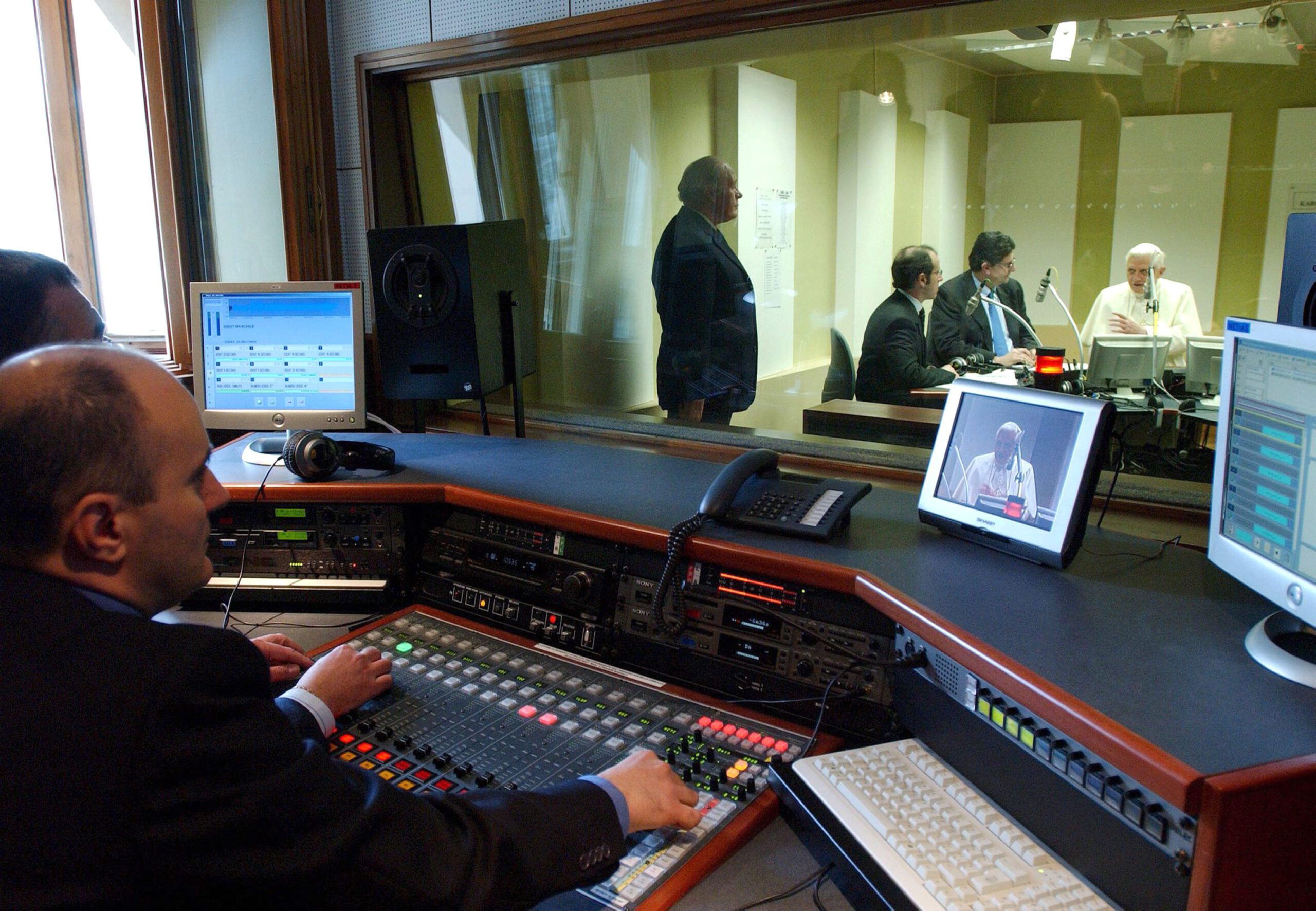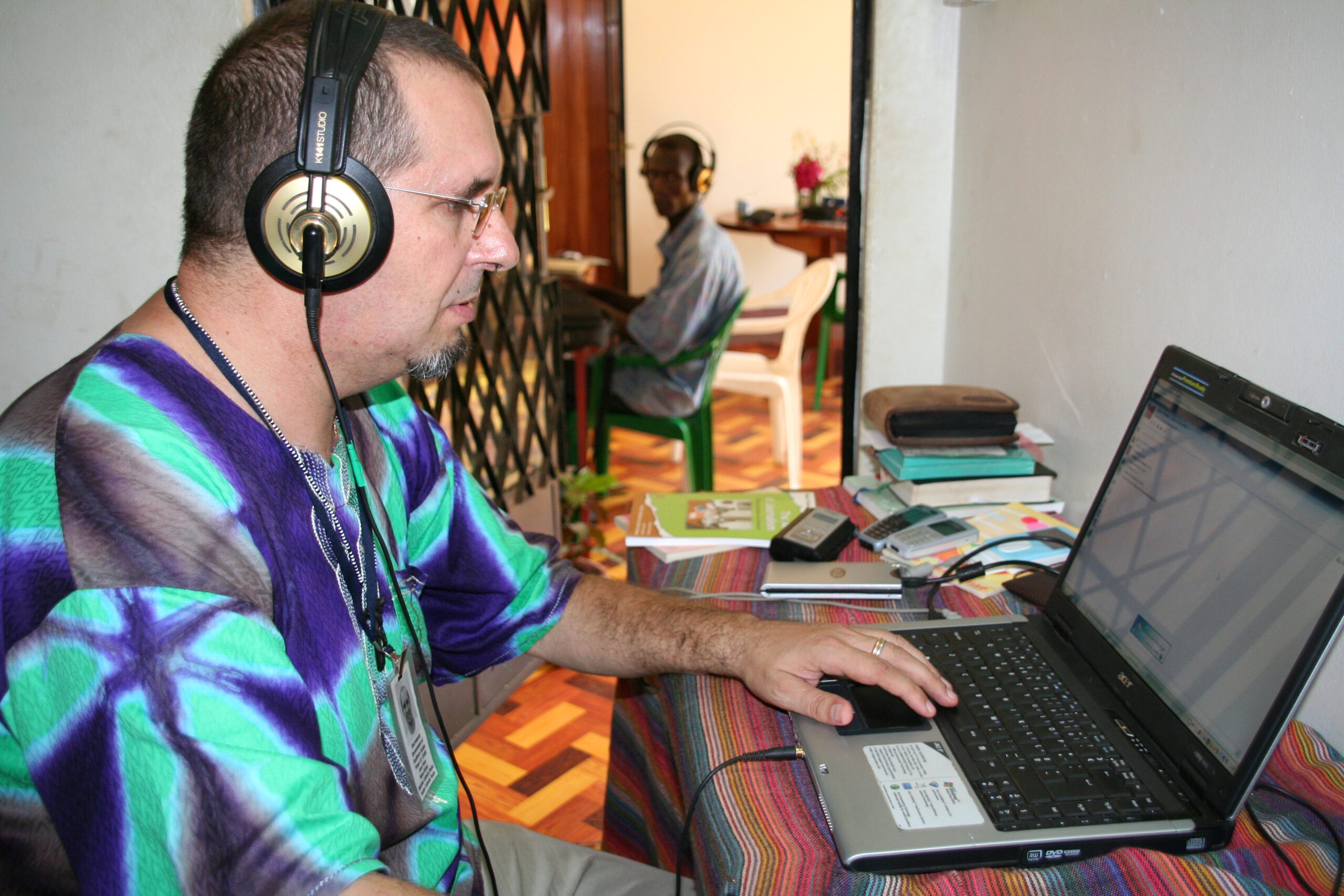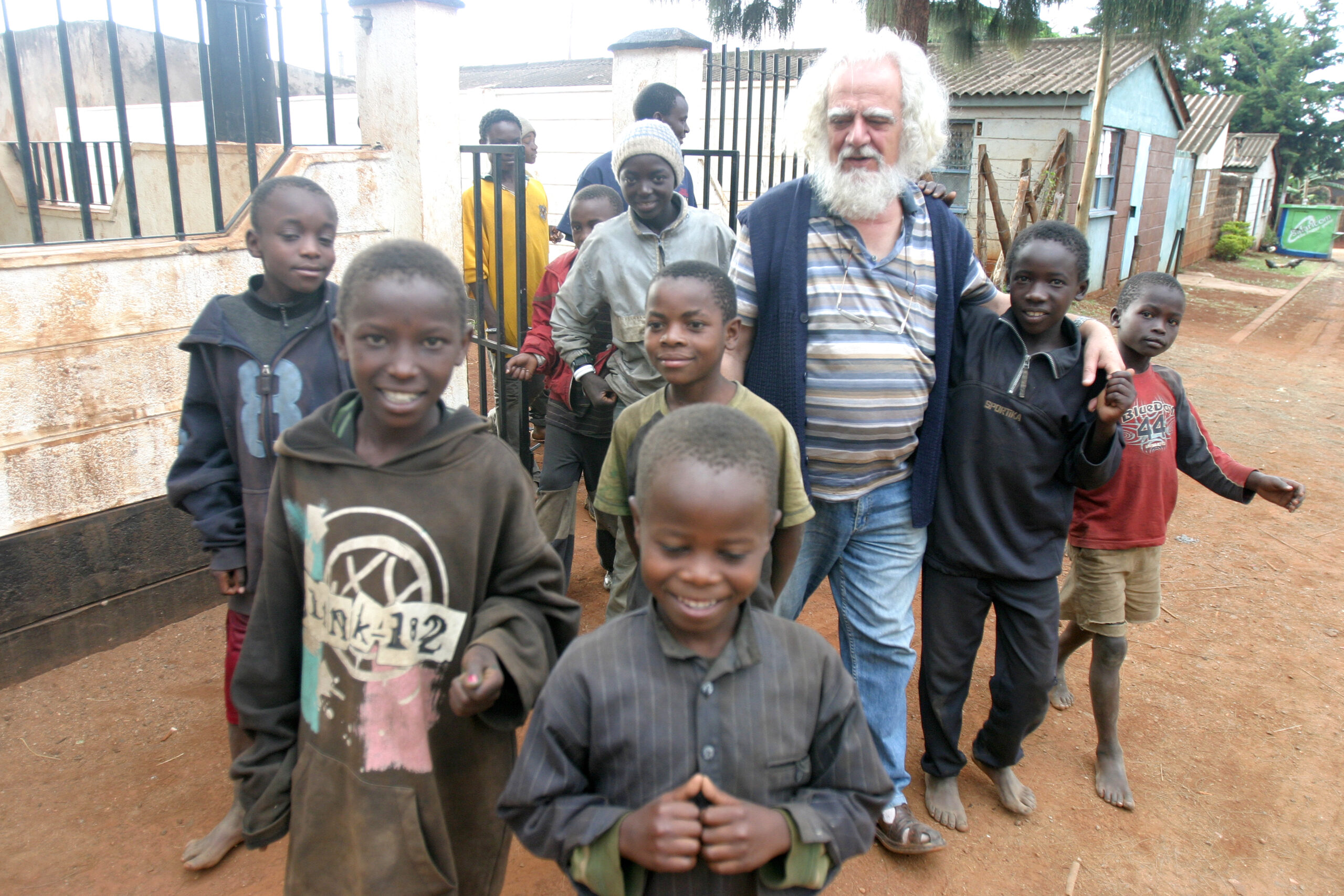

Rather than reporting on reality, mass media sometimes create reality, thus wielding tremendous power over all dimensions of human life, Benedict XVI says. The Pope affirmed this in the message released for World Communications Day, celebrated last May.
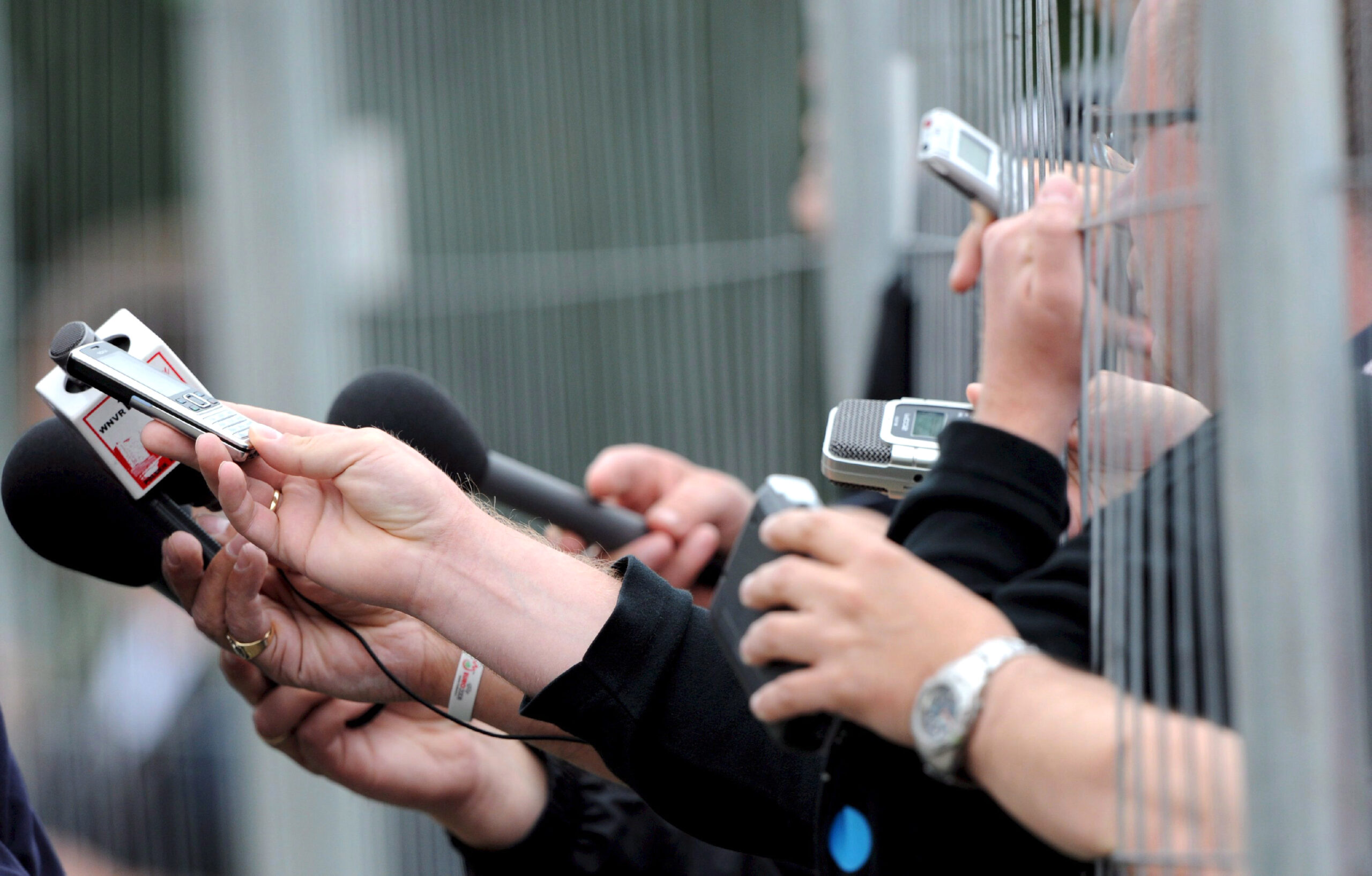
“In view of their meteoric technological evolution, the media have acquired extraordinary potential, while raising new and hitherto unimaginable questions and problems,” the Holy Father stressed in the message. He acknowledged the contribution mass media make to the modern world, noting their role in the diffusion of news and information. The Pontiff affirmed that, thanks to modern forms of communication, literacy and socialization have spread, and democracy and dialogue among peoples have developed.
“Indeed, the media, taken overall, are not only vehicles for spreading ideas: They can and should also be instruments at the service of a world of greater justice and solidarity,” he said.
DICTATED AGENDAS
But Benedict XVI also noted disturbing trends in the use of mass media: “Unfortunately, though, they risk being transformed into systems aimed at subjecting humanity to agendas dictated by the dominant interests of the day.” He explained: “This is what happens when communication is used for ideological purposes or for the aggressive advertising of consumer products. While claiming to represent reality, it can tend to legitimize or impose distorted models of personal, family or social life.”
“Moreover, in order to attract listeners and increase the size of audiences, it does not hesitate at times to have recourse to vulgarity and violence, and to overstep the mark. The media can also present and support models of development which serve to increase rather than reduce the technological divide between rich and poor countries,” he added.
The Pope contended that a “radical shift” has occurred in the role of the means of communication. “Today,” he said, “communication seems increasingly to claim not simply to represent reality but to determine it, owing to the power and the force of suggestion that it possesses. It is clear, for example, that in certain situations, the media are used not for the proper purpose of disseminating information but to ‘create’ events.
“Precisely because we are dealing with realities that have a profound effect on all those dimensions of human life − moral, intellectual, religious, relational, affective, cultural − in which the good of the person is at stake, we must stress that not everything that is technically possible is also ethically permissible. Hence, the impact of the communications media on modern life raises unavoidable questions which require choices and solutions that can no longer be deferred.”
KEY CHALLENGE
The Holy Father said the role of social communications “must now be considered an integral part of the ‘anthropological’ question that is emerging as the key challenge of the Third Millennium.” He explained: “Just as we see happening in areas such as human life, marriage and the family, and in the great contemporary issues of peace, justice and protection of creation, so too in the sector of social communications there are essential dimensions of the human person and the truth concerning the human person coming into play.”
”When communication loses its ethical underpinning and eludes society’s control, it ends up no longer taking into account the centrality and inviolable dignity of the human person. As a result, it risks exercising a negative influence on people’s consciences and choices and definitively conditioning their freedom and their very lives,” he added. “For this reason, it is essential that social communications should assiduously defend the person and fully respect human dignity. Many people now think there is a need, in this sphere, for ‘info-ethics,’ just as we have bioethics in the field of medicine and in scientific research linked to life.”
However, the Pope expressed his enthusiasm about the media’s potential: “One might even say that seeking and presenting the truth about humanity constitutes the highest vocation of social communication. Utilizing for this purpose the many refined and engaging techniques that the media have at their disposal is an exciting task.” www.zenit.org