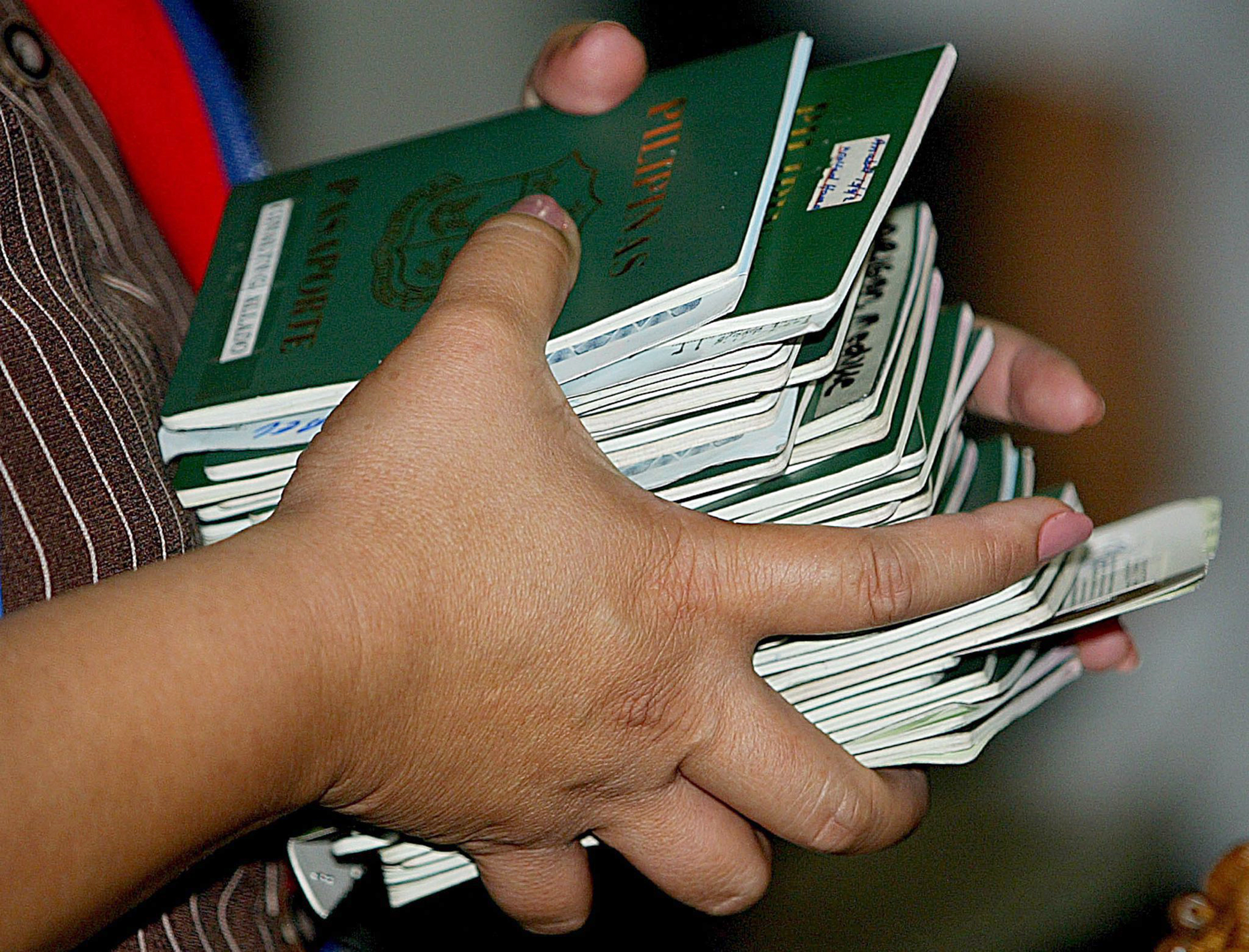
According to the Commission on Filipinos Overseas, there are over 8.7 million Filipinos abroad, as of December 2007, or roughly 10% of the total population. Of this, about 1.75 million are overseas Filipino workers (OFWs). The rest consists of legal immigrants, and those who are not properly documented, do not have valid work permits or are overstaying in foreign countries.
These figures prove that the culture of emigration is very much alive in the Philippines. Many of us dream of working and living overseas, albeit for different reasons. Some are mainly motivated by economics and the need to provide for their families. Others seek a place where they can reach their personal goals.
Once Filipinos leave their homeland, they not only bring with them their hopes and dreams. They also take with them a rich culture, and a set of values and perspectives, which they use as a compass as they navigate in a new environment.
According to the National Commission for Culture and the Arts (NCCA), Filipinos abroad are culture bearers and represent the Philippines abroad. They affect others’ perception of our country and its nationals as a people.
GETTING ALONG WELL WITH OTHERS
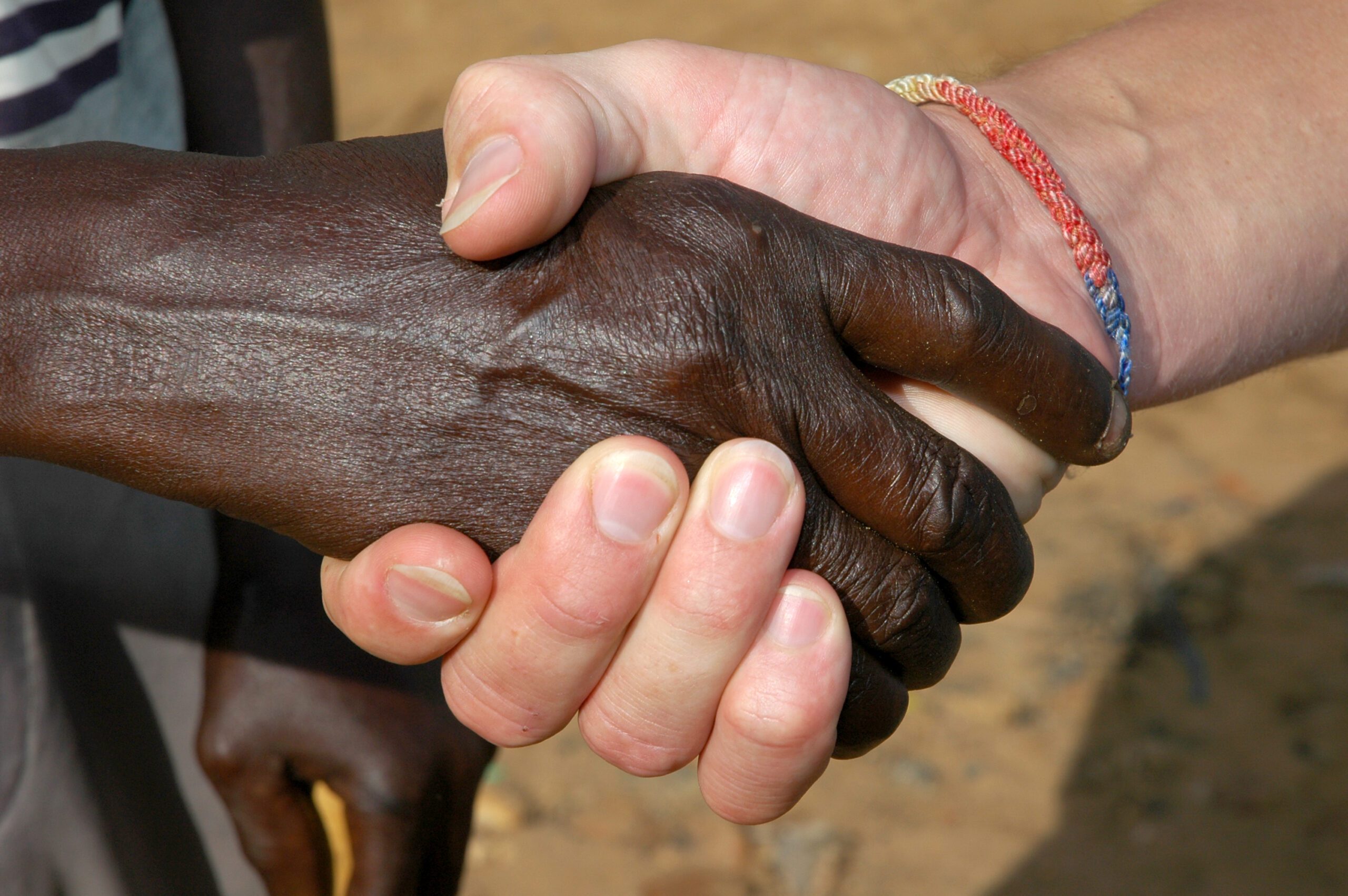
Many of our cultural traits emphasize the importance of maintaining harmonious relationships. One of these values is that of pakikisama or being cooperative. We avoid confrontations and disagreements and we strive to have peaceful relations with others.
Overseas, pakikisama may be seen in either a good or bad light. In the working place, some may appreciate it and consider our cooperation and non-confrontational manner of handling things as an important part of getting the job done. Others, however, may interpret our preference for consensus as a lack of opinion or as a way of trying to be in the boss’ favor.
Whatever our individual motives are, pakikisama helps us make new friends abroad and aids in our survival in a foreign environment. According to Giselle, who works in the marketing department of a major international magazine in New York, pakikisama is greatly appreciated by non-Pinoys in her host city.
Another cultural value Filipinos find useful and helpful abroad is bayanihan (free labor – sharing). Bayanihan is on the community level as pakikisama is on the individual level.
“The bayanihan spirit is like volunteerism and that goes well with anyone,” said Carina, a Filipino migrant in Florida. She has been in the United States for 20 years. “The ability to help someone in time of need, being there to share in their kid’s birthday, a potluck, or a picnic is a great tool to assist you in getting acquainted with your host country,” she added.
Aside from pakikisama and bayanihan, Filipinos are also known for being hospitable. We go out of our way to make people feel welcome and we do that even if we’re overseas.
“Although there are a lot of kababayans (fellow countrymen) who take advantage of new migrants, many still help the ‘newbies’ who are still finding jobs or need places to stay,” said Denice, who works as a magazine editor in Singapore.
Our sense of utang na loob (indebtedness) is also another trait that is appreciated overseas. Most Filipinos have a deep sense of gratitude and loyalty to people who have helped them during times of need. This is the trait Giselle is proudest of and one she is determined to keep. “I never forget where I came from and the people who helped me along the way. I try to pay them back or pay forward,” she says.
WE ARE FAMILY
Being family-centric is one of the cultural values Filipinos give importance to. Some of us live not only with our nuclear family; there are independent adults, with or without their own families, who still live with their parents, in-laws, grandparents, grandchildren, cousins, uncles and aunts.
Our close familial ties might as well be one of the major factors contributing to our strong inclination to search for greener pastures elsewhere. Most of us feel the need to support our family, and for some, even relatives. If we are successful in finding a job abroad, we make sure to share our blessings with family, relatives and friends back home, thus, the ubiquitous balikbayan (return-to-country) box.
“Another Filipino cultural trait that I am proud of is our love for our parents and siblings. Here (in Singapore), you get to see a lot of older people being neglected by their children while we Filipinos send remittances to our families back home and even pay for vacation trips of parents and siblings,” says Denice.
This year, remittances from Filipinos overseas are projected to rise 10% from 2007 to US$15.9 billion. Aside from helping families, these remittances help keep the Philippine economy afloat, which is why OFWs were tagged by the government as mga bagong bayani (new heroes).
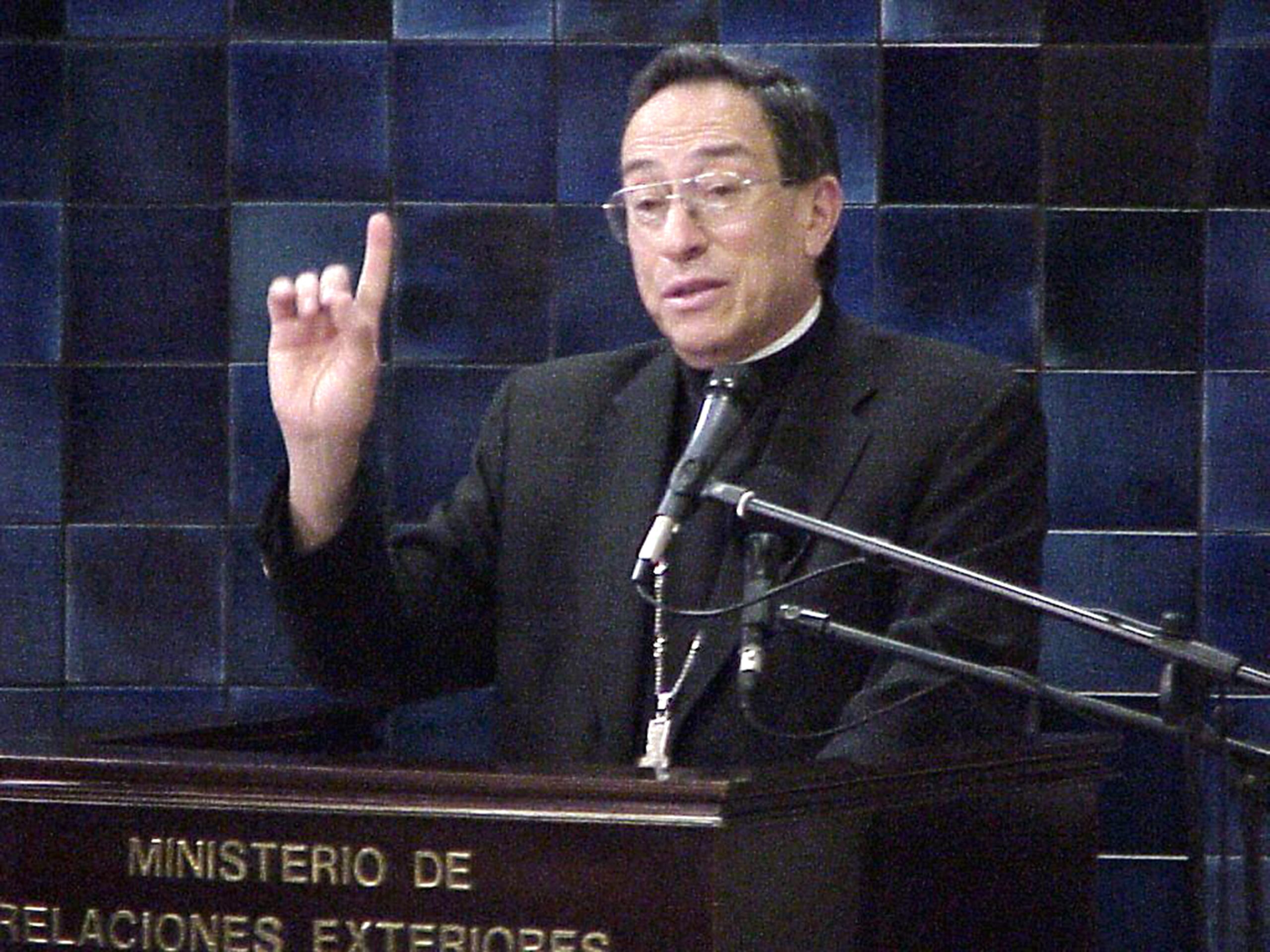
Going abroad for one’s family, however, may backfire. Extended separation from one’s husband or wife, and children, may have a negative impact, said Archbishop Angel Lagdameo, president of the Catholic Bishops’ Conference of the Philippines, in a forum on migration last August. Migration undermines family ties and values, he explained.
To make sure he and his father and siblings remain close, Jerico, who works as an editor in Hong Kong, keeps in touch with them constantly. “My family and I got closer since I moved to Hong Kong. I guess the idea that we’re miles apart necessitate constant updating. We communicate to each other often by text and instant messaging or e-mail,” he said.
With love for family comes respect for elders. As children, we were taught to show respect to anyone who is older than us, may it be our parents, grandparents or siblings. We have to talk with respect by using ‘po’ or ‘opo.’
“Our use of ‘po’ and ‘opo’ after each reply to a question is admirable to fellow Filipinos you meet in the supermarket, at church and other social scenes. It is a big hit, it shows you were raised right and people tend to gravitate towards you, having a friendly disposition and a can-do attitude will help you along the way,” Carina relates of her experience in Florida.
Respect in other cultures, however, is expressed differently. “In New York, no one expects you to ‘respect your elders’ the same way it is done in the Philippines,” said Giselle. “No one calls anyone “sir” or “ma’am” in the workplace even if you are dealing with superiors,” she added.
In the Philippines, talking back to your elders or superiors is considered rude. In the US, giving someone a piece of your mind is permitted and encouraged.
“Here, there is no such thing as ‘talking back’ and in fact, you’ll be looked upon more highly if you answer back,” Giselle shared of her experience in New York. Answering back does not mean being disrespectful, she clarified. “It means not being a ‘yes’ person just because the other one is older or more senior,” she said.
COPING WITH DIFFERENT HABITS
If there are traits that are helpful to Filipinos abroad, there are those that are unnecessary and must be done away with in order to survive in another country.
One of those is the Filipino time. “In the Philippines, 7 o’clock might mean 8, or 9, or 10. But here in Hong Kong, it’s different. When you say 7, it’s really 7, and if you’re 10 minutes late, you better have a valid reason. Punctuality is something that must really be observed,” said Jerico.
It is the same in Singapore. When the call time is 1 o’clock, you have to be there on the dot. There are no ifs or buts. No one will wait for you.
Another is the bahala na (whatever will be) attitude. “As a migrant, the bahala na attitude was a no-no, you must have a plan to be successful,” Carina said.
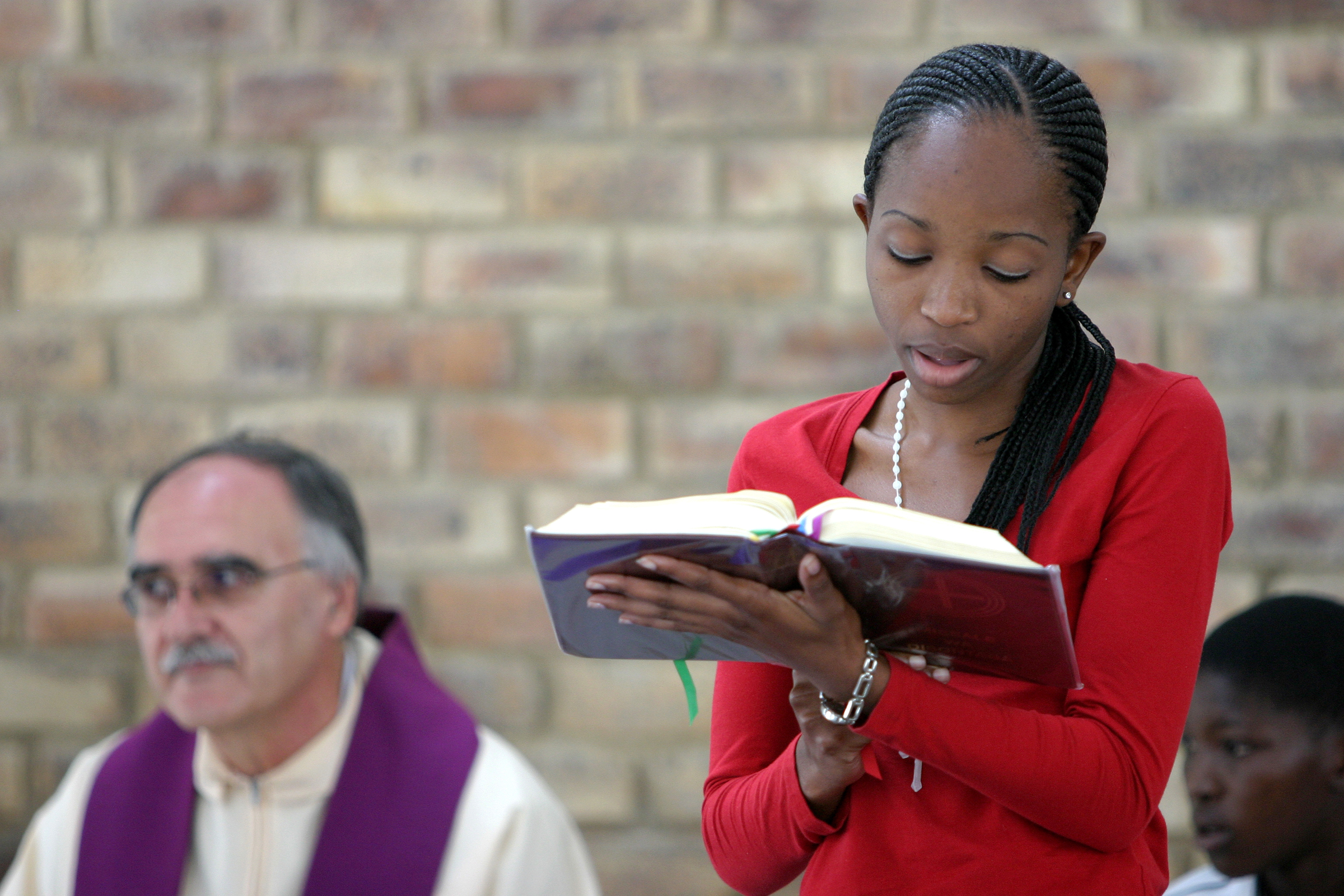
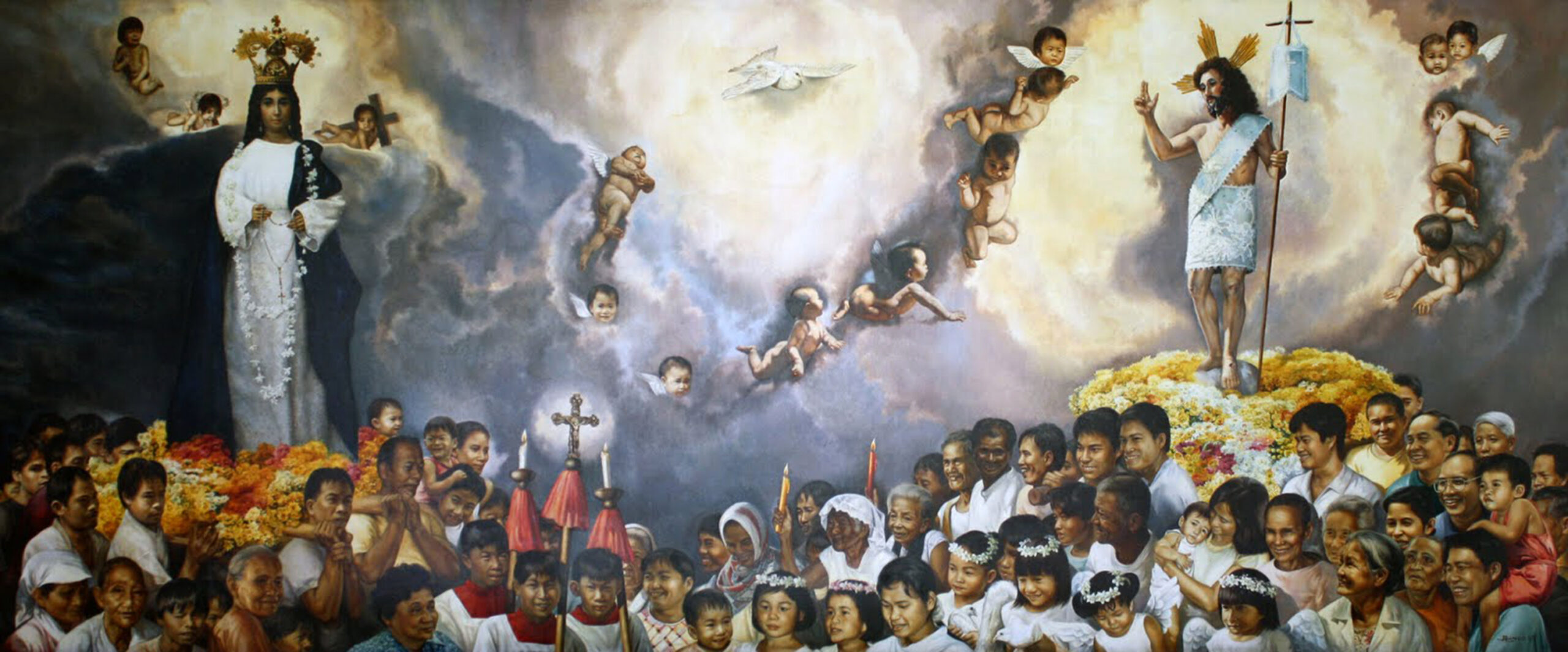
However, bahala na reflects another Filipino cultural value: faith in God. Bahala na implies our trust in God and what He holds for us. May we be a Catholic, Protestant or Muslim, our strong sense of faith helps us get through trying times.
Here in Singapore, we are lucky because there are several Catholic churches and we get to hear Mass every Sunday, at least.
UNAVOIDABLE ACCULTURATION
Even as overseas Filipinos have their own culture, it is necessary to adopt several of their host country’s cultural values to be able to cope. That process, which is called acculturation, is necessary to successfully integrate into a foreign society.
Jerico finds it easy to adapt to Hong Kong locals’ regard for order and emphasis on efficiency. “Being inconvenienced is a big no-no in Hong Kong so generally, people here obey the rules. Transportation is very efficient; buses only stop at designated stations. Queues are observed most of the time,” he relates.
For Denice, it was the Singaporean’s respect for different races, cultures and religions that makes the difference. “If not for this, then Singapore would have been poor and chaotic,” she says.
After two and a half years in New York, Giselle admits that she has adopted the New Yorkers’ openness and frankness. “In New York, you have to be very independent, straightforward, and open to different cultures, personalities and opportunities or you’ll never survive,” she says.
Filipinos may be resilient and assimilate well in foreign environments. However, getting used to a new culture may sometimes present challenges when coming back home.
It is not unusual for folks in the Philippines to misinterpret some of the traits one has acquired while overseas. Giselle can attest to that. “I relate to people (back home) in the same way, but I’m more straightforward, and tend to answer back leading some older people to assume that I’m ‘disrespectful’ and a ‘bad influence,’” she declares.
Carina, who has gotten used to the cool weather and wide spaces in the US, finds it challenging to cope with the heat and small spaces in the Philippines. “The place is getting smaller and smaller. I need space,” she says.
For some, going home even for a short visit can be daunting. “While I’m there, I complain a lot about the government, pollution, garbage, heavy traffic, inefficient service, etc. I can’t help but compare the Philippines to other countries I’ve been to,” says Denice.
“For someone who has migrated for a decade or so, I can imagine that going back can be compared to leaving a sheltered person in a jungle to fend for himself,” she added.
KEEPING FILIPINO CULTURE ALIVE
As more Filipinos are able to raise or bring their children to their host countries, it is important that values be imparted to them and not just let them absorb foreign cultures.
According to Ms. Julia Constante of the National Commission for Culture and the Arts (NCCA): “Formation of values of Filipino children abroad must not be neglected. We have to make the best effort in being Filipino and not be bound by the stereotype that Filipinos are domestic workers only. We should be willing to strengthen the best aspects of our culture. “
For Denice, it is the Filipino value of loving ones family that she’ll make sure to impart to her son.
Giselle, on the other hand, shares: “If I decide to have children, I’d like to raise them in the same traditional Filipino Catholic way I was raised. This includes going to Sunday Mass and spending enough quality time with the family.”
She will also teach them Tagalog. “It is very important to learn about our background and culture,” Giselle adds. Aside from that, Giselle would introduce her children to Filipino traditions like Noche Buena. She will also make sure that they know the value of utang na loob (indebtedness) and pakikisama (being cooperative).
Jerico, meanwhile, will definitely keep family traditions alive once he has his own children. “They are certainly little Filipino treasures worth keeping in mind all the time,” he said.