

The Huge Cost of Greed

INTRODUCTION

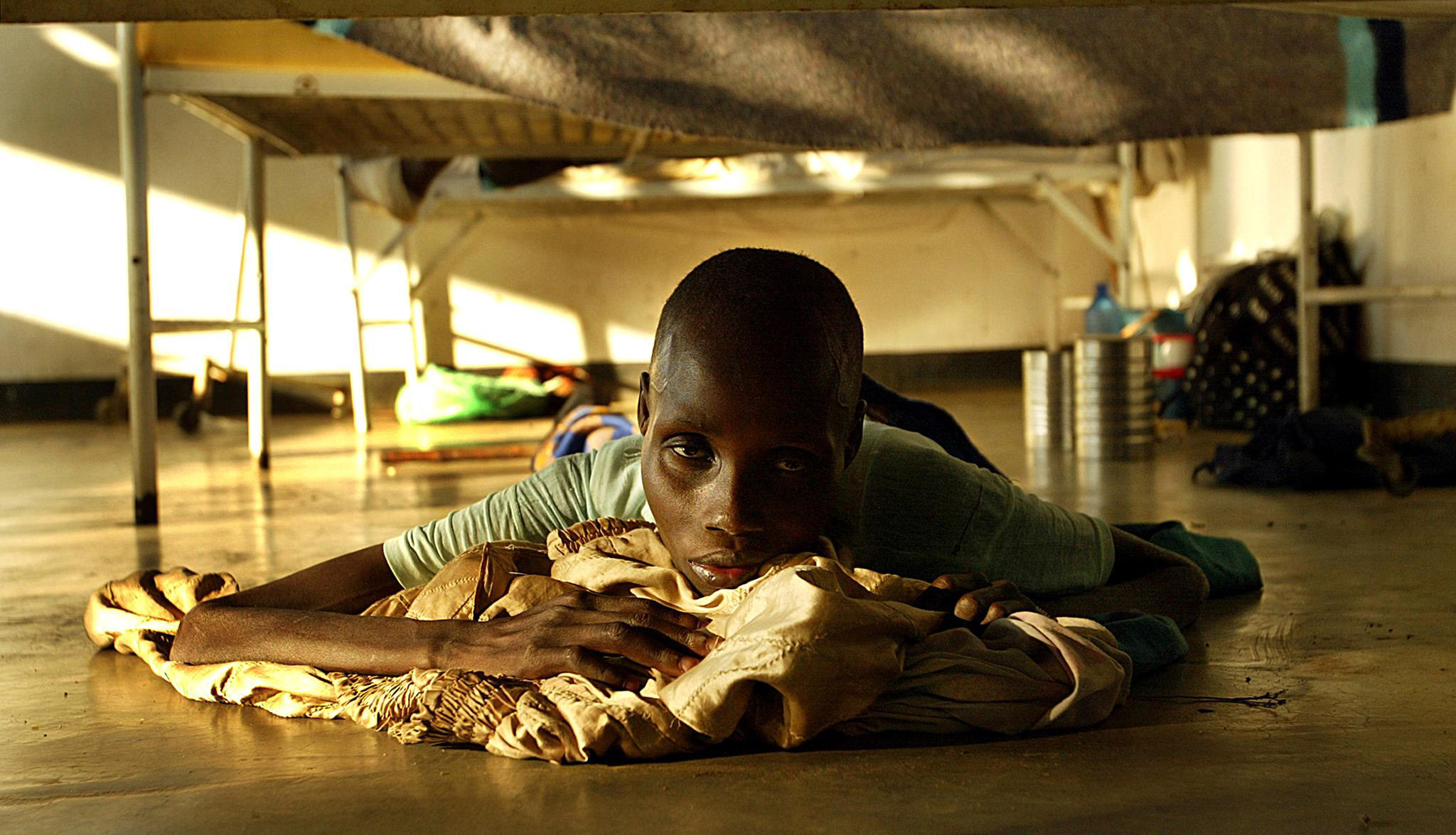
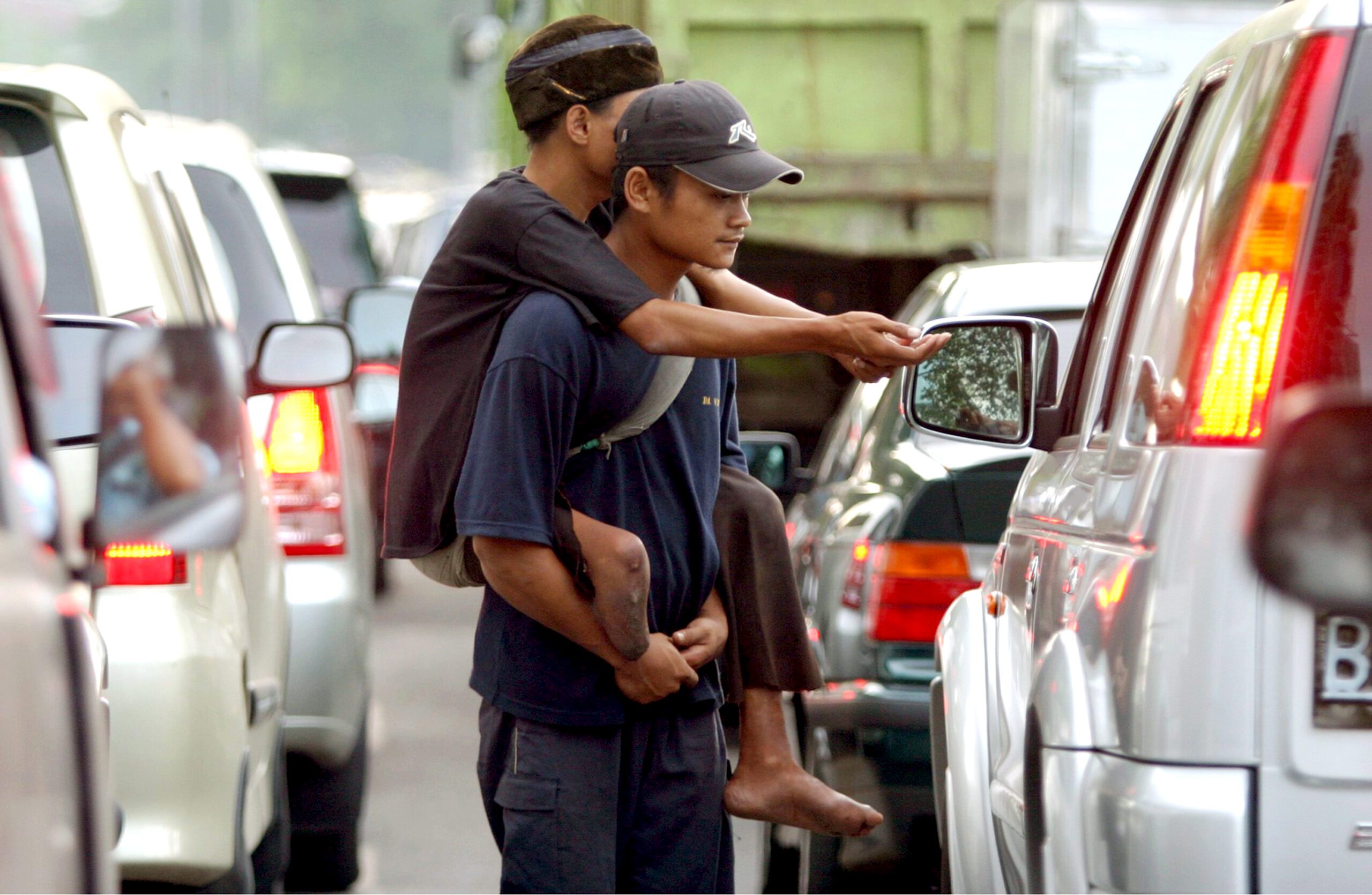
The global crisis, which is harming even the world’s strongest economies, is costing millions their houses, jobs and lifetime savings. To those who are already poor, the present is getting harder and harder and the future will be even bleaker. All this is the result of pure greed and of the “free-market religion.”

WRITTEN BY

SHARE THE WORD

PUBLISHED ON

Iceland is a good case study. An island standing alone in the middle of the North Atlantic, between the European mainland and Greenland, with a big part of its territory formed by glaciers, mountains and sands, it was ranked last year as the most developed country in the world by the United Nations’ Human Development Index. But all of a sudden, the country is facing bankruptcy. Banks have been nationalized, the crown, the national coin, has collapsed, and retired people are losing their lifetime savings. Some would ask: Is it possible for such a rich nation, with no more than 320,000 inhabitants, to become suddenly poor? The answer is not a simple “yes” or “no.” The activities that sustained its stable and solid economic growth are still there. The problem is in the banking system that was so “fat” that it started to gamble like a reckless billionaire in a casino.

With too much money, banks began to invest in other parts of the world and started to trade in risky financial assets that granted high returns: it came to a point that their funds summed up to something like 133% of the annual Gross Domestic Product. But, like the careless billionaire playing roulette, they betted on products that seemed good and safe but, actually, “toxic,” as they are now known – so sophisticated that they were hard to understand and so risky that when the financial crisis erupted in the US, these products consequently lost their value.

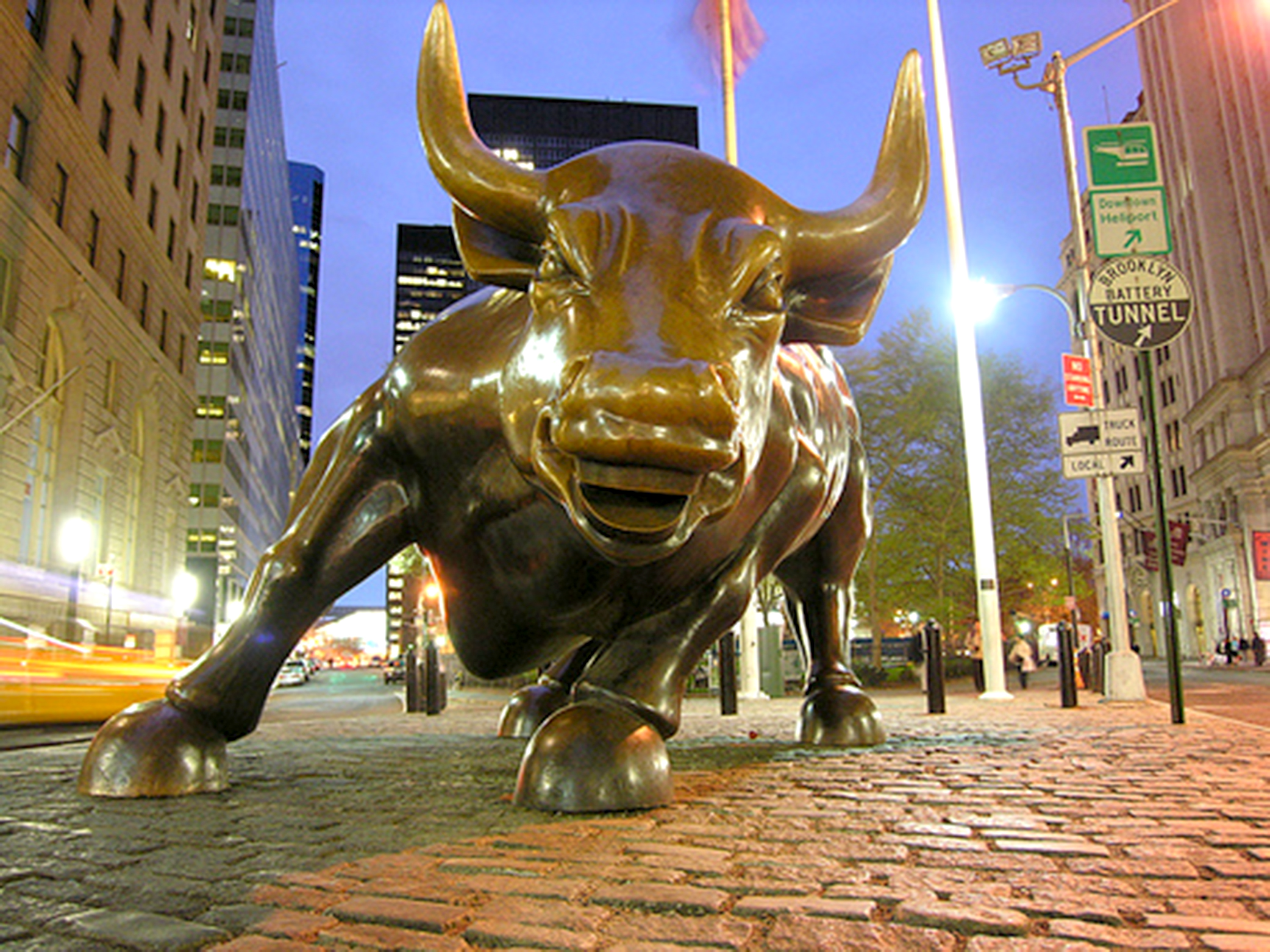
Iceland illustrates what is happening, at present, all over the world – that just because of those “toxic” products, the world is at the brink of experiencing what some analysts fear can be the first global recession. “What?” – one would exclaim – “Are these products that powerful?” Yes, they are. We must say they were “invented” in Wall Street, New York’s Mecca of global finance, with the endorsement of some of the most prestigious and powerful investment banks in the planet. Meanwhile, some of those “venerable” institutions had to be rescued or simply closed with the help of the federal government. Nonetheless, the “toxic waste” had already contaminated the global banking system like a flu virus.

THE BUBBLE EXPLODED
This all started with a huge real estate speculation in the US, where the cost of houses was so over-evaluated that many made money buying them one day and selling them on the next. As the prices continued to go up, the banks went in a frenzy, lending money to everyone who desired to own a house – even if they had not enough or stable revenues. The only guarantee was the mortgage of the house itself. Attracted by the greed of making money just by lending money at random, banks forgot the old principle that what goes up must come down. And down it came, indeed. When prices reached the top, the bubble exploded. The poor and middle class Americans began to lose their houses because the value of their asset – their homes – was not enough anymore to guarantee the mortgage. Many are already homeless and, according to an estimate made by Moody’s, an enterprise of credit analysts, there will be 7.3 million homeless till 2010. This is the basis of something that will be remembered in the future as the “subprime (high risk mortgage credit) crisis” – the beginning of one of the darkest periods in world economy.

But let’s return to Iceland. What houses in the U.S. have to do with an island facing bankruptcy? The answer is again Wall Street. The big moguls turned the “value” represented by the more than frail credits into dubious and very hard to understand products that were coveted by hedge (risky) and pension funds (usually conservative) alike. The interests seemed so attractive that banks, institutions and individuals all over the globe bought them. What followed was like a house of cards collapsing: first, the buyers discovered that they had plenty of paper with no value and they suspected that some banks were not reliable because of their exposition to this “toxic waste,” stopping the flow of credit, thus affecting the real economy and provoking crashes in the stock markets all over the world – from London to Tokyo, from Madrid to Hong Kong. Enterprises and consumers began to have cold feet. They stopped investing and buying. Millions of jobs were lost in the process. And with less jobs, there is less money to pay mortgages and other forms of credit and so on.

Great Britain, which had her own construction frenzy, was one of the first European countries to nationalize banks, and is facing recession. The same thing happened with other members of the European Union, which tried to save banks, in some cases, owned by more than one country investors. The British Prime Minister, Gordon Brown, was able to convince the EU leaders to agree to a common plan to fight the crisis together. Funds were created to try to stabilize the markets and restore confidence. But the stock markets kept going up and coming down – mostly down, unfortunately.

THE EFFECTS OF DEREGULATION
To Joseph Stiglitz, Nobel Laureate in Economics, the global crisis began with both the American policy of lowering interest rates, thought to revitalize the economy, and complete deregulation that allowed banks and big financial institutions to spread credit like water and, after that, sell it all over the world as if it was gold. Says the economist and, at the moment, professor at Columbia University: “Hundreds of billions of dollars were allocated to home loans beyond the Americans’ ability to pay. And, rather than managing risk, financial markets created more risk. The failure of our financial system to do what it is supposed to do matches, in destructive grandeur, the macro-economic failures of the Great Depression. Economic theory – and historical experience – long ago proved the need for regulation of financial markets. But ever since the Reagan presidency, deregulation has been the prevailing religion. Never mind that “free banking” has been tried a few times, most recently in Pinochet’s Chile, under the influence of the doctrinaire free-market theorist, Milton Friedman; the experiment was a disaster. Chile is still paying back the debts from its misadventure.”

Ironically, the “mantra” of “liberalize,” “let the markets work,” “no State intervention,” “more and more deregulation,” that is preached since the Reagan-Thatcher period, as a sort of a dogma of faith and forced by institutions like the International Monetary Fund (IMF) and the World Bank on the poorest countries of the world, sounds like a curse now. For the faithful believers of the “free market religion,” what is happening with nationalizations and calls for a strong market regulation, seems a “sinful” form of socialism. But even the ultra-liberal Americans are tired of the luxurious lives and huge perks of the crisis makers, and are not happy at all with the idea that they will have to pay, from their own pockets, the price of the magnates’ misbehavior.

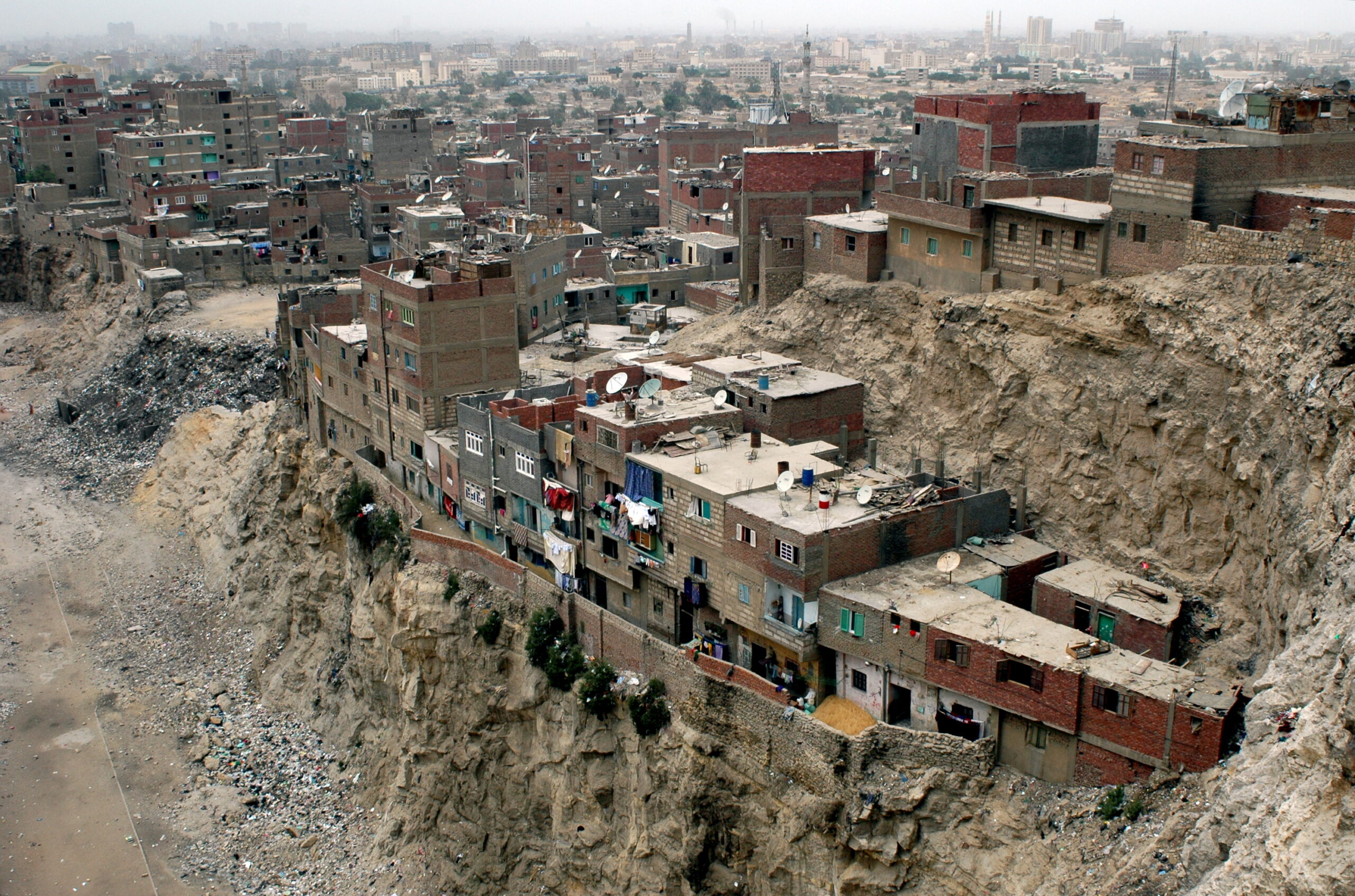
Ironically, the poor and developing countries of the world would not be in such trouble if “free market crusaders” had crashed some decades ago. Writes Stiglitz in his last book: “To date, not one successful developing country has pursued a purely free market approach to development.” And what about Iceland? After knocking at some doors, it is likely to get a US$5.4 billion loan from Moscow to clean the house from the… IMF; with certainty: the island will lose at least 10% of its Gross Domestic Product next year. The same happened to Hungary and Ukraine, and next in line are Pakistan and Byelorussia.

Are the “toxic” products under control? Nobody knows. But, according to Transparency International, two thirds of the risky hedge funds – something more than US$10 billion – are still hidden in dozens of fiscal havens around the world, the piracy dens of two million ghost-enterprises. Is this global crisis going to last? The Organization for Economic Cooperation and Development (OECD) can only say that the crisis will be long, deep and hard.

Share Your Thoughts

All comments are moderated

From The Same Issue

The articles and content about this issue

From The Same Issue

The articles and content about this issue

Missionary Vocation

True Nobility

From This Topic

The articles and content about this topic

From This Topic

The articles and content about this topic

Explore Other Topics

Browse other coverage

Explore Other Topics

Browse other coverage

WM SPECIAL

Presents, discusses and draws readers to reflect on issues of outmost relevance to the world today.


FRONTIERS

Very often, mission is carried out in frontier situations around the world. Those who embrace these situations have much to share.


UNITY IN DIVERSITY

Writer Ilsa Reyes will be exploring the richness of Pope Francis’s latest encyclical Fratelli Tutti with a view of helping our readers to get a grasp of the this beautiful papal document.


FRONTLINE

Puts to the front committed and inspiring people around the world who embrace humanitarian and religious causes with altruism and passion.


IN FOCUS

Focus on a given theme of interest touching upon social, economic and religious issues.


FAITH@50

As the Philippines prepares to celebrate 500 years of the arrival of Christianity. Fr. James Kroeger leads us in this series into a discovery journey of the landmark events in the history of faith in the Philippine archipelago.


INSIGHT

Aims to nurture and inspire our hearts and minds while pondering upon timely themes.


FILIPINO FOCUS

The large archipelago of the Philippines, in its richness of peoples and cultures, offers varied and challenging situations for mission.


FOLLOW ME

Reflections and vocation stories that shape up the lives of young people.


MISSION IS FUN

As humor and goodness of heart are qualities of Christian and missionary life, the new column “Mission is fun” will be publishing some anecdotes and stories that have happened in a missionary context to lighten up the spirits and trigger a smile in our faces.


LIVING COMMUNION

To help readers of World Mission live this year dedicated to Ecumenism, Interreligious Dialogue and Indigenous Peoples, Tita Puangco, writer and lecturer, shares in this section insights on the spirituality of communion.


WINDS OF THE SPIRIT

A historic view of the Catholic movements that emerged from the grassroots as an inspiration by the Holy Spirit.


BRIDGE BUILDERS

On the Year of Ecumenism, Interreligious Dialogue and Indigenous Peoples, radio host and communicator Ilsa Reyes, in her monthly column, encourages Christians and people of good will to be one with their fellow people of other sects, religions and tribes.


INTERVIEW

Questions to a personality of the Church or secular world on matters of interest that touch upon the lives of people.


WORLD TOUCH

News from the Church, the missionary world and environment that inform and form the consciences.


CARE OF THE EARTH

A feature on environmental issues that are affecting the whole world with the view of raising awareness and prompting action.


EDITORIAL

The editor gives his personal take on a given topic related to the life of the Church, the society or the world.


YOUNG HEART

A monthly column on themes touching the lives of young people in the Year of the Youth in the Philippines by radio host and communicator I lsa Reyes.


SCROLL

A missionary living in the Chinese world shares his life-experiences made up of challenges and joyous encounters with common people.


EXTRAORDINARY PEOPLE

Life stories of people who deserve to be known for who they were, what they did and what they stood for in their journey on earth.


ONE BY ONE

Stories of people whom a missionary met in his life and who were touched by Jesus in mysterious ways.


INCREASE OUR FAITH

Critical reflection from a Christian perspective on current issues.


SPECIAL MOMENTS

Comboni missionary Fr. Lorenzo Carraro makes a journey through history pinpointing landmark events that changed the course of humanity.


PROFILE

A biographical sketch of a public person, known for his/her influence in the society and in the Church, showing an exemplary commitment to the service of others.


WM REPORTS

Gives fresh, truthful, and comprehensive information on issues that are of concern to all.


LIFE'S ESSENTIALS

A column aimed at helping the readers live their Christian mission by focusing on what is essential in life and what it entails.


ASIAN FOCUS

Peoples, events, religion, culture and the society of Asia in focus.


THE SEARCHER'S PATH

The human heart always searches for greatness in God’s eyes, treading the path to the fullness of life - no matter what it takes.


INDIAN FOCUS

The subcontinent of India with its richness and variety of cultures and religions is given center stage.


AFRICAN FOCUS

The African continent in focus where Christianity is growing the fastest in the world.


JOURNEY MOMENTS

Well-known writer and public speaker, Fr. Jerry Orbos, accompanies our journey of life and faith with moments of wit and inspiration based on the biblical and human wisdom.


IGNATIUS STEPS

On the year dedicated to St. Ignatius of Loyala, Fr. Lorenzo Carraro walks us through the main themes of the Ignatian spirituality.


THE SEVEN LAST WORDS OF JESUS

Fr. John Taneburgo helps us to meditate every month on each of the Seven Last Words that Jesus uttered from the cross.


INSIDE THE HOLY BOOK

In this section, Fr. Lorenzo delves into the secrets and depths of the Sacred Scriptures opening for us the treasures of the Sacred Book so that the reader may delight in the knowledge of the Word of God.


CONVERSATIONS

Reflections about the synodal journey on a conversational and informal style to trigger reflection and sharing about the synodal path the Church has embarked upon.


VATICAN II

This 'mini-course' series provides a comprehensive exploration of Vatican II, tracing its origins, key moments, and transformative impact on the Catholic Church.


COMBONIS IN ASIA

This series offers an in-depth look at the Comboni Missionaries in Asia, highlighting their communities, apostolates, and the unique priorities guiding their mission. The articles provide insights into the challenges, triumphs, and the enduring values that define the Comboni presence in Asia.


BEYOND THE SYNOD

Following the Synod on Synodality, this series examines how dioceses, parishes, and lay organizations in the Philippines are interpreting and applying the principles of the synod, the challenges encountered, and the diverse voices shaping the synodal journey toward a renewed Church.


A TASTE OF TRADITION

This series introduces the Fathers of the Church, featuring the most prominent figures from the early centuries of Christianity. Each article explores the lives, teachings, and enduring influence of these foundational thinkers, highlighting their contributions the spiritual heritage of the Church.


A YEAR OF PRAYER

In preparation for the 2025 Jubilee Year under the theme “Pilgrims of Hope,” 2024 has been designated a Year of Prayer. World Mission (courtesy of Aleteia) publishes every month a prayer by a saint to help our readers grow in the spirit of prayer in preparation for the Jubilee Year.


OUR WORLD

In Our World, the author explores the main trends shaping contemporary humanity from a critical and ethical perspective. Each article examines pressing issues such as technological advancement, environmental crises, social justice, and shifting cultural values, inviting readers to reflect on the moral implications and challenges of our rapidly changing world.


CATHOLIC SOCIAL DOCTRINE

This series unpacks the principles of Catholic Social Doctrine, offering a deep dive into the Church's teachings on social justice, human dignity, and the common good.


HOPEFUL LIVING

Hopeful Living’ is the new section for 2026, authored by Fr. James Kroeger, who dedicated most of his missionary life to the Philippines. In this monthly contribution, he will explore various aspects of the virtue of hope. His aim is to help readers align their Christian lives more closely with a hopeful outlook.


PHILIPPINE CROSSROADS

Filipino Catholic scholar Jose Bautista writes each month about how the Philippines is at a crossroads, considering the recent flood control issues and other corruption scandals that have engulfed the nation. He incorporates the Church’s response and its moral perspective regarding these social challenges.


BIBLE QUIZ

Test your knowledge and deepen your understanding with our Bible Quiz! Each quiz offers fun and challenging questions that explore key stories, themes, and figures from both the Old and New Testaments.


Shopping Cart