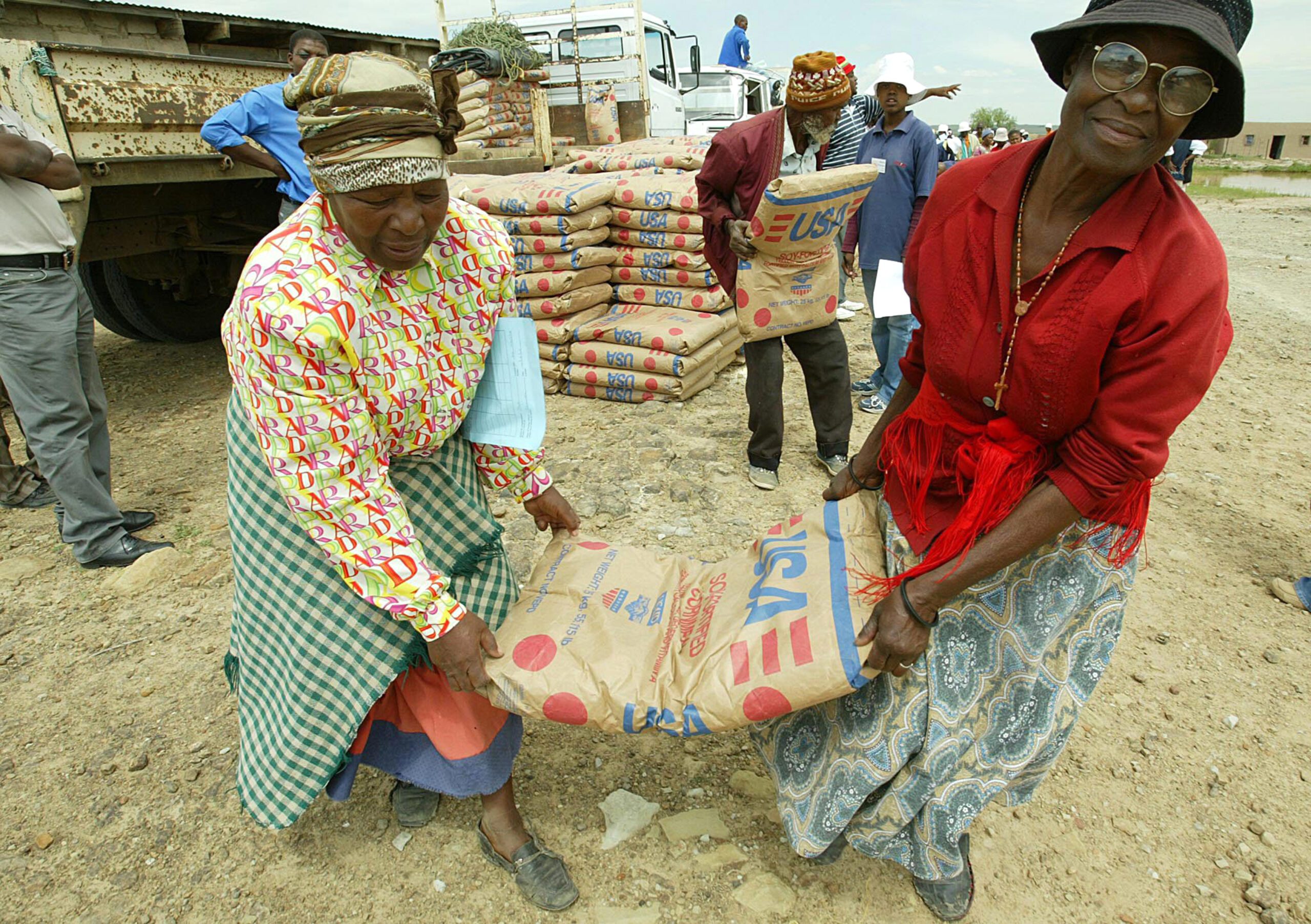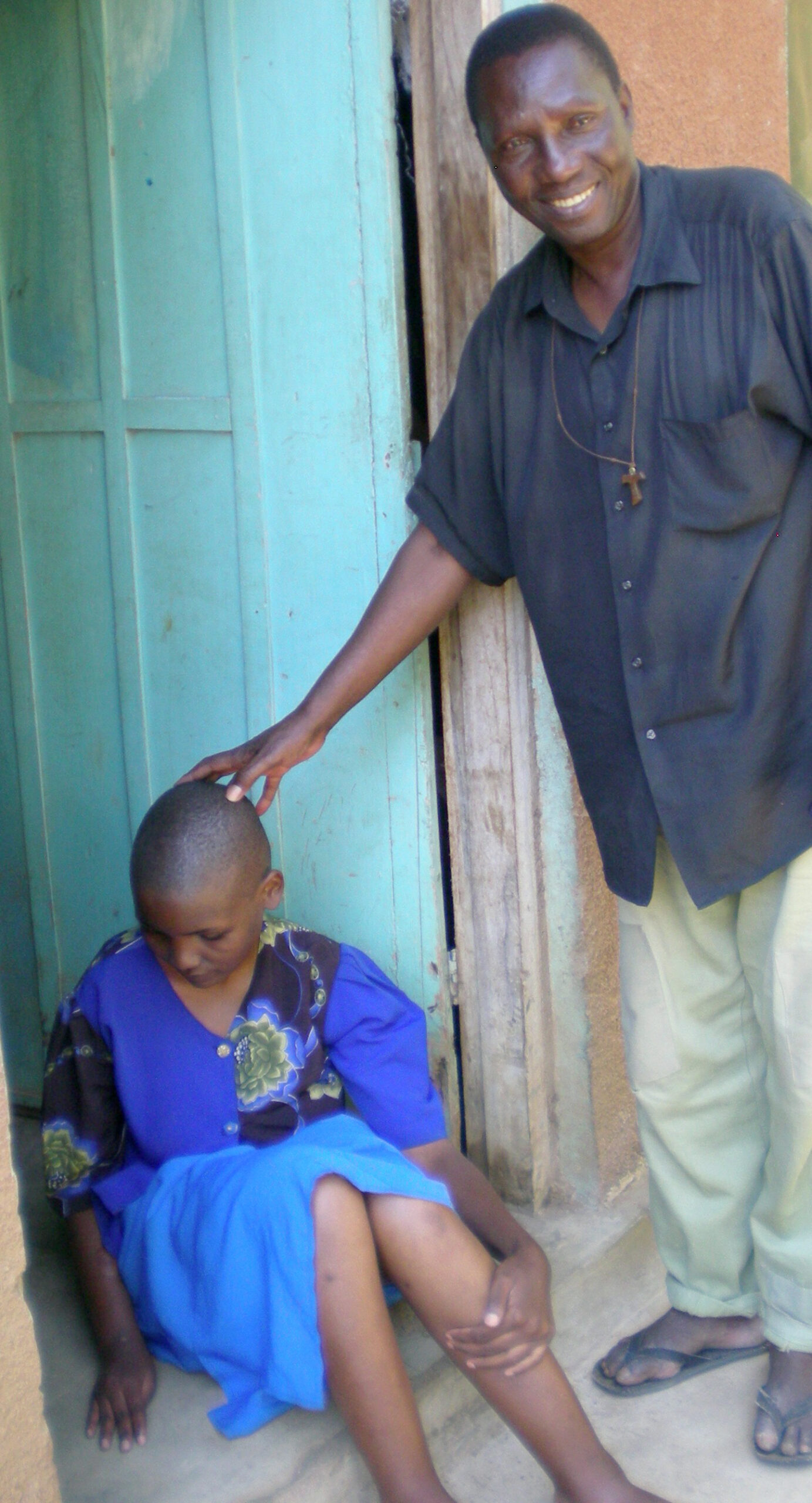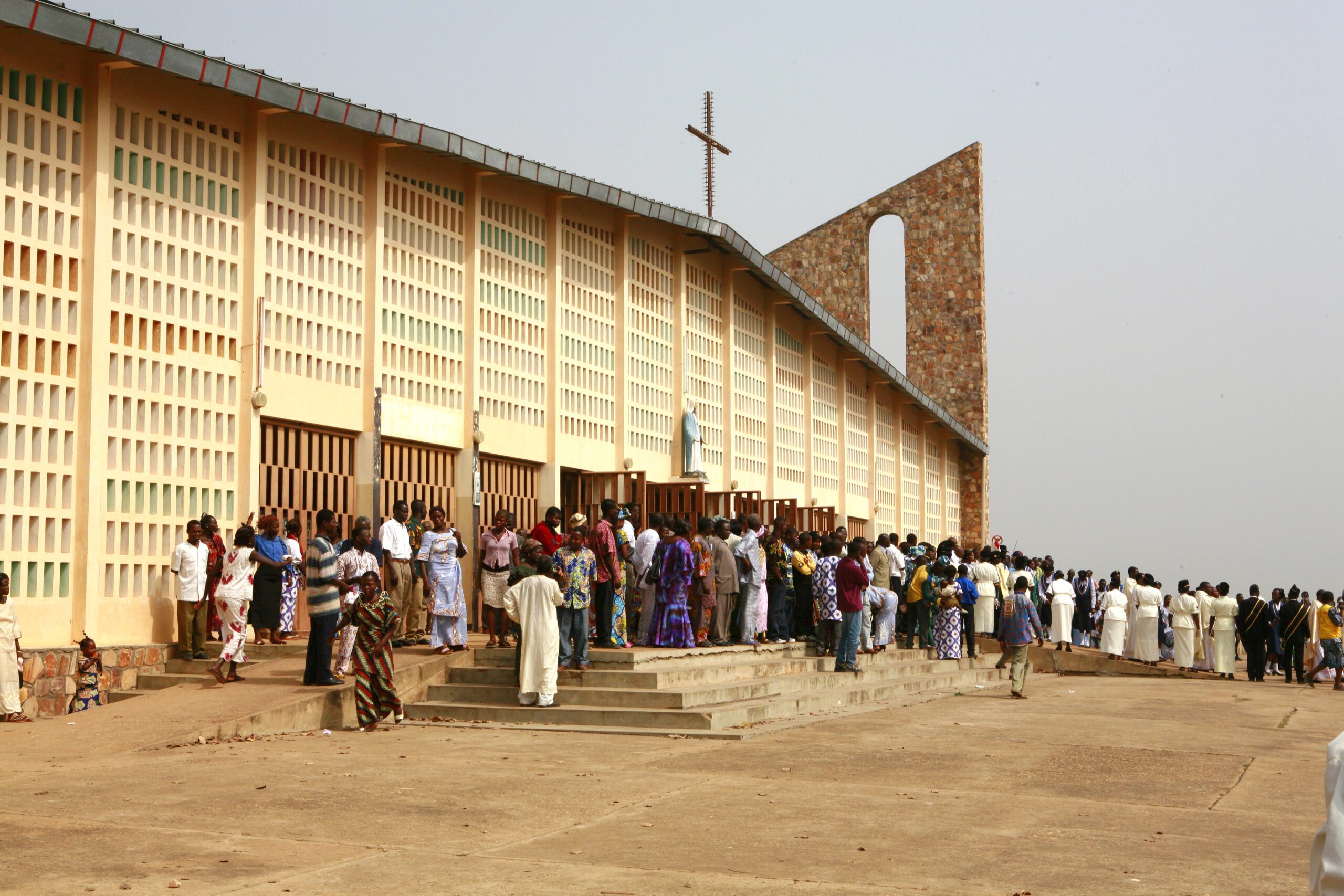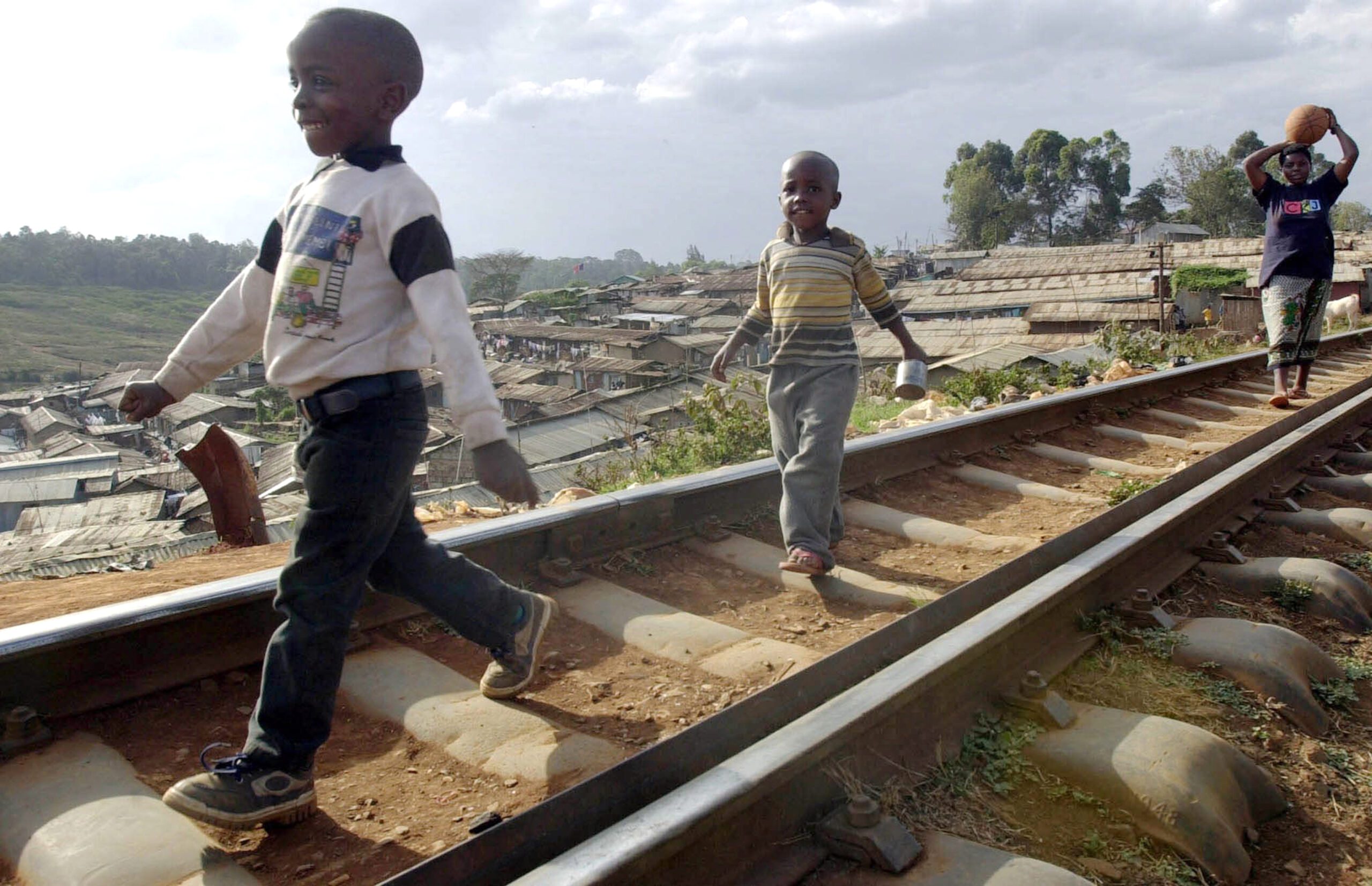

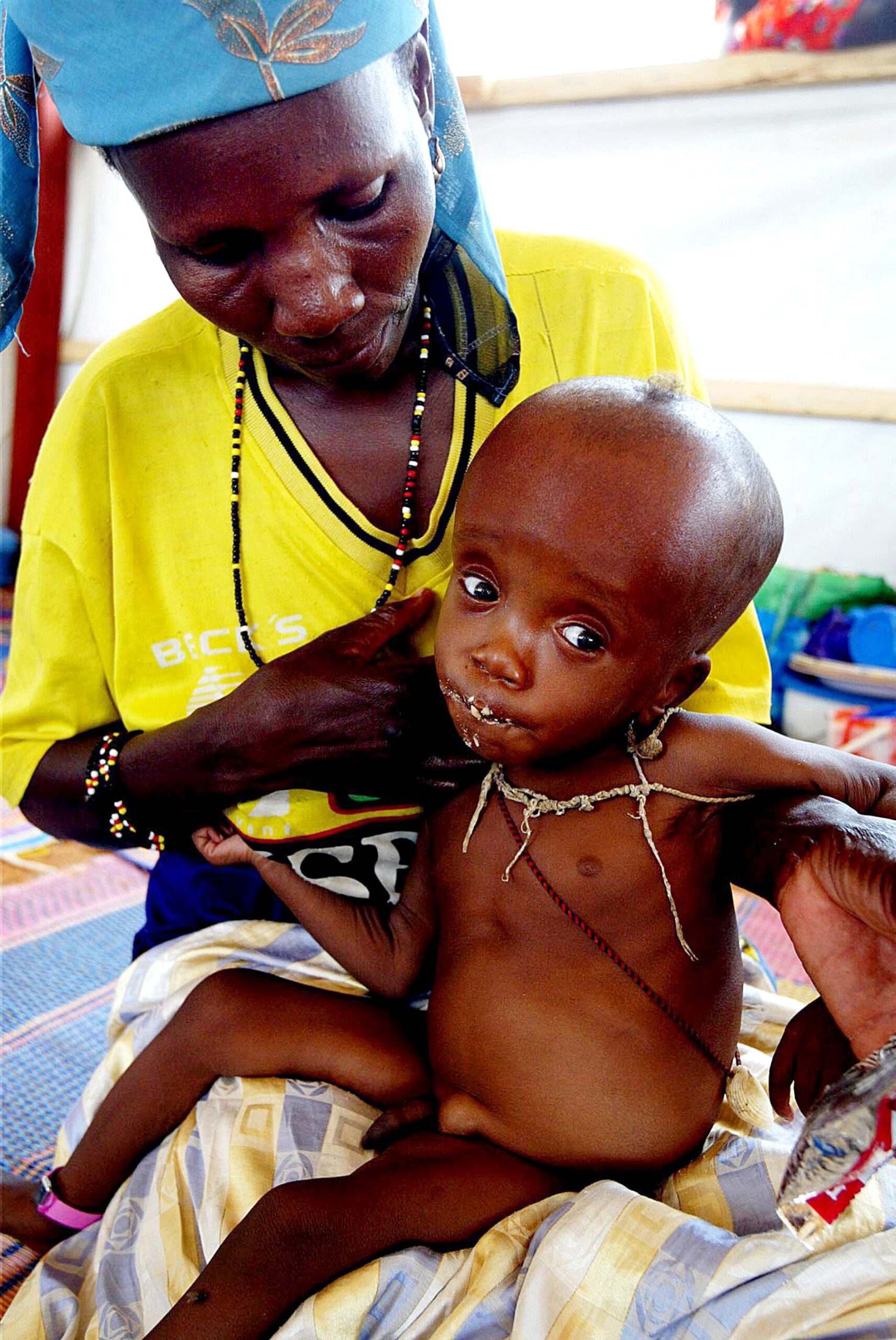
Father Charles is a missionary from Northern Europe who has been living in Mombasa for many years. His parish is right on the coast and, within his territory, there are some big hotels for tourists and, about a couple of kilometers from the beach, a settlement of very poor houses, some of which roofed with iron sheets. Most of the abodes are the same timber, mud and grass huts that the people were using a hundred years ago. Here, persons with a salary are those who are employed in the humblest tasks in the big hotels. Wages are miserable and desultory, depending on the tourist season, and AIDS is raging. The majority are Moslems but there are about 20% of Christians, generally immigrants from the highlands of Kenya, with a level of school education slightly above average, who, as a consequence, have better-paid jobs.
Father Charles is very much aware of the injustices committed against the flock entrusted to him. He is a member of the Justice and Peace Commission of his diocese, and can recite a long litany of statistics to prove how the poor of his parish are the victims of a global injustice that comes from afar.
But what really consumes him with anger is something else. While we are strolling along the beach, enjoying the alternate showers and scorching sun that dries our clothes on our skin, he speaks to me about the Church. “See,” he tells me, “what depresses me are not the injustices that come from outside against which we can fight. We even cut a fine figure in doing so; in fact the Moslems respect me, and some of them are my friends, because they see my commitment and the Church’s against poverty. What depresses me, when I look at my parish and at the whole Church in Kenya and Africa, is that we have erected a lot of structures, but we have not been able to communicate the Gospel. The Gospel, as we have been recently taught by the Pope, is LOVE. I would say, the Gospel is love that generates the joy of serving in us. Love must express itself factually. This is at least how I myself understand it and thus I do try to live up to it. This is the gist of my spirituality. And yet, when I look around here in Africa, of this joy of serving, in the Church leaders as well as in the political leaders of Christian upbringing, I can see very little. I see a great desire to rule and receive honors rather than to serve with joy!
THE PRIEST’S CAR
He asks me: “Did you hear about that Kenyan priest, not far from here, who, on assuming his duties in his new parish, has insinuated often to his parishioners that they have to buy and maintain a new car for him because it is not dignified that he should go around in a second-hand car? He did not even justify the request by, at least, saying that the car would be useful in serving the people. No! The new car is for him, for his dignity! Without mentioning the political leaders who exploit their people in all manners, there is this congressman who represents my people in Parliament but is only interested in getting rich, without the least concern for the poor ones who voted for him. And they voted for him because the alternative choice might be even worst. Where are the so-called leaders of this country?”
In the course of speaking, the good Father Charles gets hot and moves his arms as if he was an Italian. He then regains self-control, sits on a low wall corroded by the waves, and say: “We have taught catechism but we have not nourished the people’s spirituality. We have said all that is possible to say about God, but did not communicate love. What kind of Church is one without love and service? This is why there are no leaders. I know that I myself am responsible for not having been a transparent witness. In no way, however, do I think that the blame is only on me.”
I PRAY TO BE GOOD
A few days later, I was in another African country, in Mozambique, and I was speaking with another Charles, rather Carlos. Carlos was born in Maputo, but his mother was a prostitute who came from Tanzania. Naturally, he knows nothing about his father. He attended primary school, but then he could not stand any more life in the “family’ with drunken men beating his mother up; his mother herself even more brutalized by alcohol, so much so that Carlos is not sure if she died of AIDS or of a damaged liver. He lived three years in the streets, eating garbage and doing some petty stealing, then he landed in a rehabilitation center for street children. Now he is 18 and attending Senior Two. He has a shy, gentle smile. He is baby-faced, tall and has a slim body. Is it possible that such a refined figure has grown up eating garbage? I ask him what he wants to do in life. He answers me in a whisper (without looking at me, as if ashamed of having such a great dream): “I want to go to the seminary and become a priest. The only good people I found in life who helped me in the most difficult moments were the priests and the sisters. One day, I was in the parking lot of the supermarket, hungry to the bones. In despair, I was looking for something to eat or to steal. I made eye contact with a white man who smiled at me, told me to go with him, made me sit at the table of a fast food joint and ordered for me chicken and French fries. When I saw that plate full of good things in front of me, I almost cried. In the meantime, that man was talking gently to me, without being ashamed of being with me. He was the first person, after many, many months, who was treating me like a real child. I would have wanted to be cuddled… but I was ashamed, embarrassed…Then he told me to visit him in his church and I understood that he was a priest. From then on, when I was so hungry that I could not bear it any more, I would go to him and the African sister would feed me, as well as the other children there. Then he suggested that I go to the center, and here I am now. My life has changed. I wish I could commit my whole life to the needy children. Moreover, I would like to do something for those who are most in despair. In the street, I have also met children who are blind, lame and with other infirmities. I would like to do something for them because I know what they are going through. I pray every day to Jesus that He may help me to be good. When I was in the streets, I was a leader. But to be a leader is not enough, I must become a good leader.”
A QUESTION FOR THE SYNOD
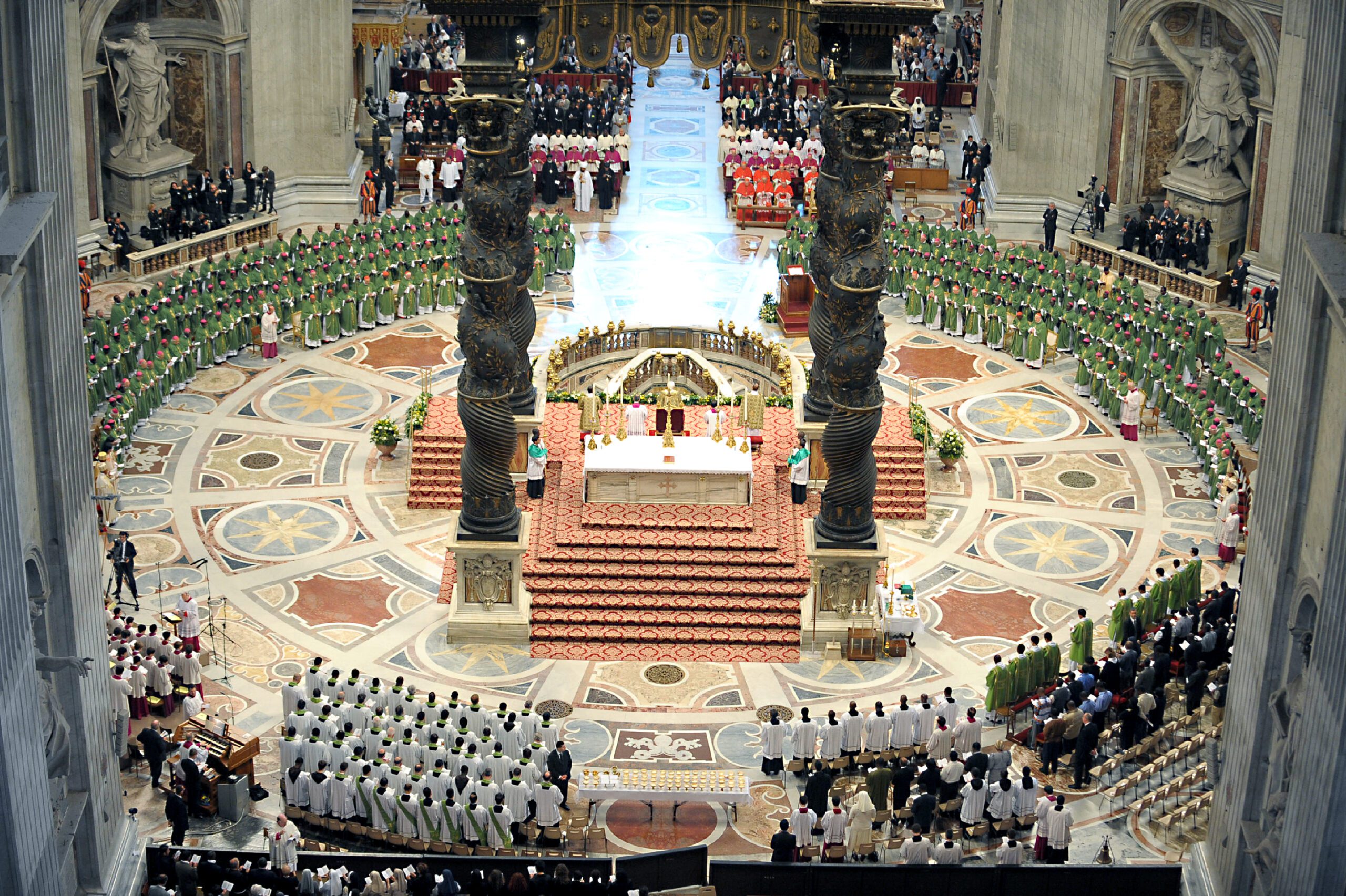
Wole Soyinka, Nigerian writer and Nobel prize awardee, and others after him have assessed that lack of true leaders is the fundamental cause of the crisis that the African countries are going through since the years of their independence. Nobody has given a satisfactory answer as to why this happens, but what is certain is that the Church is not free from this problem. Those who live in Africa have to face this every day. Shall we allow ourselves to be overwhelmed by the sense of impotence revealed by Father Charles or shall we hope that, in the future, many like Carlos will emerge? The next African Synod, the date of which has not yet been fixed, will not be able to evade facing this problem.