
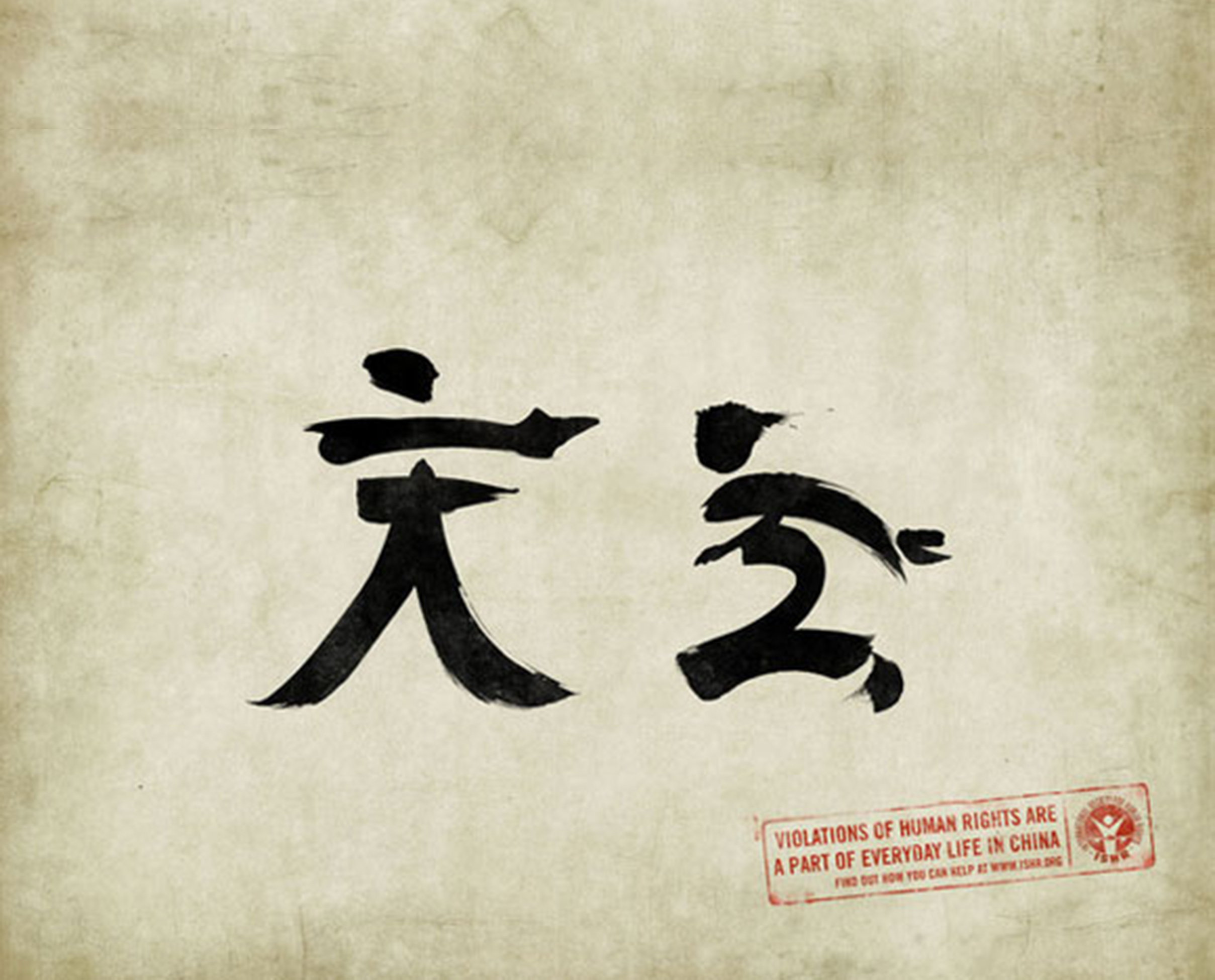
Released last May, Amnesty International annual report states: “The Chinese government responded to a burgeoning civil society by jailing and persecuting people for peacefully expressing their views, having religious beliefs not sanctioned by the state, advocating for democratic reform and human rights, and defending the rights of others. Popular social media sites remained blocked by China’s internet firewall. The authorities continued to repress Tibetan, Uighur, Mongolian and other ethnic minority populations. On the international stage, China grew more confident and more aggressive in punishing countries whose leaders spoke publicly about its human rights record.”
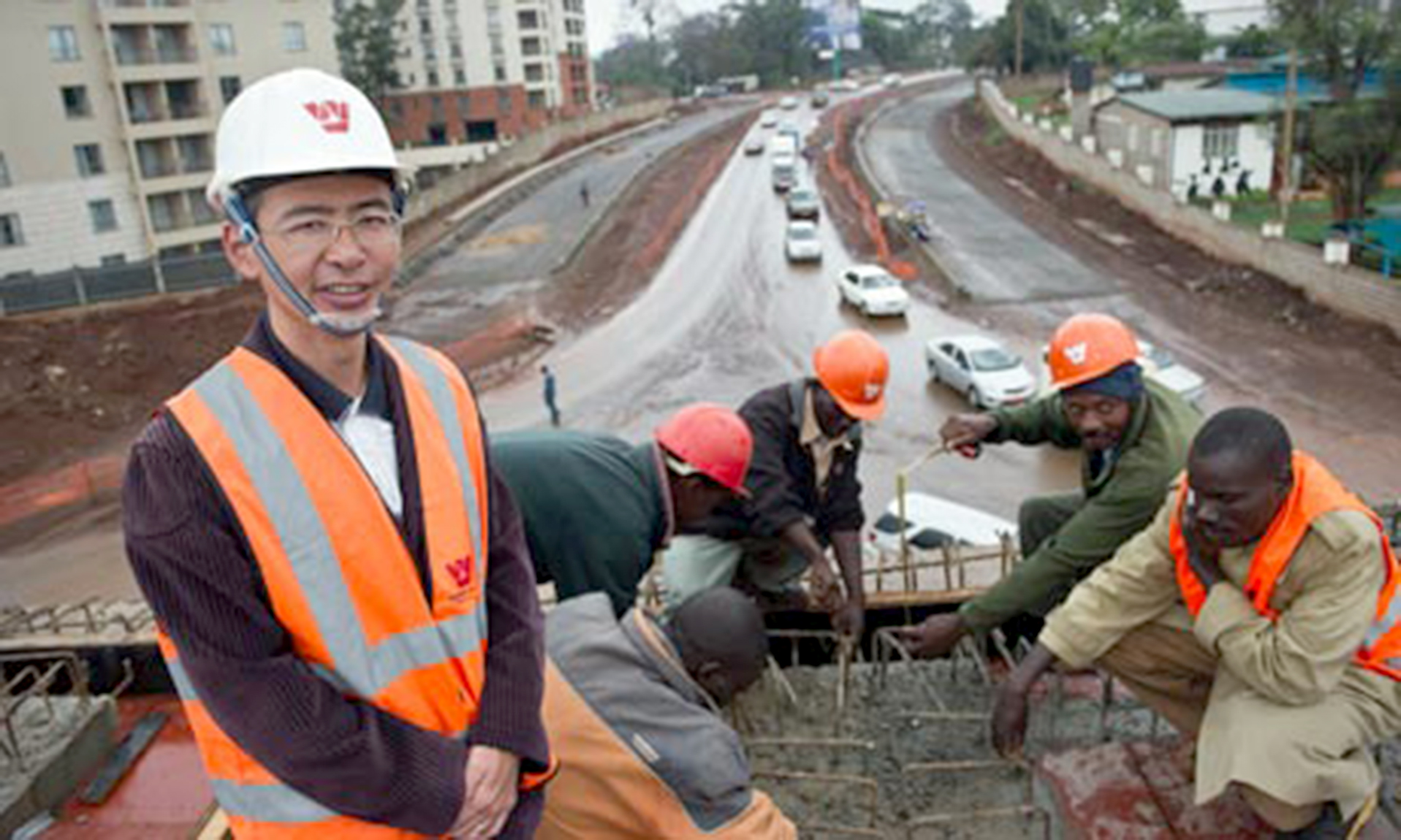
Recently, the emerging new superpower started patrolling the China Sea with an aircraft carrier, sending a message to neighbor countries. But, at the moment, it is using its huge reserves in foreign currencies – dollars and euros – mainly to build an economic empire. After becoming the big investors in Africa, the Chinese are already the biggest holders of USA debt and, using the sovereign debt crisis, they are acquiring strategic assets in Europe. Last September, a European think-tank warned that the Chinese were buying everything: from renowned car makers, such as MG or Volvo, to ports and infrastructures.
While the world faces a continuing global recession, China maintained a relatively high level of economic growth. This immense prosperity, Amnesty underlines, goes together with “intensifying domestic discontent and protests stemming from growing economic and social inequalities, pervasive corruption within the judicial system, police abuses, suppression of religious freedoms and other human rights, and continuing unrest and repression in the Tibetan and Uighur regions of the country.” The report adds: “Despite a rise in average incomes, millions had no access to health care, internal migrants continued to be treated as second-class citizens, and many children were unable to pay school fees.”
In China the human rights situation is getting grimmer. Just to mention some areas pointed by the Amnesty’s report:
Freedom of expression. The authorities stopped people from speaking out or reporting on politically sensitive issues by accusing them of divulging “state secrets,” “splittism” (ethnic minority nationalism), slander, and the crime of “subversion.” Vague regulations were used to tightly control publication of politically sensitive material, including references to the 1989 Tiananmen Square demonstrations, human rights and democracy, Falun Gong, and Tibetan and Uighur issues. Official censorship relied heavily on “prior restraint,” a form of self-censorship, and the use of an internet “firewall” that blocked or filtered out sensitive content. The amended State Secrets Law, effective October 10, added a new provision, Article 28, which requires internet and other telecommunications companies to cooperate in investigations of “state secret” leaks, or face prosecution. The authorities maintained tight control over online news reports, restricting licenses to large, government-backed websites. Many social media sites remained blocked, including Facebook, Twitter, YouTube and Flickr.
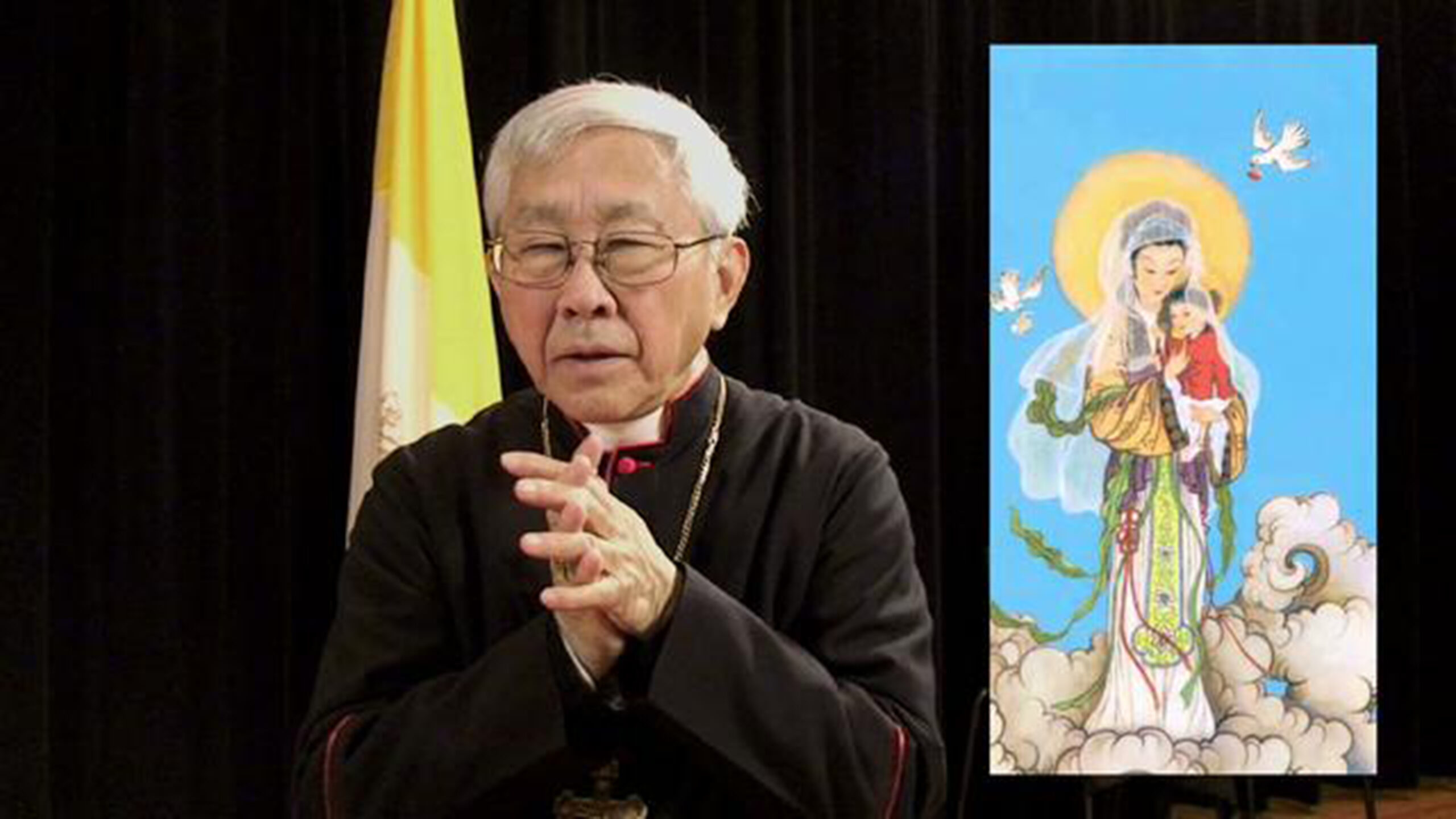
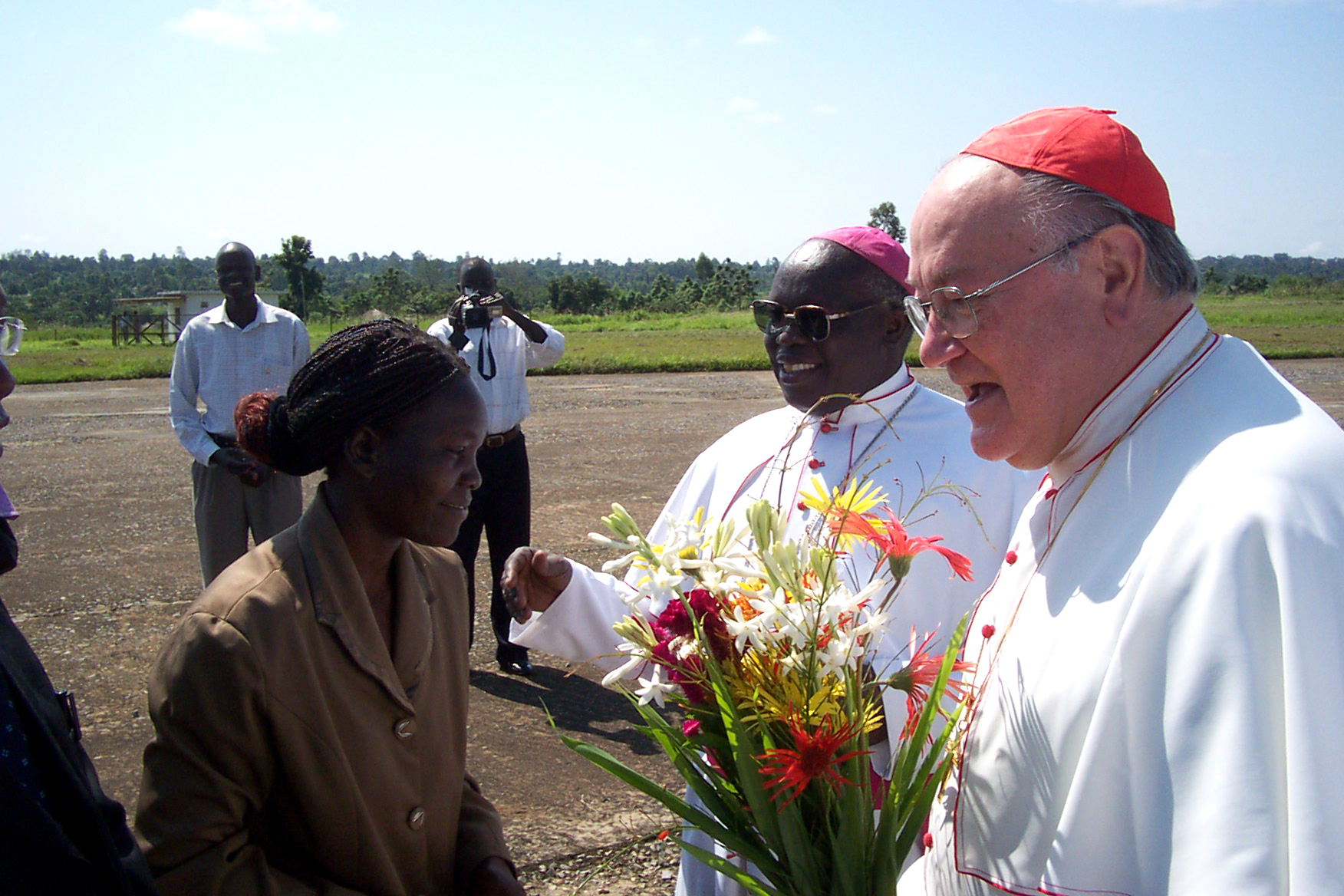
Freedom of religion. The state required all religious groups to register with the authorities, and controlled the appointment of religious personnel. Followers of unregistered or banned religious groups risked harassment, persecution, detention and imprisonment, with some groups labeled “heretical cult organizations” by the authorities. Churches and temples constructed by religious groups deemed illegal by the state risked demolition. More than 40 Catholic bishops of unregistered “house churches” remained in detention, under house arrest, in hiding or unaccounted for. In December, over 100 students from a Catholic seminary in Hebei province protested against the appointment of a non-Catholic government official as school head – the first protest of its kind since 2000. Alimjan Yimit’s 15-year sentence was upheld on appeal by the XUAR People’s High Court in March. Alimjan Yimit was detained for “leaking state secrets” after he spoke twice with an American Christian in Urumqi City in April and May 2007.
The authorities renewed the campaign to “transform” Falun Gong practitioners, which required prison and detention centers to force Falun Gong inmates to renounce their beliefs. Those considered “stubborn,” that is, those who refuse to sign a statement to this effect, are typically tortured until they cooperate; many die in detention or shortly after release.
Human rights defenders. Civil society continued to expand, with increased numbers of NGOs operating in the country. However, the authorities tightened restrictions on NGOs and human rights defenders. In May, under pressure from the authorities, Beijing University severed links with four civil society groups, including the Center for Women’s Law and Legal Services. Prominent human rights lawyer Gao Zhisheng, who had “disappeared” while in the custody of public security officials in February 2009, remained unaccounted for after briefly resurfacing in April. Chen Guangcheng, who was released from prison on September 9, and his wife, remained under house arrest. They could not leave their home, even to seek medical care.
Tian Xi, who contracted HIV and hepatitis B and C through a blood transfusion in 1996 when he was nine years old, was tried on September 21 on charges of “intentionally damaging property.” For years, Tian Xi had lobbied the hospital for compensation for himself and others infected through blood transfusions there. On August 2, he lost his temper in a meeting at the hospital and knocked some items off a desk. Through a legal loophole his trial was suspended, allowing the authorities to keep him in indefinite detention.
Detention without trial. The use of illegal forms of detention expanded, including prolonged house arrest without legal grounds, detention in “black jails,” “brain-washing” centers, psychiatric institutions, and unidentified “hotels.” The government did not make any progress on the reform or abolition of systems of administrative detention, including re-education through labor, used to detain people without charge or trial. Hundreds of thousands continued to be held in such facilities.
Torture and ill-treatment. Torture and other ill-treatment remained endemic in places of detention. Amnesty International received reports of deaths in custody, some of them caused by torture, in a variety of state institutions, including prisons and police detention centers. In July, new regulations were introduced to strengthen prohibitions against the use of illegal oral evidence in criminal cases, including coerced confessions. However, China’s Criminal Procedure Law had not yet been amended to explicitly prohibit the use of confessions obtained through torture and ill-treatment as evidence before the courts.
Death penalty. Statistics on death sentences and executions remained classified. However, publicly available evidence suggested that China continued to use the death penalty extensively, with thousands being executed after unfair trials. A number of cases where innocent people were sentenced to death or executed became heated topics of public debate, putting pressure on the authorities to address the issue.
Tibet Autonomous Region. The authorities continued to crack down on local protests associated with the March 2008 protests. Leading Tibetan intellectuals were increasingly targeted, with a number of well-known people in arts, publishing and cultural circles being sentenced harshly on spurious charges. Providing information on politically sensitive topics to foreigners was severely punished. Thousands of Tibetan students demonstrated against an official language policy which imposed Mandarin Chinese as the main language of instruction in schools at the expense of Tibetan. The policy is widely seen by Tibetans as a threat to the preservation of their culture. Although the authorities did not suppress these protests, they reiterated their commitment to the policy. Demonstrations by hundreds of Tibetan students against this policy spread to the Beijing National Minorities University in October.
The authorities continued to restrict freedom of religion. The official Buddhist Association of China issued measures, effective January 10, calling for the Democratic Management Committees of monasteries and nunneries to verify the “conformity” of religious personnel with political, professional and personnel criteria, giving the authorities another way to weed out politically “unreliable” religious leaders. In May, Tagyal, a Tibetan intellectual who worked in a government publishing house, was charged with “inciting splittism” after he warned Tibetans to avoid corrupt official channels when donating money to victims of the April Yushu earthquake in Qinghai. Tagyal had also published a book on the 2008 Tibetan protests. www.amnesty.org