
Turning the Earth Into a Desert

INTRODUCTION

Few people are aware that climate change will cause severe droughts in many parts of the world and turn fertile lands into deserts. But an expert warned sometime ago: one third of the planet will be a desert by 2100 if climate change is not addressed urgently.

WRITTEN BY

SHARE THE WORD

PUBLISHED ON

Most people are aware that increases in the frequency and power of hurricanes and typhoons can be attributed to climate change. The devastating scenes from New Orleans, after it had been struck by hurricane Katrina, are still vivid in people’s minds. Few people are aware that climate change will cause severe droughts in many parts of the world and turn fertile lands into deserts.

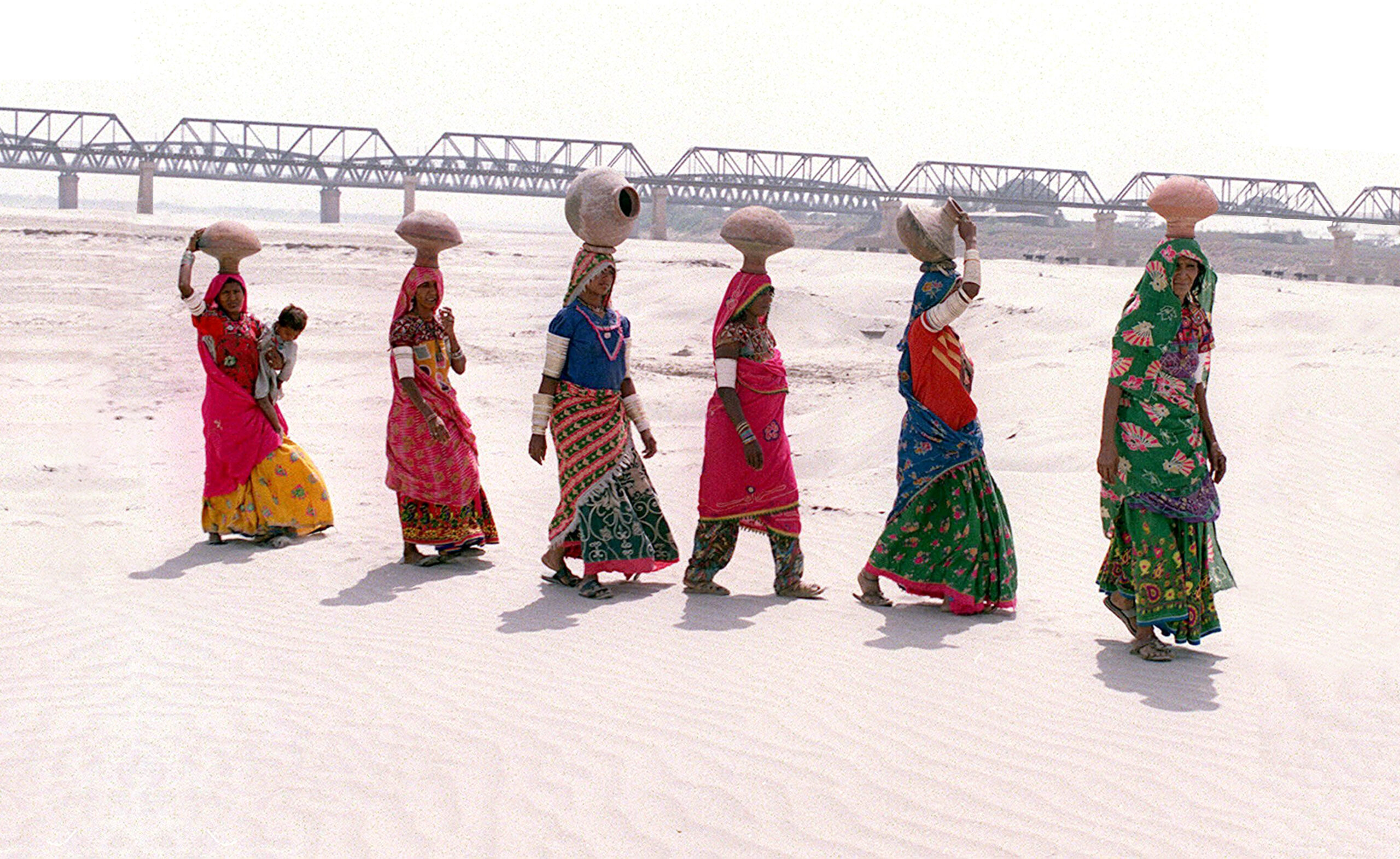
In 2006, Eleanor Burke and her colleague at the Met Office’s Hadley Centre for Climate Prediction and Research in Britain wrote that one third of the planet will be a desert by 2100 if climate change is not addressed urgently. They used a measure called Palmer Drought Severity Index (PDSI) to predict where moderate to severe droughts will happen. The PDSI figures for moderate droughts, at the moment, are 25% of the earth’s land surface. The study found that this will increase to 50% by the end of this century. The findings for severe droughts are even more alarming. These will jump from a current 8% to 40%, and extreme droughts, which affect 3% of the earth today, will affect 30% of the earth within 100 years. The authors of the report admitted that there are “uncertainties” with their predictions since they only used one climate change model and one future scenario of greenhouse gas emission which is in the moderate-to-severe range. Nevertheless, the head of the Hadley Center’s climate program, Vicky Pope, said that the findings were significant.*

IN AFRICA OR CALIFORNIA
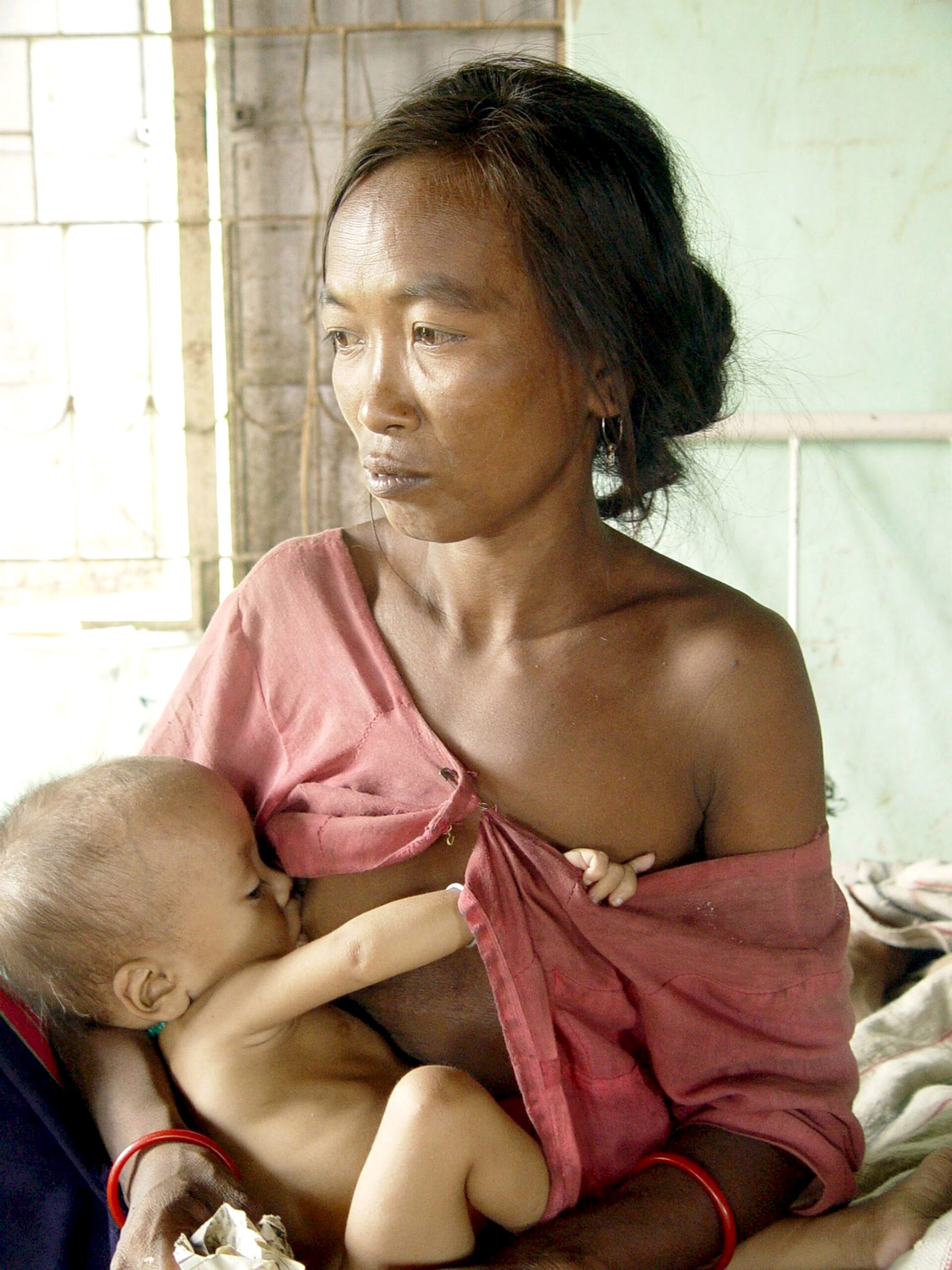
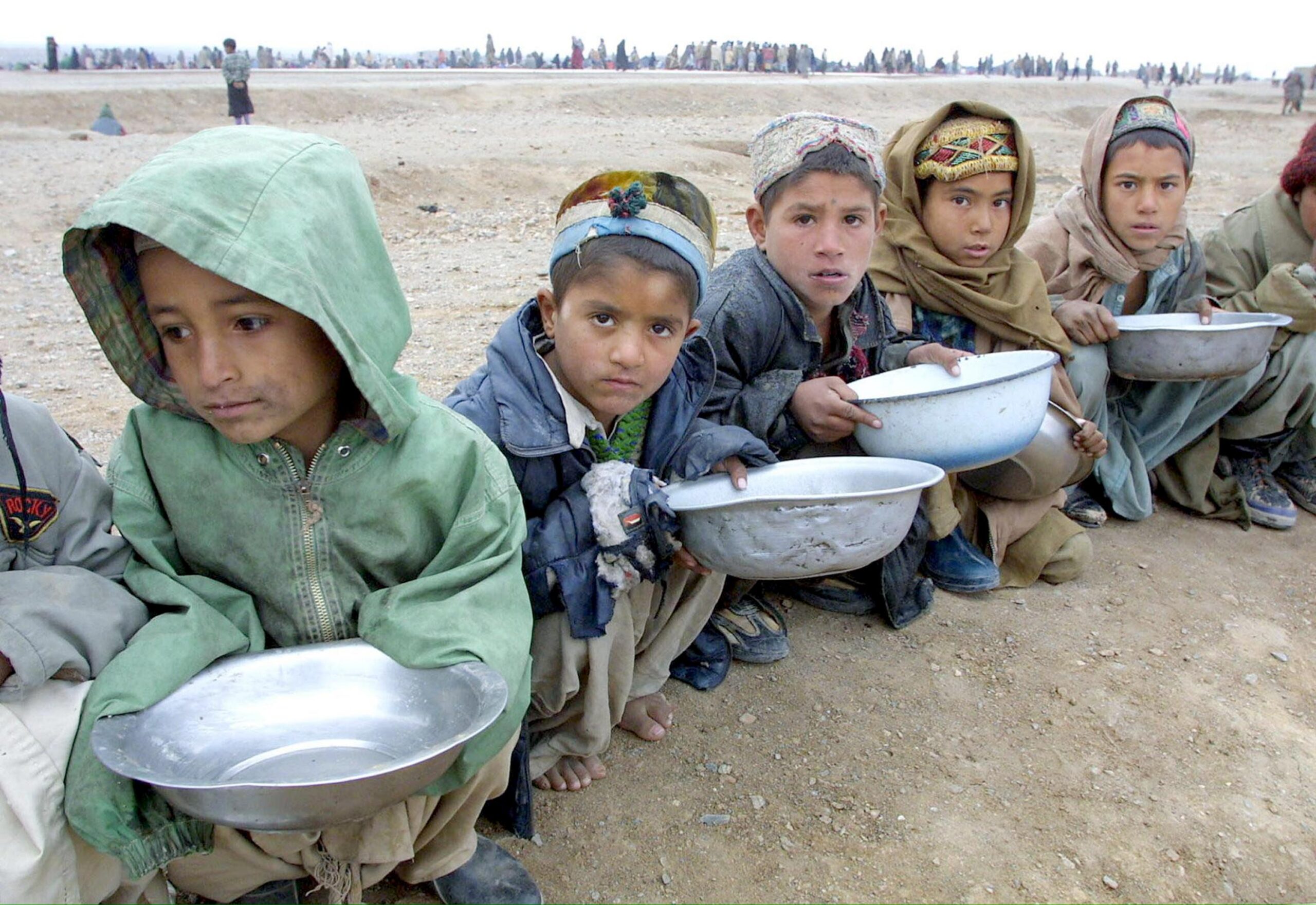
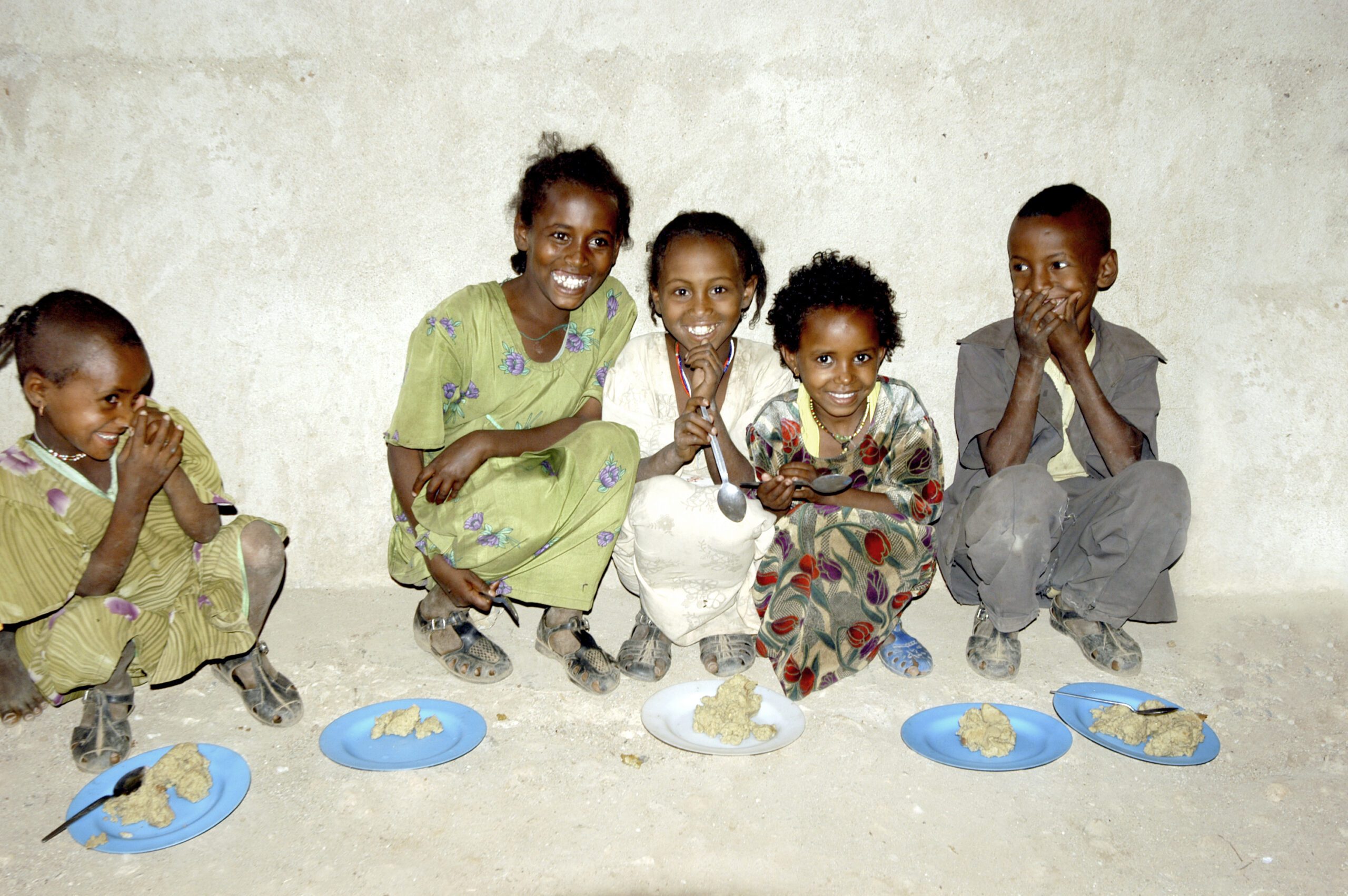
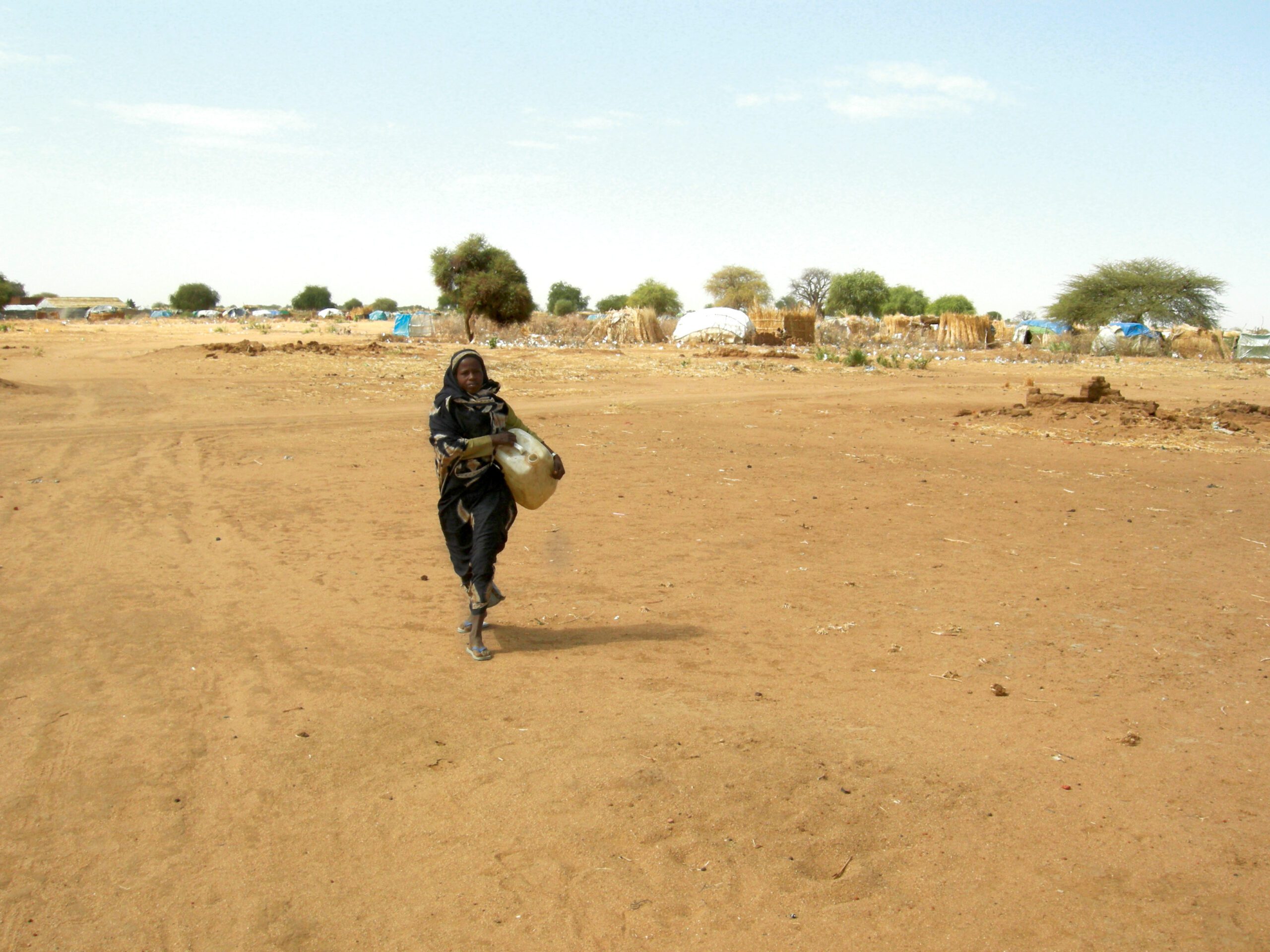
Africa immediately comes to mind when we think of droughts. There have been crippling droughts in east Africa. Kenya’s Rift Valley has experienced droughts throughout this decade, which left cattle and other animals dead from lack of food and water and humans malnourished and hungry. In 2006, 11 million people in Ethiopia, Eritrea, Somalia and Tanzania were affected by drought.

It is not only poor countries in Africa which are in danger of having more prolonged droughts. In early February 2009, Steven Chu, the Nobel laureate who has been appointed Secretary of Energy by President Barack Obama, told the Los Angeles Times that California’s agriculture could be reduced to a dust bowl and its cities disappear unless there is timely action on climate change.* Chu pointed out that the warming has caused a marked decline in the Sierra mountains snowpack. These snow capped mountains act as a natural storage system for water for both agriculture and human consumption. Chu predicted that, unless global warming is contained, there could be a 90% reduction in the Sierra snowpack. This would mean disaster for California.

But, even this year, water is a problem. Bill Diedrich, who is a fourth generation almond grower in California’s Central Valley, expects that many of his trees will not survive the drought. “It is one of the grimmest water situations we’ve ever faced,” he said. It’s an absolute emergency and anything to get the water flowing quickly is needed.”* Lester Snow, director of the California Department of Water Resources, told reporters that the state faces its most severe drought since the early 1990s. The Central Valley in California, stretching 400 miles, is the world’s largest agricultural area. Half of the salads and vegetables consumed in the U.S. are grown there. Huge areas are covered with almond trees. If this rich farmland is lost to agriculture, as Secretary Chu fears, this will be a catastrophe for the U.S. and the world.

Chu is alarmed because he does not think that “the American public has gripped in its gut what could happen (through climate change).” How could they after eight years of denial, that climate change was happening, by the administration of former President George W. Bush! He was not alone: a whole swathe of U.S. industries, especially the petrochemical ones, through the Carbon Club television advertisements, bombarded the American people with anti-climate change propaganda throughout the 1900s. In 2008, Exxon was still bankrolling climate skeptics.

A TSUNAMI OF FIRE
One cannot say of any single weather event, whether it be the Big Wind in Ireland in 1839, or the damage which hurricane Katrina did to New Orleans and the Gulf Coast of Mississippi in 2005, or the recent heat wave and bushfires in Victoria, Australia, that is caused by climate change. What one can say is that severe weather events, which heretofore happened once every 50 or 100 years, will happen now much more frequently. For the past number of years, scientists have been warning that climate change will bring higher temperatures to Australia and less rain. This will cause further record heat waves and forest fires.

Even before the percentage of greenhouse gases in the atmosphere increased, Australia was one of the driest continents on earth. Its vegetation, dominated by oil rich eucalyptus trees, has meant that forest fires have happened frequently in the past. On “Black Friday” in 1939, 71 people were killed by forest fires. In 1983, a forest fire on Ash Wednesday destroyed a huge amount of property and killed 75 people. Nevertheless, there is a growing consensus that climate change is making forest fires more frequent and ferocious. Gary Morgan, the head of the government-backed Bushfire Cooperative Research Centre, believes that climate change and droughts are altering the nature, ferocity and duration of bushfires. Scientists, such as Professor David Karoly of Melbourne, said that the current heatwave with temperatures reaching 45 degrees centigrade was unusual but that it will be much more frequent within the next 10 to 20 years. Research by the Australian Bureau of Meteorology and the government-backed science organization CSIRO predict that the number of days where bushfires might pose a severe risk in South-Eastern Australia could almost double by 2050 under the worse case climate change scenario. Commenting on the current bushfires which have claimed the lives of over 200 people, Bob Brown, leader of the Green Party in the Australian Senate, said that it is a sobering reminder of the need for this nation and the whole world to act and put tackling climate change as a top priority.

CHAOS IN THE CITIES
In late January 2009, the Australian Open Tennis Tournament was held during the hottest weather ever recorded for any major sporting event. Novak Djokovic sensationally pulled out of the quarter final with heat-related problems. Chaos reigned in Melbourne on January 30, 2009 when excessive heat caused an electricity substation to explode. Half a million homes and business in the city lost power. City trains were shut down. People were trapped for hours in lifts and many roads were blocked as traffic lights failed. The emergency services were stretched to breaking point, as many people succumbed to heat-induced exhaustion.

Climate change is also affecting rainfall patterns in Western Australia. From 1829, (when weather records began to be compiled) up to 1975, winter rains were reliable in the area. This meant that farmers could plant winter wheat and be certain that the crop would get sufficient rains for it to thrive. However, since 1975, the average rainfall has dropped by 15%. Again, it is probably too early to say why this is happening but, more and more, climatologists are pointing the finger at climate change.

The city of Perth, which is the capital of Western Australia, is also suffering from a serious shortage of water. With the decrease in winter rains, Perth has to draw on ground water reserves known as the Gnangara Mount to meet its water needs. After 30 years of ‘mining,’ this water reserve is at a critically low level, causing water experts to believe that there is a one-in-five chance of a ‘catastrophic failure of supply.’ They are now planning to build a desalination plant to provide fresh water for the city at the cost of A$350 million. Even with this huge expenditure, the proposed plant will only supply 15% of the city’s current needs. So it would seem that, because of climate change, the future of this city of one-and-a-half million people is in the balance.

On a per capita basis, Australians emit more greenhouse gas than any other people on earth. This is because most of the electricity generated in Australia is produced from coal – because it is so plentiful. It would be quite extraordinary if the severe weather patterns and habitat changes which climate change is bringing about, made vast areas of Australia uninhabitable for humans.

* Suzanne Goldenberg, “California dust bowl warning: energy chief says cities will perish unless action is taken,” The Guardian, February 5, 2009, pages 26 and 27.
** Dan Glaister, “It’s an absolute emergency, say farmers on the frontline,” The Guardian, February 5, 2009, page 27.


Share Your Thoughts

All comments are moderated

From The Same Issue

The articles and content about this issue

From The Same Issue

The articles and content about this issue

From This Topic

The articles and content about this topic

From This Topic

The articles and content about this topic

Explore Other Topics

Browse other coverage

Explore Other Topics

Browse other coverage

WM SPECIAL

Presents, discusses and draws readers to reflect on issues of outmost relevance to the world today.


FRONTIERS

Very often, mission is carried out in frontier situations around the world. Those who embrace these situations have much to share.


UNITY IN DIVERSITY

Writer Ilsa Reyes will be exploring the richness of Pope Francis’s latest encyclical Fratelli Tutti with a view of helping our readers to get a grasp of the this beautiful papal document.


FRONTLINE

Puts to the front committed and inspiring people around the world who embrace humanitarian and religious causes with altruism and passion.


IN FOCUS

Focus on a given theme of interest touching upon social, economic and religious issues.


FAITH@50

As the Philippines prepares to celebrate 500 years of the arrival of Christianity. Fr. James Kroeger leads us in this series into a discovery journey of the landmark events in the history of faith in the Philippine archipelago.


INSIGHT

Aims to nurture and inspire our hearts and minds while pondering upon timely themes.


FILIPINO FOCUS

The large archipelago of the Philippines, in its richness of peoples and cultures, offers varied and challenging situations for mission.


FOLLOW ME

Reflections and vocation stories that shape up the lives of young people.


MISSION IS FUN

As humor and goodness of heart are qualities of Christian and missionary life, the new column “Mission is fun” will be publishing some anecdotes and stories that have happened in a missionary context to lighten up the spirits and trigger a smile in our faces.


LIVING COMMUNION

To help readers of World Mission live this year dedicated to Ecumenism, Interreligious Dialogue and Indigenous Peoples, Tita Puangco, writer and lecturer, shares in this section insights on the spirituality of communion.


WINDS OF THE SPIRIT

A historic view of the Catholic movements that emerged from the grassroots as an inspiration by the Holy Spirit.


BRIDGE BUILDERS

On the Year of Ecumenism, Interreligious Dialogue and Indigenous Peoples, radio host and communicator Ilsa Reyes, in her monthly column, encourages Christians and people of good will to be one with their fellow people of other sects, religions and tribes.


INTERVIEW

Questions to a personality of the Church or secular world on matters of interest that touch upon the lives of people.


WORLD TOUCH

News from the Church, the missionary world and environment that inform and form the consciences.


CARE OF THE EARTH

A feature on environmental issues that are affecting the whole world with the view of raising awareness and prompting action.


EDITORIAL

The editor gives his personal take on a given topic related to the life of the Church, the society or the world.


YOUNG HEART

A monthly column on themes touching the lives of young people in the Year of the Youth in the Philippines by radio host and communicator I lsa Reyes.


SCROLL

A missionary living in the Chinese world shares his life-experiences made up of challenges and joyous encounters with common people.


EXTRAORDINARY PEOPLE

Life stories of people who deserve to be known for who they were, what they did and what they stood for in their journey on earth.


ONE BY ONE

Stories of people whom a missionary met in his life and who were touched by Jesus in mysterious ways.


INCREASE OUR FAITH

Critical reflection from a Christian perspective on current issues.


SPECIAL MOMENTS

Comboni missionary Fr. Lorenzo Carraro makes a journey through history pinpointing landmark events that changed the course of humanity.


PROFILE

A biographical sketch of a public person, known for his/her influence in the society and in the Church, showing an exemplary commitment to the service of others.


WM REPORTS

Gives fresh, truthful, and comprehensive information on issues that are of concern to all.


LIFE'S ESSENTIALS

A column aimed at helping the readers live their Christian mission by focusing on what is essential in life and what it entails.


ASIAN FOCUS

Peoples, events, religion, culture and the society of Asia in focus.


THE SEARCHER'S PATH

The human heart always searches for greatness in God’s eyes, treading the path to the fullness of life - no matter what it takes.


INDIAN FOCUS

The subcontinent of India with its richness and variety of cultures and religions is given center stage.


AFRICAN FOCUS

The African continent in focus where Christianity is growing the fastest in the world.


JOURNEY MOMENTS

Well-known writer and public speaker, Fr. Jerry Orbos, accompanies our journey of life and faith with moments of wit and inspiration based on the biblical and human wisdom.


IGNATIUS STEPS

On the year dedicated to St. Ignatius of Loyala, Fr. Lorenzo Carraro walks us through the main themes of the Ignatian spirituality.


THE SEVEN LAST WORDS OF JESUS

Fr. John Taneburgo helps us to meditate every month on each of the Seven Last Words that Jesus uttered from the cross.


INSIDE THE HOLY BOOK

In this section, Fr. Lorenzo delves into the secrets and depths of the Sacred Scriptures opening for us the treasures of the Sacred Book so that the reader may delight in the knowledge of the Word of God.


CONVERSATIONS

Reflections about the synodal journey on a conversational and informal style to trigger reflection and sharing about the synodal path the Church has embarked upon.


VATICAN II

This 'mini-course' series provides a comprehensive exploration of Vatican II, tracing its origins, key moments, and transformative impact on the Catholic Church.


COMBONIS IN ASIA

This series offers an in-depth look at the Comboni Missionaries in Asia, highlighting their communities, apostolates, and the unique priorities guiding their mission. The articles provide insights into the challenges, triumphs, and the enduring values that define the Comboni presence in Asia.


BEYOND THE SYNOD

Following the Synod on Synodality, this series examines how dioceses, parishes, and lay organizations in the Philippines are interpreting and applying the principles of the synod, the challenges encountered, and the diverse voices shaping the synodal journey toward a renewed Church.


A TASTE OF TRADITION

This series introduces the Fathers of the Church, featuring the most prominent figures from the early centuries of Christianity. Each article explores the lives, teachings, and enduring influence of these foundational thinkers, highlighting their contributions the spiritual heritage of the Church.


A YEAR OF PRAYER

In preparation for the 2025 Jubilee Year under the theme “Pilgrims of Hope,” 2024 has been designated a Year of Prayer. World Mission (courtesy of Aleteia) publishes every month a prayer by a saint to help our readers grow in the spirit of prayer in preparation for the Jubilee Year.


OUR WORLD

In Our World, the author explores the main trends shaping contemporary humanity from a critical and ethical perspective. Each article examines pressing issues such as technological advancement, environmental crises, social justice, and shifting cultural values, inviting readers to reflect on the moral implications and challenges of our rapidly changing world.


CATHOLIC SOCIAL DOCTRINE

This series unpacks the principles of Catholic Social Doctrine, offering a deep dive into the Church's teachings on social justice, human dignity, and the common good.


HOPEFUL LIVING

Hopeful Living’ is the new section for 2026, authored by Fr. James Kroeger, who dedicated most of his missionary life to the Philippines. In this monthly contribution, he will explore various aspects of the virtue of hope. His aim is to help readers align their Christian lives more closely with a hopeful outlook.


PHILIPPINE CROSSROADS

Filipino Catholic scholar Jose Bautista writes each month about how the Philippines is at a crossroads, considering the recent flood control issues and other corruption scandals that have engulfed the nation. He incorporates the Church’s response and its moral perspective regarding these social challenges.


BIBLE QUIZ

Test your knowledge and deepen your understanding with our Bible Quiz! Each quiz offers fun and challenging questions that explore key stories, themes, and figures from both the Old and New Testaments.


Shopping Cart