
The Apostle Peter opened his First Letter with words of hope: “Peter, an apostle of Jesus Christ, to God’s elect, exiles scattered throughout the provinces of Pontus, Galatia, Cappadocia, Asia and Bithynia, who have been chosen according to the foreknowledge of God the Father, through the sanctifying work of the Spirit, to be obedient to Jesus Christ and sprinkled with His blood: Grace and peace be yours in abundance. Praise be to the God and Father of our Lord Jesus Christ! In His great mercy He has given us new birth into a living hope through the Resurrection of Jesus Christ from the dead, and into an inheritance that can never perish, spoil or fade. This inheritance is kept in heaven for you who, through faith, are shielded by God’s power until the coming of the salvation that is ready to be revealed in the last time.”
These words must have resounded even more powerfully to the ears of its first readers. When the First Letter of Peter was written, the Church was experiencing the first pangs of persecution. For a while, after the Resurrection of Christ, Jesus’ followers were free to worship as they liked. Within the Roman Empire, all had to follow prescribed rites, with the exception of the Jews. Judaism had been recognized as a valid religion by the Romans. They simply could not distinguish between Jews and Christians. To the Romans, Christianity was a Jewish sect, so they did not bother them. This is clearly reflected in the Acts of the Apostles, where we see Roman officers defending those preachers who had a falling out with the Synagogue.
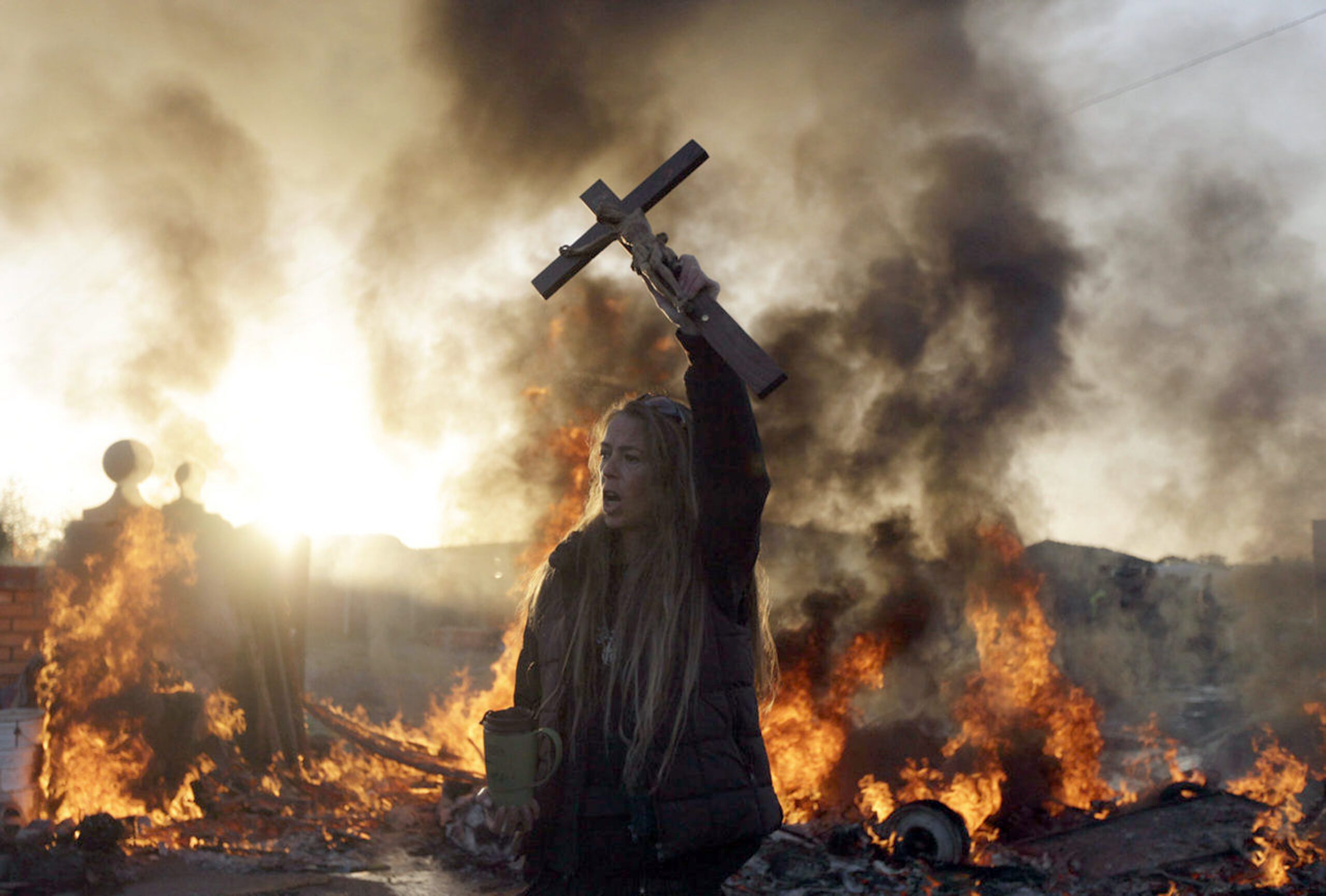
Things changed dramatically after 60 A.D. People started to regard Christians in a new, negative light. When Rome was destroyed by a great fire in 64, Emperor Nero needed a scapegoat. He accused the Christians of acting against the Roman Empire. The accusation gained ground easily. Christians were seen as a Jewish sect, and there was a tradition of accusing Jews of all kinds of anti-social behavior. Christian worship was open to members only and was filtered out – eating the body and drinking the blood of a person called ‘Chresto’ could easily give rise to the accusation of cannibalism. Those families where some members had become Christians seemed to be divided, a negative outcome of religion. Besides, some early missionaries openly preached about the second coming of Christ and the final judgement. They described it as a purifying fire which was to destroy and dissolve the world as we know it. There were already enough issues to attach a negative label to the first Church.
THE START OF A NEW AGE
The persecution of the Christian community was not carried out all over the empire at all times. Much depended on local governors and the prominence of the Christian community. However, to be a Christian at the end of the first century was not easy. It is understandable that Christians were afraid and needed reassurance about Jesus’ messages and the reality of salvation. The First Letter of Peter did just that. Skimming through it, one would have sense of its content. The author tells the reader to be certain that a new age has started. Jesus’ Life, Death, and Resurrection opened the Messianic era, which will end with the return of the Christ, who will bring the gifts of reconciliation and of the Holy Spirit to the world.
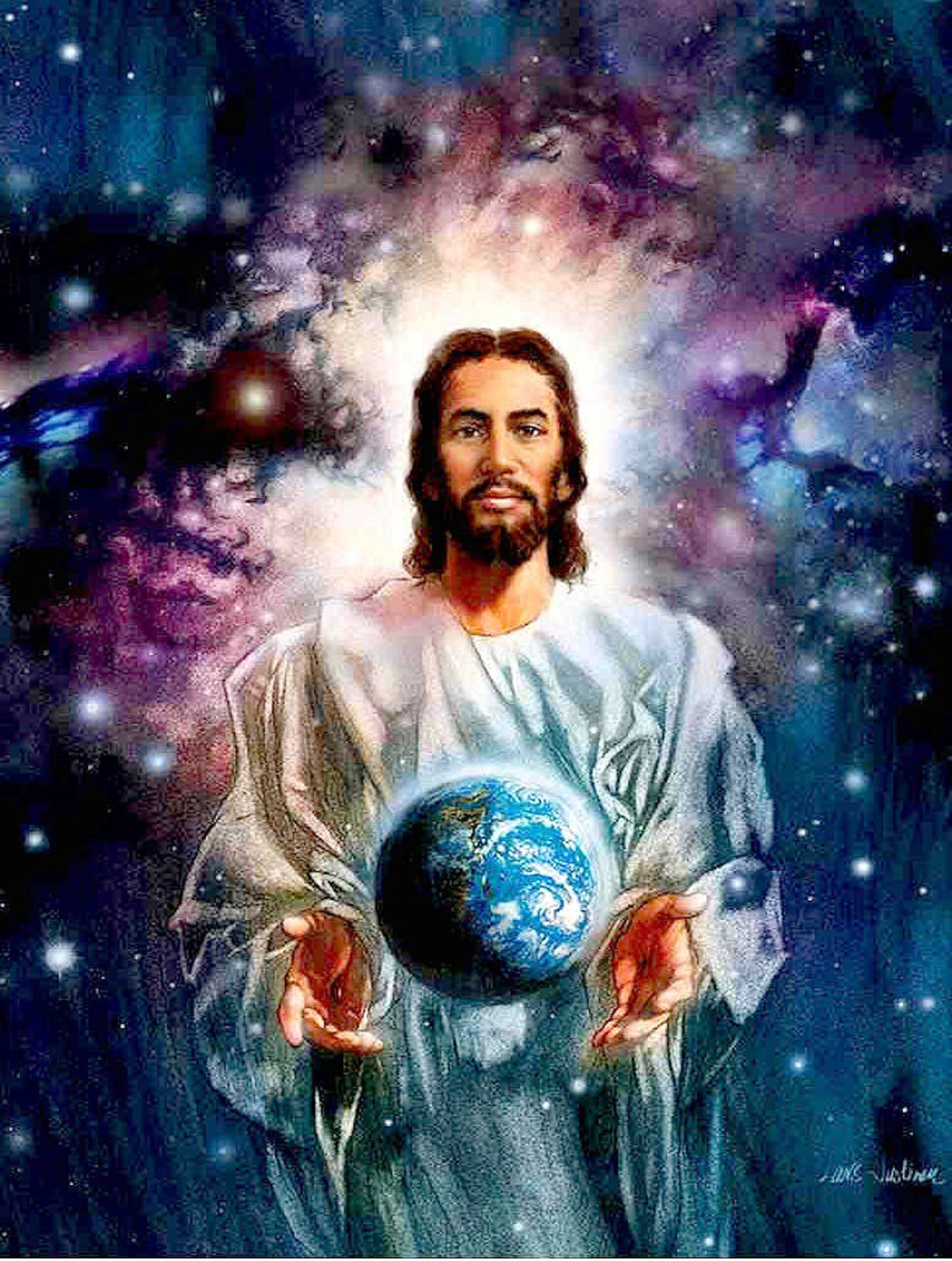
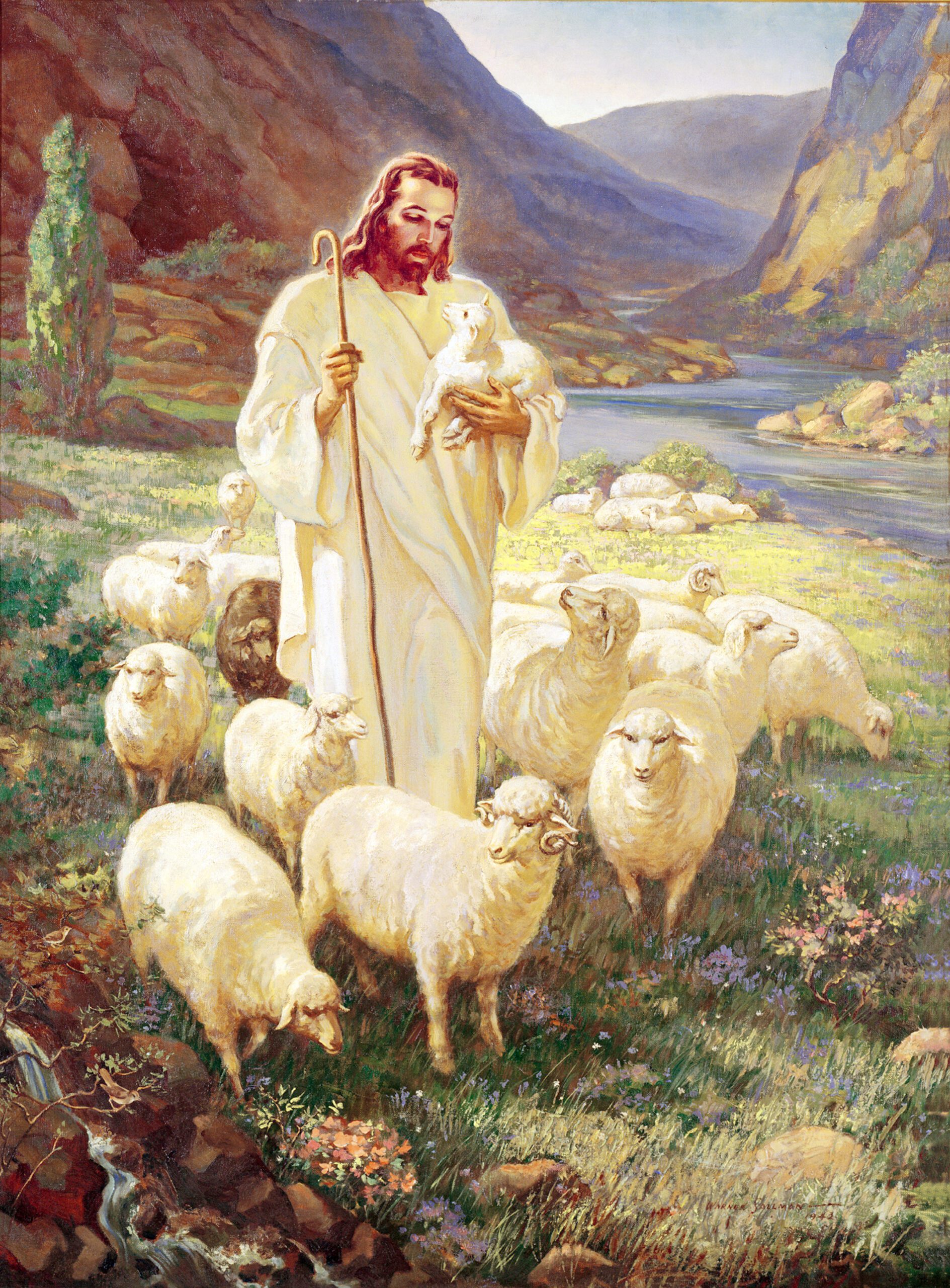
These themes can be already seen in the Letter’s opening statement. These words, which may seem quite normal to us, must have struck the attention of the first readers. Usually, prayers started by blessing God. Peter’s prayer, instead, is a great statement of who God is. God is like Jesus, He is not a distant spiritual being, but a Person close to us. God is not an unknown being no one can see. We see Him in Jesus, who walked in our midst.
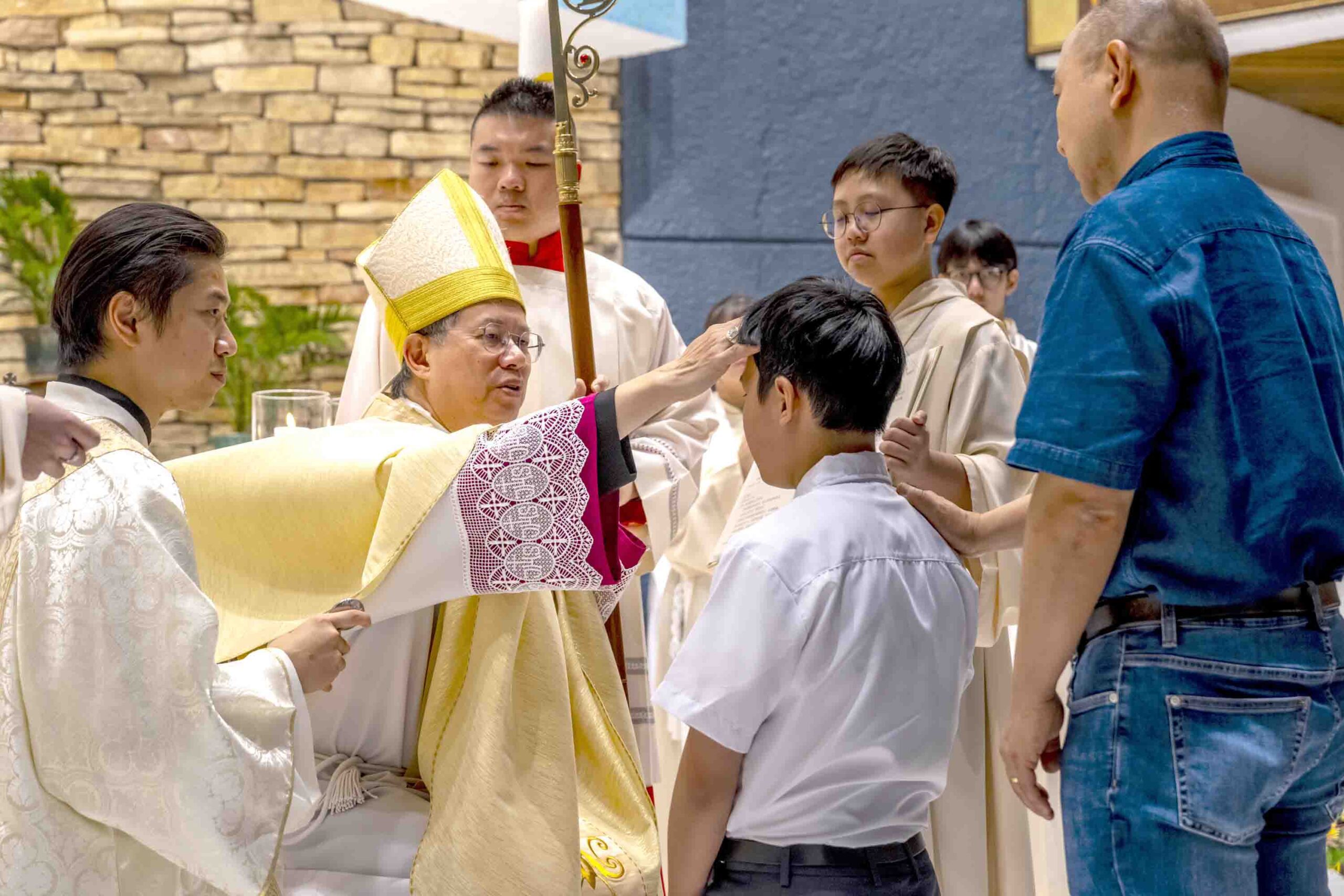
This God, the Father, “has given us new birth into a living hope through the Resurrection of Jesus Christ from the dead, and into an inheritance that can never perish, spoil or fade.” The prayer goes on by claiming that a Christian is a person reborn. This idea may lead to confusion. When Nicodemus went to talk to Jesus (John 3), he was told that a person must be born again. However, the Greek words used to express this idea have a double meaning. The sentence can be translated also as ‘born from above.’ Clearly, Jesus was pointing to a double reality. His followers must be reborn, and this re-birth comes from above. It is the Spirit of God, when welcomed into our lives, Who allow us to be born again, not in the flesh but in our essence. To accept Christ means to become totally new. St. Paul also spoke of this new reality. He invited Jesus’ followers to wear Christ as a new dress; that is, a new identity. This is the way to become a new man.
This rebirth is, at the same time, the work of God and the work of the person. It is God Who can renew us completely. Yet, He cannot act without our acceptance and cooperation. It is a rebirth into a living hope. The Greek culture, the common culture of the Mediterranean region at that time, was not always enthusiastic about life and nature. Some philosophers claimed that it was best not to be born at all! God claims the contrary. Life is good, Creation is good. It was prepared by God to give us the space where to meet Him. The rebirth in Christ is a birth into hope: hope that we can change the structures which oppress us, and live life to the full. Hope that we can change the way we relate to each other to build a new human community.
THE PROMISED INHERITANCE
Peter continues by saying that, through Jesus’ Resurrection, we are allowed to receive a great inheritance. This is a loaded word in the Bible. Israel was promised an inheritance. The promise goes back to the very beginning – with Abraham. He was promised the Land, he was told he would become a great people. Abraham did not see the fruits of that promise. When he died, he had only a small piece of land, just enough to build a tomb for his wife Sarah and himself. He also had a son, an only son. A far cry from the multitude he was promised. The promise of an inheritance continues throughout the Bible. Over and over again, Israel is told that they will enter into the inheritance, a legacy that is always within grasp but seems to escape.
Peter qualifies this inheritance with three words: “an inheritance that can never perish, spoil or fade.” Imperishable: the Greek word is aphthartos, and it means ‘unravaged by invading armies.’ Israel’s experience was that of a nation conquered over again by invading armies. It was an experience of oppression by stronger people. Israel could rarely stay in peace, and independence was always short-lived. The Christian now possesses an inner joy and peace that cannot be destroyed, not even by the forces of the empire which wants to control all.
We can understand here the meaning of ‘eternal life.’ Often, we understand these words as to mean a life without end. Others believe that ‘eternal life’ starts after death. However, the Gospels point to another direction. ‘Eternal’ does not refer to the length of life. It is an indication of its power: a life that cannot be destroyed! It also refers to the life that Jesus gives us here and now. We are not to wait until our death to participate in this life. Life eternal is given to us any time we welcome Christ into our lives.
This consideration must have encouraged the first communities. They were facing real threats, their lives were at stake. To realize that men could harm them, but not take their real life away, was a major step towards a deeper communion with God.
THE EMPTY TOMB
The second characteristic of this new-found hope is that it cannot be spoiled. The original word is amiantos. It means ‘it cannot be polluted.’ God’s covenant had been polluted many times by Israel’s unfaithfulness. People followed other gods, they forgot who their Liberator was. Yahweh was worshiped with other gods. This reality is now of the past. Certainly, a person can always go back to adore idols. One can always reject the freedom afforded by Christ. Yet, no one and nothing in this world can undo the power of the Cross. Jesus offers us a hope with no barriers, a hope that does not weaken nor wither.
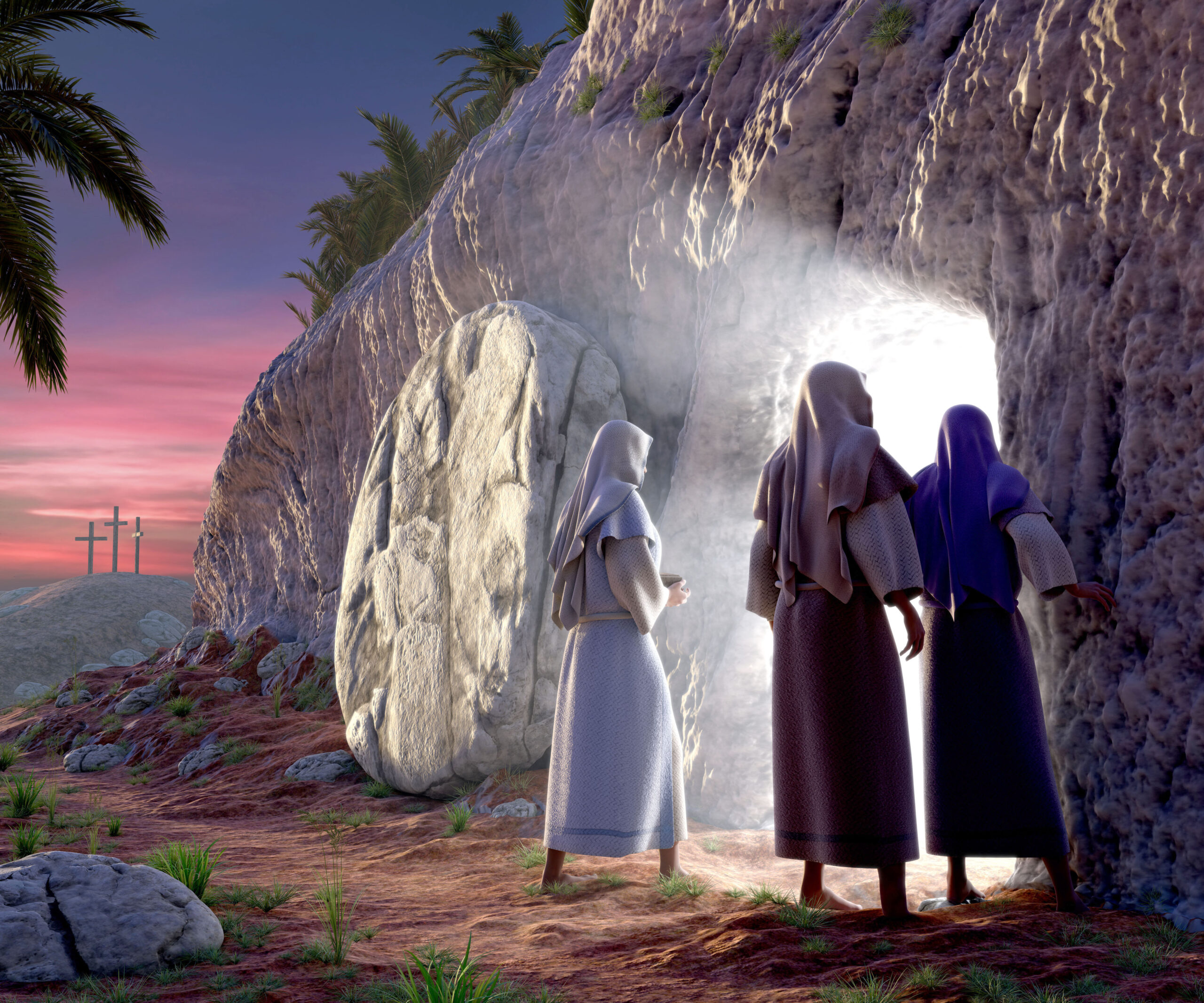
Early in the morning, two men ran towards Jesus’ tomb. They had been alerted by Mary Magdalene: “They have taken Him away.” The Disciple Jesus loved and Peter arrived at the tomb. The first disciples saw and believed; Peter saw but did not understand. These three people represent the community’s reaction before the empty tomb.
One saw only an empty space, another witnessed the reality without a deeper understanding of it, a third saw and comprehended. Eventually, they all came to believe in the Resurrection. The empty tomb became the sign of Jesus’ victory over death. Nothing can spoil that life, a life that is now communicated to us.
AN ENDURING HOPE
The third word is amarantos (unfading). This concept takes up the previous two and insists on the total novelty of Christ; a novelty that does not fear the test of time. God, our Father, offers a hope that cannot be attacked. While nature does fade away, God’s presence is real and continuous.
“This inheritance is kept in heaven for you.” This sentence may seem to point to a distant reality. Heaven, after all, is the abode of God. A place we cannot reach. In reality, Peter is speaking of our right to be in full communion with God. God created us with this master plan. He wants communion with each one of us. We can see that from the very beginning of revelation. In Genesis 1-2:4, we are told that God carefully prepared the universe and created the human being when everything else was in place. Then, and only then, He gathered all the hosts of heaven to be with them. The seventh day of Creation is a day of rest, a day of communion between God and His creatures.
In the following chapters, we are told how God liked to come and visit the first couple every evening. Even when the human being fell into sin, God remained faithful. He prepared garments for Adam and Eve, He gave a sign to Cain so that he would not be killed, and He gave humanity the rainbow – the sign of peace between earth and heaven. God continued to call the human being to enter into communion with Him. He sent the prophets to call His people back to Him. Finally, in Jesus, the Christ, God came in person to re-establish that communion so many times found and lost.
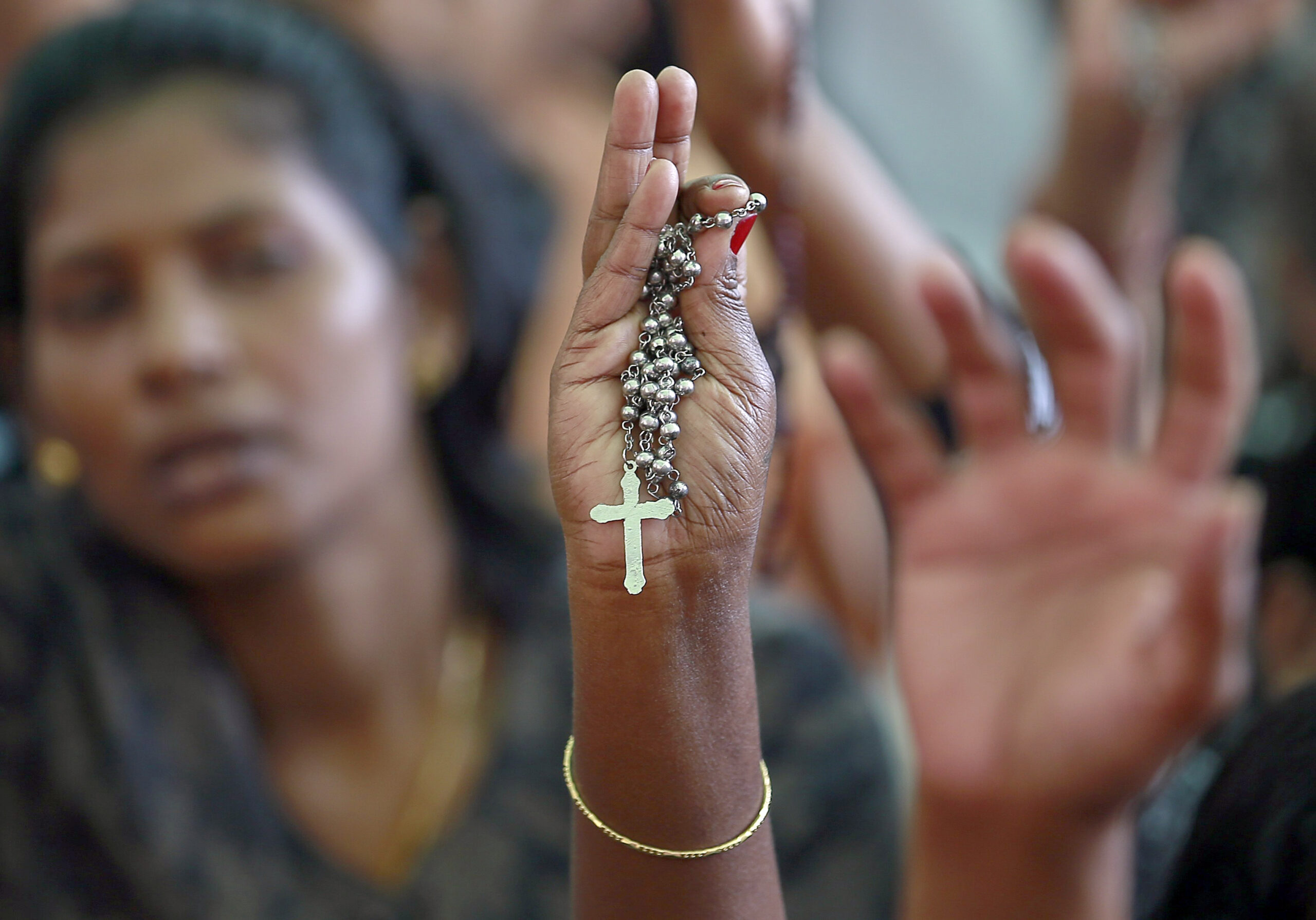
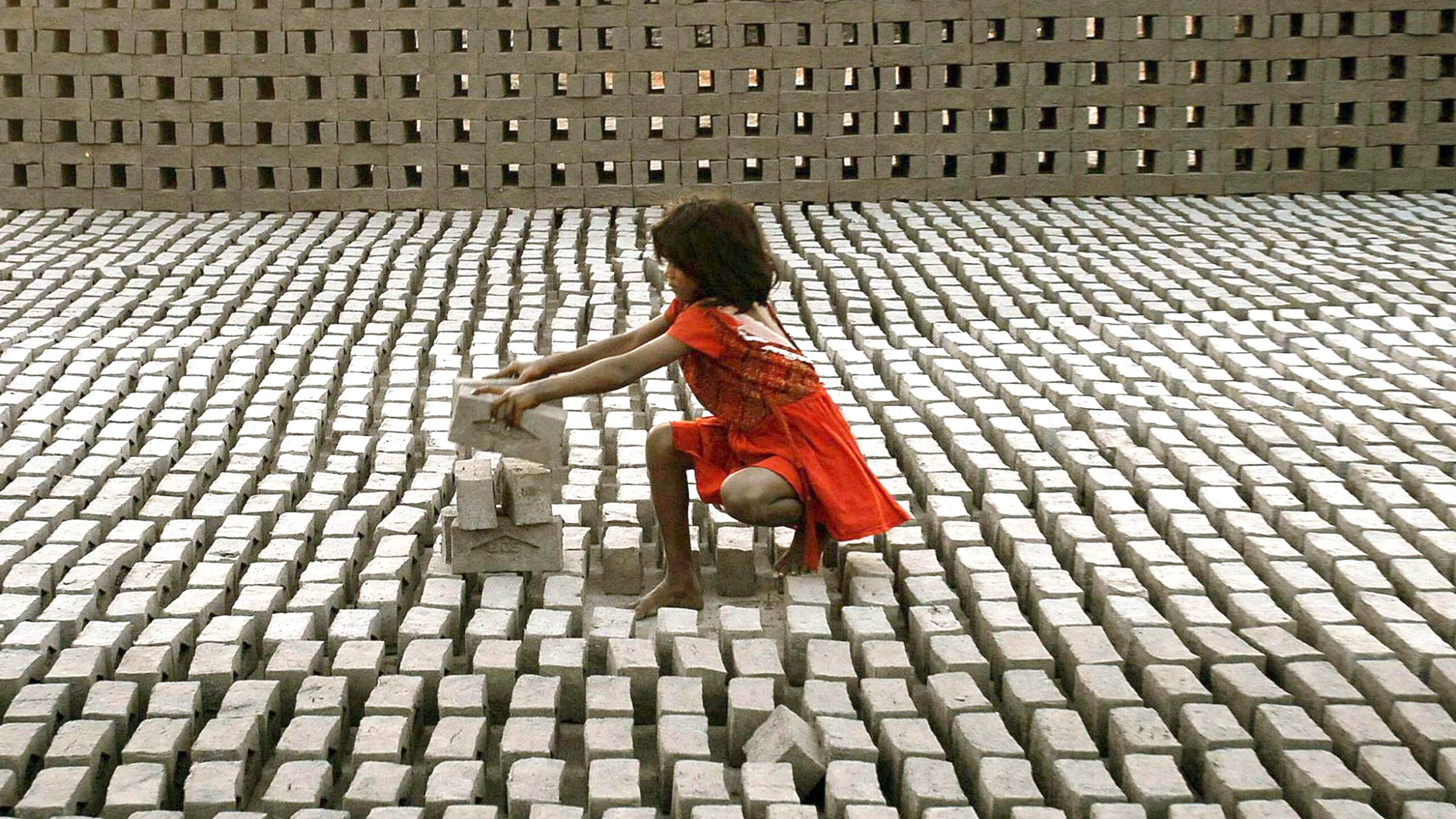
This passage of the letter of Peter speaks to us even today. Many communities do feel the oppression of unjust economic structures. Many Christians suffer persecution because of their faith. Others feel they are far from God and do not know how to reach out to Him. Peter tells us that the hope Jesus brought is not fading away. It is still available to all who want to start a journey of faith towards Christ. “Through faith, we are shielded by God’s power until the coming of the salvation that is ready to be revealed in the last time.”