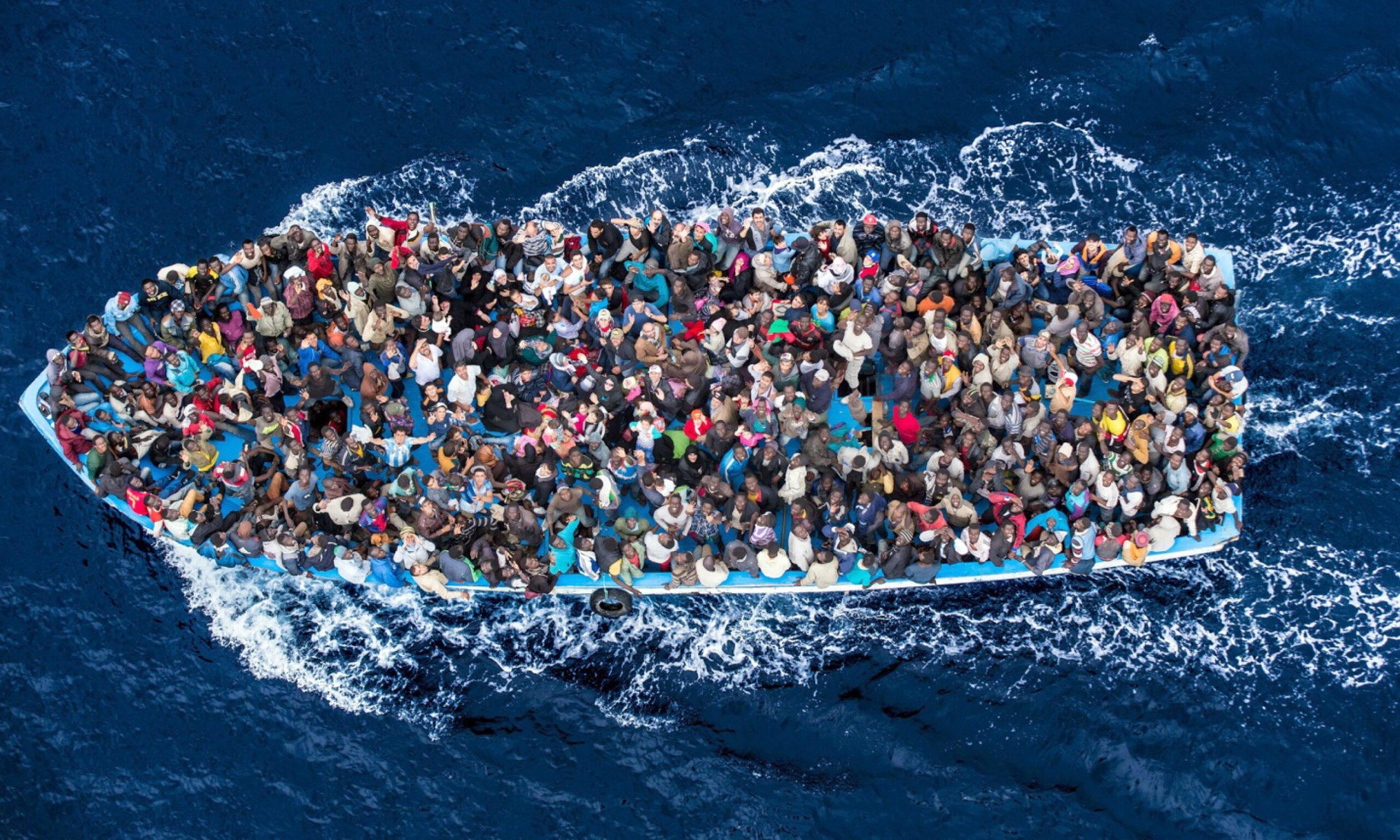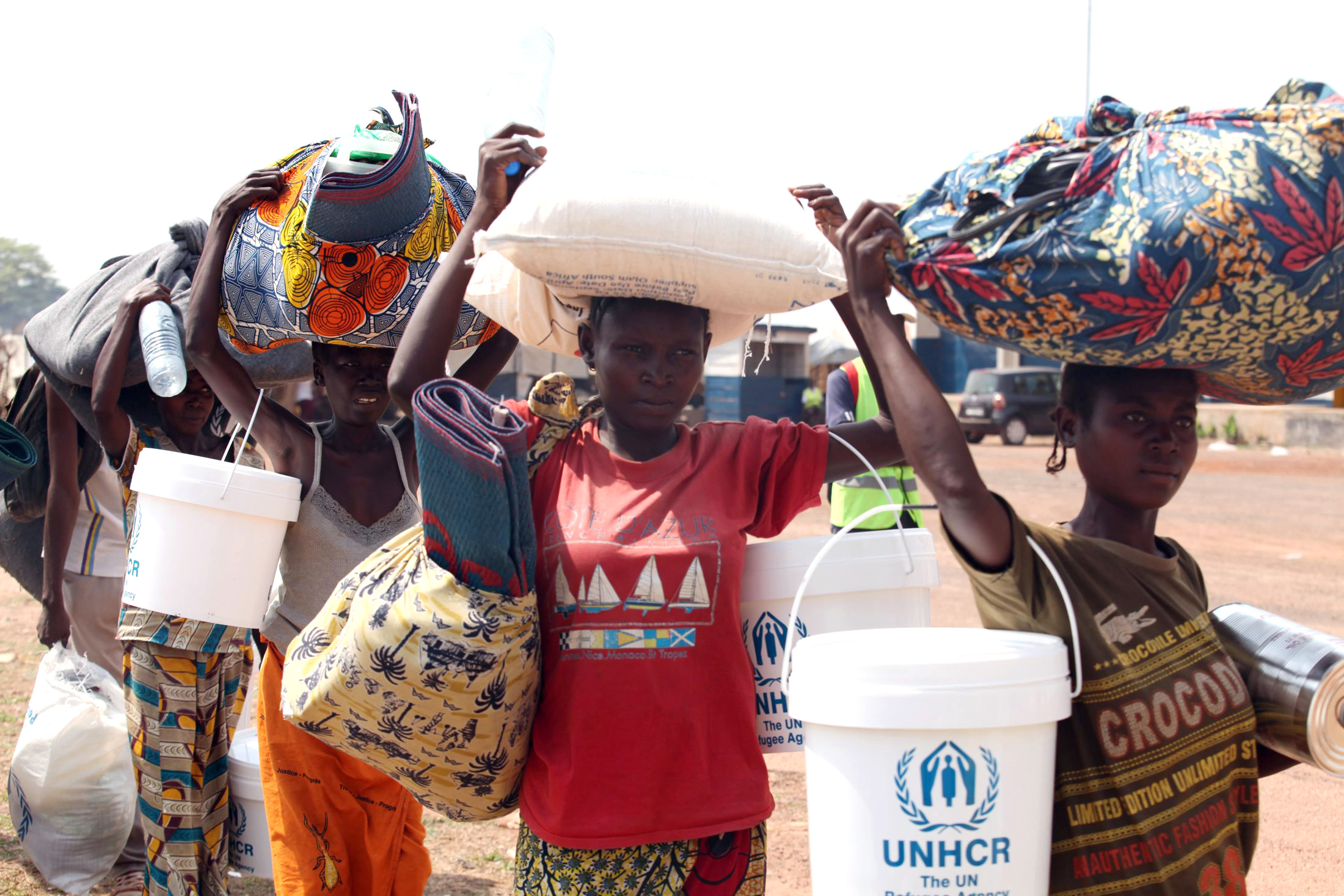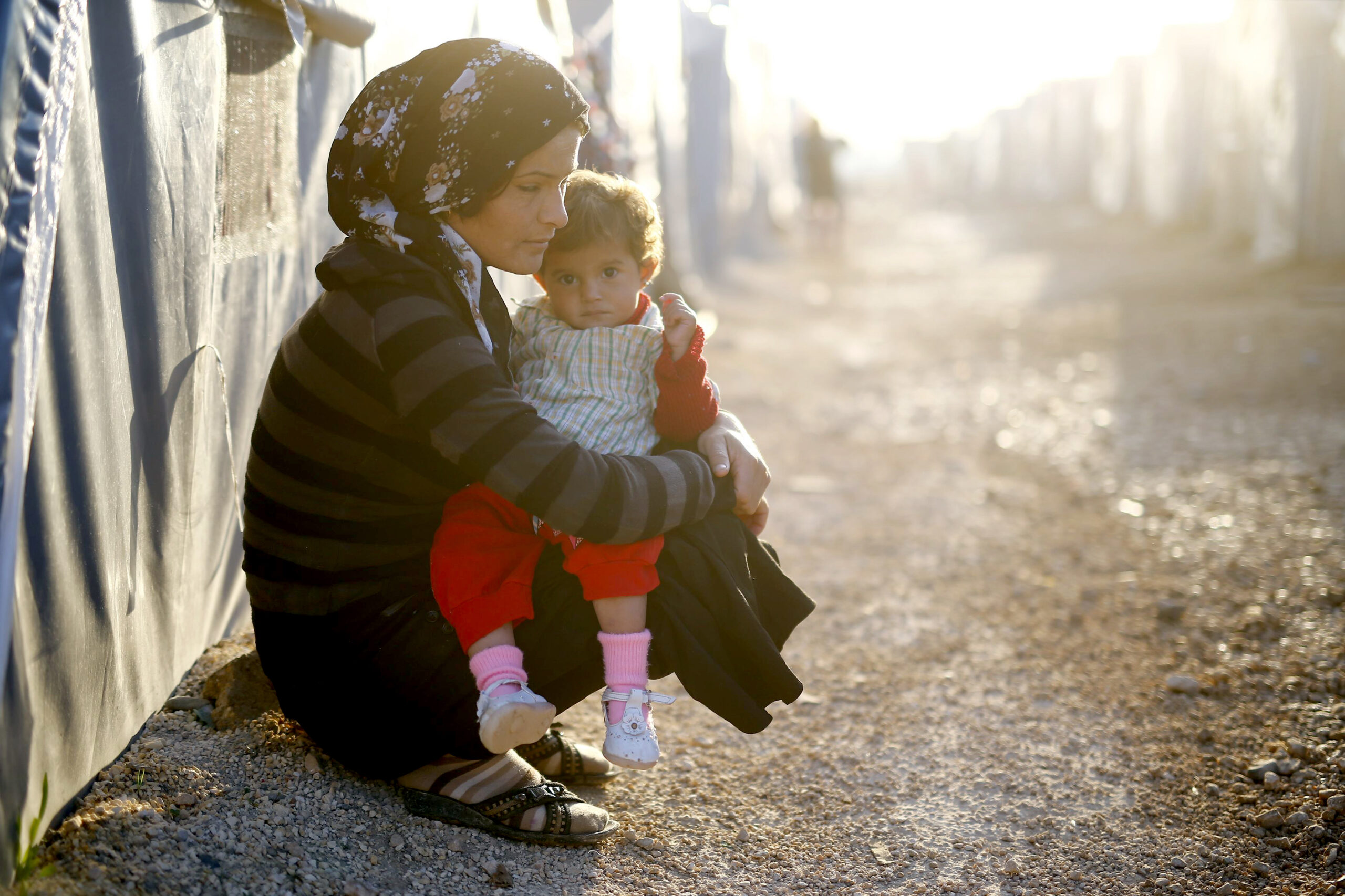

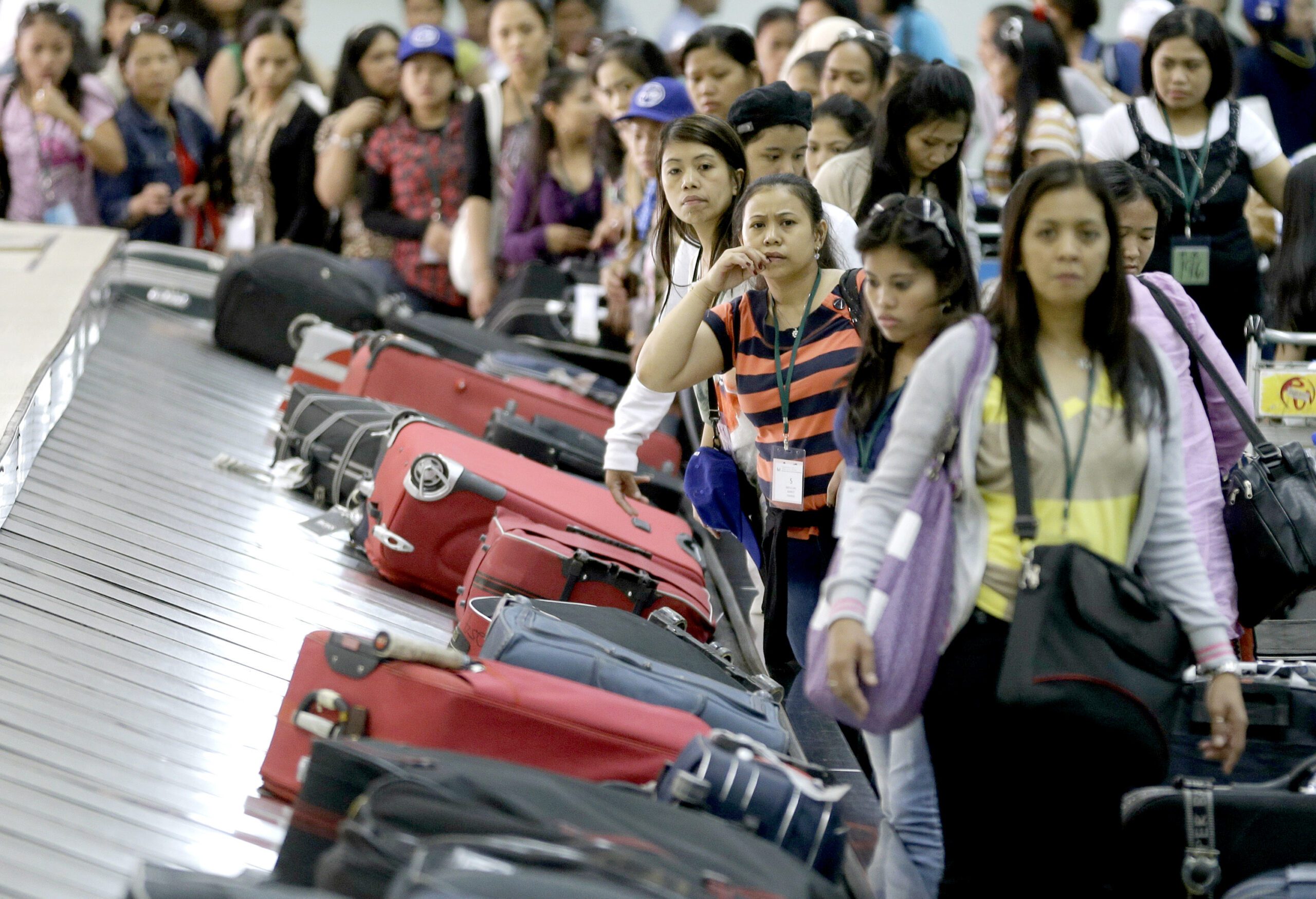
They continue to leave. It was forty years ago when the overseas labor program was introduced by then-president, Ferdinand Marcos. Since then, the number of overseas Filipino workers (OFWs) has constantly increased. In 2013, almost 1.5 million land-based workers (and 367,166 seafarers) left to work overseas – about 4,000 a day. It is true that two thirds of them were already working abroad and were just returning after some rest. Still the numbers are impressive; impressive, but not surprising. After all, in 1974, the population of the Philippines was 41.8 million and it has more than doubled, reaching 100 million. The economy has grown robustly in the last few years, but not enough to absorb the population entering the labor force. Therefore, labor migration will be with us for years to come.
They continue to leave and they go to many destinations. It is difficult to indicate a country in the world without Filipino workers. At the same time, 80 percent go to just 10 countries: the Gulf countries and then Singapore, Hong Kong, Taiwan and Malaysia. Thus, most OFWs remain in Asia, either Western Asia (about 60 percent) or Eastern Asia.
NOT A WALK IN THE PARK
They continue to leave, seeking a way to improve the economic conditions of their families. Overall, Filipinos overseas (a large community, involving also those who have established themselves in North America, Europe and Australia) remit an increasing amount of money to their families. In 2013, remittances reached US$ 22.9 billion. Many families have improved their living conditions, have better housing, can provide better education to children, and can plan their future with more confidence.
They continue to leave, but it is not a walk in the park. Sad stories about OFWs encountering difficult working conditions, sometimes trapped in situations of distress and maltreatment, sometimes escaping from abusive employers, and OFWs unable to return home because they have loans to repay, are reported in newspapers and social media. We also hear of OFWs caught in armed conflicts in countries like Libya and Syria, where a civil war continues to rage, or in places with risky conditions for health because of infectious diseases, such as in Western Africa.
SERVICE IN THE HOME
OFWs are employed in many different occupations abroad. Many have professional jobs, although the majority is involved in unskilled labor. For years, it has been observed that the number of women among OFWs was increasing. Women are the majority among those who leave the country for the first time or with a new contract.
Overall, the proportion between men and women is rather even. However, it cannot be ignored that, in 2013 and in the previous years, the two top occupations of OFWs were domestic workers and nurses – occupations which predominantly employ women.
Domestic work represents the quickest opportunity to find employment abroad. With developed economies absorbing an increasing number of women in the formal labor market, the care of the home, and also of children and elderly, is passed on to foreign workers. Filipinas find employment as domestic workers particularly in Hong Kong, Singapore, and the Gulf countries, in addition to countries in Europe. Among the new hires being deployed every year, 35 percent are domestic workers. Traditionally, this is considered an unskilled occupation, with probability of risky situations deriving from the fact that the work is done in the house of the employer and that the employment of a domestic worker carries a different meaning in different cultures. If, in some countries it is considered a job and is protected by labor laws, in other countries, like in the Middle East, domestic workers are considered servants, who should always be at the beck and call of the employer. Maltreatment can assume many forms, from the confiscation of the passport, to ensure that the worker will not leave the country before finishing the contract, to long working hours, no weekly day of rest, inadequate lodging and scarcity of food. Sometimes we also hear of horror stories involving violence and sexual abuse.
The Philippine government attempted to discourage the deployment of domestic workers. However, after the International Labor Organization (ILO) adopted the “Convention on Domestic Workers” in 2011, which the Philippines has ratified in 2012, the strategy is to professionalize domestic work through appropriate training and to ensure that they are hired as certified skilled workers, with a decent minimum salary and working conditions. The bilateral agreement signed with Saudi Arabia is considered a milestone in this regard as it ensures that domestic workers will earn at least US$ 400 a month. It is hoped that other countries, both at destination and origin, will follow suit.
SERVICE BEYOND THE HOME
The second occupation, in terms of numbers, deployed every year is that of nurses. The demand for health care professionals is also increasing in the developed countries. Philippine nurses look for employment, particularly, in North America and Europe. However, opportunities are not always available as attention must be given to national workers first, who can no longer be too choosy in the selection of employment, considering the loss of jobs created by the global crisis. The Middle East remains an important destination, while agreements with other countries, such as Japan, have not made much of an impact.
Skilled workers, such as nurses, are considered a protected category. They have solid contracts, higher salaries and employment benefits. After finding employment, they can be joined by their family, particularly in Western countries, and begin a new life abroad. Their number is much lower than that of domestic workers. (In 2013, 16,404 nurses were deployed compared with 164,396 domestic workers.) However, consequences for their departure are not less significant. Although the many nursing schools in the Philippines have produced an oversupply of nurses, those who leave have experience and qualifications that cannot be immediately replaced, raising concerns on the quality of health care in the country.
Domestic workers and nurses are mostly Filipino women on the move who aspire to improve the lives of their families. Technically, they are service providers. In fact, they bring to the world the passion and skills of caring for others, one of the best traits of Filipino culture. All this is not without cost. While caring for the families of others, they have to leave their own families in the hands of someone else. In general, this is sufficiently provided for by the extended family. Sad stories also surface among the families left behind, e.g., children who become dependent on remittances and do not value the sacrifice of their mothers, or husbands who engage in other relations leading to the dissolution of the family.
OPPORTUNITY
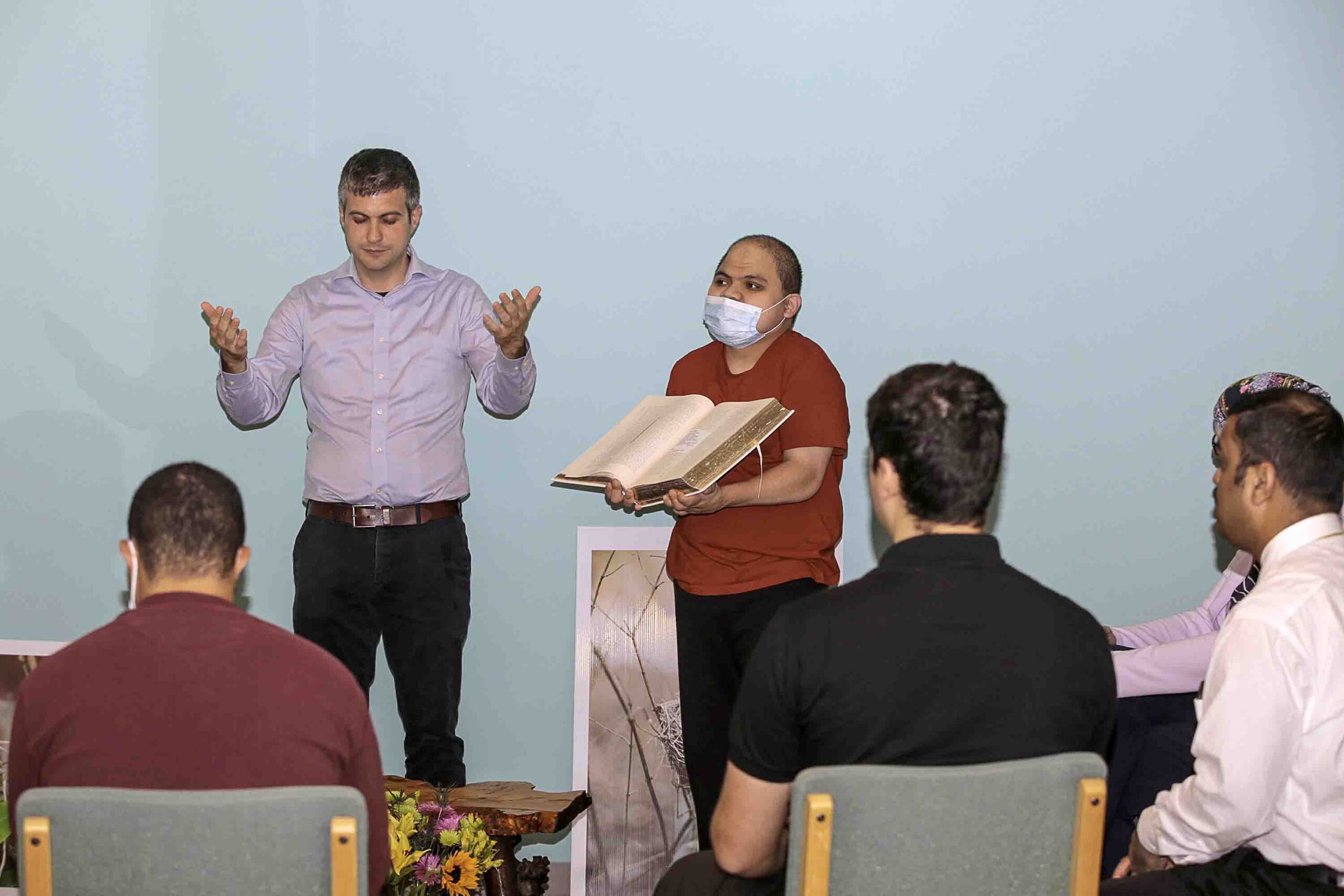
Migration is an opportunity and for those who are willing to engage in it, it is an opportunity that should be made available ensuring the necessary protection that migrants deserve. It is also an opportunity to broaden horizons, to encounter people with different language, customs, culture – an opportunity to witness faith in a pluralistic context. For many migrants, benefits outweigh costs. But costs are there and sometimes it should be asked whether the gains of migration are worth the costs that migrants and their families have to pay for. It is not just a question for the migrants themselves but for all people concerned with the growing disparities that our model of development creates and which forces people to leave their home for an uncertain destiny abroad.