
Between April and May, a plenary session of the Pontifical Academy of Social Sciences entirely dedicated to the theme “Crisis in a Global Economy. Re-Planning the Journey” took place in Rome. The work followed the indications offered by Benedict XVI himself to the assembly, and concluded that the crisis has shown the error of thinking “that the market is capable of regulating itself, apart from public intervention and the support of internalized moral standards.” “This assumption,” said the chairlady of Pontifical Academy, Mary Ann Glendon, “is based on an impoverished notion of economic life as a sort of self-calibrating mechanism driven by self-interest and profit-seeking. As such, it overlooks the essentially ethical nature of economics as an activity of and for human beings.” From that comes the need for greater public intervention to “ensure greater transparency in financial instruments and avoid moral risks and problems arising from bailouts.”
The current economic crisis had its roots in the financial sector (To understand better the turmoil that is spreading around the world, see the excellent work published in en.wikipedia.org/wiki/Financial_crisis_of_2007–2010 – Editor’s note). Mary Ann Glendon added: “One invited speaker, Dr. Luca Cordero di Montezemolo, Chairman of Ferrari and Fiat, former president of Confindustria, spoke of a shift from an economy based on the real production of goods to an economy dominated by speculative activities driven by greed. The fragility of the economic system was partly a consequence of an overreliance on speculative financial activities separated from productive activity in the real economy. Two members of our Academy, Professor Margaret Archer and Professor Partha Dasgupta, spoke more broadly of the danger of the “financialization” of human relations, in which human activities, even in the family, are reduced to a merely commercial dimension. One of our guests, Professor Stefano Zamagni, pointed out the danger of thinking even of business firms in this way, where the corporation ceases to be an association of persons and become a commodity instead. Such a “financialized” approach to the social order not only narrows the vision of the human person, but creates instability in the economy.”
INVEST IN HUMAN CAPITAL
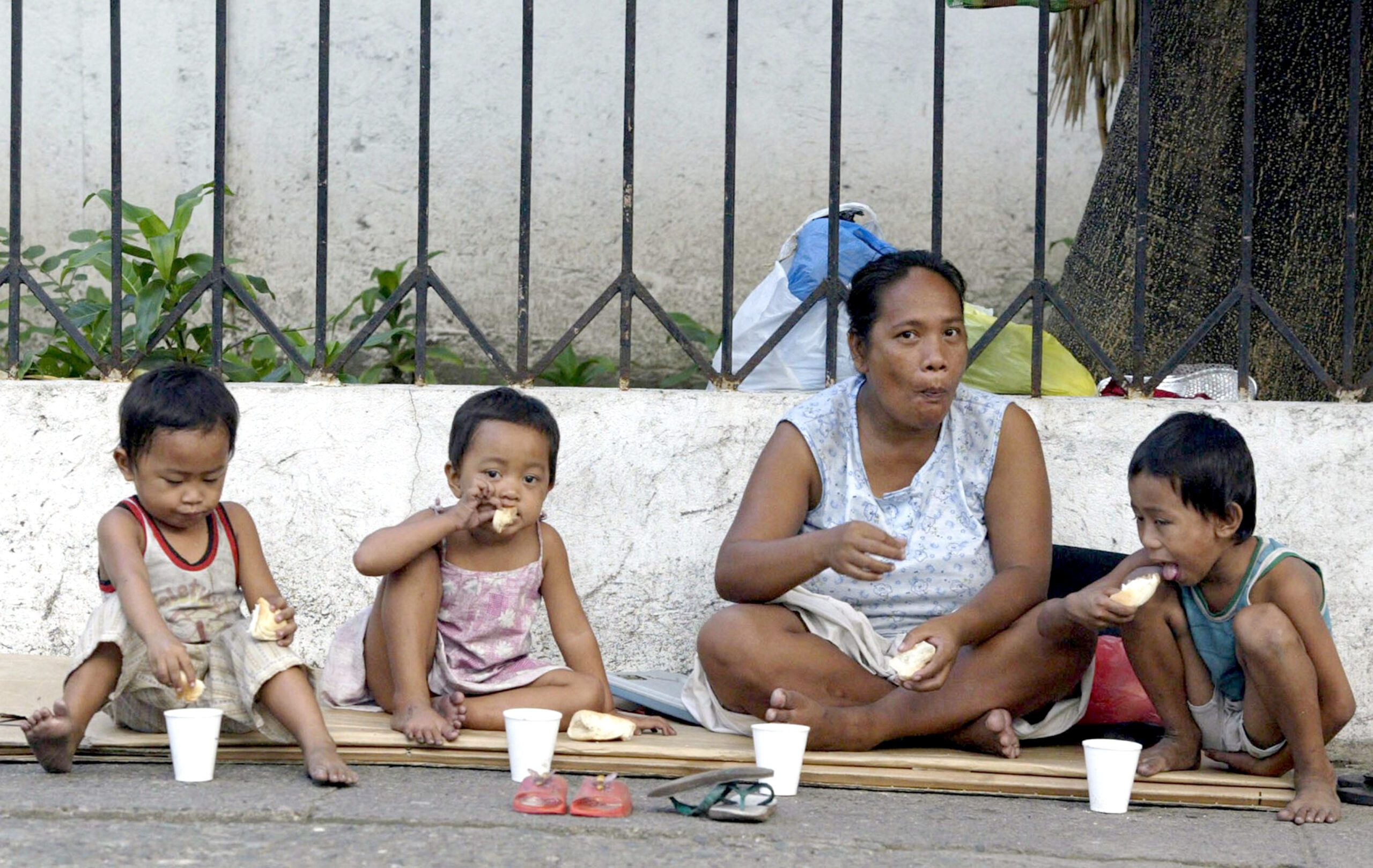
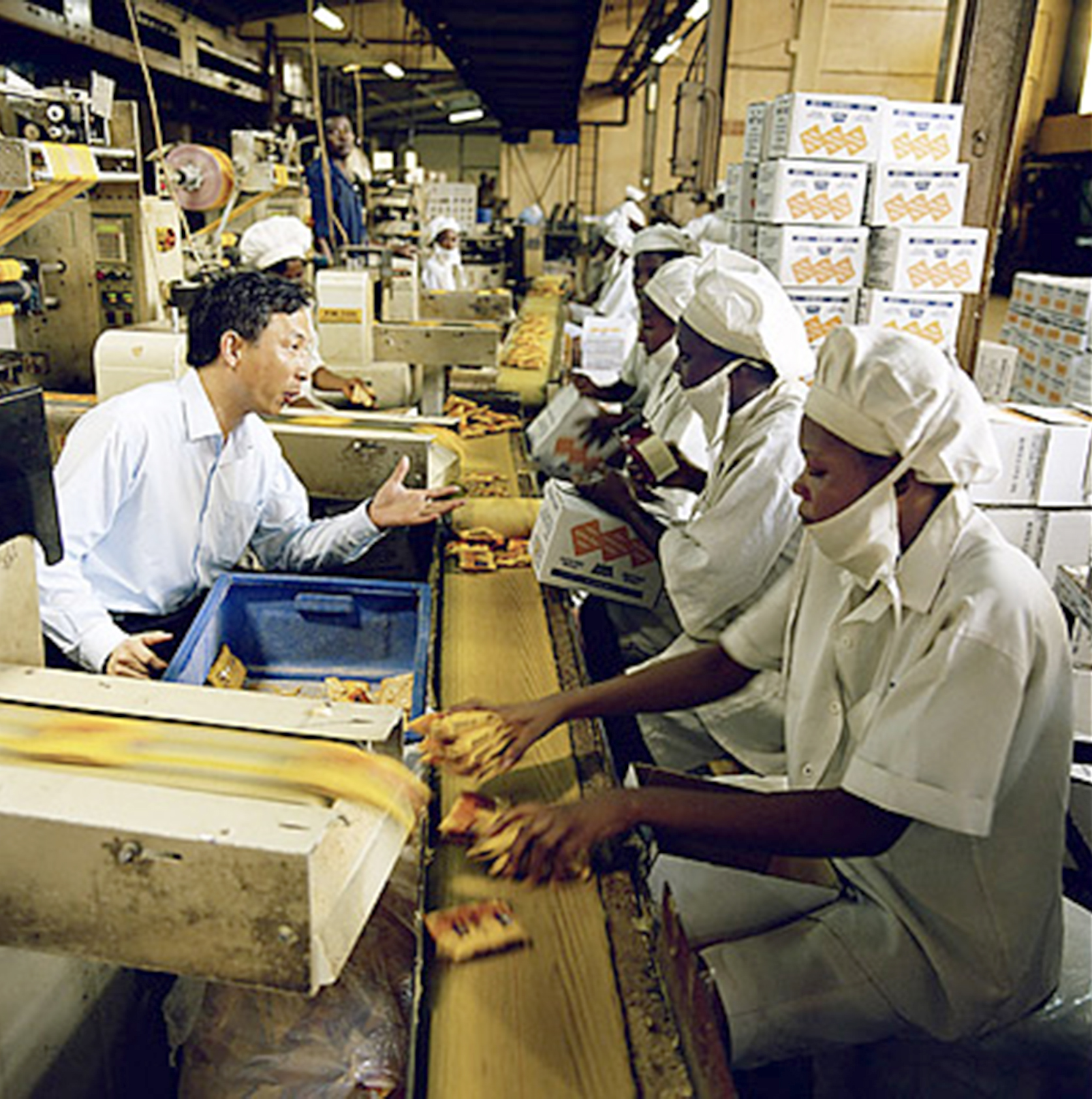
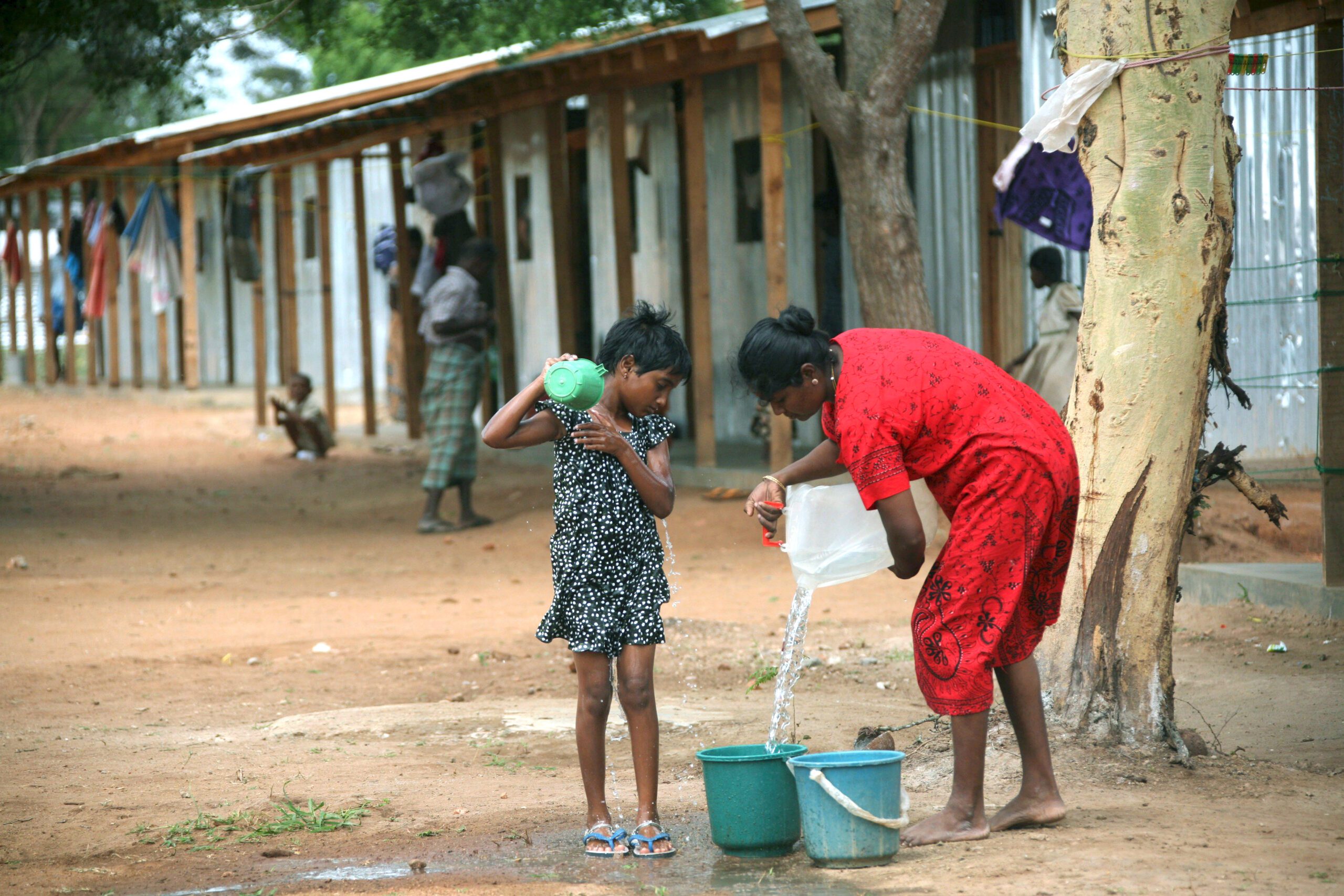
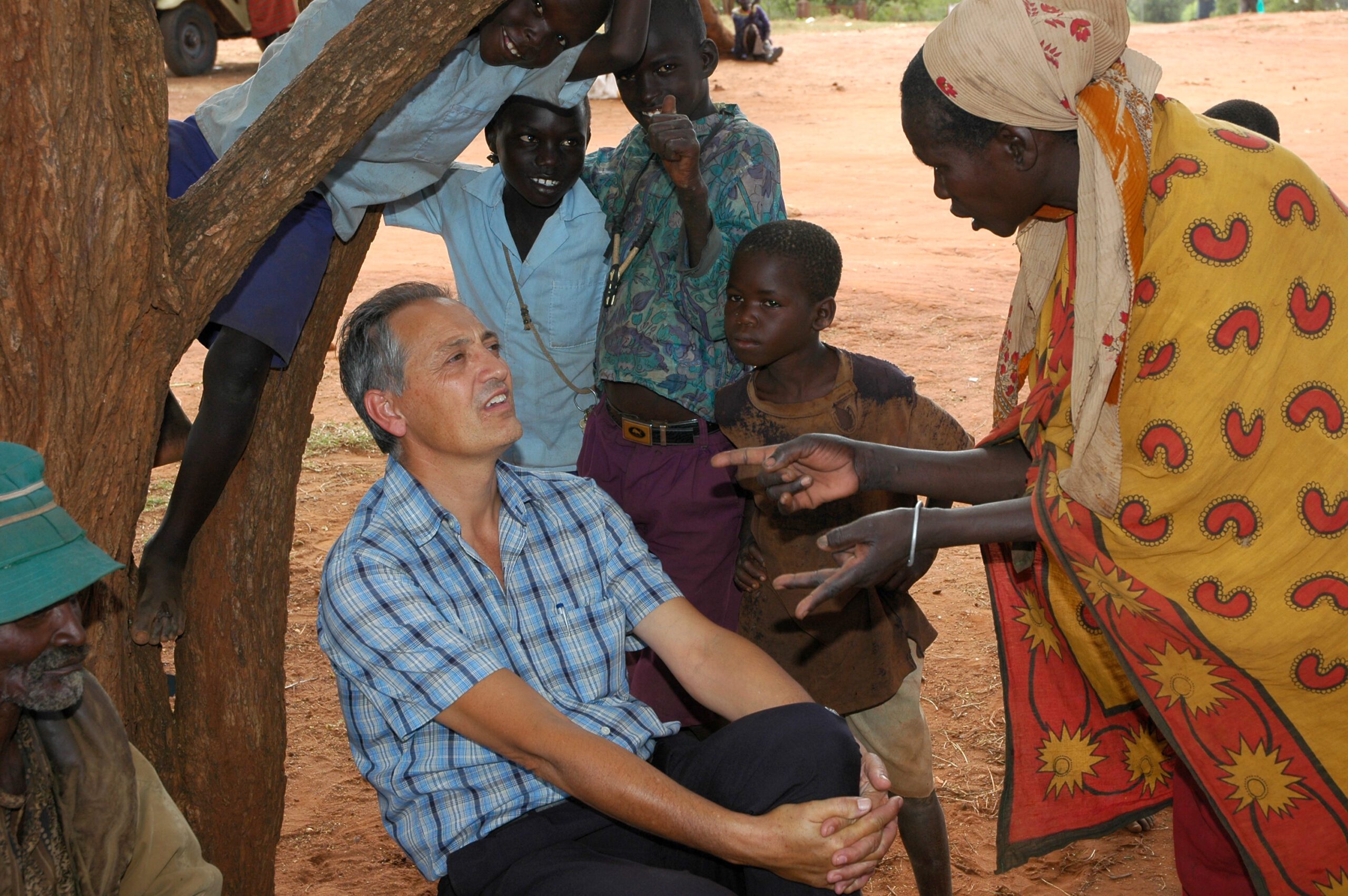
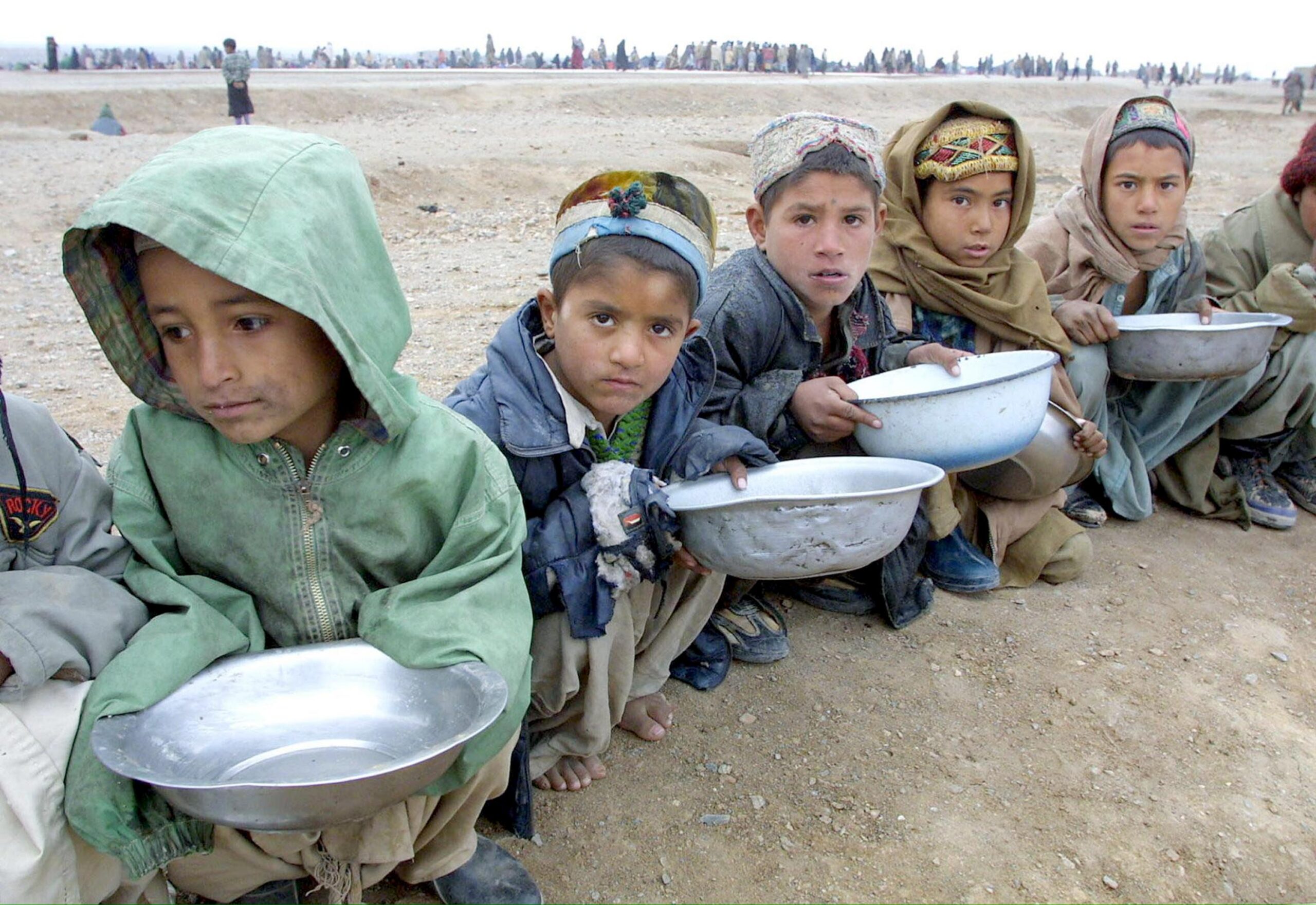
The “most vulnerable,” i.e. poor countries, suffered most the consequences of this crisis. “For the first time, our world will soon have 1 billion malnourished people. If one compares the relative cost of the financial bailouts to the amounts needed for basic nutrition, for example, one cannot avoid the conclusion that this crisis has distracted greatly from urgent questions of development.
In our attention given to questions of hunger and health, the Academy stressed also that meeting basic needs, especially of children, beginning in the womb, makes a decisive contribution to economic productivity. A focus on financial instrument reform should not distract from basic development policy and investment in rudimentary human capital – nutrition, health and basic education.” The assembly, Glendon added, “took place during the Greek crisis, indicating that the questions we examined were as relevant as the daily headlines.”
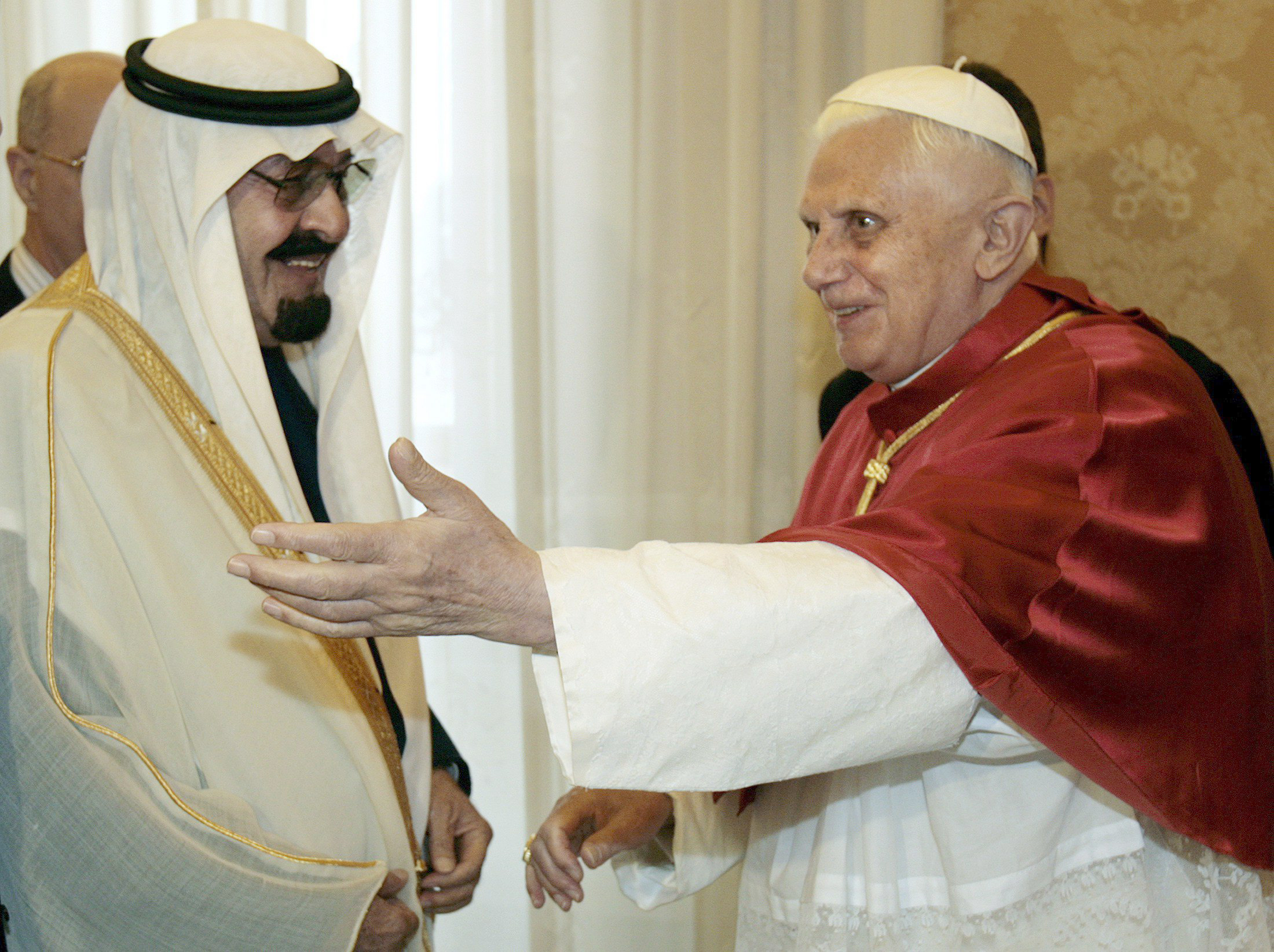
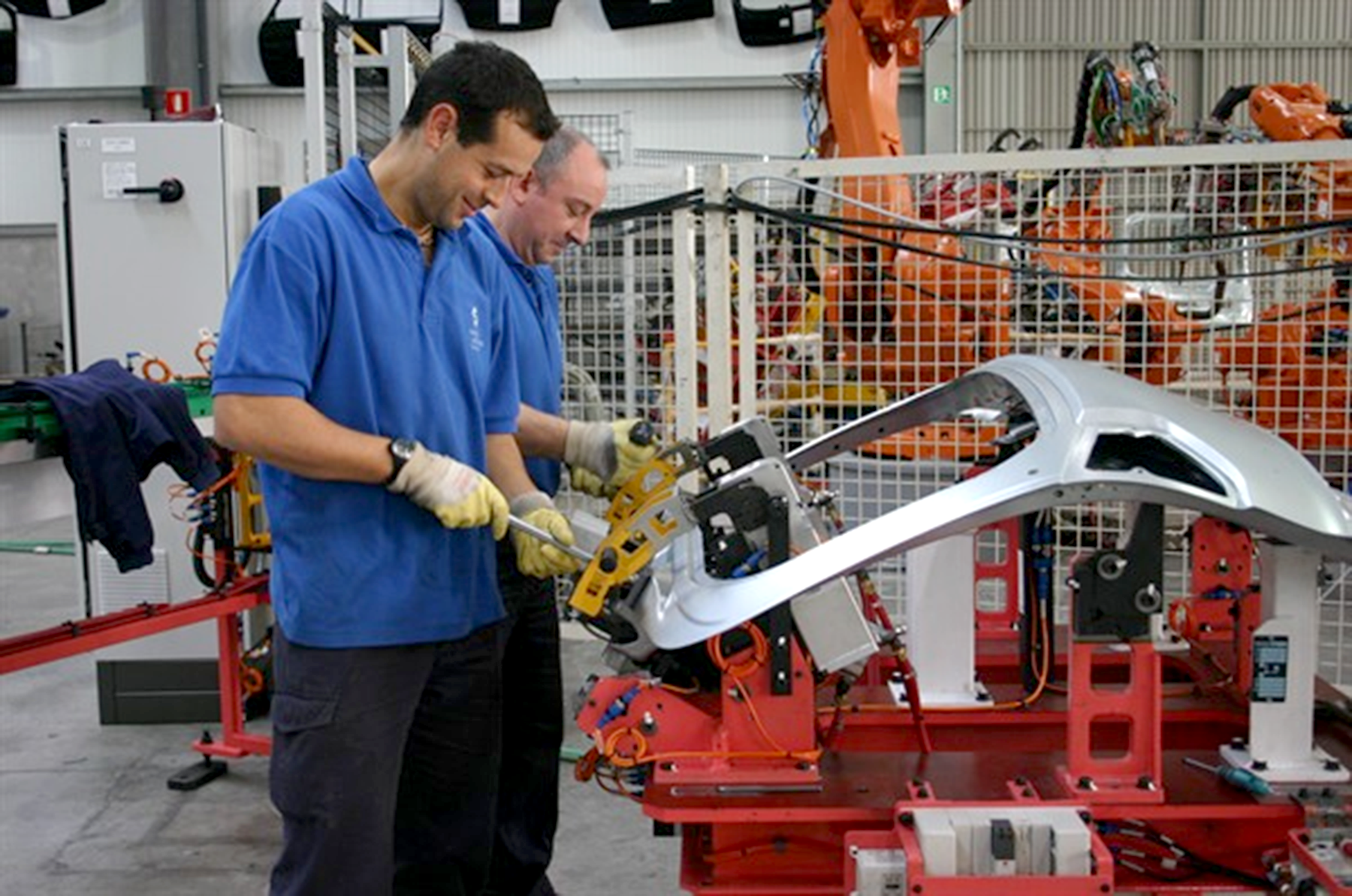
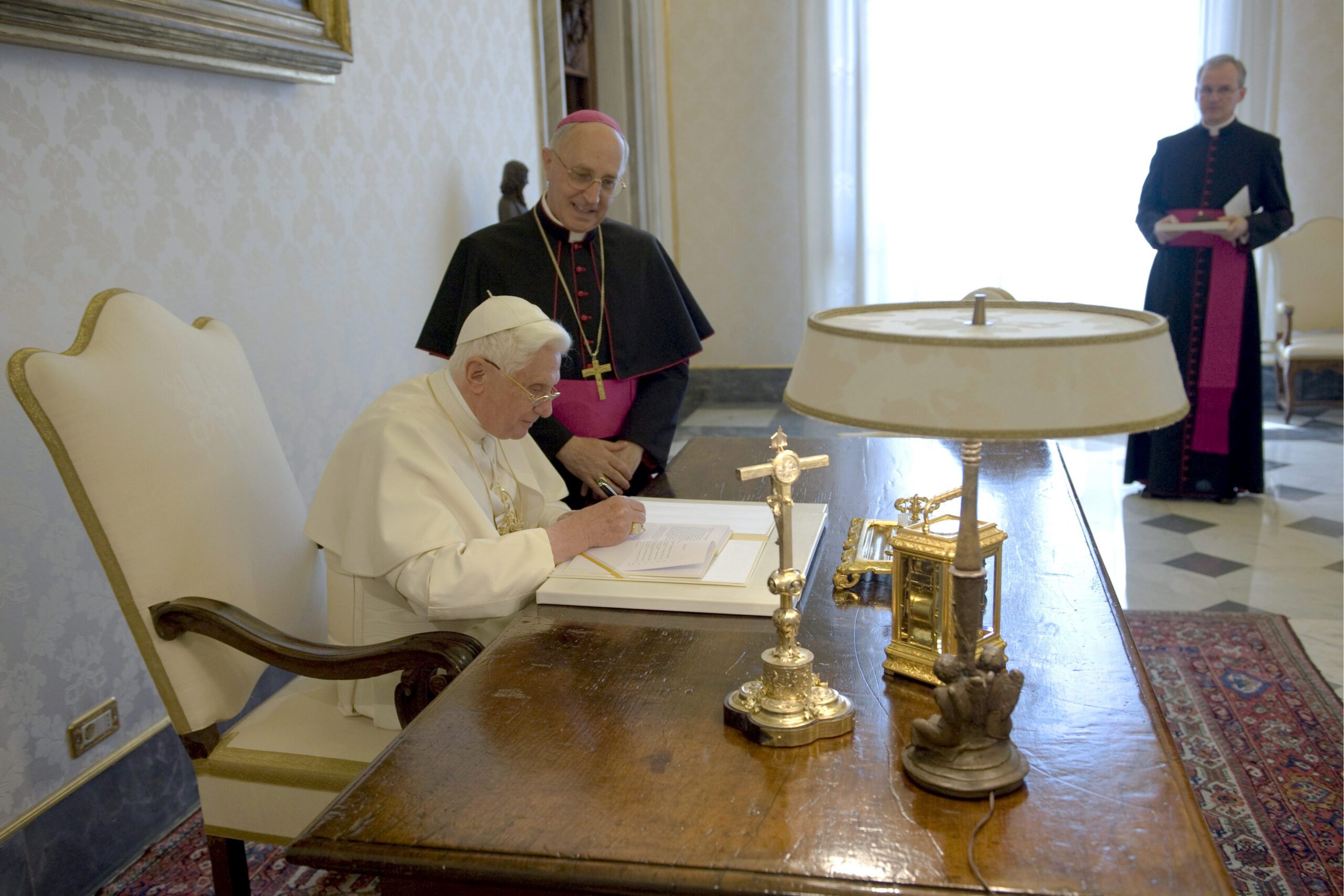
The Pope is visibly worried with this state of affairs. In a meeting with members of the Union of Industrialists and Enterprises in Rome, he took the opportunity to highlight a few points, particularly the role of the entrepreneur and company ethics. He said: “Everyone knows how many sacrifices are needed to open or keep a business on the market, as a ‘community of people’ that produces goods and services and that, therefore, does not have profit as its sole purpose, however necessary.” In the community approach, therefore, “it is important to know how to overcome that selfish and materialistic mentality, which suggests to divert investment from the real economy to privilege its use on the financial markets, with a view to making an easier and faster profit. Let me remind you that the safer paths to counter the decline of the business system in the local territory is to, instead, become involved in the reality of your local social network, in research and innovation, not by practicing unfair competition between companies, not by forgetting your social duties but rather by stimulating a productivity of quality to meet the real needs of people. There is proof that the health of a company depends on its attention to all the subjects with which it has to develop relationships, from the ethical value of its project and its activities.”
A SUSTAINABLE DEVELOPMENT
More recently, in late November, on the run up for the G20 summit in Seoul and the APEC summit in Japan, Benedict XVI called for a “profound reform” of the world economy. The Pontiff said he was concerned that the current economic crisis would tempt richer nations to forge alliances at the expense of poorer ones. Addressing the faithful from his study window overlooking Saint Peter’s Square, he spoke of what he believes is wrong with the world’s economy and how nations might emerge from the crisis. The Pope said the current economic crisis has to be taken with great seriousness. He added that the crisis has numerous causes, sending a strong call for a profound reform of the global economic development model.
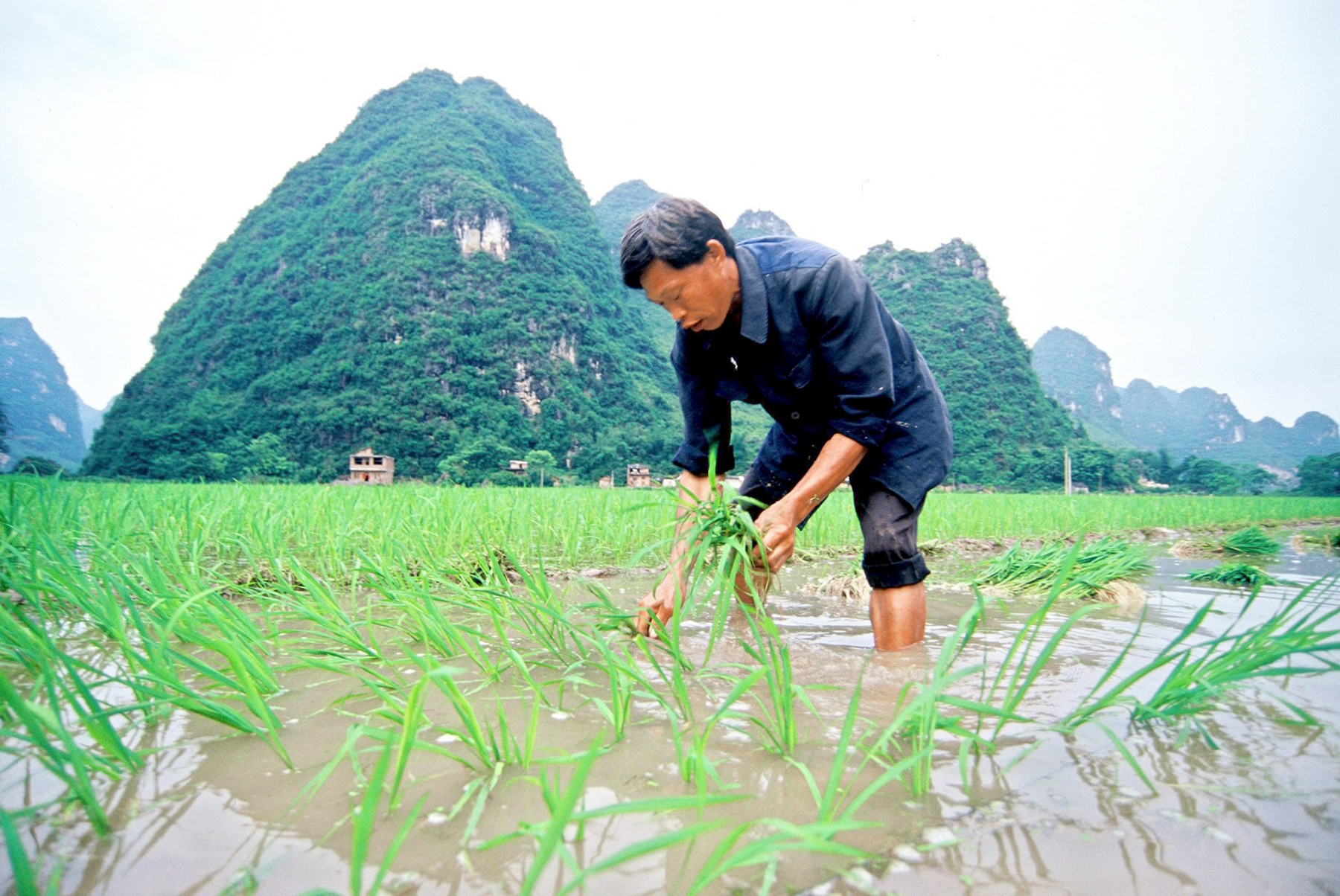
The Pope also called for a revival of farming to help the victims of the global economic crisis. He said a strategic revival of agriculture appears crucial. He added that the moment has come for a re-evaluation of agriculture, not in a nostalgic sense, but as an indispensable resource for the future. Pope Benedict also warned that, despite the economic crisis, long-industrialized countries are promoting lifestyles that are dominated by unsustainable consumerism. And asked for a new equilibrium among agriculture, industry and services so that development can be sustainable. www.asianews.it / www.zenit.org. Edited by Manuel Giraldes