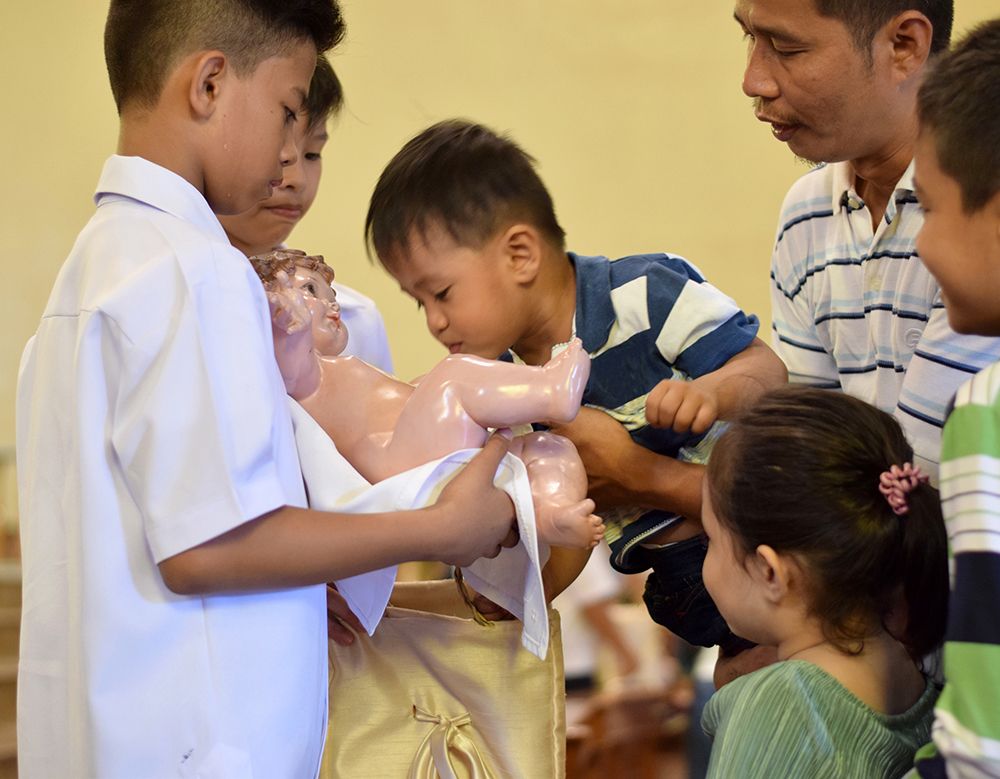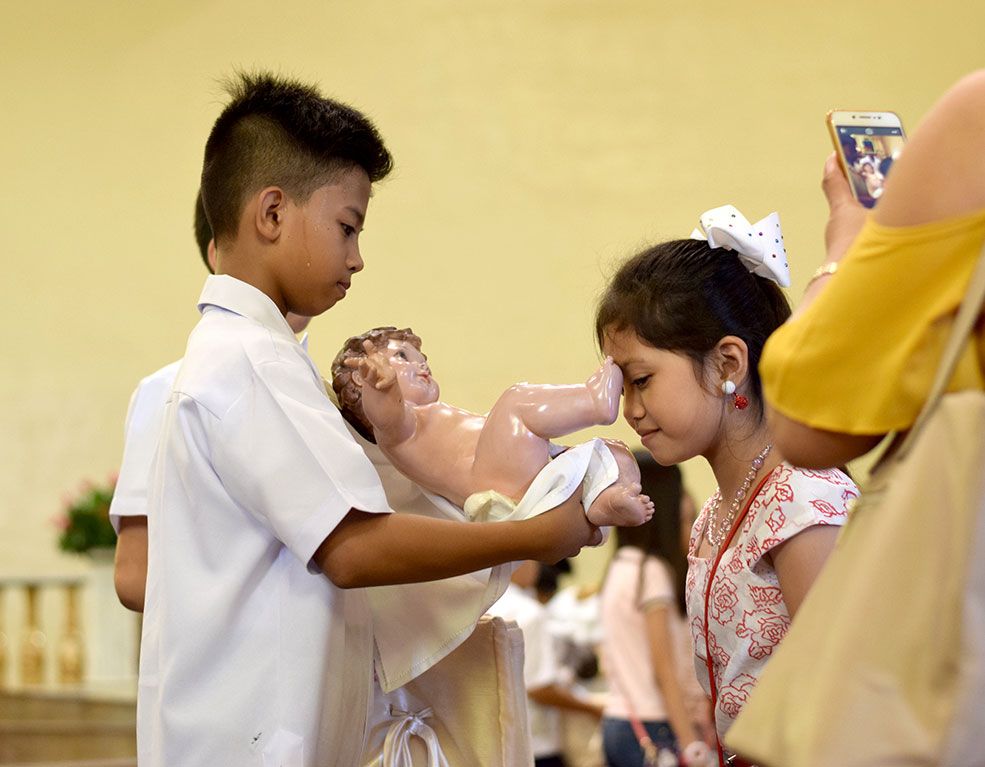

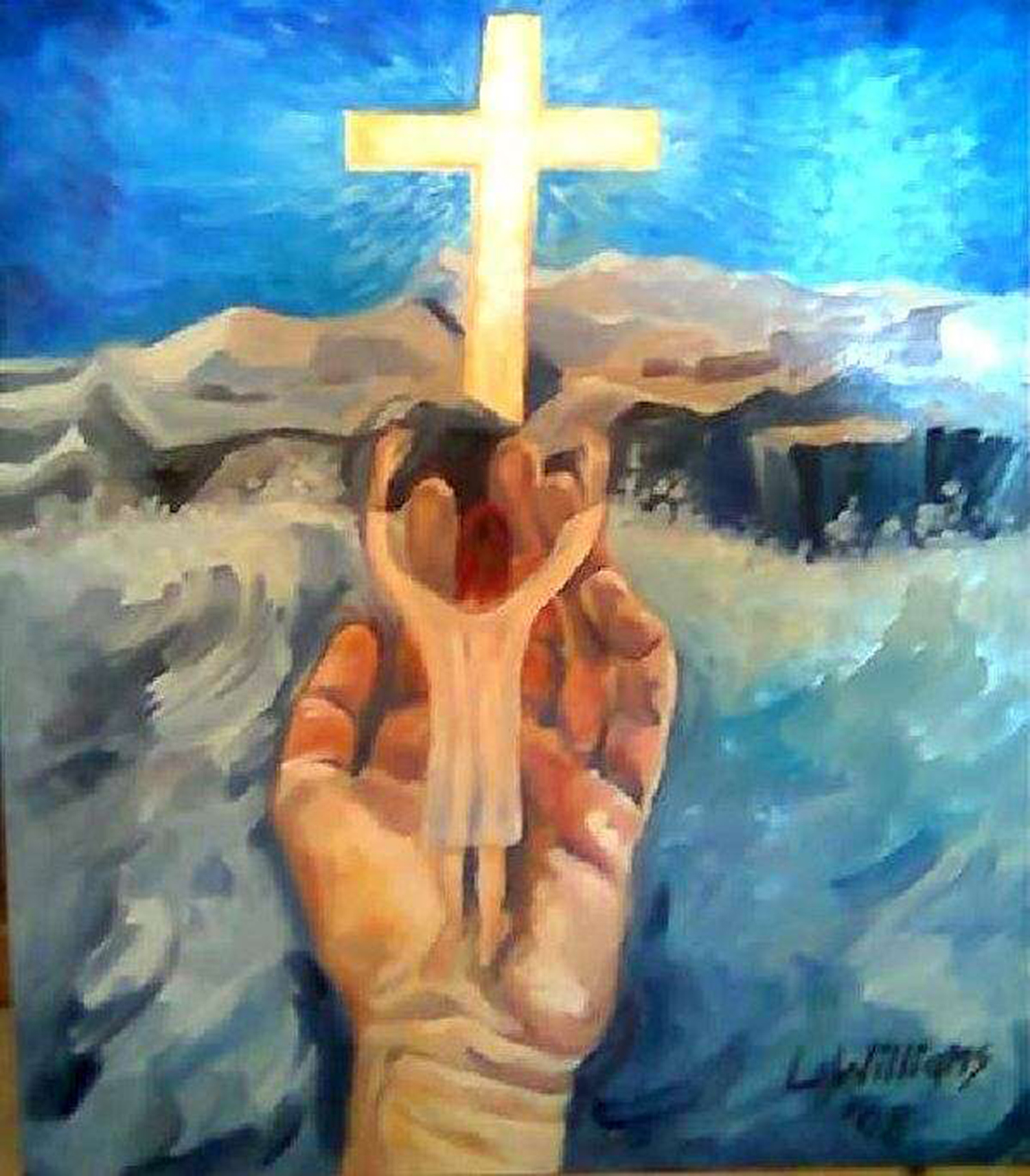
We are still in the liturgical season of Christmas. Almost every day, in the celebrations, salvation is proclaimed: “Salvation is at hand; the Savior is about to come; rejoice …; today, in the city of David, a Savior has been born for you” (Lk 2:11). Simeon in the temple welcomes the Infant Jesus, Mary and Joseph with the words: “my eyes have seen Your salvation” (Lk 2:30). A good question might arise: What did they mean, and first and foremost, what do we actually convey when we assert salvation?
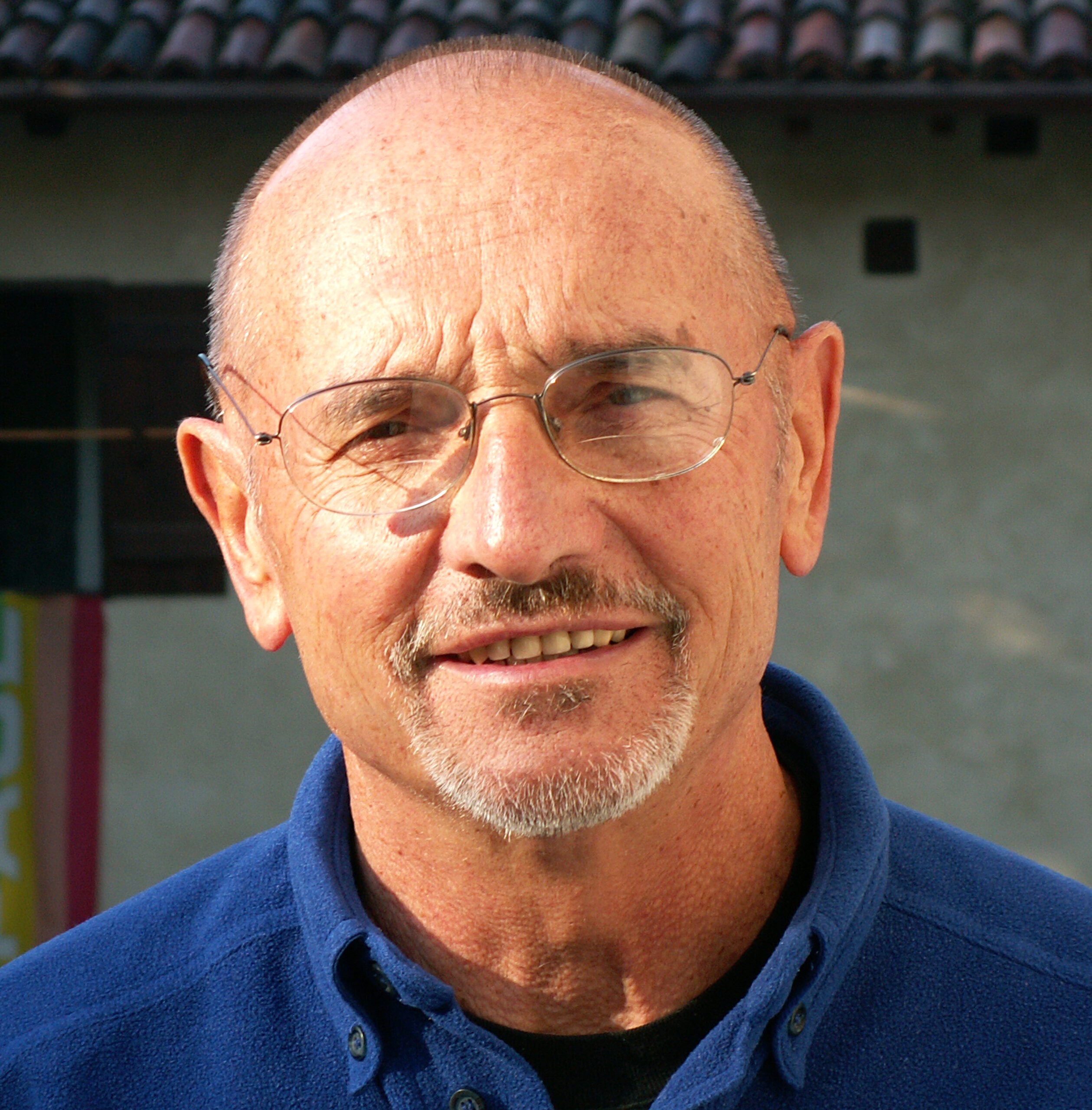
One year ago, I underwent a cancer operation. I found myself in the ward of a hospital for cancer-affected patients. I had never thought that one day I would have entered there to be operated upon and then subjected to long months of chemotherapy. When you are diagnosed with cancer, the future becomes immediately uncertain. In the way of the cross of the chemotherapy, I joined many other patients; one improves and another deteriorates, one fully recovers and another dies. In your body, you spot undesired side effects: bone pains, falling of hair, vomiting, diarrhea…
Salvation in that very context meant by all means healing! First and foremost, the halting of the process of the tumor devastating one’s body and one’s psyche with the danger of becoming despondent, discouraged, maybe rebellious against God and life. I thought a lot about salvation in that very context! Salvation is liberation from physical sickness and from a weary heart endangered by isolation, pessimism, mood and anger. One makes out immediately that salvation means many things. It is one word fraught with a variety of aspects touching all dimensions of the human mystery: body, heart, mind, feelings and spirit. One is saved when all of them are positively harmonized and the person feels good.
THE HERE AND THE HEREAFTER
When I was a child, my parish priest was talking a lot about salvation in the catechism. For him, salvation meant salvation of the soul, paradise after death. We children were repeating by heart: “Only one soul we have. If we lose it, what will be?” Damnation and hell were the opposite of salvation and paradise. Damnation meant a situation of life far from God, with tremendous physical suffering because of fire. Our fantasy was stirred by many paintings in the churches with the souls in the excruciating torment of being burned alive. Salvation and damnation were hereafter! Salvation had to be merited by being charitable, patient with your crosses, keeping the sixth commandment, by discharging our own duties and by reciting the daily prayers of the Christian and attending the Sunday Mass.
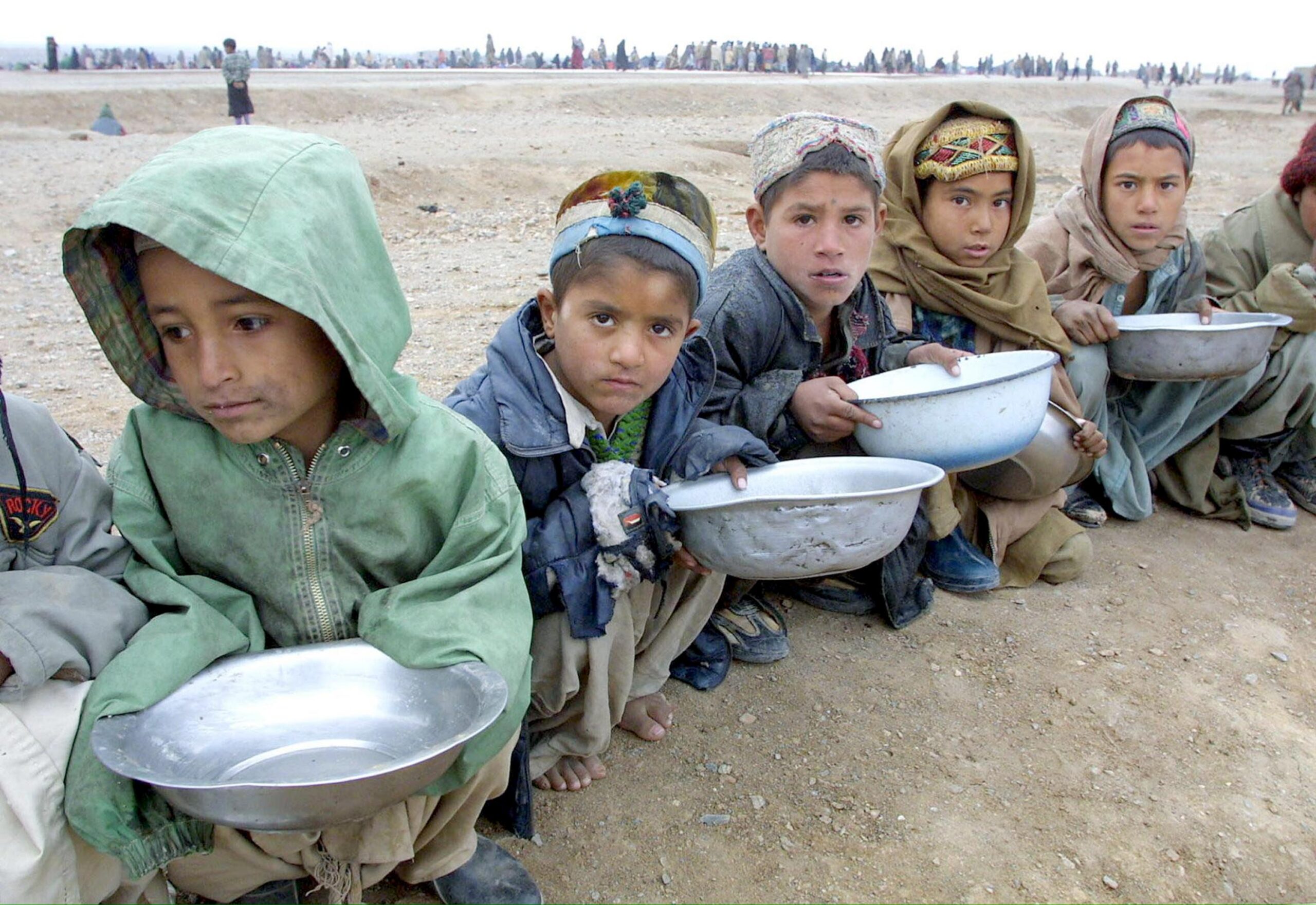
At the university, I encountered Karl Marx. For him, belief in salvation of the soul was alienation. Salvation, as an event of hereafter, was denounced as a tool to plunge the poor into a slumber with the hope of a future reward. The future beatitude was a ploy of the rich, the exploiters, the capitalists to silence and to keep the poor submissive and passive by stifling their hunger for justice and the instinct of rebellion against impoverishing systems. I started to feel uneasy with that concept of salvation of the Catechism! It seemed to me that the transfer of betterment of life in the hereafter, could actually water down the urges of transformation in the poor. Indeed a kind of opium to keep the masses in a state of slumber.
In the sixties, I got hold of Mater et Magistra, the first social encyclical of John XXIII and with it I came in contact with the full range of Social Doctrine of the Church. My concept of salvation started positively evolving under the urge of the Social Teaching, coupled with the stimuli of a new way of reading the Bible proposed by Vatican II in Dei Verbum and by the new vision of the relationship between the Church and the World amply elaborated in Gaudium et Spes. Last but not least, the Latin American Theology of Liberation convinced me that there cannot be any salvation without a deep and holistic experience of liberation from all types of evils: spiritual, psychological and physical, personal and social, starting from this life. Often liberation started replacing the most traditional word: redemption.
The future salvation in paradise should not be taken as an excuse to lessen our own commitment to ameliorate the human conditions of life and to do away with injustices. The Kingdom of God, whose values are faith, justices, solidarity, dignified conditions of life, is to be experienced in this world as well. Gaudium et Spes (No. 39) strongly asserts that steadfast commitment to development and progress doesn’t contradict the hope of the fullness of life in paradise.
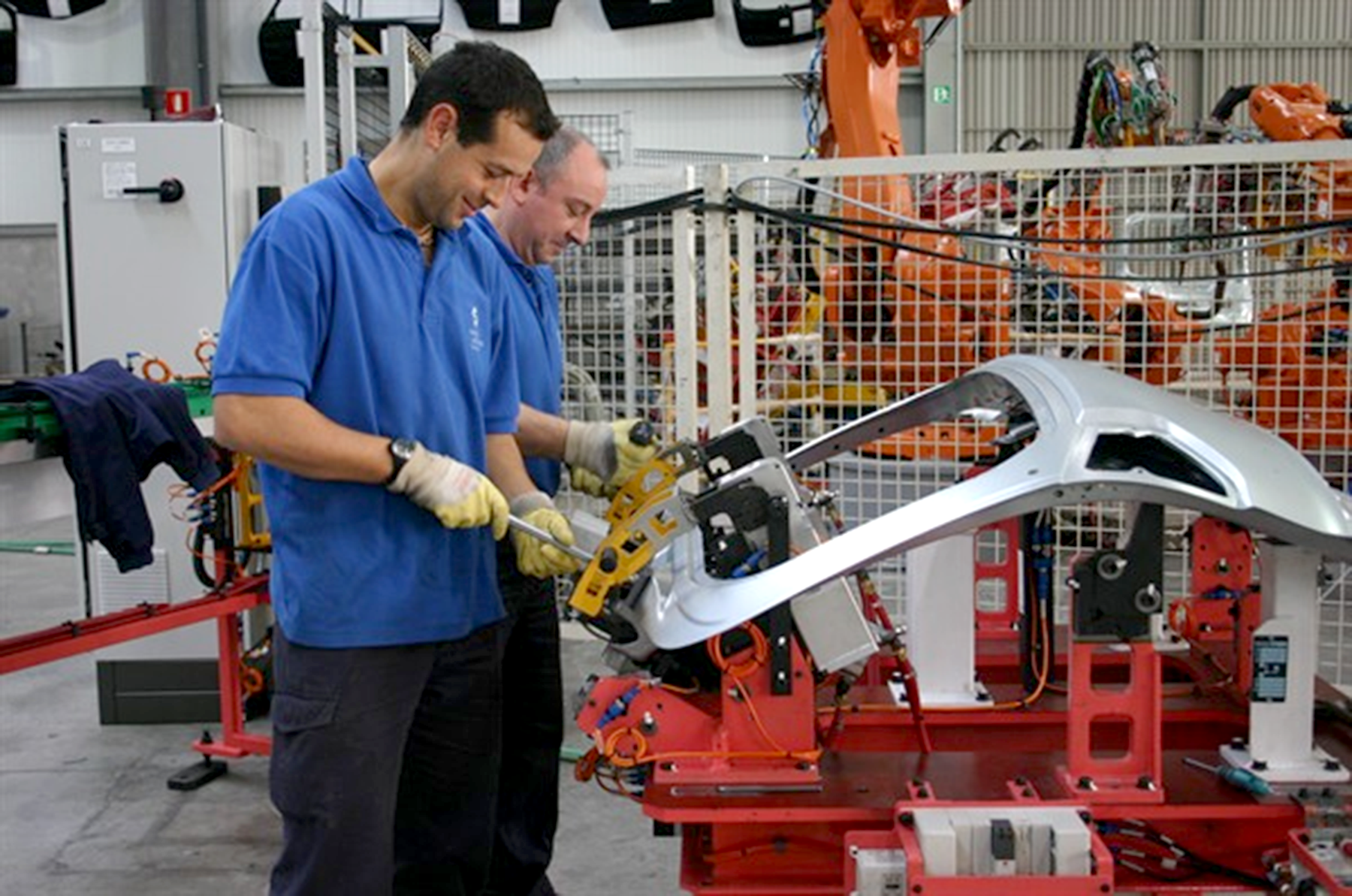
Towards the 1980s, I started to be more conscious of the great environmental problems such as: pollution, climatic changes, deforestation and contamination of water. I got aware that salvation should affect not only human beings, but the environment as well, that it should be human and cosmic at the same time. One cannot experience salvation here on earth if one is living in unhealthy conditions because of a dirty and polluted environment, breathing contagious germs such as tuberculosis or drinking water that is a carrier of typhoid and cholera.
Towards the end of 1990, I witnessed and got involved in interactions with other religions such as Islam, Judaism and Hinduism. I discovered more and more that all religions deal with salvation. Therefore, salvation could become a major point of convergence, encounter, dialogues, conversation and cooperation among all religions. At 68, my vision of salvation is still open to further new horizons!
SALVATION OCCURS IN HISTORY
When I think of salvation in the Old Testament, two books come to my mind: Exodus and Isaiah. The first is a historical book; the other, a prophetical one. Exodus is the salvation from the slavery. The joy of liberation from something negative is a sine qua non condition for an experience of salvation. The background of salvation is always: frailty, weakness, injustice, sickness, slavery, pollution, environment degradation. Something human beings should emerge from. In Exodus is the slavery under the oppressive regime of the Pharaohs. But salvation is not only liberation from; it entails as well empowerment for. Once the slaves are liberated, what type of life are you going to live? Salvation implies a new proposal and a new way of living. Exodus calls for a new land and a new political system in Palestine, where the liberated Jews would conquer their political independence and innovative social structures of governance which would not generate anew slavery and oppression.
It’s not enough! Between liberation and the new ways of living, there are forty years of desert. Salvation is not an easy achievement! On one side is God’s gift: the crossing of the Red Sea was a great experience of God’s presence and action in human events. On the other side is the fruit of human efforts and pursuits. The people of Israel had to cross the desert, to face drought, scarcity of food, hostile tribes of Bedouins, excruciating shortage of water for humans and animals. For this reason, the crossing of the desert is a litany of grumbling and rebellions against God and Moses by the runaway slaves gnawed by the creeping nostalgia of going back to Egypt. Salvation calls for deep and long-lasting commitment! It is the outcome of a convergent action from above and from below: God from above and human beings from below. It is not 100% gift, it is not 100% outcome of human efforts and sweat! Rather the outcome of a covenant between the two; the tent of the Covenant is pitched in the midst of the Jewish camp.
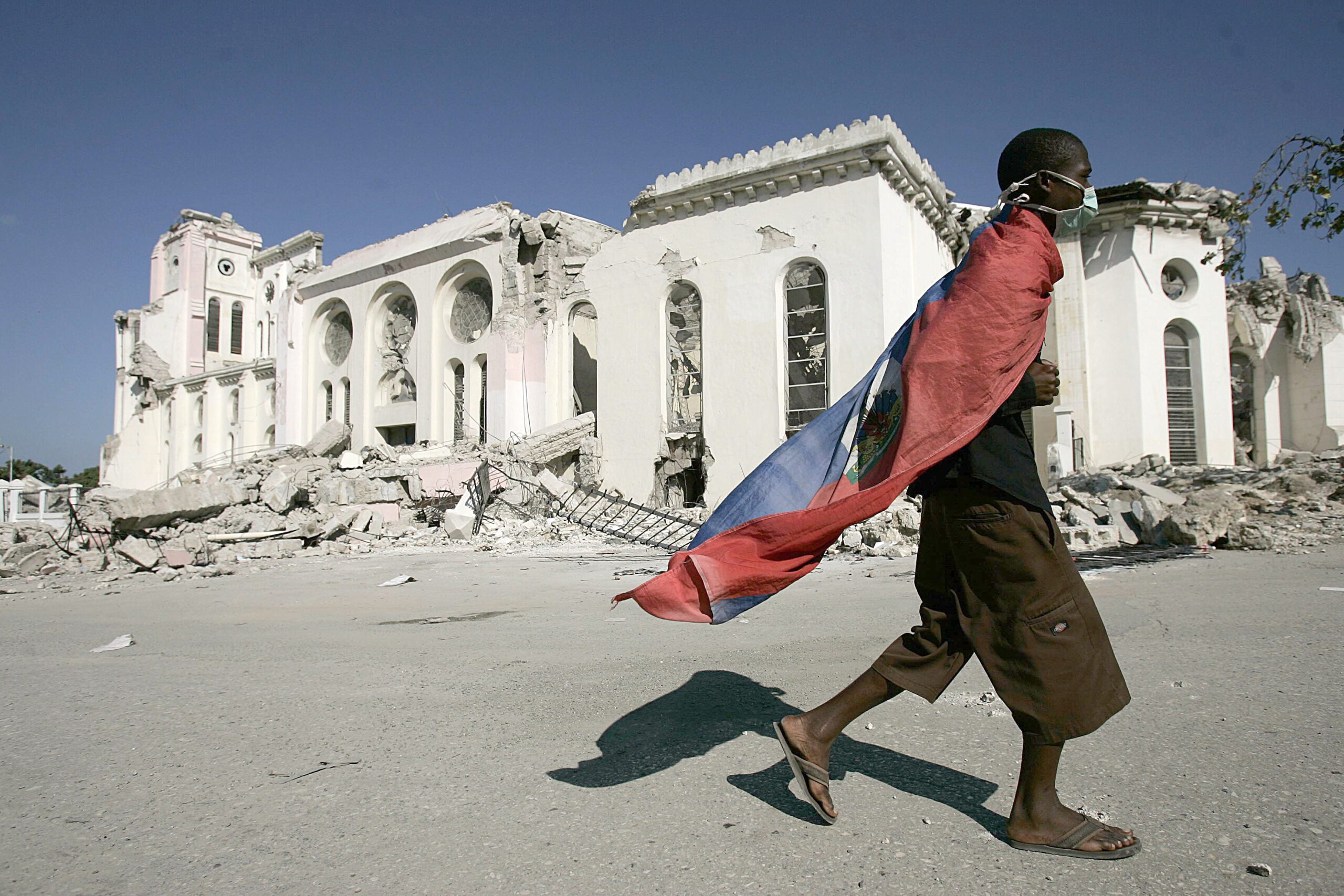
Isaiah comes centuries later. The social situation is slavery again under the heels of the Assyrians first and then the Babylonians. Jerusalem had been destroyed, the cream of the people abducted to Babylon. Isaiah is the prophet of consolation to keep burning the hope of liberation, of a new religious dispensation and of new social conditions. Here, as well, salvation includes a strong element of liberation from the ‘beasts,’ as oppressive empires are called by the apocalyptic literature in the Bible. The crossing of the desert is again highlighted: a journey to do away with the slavery which is inside human beings through idolatry, fears, apathy, passivity, exploitation of one’s neighbor. Now salvation is linked to a new style of living not necessarily to a given land, such as Palestine. In the socio-political conditions of the Middle East in the sixth and fifth centuries before Christ, the possibility of going back to Israel were minimal, only a tiny minority would go back.
Therefore, salvation becomes more personal, dependent on living certain values regardless of the place. Salvation started being deeply linked to the Word of God, to be deeply listened to and properly applied in different contexts. A word of God which in Isaiah links deeply the honor of God with preferential attention to the poor through liberation of misery and undignified conditions of life. The God of Isaiah is the God of the orphans, prisoners, poor, foreigners, strangers and the immigrants. The experience of salvation is bound to basic ethical values such as honesty in the market, fair wage to the workers, doing away with violence. Both in Exodus and in Isaiah salvation is deeply religious and deeply social, personal and communitarian.
ROLE OF CHARISMATIC LEADERS
In Exodus and Isaiah, salvation of the people becomes possible through a mediator, a leader who vehicles and renders visible God’s action, voice, orientation and plan. In Exodus, the charismatic leader is Moses; at the same time, a religious and social leader. Yes! The experience of Salvation is holistic; it depends on social, political and religious leadership. A leader with deep concern and passion for service in the community! Moses experienced immense and enumerable difficulties in running the people towards a liberated way of living, in keeping them motivated with an always fresh and enticing vision. He is torn apart by innumerable rebellions.
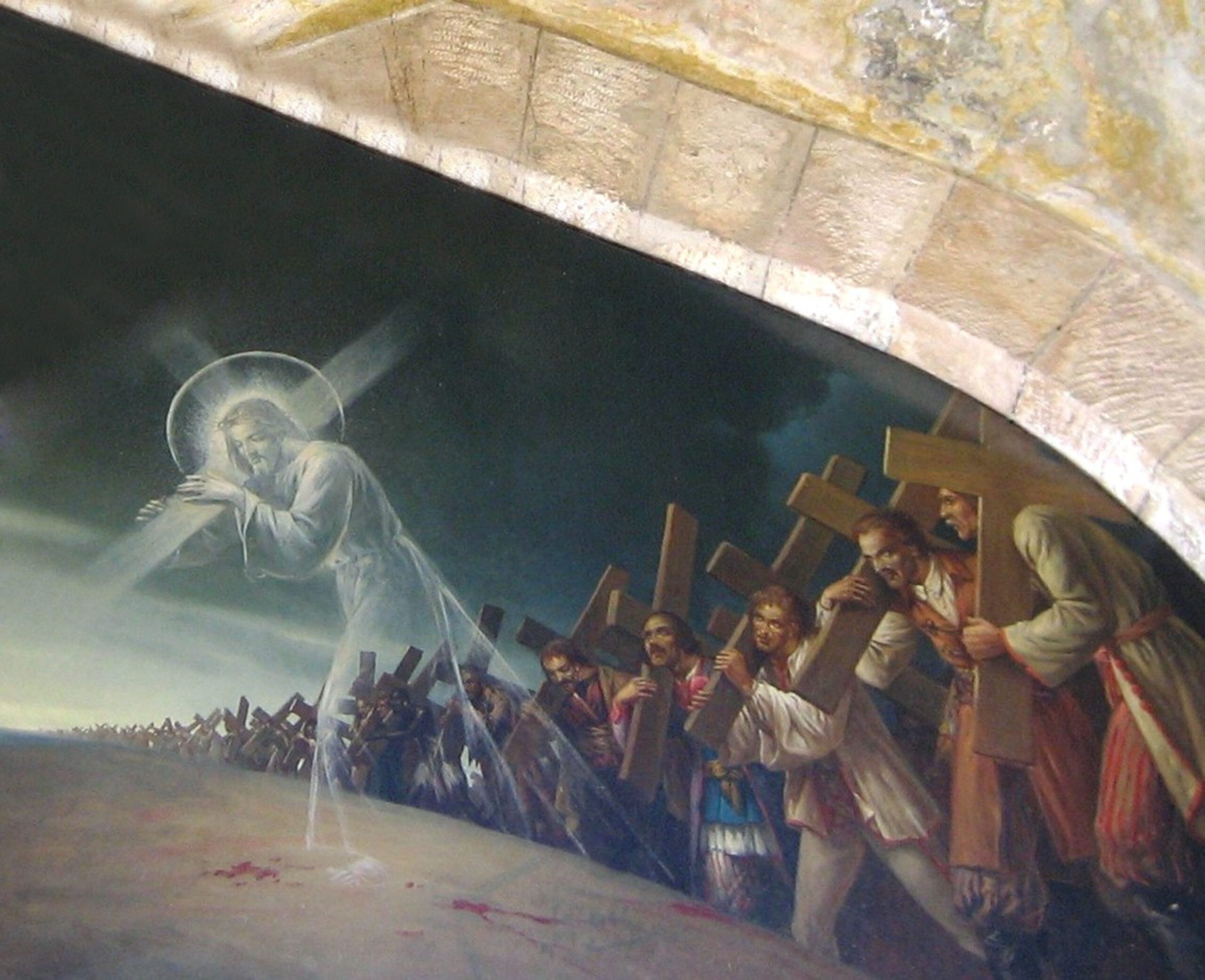
In Isaiah, mediation and leadership are more complex. There is Cyrus, a pagan emperor, called by God “my servant” who respects the religious and cultural diversities of nations all under his domain. Then the Emmanuel who assures shalom, peace and reconciliation! He will turn instruments of war such as spears and arrows into tools for daily serene type of life such as sickles and hammers. Another type of leadership is provided by the Servant of Yahweh whereby salvation is bound to the vicarious suffering of the leader who is ready to suffer for others, to carry their crosses and to atone for their shortcomings.
LIBERATION AND FULLNESS OF LIFE
For Jesus, salvation, first and foremost, means the establishment of the Kingdom of God as a kind of new world order which is both religious and social. Jesus opens His public ministry with the words: “The Kingdom of God is at hand. Repent, repent and believe in the Gospel” (Mk 1.14). The Kingdom of God is at the centre of Jesus’ prayer as shown in the Our Father. Jesus’ ministry is totally at the service of the manifestation of the Kingdom to be made visible, to be ushered in gradually into the hearts and minds of all human beings and to transform human ways of living at personal and social level according to the values of the beatitudes and of the Discourse on the Mountain.
The salvation of Jesus has deep and multiple dimensions of liberation! Again, in the Our Father: “Deliver us from the evil one.” He is the Redeemer from the mystery of evil which is multifaceted and beyond our own control as it is deeply embedded in the minds and hearts of people as well as in social structures. The salvation in the Gospel implies liberation from possession by evil spirits, from sickness, from leprosy, from death. The miracles of Jesus are, at the same time, liberation and fullness of life.
Liberation is more complex: it includes harmful traditions and negative aspects of cultures as well. Jesus says: “Your ancestors said … but I say …” All cultures, though intended to be at the service of life, are also embedded with cancerous outgrowths as well. Therefore, Jesus is, at times, strongly against certain cultural traits and prejudices against women, leprosy, blindness, taken as marks of curse by God, and so forth. For this reason, salvation in Jesus depends on profound changes and transformations conveyed in the word: conversion.
Then, salvation in Jesus means fullness of life: “I came to give life and life in abundance” (Jn 10:10), total defeat of death. Jesus used the expression: eternal life as the content of salvation, which entails obviously the resurrection of the body! Easter morning makes of Jesus the very first saved and, thereafter, Savior of all of us through the gift of the Holy Spirit who is the origin and pledge of the Resurrection.
HARMONY THROUGH RECONCILIATION
In the Gospel, salvation is the fruit of a long process of reconciliation because we are born with a wall of hostility and aggressiveness inside, asserts Saint Paul in his letter to the Ephesians. Jesus is Savior because He is a Mediator; through Him, bridges are possible hence communion, contact, relationships. Salvation in Jesus means deep communion, fullness of shalom which is the outcome of reconciliation.
Reconciliation is a gift from God the Father of all. He sends Jesus to help us bridge the cliffs, the gulfs of mutual mistrust. It is demanding conquest on our side; without personal commitment, forgiveness, of giving a bit of ourselves and putting the common good ahead of us, salvation would not be possible. Salvation has to do with communion through a renewed covenant with God and among ourselves. As Humanity we are a mass of individuals. Like the Jews in Egypt, they were not yet a people but rather a crowd, a throng, a multitude. They became a people, a community at the feet of Mount Sinai (Ex 19:1-6) through a covenant with the God of Abraham, Isaac and Jacob.
On the same line, Jesus speaks “of my Church,” that is, “my community.” This new relationship is so strongly emphasized in the Acts of the Apostles: “All those who believe were together and had all things in common… and every day the Lord added to their number those who were being saved” (Act 2: 43-47). A Koinonia (harmony) which goes beyond the natural relationships of sex, culture, blood, routed in the Trinitarian mystery. For this reason Saint Cyprian calls the Church: “A people made one with the unity of the Father, the Son and the Holy Spirit.” Vatican II in Lumen Gentium elaborates even further: “It pleased God, however, to make them holy and save them not merely as individuals without any mutual bonds, but by making them into a single people, a people which acknowledges Him in truth and serves Him in holiness” (LG, 9).
CROSS AND RESURRECTION
Salvation, proclaimed by the Christian message, does not imply of the disappearance of the cross in our earthly life: we believe that suffering is part and parcel of human experience. There is a great variance between the Christian message and those ideologies, such as communism, which promise paradise on earth. This is not the faith, the experience and the message of Jesus. Though in this life, we should experience several aspects of salvation, as I have strongly underscored above. But at the end of the day, all of us will die. Hence, only through the Resurrection would salvation be fully accomplished and fully enjoyed. Jesus is the first to be saved because He is the first to be resurrected. Salvation includes partaking in the Resurrection of Jesus – a resurrection which is anticipated in the new style of living here on earth through the fruits of the Holy Spirit: “Love, joy, peace, patience, kindness, generosity, faithfulness, gentleness and self-control” (Gal 5:22-23). The salvation of Jesus and in Jesus implies the experience of death as a total self-surrender to God the Father, in trust and hope, like Jesus: “Into Your hands I surrender my spirit.” A death accepted in Jesus for the salvation of all fellow human beings, is our final contribution to human and cosmic liberation.
TRIUMPH OF JOYFUL RELATIONSHIPS
Beyond all shreds of doubts, salvation has to do with relationship with others, with God and with the world. In our African cultures, salvation has to do with harmony through positive relationship at human and cosmic level. Therefore, the greatest value of all is relationship. Damnation which tantamounts to death begins with severing links. The opposite of salvation is to be fully and completely isolated. Someone may ask: “Am I saved or not?” The answer is in the quality of your relationship. Negative, if your relationship is of exploitation, of hatred, gender harassment and of egocentrism. Salvation is deep solidarity: it is to take charge of others. Who is saved in the Parable of the Good Samaritan? (Cf. Lk 10:29-37). The priest? No. The Levite? No. They passed by. Salvation is not in them!
Who is the one who shows that salvation is in him? The Good Samaritan! Am I saved? Inasmuch as the Good Samaritan is in you! Do not forget that Jesus is the Good Samaritan par excellence.
He took upon His shoulders our own sufferings, our own despondence, our own sickness and so forth. He is the Savior who carries not only His own cross but also the cross of others. Matthew writes: “When it was evening, they brought Him many who were possessed by demons, and He drove out the spirits by a word and cured all the sick to fulfill what had been said by Isaiah, the prophet: ‘He took away our infirmities and bore our diseases.’”
Who is not saved? The rich man who keeps Lazarus at the entrance of his palace without sharing anything with him (Cf. Lk 16:19-31). The rich man focuses on things to possess not on persons to encounter. The heart of the rich is in his wealth only; he has no heart for others. Salvation is not in him!
MISSION IS FOR SALVATION
This article appears in a missionary magazine. Therefore, I cannot conclude without hinting at the relationship between mission and salvation. Yes! Missionary activity finds its own ultimate goal in personal, social and cosmic salvation through redemption/reconciliation/liberation from all experiences and effects of the mystery of evil. A liberation which depends always on the presence and action of Jesus – be it explicit or implicit. Mission is always at the service of the fullness of life to be proclaimed, to be spearheaded, to be proposed in its totality and globality here and hereafter. A fullness whose paradigm is the Risen Christ. Mission cannot but serve reconciliation and promotion of communion and solidarity among all human groups, religions, genders and classes. Even from this point of view, the role of the Mediator Christ is unique. Without forgetting the mediation of Christ which is now embodied by His own people, the Church, Lumen Gentium clearly states: “So it is, that this messianic people, although it does not actually include all human beings and may more than once look like a small flock, is nonetheless a lasting and sure seed of unity, hope and salvation for the whole human race” (LG, 9).
Let me conclude this reflection with the words of Jesus in the Synagogue of Nazareth at the beginning of His ministry (Lk 4:18-19) – a quotation from Isaiah that provides a unique synthesis on salvation in the Old and New Testament:
“The Spirit of the Lord is upon me
Because He has anointed me
To bring glad tidings to the poor.
He has sent me to proclaim liberty to captives
And recovery of sight to the blind,
To let the oppressed go free,
And to proclaim a year acceptable to the Lord.”