
Catholics should have a special interest in the urban poor because the Church has often told us God has a preferential love for the poor, and that we should seek Him among the poor. Political scientists should have an equally strong interest in the urban poor, and in all poor people, because it is highly unlikely that there will be serious socio-economic reform in the country until the poor are organized politically in a democratic and non-violent manner. What other large group of people is as interested in reform as the poor? Finally, people who admire human virtue, including stories of courage and tenacity, should look closely at the urban poor. If they look with empathy at the poor, they will see great human virtue in muddy alleys and garbage piles – amidst the many human dramas they face daily.
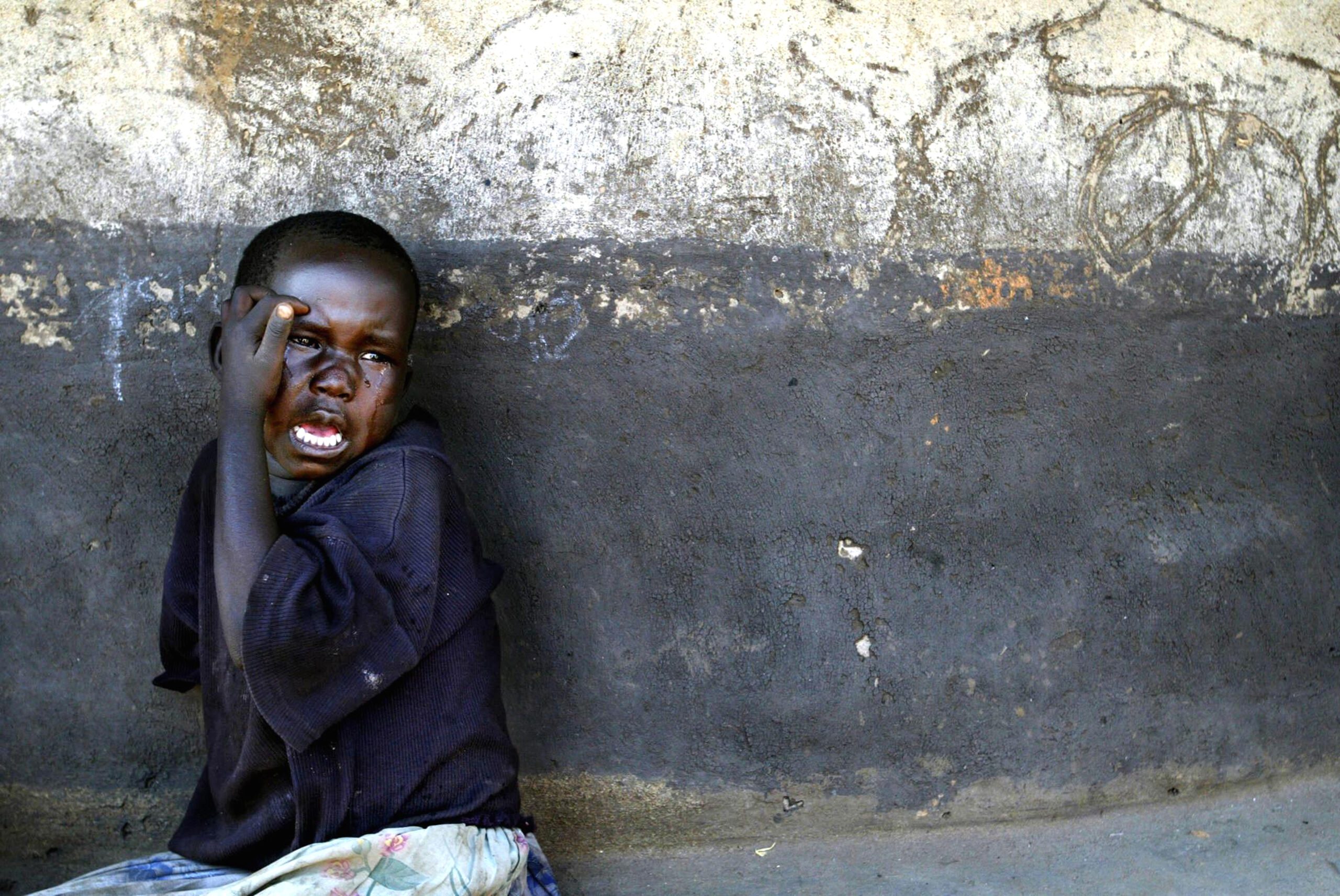
For instance, in Tondo, young girls of 12 and 13 years of age act as prostitutes for the truck drivers, security guards, and other men who hang around the piers at night. The girls charge P30 for feeling of breasts and bodies (pakalog) and P300 for sex (palong-palo), often in the back of garbage trucks. Sadly, 12- and 13-year old girls in Tondo never have enough food and are much more like children than young women. There is never enough food in the homes of the poor. Mothers regularly slap the children, they have told us, to stop them from complaining about the lack of food on the table.
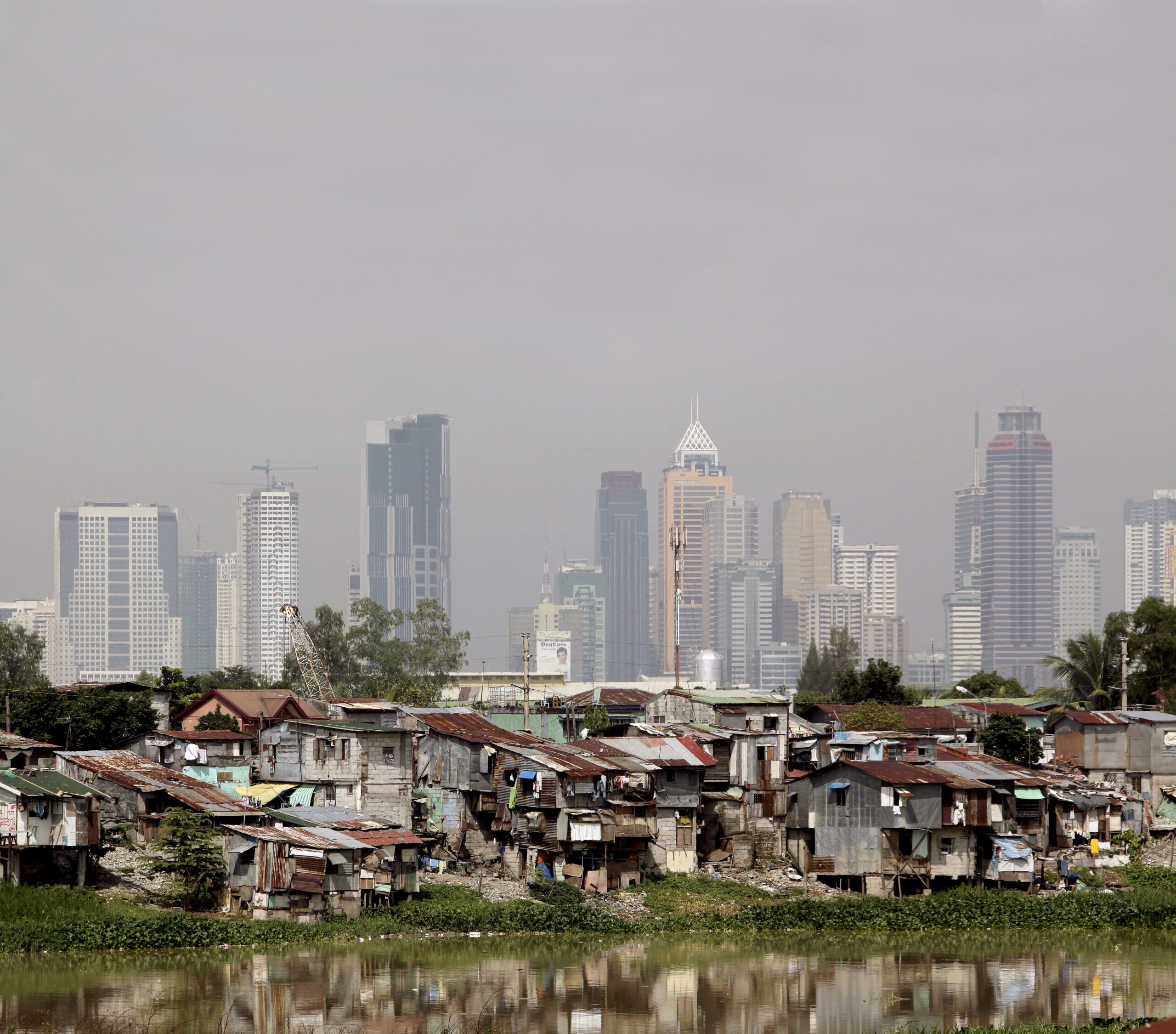
Rural poor people have lower cash incomes than the urban poor but, in other ways, urban poverty is worse, for example, in matters of health. The latest edition of the very respected Environment and Urbanization journal is devoted to health and the city. It says in its opening editorial: “Most cities (in developing countries) fail to provide the most basic safeguards for good health, such as piped water in every home or at least in every neighborhood; toilets in every home; drainage in the streets (where stagnant puddles of water breed typhoid, cholera and dengue); and emergency services, such as, fire controls.”
Despite the need of more income for food, medicines, etc., the real value of the money people earn in Baseco, Manila has declined over the years 2002-2010 according to studies made by the Ateneo de Manila Institute of Philippine Culture. The real value of the money has declined by 14%. In 2002, families on average earned P6,500 per month. In 2010, it was P7,500 on average. The money people earned in 2010, however, bought less food than the money earned in 2002 bought. The poor grew poorer.
VIRTUE AMIDST SUFFERING
Education should be a way out of this bad situation by preparing children for better-paying work. Schools in urban poor areas fail to do this. There are often 80 small children in a classroom, few textbooks and often there is no electricity in the homes so the children can do their homework. It’s common to meet boys and girls in the 5th and 6th grades who cannot read in any language, or who can’t do even simple subtraction problems, six minus two, for example. Hundreds of children, beginning in Grade 1, drop out of our school, often to help their families survive or because they don’t have money for jeepney fare, lunch, clothes or shoes. A good discussion of these matters is in an article prepared for the Philippine Institute for Development Studies by Marife M. Ballesteros, “Why Urban Poverty Matters.”
Women have their own special problems. They have absolutely no privacy. They live constantly amid violence on the streets outside and inside their homes. Water is scarce so there is not enough for them to bathe as they would wish. “We smell,” the women say. They have the sad experience of seeing their children grow up just as they themselves did with no more chance of escaping the slums than they had.
There are many dimensions to the problems of the slums, but before discussing these, it should be noted that despite the heat, congestion, violence, stagnation of lives and apparent futility of it all, men and women keep on trying to raise their children well and love one another. We find great virtue in the midst of suffering. We find that the marriage promise to be faithful “in poverty and sickness until death do us part” is lived out to the full in the slums. There are numerous couples who do separate, but many more who honor their promises to each other.
THE DRUGS’ THREAT
There are the daily hardships, already mentioned, such as lack of clean water, but there are also overriding problems, the fear of evictions, for example, or the fear of fires that trouble people day in and day out. Not every poor family faces the actual threat of eviction, but all families face the possibility. When people talk about fire in the slums, their fear is obvious in the tightening of their faces. People know that their communities of a thousand or two thousand families can turn into cauldrons of fire in a matter of minutes. The lights go off, people try to flee for their lives, trampling one another in their rush to escape. Fires roar through the wood shanties with the speed and power of a tsunami. Families know evictions can leave them literally homeless on the streets and they wonder what they will do. They wonder, what will happen to the old people, and what they will do if it rains when they had been evicted and on the street. They wonder what passers-by will think of them.
People, especially women, fear the speed with which simple arguments among drunkards can turn into fatal knife fights. Women fear their husbands may suddenly disappear leaving mother and children without support and protection. Parents know their young children can die in motor accidents in crowded slum streets, or drown in dangerous waters near piers or in esteros. Few people will mourn them. A small group will gamble in front of the dead child’s home raising money for his or her burial. Sometimes there isn’t enough money before the child’s body turns black with decay. The writer is not aware of articles discussing mental health among the urban poor. Most probably, depression is high, certainly higher than among the rural poor. Depression, it would seem, would descend on people who see little hope of their lives improving, and yet see around them in the larger city unimaginable wealth. The constant contrast must depress people deeply. The more people try and fail, the more their sense of inferiority grows till they are convinced deep down in their consciousness that they are the world’s losers.
Drugs are more common in the slums now, especially in the larger slums. Barangay captains, who have tried to limit the spread of drugs, have been killed, for example, in Isla Puting Bato in 2010. The killing was done as coolly and professionally as the Mafia itself might do the job. Some sociologists see in this increase in drugs the beginnings of the militant drug culture that literally took over urban poor areas in Brazil and other Latin American countries. They predict our slums will be dominated by drug lords as Brazil’s are now. If so, the people of Manila’s slums will experience a new dimension of fear and helplessness. When this writer was in Brazil in 2005, he was told the drug rings controlled all life in the slums, including the Samba schools and the Catholic Church parish councils. The state’s effort to combat the dupe racket can add more levels of violence.
A PEOPLE OF JUSTICE AND FAITH
The urban poor are basically rural people who have had the bad luck to be born into poor families in the poorest areas of the country. They have come to Manila and other cities not so much because they are attracted by the cities’ lights and opportunities, as they are pushed from the rural areas due to lack of work. There are no jobs there because government development funds have been oriented toward the cities. The rural areas are left without roads, irrigation, schools, post-harvest facilities, and processing factories that would have created jobs there. It is not the fault of the rural migrants that they come to Manila without money or skills.
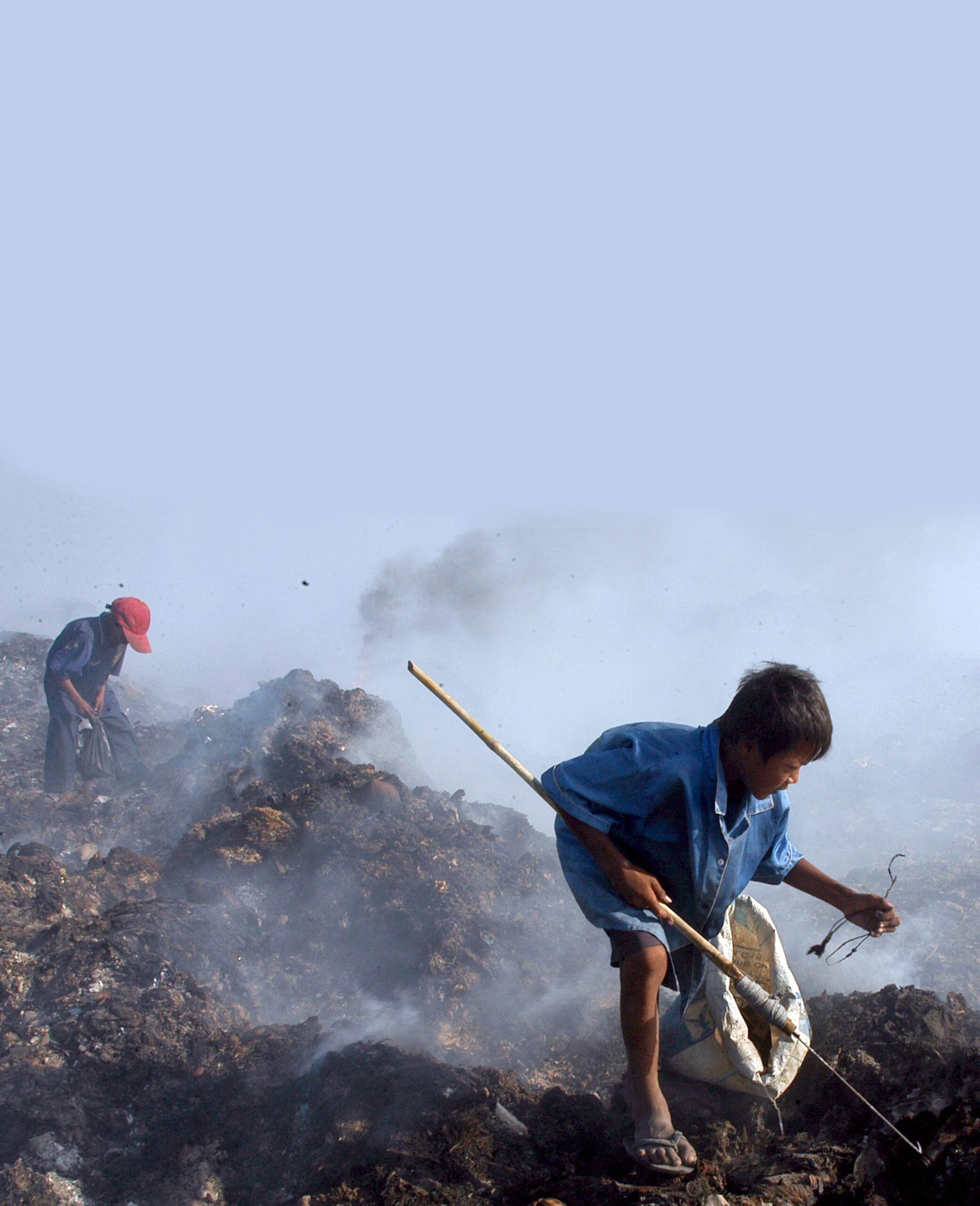
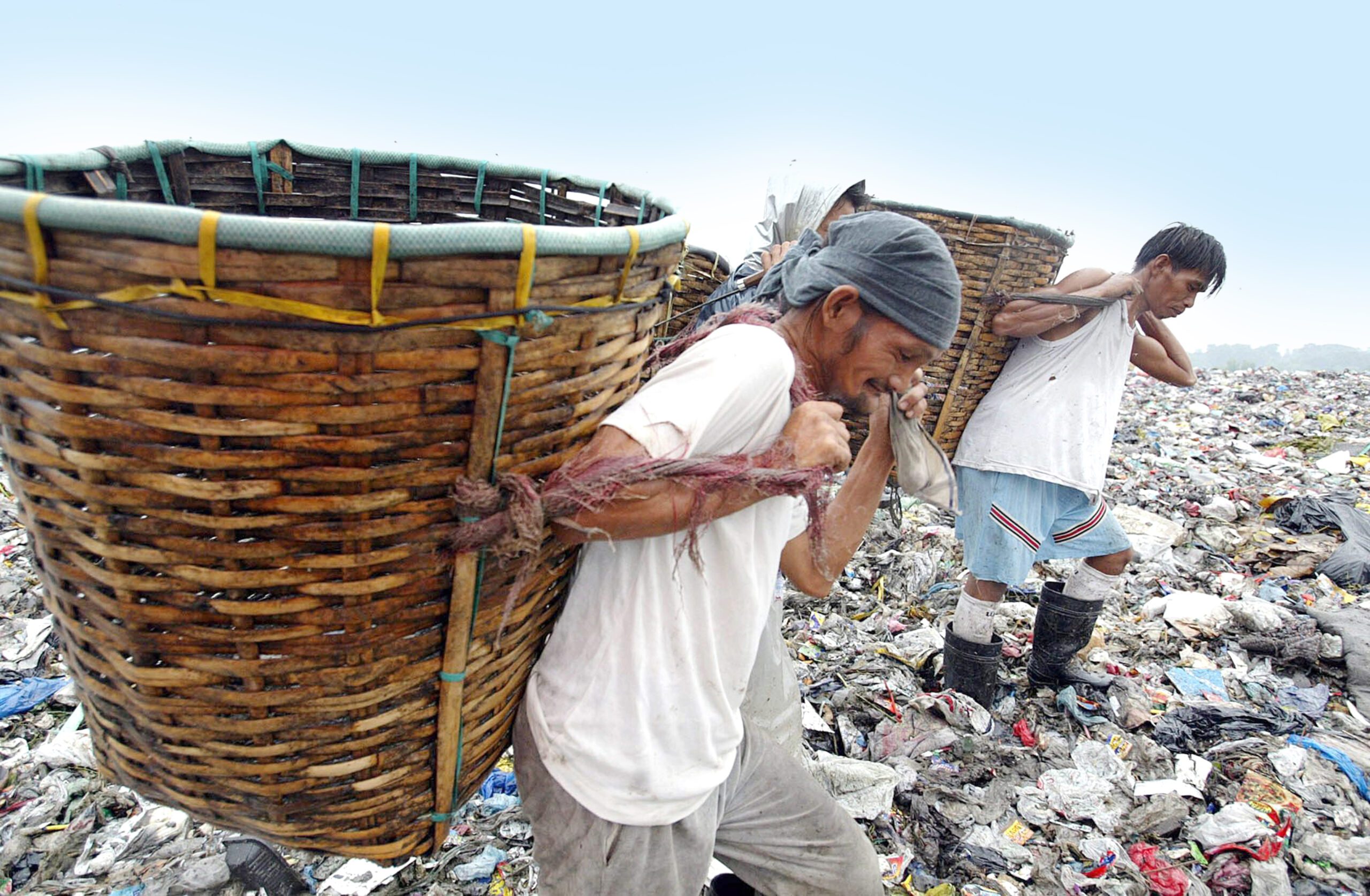
In Manila, they must live in the slums, renting a room or moving in with relatives. They can’t afford legal housing. The available jobs are not attractive – scavenging, unskilled labor (construction, for example), vending (selling cigarettes, cooked food, etc), being laborers in markets, and sex workers. Most of the jobs are day to day. There is little chance to save money, to improve one’s skills and get out of the slum. Those few who do get out have benefited from having a relative working overseas, or a specially talented child. Young people take whatever job they can get. Men and women in their 30’s can look back at their lives and not be able to find any serious free decision they have ever made. They have had no control over their lives. Everything was decided for them or, more accurately, was decided against them. They are victims of a very unfair hard-hearted system. There should be signs over entrances to the slums – as there is supposed to be over the doors of Hell: – “Abandon all hope, you who enter here.” The urban poor are more sinned against than sinning.
All of the above is obvious to anyone who has spent a little time in the slums. However, if that were all that existed there, the people would be beyond hope, something God has never allowed. He has, therefore, the Church teaches, decided to level the playing field, as it were, in His own way, by moving to the side of the poor in a preferential way. If we look at the urban poor with the eyes of faith, we are aware of God at work among them. He is building a people of justice and faith who can help the whole nation achieve its destiny.
THE TRADITION OF SHARING
If we look closely, we can see developments among the poor that may indicate more clearly how God is proceeding with them. These include the poor people’s tradition of sharing what they have; secondly, their beginning efforts to form democratic and non-violent people’s organizations; and, lastly, the efforts of the poor to take part as an organized sector in the country’s political processes. This does not mean the present activities of the poor are exactly what God seeks from His people but that, in concentrating on sharing, organizing and wise political involvement, they are on the right track to fulfill their role in the country’s future. God, of course, has His individual care for every man, woman and child in the slums. We are talking here of the social role of the poor.
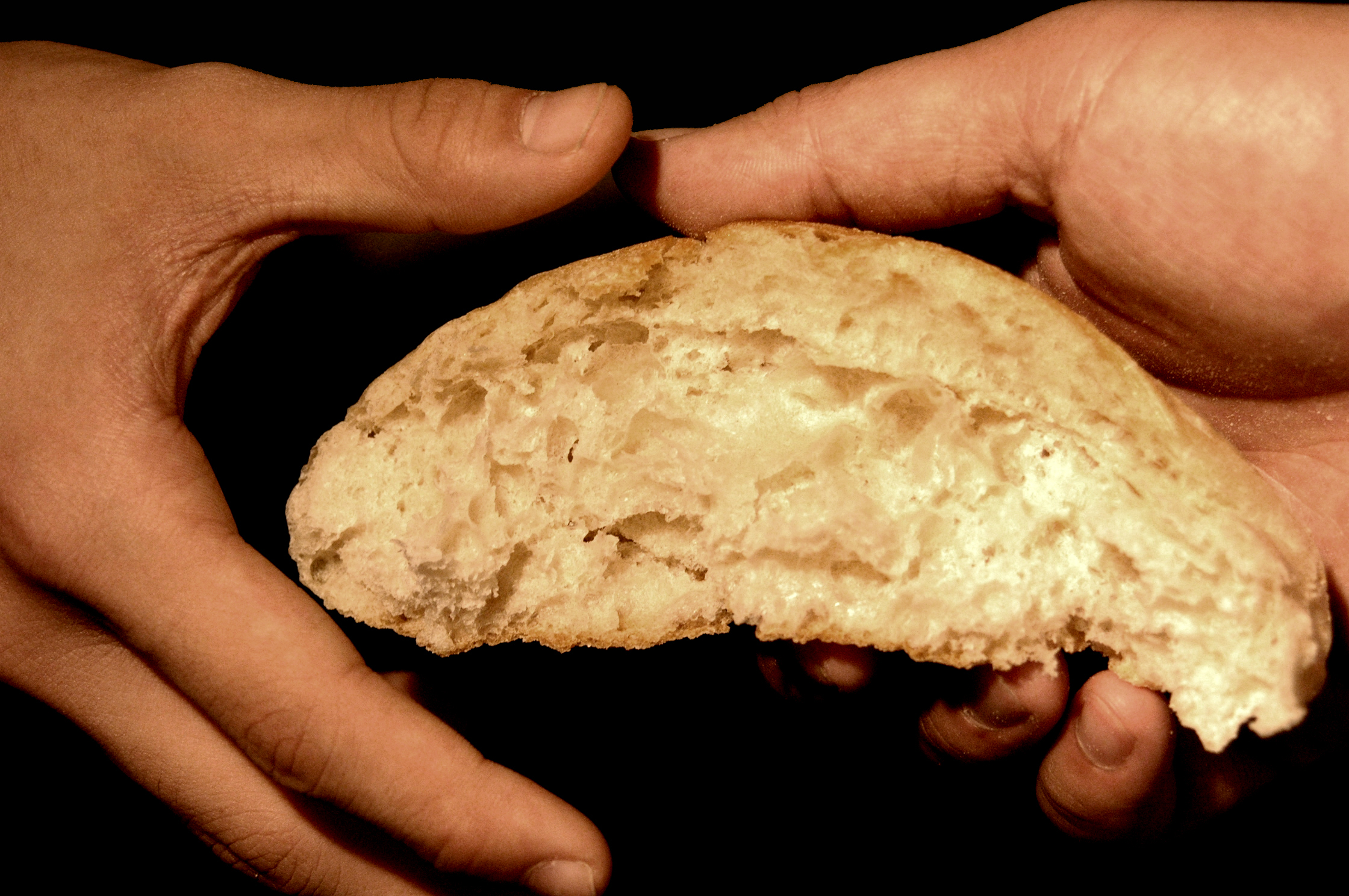
The poor are not passive victims. They help one another. They share. They are their own safety net. If a family doesn’t have food, money, or medicine or someone to care for a child, they go to their neighbor and they will get what they ask for if the neighbor has it. Middle-class people don’t borrow from one another. Poor people do and, in time, it builds strong bonds of unity and affection. Nearly everyone in the slums, at some time, goes to their neighbors for help. I knew one older woman, a grandmother herself, who took a neighbor’s sick child to Ospital ng Maynila walking and carrying the child the whole 4 kms from Baseco. She stayed by the child’s bed all night and refused the money offered her the next day by the child’s father for the woman’s expenses.
This social network of sharing strengthens the organizations that the poor form. These people’s organizations, if they are strong, give the poor a chance to make their voices heard by decision makers in the matters that affect the lives of the poor. The organizations are the vessels of people power. Society should welcome the growth of such strong organizations for they allow the poor to analyze their problems and propose their own solutions. This process allows for the growth in creativity of the poor. Their solutions can be debated and negotiated, of course. No one has perfect solutions. Experience shows that if the poor have a hand in working out the solutions to their problems, the solutions will be realistic and the poor will live up to all agreements made.
They will repay housing loans, for example. Experience shows outsiders cannot decide for people as well as they can decide for themselves. I saw good examples of this recently in Thailand.
In Metro Manila, urban poor people’s organizations have allied with Architect Felino Palafox, Jr. to draw up alternative housing programs for the poor people living on the esteros near Malacañang. The poor people and Palafox plan to have the people live on the esteros themselves. Their plan is now under study by President Aquino. The poor have been able to get this far in their campaign for decent housing because they have shown politicians they can be a valuable and intelligent voting bloc. Power in democracies rests with the political parties and sectors who can win elections. If poor people’s organizations can help win elections, they have power to influence government policies.
Jesus teaches that suffering is part of every important victory. The poor already know all about suffering.
* Denis Murphy is coordinator of the Urban Poor Associates, a small NGO that tries to help poor people affected by evictions and those desiring to improve their communities.